You’ve likely heard it a thousand times before: cats are aloof, distant, and prefer to do their own thing. They’re loners who tolerate us at best. That’s the narrative we’ve been fed for decades, passed down from one generation to another like an old wives’ tale. However, what if I told you that this perception is actually quite far from the truth? What if the very behavior we’ve been labeling as aloofness is really something far more fascinating and intelligent?
The truth is, cats aren’t distant at all. They’re strategic. They’ve mastered something that many of us struggle with daily: the art of knowing when to engage and when to retreat. Their moments of solitude aren’t about rejecting social connection; they’re about managing their mental and emotional resources in a way that makes perfect evolutionary sense. Let’s dive into why your cat’s seemingly independent behavior is actually a sign of remarkable intelligence and sophisticated social awareness.
The Evolutionary Blueprint Behind Feline Solitude
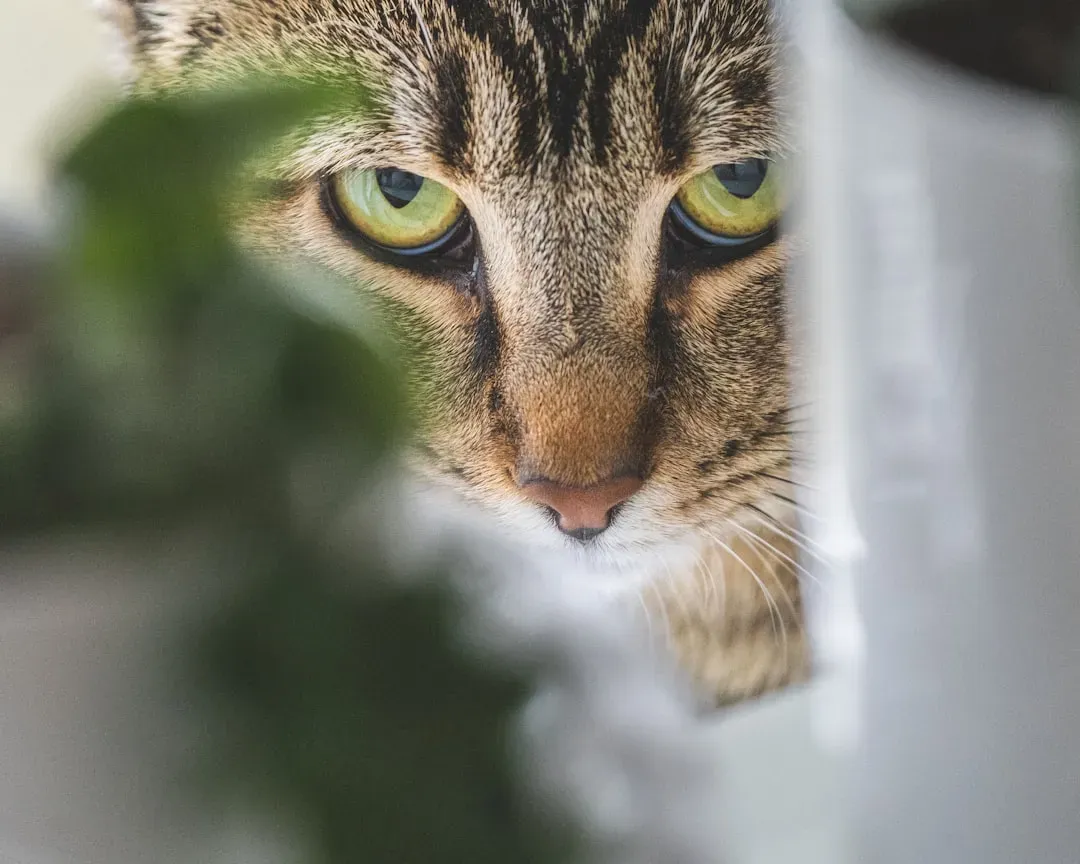
Because proto-domestic cats were left to fend for themselves, their hunting and scavenging skills remained sharp, and even today most domesticated cats can easily survive independently of humans. This evolutionary backdrop is crucial to understanding why cats behave the way they do. Cats come from an ancestor that was solitary, unlike dogs whose wolf ancestors lived in packs.
Yet here’s where it gets interesting. The abundance of prey in early human settlements attracted multiple cats, and tolerance to the proximity of other cats became an important adaptation, resulting in decreased aggressive territorial behavior. Cats essentially learned to be selectively social. They didn’t need constant companionship like pack animals, but they evolved to appreciate it on their own terms. That’s not aloofness; that’s intelligent adaptation.
Debunking the Myth of the Antisocial Cat
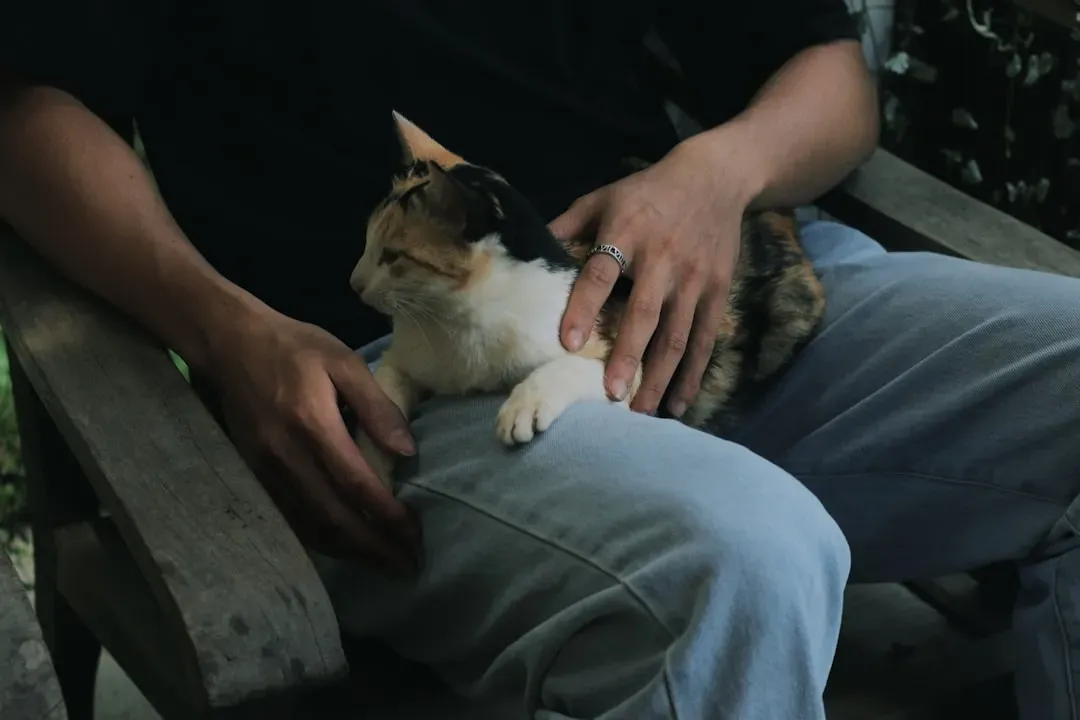
Scientific research shows that cats are actually highly social animals. I think this surprises a lot of people who’ve bought into the old stereotypes. Most cats appear to have close attachments to their owners who they turn to as a source of safety and security, just the same as dogs do. Studies using the Secure Base Test have revealed something remarkable: Almost 66% of adult cats display secure attachment to their owners.
Let’s be real here. The idea that cats don’t care about us has been thoroughly debunked by modern science. While cats value their alone time, they also seek social interactions, and they’re not the aloof creatures they’re often made out to be; they’re just selective about when and how they socialize. Think about it like this: just because you don’t want to chat with everyone at a party doesn’t mean you’re antisocial. It means you’re discerning.
Strategic Solitude as Stress Management
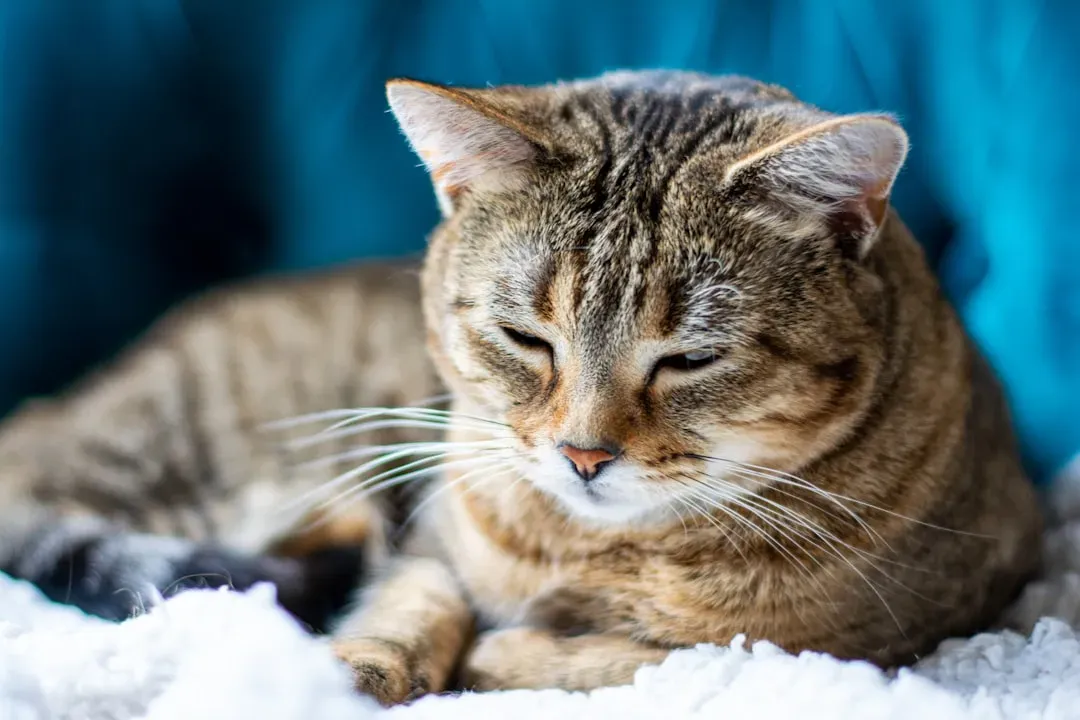
Cats spend significant periods in restful solitude, which is vital for their emotional well-being. This isn’t about avoiding you or being standoffish. Your cat is actively managing their stress levels and emotional resources. Honestly, we could all learn something from this approach. Cats may enjoy solitude, but this doesn’t equate to a desire for constant isolation; they also seek social interaction.
Felines have figured out something humans often struggle with: the balance between connection and recharge time. When your cat retreats to that sunny spot on the windowsill or that cozy corner behind the couch, they’re not rejecting you. They’re practicing self-care in the most natural way possible. It’s a deliberate choice, not a personality flaw.
The Intelligence Behind Selective Socialization
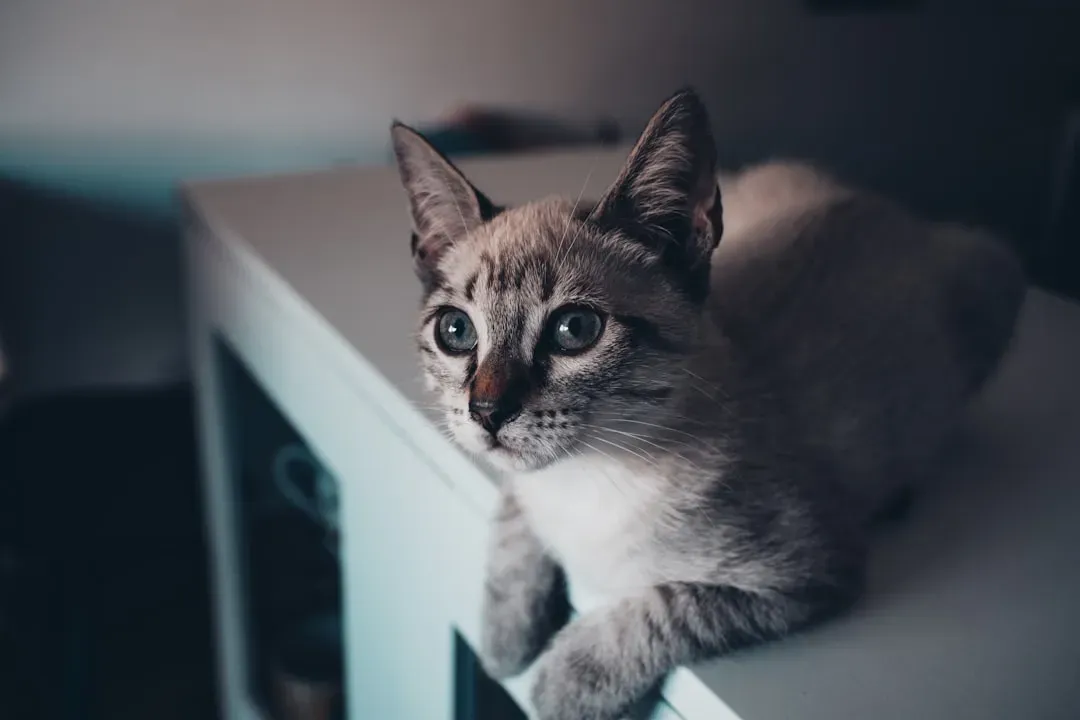
A small but growing number of studies is showing that cats match dogs in many tests of social smarts. This surprised even the scientists conducting the research. If you take a well-socialized, calm cat, it’s going to perform similarly to a dog in cognitive tests involving human social cues. The difference isn’t intelligence; it’s motivation and approach.
Domestic cats are capable of leading both solitary and social lives and socializing to humans, and this type of socialization may enhance an animal’s problem-solving ability. Their selective approach to interaction isn’t a limitation. It’s actually a cognitive strength that allows them to assess situations, determine what’s worth their energy, and act accordingly. That’s not simple; that’s sophisticated decision-making in action.
Reading the Room Like a Pro
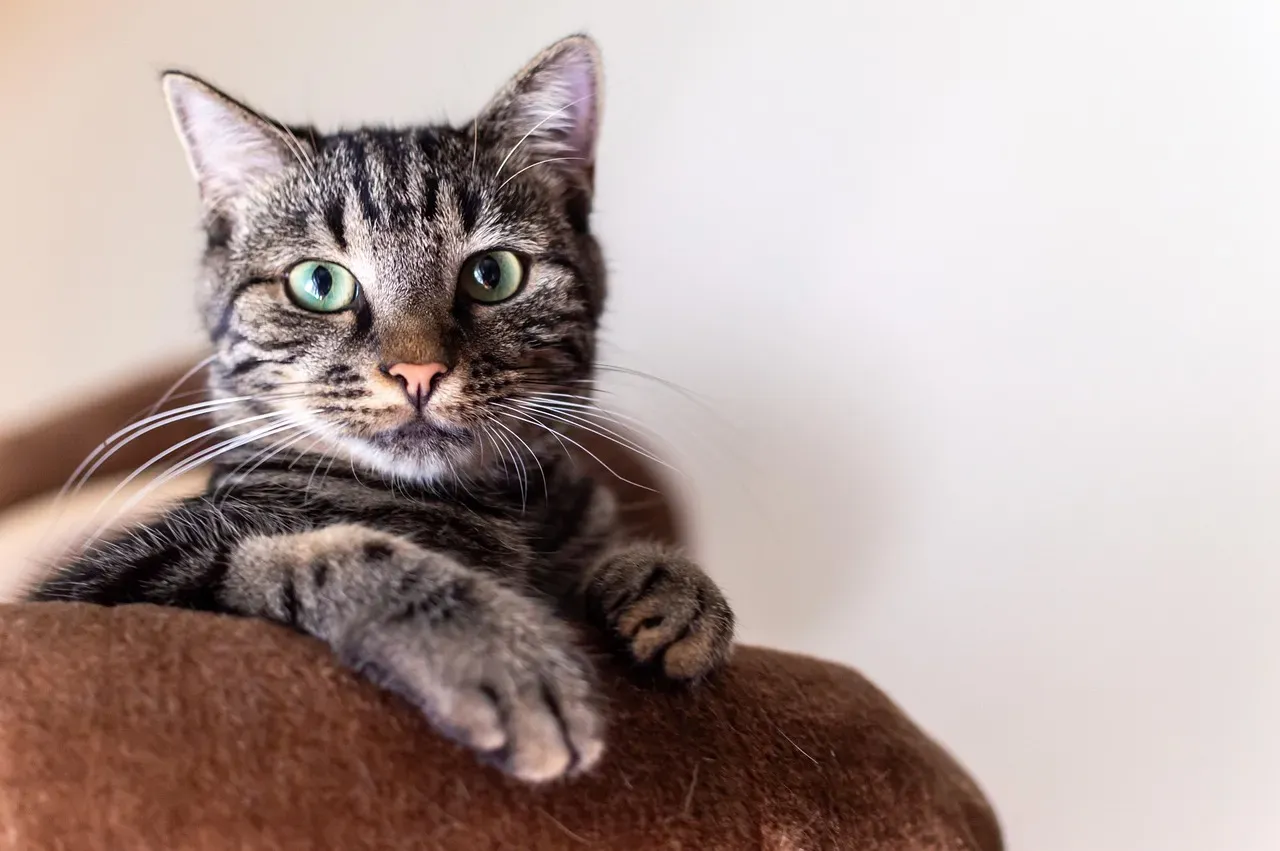
Here’s something fascinating: Cats have demonstrated an ability to use subtle social cues from humans, such as gazing direction alone, with success rates similarly high to those observed in both primates and dogs. Your cat is constantly reading you, picking up on your mood, your body language, and your intentions. They’re not oblivious; they’re observant.
Cats can be strategic lovers, cozying up to their humans when food or attention are needed by them. Some might call this manipulative, but I prefer to think of it as emotionally intelligent. Cats understand cause and effect in social situations. They know when to approach and when to give space. That level of social awareness requires a sophisticated understanding of relationships that we’ve long underestimated.
The Domestication Paradox: Independent Yet Attached
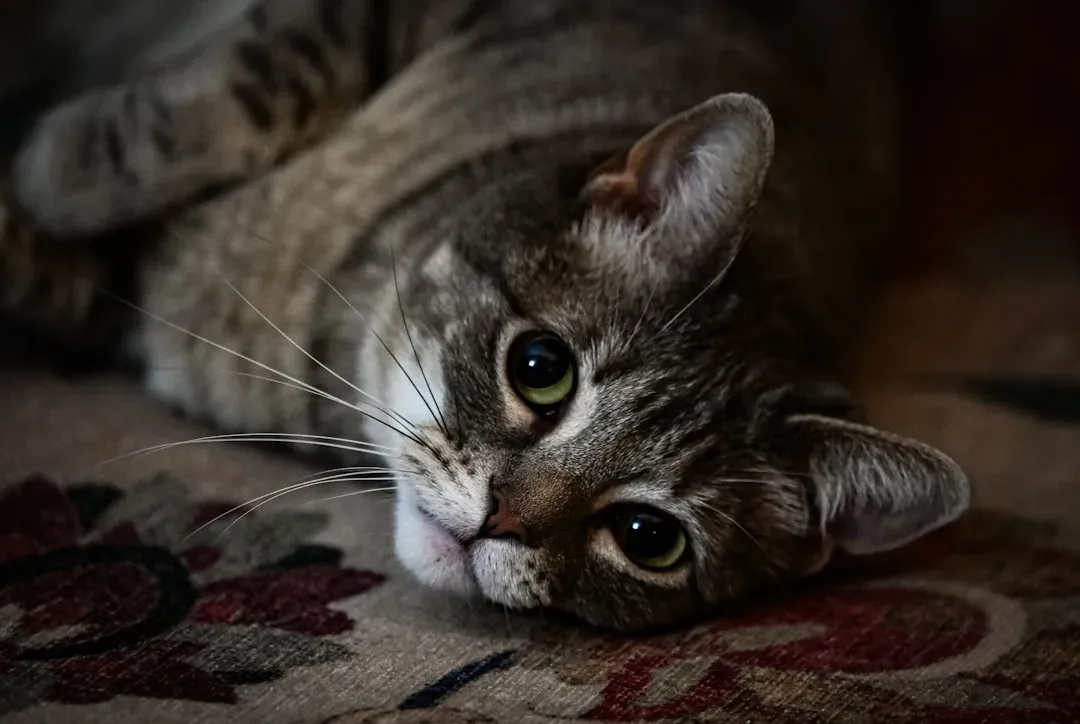
Natural selection in the human-dominated niche would have been principally for tameness, but competition among cats continued to influence their evolution and limit how pliant they became. This is why cats seem to walk this fascinating line between wild and domestic, between connected and independent. They weren’t bred for obedience like dogs; they evolved for coexistence.
Studies suggest that about 90% of domestic cats retain traits linked to their wild ancestors, such as hunting instincts and territorial behavior. Rather than viewing this as incomplete domestication, perhaps we should see it as cats successfully maintaining their autonomy while still forming meaningful bonds with humans. It’s honestly impressive when you think about it. They’ve managed to have it both ways.
When Alone Time Becomes Loneliness
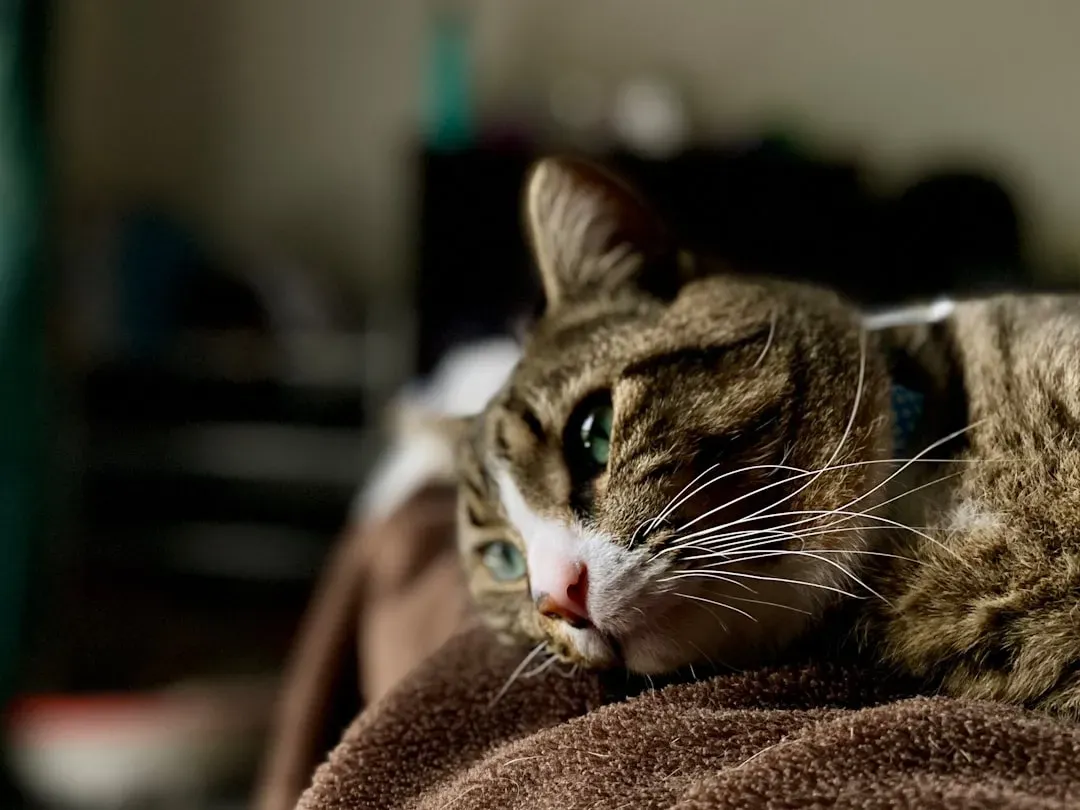
Now here’s where the strategic part becomes even clearer. While domesticated cats have evolved to crave companionship and often form strong bonds with humans, because of the attachments they form, cats can feel lonely. Your cat’s need for solitude doesn’t mean they want to be isolated from you completely. It’s about balance, not abandonment.
A 2019 study found that cats can get attached to humans and show signs of stress when separated. This reveals something crucial: cats are making active choices about their social engagement. When they retreat, it’s strategic. When they seek you out, it’s intentional. Cats will get lonely if they don’t have the possibility to share spaces, proximity and time with their preferred companions, as their wild feline ancestors were solitary animals so they lack the well-developed social behavior of pack species.
The Hidden Language of Feline Connection
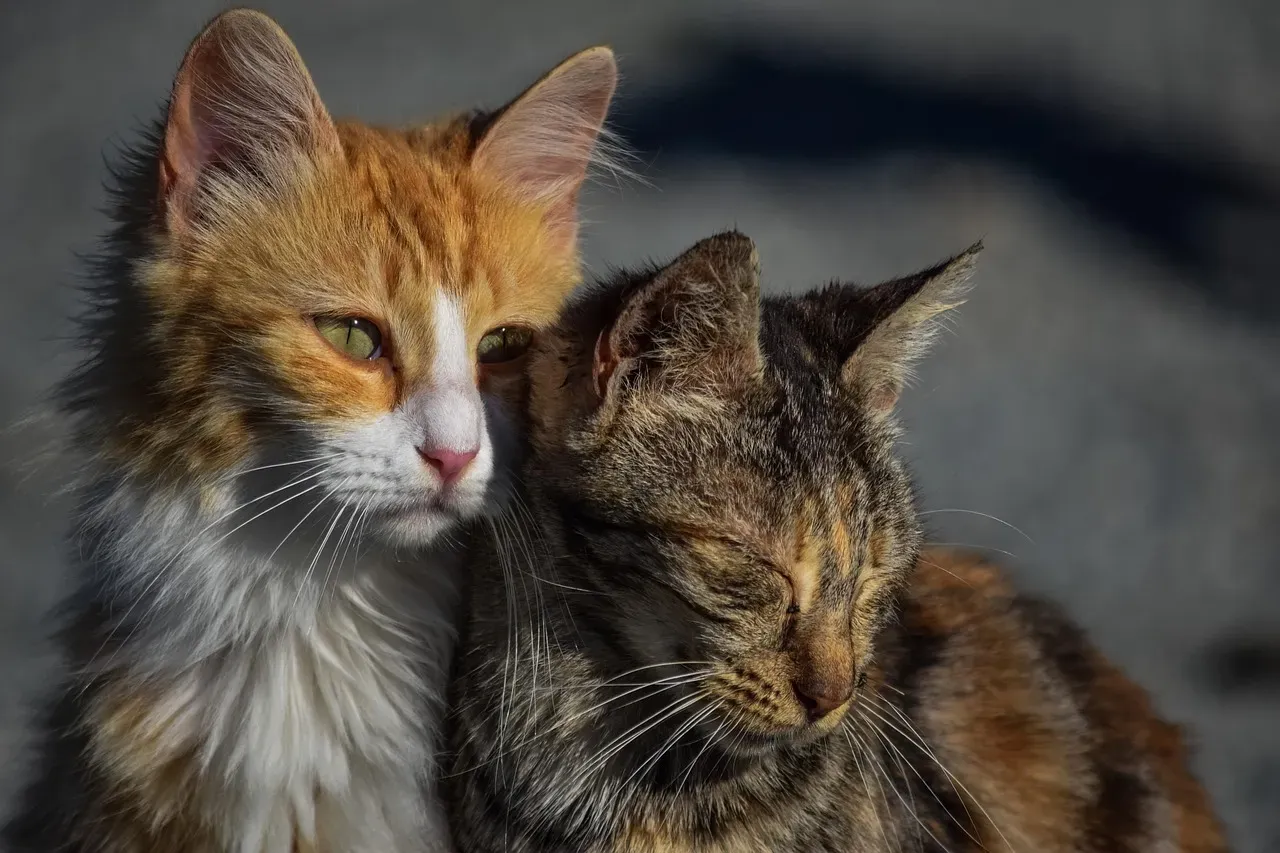
Cats want to share affection in a feline fashion, which is a few rubs and sharing the same couch, and keeping proximity is how cats show affection. This is where so many of us get it wrong. We expect cats to show love the way dogs do, or the way humans do. We want the enthusiastic greetings, the constant physical contact, the overt displays of devotion.
Instead, cats communicate connection through what I’d call “strategic proximity.” Your cat sitting in the same room as you, even if they’re not on your lap, is their way of saying they value your presence. They’ve chosen to be near you when they could be anywhere else in the house. That’s significant. Cats do some things alone, like hunting, scavenging, and eating, consequently they don’t need the nuanced communication skills that dogs require. Their social signals are simply more subtle.
The Science of Secure Attachment in Cats
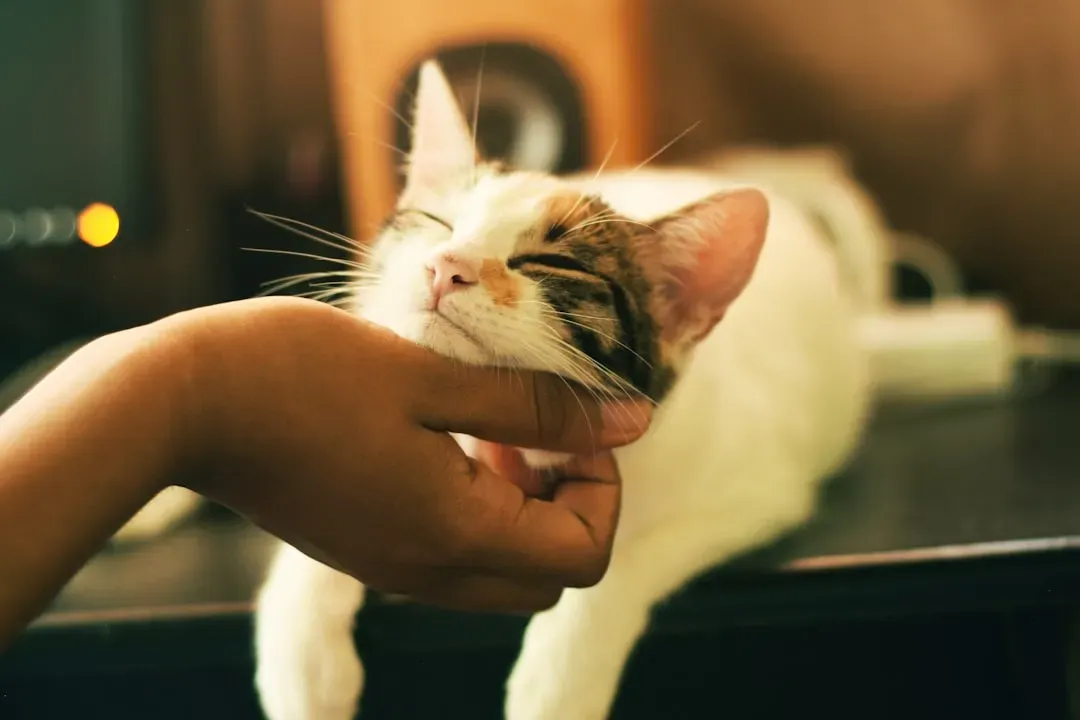
Around two-thirds of cats and kittens show evidence of secure attachment to their owners, and this attachment appears to be stable from kittenhood through to adults. This statistic is remarkably similar to what we see in human infants and dogs. The attachment is real; it’s just expressed differently. The stability of these bonds from an early age suggests this may be governed by underlying genetic traits that affect behavior.
What does this mean practically? Your cat’s occasional need for space doesn’t indicate a weak bond. Actually, a securely attached cat feels confident enough to engage in independent behavior precisely because they trust you’ll be there when they return. It’s the feline equivalent of a healthy human relationship where both parties maintain their individuality while still being deeply connected. The solitude is strategic because it serves to strengthen, not weaken, the relationship over time.
Reframing Independence as Emotional Intelligence
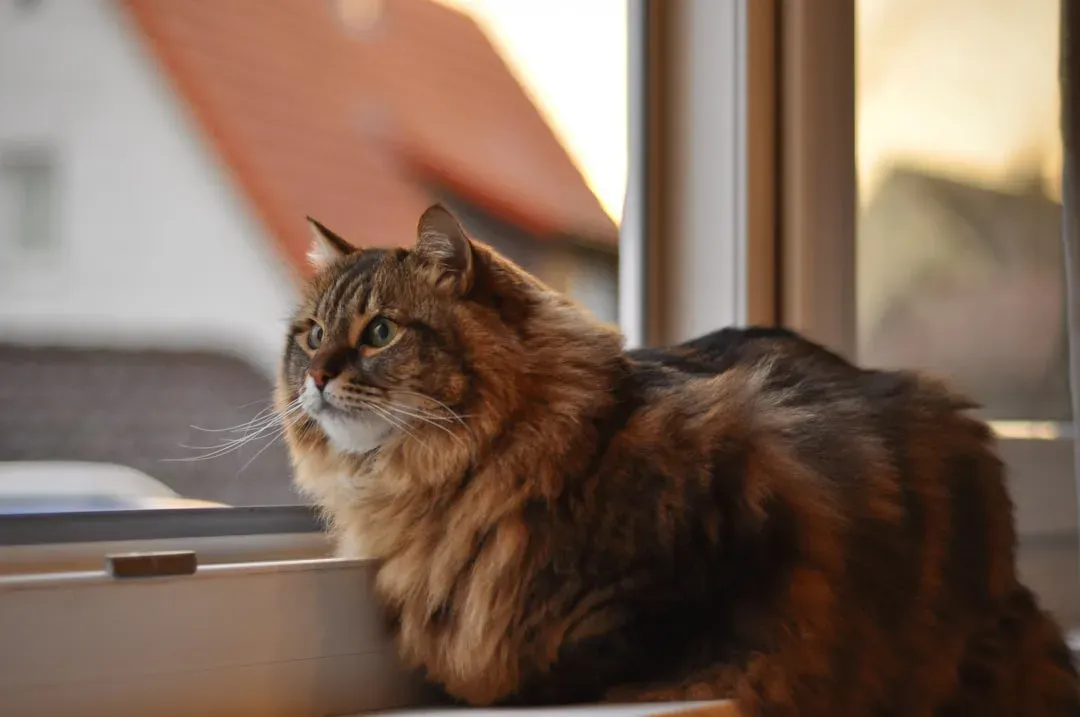
Let’s reconsider what we mean when we call cats “independent.” While this independence could be tied to their wild ancestors who were solitary animals, domesticated cats have evolved to crave companionship. The independence we observe isn’t about emotional detachment; it’s about emotional regulation. Cats have developed the ability to self-soothe, to manage their own stress, and to seek connection when it serves them emotionally.
I know it sounds like I’m giving cats too much credit, but the research backs this up. They’re not simply reacting on instinct. Feline independence is complex; cats communicate and express friendship in subtle ways, often misunderstood by humans. When we stop judging their behavior through the lens of what dogs do or what humans do, we start to see it for what it really is: a different, equally valid form of social intelligence. Their strategic solitude is a feature, not a bug.
What This Means for You and Your Cat
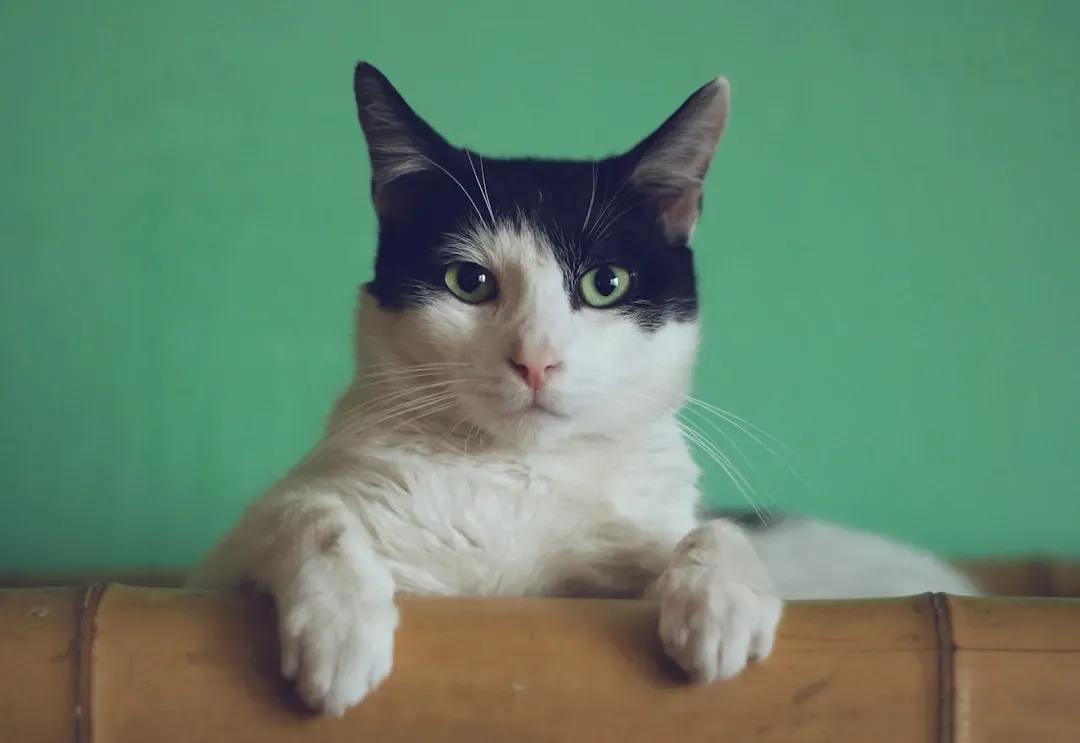
Understanding that your cat’s need for alone time is strategic rather than antisocial changes everything about how you interact with them. Cats are more solitary by nature and usually don’t mind being left alone for a while, but they are also creatures of habit and routine, and sudden changes may cause separation-related frustration. Respecting their need for space while maintaining consistent routines helps them feel secure enough to engage socially on their terms.
Cats are really attuned to patterns and daily routine, which means predictability in your interactions actually encourages them to be more social. When they know they can count on certain touchpoints throughout the day – feeding times, play sessions, quiet coexistence – they’re more likely to seek out additional connection. The strategic solitude works best when balanced with reliable social opportunities. Your cat isn’t playing hard to get; they’re managing a complex internal world with remarkable sophistication.
Conclusion: Celebrating the Strategy Behind the Silence
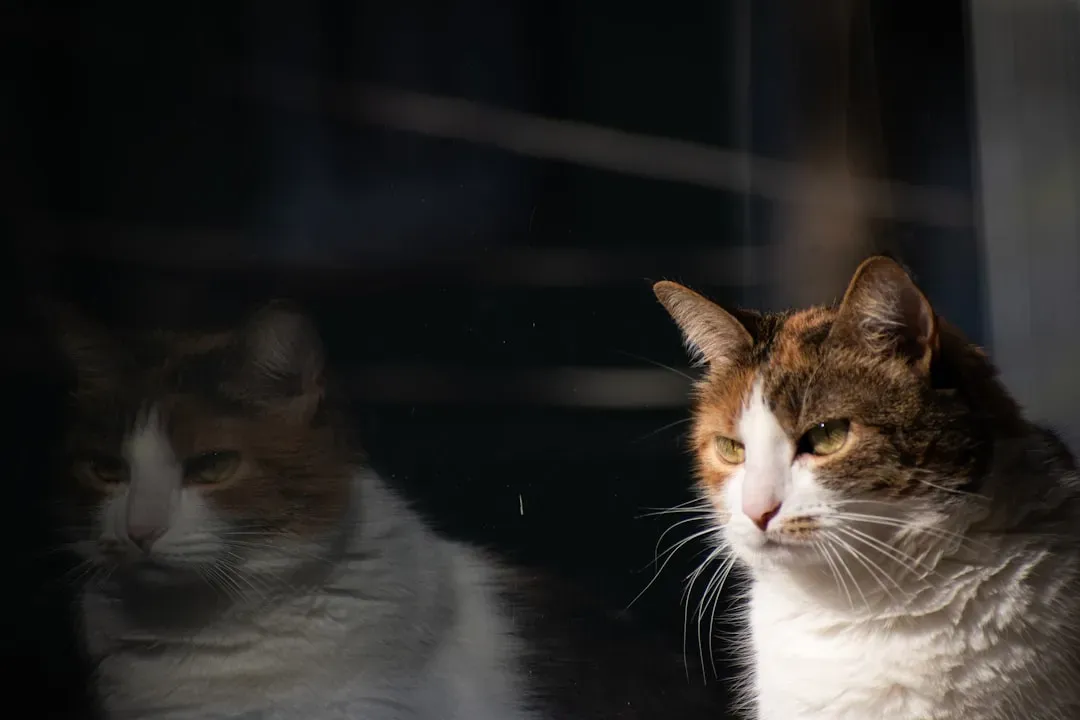
The narrative around cats needs a serious update. They’re not aloof, distant, or emotionally unavailable. They’re strategic, intelligent, and operating with a level of emotional sophistication that we’re only beginning to understand fully. Their moments of solitude serve important psychological functions: stress management, energy conservation, and emotional regulation. When we reframe their behavior as deliberate rather than dismissive, we gain a much deeper appreciation for what makes cats such fascinating companions.
Next time your cat walks away from your affection or chooses the empty chair over your lap, remember: it’s not personal. It’s strategic. They’re managing their emotional resources, reading the social situation, and making decisions based on what they need in that moment. That’s not independence born of indifference; that’s the mark of an intelligent, emotionally aware creature who knows exactly what they’re doing. Pretty remarkable when you think about it, isn’t it? What aspects of your cat’s behavior have you been misinterpreting all this time?