You’ve seen it happen. Your cat stares at you from across the room with those knowing eyes, somehow reading your mood before you’ve even processed it yourself. Maybe they curl up beside you when you’re feeling low, or perhaps they greet you at the door with an enthusiasm that rivals any dog. For too long, we’ve sold cats short, painting them as aloof creatures who tolerate us at best. The truth is far more fascinating. These animals possess emotional depth, social intelligence, and cognitive abilities that science is only beginning to fully appreciate. Their lives are layered with complexity that goes well beyond the stereotype of the indifferent feline lounging in a sunbeam.
Let’s be real here. If you think your cat is just a furry roommate who occasionally demands food, you’re missing out on one of the most intricate relationships the animal kingdom has to offer.
They Feel More Than We Give Them Credit For
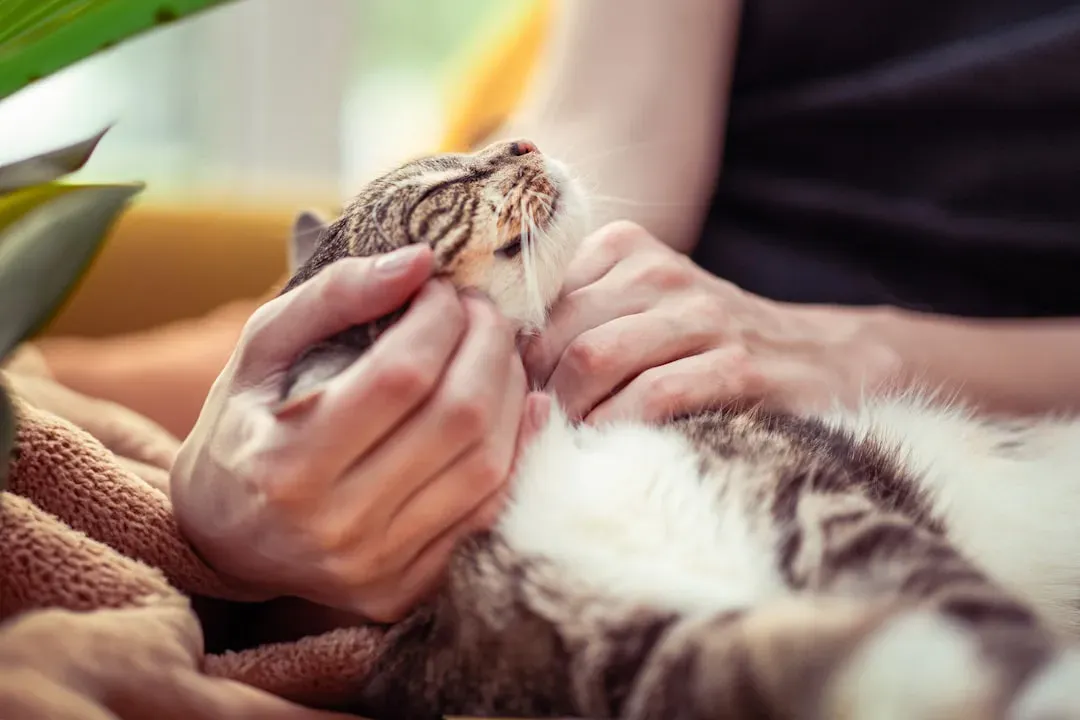
Cats are emotionally complex, cognitively advanced, and socially nuanced. Research has shattered the old notion that felines are merely solitary hunters incapable of deep feelings. Cats can form secure attachments to their owners, like infants with caregivers and they recognize human emotions, read tone and gesture, and exhibit behaviors linked to empathy and social awareness. When you come home stressed, your cat knows it. When you’re happy, they sense that too.
Cats are known to show signs of depression and grief, and a change in their environment or even routine can cause feelings of depression in cats. Cats feel pain, anxiety, fright, anger, happiness, and relaxation. The challenge isn’t whether they experience emotions but rather how we interpret the subtle cues they use to express them. Your cat isn’t emotionless. They simply speak a different language.
Their Communication Is a Sophisticated Dance
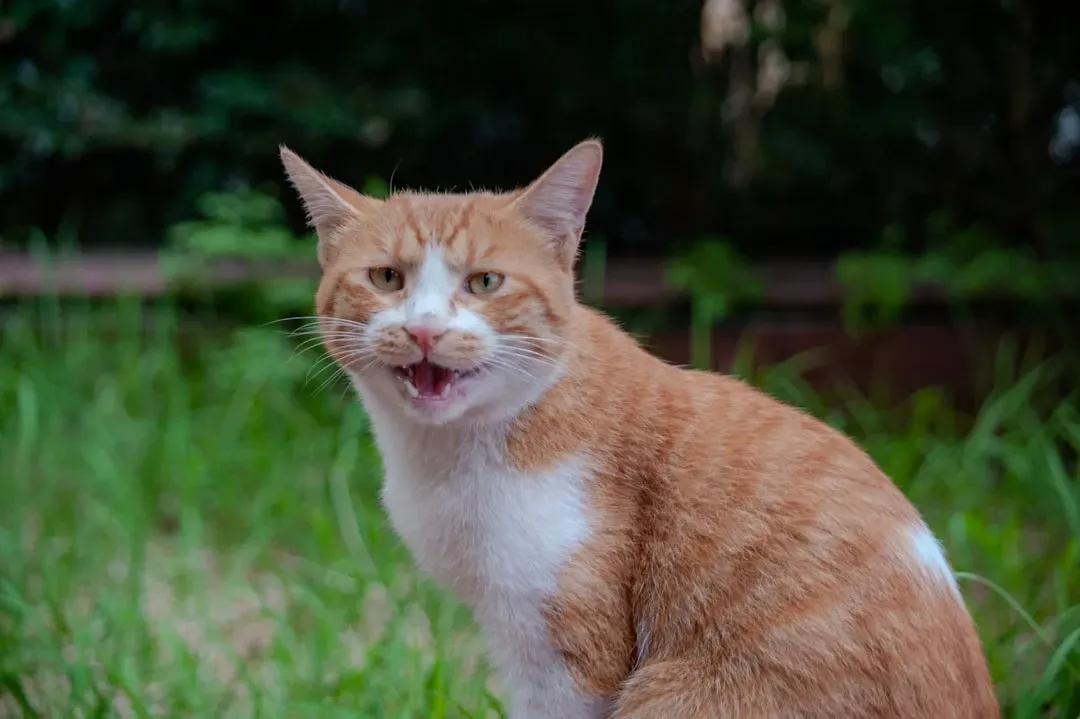
Cats, as emitters, have specifically developed vocal communication modes for interacting with humans. Think about that for a moment. Over generations of living alongside us, cats have evolved ways of talking specifically to people. When it comes to intraspecific interactions, cats tend to favour chemical and visual communication over vocal cues. That meow? It’s largely for your benefit.
Participants of this study decoded information emitted as bimodal (visual and vocal) signals better than visual and vocal signals alone. The reality is that cats use a multimodal approach, combining sound, body language, and even scent to convey meaning. Misinterpretation of cat communications during play can lead to unwanted interactions that prolong stress for cats and increase the risk of human injury. Understanding their full repertoire isn’t just interesting; it’s essential for a harmonious relationship.
Each Cat Has a Distinct Personality
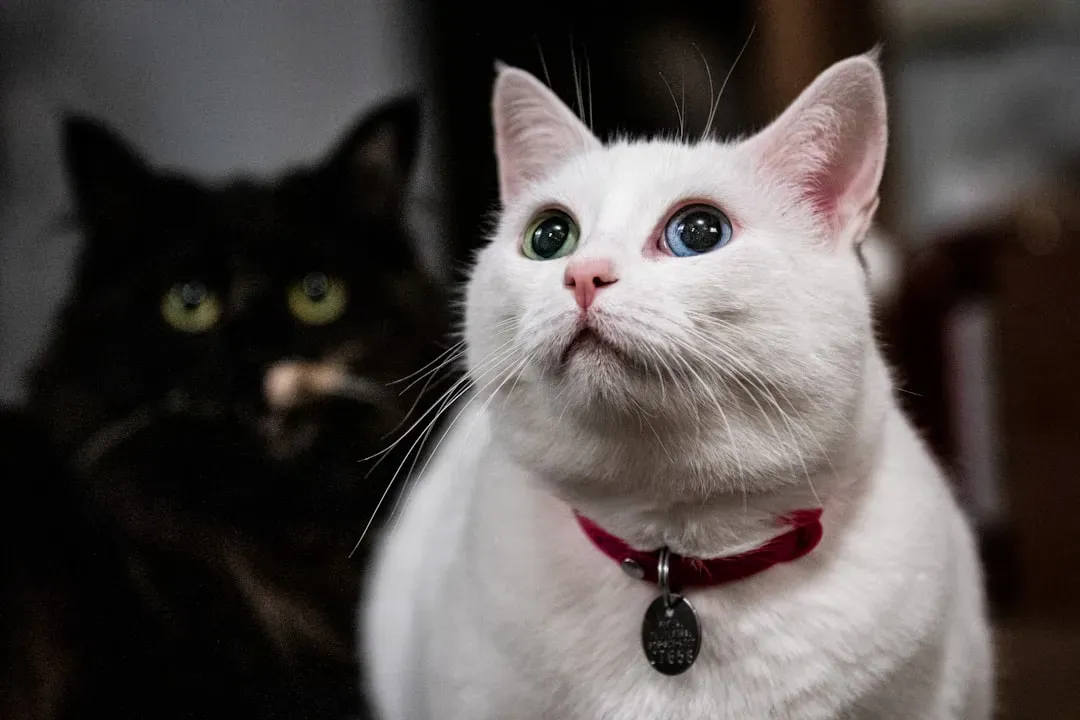
You might think personality is a uniquely human trait, yet domestic cats are popular pets, and they have personalities, with stable behavior differences between individuals. Researchers have shown that there are also five key personality traits that can be reliably found in cats, known as the ‘Feline Five’: Neuroticism, Extraversion, Dominance, Impulsiveness and Agreeableness.
Some cats are confident adventurers, eager to explore every corner of their world. Others are cautious observers, preferring quiet routines and familiar faces. Identification of a cat’s personality type is important as cats with different personalities have different environmental needs to reach a good life quality, for example, active individuals may need more enrichment, such as playing, than less active individuals, and fearful cats may benefit from extra hiding places and owners’ peaceful lifestyle. Your cat isn’t just being difficult. They’re being themselves.
They Mirror Our Emotional States More Than We Realize
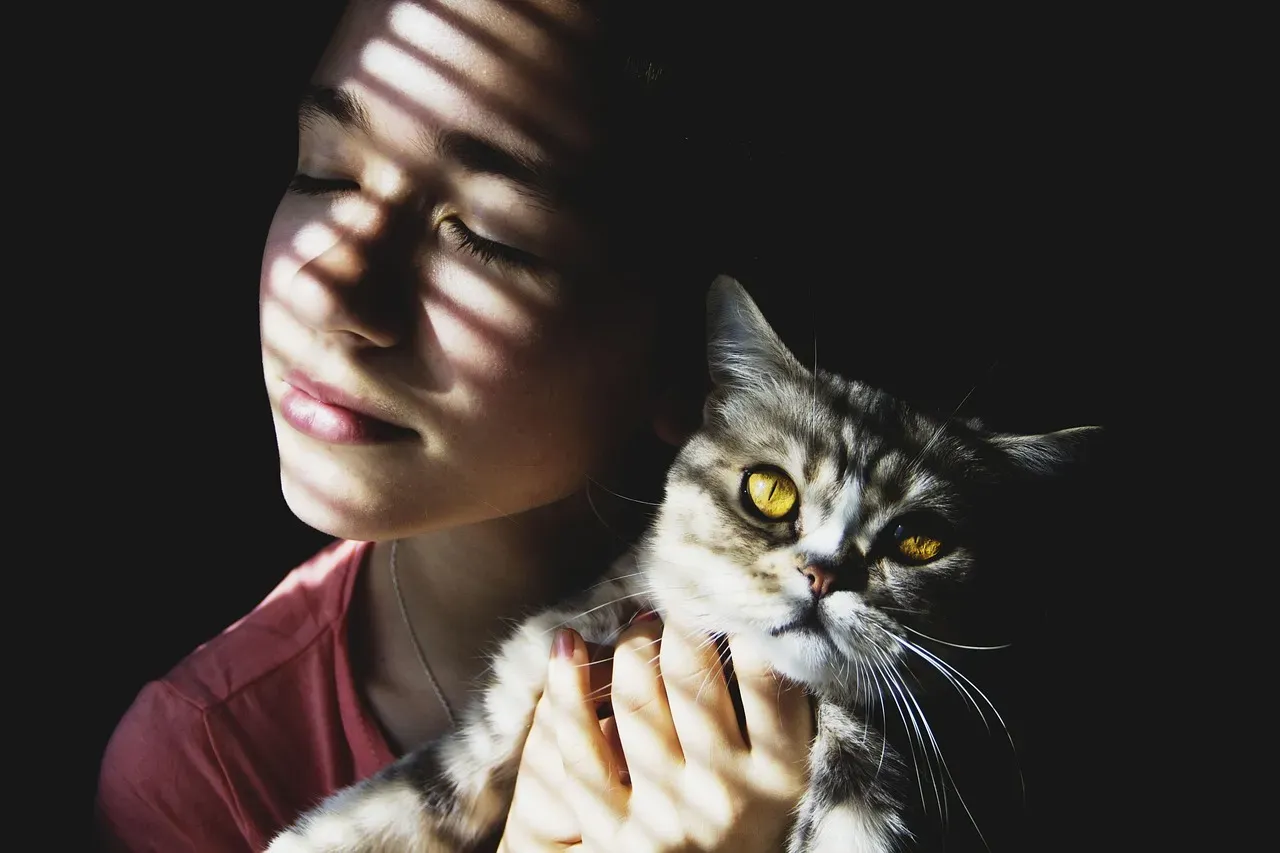
Here’s something that might surprise you. Cats see that you are stressed, and they become stressed. Cats see that you are relaxed and calm, and they become relaxed and calm. This phenomenon, called emotional contagion, means your emotional landscape directly impacts your cat’s wellbeing. Cats are also particularly good at picking up on and mimicking their human’s emotions, and when a cat sees that their human is sad or anxious, they may socialize with them more, and they too may express similar feelings.
I find this fascinating, honestly. It challenges the entire narrative of cats as detached observers. Clients on the verge of divorce whose cats were being overly aggressive with each other, and clients who were dealing with both personal and professional stresses whose cats were constantly hiding and developing minor health problems. Your household’s emotional climate matters. Your cat isn’t separate from your life; they’re deeply embedded in it.
Their Cognitive Abilities Are Seriously Impressive
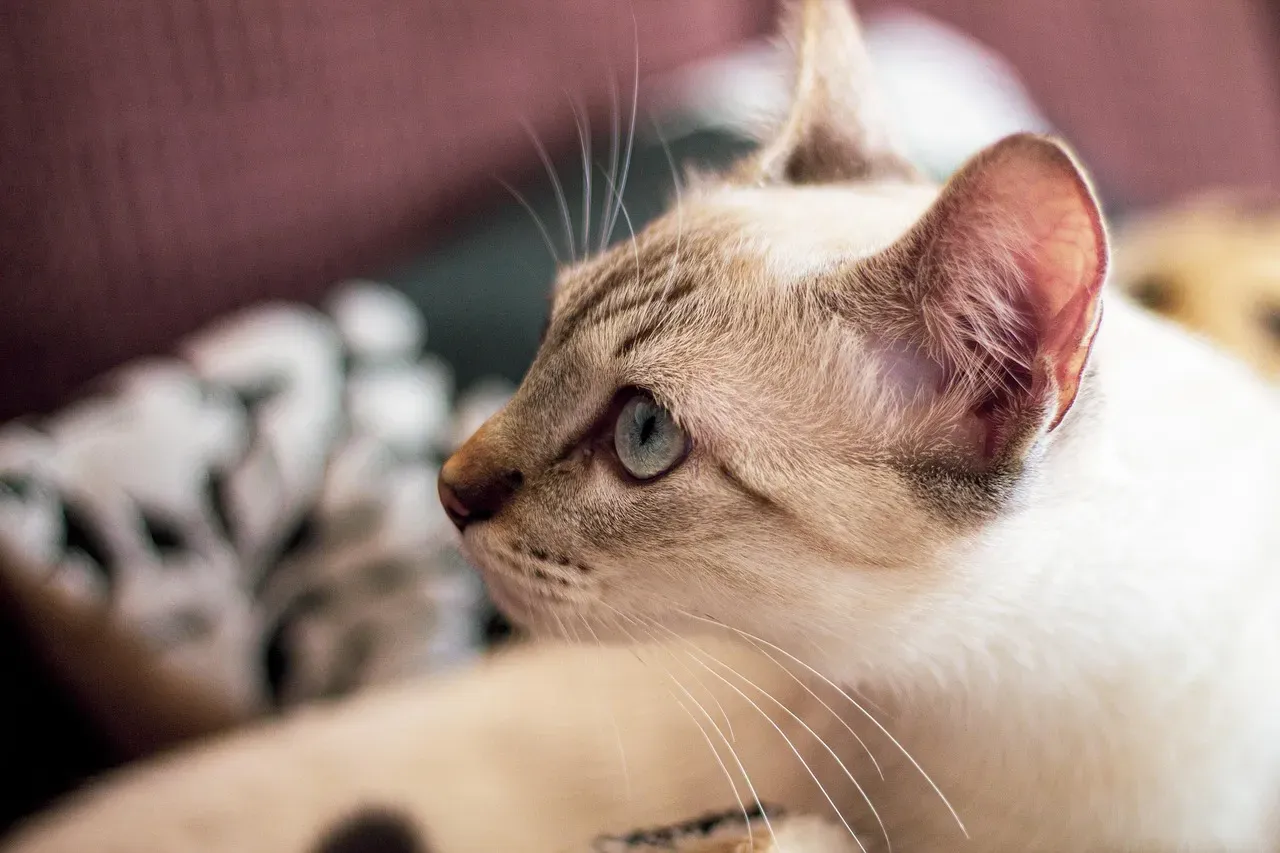
Cats display neuroplasticity, allowing their brains to reorganize based on experiences, and they have well-developed memory retaining information for a decade or longer, with these memories often intertwined with emotions. That’s right. A full decade. Your cat remembers that traumatic vet visit from years ago, just as they remember the time you accidentally stepped on their tail.
In controlled experiments, cats demonstrated fully developed concepts of object permanence, indicating that their sensorimotor intelligence is complete, and their search behavior reflected fully developed cognitive abilities. An adult cat’s intelligence is comparable to that of a two- to three-year-old child, since both species learn through imitating, observing, and experimenting, and simply by watching their owners, cats are capable of learning human-like behaviors like opening doors and turning off lights. If you’ve ever wondered how your cat figured out how to open that cabinet, now you know. They watched you.
Problem Solving Is Their Hidden Talent
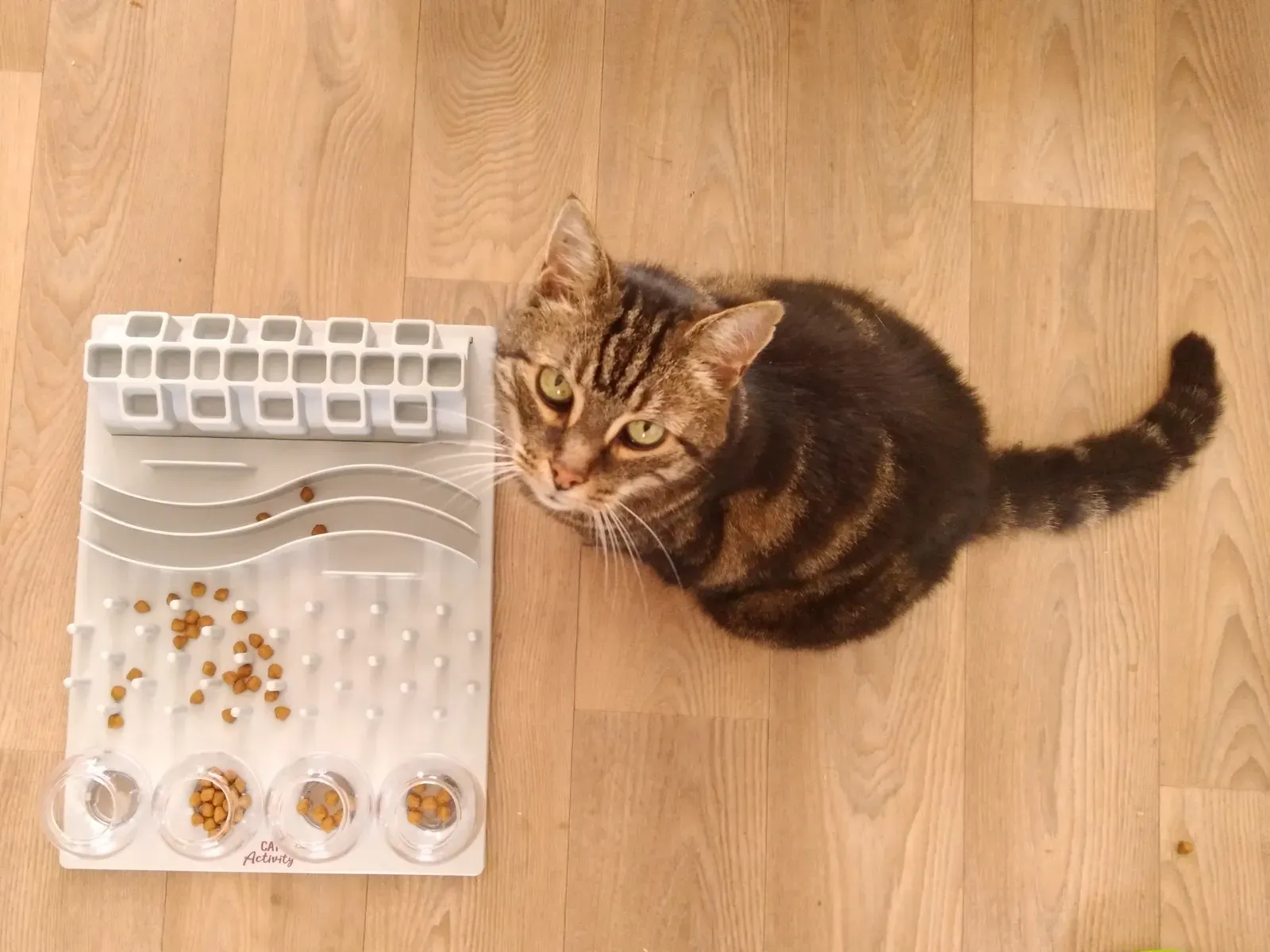
Cats clearly have a superior ability to learn new information, mesh it with existing information, recall it, and use that information in other situations, and this cognitive ability makes them card-carrying members of the highly intelligent class. Cats excel at tasks that challenge their natural hunting instincts and spatial reasoning. One classic example of feline problem-solving is their ability to navigate puzzle feeders, which require the cat to figure out how to access the food inside.
The more social cats were more likely to solve the puzzle box and solve it faster, and they were more willing to approach and interact with the puzzle box, making it more likely that they could solve the problem. This suggests that socialization and comfort with humans actually enhances cognitive performance. Your relationship with your cat doesn’t just provide companionship; it sharpens their mind.
Social Intelligence Exists Beyond What We See
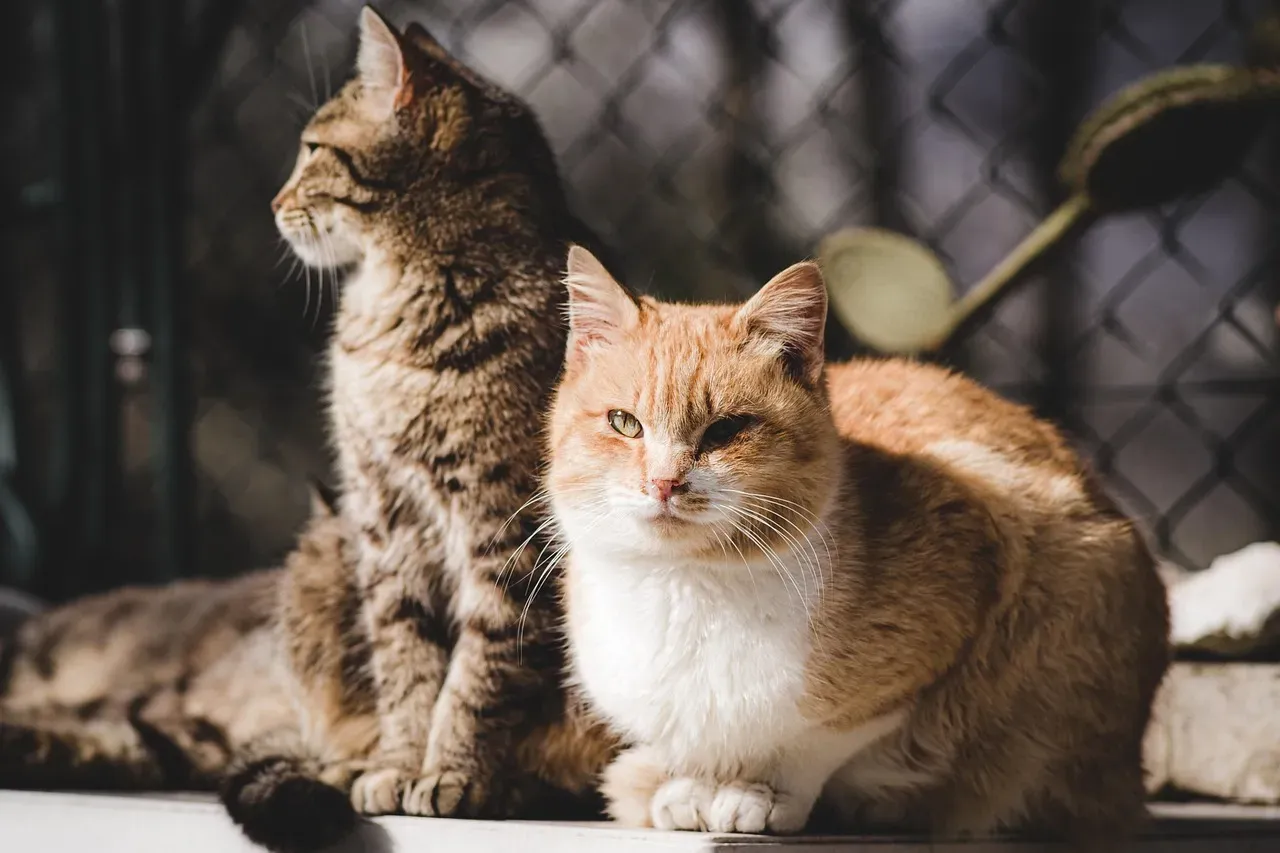
In the last decade or so, there has been an upsurge of more and more studies that show that cats in fact display a tremendous amount of social intelligence – although the signs are much more difficult to spot than in the case of some other species. Rapid facial mimicry – the simple phenomenon that imitating the facial expression of another animal facilitates social interaction – was found in cats, and cats were much more likely to interact after rapid facial mimicry (especially when it comes to the mimicry of ear and mouth movement).
Cats living together develop complex social structures with preferred companions and hierarchies. Cats have advanced cognitive abilities and can tell when their human friend is happy and ready for a purr rub, and when you are down, a cat curls up to you, and when you are up, they adjust to the occasion, although it is not as easy for your feline pet to read your emotions as it is for dogs, they do an excellent job. They’re paying attention in ways we often overlook.
Understanding Them Better Improves Both Your Lives
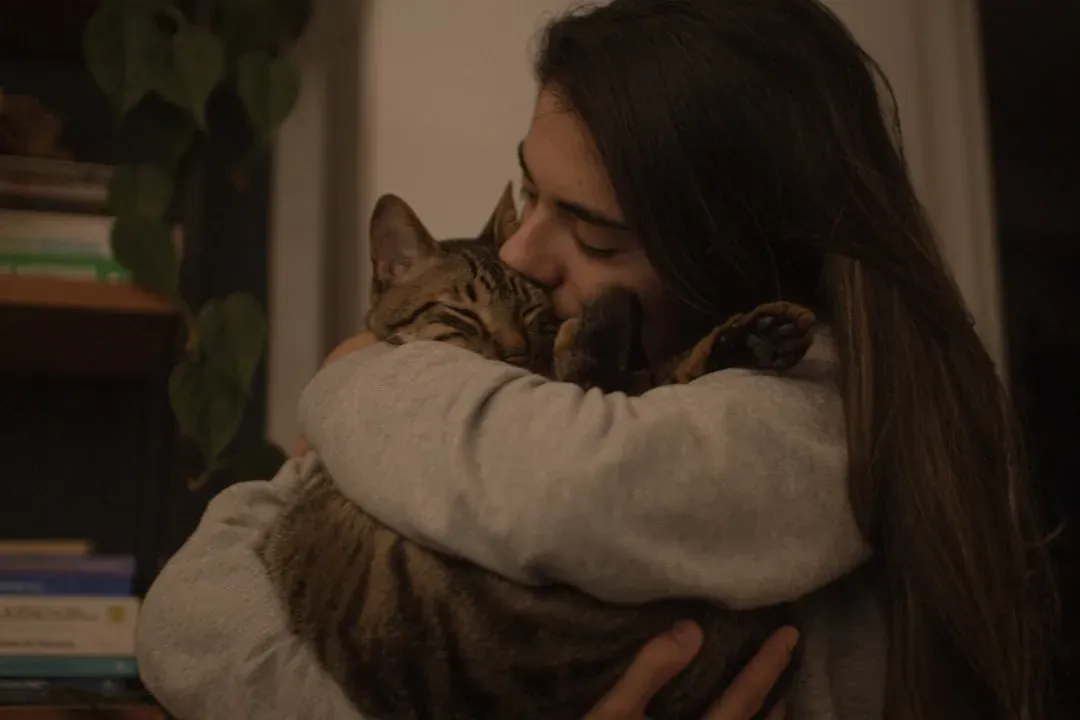
Understanding the importance of emotional health is a major factor in ensuring positive welfare for cats, wherever they are kept as companion animals, as it impacts on their physical health and their quality of life, and also on the relationship between cat and owner. When you learn to read your cat’s signals accurately, when you respect their boundaries and preferences, the quality of your relationship transforms. A positive relationship with a cat has been demonstrated to be beneficial to the owner in all aforementioned aspects, and the establishment of a positive relationship between humans and cats has the potential to enhance the quality of life for both parties involved.
Cat owners’ lack of knowledge and misinterpretation of natural cat behaviour and emotion, along with other factors, such as breed differences, genetic inheritance, and environmental restrictions, have all been identified as contributing factors to cats’ behavioural problems. Education matters. Taking the time to understand your cat’s unique personality, their communication style, and their emotional needs isn’t anthropomorphizing. It’s responsible companionship.
They Challenge Us to Be Better Observers
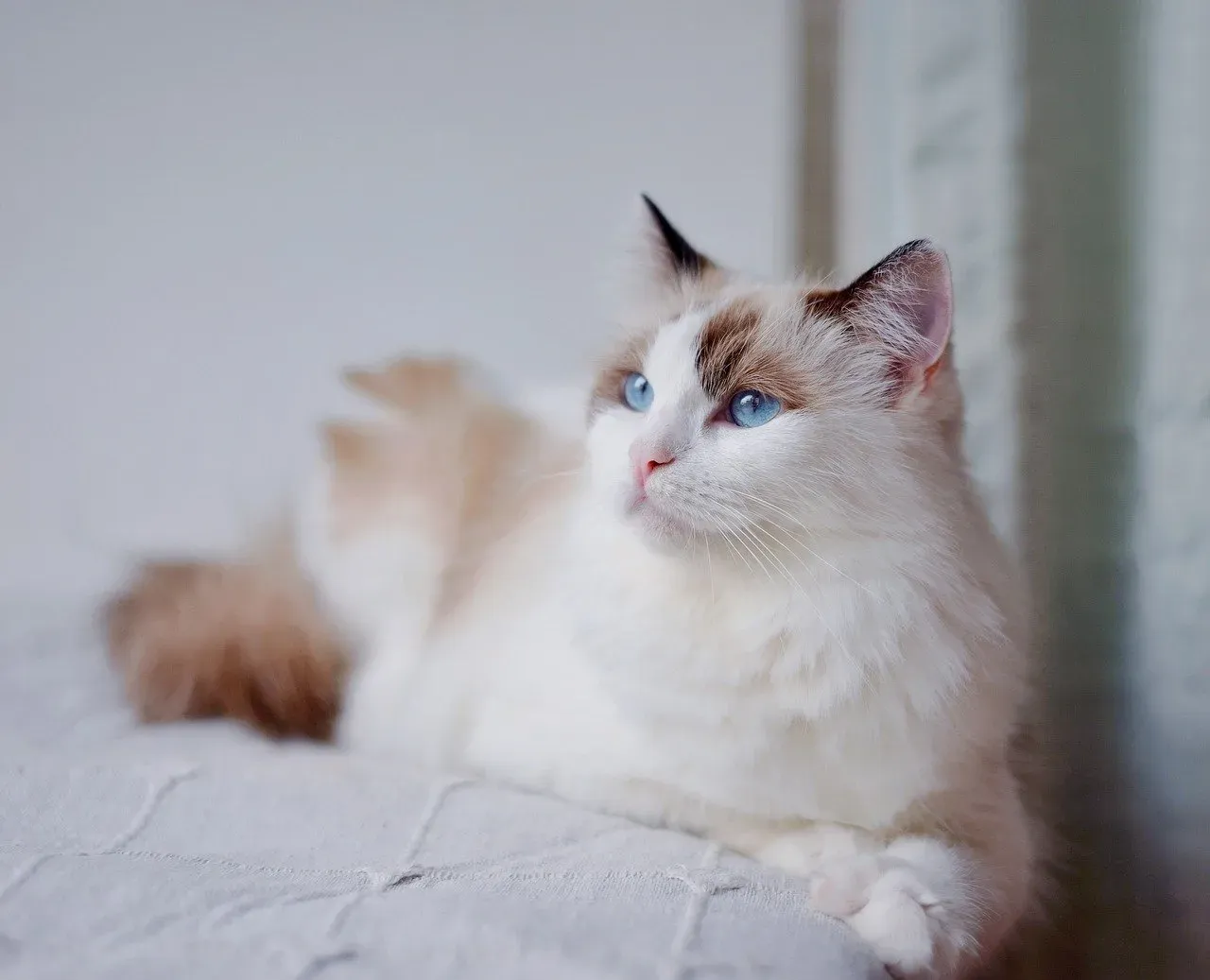
Living with a cat demands that you become more attuned to subtlety. Unlike dogs, who often wear their hearts on their furry sleeves, cats require you to pay closer attention. We tend to misread cats’ cues indicating negative emotional states like stress, discomfort or threats at an alarming rate of nearly one-third of the time. Meanwhile, we’re much better at recognizing contentment and friendliness.
The challenge isn’t the cat. It’s us. We need to slow down, observe, and really watch what our cats are telling us through their ear positions, tail movements, vocalizations, and overall body language. Because cats are so smart, giving them opportunities to use their minds is important, and this is known as cognitive enrichment, and can be accomplished with food puzzles, food treasure hunts, interactive playtimes, and rotating toys to keep things fresh. Enrichment isn’t optional. It’s essential.
Cats are not simple creatures waiting to be fed. They’re complex individuals with emotional lives, cognitive abilities, and social intelligence that rival many species we consider “smarter.” In the last few decades, a shift has occurred in our attitudes towards pets, who are now more often seen as individuals and sentient beings, and pets such as cats and dogs are kept mostly for companionship rather than for utilitarian purposes. The science is catching up to what many cat lovers have known all along: these animals are remarkable companions deserving of our respect, understanding, and deep appreciation.
When you look at your cat today, remember that behind those enigmatic eyes is a being capable of love, grief, joy, problem solving, and social connection. They’re not just pets occupying space in your home. They’re companions navigating complex emotional and cognitive landscapes right alongside you. What do you think your cat has been trying to tell you lately?