You think your cat is sleeping all day, completely oblivious to everything happening around them? Think again. That fluffy ball of fur curled up on the couch is doing something far more complex than merely napping. They’re watching, listening, learning, and forming detailed mental maps of your routines, your emotions, and your behaviors.
The truth about cats might surprise you. While dogs have long been celebrated for their trainability and devotion, our feline companions operate on a completely different wavelength. They don’t seek approval or follow commands blindly. Instead, they’re conducting their own careful study of you, absorbing information with the precision of a scientist.
Your Cat Knows Your Schedule Better Than You Do

Research shows that domestic cats can recognize your daily routine, the sound of your footsteps, your sleep schedule, your emotional patterns, and your habits and reactions. That’s right, your cat isn’t just sitting by the kitchen at breakfast time by coincidence. They’ve been observing when you wake up, when you typically eat, and exactly when you’re most likely to fill their bowl.
Cats learn what works with what person and they know if one member of the family is prone to get up at 4 a.m. and give them some treats. This isn’t manipulation in the negative sense; it’s sophisticated cognitive mapping. Your cat has essentially created a behavioral profile of every person in your household, tailoring their approach to maximize results.
What’s more fascinating is how cats predict your behavior. That’s why your cat appears before you open the food cabinet and that’s why it disappears before you try to put it in a carrier. They understand cause and effect in ways that suggest genuine intelligence rather than mere instinct.
They’re Master Observers Learning Through Watching
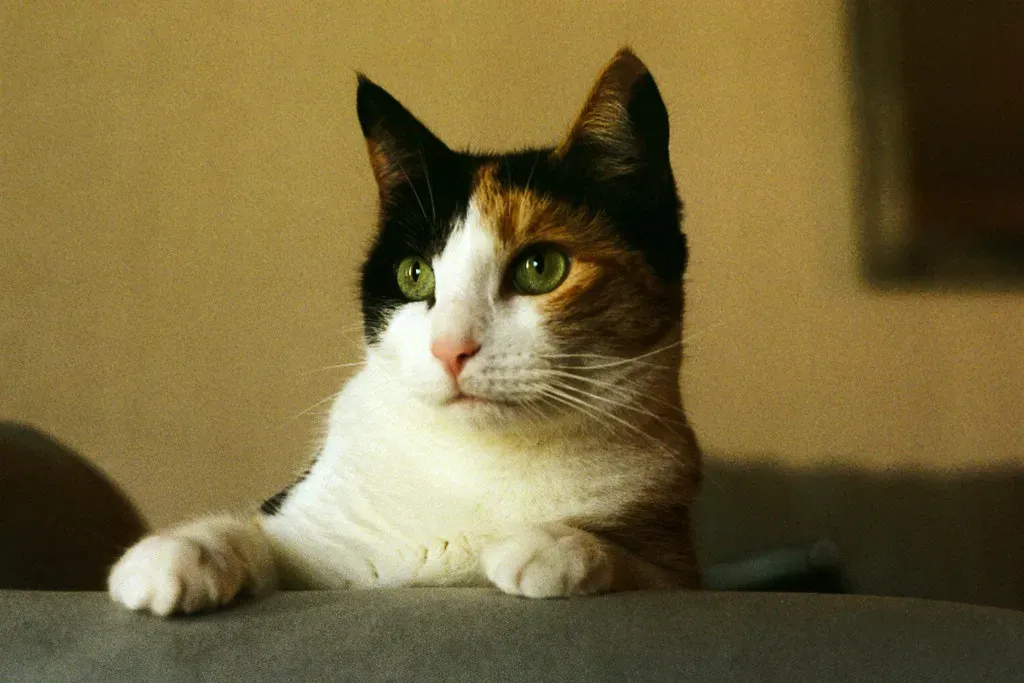
Simply by watching their owners and mirroring their actions, cats are capable of learning human-like behaviors like opening doors and turning off lights. This observational learning extends far beyond simple tricks. Cats absorb information about how their world works just by paying attention.
Observational learning is not limited to kitten-hood but it can also be observed during adulthood, with studies showing that adult cats that see others performing a task learn to perform the same task faster than those who did not witness another cat at that task. The implication here is staggering. Your cat doesn’t need formal training sessions to pick up new skills.
Cat behavior will frequently alter to mirror both the good and the bad behaviors of their humans, with studies showing a high influence of human behavior upon cats. Honestly, this means if you’re stressed, anxious, or constantly on edge, your cat is likely picking up on those patterns and adjusting their own behavior accordingly.
Cats Remember Names and Faces of Household Members

Here’s something that might blow your mind: House cats attended to the monitor for longer in a name-face incongruent condition than the congruent condition, and upon hearing a cat’s name, the subjects expected the corresponding face. This research from a 2022 study demonstrates that cats don’t just recognize familiar people; they actually learn the names associated with them.
The number of household members affected their responses, with more family members leading cats to attend for longer to the monitor in the incongruent condition, and cats that had lived with their family for longer showed the longest durations of attention when the name-face relationship was incongruent, which might suggest that cats learn names from observing interactions between humans from a third-party perspective.
Think about what this means for a moment. Your cat is essentially eavesdropping on your conversations, learning who is who in your family structure. They’re not just passive observers; they’re actively processing social information like tiny sociologists living in your home.
They Adapt Their Lifestyle to Match Yours
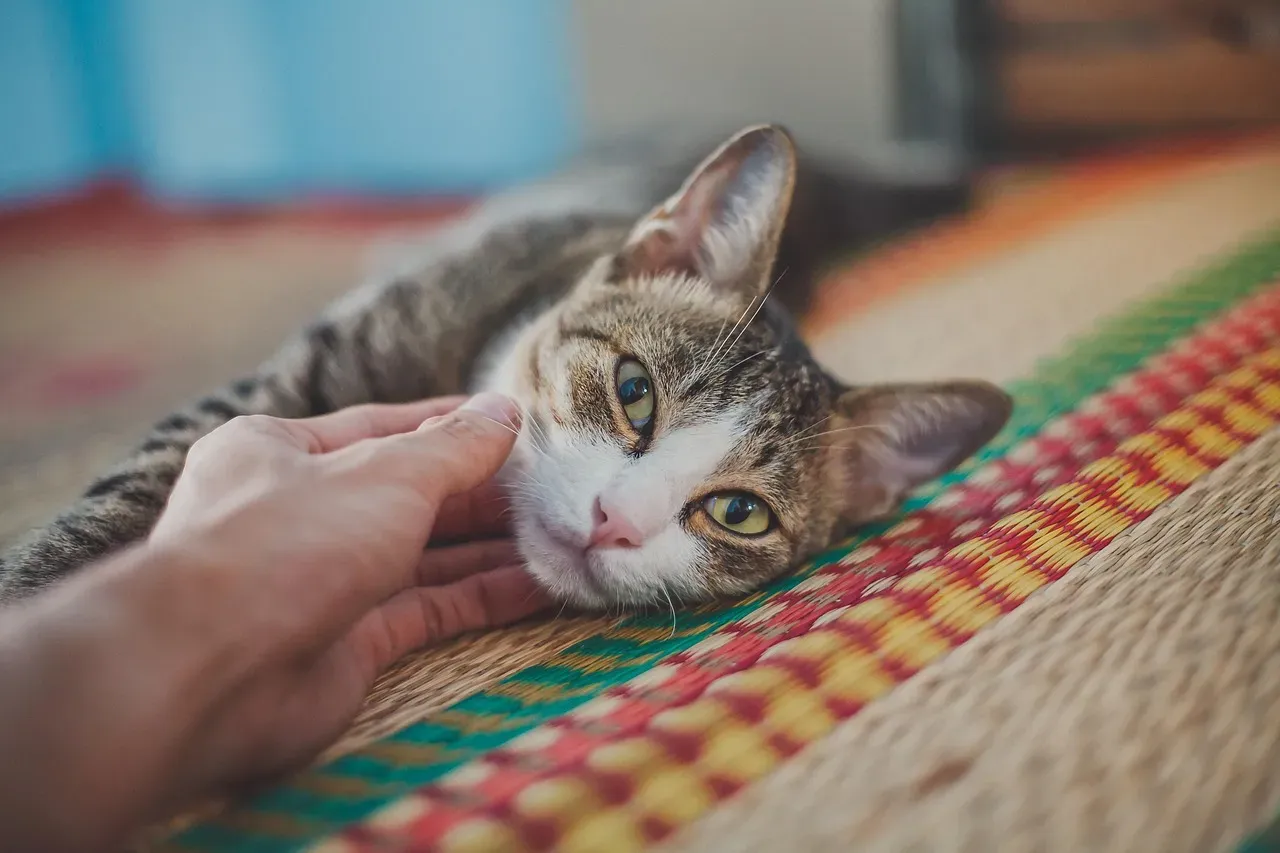
In cats that live in strong symbiosis with owners, the amount of activity was higher during the photophase, supporting the view that domestic cats adapt their lifestyle with their owners. Translation? Your cat adjusts their sleep-wake cycle to align with yours, particularly if they live closely with you indoors.
Domestic cats with limited outdoor access often synchronize their activity patterns with their human caregivers, showing peaks of activity in the morning and evening. This synchronization isn’t accidental. Cats are flexible enough to mold their natural rhythms around the household schedule, a behavioral adaptation that speaks to their social awareness.
Cats adapt their behavior to mimic their humans, so when you eat your cat eats, and when you sleep your cat sleeps. Some studies even suggest that if you’re sedentary, your cat is more likely to become less active as well. The connections between human and feline behavior patterns run deeper than most people realize.
Cats Can Read Your Emotions and Respond Accordingly
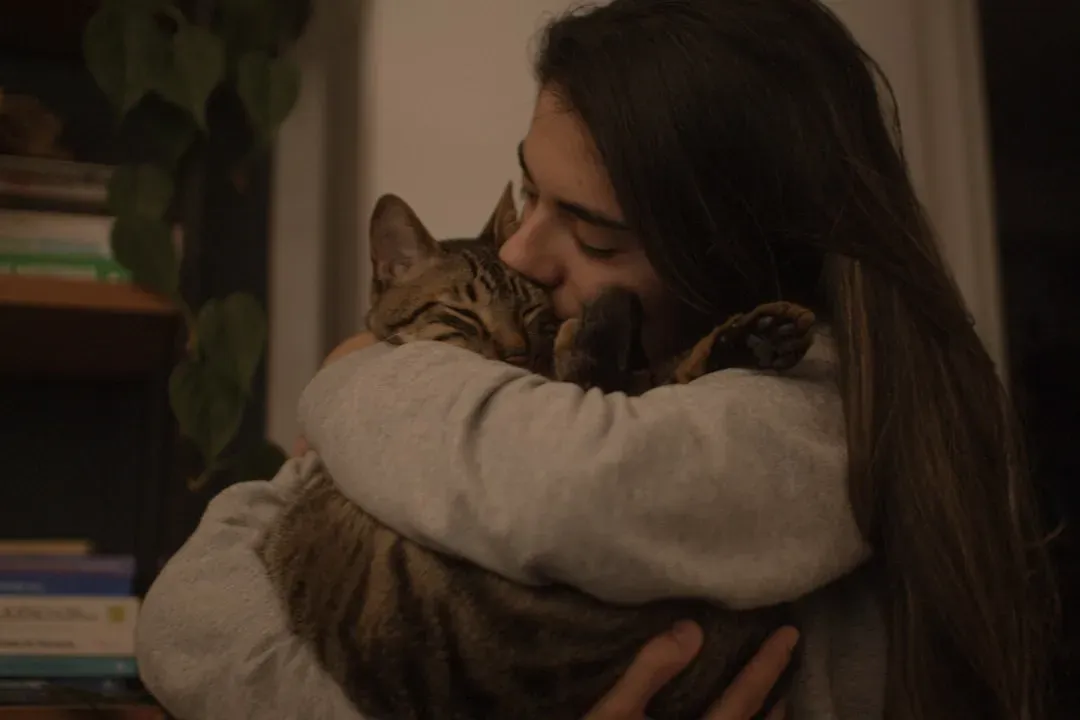
Research indicates that cats are sensitive to several human cues, such as when presented with an unfamiliar, potentially frightening stimulus in the presence of their owner who exhibited a negative or positive emotional message toward the item, the cats were able to discriminate between the human’s behavior, and another study found that within bouts of interaction, cats engaged in more allorubbing toward a human in a depressive mood, approached humans feeling numb less often, and approached humans who felt agitated or extroverted more frequently, which indicates cats can detect human emotional state and human mood and to some extent alter their behavior in response.
Let’s be real, your cat knows when you’ve had a bad day. A 2019 study in Animal Cognition showed that cats can read human facial expressions and emotional cues, and they are more likely to seek affection from a smiling owner than one who is frowning. This emotional intelligence is subtle, but it’s incredibly sophisticated.
The way cats use this information varies. Some might approach you for comfort when you’re sad, while others might give you space when you seem agitated. Either way, they’re making calculated decisions based on their assessment of your emotional state.
They Communicate Strategically With Different Household Members
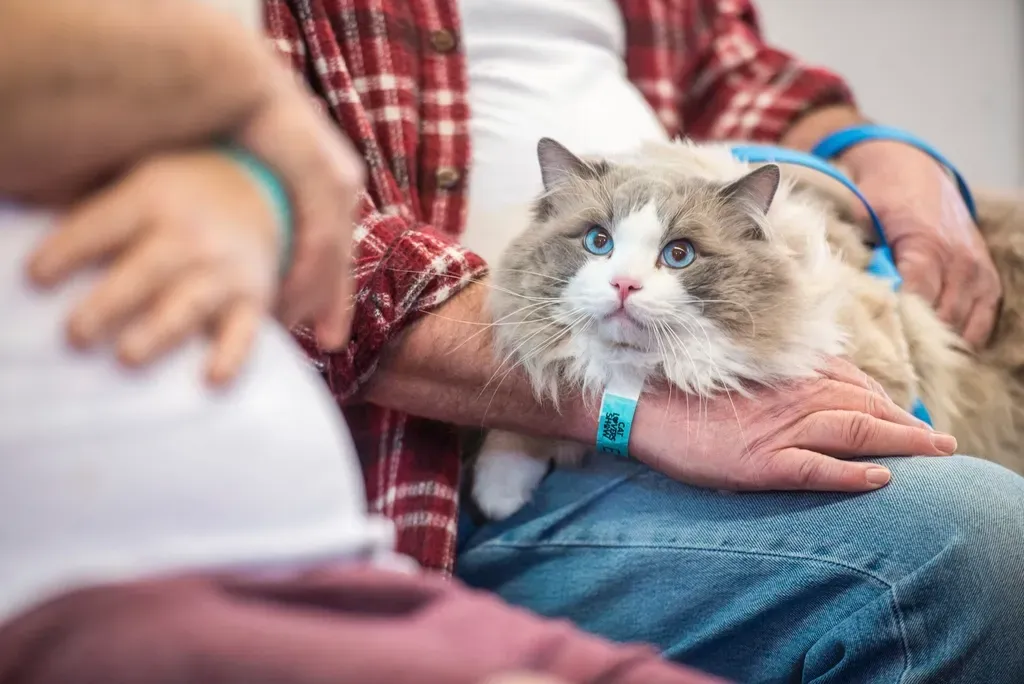
Domestic cats meow more frequently when greeting male caregivers than female caregivers, regardless of the cat’s age, breed, or household size, and this behavior may be an adaptive response to less verbal engagement from men. This finding from recent research reveals just how strategic cats can be in their communication approaches.
If the woman complies with the cat’s wishes to interact then the cat complies with the woman’s wishes at other times, and if the woman doesn’t comply with the cat’s wishes then neither does the cat, therefore a symmetry exists in the relationships at all levels of compliance which might explain the popularity of cats but also differences in the level of interactivity between relationships.
Essentially, your cat is engaging in reciprocal social contracts with you. They’ve figured out the unspoken rules of give-and-take in your household. This isn’t random behavior; it’s calculated social interaction based on learned patterns and expectations.
Cats Possess Comparable Intelligence to Young Children
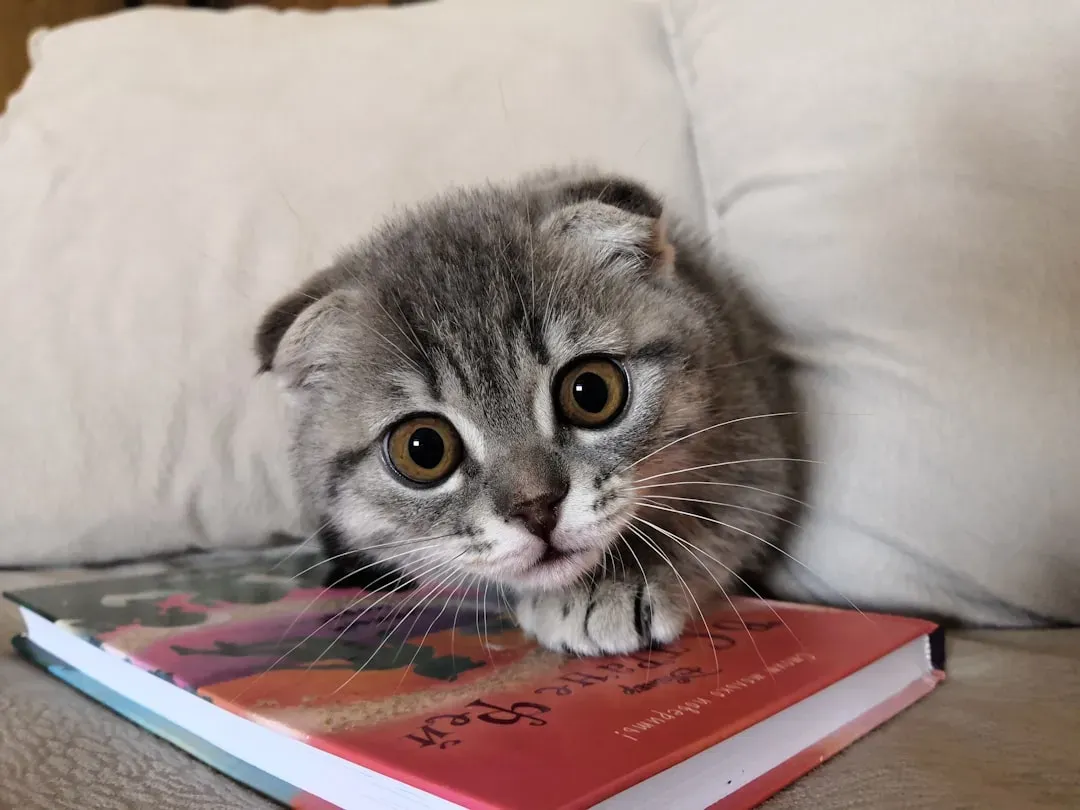
According to several feline behaviorists and child psychologists, an adult cat’s intelligence is comparable to that of a two- to three-year-old child since both species learn through imitating, observing, and experimenting. This comparison isn’t meant to diminish cats but rather to highlight their genuine cognitive capabilities.
A recent study published in October found that not only could cats associate words with images but they could do so at a rate faster than human babies. The speed and efficiency with which cats process certain types of information challenges many assumptions we’ve held about feline intelligence.
Research suggests that cats have a keen sense of observation and may watch humans to learn about their surroundings and interactions, adapting their behavior accordingly, with some cats engaging in targeted watching by focusing their attention on specific individuals within a household based on their relationships and past interactions, and their visual acuity allows them to detect subtle changes in human body language and facial expressions aiding in their ability to interpret and respond to our feelings. I think this explains why your cat seems to know things before you even do them.
They Monitor Household Dynamics and Social Hierarchies
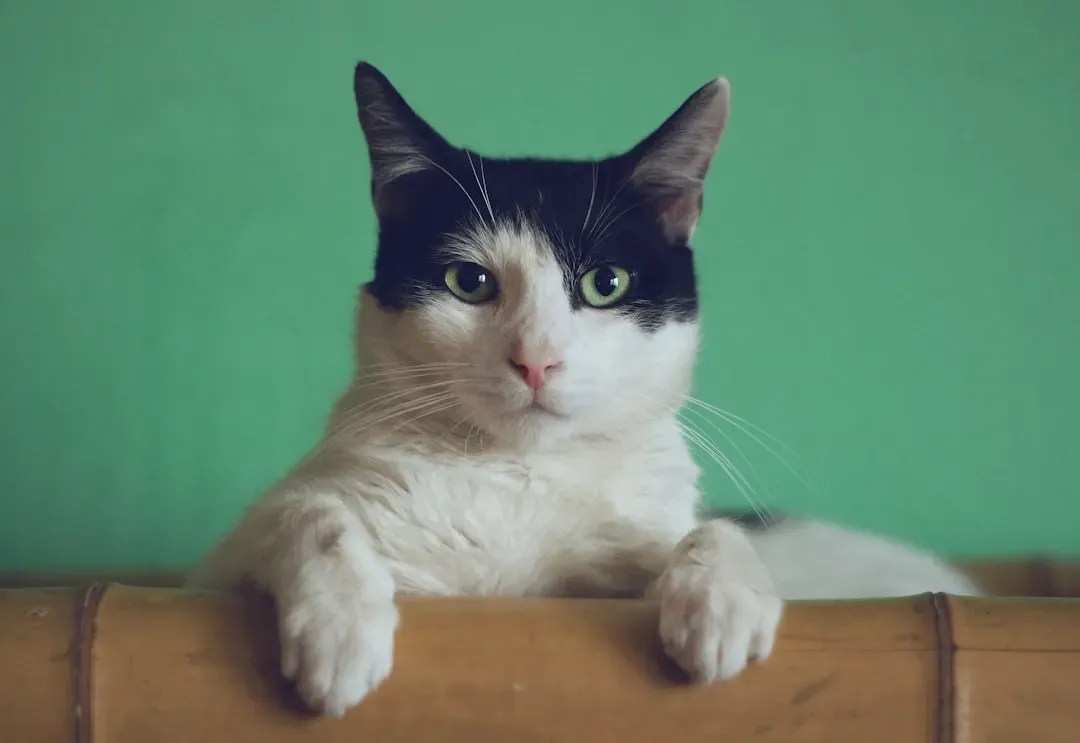
Cats are constantly assessing who holds power and influence in your home. Cats might be using watching as a way to establish dominance or assert their authority in the household, since in the animal kingdom maintaining hierarchy is crucial and cats are no different. Though cats aren’t pack animals like dogs, they still understand social structure.
Cats learned face-name relationships by observing interactions involving their owner, and more such observations would lead to stronger learning, with household cats probably having more opportunities to observe interactions between the owner and each of the other cohabitating cats which might facilitate learning of the face-name relationship. Your cat is essentially a silent member of every family conversation you have.
This observational capacity means cats understand not just individual people but the relationships between those people. They know who defers to whom, who feeds them most reliably, and who is most likely to give in to their demands. It’s honestly impressive how much social intelligence they possess.
The Reality Behind Those Watchful Eyes
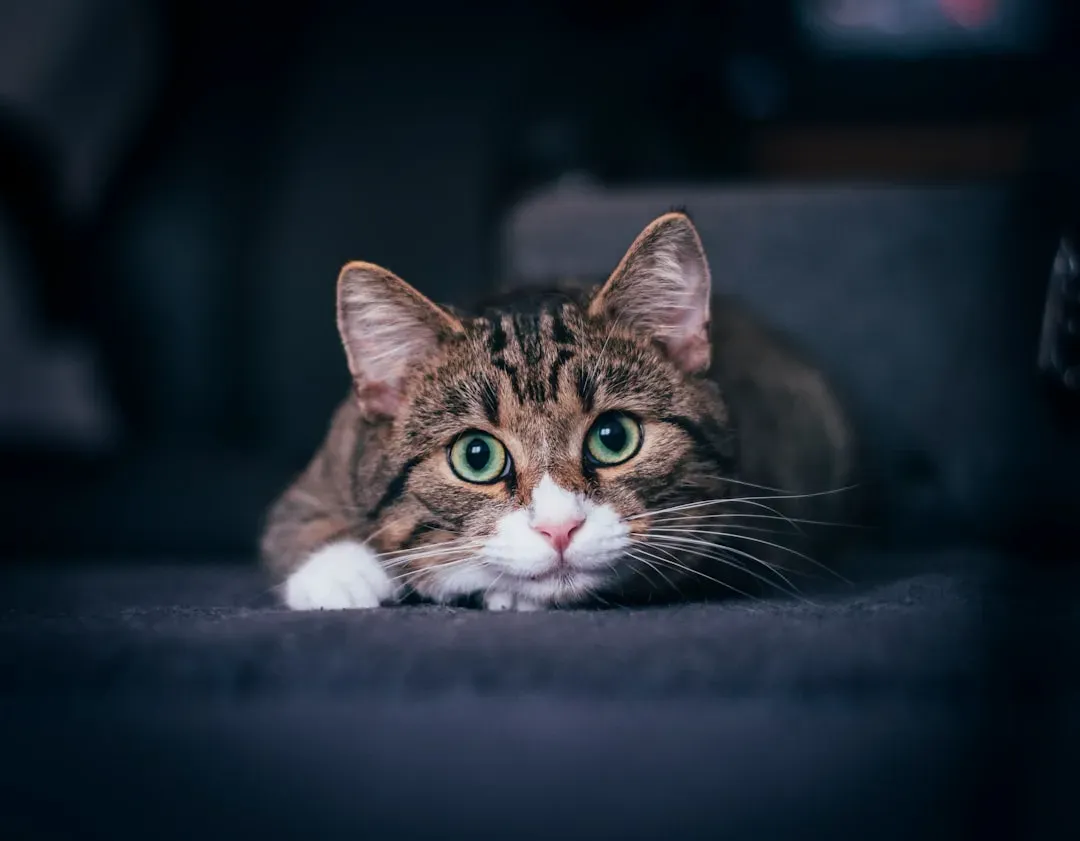
Your cat doesn’t just live with you, it studies you. Every time you walk past, every routine you follow, every emotional shift you experience, your cat is logging that information away. They’re not empty-headed creatures staring vacantly into space; they’re active participants in your household’s daily life.
A cat will alternate their gaze between the object and the caregiver and this is a strategy cats use to communicate with their caregiver, which suggests the cat understands the problem and is seeking attention from their caretaker. This behavior, called referential communication, is a sophisticated cognitive skill that demonstrates genuine understanding.
The next time your cat stares at you from across the room, remember they’re probably assessing your current mood, predicting your next move, or simply adding to their ongoing study of your behavior patterns. They see more than we give them credit for. They understand more than we assume. Most importantly, they’re not just pets lounging around your house; they’re observing members of your household, silently taking note of everything that happens within their domain.
What do you think about it? Has your cat ever demonstrated behavior that made you realize they were watching and learning from you? Tell us in the comments.