You’ve probably heard the dismissive comments before. Someone says they’re getting a cat, and another person waves their hand like it’s no big deal. “Oh, it’s just a pet.” Just a pet? Tell that to the person who’s had a particularly rough day and walks through the front door to find their cat waiting, purring, ready to follow them from room to room as if saying, “I’ve got your back.” Let’s be real, cats aren’t just pets anymore. They’ve evolved into something far more meaningful. They’re companions, comfort providers, and yes, those furry little shadows that somehow know exactly when you need them most.
So let’s dive into why this outdated notion of cats being “just pets” needs a serious rethink. These tiny creatures have carved out a special place in our hearts and homes, transforming our everyday lives in ways that go far beyond what any simple pet label could describe.
The Science Behind the Bond You Feel
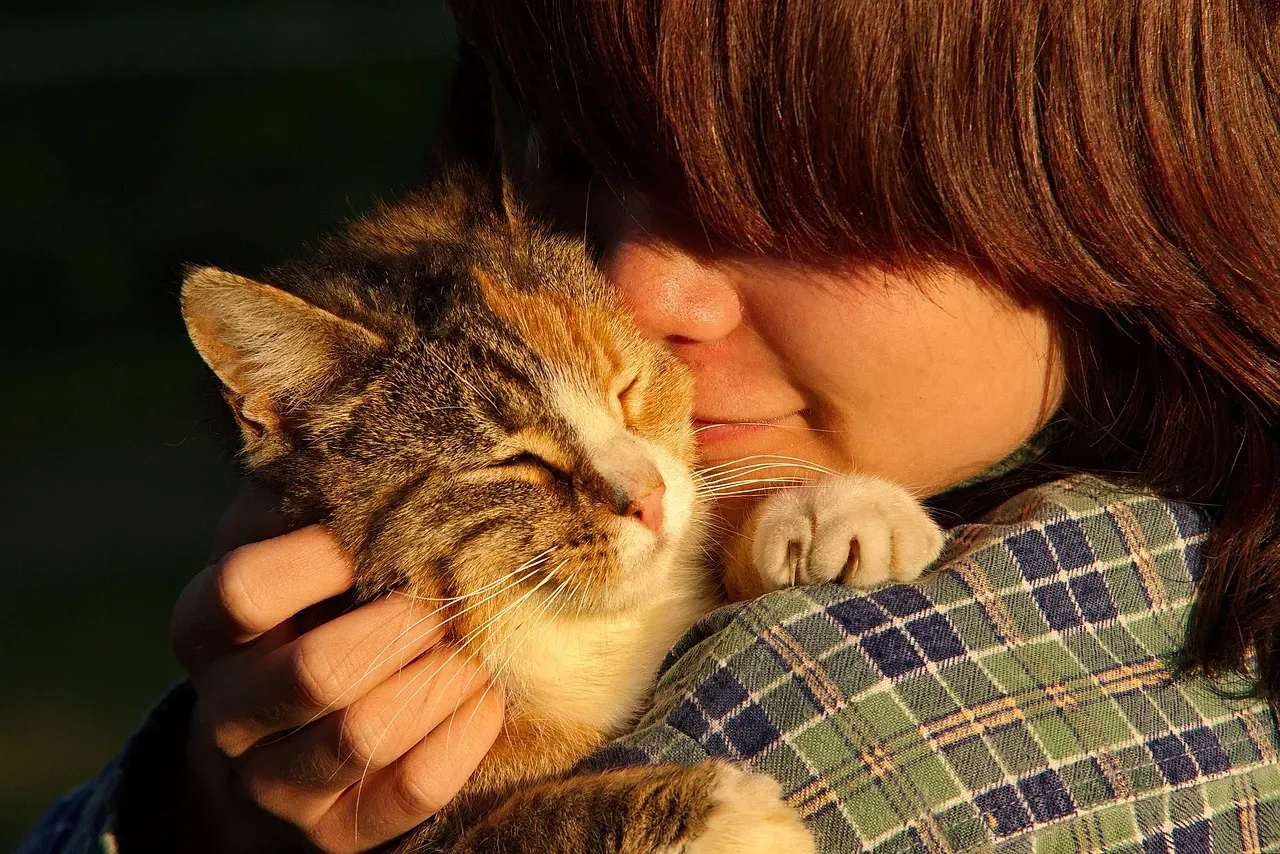
Recent research demonstrates just how powerful the human-cat connection truly is, with studies examining how cats and dogs affect mental health. Stronger attachment to a pet and the frequency of interaction contribute to increased well-being and lower negative mental health symptoms. This isn’t just anecdotal evidence from devoted cat lovers. Researchers have documented the measurable ways cats impact our emotional landscape. Much like children and dogs, pet cats form secure and insecure bonds with their human caretakers, with the majority of cats securely attached to their owner and using them as a source of security.
Cats are emotionally complex, cognitively advanced, and socially nuanced, forming secure attachments to their owners like infants with caregivers while recognizing human emotions and reading tone and gesture. Think about that for a moment. Your cat isn’t just tolerating you between meals. They’re actively bonding with you, reading your moods, and adjusting their behavior accordingly. A survey conducted by the Human-Animal Bond Research Institute showed that roughly three-quarters of pet owners who adopted their pet as part of a mental health treatment plan reported improvements in their mental health. That’s a staggering number when you consider how many people struggle silently with emotional challenges.
They’re Always There When Anxiety Strikes
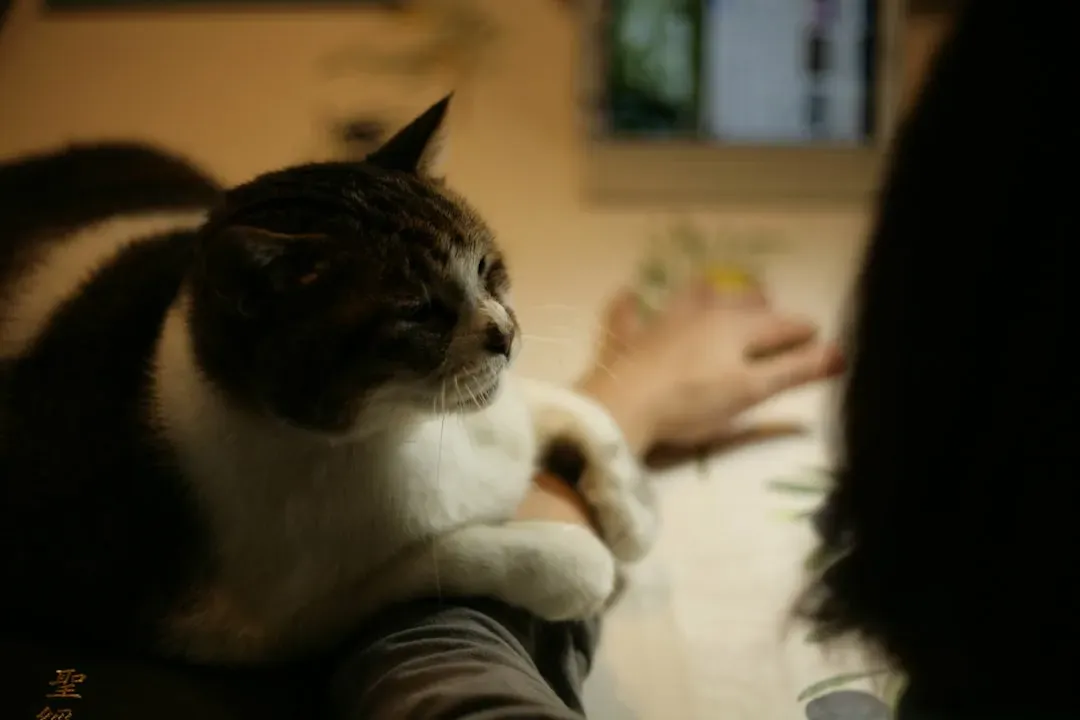
Here’s something I think anyone with anxiety can relate to: that overwhelming sensation when worry takes over and you need something, anything, to ground you back in reality. An emotional support cat can comfort someone with anxiety, depression or other mental health issues, with research showing ESAs can lower anxiety, reduce depression, and decrease feelings of loneliness. The way a cat curls up beside you during those moments isn’t coincidental. The act of petting a cat has been shown to reduce cortisol levels and induce relaxation, with the soft purring vibrations and warmth triggering parasympathetic nervous system responses.
It’s hard to say for sure, but there seems to be something almost therapeutic about the simplicity of stroking soft fur while listening to that rhythmic purr. Cats don’t ask questions. They don’t need explanations. They just show up and stay. Cats offer a quiet, steady presence that helps ease emotional distress, with their calm behavior and predictable companionship being particularly grounding for individuals dealing with anxiety or depression. Some days, that’s exactly what you need.
Your Personal Shadow Has a Purpose
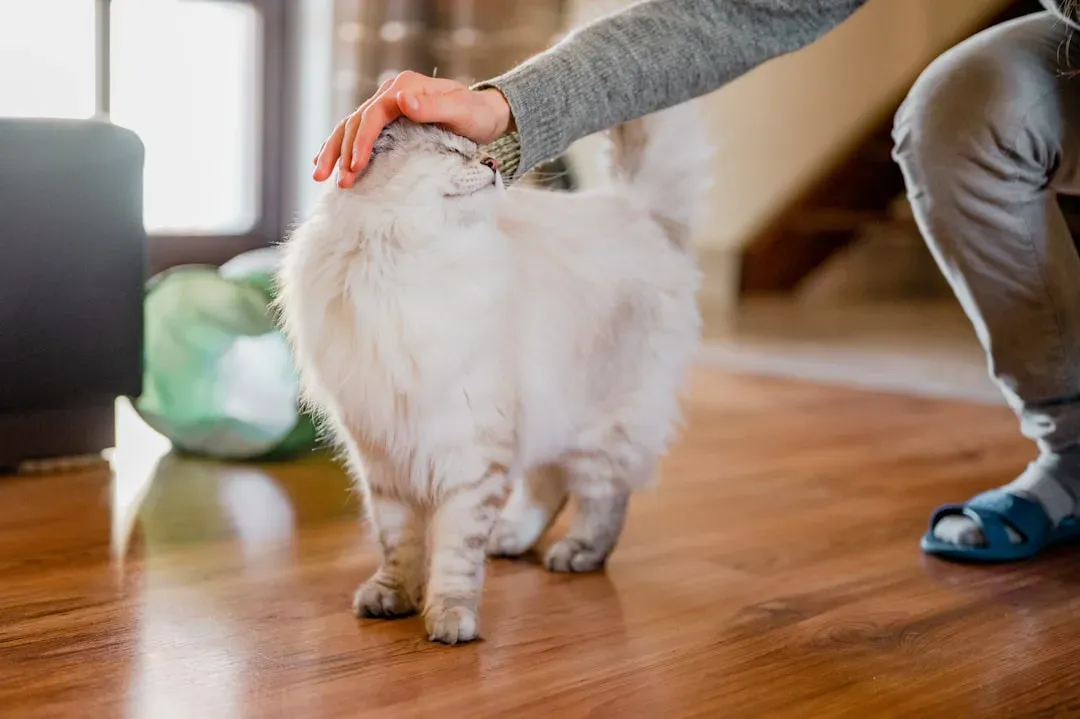
Ever noticed how your cat follows you from the bedroom to the bathroom, then to the kitchen, and back again? A cat’s tendency to follow you is a sign of bonding and trust, as cats are social animals who naturally form close relationships with their humans as sources of security and care. This behavior isn’t clingy or needy in a negative sense. Securely attached cats may show mild distress when their owners leave but quickly calm down upon return, with their following behaviors being profound demonstrations of loyalty and comfort-seeking.
Your cat shadows you because you matter. You’re their safe space. Anxious cats typically follow their people to assure themselves of their caregiver’s presence, clinging to a sense of safety and security. Whether they’re checking to make sure you’re okay or simply enjoying your company, that constant presence strengthens the connection between you. Persistent pursuit of the owner is one way to show affection, as pets that love you will spend most of their time with you and sincerely enjoy any attention. It’s honestly quite touching when you stop to consider it from their perspective.
The Comfort Factor Nobody Talks About
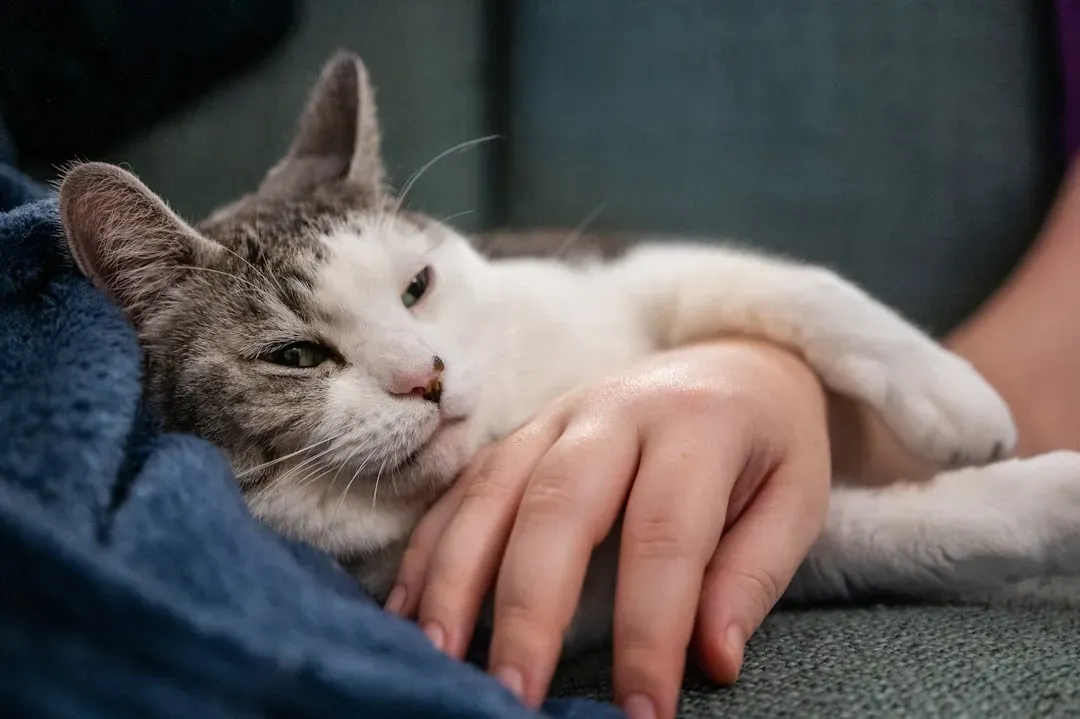
We don’t often discuss the sheer comfort cats provide during difficult periods. People who suffer from chronic pain have credited their cats as a relief for loneliness and depression, with many finding the companionship helpful for stress, anxiety, and other mental conditions. Life throws curveballs constantly. Health challenges, relationship struggles, work stress, grief. Through all of it, your cat remains a constant.
Cats melt away troubles through playfulness, cuddling comfort, and getting you out of bed while not coming with overwhelming demands, helping focus attention away from troubles and offering a sense of purpose and value. There’s something profoundly reassuring about having a living being who depends on you but also chooses to be near you. They don’t have to follow you around. They want to. That distinction matters more than people realize.
More Than Fluff and Purrs
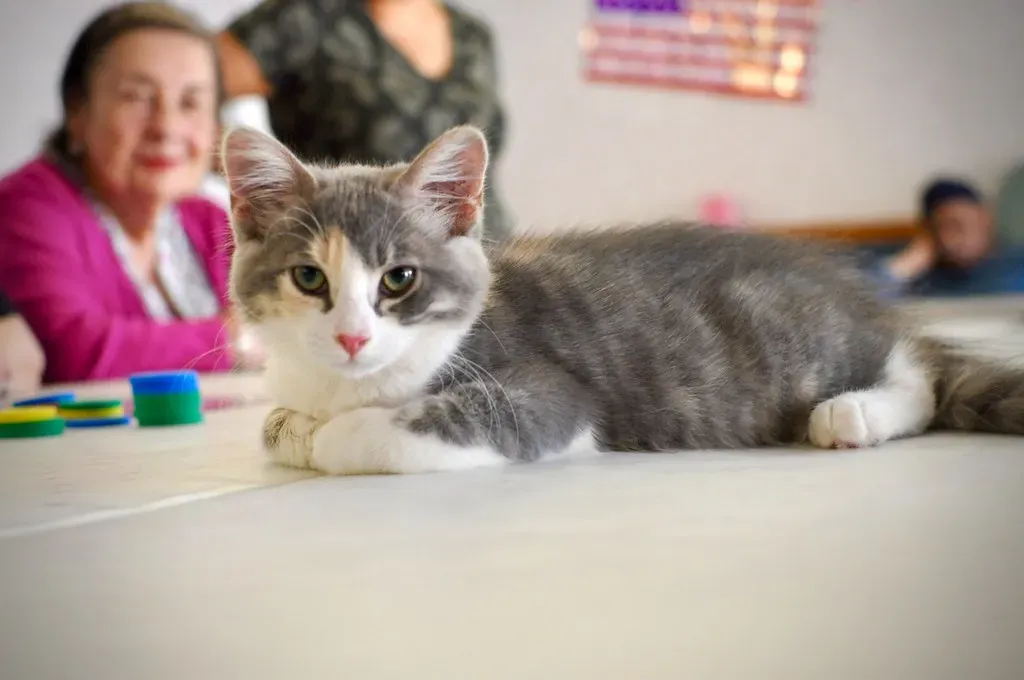
Let’s talk about the physical health benefits, because this goes beyond emotional support. Spending time with cats may support physical health by reducing heart rate and blood pressure, with cat ownership associated with a significantly lower risk of death due to cardiovascular events. Read that again. Owning a cat isn’t just about having a cute companion. It could literally extend your life. Cat interactions help lower blood pressure and reduce the risk of heart conditions.
Petting a cat and listening to that purr can cause immediate relaxation and boost mood-elevating chemicals in the body like serotonin, with the frequency of a cat’s purr shown to promote healing. The healing properties of purring have fascinated researchers for years. That vibration you feel when your cat curls up on your chest isn’t just pleasant. It’s actively working to make you feel better. How many “just pets” can claim that?
They Read You Better Than You Think
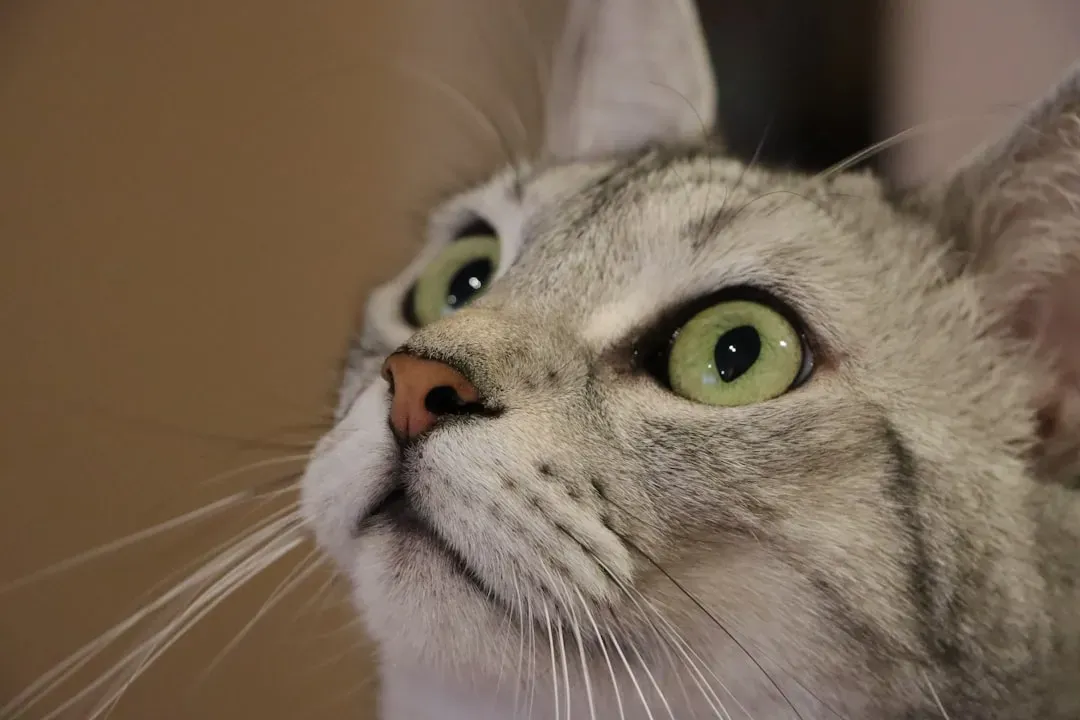
Cats have an uncanny ability to pick up on your emotional state. Cats can interpret emotions through their owners’ facial expressions, and when they see someone is upset, they lie down next to them, softly touch their body with their paws, and slowly blink to show their devotion. That slow blink? It’s basically a cat kiss, a sign of trust and affection. When your cat does that, they’re telling you they feel safe with you.
A caregiver’s mental health and emotional stress can directly influence a cat’s behavior, stress levels, and overall welfare. This creates a fascinating feedback loop. You affect your cat’s wellbeing, and they affect yours. Cats form strong attachments to their owners, and these relationships can significantly influence their behavior, with pets often adapting to the environment and emotional states of their humans. It’s not a one-way street. The relationship between you and your cat is genuinely reciprocal, constantly evolving and deepening.
Breaking the ‘Independent and Aloof’ Myth
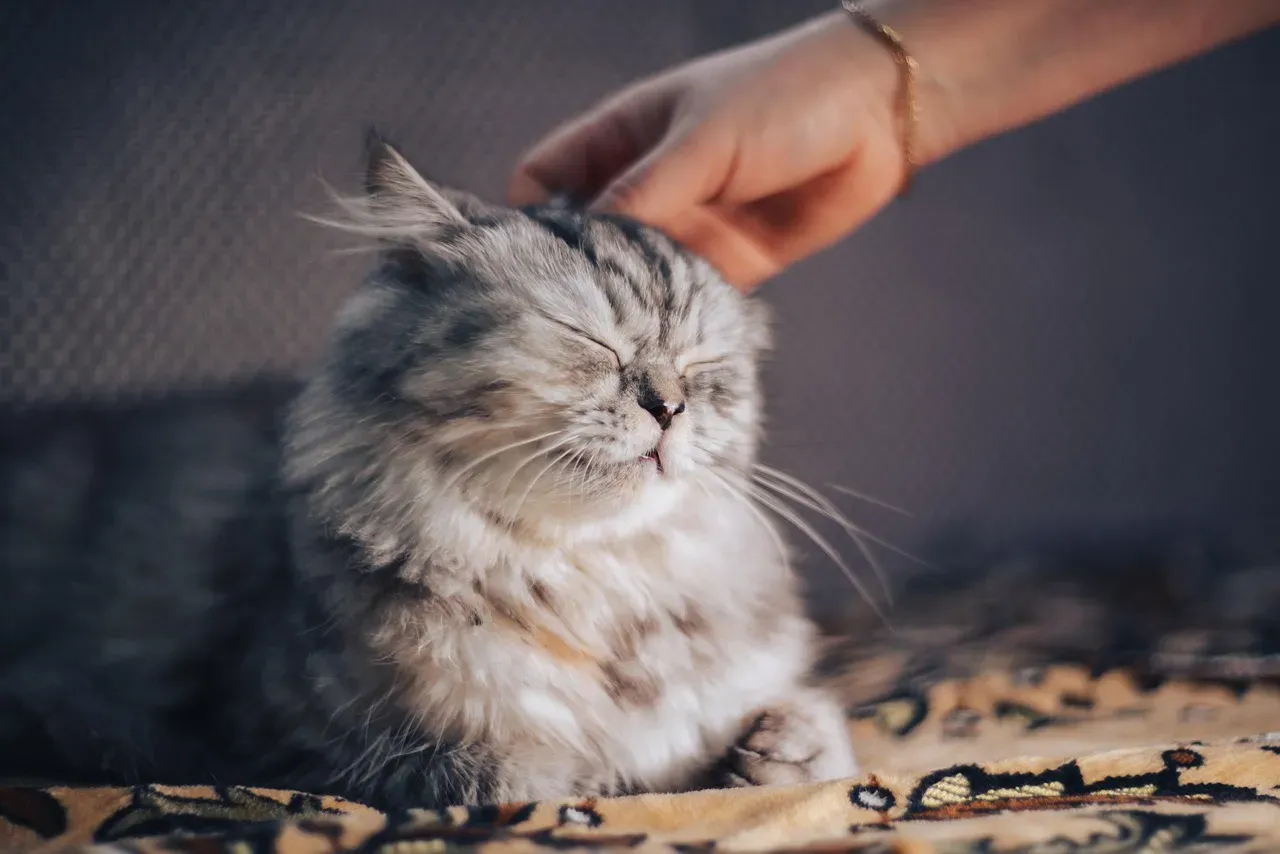
The stereotype of cats being cold and distant couldn’t be further from the truth. Perhaps surprisingly to those who think cats don’t care, roughly two-thirds of felines were identified as secure in their attachments. That’s the same percentage you see in human infants. The findings indicate that cats have a greater flexibility and depth of social relationships than previously thought, suggesting that some cats are bonding with us as caretakers.
Contrary to popular belief, cats are highly social animals capable of forming strong bonds with their human companions, often showing love and attachment in subtle ways like purring, rubbing against your legs, or simply being near you. The misconception stems from comparing cats to dogs, which isn’t fair to either species. Cats express affection differently. Understanding their language makes all the difference in appreciating just how connected they are to us.
When Life Changes, They Stay Constant
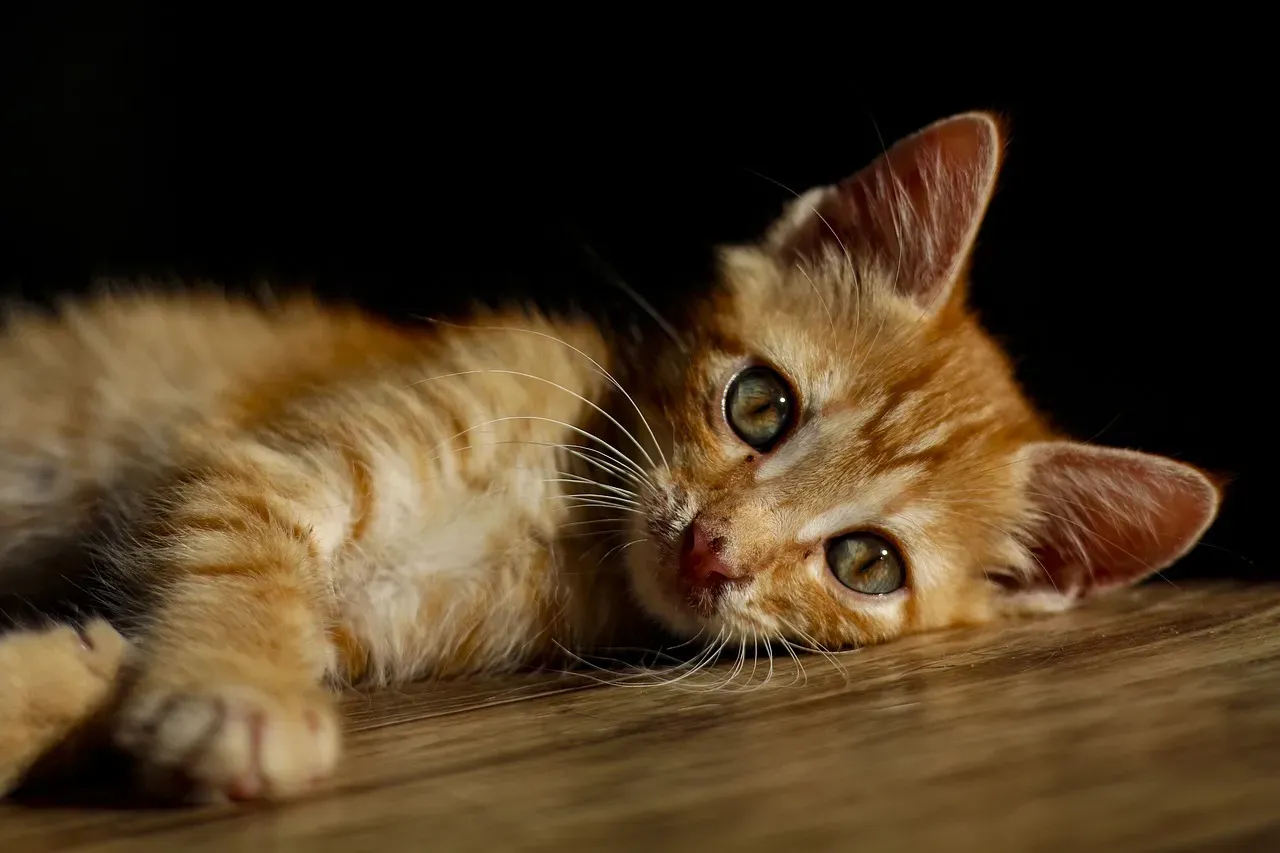
Routine matters immensely to cats. Cats are creatures of habit who feel more secure and comfortable when they know what to expect, with having a predictable routine helping reduce stress and anxiety. But here’s the thing: while they crave routine, they’re also remarkably adaptable when it comes to supporting you through changes. Moving homes, changing jobs, going through breakups, whatever life throws at you, your cat adjusts and remains by your side.
Many pets tend to copy the daily routine of their owners, with routine being essential to the mental health of furry companions who wake up with you on the alarm clock, accompany you to the bathroom, and share the morning meal. They weave themselves into the fabric of your daily existence so seamlessly that you don’t notice until they’re not there. That’s when you realize how much their presence meant.
The Attachment Goes Both Ways
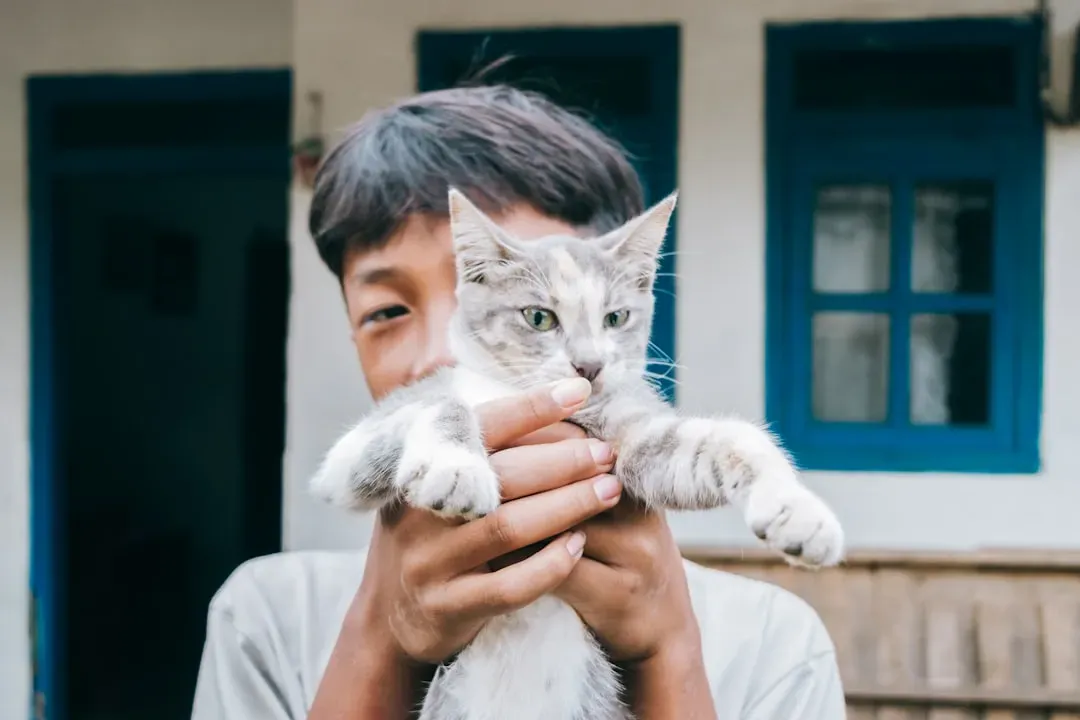
It’s easy to focus on what your cat gives you, but the relationship isn’t parasitic. The relationship between cats and their owners is in many ways similar to that of a parent and child, with cats often forming strong emotional bonds with their caregivers and frequently seeking out their presence. You provide safety, food, and comfort. They provide companionship, stress relief, and unconditional acceptance. Neither of you is complete without the other in that dynamic.
More frequent human-pet interactions were correlated with a stronger and more secure human-pet bond. The time you invest in playing with your cat, grooming them, or simply sitting together strengthens that connection exponentially. Research has shown that pet owners who regularly engage in caregiving activities tend to report stronger attachment levels. Every moment matters.
They’re Not ‘Just’ Anything
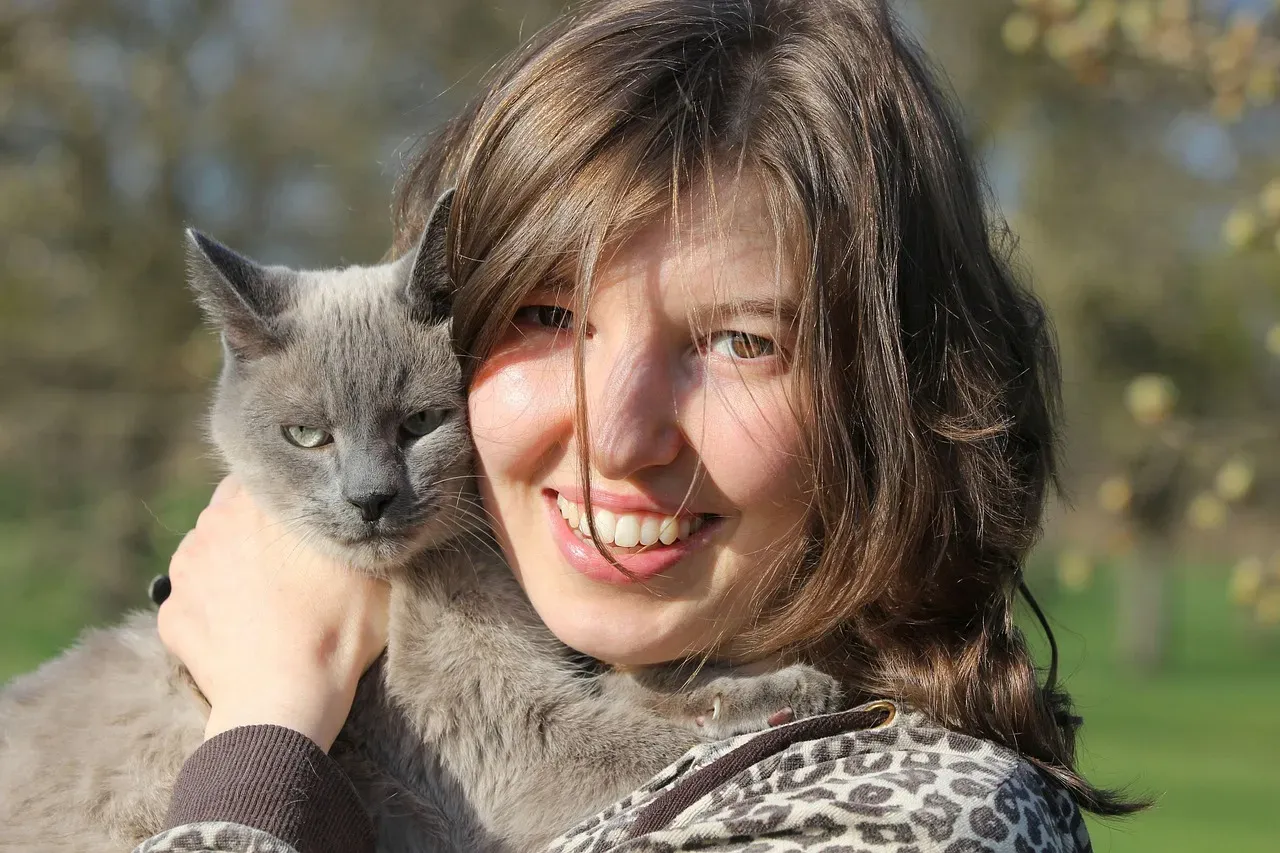
The phrase “just a pet” diminishes the profound impact these animals have on our lives. The bond between pet and pet owner is a powerful and unique part of the human experience. We don’t call family members “just” relatives. We don’t describe best friends as “just” people we know. So why reduce our cats to such a limiting description?
Emotional support cats can transform into more than just pets, providing constant joy and comfort while helping their owners cope with mental health challenges and offering companionship and emotional relief. They’re individuals with personalities, preferences, and feelings. They choose to spend their time with us. They miss us when we’re gone. They greet us when we return. These aren’t behaviors of creatures who are “just” anything. These are the actions of devoted companions who have woven themselves into our hearts.
Embracing the Shadow Life
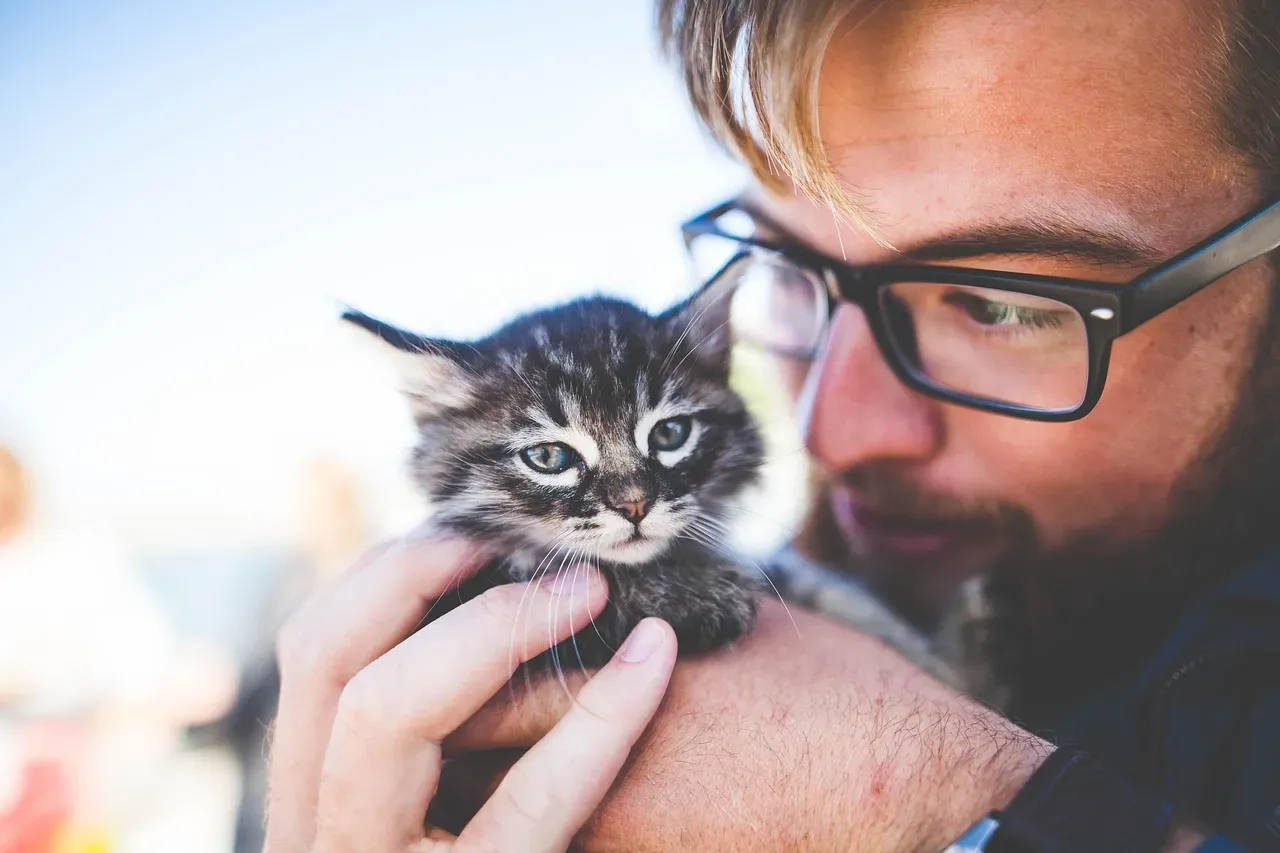
Living with a cat who follows you everywhere might seem overwhelming to some people, but most cat owners wouldn’t trade it for anything. When your cat shadows your every move, they’re saying “You are my world,” yet balance is key as healthy feline-human bonds thrive on both closeness and confidence. That little shadow padding behind you through your home isn’t an inconvenience. It’s a reminder that you matter deeply to another living being.
A cat’s tendency to follow you is often a heartwarming expression of love and dependence, and by addressing potential boredom or health concerns while nurturing their need for connection, you can transform their shadowing into a positive aspect strengthening the bond. Every time you turn around and see those eyes looking up at you, every time you feel that soft brush against your leg, you’re experiencing something special. That’s not “just a pet.” That’s family. That’s love. That’s home.
The truth is, cats have transcended the simple label of “pet” long ago. They’ve become therapists, companions, stress-relievers, and yes, those cozy, furry little shadows who make our houses feel like homes. Next time someone tries to minimize the importance of your cat, maybe ask them this: when was the last time “just a pet” changed your entire life for the better? What do you think about it? Has your cat become your shadow too?