You might think your cat spends most of its day sleeping, grooming, or staring aimlessly at walls. Yet there’s something more happening behind those unblinking eyes. Your feline friend is constantly watching, learning, and recording every detail of your daily routines.
Let’s be real, cats have mastered the art of seeming indifferent while simultaneously being completely tuned in to everything around them. They notice when you’re sad, when you’re stressed, even when you’ve shifted your morning routine by just five minutes. So let’s dive in and explore the surprisingly complex world of feline observation.
Your Cat Knows Your Schedule Better Than You Do

Cats quickly learn what works with each person in a household, remembering when family members tend to wake up and who’s most likely to offer treats at certain times. Your cat isn’t just randomly appearing in the kitchen when you’re about to feed them. They’ve studied your movements, memorized your patterns, and can anticipate your next move with uncanny precision.
Cats possess impressive long-term memory capabilities, retaining recollections of events and locations for a decade or longer. That means your cat remembers that time three years ago when you accidentally stepped on their tail. They haven’t forgotten, and they probably never will. Cats associate memories with the emotions they experienced in those surroundings or locations, which explains why some cats avoid certain rooms or react differently to specific people.
They Read Your Body Language Like a Book
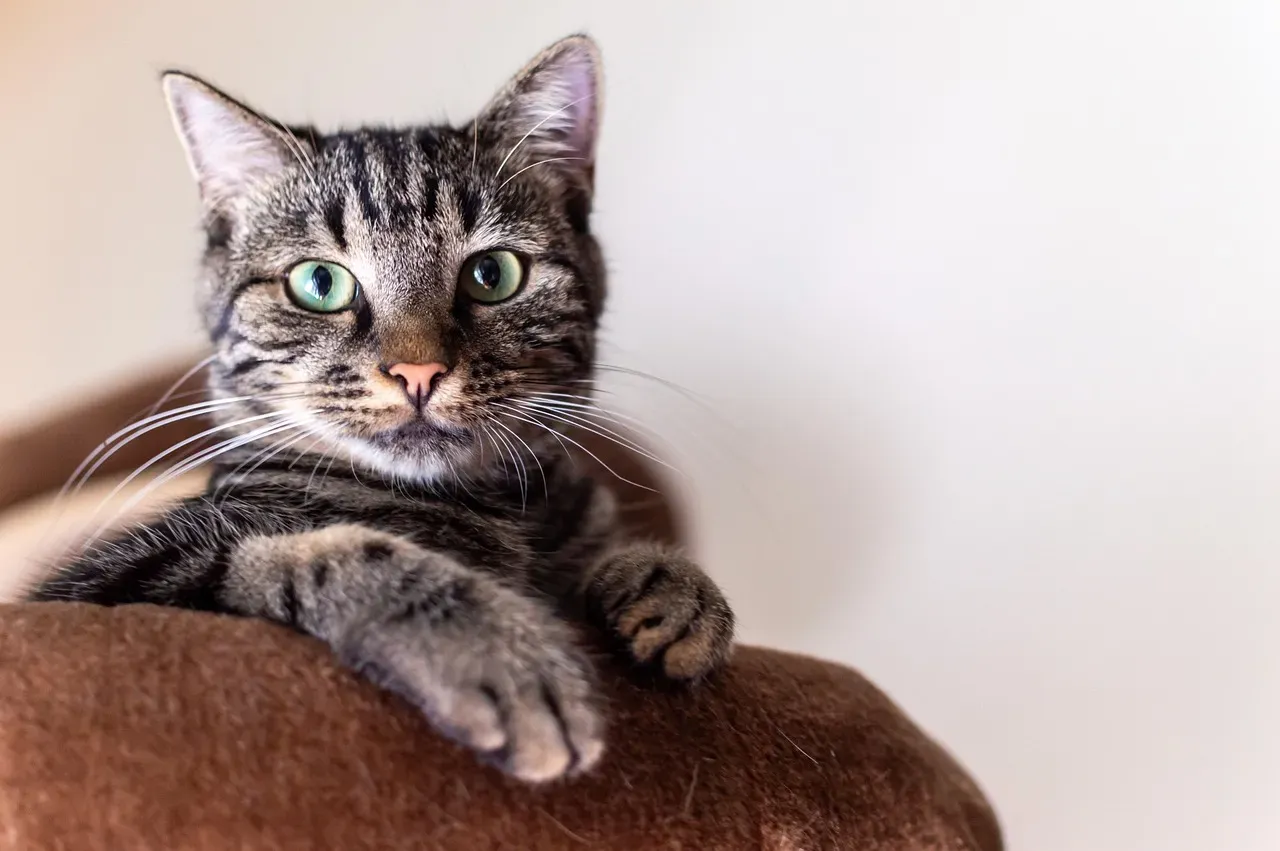
While we often focus on understanding what our cats are trying to tell us, we rarely consider how expertly they read us. Cats can recognize the body language and movement changes that happen when humans become sad, even if they don’t understand the nuanced reasons behind our emotions.
Cats can detect subtle changes in tone, body language, and facial expressions, allowing them to respond appropriately. When you’re having a rough day and your cat suddenly appears on your lap, it’s not coincidence. Cats can sense human emotions such as happiness, sadness, stress, and anxiety through behavioral cues, voice tone, and body language. Honestly, it’s hard to say for sure if they’re being comforting or just curious, but either way, they’ve clearly picked up on something being different about you.
Silent Communication Masters
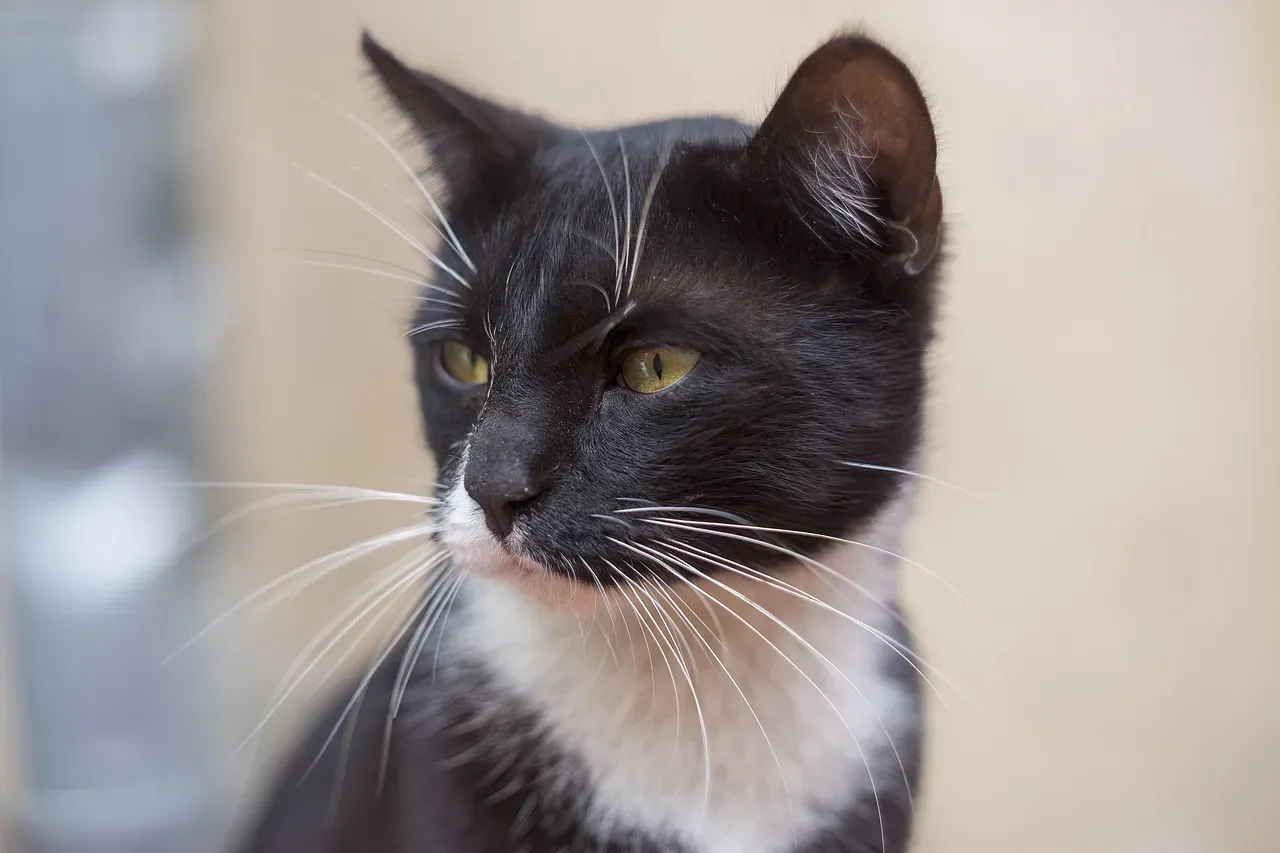
Research shows cats developed many vocalizations specifically for communicating with humans, while body language remains their primary method of cat-to-cat communication. Think about that for a moment. Your cat essentially learned a second language just to talk to you.
Cats primarily communicate silently through body language, scent marking, and visual cues, using their tail, facial expressions, and pheromones to express themselves. Every twitch of the tail, every slow blink, every ear rotation carries meaning. Cats use body language and movement to communicate a wide range of feelings and information. Meanwhile, we humans stumble around trying to decode what they want, while they’ve already figured out our entire communication system.
They’re Watching You Even When They Look Away
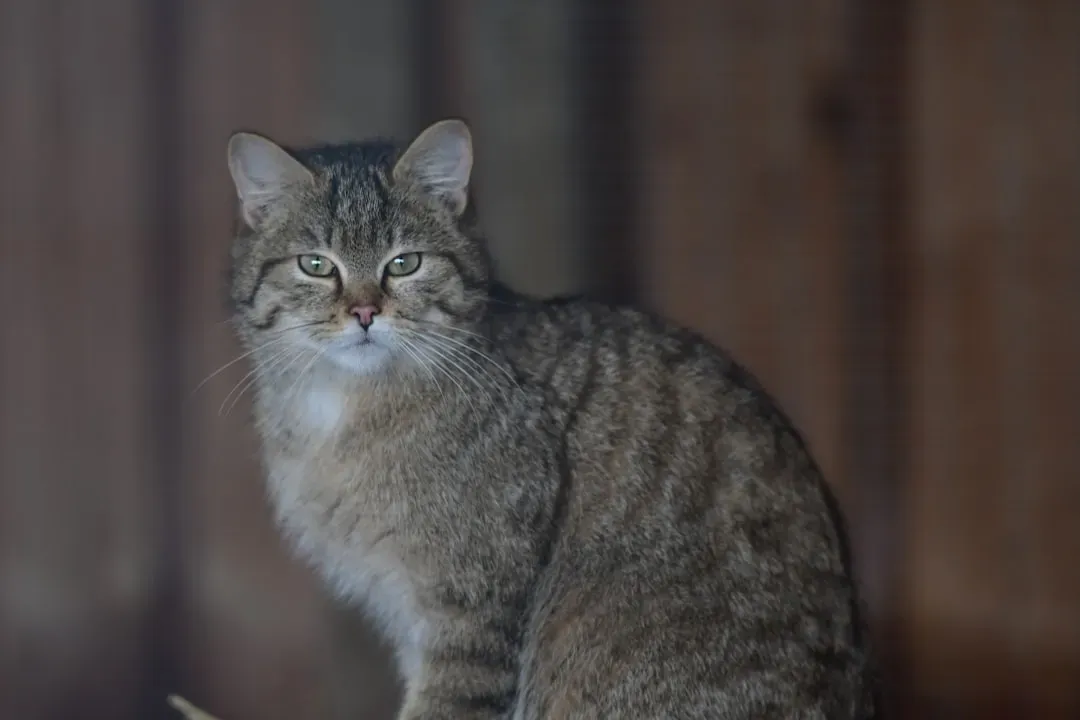
Cats follow their humans due to territorial instincts, viewing you as part of their territory and following to keep an eye on their valued possession. That slightly creepy feeling you get when you realize your cat has been silently following you from room to room? That’s intentional surveillance.
Even indoor-only cats have strong natural instincts to hunt and establish territories, with your home providing an environment where they spend the majority of their time as their territory. Your cat monitors every corner of their domain, and you’re a moving part of that landscape. Following and observing their territory is vital behavior for survival in the world of felines, even if their biggest threat is running out of kibble.
Emotional Intelligence Beyond Expectations
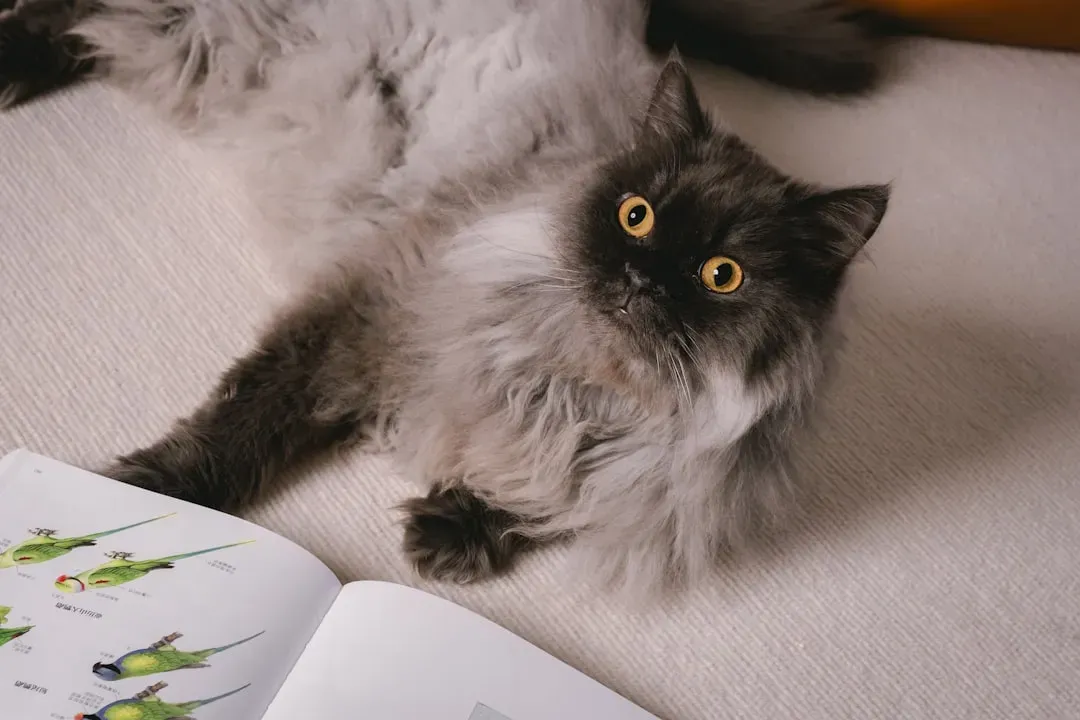
Recent research has revealed something remarkable about feline perception. Cats are able to cross-modally match pictures of emotional faces with their related vocalizations, particularly for emotions of high intensity. This means they can connect what they see on your face with what they hear in your voice, creating a complete picture of your emotional state.
Cats integrate visual and auditory signals to recognize human emotions and appear to modulate their behavior according to the valence of the emotion perceived. When you smile and use a cheerful voice, your cat knows you’re happy. When your voice drops and your posture changes, they recognize distress. Research shows cats react differently to their owners’ smiles and frowns, displaying more affectionate behaviors like purring and rubbing when owners smiled.
The Science of Scent Detection
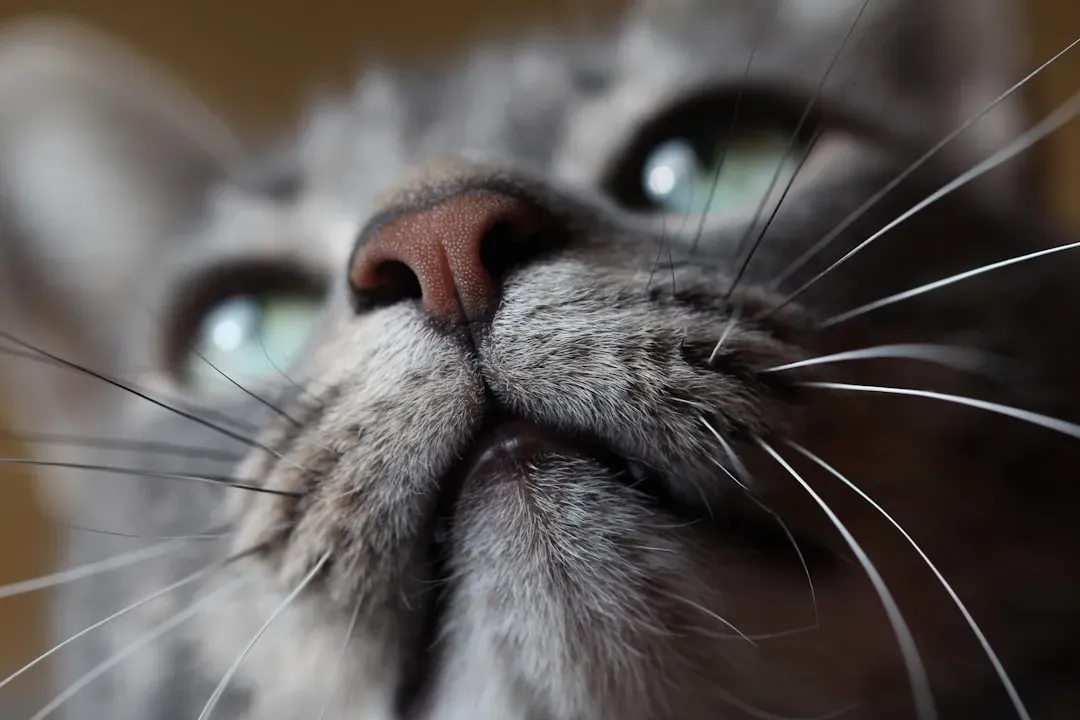
Here’s where it gets really interesting. Cats can detect human emotions through scent, especially fear, suggesting they might understand us better than we ever imagined. Your cat’s sense of smell is roughly fourteen times stronger than yours, and they’re using it to gather information constantly.
A cat’s sense of smell plays a crucial role in their ability to detect human emotions, as our bodies release pheromones and chemical signals that their highly developed olfactory system can pick up, providing valuable insights into our emotional state. So yes, your cat literally smells when you’re having a bad day. An interesting study found that cats can distinguish a human’s fear odor and exhibit stress responses when smelling this fear scent.
Learning Through Observation
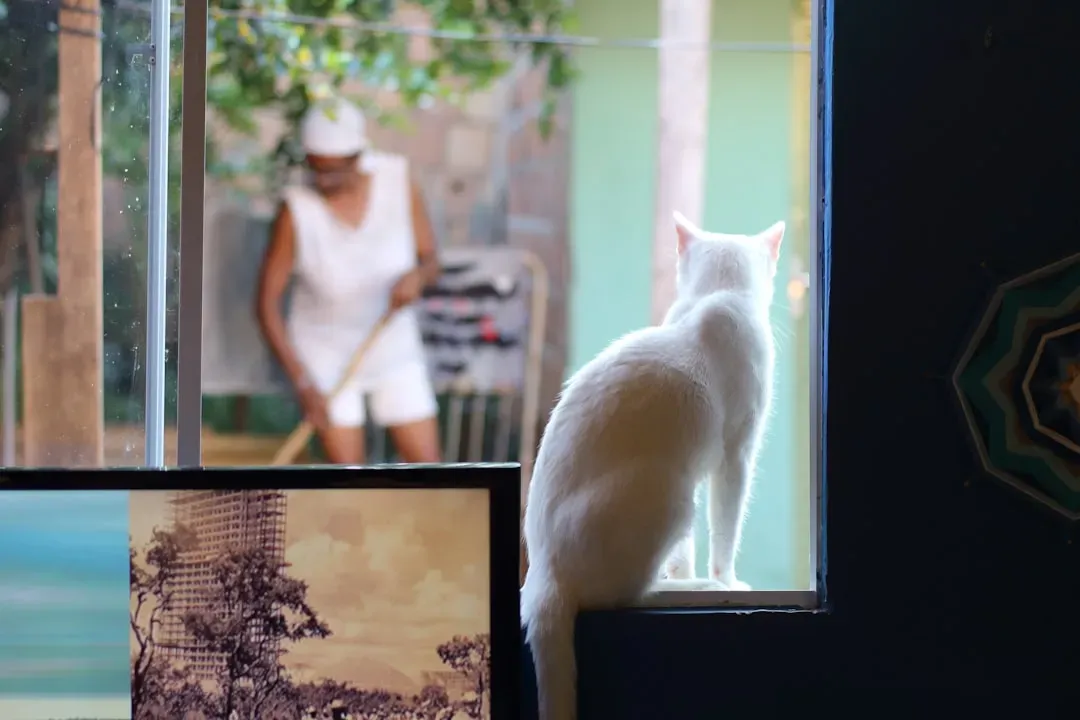
Research shows that cats can learn some actions by observing their owners under controlled scientific conditions. That’s right, your cat might be mimicking you. Researchers have shown cats can learn actions by observing their owners under controlled scientific conditions.
Cats adapt their behavior to mimic their humans, eating when you eat and sleeping when you sleep. This observational learning goes deeper than simple food motivation. Through observation, cats can repeat specific behaviors and then learn them, which is essential for hunting and surviving. Basically, your cat is taking notes on everything you do.
Memory That Would Impress an Elephant

Forget the idea that cats have short attention spans. Studies suggest cats have a working memory span of up to 16 hours compared to dogs’ roughly 5 minutes, and feline intelligence has been compared to that of a 2-year-old child. That’s significantly more cognitive power than most people give them credit for.
Cats excel at procedural memory, and research shows these memories last 10 years or more. They remember where you keep the treats, which drawer has their favorite toy, and exactly how to open that one cabinet door you thought you secured. Cats demonstrate impressive short-term recall abilities and research shows they can successfully locate hidden treats after 15-minute delays and navigate around obstacles they’ve recently encountered.
Territorial Monitoring and Household Dynamics

Your cat isn’t just lounging in that spot by the window for the view. Some cats like to have access to soft resting places up high where they can observe their territory and feel safe. They’ve strategically chosen that location to maintain surveillance over their domain – which happens to be your entire house.
One cat may spend a lot of time around a particular location or resource, which is the most obvious cat territorial behavior known as guarding. Even that seemingly casual flop in the middle of the hallway might be your cat’s way of monitoring traffic flow through their territory. The area where your cat spends the majority of time is their territory, and they mark this territory through natural behaviors like scent rubbing and scratching, rubbing their face and body to deposit natural pheromones.
The Implications for Your Relationship

Understanding that your cat is constantly observing and learning from you changes everything. Cats are highly attuned to their owners and can follow human signals, such as pointing and gazing, and can tell their owners apart from other humans with sight and voice cues. This level of attention means your behavior directly shapes their experience of the world.
Cat behavior frequently alters to mirror both the good and bad behaviors of their humans, and while personality has some effect, studies have shown a high influence of human behavior upon cats. If you’re stressed and anxious all the time, don’t be surprised when your cat starts displaying similar behaviors. They’re not just living with you; they’re learning from you, constantly adapting their responses based on what they observe. The bond between human and cat is far more reciprocal than most people realize.
Conclusion
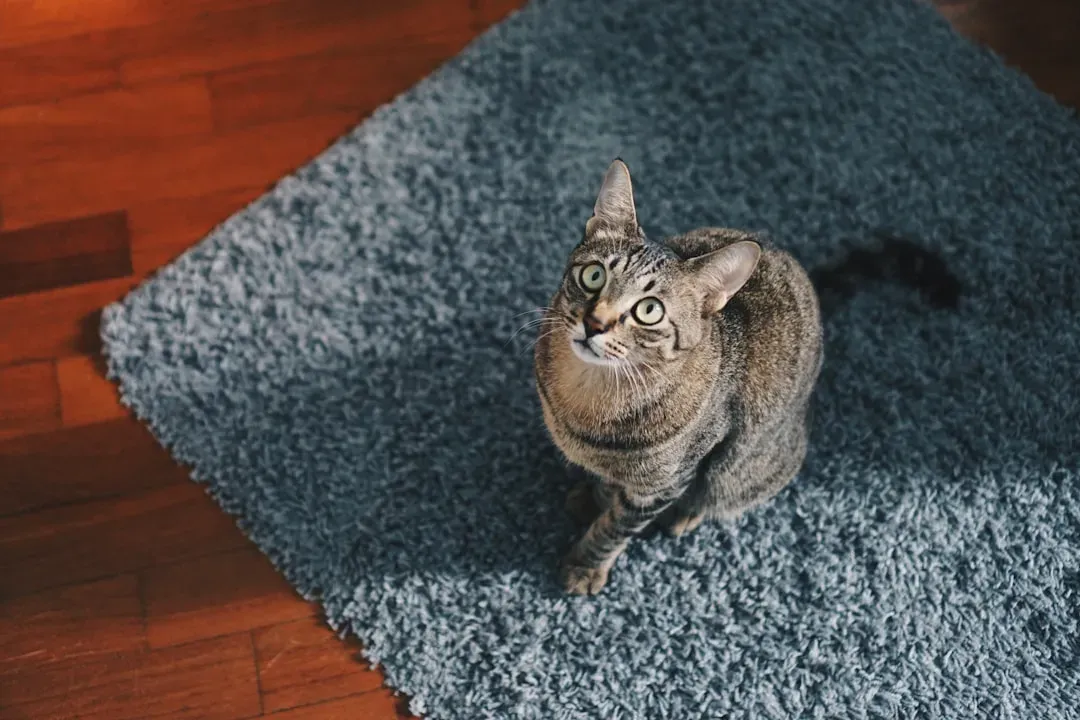
Cats are observing, recording, and responding to every aspect of your life with a level of attention most humans reserve for their favorite television shows. They know when you’re sad, when you’re stressed, when your schedule changes, and when you’re trying to sneak past them without being noticed.
The closer your bond is with your cat, the more likely they are to be in sync with you and understand your different moods. These quiet companions are anything but passive. They’re active participants in your daily life, constantly gathering information and adjusting their behavior accordingly. Next time you catch your cat staring at you from across the room, remember: they’re not zoning out. They’re taking detailed mental notes. What do you think your cat has learned about you lately?