Ever notice how your living room gradually transforms into a feline kingdom? That pile of clothes on your bed becomes a royal throne. The sunny windowsill now hosts Her Majesty’s afternoon court sessions. Your favorite armchair bears the subtle indentations of repeated occupation.
Here’s the truth you probably suspected all along: Your cat isn’t just napping randomly throughout your home. They’re actually redesigning the entire space, one strategic snooze at a time, creating an environment that suits their exact specifications. Think of it as slow-motion home renovation, except you never signed off on the blueprints and you’re definitely not getting any equity out of the deal.
The Surveying Phase: Why Your Cat Keeps Changing Nap Locations
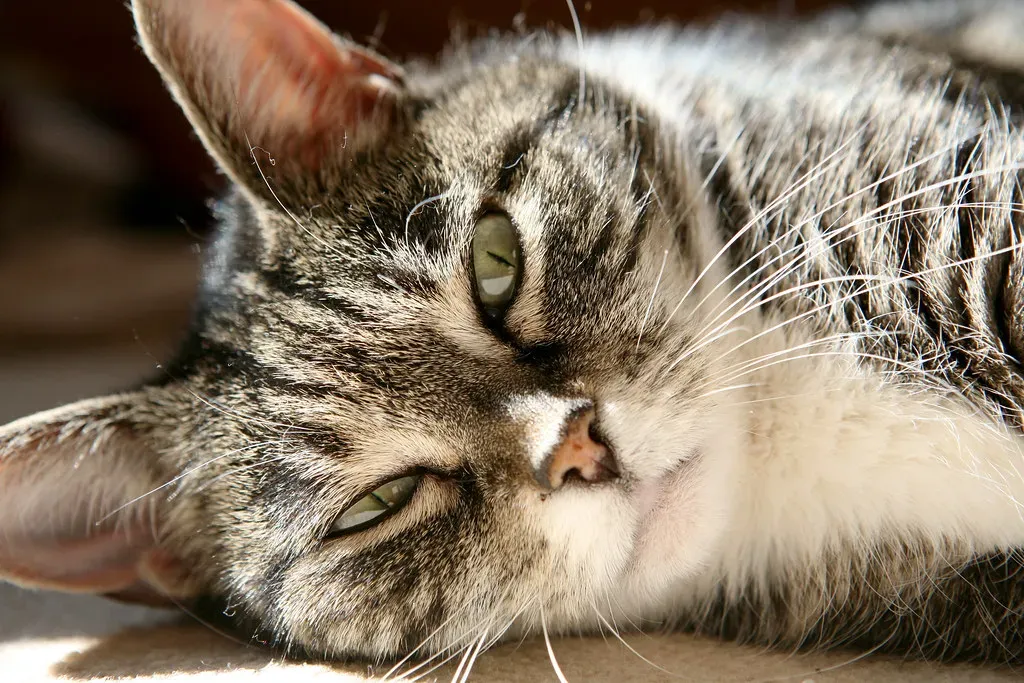
You’ve probably noticed your cat doesn’t commit to just one sleeping spot. Instead, they rotate through different areas like a quality inspector examining every square inch of property. This isn’t indecisiveness or feline ADHD at play.
Your cat changes sleeping areas to claim territory, regulate body temperature, and maintain safety through unpredictability – an instinct inherited from wild ancestors who needed to avoid predators. They’re essentially conducting an ongoing environmental audit, testing which zones meet their exacting comfort standards at different times of day. Sometimes cats simply crave novelty and get bored with the same spot, cycling through nap locations to add variety to their otherwise monotonous indoor lives.
Blueprint Reading: How Cats Assess Your Furniture’s Architectural Potential

When you bring home a new piece of furniture, you see a couch. Your cat sees a canvas of possibilities requiring immediate evaluation. Cats may scratch new objects simply to mark unmarked territory, and this behavior usually passes once they develop a sense of ownership.
Cats sleep between 12 and 16 hours daily, and their choice of sleeping location depends on safety, temperature, comfort, and their predatory nature. Your cat approaches each piece of furniture with the scrutiny of a home inspector, testing for optimal elevation, softness, warmth retention, and strategic vantage points. That expensive ergonomic desk chair you bought? It failed the test. The cardboard box it came in? Five stars, would nap again. Cats consistently choose items with visual and textural interest, preferring objects left on beds or crumply, folded fabrics over flat surfaces.
Territorial Zoning: Marking Spaces Through Strategic Scratching
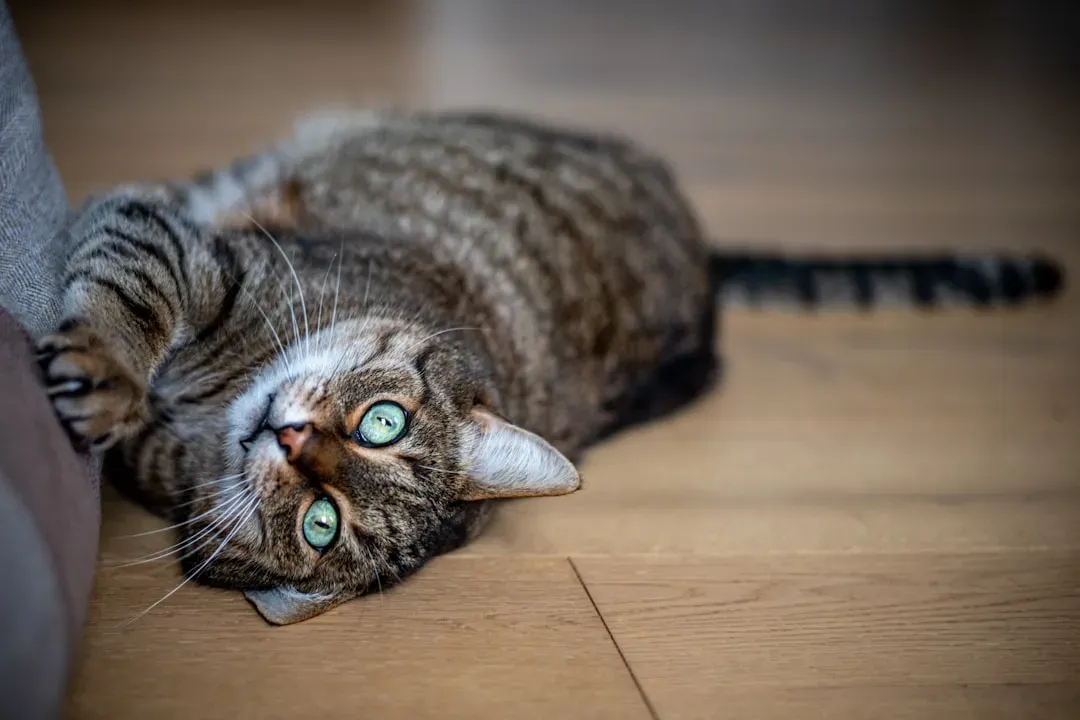
Those scratch marks on your door frame aren’t vandalism. They’re zoning permits. Scratching allows cats to mark territory through both visual cues of torn material and chemical cues from pheromones released by scent glands in their feet. Your cat is literally signing their name on the deed to various sections of your home.
Cats’ paws contain scent glands that release visible and chemical markers when scratching, typically targeting prominent areas like carpets or sofas to make spaces feel secure and relieve stress. They prioritize high-traffic areas because what’s the point of leaving your signature where nobody will see it? Cats prefer scratching posts in prominent locations, and the best placement is often where they’ve already chosen to scratch, even if it means the center of a room. Think of it as their version of putting up a mailbox with their family name emblazoned across it.
Climate Control Systems: The Seasonal Migration Pattern
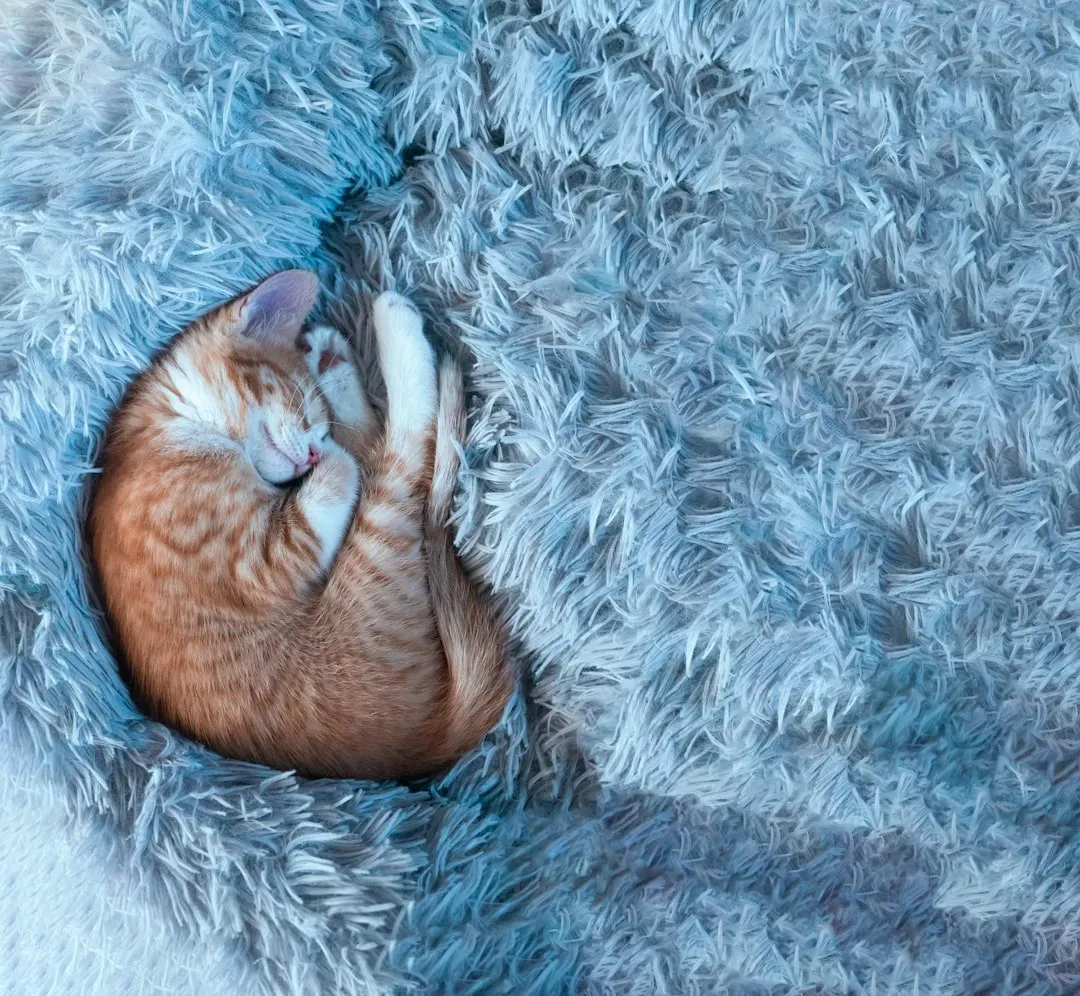
As weather changes, cats adjust their sleeping accommodations accordingly, seeking spots that aren’t too hot or too cold – stretching in sun spots during cold months and migrating to darker, cooler places during summer heat. Your cat operates like a furry little thermostat with legs, constantly recalibrating their position based on ambient temperature.
Cats maintain a body temperature between 100.5 and 102.5 degrees Fahrenheit, and most breeds stay comfortable at room temperatures around 70 degrees. During winter, you might find them colonizing heating vents, radiators, or that one sunny patch that moves across your floor between 2 and 4 PM. Summer brings the great migration to cool tile floors, sinks, or that mysterious spot in the basement only they seem to know about. Cats relocate to regulate temperature, moving from warm sun spots to cool sinks when overheated, and seeking beds when floors get too cold.
The Scent Architecture: Building an Invisible Home Within Your Home

While you perceive your home through sight, your cat experiences it primarily through smell. Cats rely heavily on their sense of smell for security, possessing a sense of smell approximately 14 times stronger than humans, making scent a primary factor in sleeping preferences. They’re constructing an entire olfactory blueprint invisible to your inferior human nose.
Items bearing your scent provide cats with a sense of safety while sleeping, and after finding their spot, cats mark it with their own scent using glands that release pheromones. That’s why your cat gravitates toward your laundry pile, your bed, or that hoodie you left on the chair. Cats seek comfort in sleeping spots, with soft fabrics reminding them of kitten piles, which explains why they gravitate toward beds, comforters, and anything smelling like their owners. They’re not being clingy – they’re layering their scent over yours to create a hybrid security system that signals “safe zone.”
Vertical Real Estate Development: Why Cats Claim the High Ground

Cats love high places to observe everything from a safe distance, a preference inherited from wild ancestors who used elevated areas to stay safe from predators. Your cat isn’t just climbing to annoy you when they knock things off shelves. They’re implementing proper vertical zoning regulations.
Cats naturally gravitate toward high sleeping spots like cat trees, windowsills, and tall furniture, with many claiming elevated locations such as closet tops. From these strategic vantage points, they can survey their domain, monitor potential threats, and judge your life choices from a position of superiority. Cats seek hidden spots where they can survey territory with minimal threats from dogs or children, using their agility to scale obstacles and reach high perches like the top of the fridge. It’s not paranoia when you actually are the supreme ruler of everything you survey.
Multi-Cat Households: Negotiating Shared Living Spaces
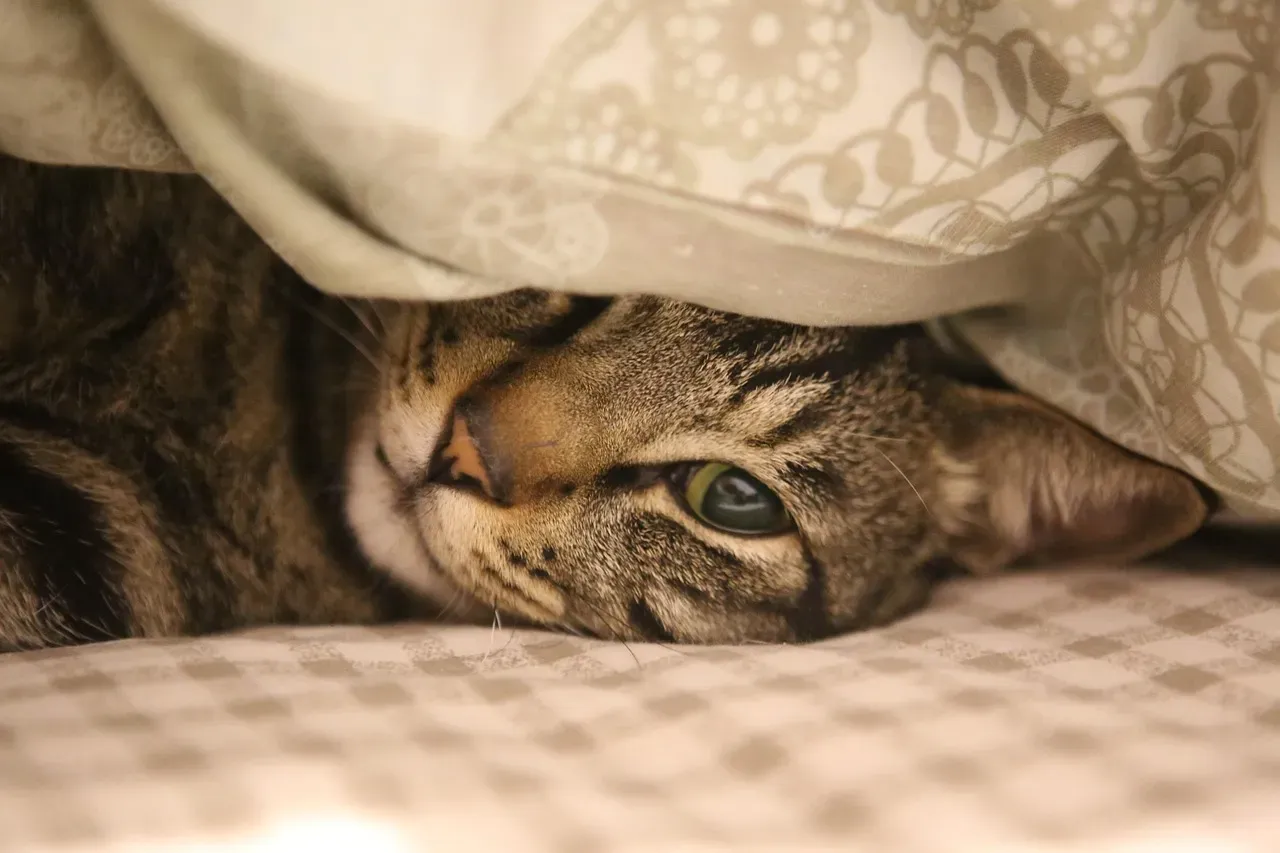
In multi-cat households, dominant cats claim preferred sleeping spots and share them with more submissive family members, with both hierarchy and territory shifting as the population changes. Your home becomes a complex negotiation of feline real estate agreements, complete with unspoken time-sharing arrangements.
Prime sleeping spots function as resources like food or water in multi-pet homes, with cats often rotating through the best locations throughout the day in silent, scheduled turns. One cat might monopolize the cat tree from mid-morning until noon, while another claims it during the afternoon window of optimal sunlight. Cats claim as much territory as possible to ensure safe retreat spaces, with this behavior becoming especially pronounced in busy households with children. You might think you’re running a peaceful home, but you’re actually hosting an ongoing diplomatic summit.
The Final Blueprint: Your Home According to Feline Building Codes
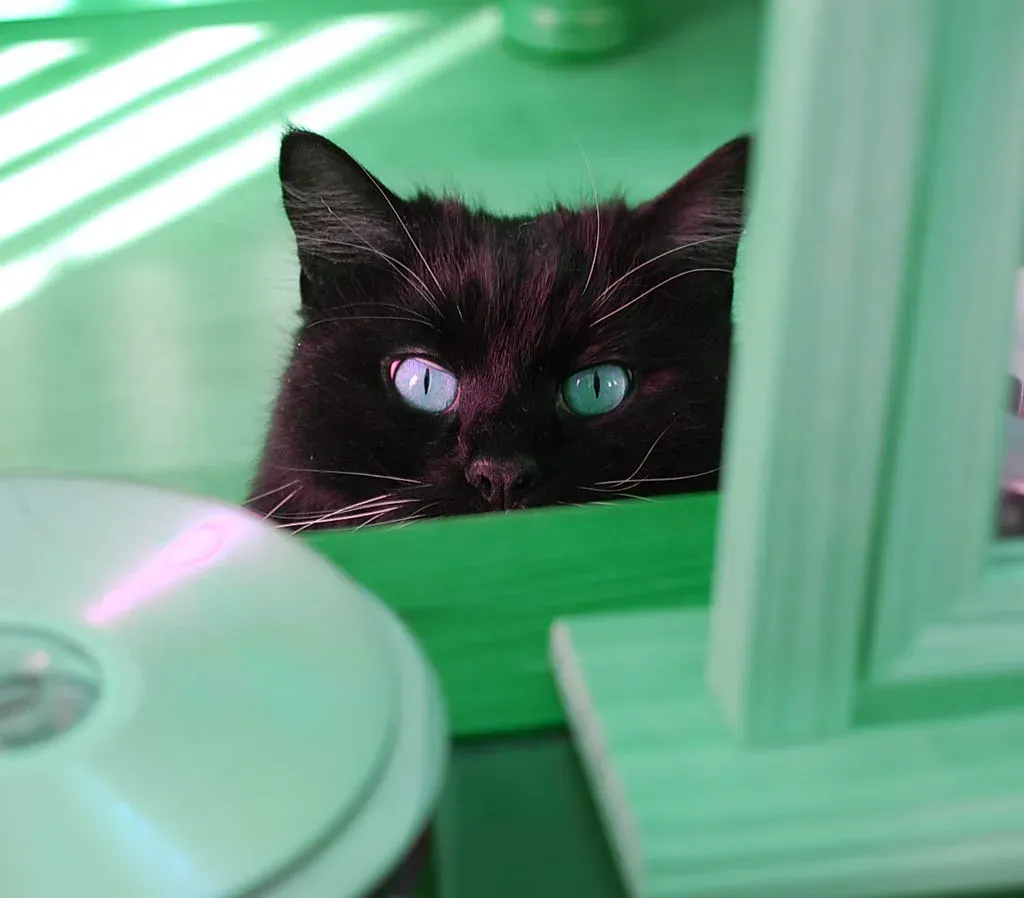
Cats organize their environment based on their needs, maintaining an inherent desire for independent territory while generally accepting other cats for company since they easily get bored. What you see as your carefully decorated living space, your cat perceives as a customizable habitat requiring constant adjustment.
Cats prioritize territory over relationships because their evolutionary psychology centers on resource defense rather than pack cooperation, explaining why environmental changes trigger behavioral problems. Every nap location, every scratching session, every seemingly random perch selection contributes to their ongoing architectural project. The bedding type, sleeping area location, and household noise levels all influence a cat’s sleep quality and location choices. Your cat hasn’t just moved in with you – they’ve hired themselves as the interior designer, contractor, and building inspector, all without your consent or input.
So the next time you find cat hair on every surface, scratch marks on your favorite chair, or discover your feline friend has claimed yet another previously unoccupied corner, remember: You’re not witnessing random cat behavior. You’re watching an architect at work, methodically redesigning your home one nap at a time. Did you ever consider that maybe, just maybe, you’ve been living in their house all along?