Most of us have had a moment where we’ve flopped onto the couch after an absolutely brutal day, only for a cat to silently appear and plant itself right on our chest. No fanfare. No questions. Just warmth, weight, and that strange, rhythmic rumble. It is a small thing, honestly, but somehow it works every single time. Science, it turns out, has a lot to say about why.
You might roll your eyes at calling a creature that knocks glasses off tables a “therapist,” but the evidence keeps stacking up. From brain chemistry to bone healing frequencies, from combating loneliness to rewiring your nervous system, cats are quietly doing things to your mental and physical health that would impress any licensed professional. Let’s dive in.
Your Brain Actually Changes When You Interact With a Cat
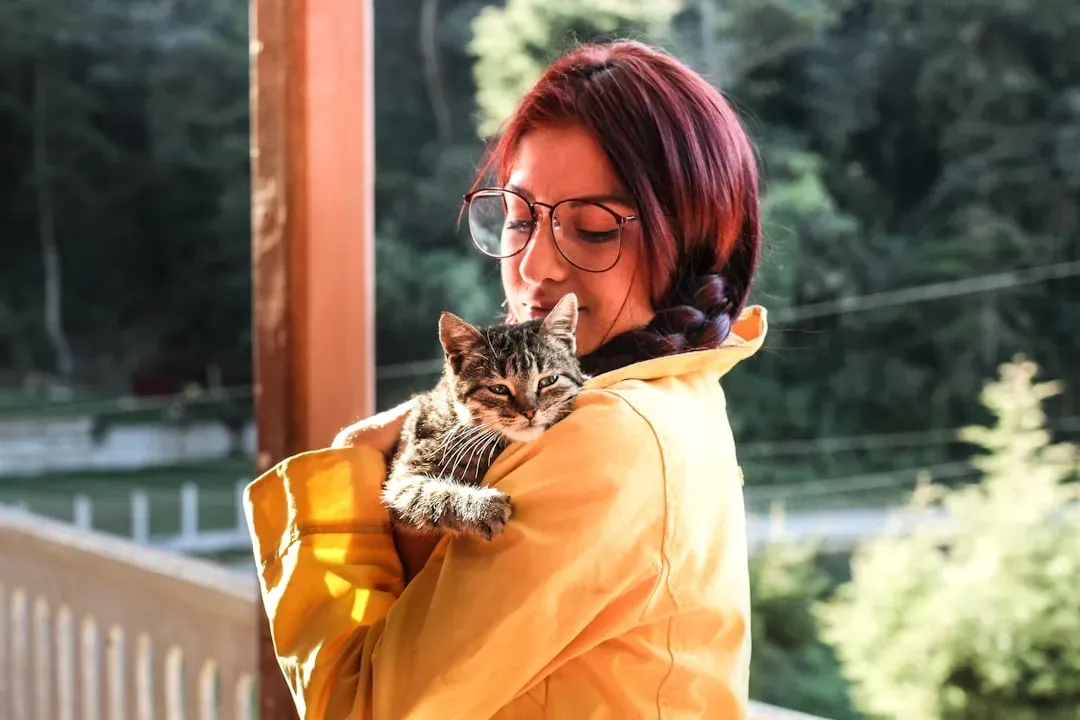
Here’s the thing that surprises most people: spending time with a cat does not just feel good. It literally rewires the activity happening in your brain. Research has shown that interactions with a cat significantly activated the prefrontal cortex, regardless of the type of interaction involved. The prefrontal cortex is the part of your brain responsible for decision-making, emotional regulation, and social behavior. That is heavy lifting for a creature who just sat in your lap uninvited.
Interacting with cats has positive effects on their owners’ brains, improving mood and activating the prefrontal cortex and the inferior frontal gyrus, contributing to both physiological and psychological health. Think of it like a workout, but instead of squats, you are just scratching a chin. The mental gains are real, and no gym membership is required.
The Purr Is Not Just Cute, It Is Genuinely Medicinal
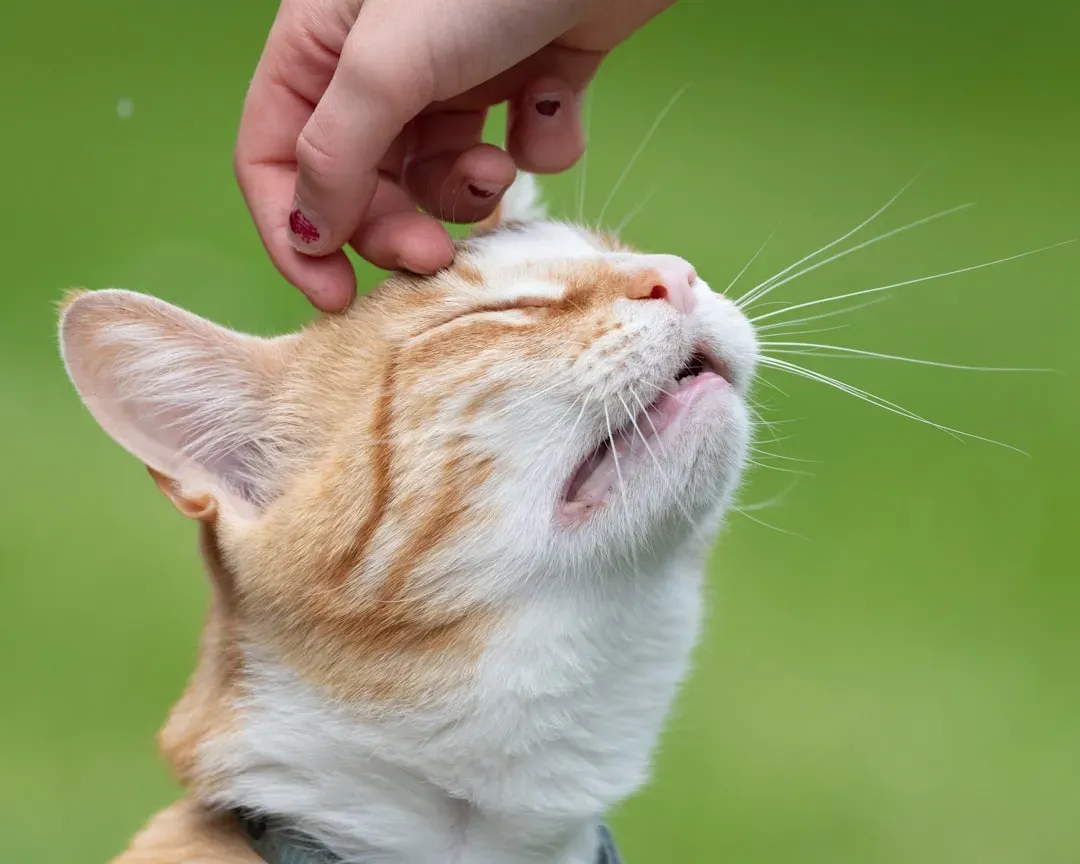
For thousands of years, cultures around the world have practiced sound therapy as a form of holistic medicine. Studies have confirmed that purring falls between 25 and 240 Hz, which happens to be the frequency known to speed up the healing process of wounds, broken bones, and tendon and joint injuries. That is not a metaphor. That is actual vibrational medicine being offered to you, for free, on your couch.
Cat purring stimulates the production of endorphins, which are natural chemicals that promote feelings of happiness and well-being. When a person interacts with a purring cat, their body releases serotonin, a neurotransmitter associated with mood regulation. This physiological response can help lower cortisol levels, the primary hormone associated with stress. It is honestly hard to overstate how remarkable that is. Your cat’s idle background noise is pharmacologically active.
Oxytocin, the Love Hormone, Flows Both Ways

Interacting with cats triggers the release of hormones in humans such as serotonin, dopamine, and oxytocin. These are often associated with good, positive feelings. Oxytocin in particular has been recognized for its role in bonding and stress relief, as well as its physiological effects such as decreased heart rate and slowed breathing. Oxytocin is the same hormone released between a mother and a newborn. The fact that a tabby cat can trigger the same system is, to me, one of the more fascinating things in behavioral science.
Researchers in Japan reported in 2021 that brief petting sessions with their cats boosted oxytocin levels in many owners. In that study, women interacted with their cats for a few minutes while scientists measured the owners’ hormone levels. The results suggested that friendly contact, such as stroking the cat and talking in a gentle tone, was linked to elevated oxytocin in the humans’ saliva. So yes, your cat truly does make you feel the love, and now there is hormone data to prove it.
Cats Are Natural Stress-Busters Without Saying a Single Word
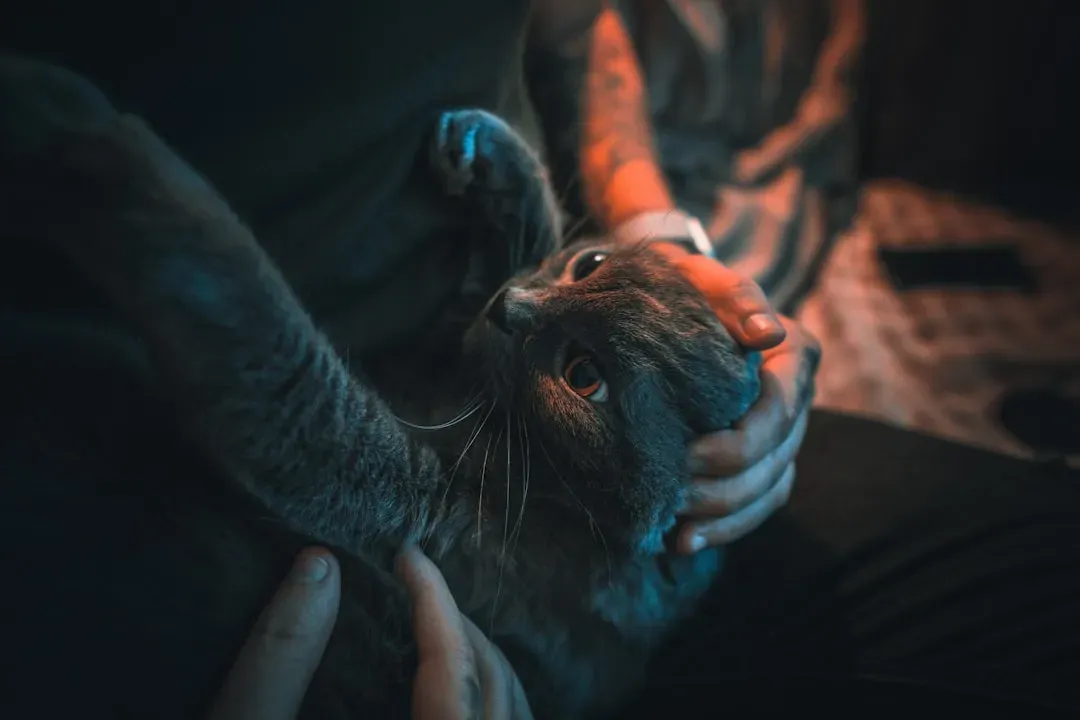
When you have had a hard day, coming home and spending some time petting a fuzzy feline can cause your body to produce stress-reducing hormones. When you do so, your heart rate and blood pressure decrease and your anxiety levels normalize. It is almost like your body already knew what your nervous system needed before your brain caught up. Cats have this uncanny ability to physically interrupt your stress response just by existing near you.
Studies have shown that cats have a calming, stress-reducing impact on our health, and that cat owners are up to roughly a third less likely to experience heart diseases. In fact, their stress-reducing ways are so powerful that simply watching videos of cats can significantly elevate our mood. That last fact explains a lot of internet behavior, honestly. Cat videos are not a waste of time. They are self-care.
They Quietly Tackle Loneliness and Depression From the Inside Out
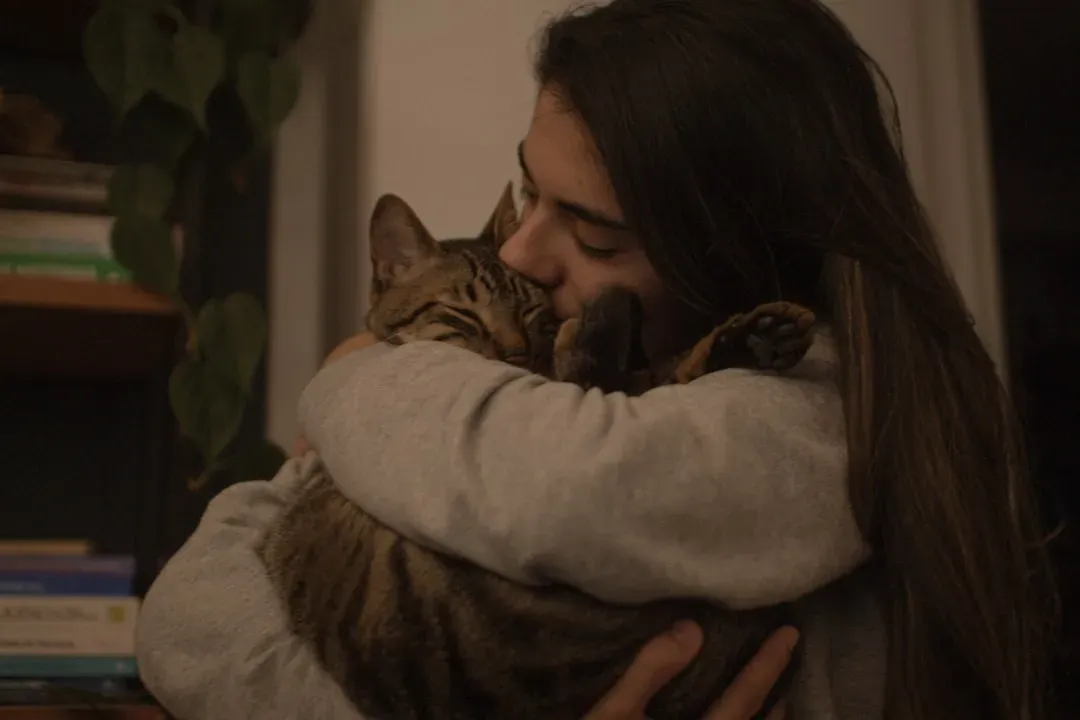
Loneliness is one of the biggest mental health challenges today, and cats offer a practical solution. Cats improve mental health by giving people a sense of connection. Their quiet companionship helps to fill emotional gaps, especially for individuals who live alone. Engaging in routine care for a cat, such as feeding or playing, also encourages a consistent daily schedule that promotes emotional stability. There is something quietly powerful about being needed. Even when the need is just “feed me at 6am or I will stand on your face.”
In one study, people with cats reported experiencing fewer negative emotions and feelings of seclusion than people without cats. In fact, single people with cats were often happier than people with a cat and a partner. That last part always gets people. But it makes sense. The companionship is uncomplicated. There is no criticism, no conflict, no unsolicited feedback about your choices.
Cats Help Ease Trauma and PTSD in Ways That Surprise Researchers
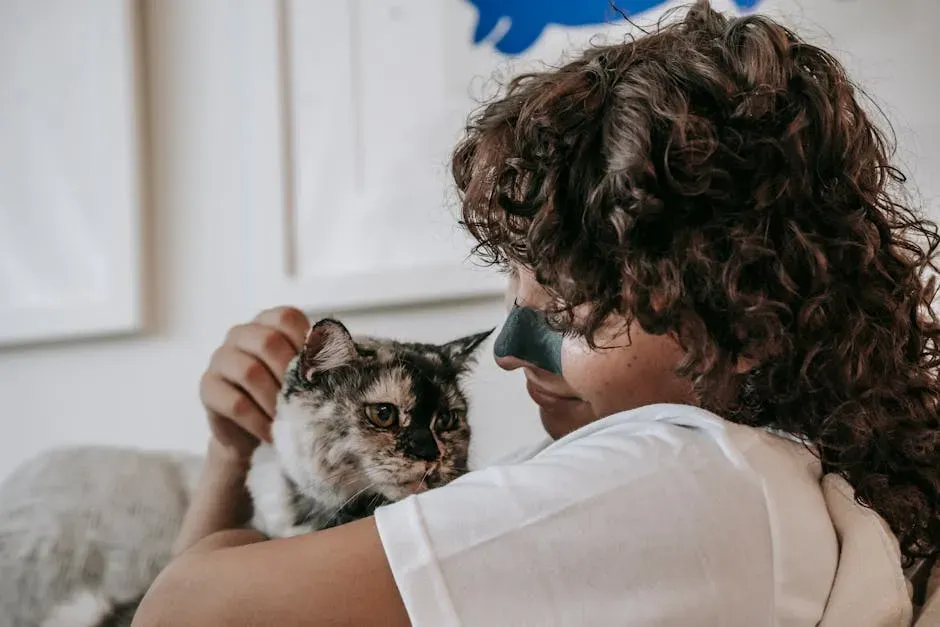
Additionally, cats have been shown to reduce the symptoms of PTSD and other trauma-related disorders. The bond between a person and their cat can create a calming effect that helps reduce emotional reactivity. This calming presence can be particularly helpful for individuals who may find it difficult to express their emotions verbally. For many, having a cat to confide in, without judgment, can help them process their emotions in a healthier way. That is genuinely striking when you think about it. A cat does not need to understand trauma to help someone move through it.
People who have experienced trauma often find comfort in the predictable and loving presence of a cat. Cats improve mental health for PTSD sufferers by creating a calming routine and offering non-verbal communication that builds trust and safety. The quiet companionship of a cat helps soothe the mind and body during episodes of anxiety or flashbacks. Predictability and safety are exactly what traumatized nervous systems are looking for, and cats, in their consistent daily rhythms, deliver both.
The Daily Routine of Cat Care Gives Life Structure and Purpose
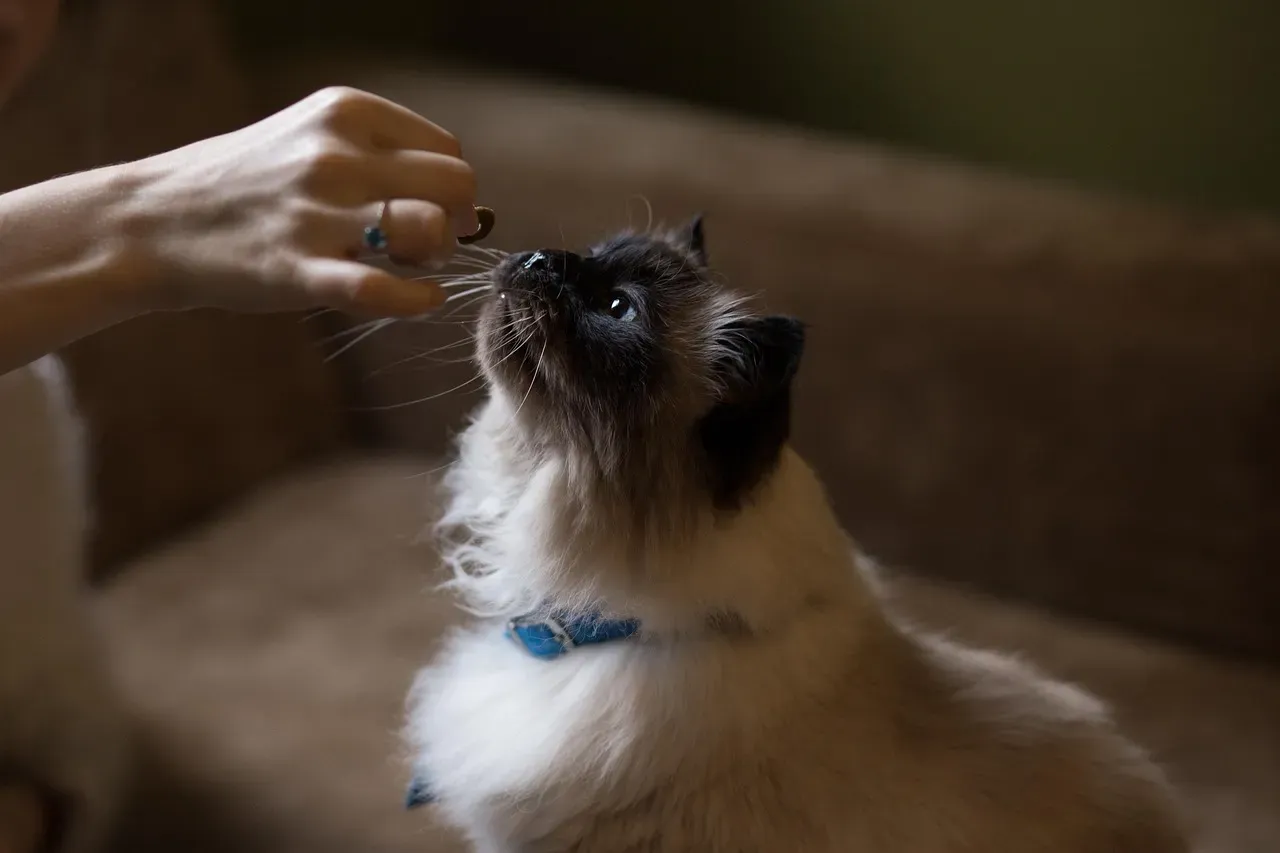
Caring for a cat, from feeding schedules to grooming, can restore structure to a person’s day, which is especially therapeutic for those dealing with depression or low executive function. Engaging in daily pet care tasks can create a sense of purpose and accomplishment, reinforcing positive behavior patterns. According to the National Institute of Mental Health, maintaining routines is a crucial coping strategy in mental health treatment plans, and pets often become natural drivers of this consistency. If you have ever struggled with depression, you know how hard it is to find a reason to get out of bed. Cats are surprisingly effective at solving that problem.
On those days when life has you down and you just cannot do it, cats give you a reason to get up and out of bed. Whether they wake you with a gentle nudge, a persistent meow, or by coughing up a hairball in the middle of your bed, cats have a special way of keeping you on track. It is hard to stay in a depressive spiral when there is a small, furry creature loudly demanding breakfast and staring at you with complete, unwavering conviction.
Cats Are Officially Being Used in Clinical Therapy Settings
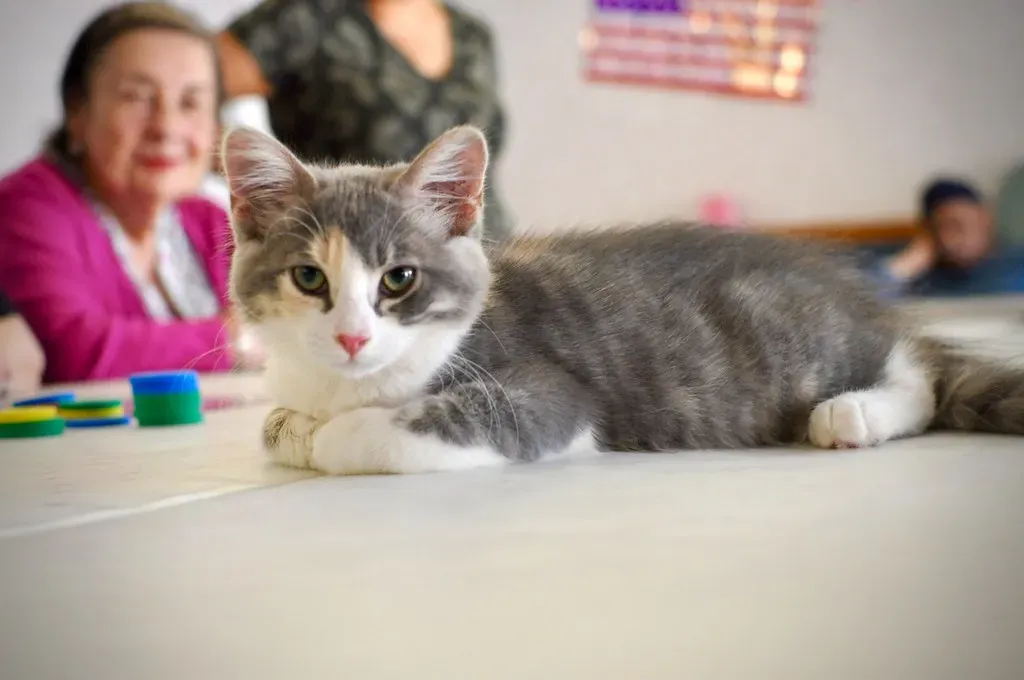
Pet therapy has proven to be especially helpful when it comes to recovering from conditions such as Post Traumatic Stress Syndrome, depression, and anxiety. Cats are often employed as therapy animals in hospitals, physiotherapy sessions, long-term care facilities, and other medical settings to help patients recover physically, mentally, and emotionally. Cats have also been known to be exceptionally helpful with children with autism, ADHD, and other cognitive conditions by promoting positive social interactions. This is not fringe alternative therapy. These are mainstream, clinical settings where cats are doing certified therapeutic work.
A strong majority of pet owners said their pets have a mostly positive impact on their mental health. Dog owners and cat owners were equally likely to say so. Cat owners were more likely than dog owners to say their pets offer companionship, provide a calming presence, and help reduce stress and anxiety. That finding deserves more attention than it gets. In certain specific areas of mental wellness, cats are actually outperforming dogs as therapeutic companions.
Cats Encourage Mindfulness Without Ever Trying To
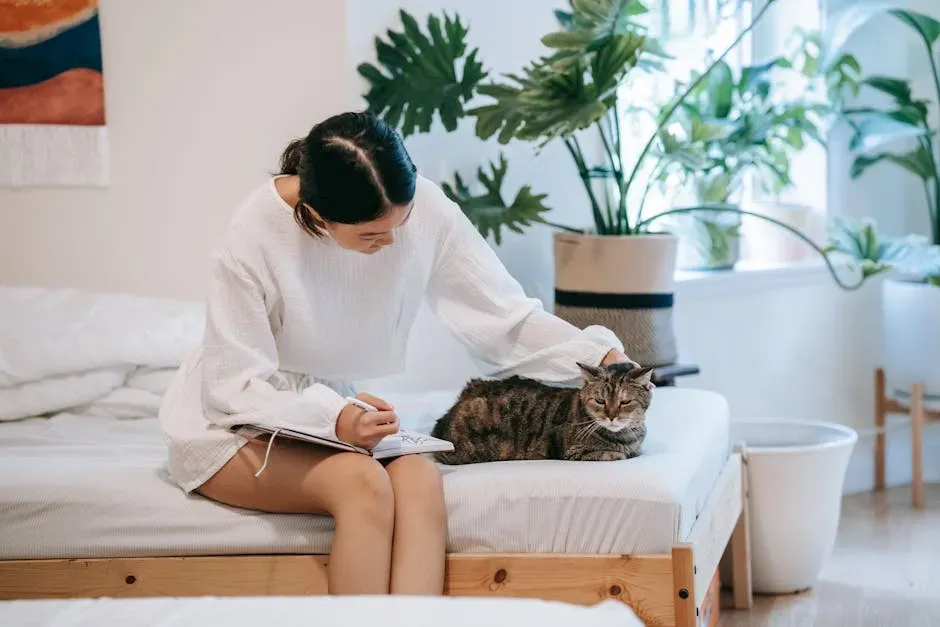
Beyond the biochemical effects, the simple act of petting a cat while it purrs can provide a form of mindfulness. Focusing on the rhythmic sound and feeling of a cat’s purr can redirect attention away from stressors and create a sense of present-moment awareness, similar to meditation or deep breathing exercises. It is kind of hilarious when you think about it. People pay a lot of money to learn how to be present, and a purring cat just hands it to you for free.
The meditative quality of cat observation, their deliberate movements and peaceful demeanor, naturally promotes mindfulness and present-moment awareness. Mindfulness is a core component of mental well-being. Cats, by their very nature, encourage people to slow down and observe. Watching a cat stretch, groom itself, or nap in the sun can prompt people to become more aware of the present moment. A cat chasing a dust bunny under the couch is, in a very real sense, an invitation to step out of your own head and just watch something simple and alive.
Conclusion
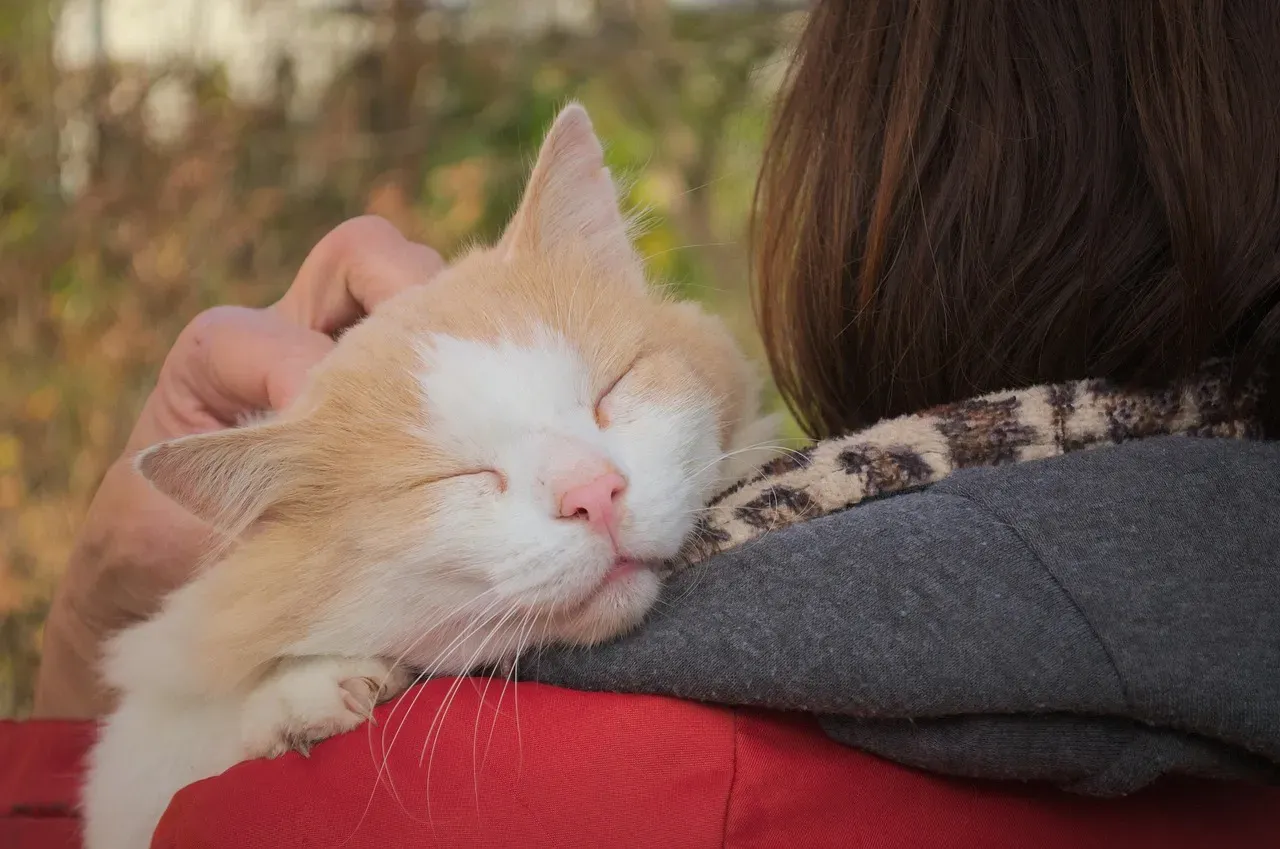
It turns out that the cat sitting on your keyboard right now is doing significantly more than annoying you. From flooding your brain with oxytocin to vibrating healing frequencies into your nervous system, from keeping you anchored in routine to helping you survive trauma and loneliness, cats are doing a remarkable amount of quiet, invisible work on your mental health every single day. Science is only just beginning to catch up with what cat owners have always sensed.
The next time someone questions your deep devotion to your feline companion, feel free to cite the research. Your cat is not just a pet. Your cat is, in every measurable sense, a therapist who works in exchange for kibble and chin scratches. Honestly, that is a pretty good deal. So, what has your cat done for your mental health lately that you never gave them credit for?