You might think your cat just happens to show up when you’re having a rough day. That tail flick, the sudden decision to curl up beside you, the soft purr that seems to arrive right when your stress peaks. It’s tempting to call it coincidence. Yet the more you pay attention, the more you notice the pattern. Your feline companion has this uncanny ability to appear just when the weight of the world feels heaviest, as if they’ve been reading your emotional state like an open book.
Here’s the thing: your cat isn’t just lucky with timing. Cats possess a general mental representation of the emotions of their social partners, both conspecifics and humans. They’re watching, listening, and yes, even smelling the shifts in your emotional landscape. Think about that for a second. While you’re busy trying to hide your stress from coworkers or family, your cat already knows. They’ve picked up on the subtle changes in your voice, the tension in your shoulders, maybe even the chemical signals your body releases when anxiety kicks in. So let’s dive in and explore how these furry therapists operate, shall we?
They’re Reading Your Face Like a Mood Map
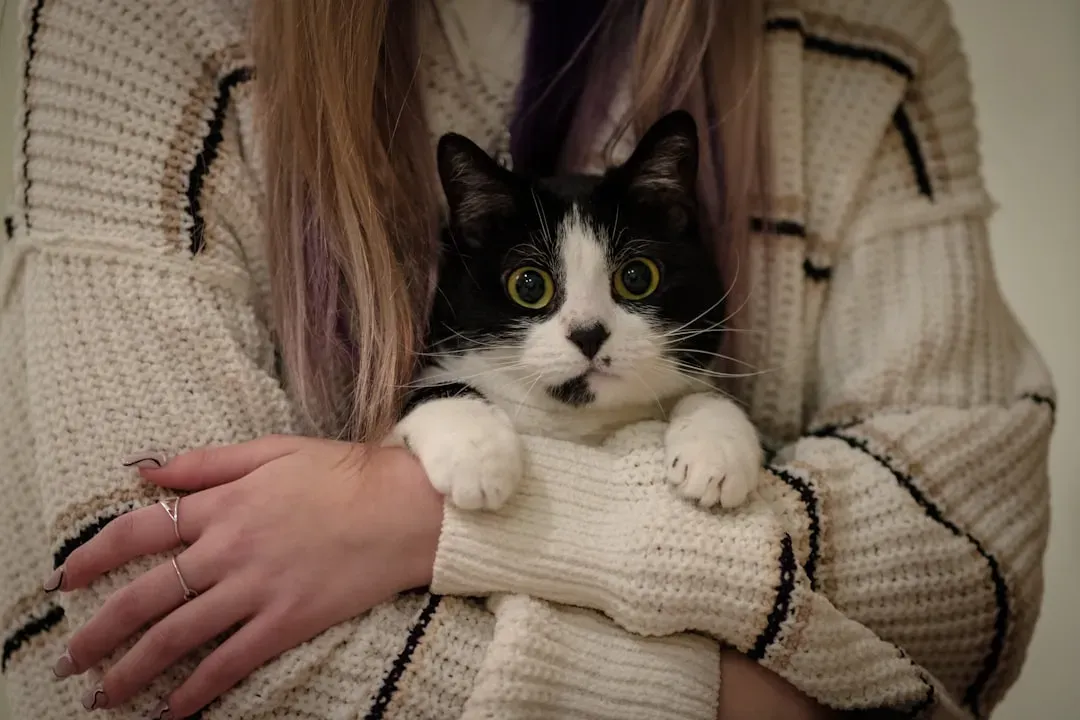
Your cat doesn’t need you to spell out how you’re feeling. Research shows that cats react differently based on a human’s facial expressions, suggesting they can read how we’re feeling in a similar way that humans can read each other. When you smile, you’ll notice your cat is more likely to approach you. Scowl or avoid eye contact, and they often keep their distance.
This isn’t just random behavior. Cats can distinguish between different human facial expressions and may react differently based on what they read on our faces. The corners of your mouth, the crinkle around your eyes, even the way your eyebrows shift when you’re worried, they’re all clues your cat uses to gauge your state of mind. It’s almost like having a tiny, furry psychologist who never charges by the hour.
Your Voice Tells Them Everything
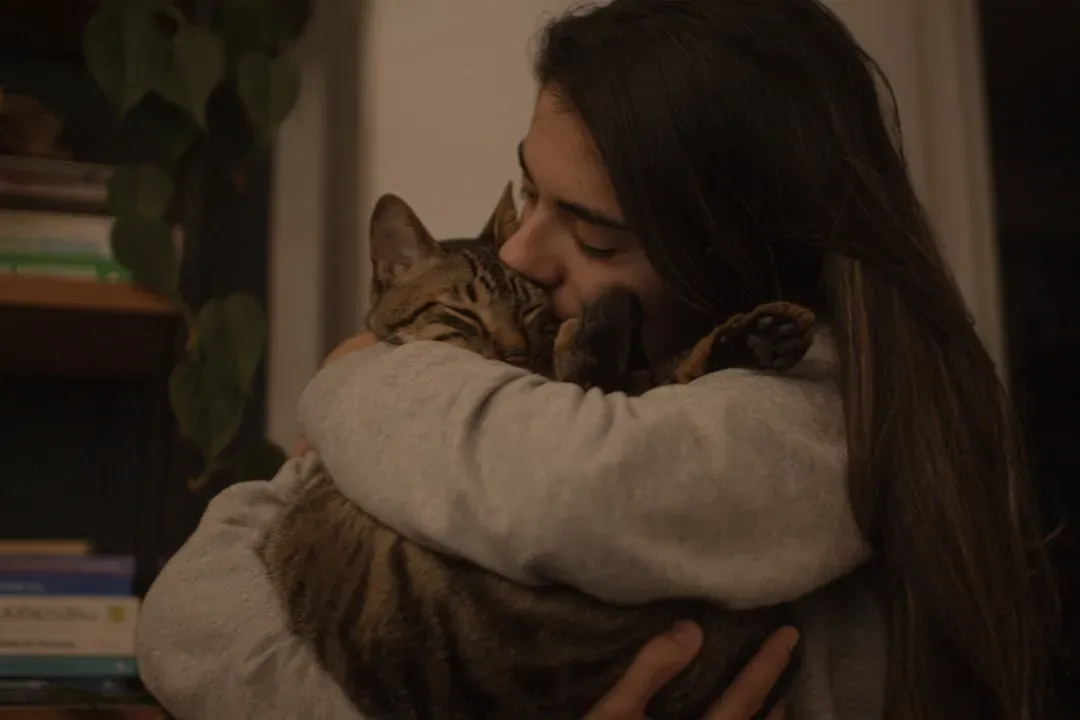
Think about how your tone shifts when you’re anxious versus when you’re genuinely happy. Your cat definitely notices. Tonal changes in your voice are an indication of how you’re feeling, with soft tones being comforting to cats while louder, sharper tones will often cause them to run and hide.
Even crying doesn’t go unnoticed. Crying noises will be interpreted as distress, which they may respond to by comforting you or instead choosing to hide away. That listless voice when you’re feeling low, the one where words barely crawl out of your mouth? Your cat picks up on it immediately. Honestly, it’s hard to say whether they’re more sensitive to our vocal shifts than some humans are.
They Smell Your Stress Before You Acknowledge It
Let’s be real, this one sounds a bit wild. Cats can actually detect emotional changes through scent. Research investigated whether cats can smell human emotions using odor samples from unfamiliar men exposed to different emotional states including fear, happiness, physical stress, and neutral.
The results? Fascinating. Cats are able to distinguish a human’s fear odor, and when smelling this fear scent, they exhibit a stress response to it. Your body chemistry literally changes when you’re anxious or scared, and your cat’s sensitive nose picks up on those shifts. It’s like having an emotional smoke detector in your house, except this one has whiskers and demands treats.
Routine Disruptions Set Off Their Internal Alarm
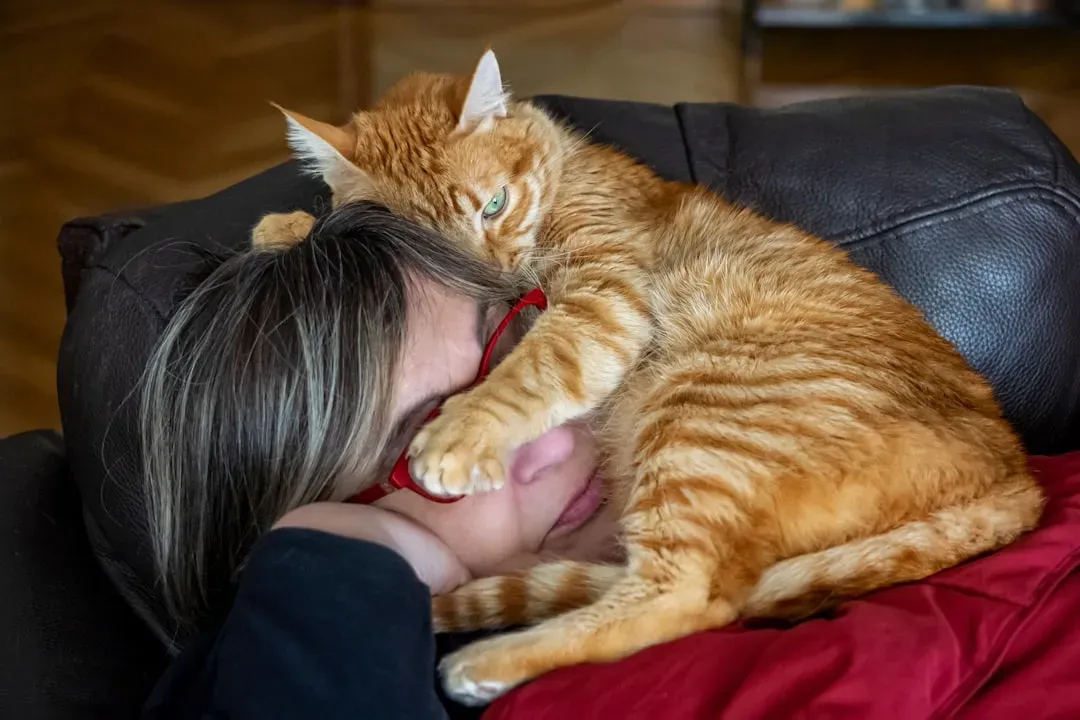
Cats are creatures of habit, which makes them excellent at spotting when something’s off with you. When your normal routine changes, your cat will notice, and if you spend more time sleeping or lounging on the sofa, your feline friend is sure to join you for a comforting cuddle.
Sleeping in late? Skipping meals? Spending the entire weekend on the couch binge-watching shows instead of your usual Saturday routine? Your cat catalogs these changes. Cats are creatures of habit, so if your routine is all off, they’ll definitely notice, being incredibly sensitive to their environments and any shifts. They don’t need a psychology degree to understand that something’s not quite right when their normally punctual human suddenly can’t get out of bed.
They Mirror Your Emotional State
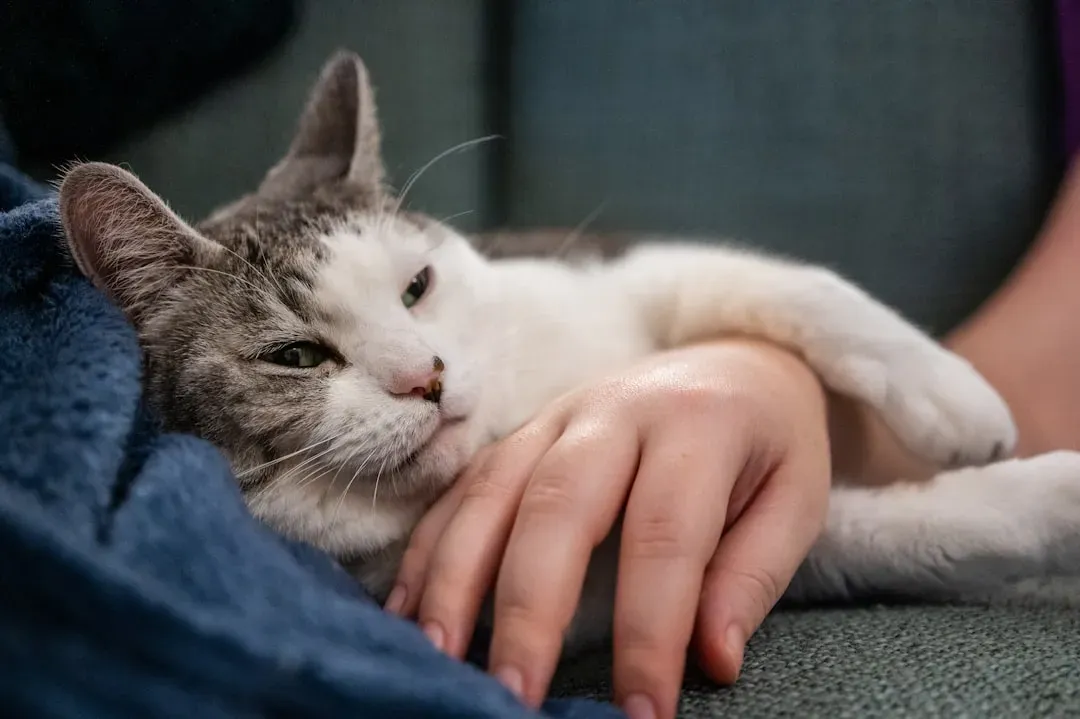
This might be the most intriguing part. Your cat doesn’t just sense your emotions, they often reflect them back. Studies found that cats mirrored their owner’s wellbeing and behavior, and vice versa. When you’re stressed, your cat becomes stressed. When you’re relaxed, they’re more likely to be chill too.
Cats often mirror their owner’s mood, so if you’re stressed, it’s likely your cat will feel stressed too. It’s a bidirectional relationship. Interacting with cats can shift both the human’s and the cat’s cortisol levels, meaning when we’re stressed, our cats can reduce our cortisol levels, and vice versa. You’re not just living with a pet, you’re in an emotional feedback loop with a tiny predator who somehow learned to care about your feelings.
Social Referencing Makes Them Look to You First
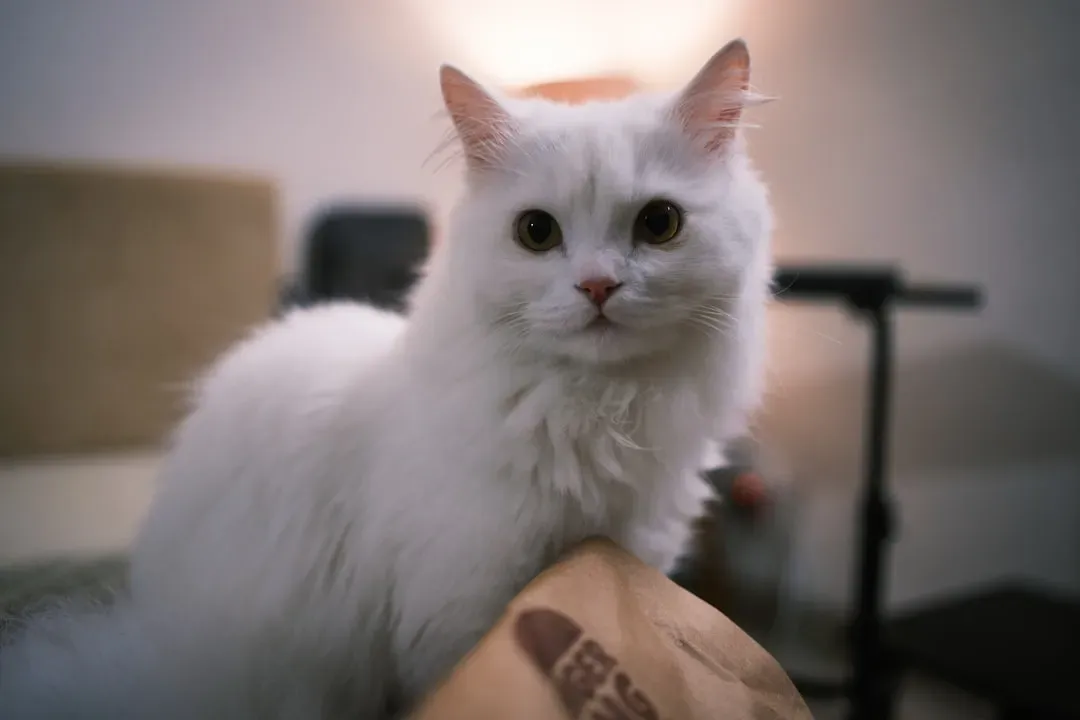
Ever notice how your cat checks your reaction before deciding how to respond to something new? That’s called social referencing. Studies found that 80% of cats were seen looking at their owners first before trying to determine how to act towards an uncertain object.
In one experiment, researchers introduced cats to fans with streamers, a deliberately ambiguous and potentially anxiety-inducing object. Some people were told to act happy about the fans while others were told to act afraid, with the result being cats looking at their owners to see their reaction before deciding how they themselves would react. Your cat literally uses you as an emotional compass when navigating uncertain situations.
Different Cats, Different Comfort Styles
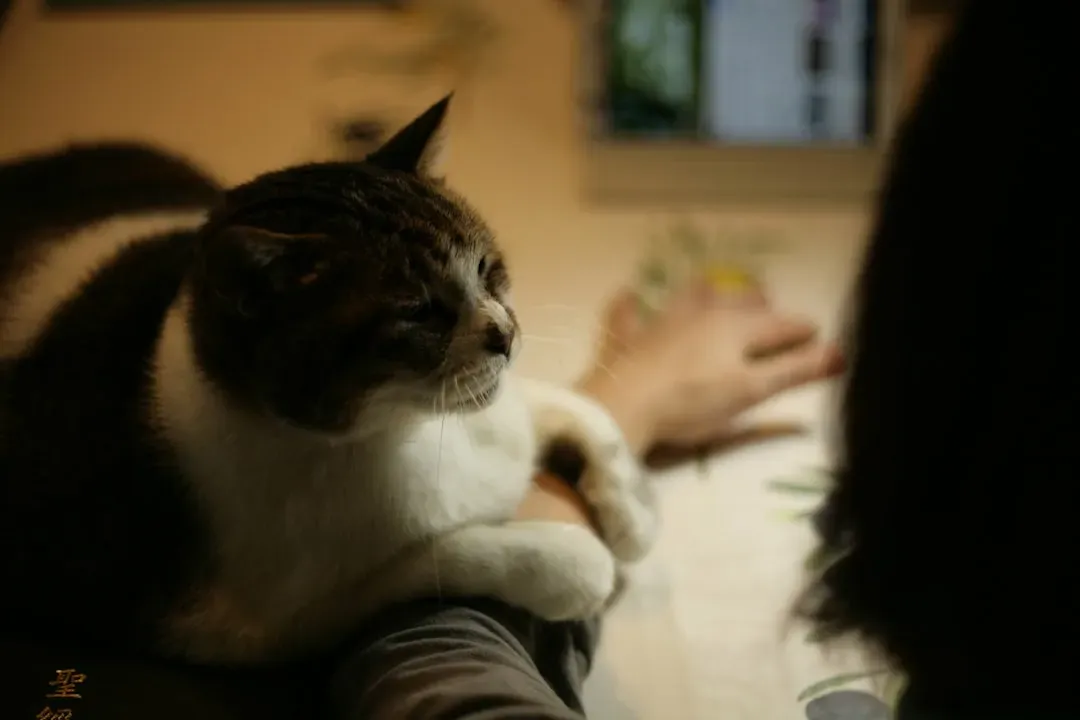
Not every cat responds to your sadness the same way. Some become your shadow, following you from room to room. Others offer comfort from a respectful distance. Some cats might find the change in their owner’s emotional state distressing and become distant or hesitant, while other cats will be even friendlier and try to cheer you up.
Some cats may comfort their owner by showing more affection or just being present, providing love and company, and might rub themselves against you, spreading comforting pheromones. My point is this: just because your cat doesn’t climb into your lap when you’re crying doesn’t mean they’re indifferent. They might be offering support in their own unique, cat-appropriate way. Maybe they sit across the room but maintain eye contact. Maybe they bring you their favorite toy. Comfort comes in many forms with these creatures.
The Physical Benefits Are Actually Measurable
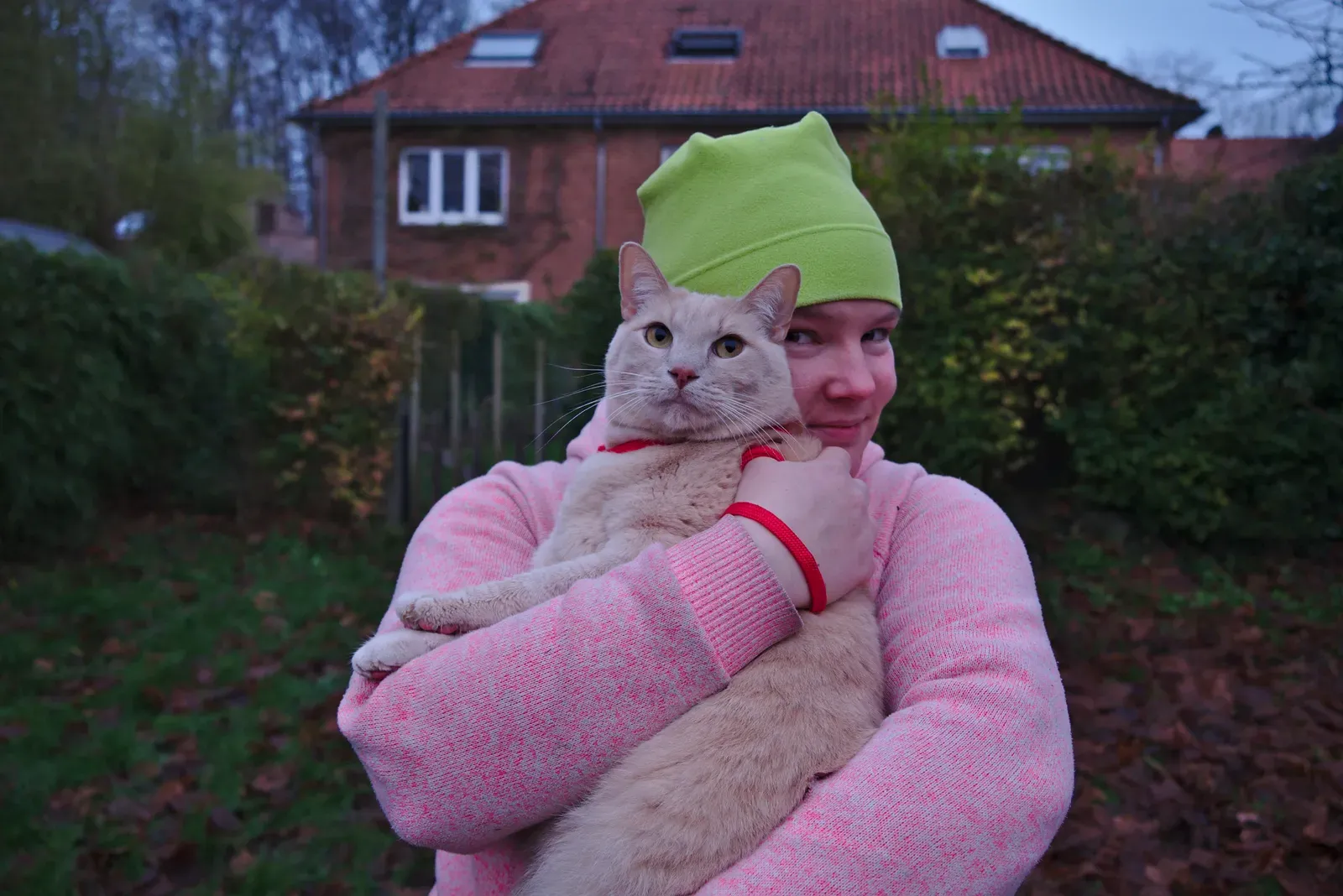
Beyond just sensing your moods, cats provide tangible health benefits when you’re struggling. Cat ownership can help lower your blood pressure and heart rate, reduce stress throughout your body, and calm anxious or negative moods.
That purring sound? It’s not just adorable. The rhythmic sound of a cat’s purr, typically ranging from 25-150 Hz, has been associated with reduced stress levels and potential healing properties. Spending time with your cat or simply being in their presence may release the hormone oxytocin, flooding your brain with improved mood and signals to relax. Essentially, your cat functions as a living, breathing stress-relief device that occasionally knocks things off your desk.
They’ve Evolved Alongside Our Emotions
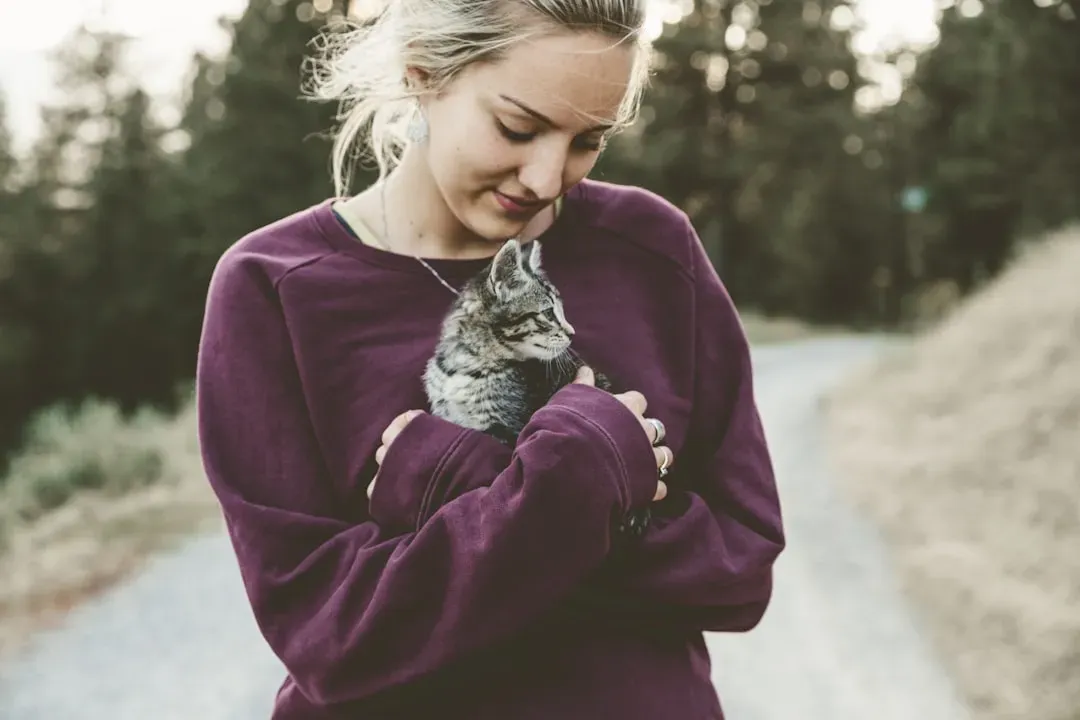
The ability of cats to read human emotions isn’t random. It’s possible that during domestication, cats developed socio-cognitive abilities for understanding human emotions in order to respond appropriately to their communicative signals. Thousands of years of living with humans have shaped your cat’s ability to understand you.
Cats are able to recognize and interpret unfamiliar human emotional signals, suggesting they have a general mental representation of humans and their emotions. This means your cat doesn’t just understand you specifically after years together. They come pre-programmed with an impressive emotional intelligence designed for human interaction. Think about that next time your cat gives you that knowing look.
Building a Stronger Emotional Connection
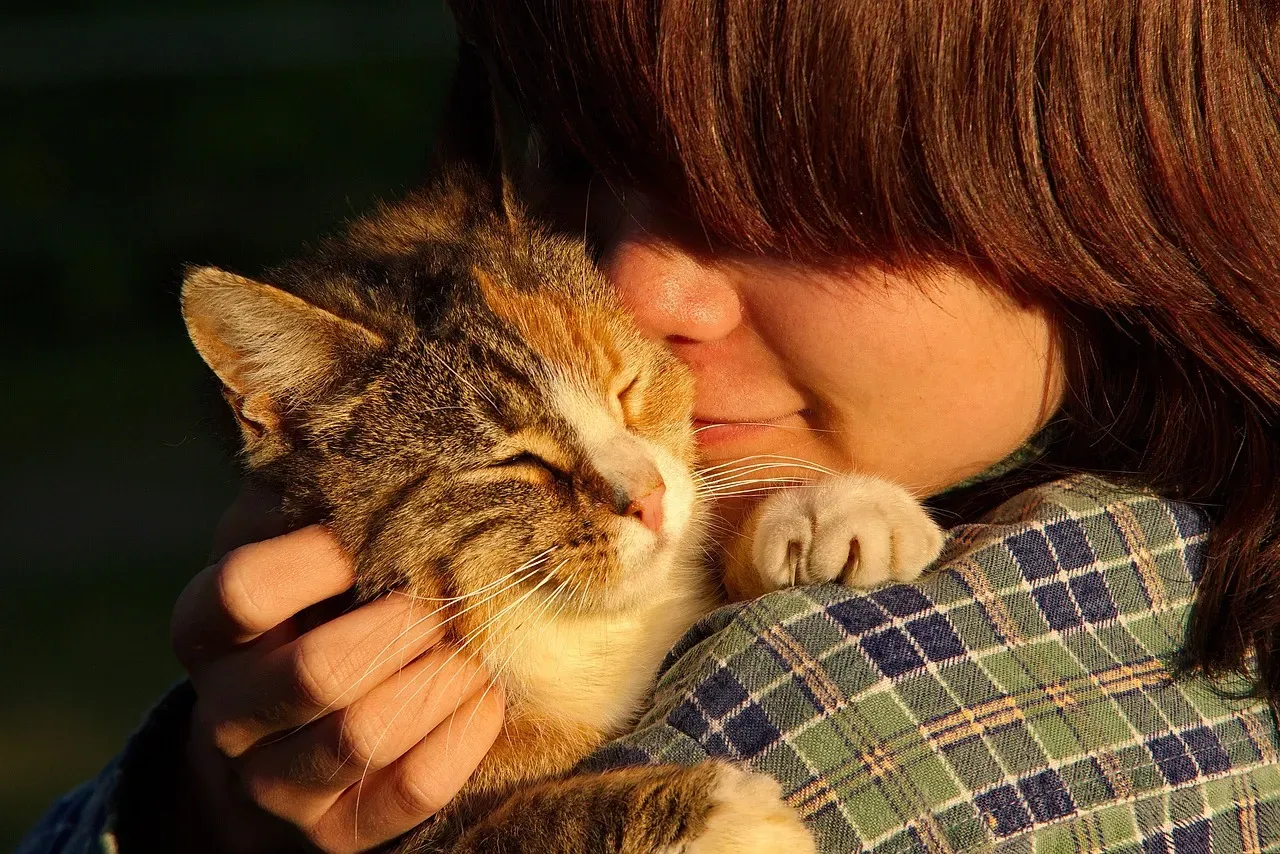
The beautiful thing about this relationship is that it deepens over time. The closer your bond is with your cat, the more likely they are to be in sync with you and understand your different moods. Spending quality time together, maintaining routines, and respecting your cat’s boundaries all contribute to this emotional attunement.
By creating a bond and spending more time with your cat, it allows them to become more in tune to your behaviors and feelings, and over time your cat will understand your routine and be able to tell how you’re feeling. The relationship becomes richer, more nuanced. Your cat learns the difference between your regular tired and your emotionally exhausted. They distinguish between excitement and anxiety. It’s a partnership built on thousands of tiny observations accumulated over shared years.
Your cat might not send you a bill for their therapeutic services, but make no mistake, they’re providing something valuable. They notice when you’re off before you’ve even fully acknowledged it yourself. They adjust their behavior to match your needs, whether that means extra cuddles or giving you space. They reduce your stress hormones just by existing in the same room. What would you call that, if not therapy? The next time your cat appears out of nowhere when you’re feeling low, remember: it’s not coincidence. It’s connection. Did you ever realize just how much your cat was paying attention?