You’ve probably heard it a million times: cats hate water. It’s practically treated as universal law, right up there with cats knocking things off tables. Honestly, walk into any pet store and you’ll be bombarded with stories about screaming cats during bath time, scratched arms, and general feline fury whenever H2O comes near.
Here’s the thing though. Your cat doesn’t actually hate water. That’s just lazy thinking. What your feline companion has is a refined, incredibly nuanced relationship with hydration that makes perfect evolutionary and sensory sense. They’re not water-haters; they’re water connoisseurs with standards we’ve mostly failed to understand.
Your Cat’s Desert Ancestry Shaped Their Water Wisdom
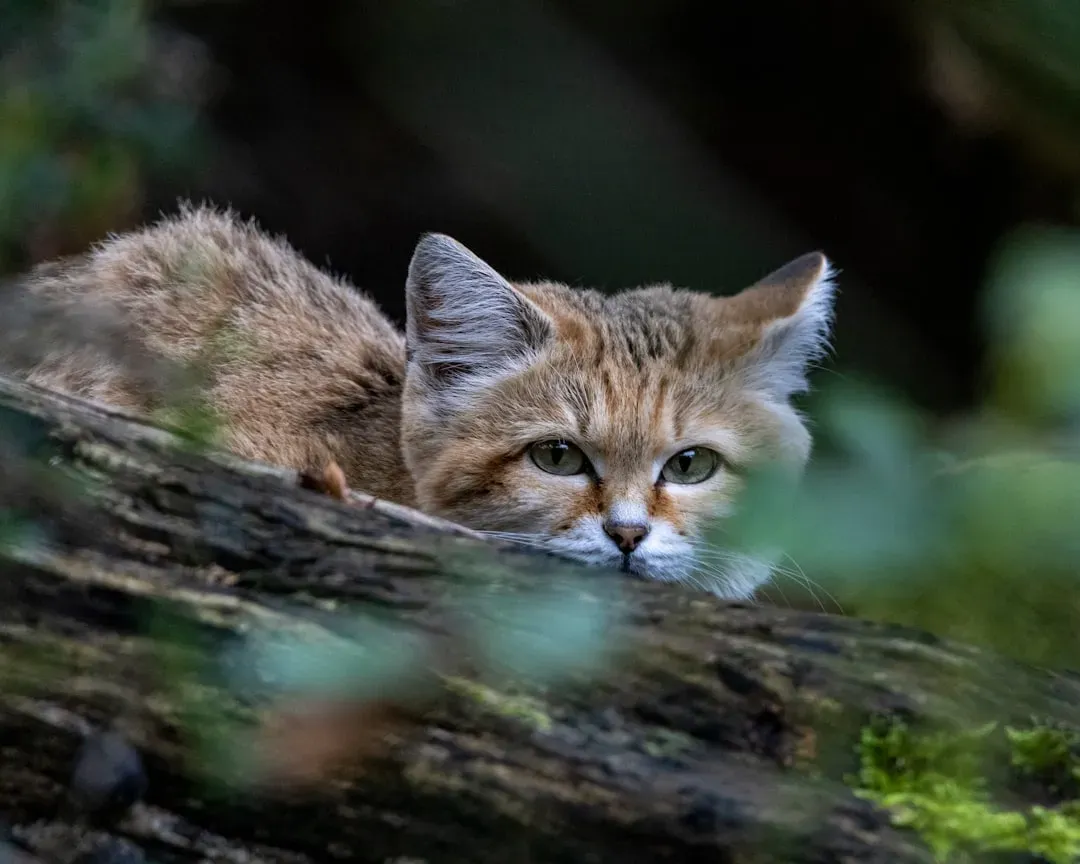
Your cat’s ancestors lived in dry, arid places where rivers and oceans weren’t obstacles they had to face, and water was scarce. Think about that for a second. In the wild, a cat’s diet primarily consists of high-moisture animals like rodents, birds, and insects, which provides them with a significant amount of water, reducing their need to drink separately.
This evolutionary background explains so much about your cat’s behavior today. Cats evolved to extract most of the moisture they need directly from their prey, which means they didn’t have a natural urge to drink water as frequently as some other animals might. Your modern house cat still carries this desert survival blueprint deep in their DNA.
Moving Water Isn’t a Preference, It’s a Safety Protocol
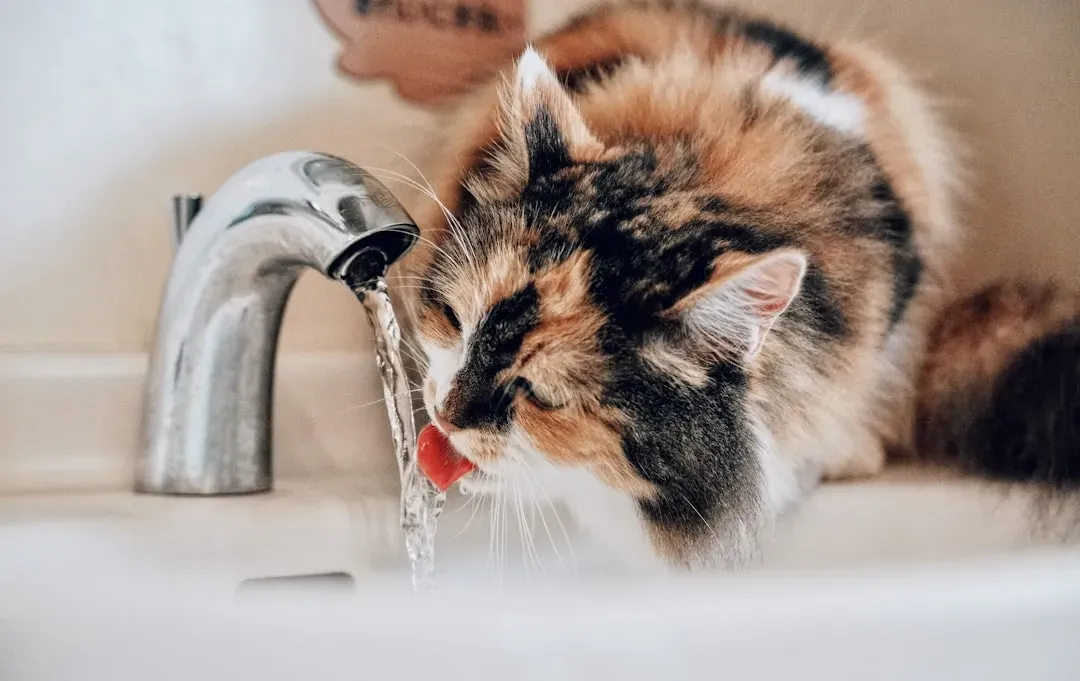
Your cat’s preference for running water is deeply rooted in their evolutionary history, as wild cats learned that moving water sources like streams and rivers were typically safer and fresher than stagnant pools. It’s hard to say for sure, but this wasn’t some random quirk that developed. In natural settings, stagnant water is a potential source of disease and contamination, while running water, by contrast, is typically fresher and safer.
Let’s be real: your cat isn’t being difficult when they ignore their perfectly clean bowl to drink from a dripping faucet. They’re following ancient instincts that kept their ancestors alive. The sound and sight of moving water can be intriguing, stimulating their senses and encouraging interaction, engaging their natural hunting and exploration instincts.
That Wet Fur Feeling Is Actually Deeply Uncomfortable
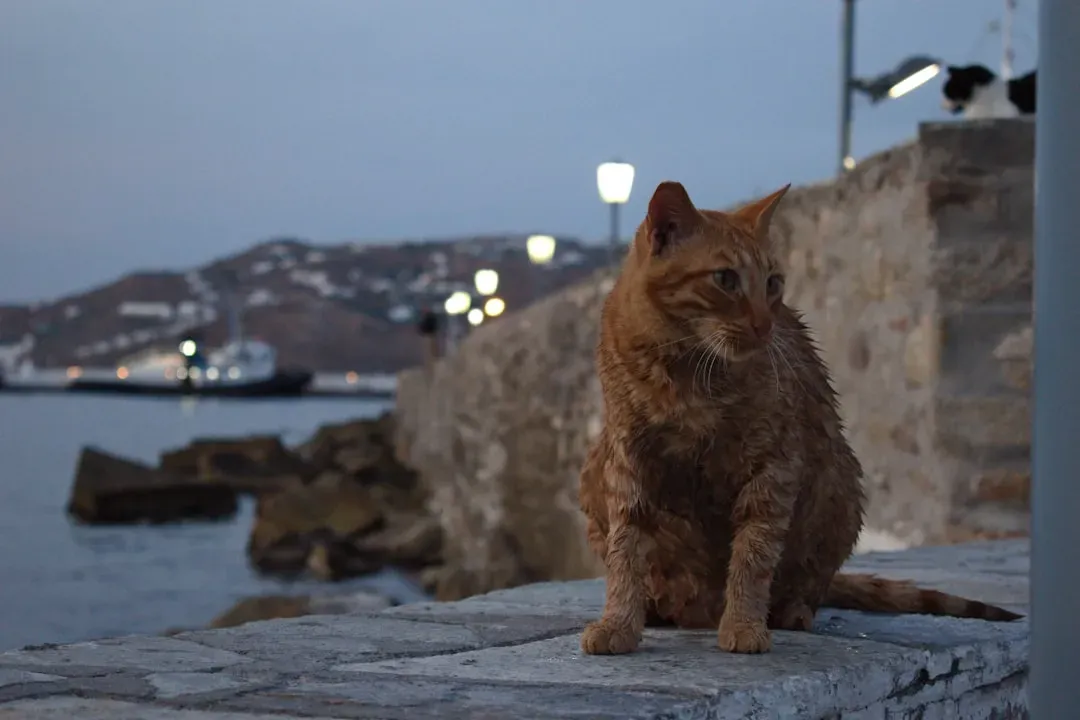
A cat’s fur is not designed to repel water, therefore it becomes heavy and takes a while to dry, and by nature, cats like to be able to flee if a situation is perceived to be dangerous, although when their coat is wet and heavy, this makes running away more difficult. Imagine carrying a soaking wet blanket on your shoulders until it dries. That’s essentially what your cat experiences.
When their entire fur gets drenched, a cat will feel weighted down and unable to move at their normal agility levels, which is quite an uncomfortable experience for a feline that likes to navigate life with a springy, effortless gait. This isn’t about hating water itself. It’s about maintaining the physical capabilities that make them feel safe and in control.
Their Sensitive Nose Detects What You Can’t
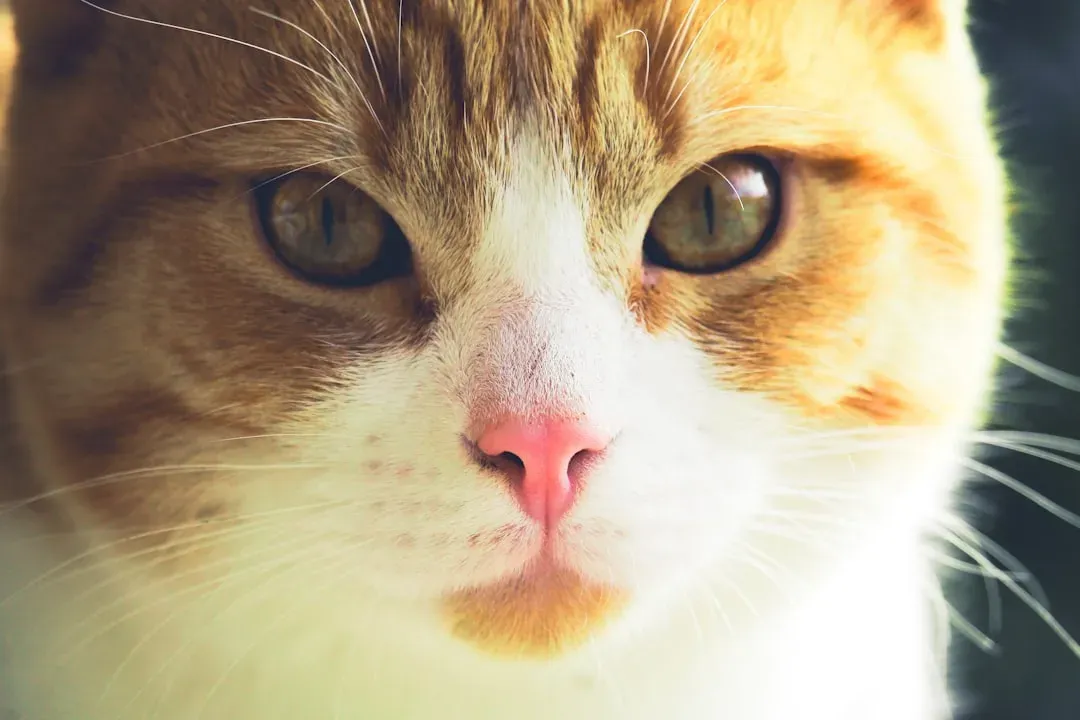
Smell is a cat’s most reliable sense, and even though we might not detect them, the chemicals in the tap water give it a particular odor that a kitten’s sensitive nose will pick up straight away. Your cat isn’t being dramatic about water quality. They’re literally experiencing something you can’t perceive.
Cats are sensitive to the taste and odor of water because they’re deeply rooted in their wild instincts, naturally seeking out clean water sources free from potential contaminants, and if your tap water has a strong smell or taste of chlorine or minerals, your cat may be reluctant to drink it. What seems like pickiness is actually sophisticated chemical detection at work.
Whisker Fatigue Is Real and It’s Exhausting
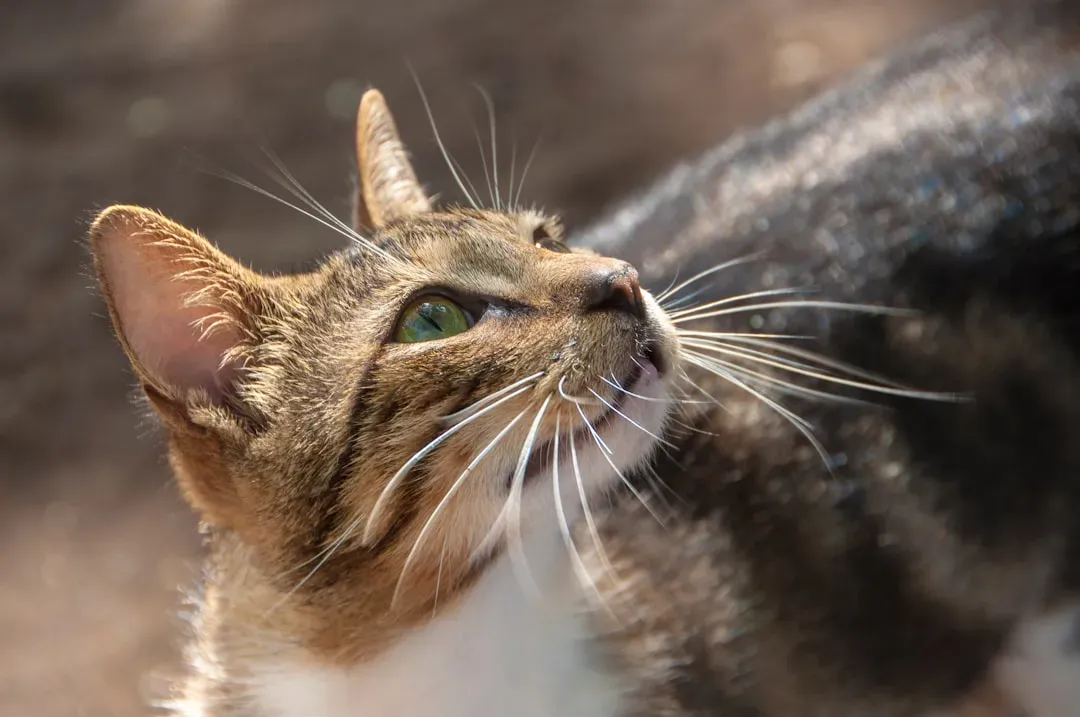
Cats may experience stress while eating or drinking from narrow bowls, restricting their whiskers, which is called whisker stress or whisker fatigue. I know it sounds crazy, but those magnificent whiskers aren’t just for show. These hairs are deeply rooted in the face and are much more sensitive than regular body hair, containing sensory nerves that send signals to the brain.
Whisker fatigue occurs when a cat’s sensitive whiskers repeatedly touch bowl sides or water surfaces, causing discomfort, while running water allows cats to drink without their whiskers making contact with surfaces, making the experience more comfortable. This explains why your cat might paw at their water bowl or drink from unconventional sources. They’re trying to avoid sensory overload.
They’re Testing Water Like Tiny Scientists
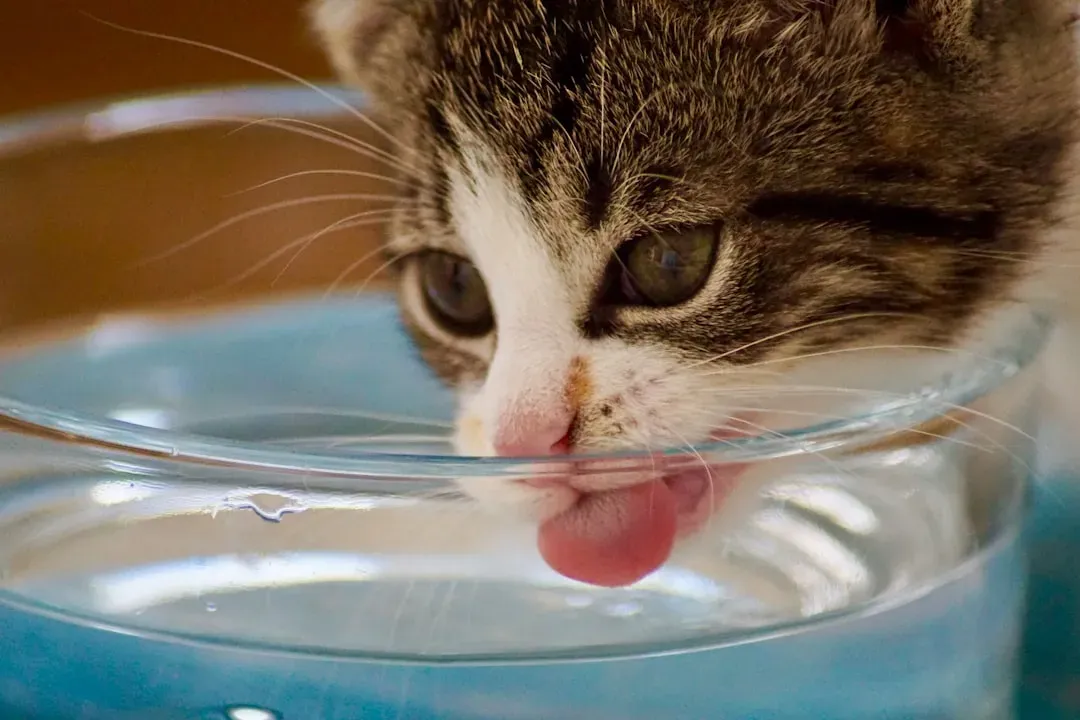
Cats have difficulty seeing still water clearly, as their eyes are more adapted to detecting movement, so by dipping their paw, they create ripples in the water, making it easier to gauge the water’s depth and location. Your cat isn’t playing when they dip their paw in the bowl. They’re conducting necessary research.
Cats use their paws for sensory exploration because they have sensitive whiskers that can detect even the slightest changes in their environment, and by pawing at the water, cats can create ripples and waves that stimulate their whiskers and provide additional sensory information. It’s actually quite brilliant when you think about it.
Bowl Placement Matters More Than You Think
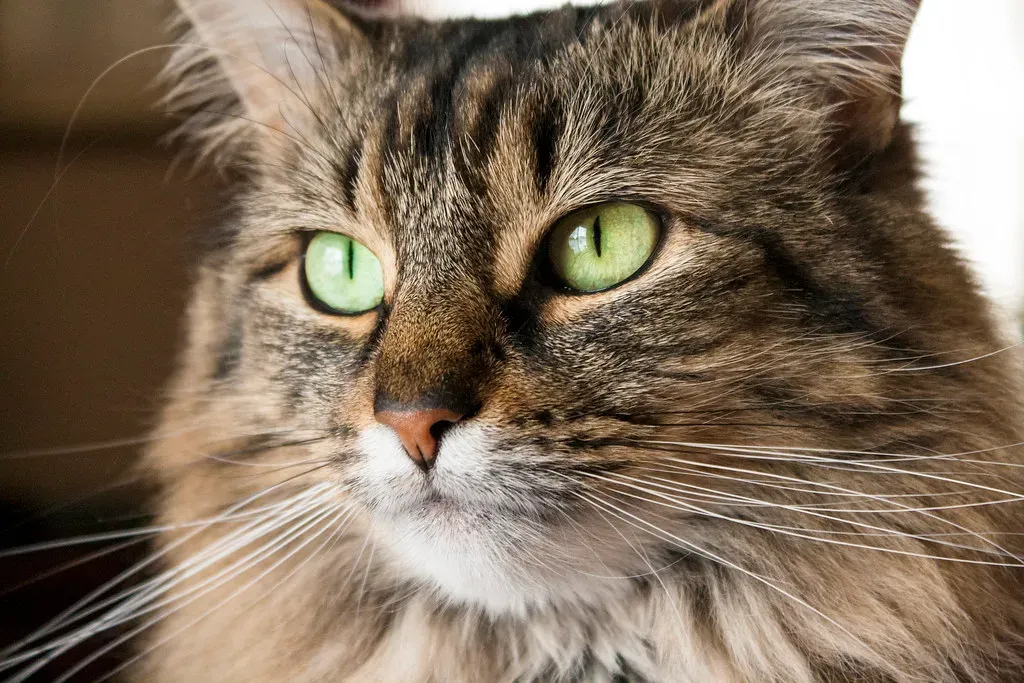
Cats may prefer to drink away from their food and litter box. This isn’t your cat being high-maintenance. Wild cats would avoid drinking near their prey in order to protect their water from contamination, and this natural survival instinct has carried over to domestic cats, which is why some cats may choose not to drink water that is placed near their food bowls.
Keep water bowls in quiet, calm areas away from loud noises and other animals so that your cat feels safe, which may mean changing the location of the water bowl. The environment around the water source affects whether your cat feels comfortable enough to be vulnerable while drinking.
Some Breeds Actually Love Water
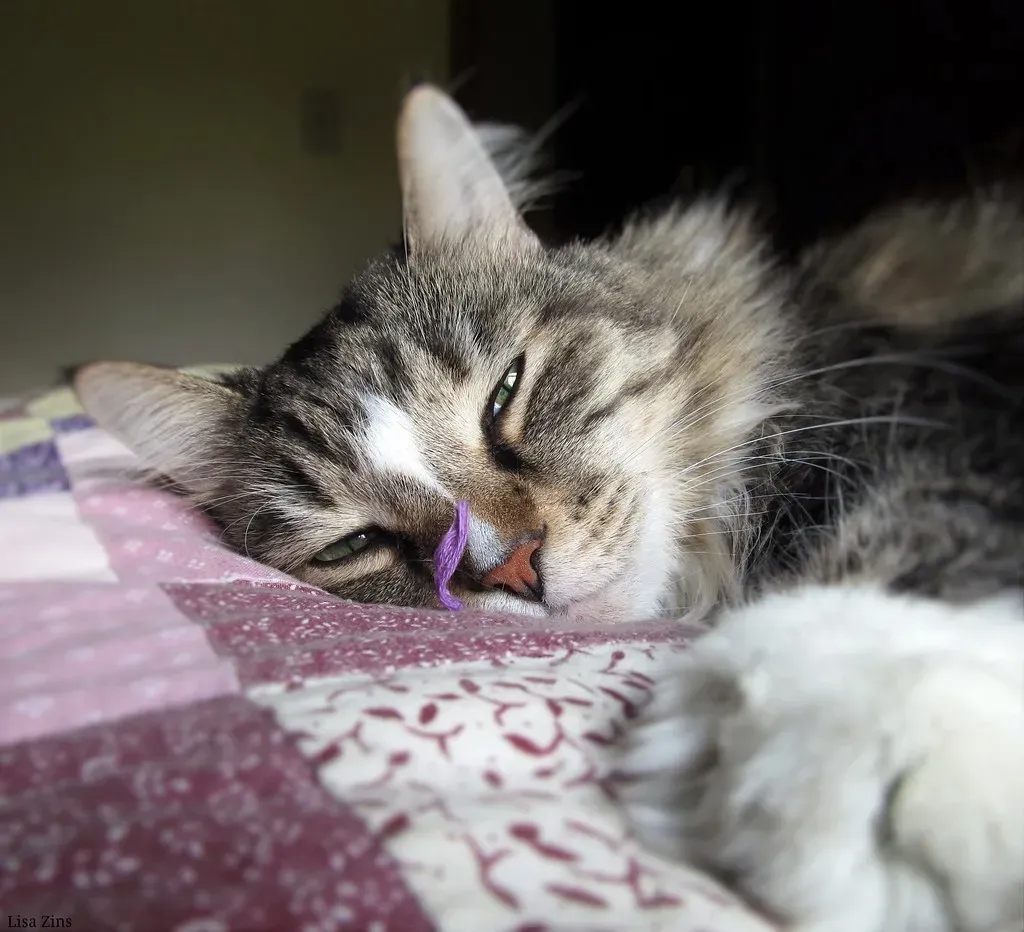
As with any rule, there are exceptions, and some cats actually do like water, as a Maine Coon’s water-resistant coat means that these kittens won’t hesitate to splash around, while Turkish Van cat breed has a waterproof coat that doesn’t hold water which makes swimming a rather enjoyable experience for them. So much for universal cat hatred of water.
Certain breeds of domesticated cats, such as the Sphynx, Bengal, Maine Coon, and Turkish Van all enjoy swimming in water. These cats prove that the whole “cats hate water” narrative is oversimplified. Individual personality, breed characteristics, and early experiences all play massive roles in how your cat relates to water.
Conclusion
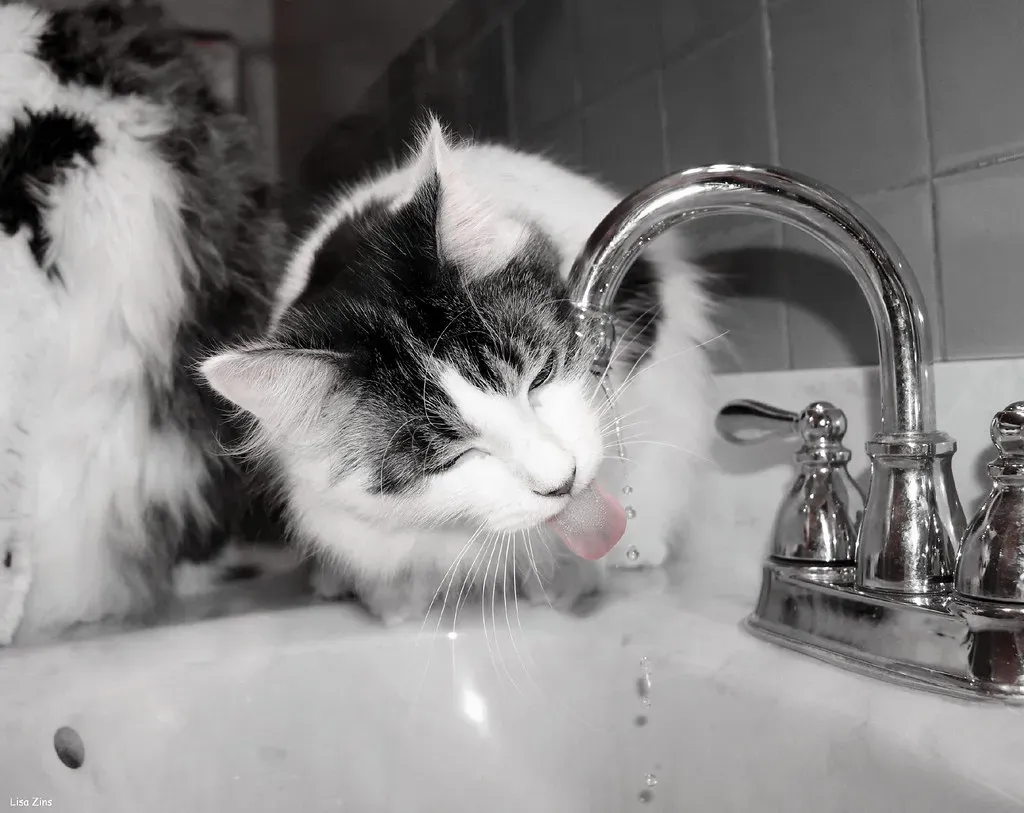
Your cat’s relationship with water is far more sophisticated than simple hatred. They’ve inherited desert survival instincts that prioritize moisture from food over drinking. They instinctively trust moving water over still. Their remarkable sensory systems detect chemicals and threats you can’t perceive. Wet fur compromises their agility and safety. Whisker fatigue from poorly designed bowls causes genuine discomfort.
Understanding these preferences doesn’t mean your cat is difficult. It means they’re brilliantly adapted creatures whose hydration strategies reflect millions of years of evolution. Next time your cat ignores their water bowl to drink from your bathroom sink, remember: they’re not being stubborn. They’re being smart. What do you think about your cat’s drinking habits now? Have you noticed any of these sophisticated behaviors in your own feline friend?