You’ve probably heard the same story a hundred times. Cat meets water. Cat loses its mind. You end up bleeding, your bathroom looks like a crime scene, and your cat stares at you with the kind of judgment that could curdle milk. But here’s the thing – what if that whole chaotic disaster was never really about the water at all?
The truth is far more interesting, and honestly, a little humbling for cat owners. Your feline’s drama around bath time has roots in biology, instinct, and yes, the specific choices you’ve been making every single time. Once you understand what’s actually going on inside that tiny, furious head, you can change the entire dynamic. Be surprised by what you’re about to find out.
The Evolutionary Reason Your Cat Side-Eyes the Bathtub
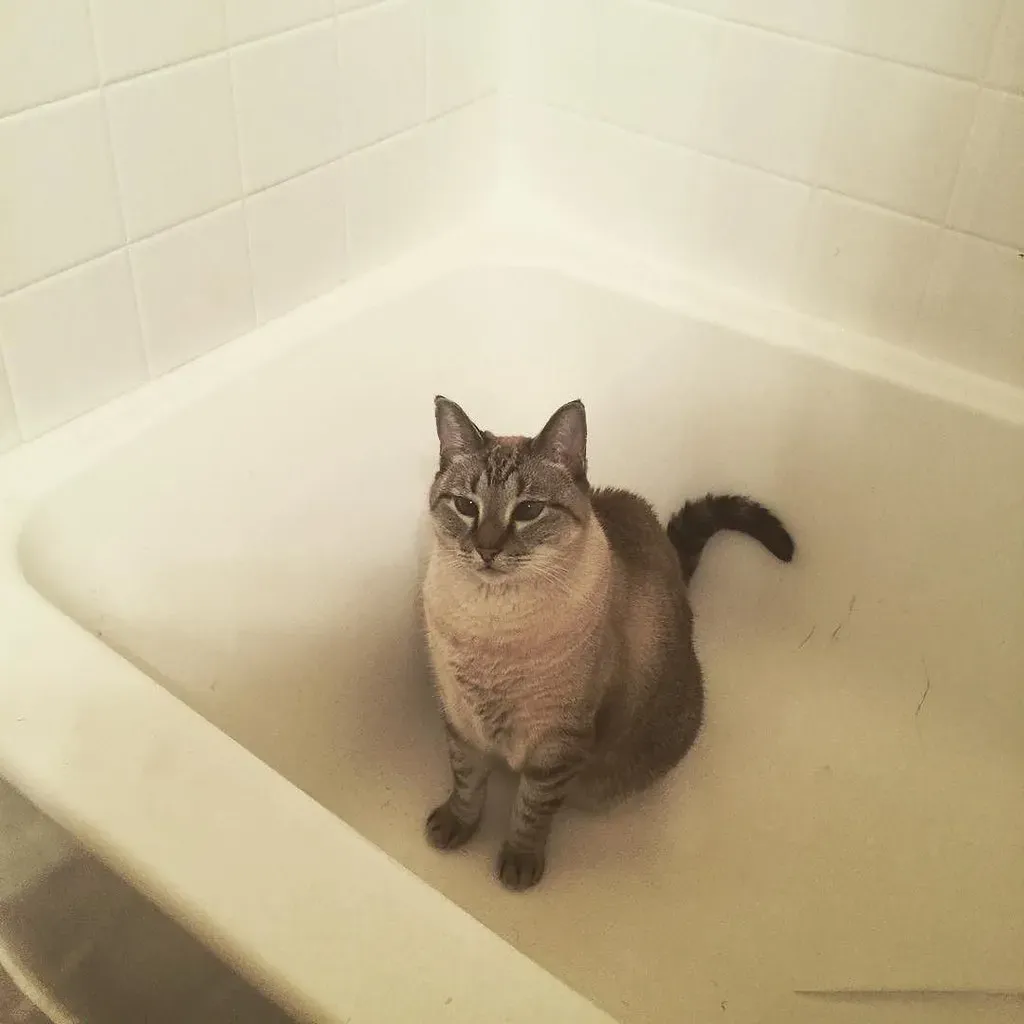
To understand your cat’s complicated relationship with water, you have to go back thousands of years. Domestic cats evolved from a single ancestor – the Near Eastern Wildcat – and because the Middle East has a dry desert climate with scarce water, cats’ ancestors were rarely exposed to rain, lakes, and rivers, so all water besides drinking water was essentially unfamiliar to them. Think about that for a second. Your furball’s entire lineage is built on sand dunes, not swimming pools.
Even though many of their kitty descendants come in contact with water much more often, their ancestral reluctance lives on. This isn’t stubbornness. It isn’t a personality flaw. It’s literally baked into their DNA. When you understand this, you stop taking it personally and start approaching water time with a completely different energy.
It’s Not Hate – It’s a Control Issue
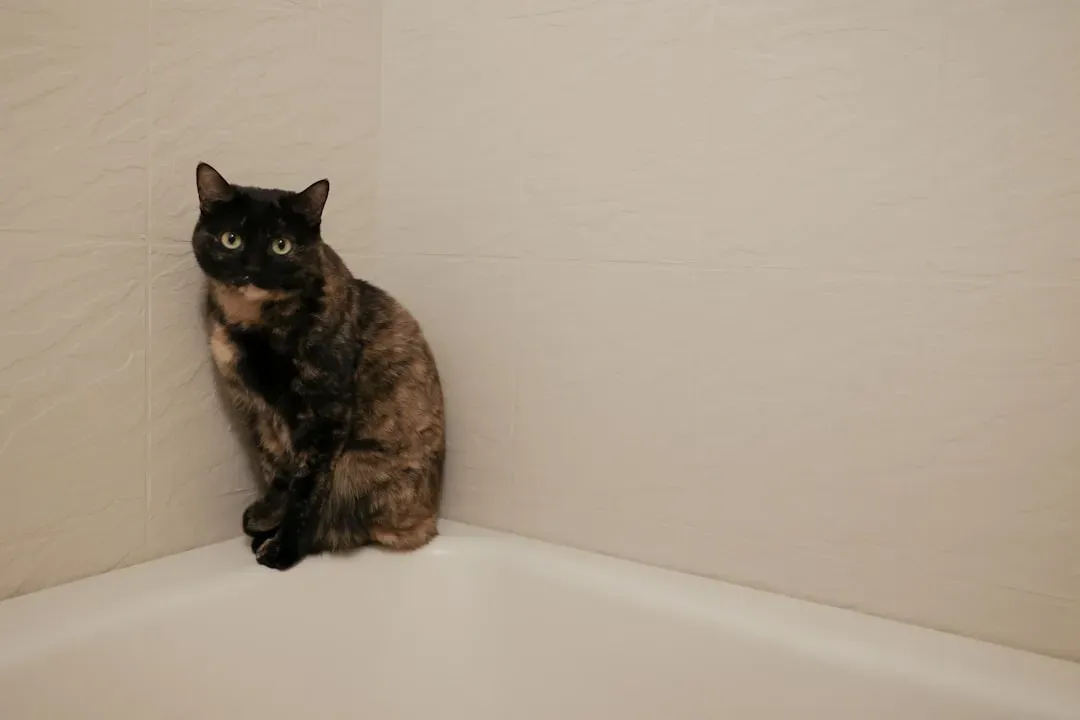
Here’s a surprisingly eye-opening detail. Something that helps explain why your cat will avoid getting into the bathtub but is perfectly happy to play with a dripping tap or dip a paw into a full tub is this: in those situations, your cat still has complete control. They’re sitting safely on dry land and can easily get away. It’s the difference between choosing to put your toe in a pool versus being thrown into the deep end.
Being on a slippery wet surface with water pouring down on their coat, getting into their eyes and weighing them down in the process is enough to make their feline instincts go haywire. It’s sensory overload combined with a total loss of autonomy. Honestly, if someone suddenly dumped a bucket of water on you, you’d probably flip out too. Your cat isn’t being dramatic. They’re responding to a perceived threat.
The Weight of Wet Fur Is a Bigger Deal Than You Think
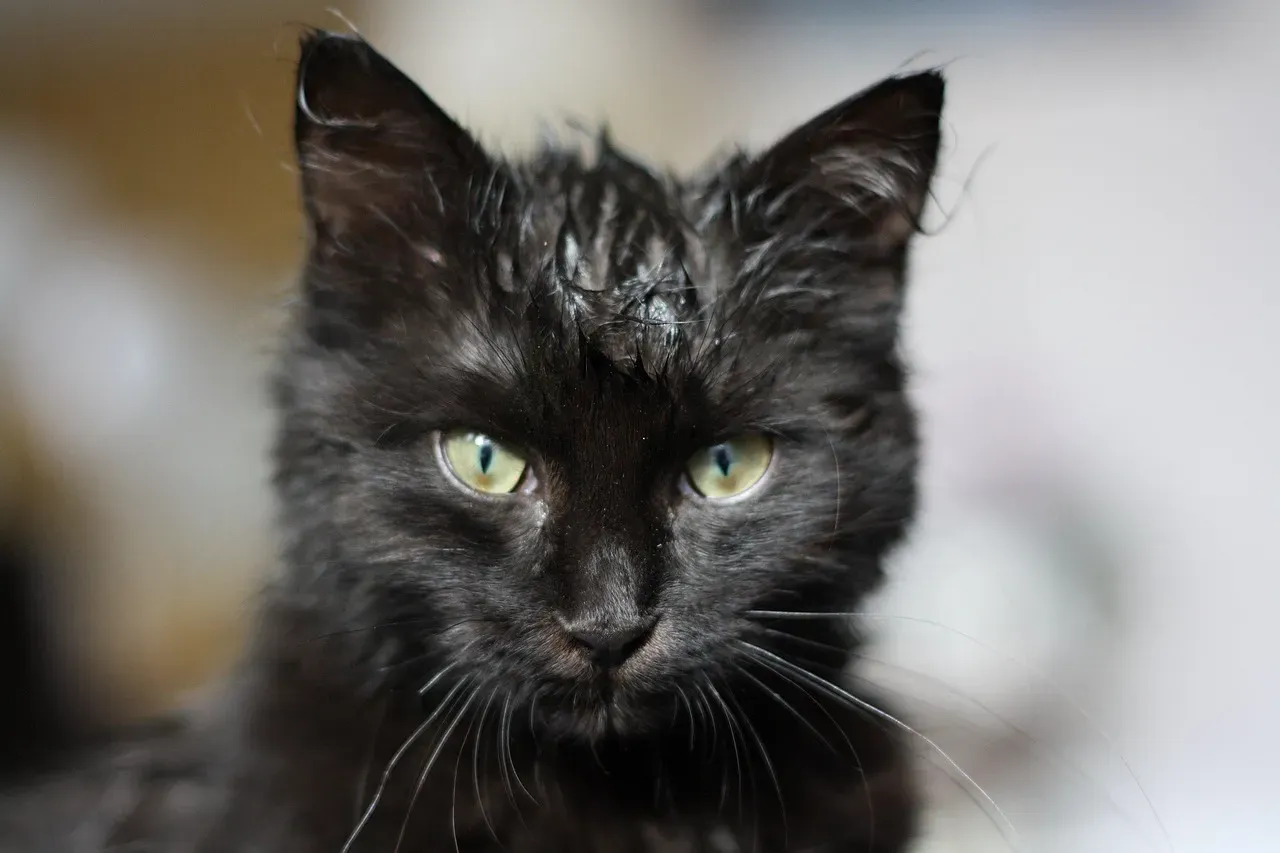
Imagine having to carry a soaking wet blanket on your shoulders until it gets dry again. A similar principle is at work when it comes to cats and water. When their entire fur gets drenched, a cat will feel weighted down and unable to move at their normal agility levels – quite an uncomfortable experience for a feline that likes to navigate life with a springy, effortless gait. Agility isn’t just a perk for cats. It’s survival.
A wet coat is a heavy coat. If a cat’s fur is saturated, it weighs them down – and this is a big deal to cats because they’re both predators and prey. Agility and speed are top priorities, and a soggy coat won’t do them any favors. So when your cat scrambles out of the tub like the world is ending, they’re not being melodramatic. Their instincts are screaming that they’ve just become slower, heavier, and more vulnerable. That’s primal stuff right there.
Early Experiences Shaped Everything
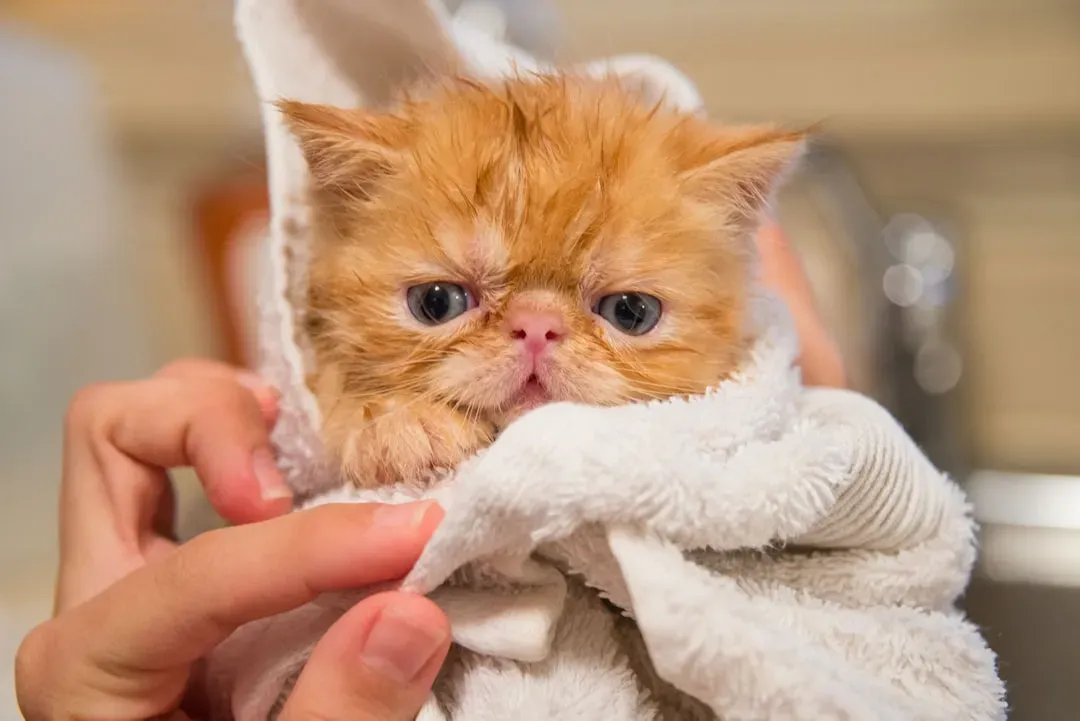
Let’s be real about one uncomfortable truth. If your cat had a terrible first encounter with water, you may have unknowingly set the tone for years of bathroom battles. If being submerged in water was a stressful experience the first few times, it’s likely they’ll say “no way” at the sight of the bathtub well into their adult years. The brain is wired to remember fear – that’s just how animals (and humans) work.
Cats that like water are few and far between, but for those who do, it’s generally because they were exposed to water at a young age and became desensitized to it. For example, this could be a show cat who was bathed regularly as a kitten. Water could have become a positive experience, or at least something the cat became acclimated to being around. The window isn’t completely closed for adult cats, but early, positive exposure is genuinely the golden ticket. The earlier, the easier.
Some Cats Actually Love Water – You Just Might Have the Wrong Breed Expectations
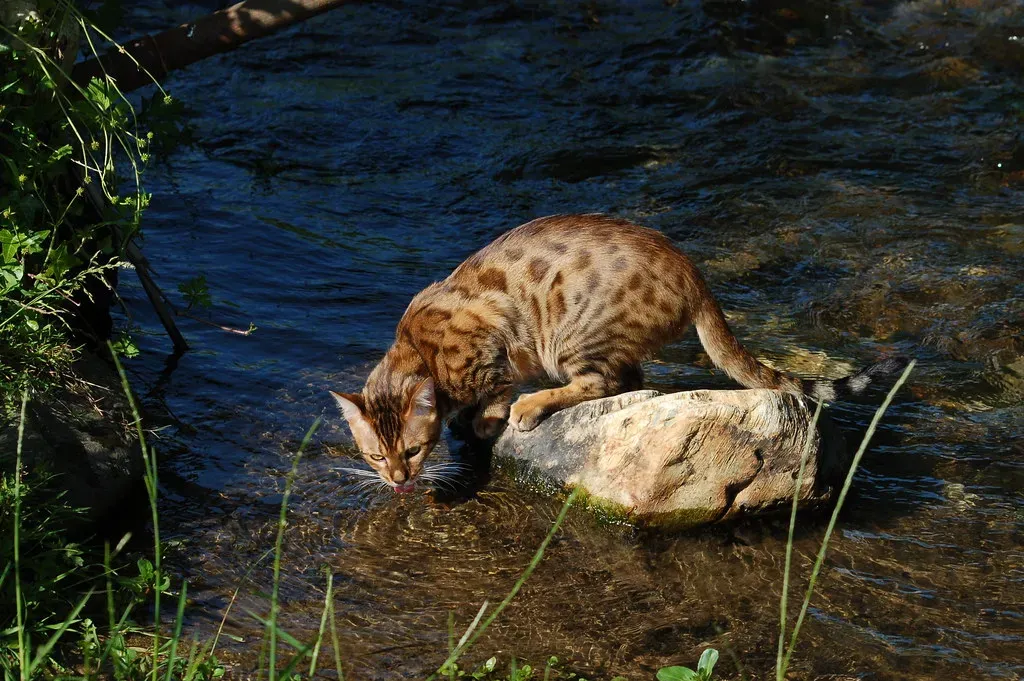
Not every cat is cut from the same dry cloth. Cat breeds that are known to like water include Bengals, Turkish Van cats, and some Savannahs, though it’s not a guarantee. Maine Coons are especially known to like water, but it really depends on the individual cat. If you have one of these breeds and you’re surprised by how chill they are about water, now you know why.
One of the most stunning examples is the Turkish Van cat breed. Their waterproof coat doesn’t hold water, which makes swimming a rather enjoyable experience for them. These cats have such an affinity for water that many owners look for cat pools so they can paddle and swim to their heart’s content – they’ve even been given the nickname “the swimming cat.” I know it sounds crazy, but there are cats out there who actively seek out water. Don’t let the stereotype fool you into thinking your specific cat is destined to be a permanent land-dweller.
You’ve Been Starting the Bath All Wrong
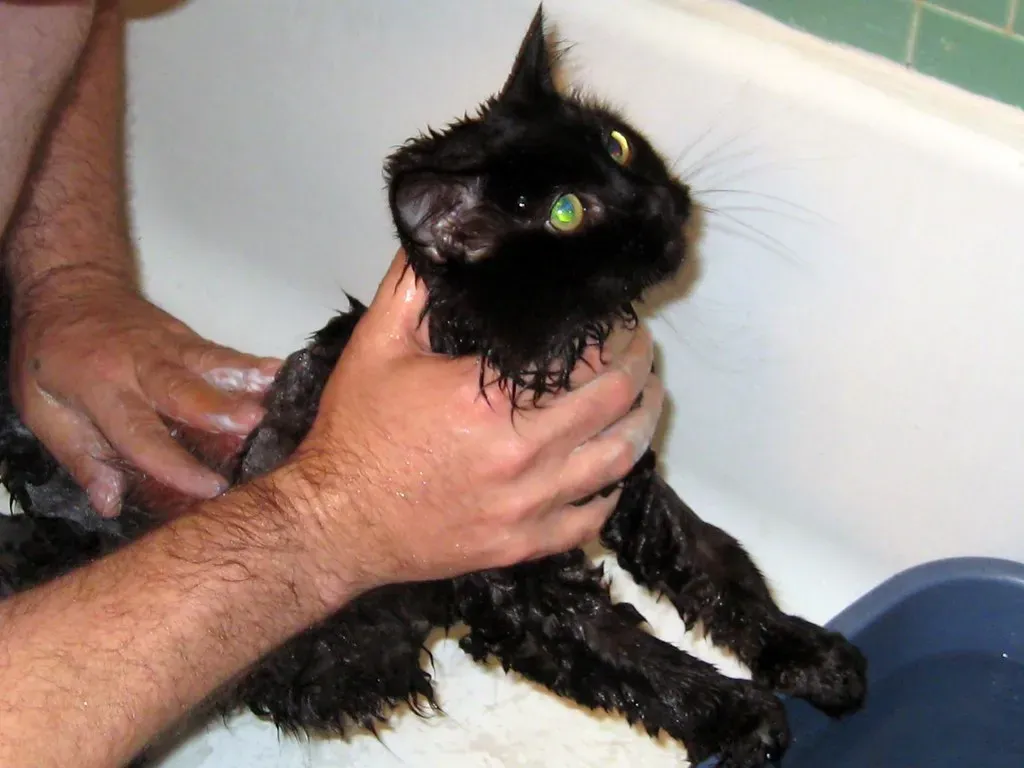
Most people make the same mistake. They pick up the cat, drop them in the tub, and then wonder why it turns into an action movie. The real approach is far more gradual. Don’t try to go from fear of water to fully bathed in one day. Try a minute or two here and there and gradually work up to an actual bath. As you introduce your cat to water, take baby steps and let them leave when they want to leave. You want the experience to be positive, so they won’t resist.
Start by introducing your cat to a dry tub or sink. Bring their favorite toy and play with them there. This helps create positive associations between the bathtub and your cat – you want them to think of the tub as a fun place, not a scary one. Think of it like introducing a nervous friend to your large, excitable dog. You don’t throw them in the same room and hope for the best. You take it slow. One paw at a time, literally.
The Right Way to Actually Bathe Your Cat
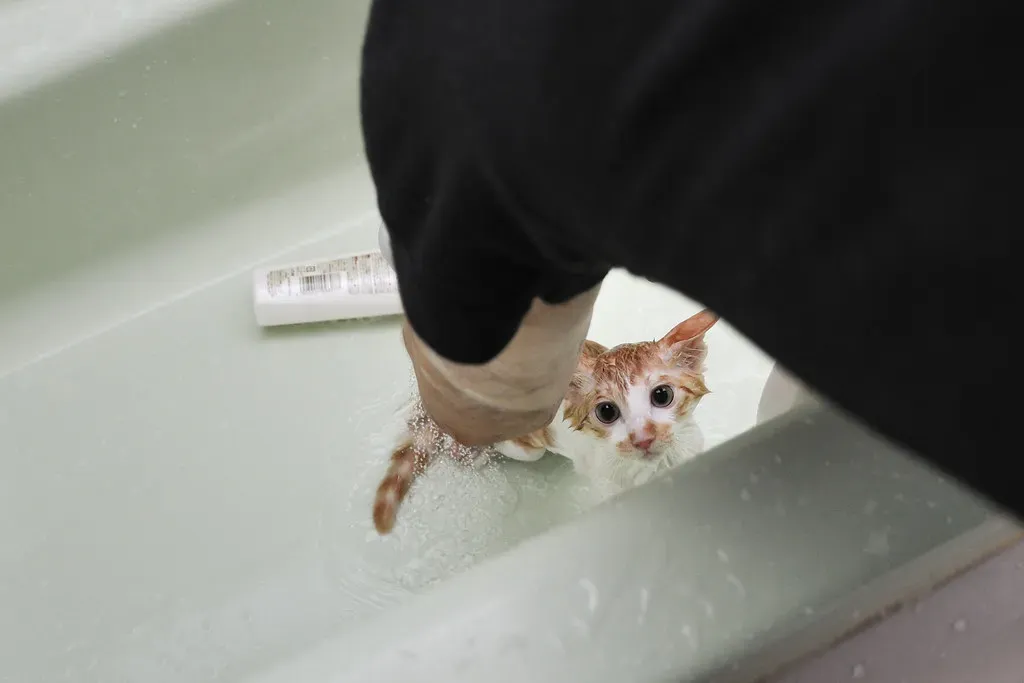
When the moment of truth finally arrives and a bath genuinely cannot be avoided – maybe your cat found a mud puddle, or discovered what fleas feel like – the technique matters enormously. Add about four inches of water to the sink or tub. The best water temperature for a cat bath is warm but not hot. A quick tip: test the temperature of the water by sticking your elbow in it, the same technique used to test babies’ bathwater, as your elbow is more sensitive to temperature than your hands.
Don’t use a spray hose on your cat. Instead, dip your hand into the warm water and gently scoop the water onto your kitty, a little at a time, until their fur is wet down to the skin. After shampooing, leaving traces of soap on their coat can cause skin irritation, so rinse thoroughly. And always use a shampoo formulated specifically for cats – never use human or dog shampoo, as it may damage your cat’s coat and skin.
Running Water Is Your Secret Weapon
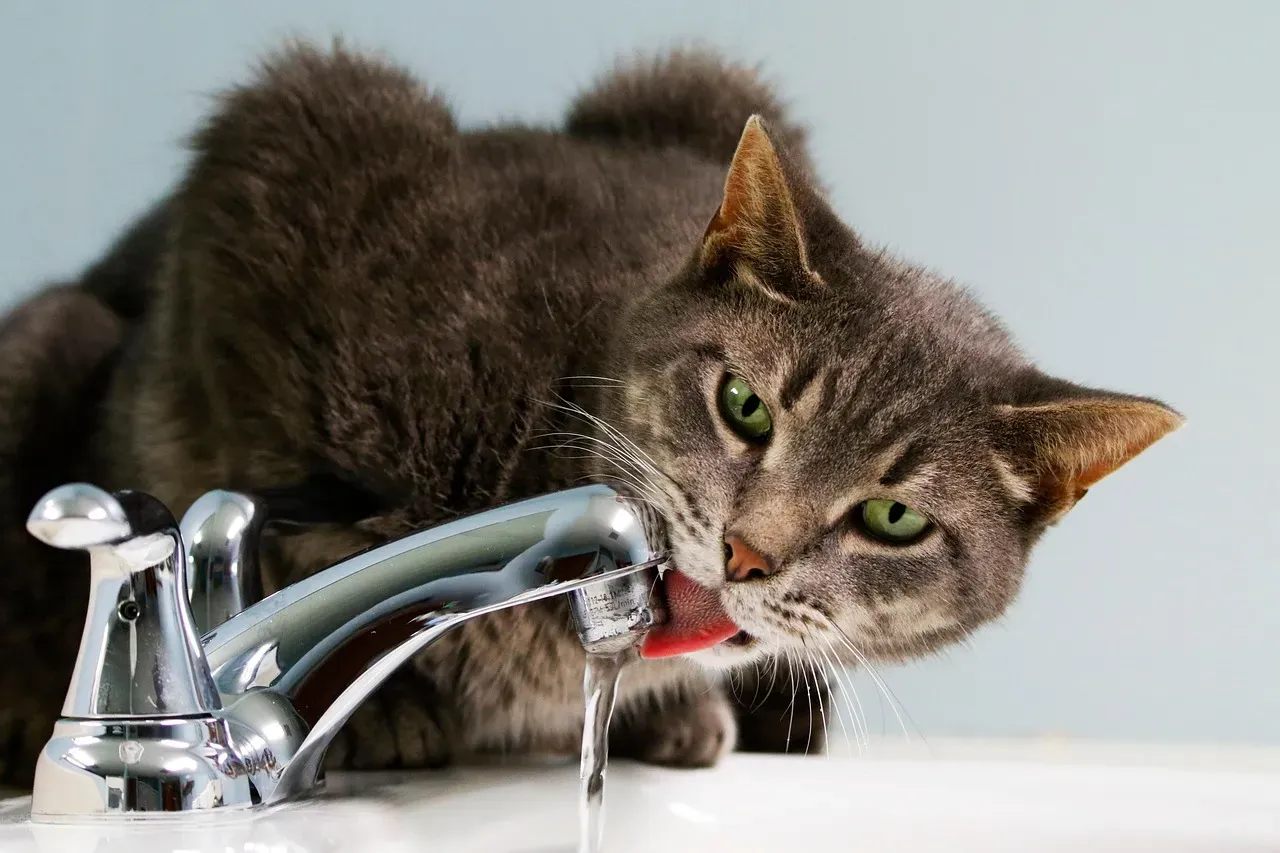
Here’s something most cat owners overlook entirely. While your cat panics in a bathtub, they’re probably fascinated by your kitchen faucet. Cats are biologically wired to seek out fresh, flowing water sources as they would in nature. From an African wildcat perspective, they would naturally drink from fresh running streams rather than a stagnant pool. Running water signals freshness and safety in a way a still bowl never can.
You can use this instinct to your advantage in a big way. To encourage your cat to like water, try a cat water fountain or a motion sensor that turns the faucet on. A cat water fountain is fun for cats because of the continuous flow that mimics water in a stream or river. Beyond enrichment, pet water fountains circulate water through a filter, keeping water fresh and creating movement, which cats tend to prefer thanks to their wild cat ancestors. It’s a simple swap that can transform your cat’s entire relationship with water.
Turning Bath Time Into a Positive Experience with Rewards
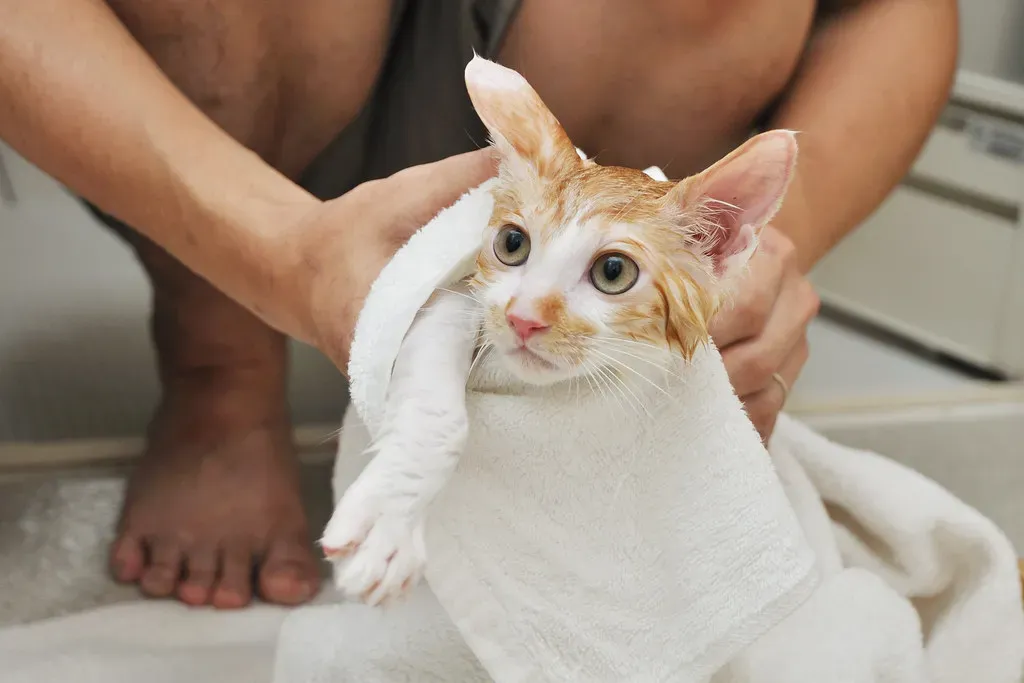
Let’s talk about the one tool that makes everything easier: treats. Seriously, don’t underestimate how far a well-timed snack can go. The goal is to teach your cat that being in water with your supervision is safe and even enjoyable. Give your cat a treat – whether it’s food or a favorite toy – every time they are bathed so they begin to associate the activity with the desirable thing more than they associate it with fear or discomfort. Repetition and reward are the twin engines of behavioral change.
End each session on a positive note with the biggest and best reward. This is where an all-time favorite treat or a big play session is perfect. The first step in keeping your cat calm during a bath is to stay calm yourself. Cats tend to pick up on their owner’s energy. Staying calm doesn’t guarantee your cat won’t freak out a little when their paws touch the water, but it can help significantly. Your energy is contagious – more than you probably realize.
Conclusion: The Problem Was Never the Water
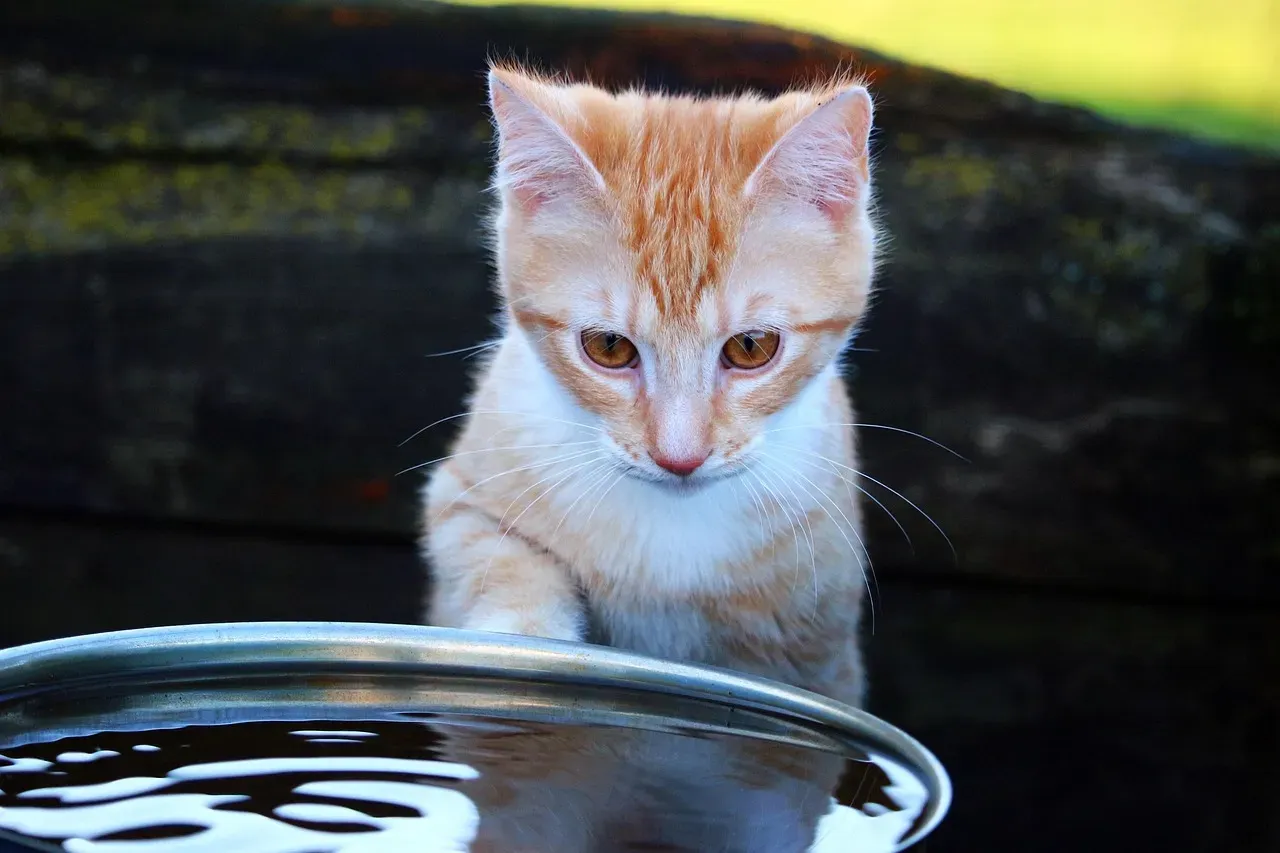
The real takeaway here is refreshingly simple. Your cat doesn’t hate water the way people hate, say, traffic jams or Mondays. They have a deeply wired, evolutionary discomfort with the loss of control, the weight of a wet coat, and sudden immersion in something unfamiliar. That’s not hatred. That’s an animal responding exactly the way its biology tells it to.
The good news? Biology isn’t destiny. With patience, the right temperature, a non-slip surface, a few well-timed treats, and a gradual introduction that respects your cat’s pace, you can completely rewrite the script. Some cats may never become champion swimmers, and that’s perfectly fine. Others might surprise you entirely. Either way, the chaos you’ve been experiencing wasn’t inevitable – it was a technique problem all along.
So the next time you’re dreading bath time, ask yourself: are you approaching it on your cat’s terms, or yours? That single question might change everything.