You might think your cat is simply lounging around, blissfully unaware of the stressful day you’ve had at work. That assumption would be wrong. Cats possess an extraordinary ability to perceive human emotions that goes far beyond what most people realize. While they may not show their understanding in the same dramatic ways that dogs do, your feline companion is constantly monitoring your emotional state through a sophisticated combination of sensory inputs.
This isn’t just pet owner wishful thinking. Scientific research has revealed that cats integrate multiple signals from your voice, facial expressions, body language, and even your scent to build a complete picture of how you’re feeling. When you walk through the door after a terrible day, your cat already knows something is different about you before you’ve said a word.
Your Voice Carries More Than Words
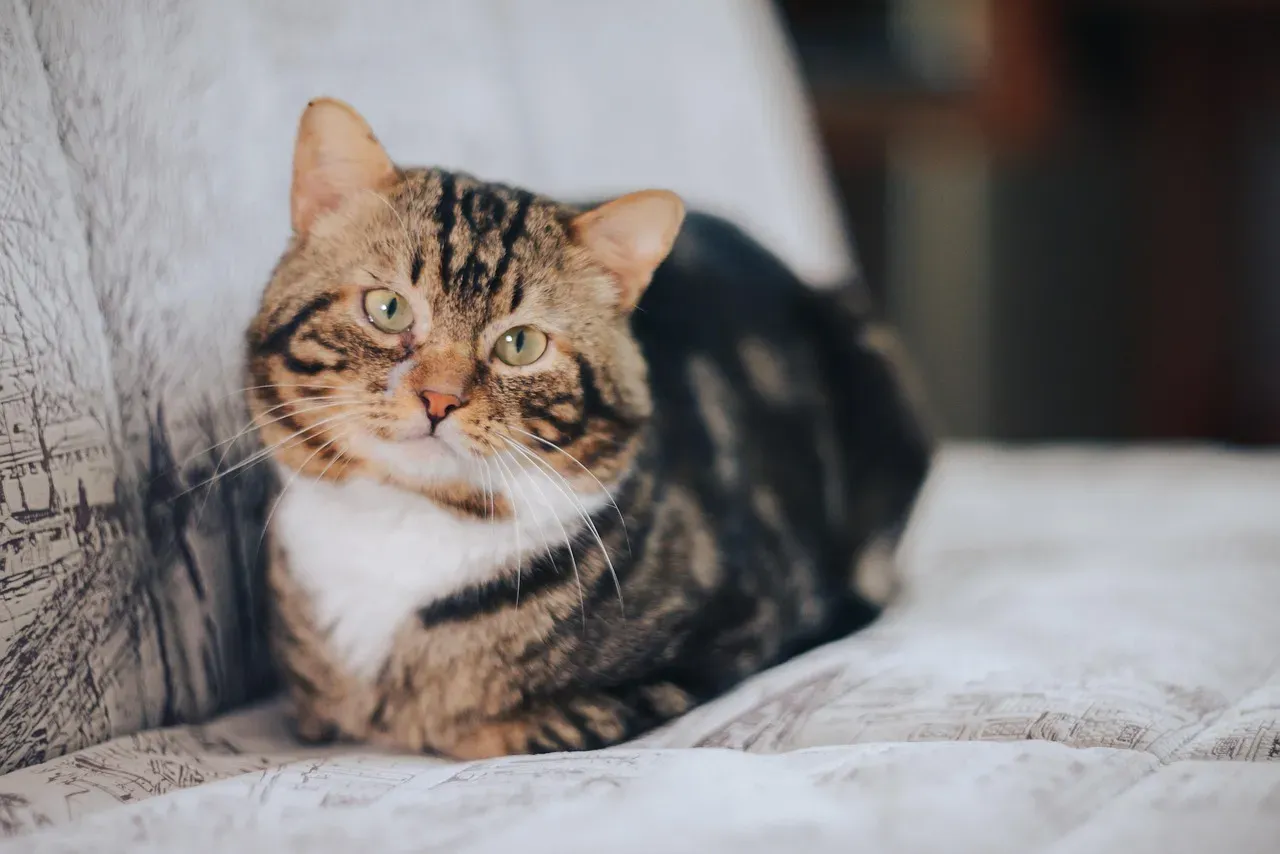
Cats pick up on emotional cues in your voice, such as happiness, frustration, or sadness, even if they don’t understand the exact words you’re saying. The pitch, tone, and speed of your speech tell them everything they need to know about your current state of mind. When you’re feeling sad, your voice often becomes softer, slower, and more monotonous.
Research has shown something even more remarkable. Cats responded when they heard their owners using cat-directed speech, but not human-to-human speech. This means your cat can distinguish not only the emotion in your voice but also whether you’re speaking directly to them or addressing someone else. When hearing their owner’s voice their behaviour intensity significantly increased, displaying behaviours such as turning their ears to the speakers, increased movement around the room, and pupil dilation.
They Read Your Face Like an Open Book
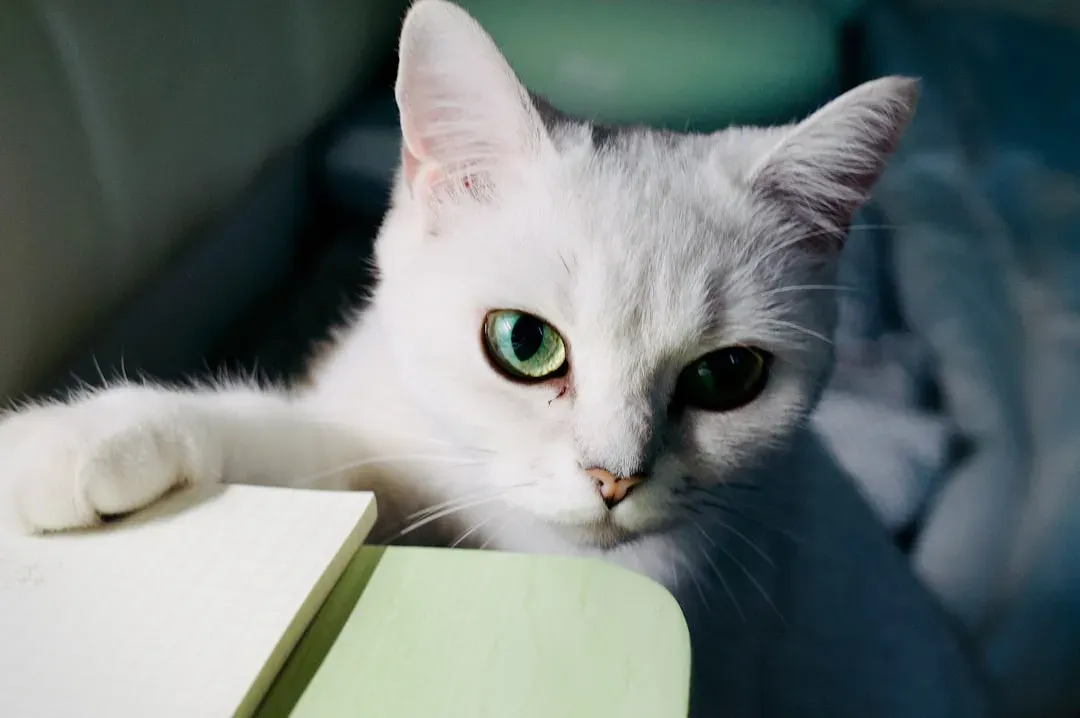
Cats are exceptional at reading visual signals, from the slump of your shoulders to the furrow of your brows, and can detect the subtle changes in your facial expressions that accompany sadness, such as down turned corners of the mouth or a furrowed brow. Your facial expressions provide a constant stream of information that cats have learned to decode over thousands of years of domestication.
Research showed that felines behave differently based on whether their owners are smiling or frowning, and cats exhibited more frequent positive behaviors, such as purring, rubbing or sitting on their owner’s lap and spending more time with them, when their owner was smiling. Interestingly, this ability extends beyond just familiar faces. Cats are able to recognize and interpret unfamiliar human emotional signals, suggesting that they have a general mental representation of humans and their emotions.
Body Language Speaks Volumes
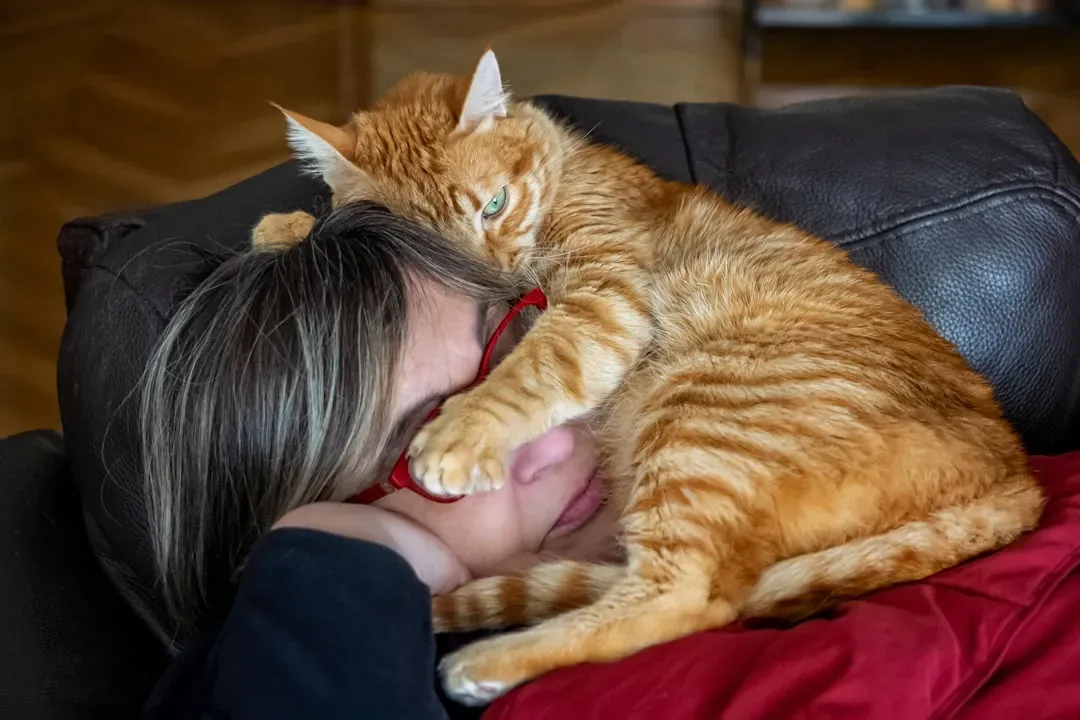
You slouch when you’re depressed. You move quickly when you’re agitated. You freeze when you’re anxious. Cats notice all of this. Cats can recognise the body language and movement changes that happen when humans become sad, and they know when we are in a low mood compared to when we’re feeling happy.
When your normal routine changes, your cat will notice, and if you spend more time sleeping or lounging on the sofa, your feline friend is sure to join you for a comforting cuddle. They track patterns in your daily behavior and respond when those patterns shift unexpectedly. Changes in how you move through your space, how much energy you display, and even where you choose to sit all provide valuable clues to your emotional state.
Scent Detection Reveals Hidden Emotions
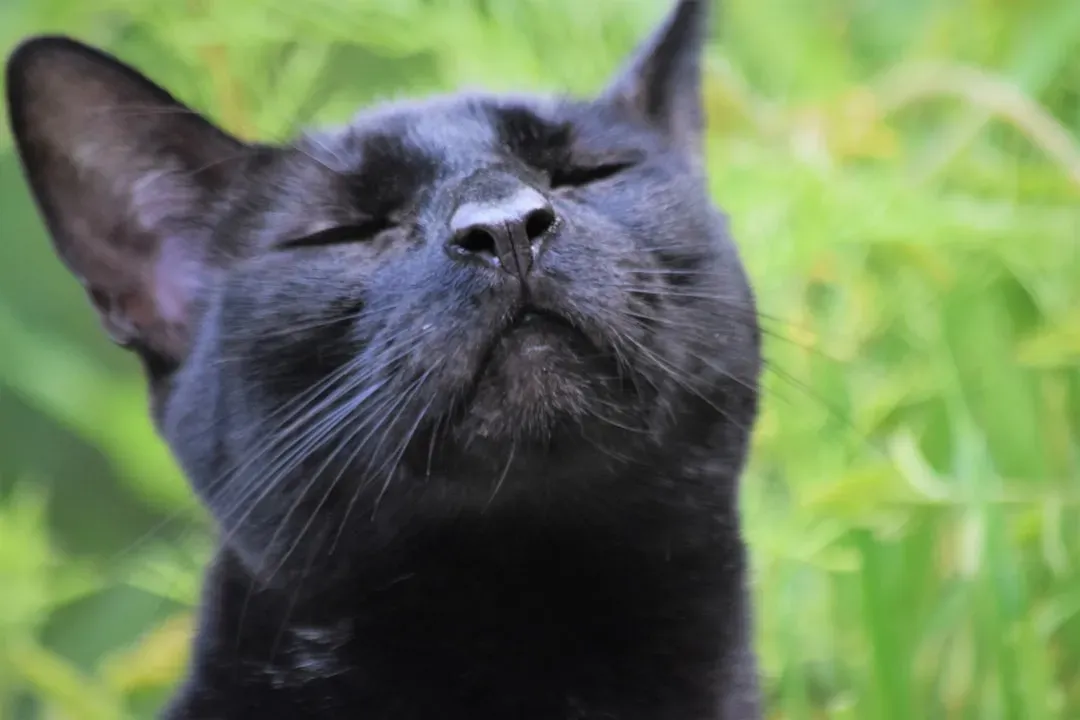
Here’s something that might surprise you. Cats are able to distinguish a human’s fear odour, and when smelling this fear scent, cats were recorded to exhibit a stress response to it. Your body chemistry literally changes when you experience different emotions, releasing chemical signals that cats can detect with their highly sensitive noses.
Research found that fear odours elicited higher stress levels in cats than physical stress and neutral odours, suggesting that cats perceived the valence of the information conveyed by fear olfactory signals and regulate their behaviour accordingly. Cats used their right nostril more when displaying severe stress behaviors while smelling fear and physical stress odors, and since the right nostril connects to the right hemisphere of the brain, responsible for processing arousal and intense emotions, this suggests that these odors trigger a higher emotional response in cats.
Cross Modal Integration Creates Complete Understanding
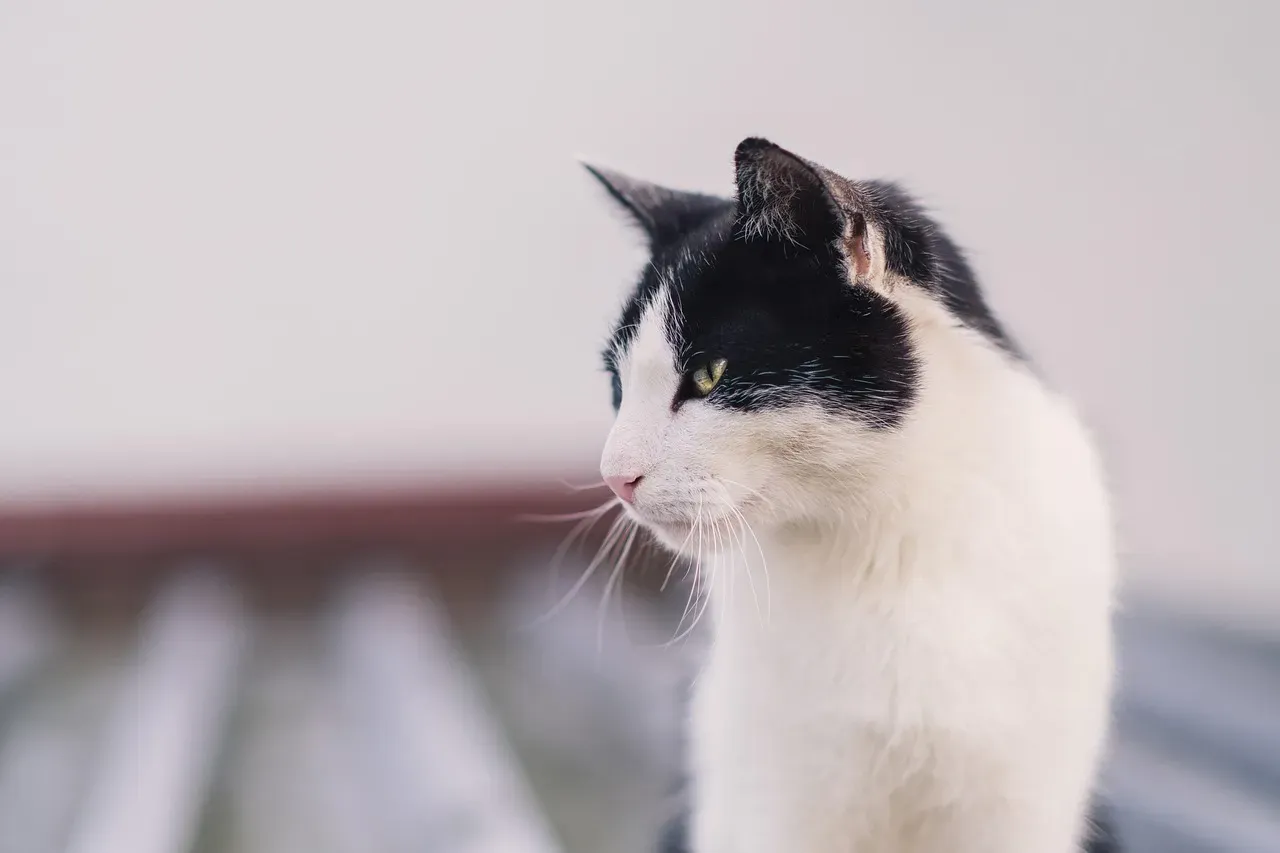
Cats don’t just rely on one sense to understand you. They combine everything together. Cats integrated visual and auditory signals into a cognitive representation of humans’ inner states when they spontaneously looked at congruent facial expressions for longer when hearing human emotional vocalizations of happiness and anger. Think about that for a moment. Your cat is actively matching what they see on your face with what they hear in your voice to build a complete picture of your emotional state.
Research showed that cats can integrate both visual and auditory signals to interpret human emotions, changing their behavior accordingly based on the emotion they are detecting. This cross-modal processing demonstrates a level of cognitive sophistication that challenges the common stereotype of cats as aloof and disinterested in human affairs. Cats integrated visual and auditory signals into a cognitive representation of conspecifics’ and humans’ inner states.
Depression and Anxiety Don’t Go Unnoticed
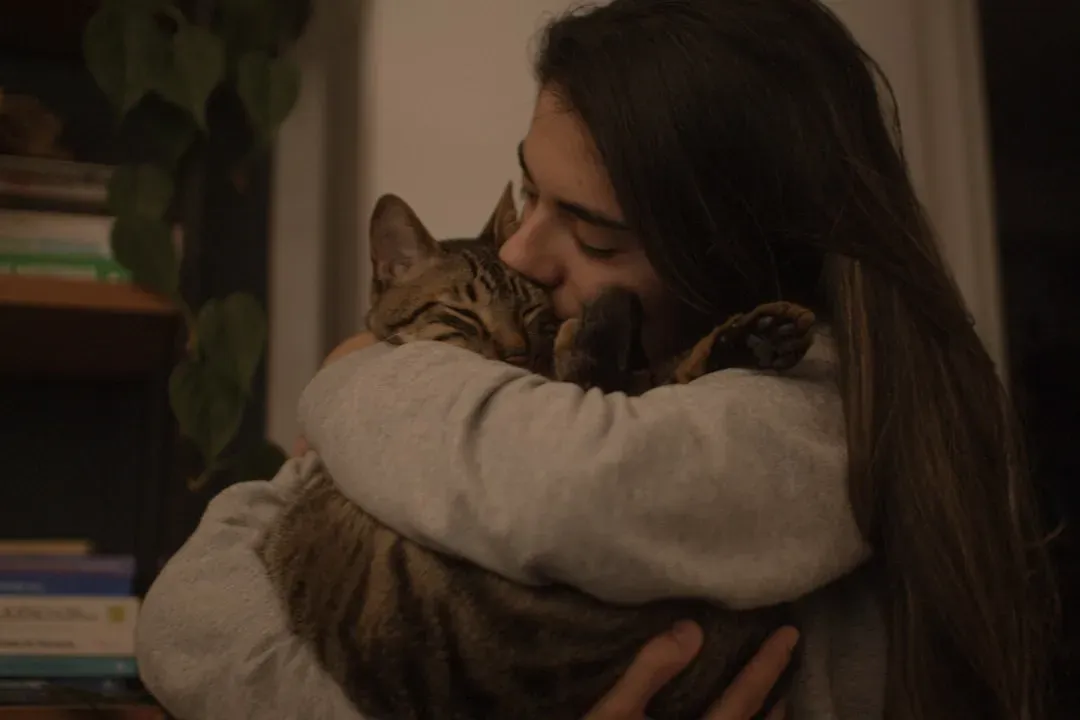
If you’re struggling with depression or anxiety, your cat knows. Cats are intuitive and can understand the moods and emotions of their humans, and more specifically, they engage with their humans more often when they are sad or depressed, and they approach them more frequently when their humans are anxious or agitated. This isn’t random behavior. It represents a deliberate response to perceived emotional distress.
Cats are sensitive to human moods, and they engage more frequently in social interactions with depressed humans. Some researchers believe cats may even derive information about when their intervention might be helpful. Cats can sense human emotions by observing body language, tone of voice, and behavior changes, and they respond to anxiety or depression with extra cuddles, energy mirroring, vocalizations, and protective behavior.
Your Bond Matters More Than You Think
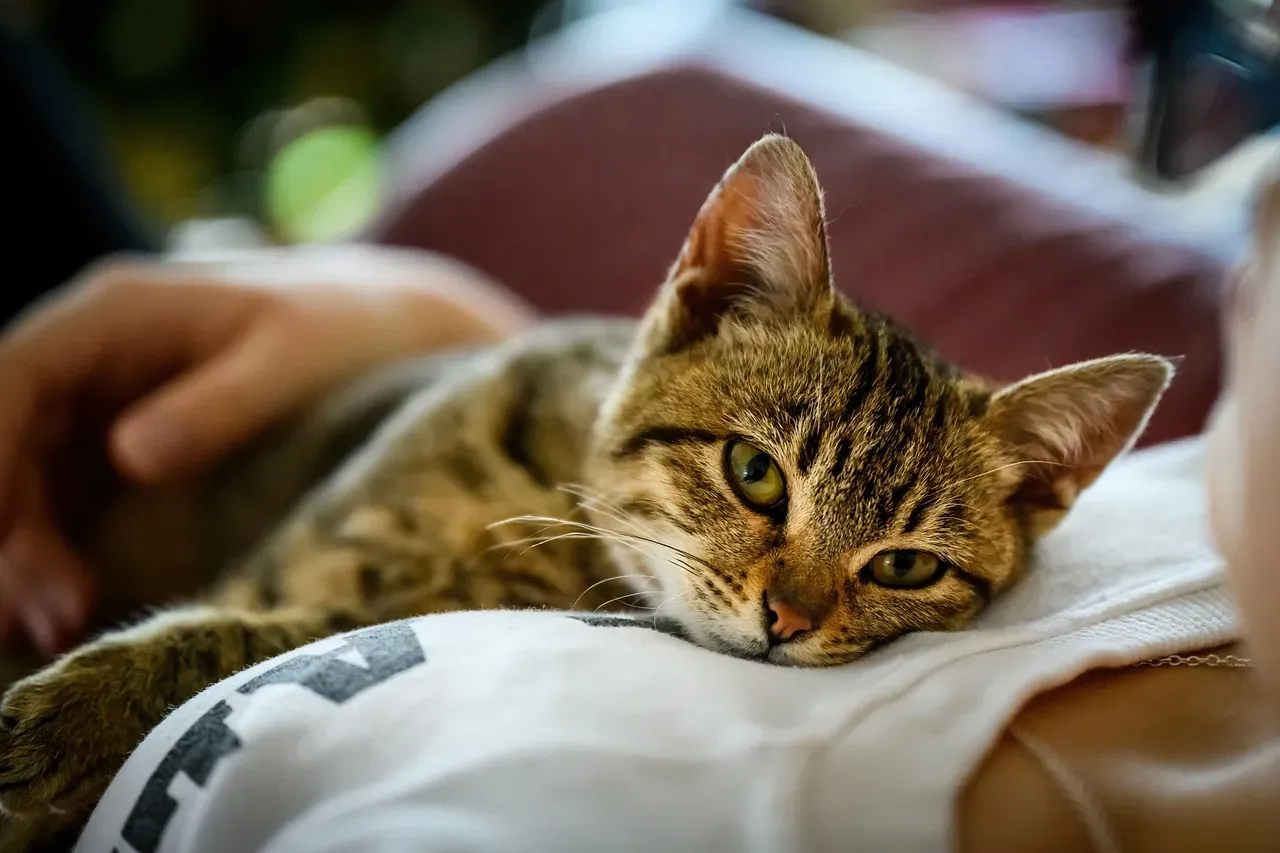
The closer your bond is with your cat, the more likely they are to be in sync with you and understand your different moods. This isn’t something that happens overnight. It develops through consistent interaction and mutual trust over time. The cat who has lived with you for years understands you better than a newly adopted feline simply because they’ve had more time to learn your patterns.
The strength of the emotional bond between cats and their owners plays a crucial role in their perceptive abilities, and cats who share close relationships with their humans tend to be more attuned to their emotional states and physical well-being, with this connection developing over time through consistent interaction and mutual trust. Every shared experience adds another layer to your cat’s understanding of you.
Response Patterns Vary by Cat Personality

Not every cat responds to your emotions in the same way. Every cat is different, and their personality may mean that they don’t want to curl on your lap when you are feeling sad, but they may just pay you more attention from afar where they feel comfortable, which is still a sign of your cat sensing your emotions, but in their own way. Some cats become extra clingy when you’re upset. Others maintain a respectful distance while clearly monitoring the situation.
Your emotional state will have an impact on your cat, but how they’ll respond varies from cat to cat, as some cats might find the change in their owner’s emotional state distressing and become distant or hesitant, while other cats will be even friendlier and try to cheer you up. Understanding your individual cat’s personality helps you interpret their responses to your moods more accurately.
They Distinguish You From Strangers
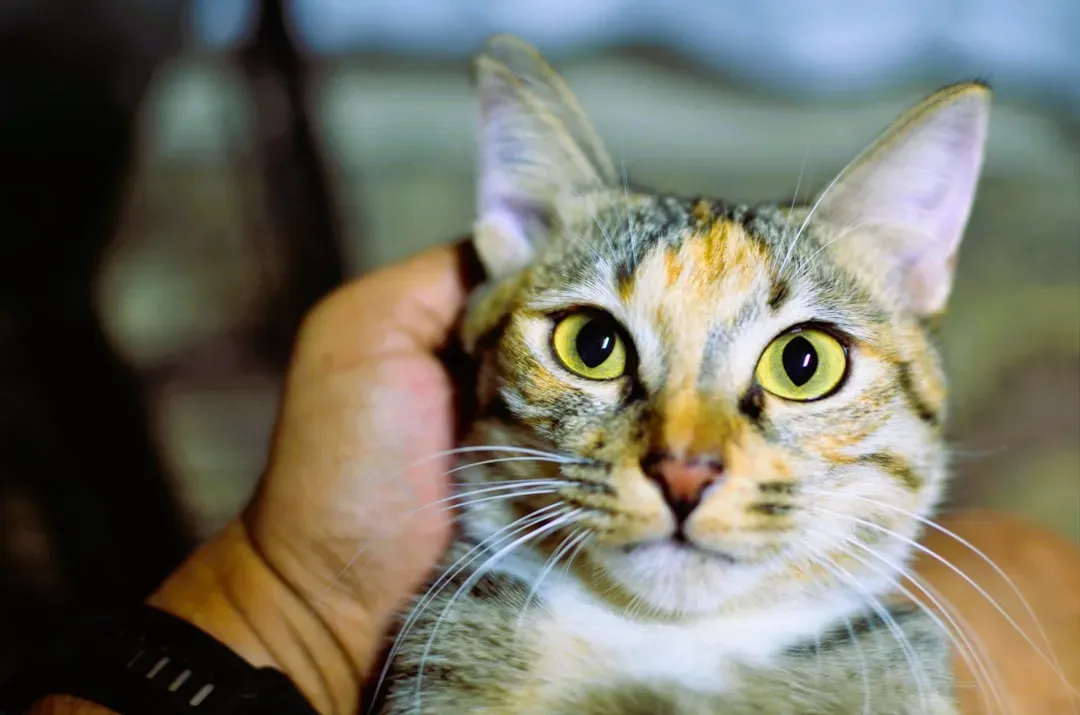
Your cat pays special attention to your emotions specifically, not just any human’s. Cats can distinguish when their owner is talking in a cat-directed tone compared to an adult-directed tone, but did not react any differently when a stranger changes tone. This selective attention demonstrates that cats form specific emotional connections with their primary caregivers rather than responding generically to all humans.
When cats heard a familiar voice, they responded in subtle but distinct ways, such as swishing their tails, pivoting their ears, and freezing while grooming, but showed no such response when owners were speaking to other people, or to strangers’ voices. Your relationship with your cat is unique and personal, built on a foundation of shared experiences that allow them to read your specific emotional signatures.
Behavioral Adjustments Reflect Emotional Understanding
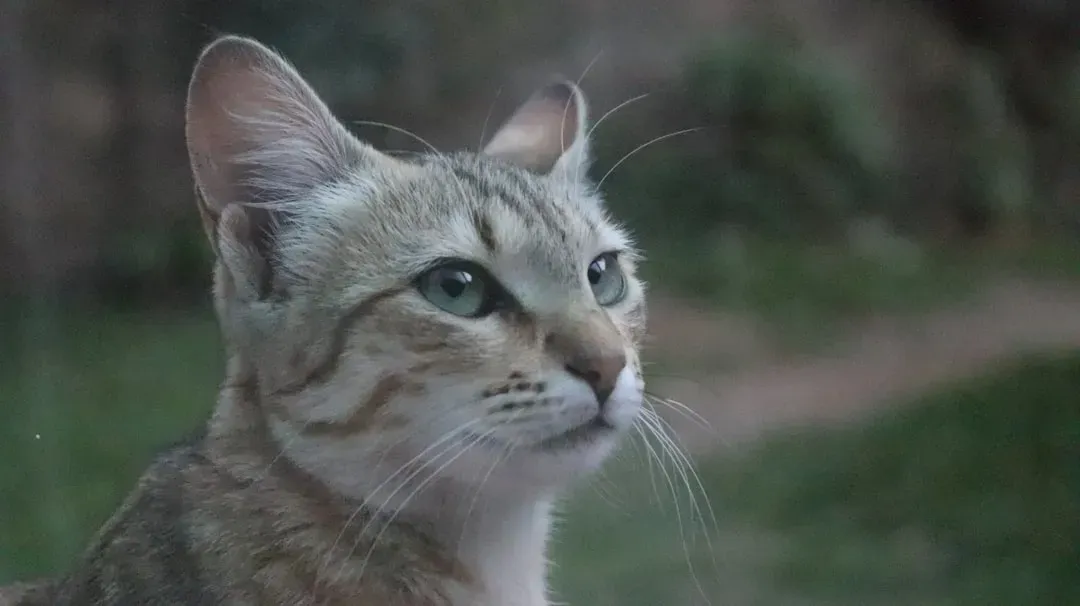
When cats detect your emotions, they don’t just notice them – they act on that information. Cats can distinguish between different emotional states such as when their human is content or when they are angry, and one study found that cats who spend time with their pet parents displayed more positive behaviors when their humans were happy compared to when they were angry. These behavioral shifts aren’t accidental. They represent intentional adaptations to your emotional climate.
Cats can recognize different emotional states through visual and auditory cues, distinguishing between positive and negative emotions, and they adapt their behavior accordingly, becoming more affectionate or distant based on perceived emotional signals. Sometimes this means your cat becomes your shadow during difficult times. Other times it means they give you space while remaining alert to your needs.
The Evolution of Feline Emotional Intelligence
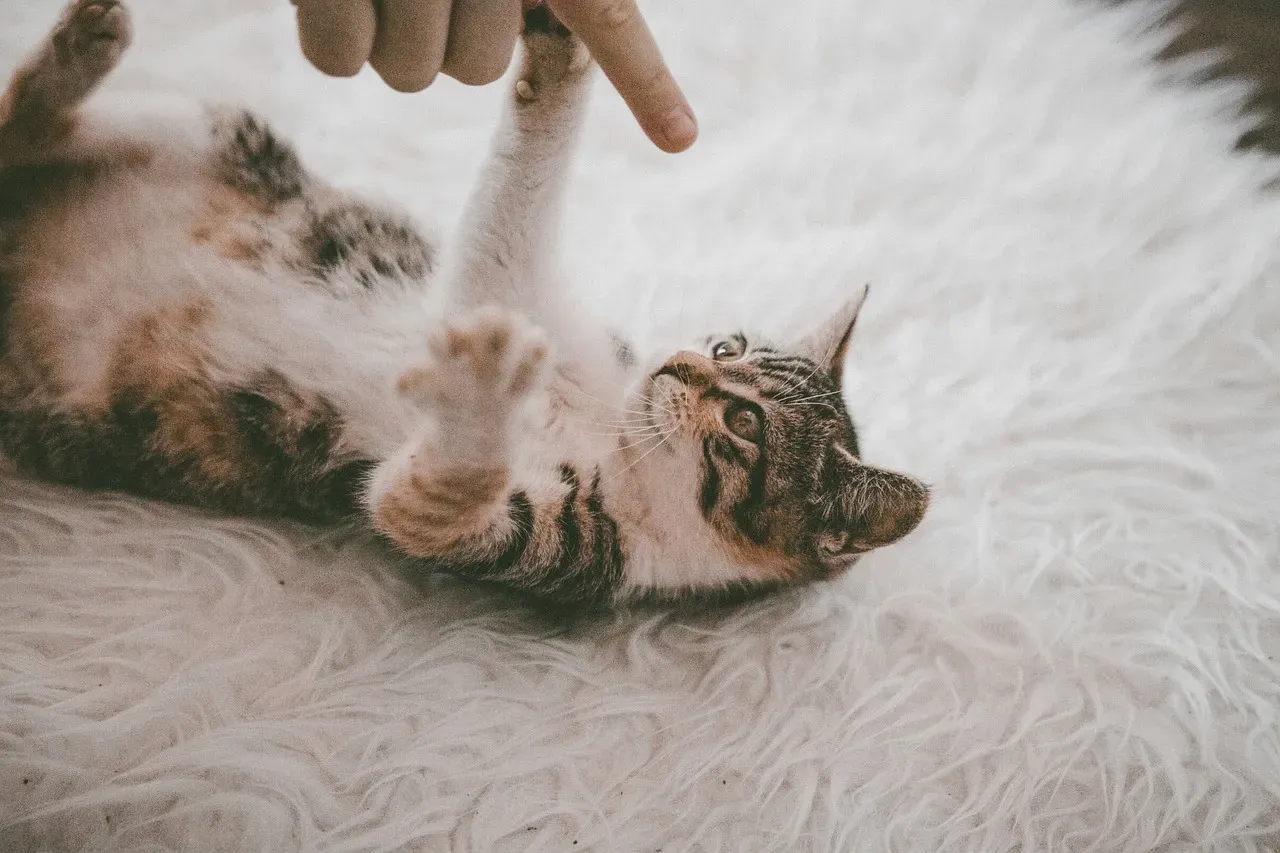
As cats became domesticated, they have developed cognitive and social skills in understanding humans’ emotions to be able to behave accordingly in response to their human’s cues in communication and expressing emotions. This ability likely evolved as cats adapted to living alongside humans over thousands of years. Understanding human emotions provided survival advantages and strengthened the human-cat bond.
The ability to comprehend human emotions may have evolved as an adaptive trait in domesticated cats, and by recognising and responding to their owners’ emotional states, cats could have enhanced their chances of survival and secured a more harmonious coexistence with their human companions, with this evolutionary advantage reinforcing the development of emotional intelligence in felines over generations of domestication. The cats who could read human moods successfully were more likely to thrive in domestic environments, passing this skill along through generations.
Your cat sees more than you realize. They process information about your emotional state through multiple channels simultaneously, building a surprisingly accurate picture of your inner world. The next time you’re having a rough day and your cat suddenly appears at your side, don’t dismiss it as coincidence. They know exactly how you’re feeling, and in their own subtle way, they’re letting you know they care. What aspects of your cat’s behavior have you noticed change when your mood shifts?