Your cat suddenly stops mid-groom, ears pivoting toward something you can’t detect. Maybe it’s the rustle of a mouse under your porch, or perhaps it’s that ultrasonic hum from your phone charger. Either way, you’re witnessing something remarkable. While we humans pride ourselves on our sensory sophistication, your feline companion is navigating an acoustic universe we can barely imagine.
Let’s be real, most of us think our cats just have good hearing. The truth is far more complex and honestly, a little humbling. The way cats process sound isn’t simply about volume or distance. It’s about an intricate neurological ballet that transforms vibrations in the air into a three-dimensional map of their environment. Ready to peek inside the mind of your purring companion?
Your Cat’s Ears Are Miniature Satellite Dishes
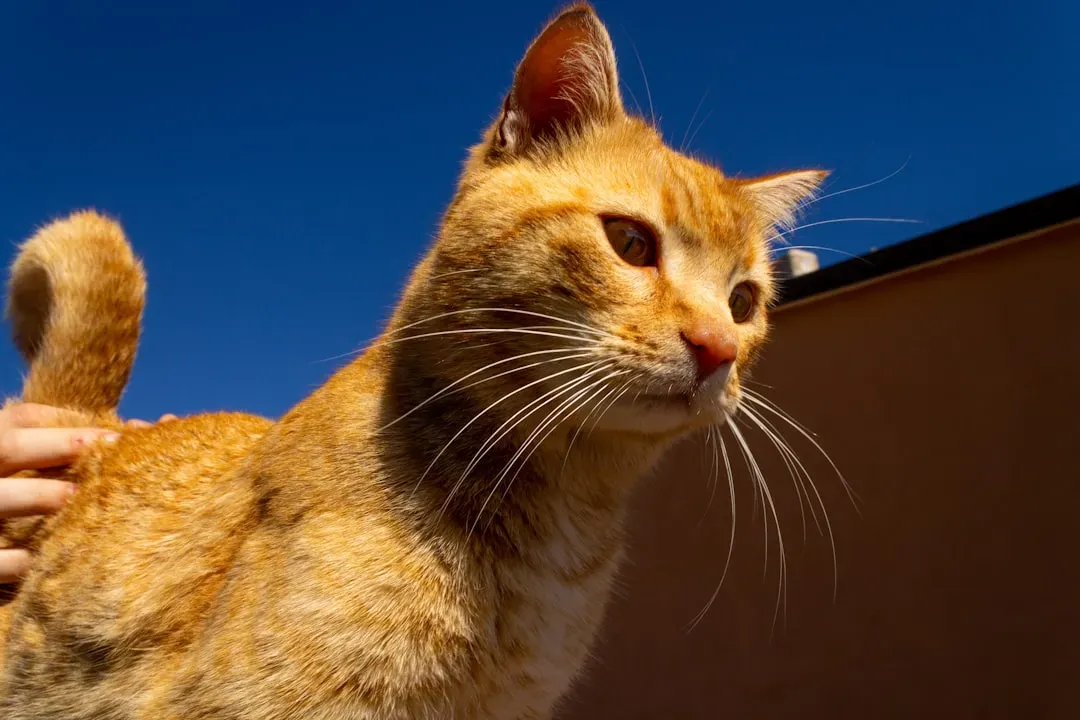
Think of your cat’s outer ears – those triangular flaps called pinnae – as biological radar equipment. Each ear contains 32 specialized muscles that can rotate independently up to 180 degrees, which is more than five times the six muscles humans possess. This means your cat can point each ear in different directions simultaneously, essentially conducting two separate acoustic investigations at once.
Here’s where it gets interesting. Those cone-shaped ears amplify sound waves two to three times for frequencies between 2,000 and 6,000 Hertz. The ridges and folds inside the ear aren’t just decorative. These corrugations reflect incoming sounds, intensifying specific frequencies and helping your cat determine whether a sound originates from above, below, in front, or behind. It’s like having built-in spatial processors that work without conscious thought.
The Frequency Range That Puts Humans to Shame

Your cat can hear sounds ranging from 48 Hz to 85 kHz, giving it one of the broadest hearing ranges among mammals. For perspective, adult humans tap out at roughly 20,000 Hz, and that number drops to around 12,000 to 15,000 Hz as we age. Cats, meanwhile, are detecting sounds nearly three times higher than our upper limit.
The low end is equally impressive. Cats are most sensitive between 500 Hz and 32 kHz, which means they’re tuned into a sweet spot that encompasses everything from the deep rumble of human male voices to the high-pitched squeaks of rodent prey. Unlike other mammals whose middle ear has a single chamber, the cat’s middle ear has two chambers, increasing the range of frequencies over which the eardrum can vibrate. Evolution really went all out here.
Ultrasonic Detection: The Secret Hunting Advantage

Why would a cat need to hear sounds well beyond human perception? Cats use their ultrasonic hearing ability for hunting, since many species of rodents make ultrasonic calls. Mice and rats communicate with each other at frequencies exceeding 19 to 20 kHz, thinking they’re having private conversations. Your cat is eavesdropping on every word.
This ultrasonic hearing ability enables cats to detect high-frequency vocalizations and movements of prey animals like mice and rats, which communicate at frequencies above 20,000 Hz. It’s not just communication either – rodents make ultrasonic sounds when they move, breathe, and navigate. Imagine being able to hear a mouse’s heartbeat from across the room. That’s essentially the acoustic advantage your cat possesses. Honestly, it makes you wonder what they think of our comparatively deaf existence.
Pinpoint Accuracy: Locating Sounds With Surgical Precision

Cats can distinguish between sounds that are just three inches apart from a distance of three feet, and they accomplish this in less than 0.06 seconds. That kind of directional hearing isn’t just impressive – it’s essential for survival. A predator needs to know exactly where prey is hiding, not just the general vicinity.
Cats are among the most accurate sound localizers, and they achieve this through binaural processing – comparing the tiny differences in timing and intensity of sounds arriving at each ear. Like most predators, cats combine information from both ears to precisely localize the source of a sound, which is especially crucial for cats who typically hunt at night. The system is so refined that your cat can track a flying insect by sound alone, calculating its trajectory before pouncing.
Multiple Auditory Areas: A Network of Sound Processing Centers
You might think sound processing happens in one neat little brain region. The cat auditory cortex is composed of at least 13 distinct fields that have been defined based on anatomy, physiology, and behavior. Each area specializes in different aspects of acoustic analysis, working together like departments in a sophisticated organization.
Acoustic features such as distance, location, pitch, motion, and significance are carried by the auditory stream and become unified into a single percept, coordinated by multiple auditory areas fed by parallel sets of ascending pathways. This hierarchical processing means sounds aren’t just heard – they’re interpreted, contextualized, and assigned meaning. Your cat doesn’t just detect the sound of a can opener; it recognizes the specific acoustic signature of *your* can opener and understands what that means for dinner.
Hierarchical Processing: Building Meaning From Noise
Here’s something that blew my mind when I first learned it. Research shows that during deactivation of primary auditory cortex in cats, major changes were observed in the posterior auditory field, including decreased response strength and reduced receptive field bandwidths. Meanwhile, when the posterior field was deactivated, the primary cortex continued functioning normally. This tells us something crucial about information flow.
These findings support proposed models of hierarchical processing in cat auditory cortex and demonstrate the differential influences that primary and non-primary auditory areas exert on one another. Think of it as an assembly line where raw acoustic data gets progressively refined – from simple frequency detection to complex pattern recognition. Your cat’s brain doesn’t just receive sound; it constructs an increasingly sophisticated interpretation at each processing stage.
Emotional Connections: When Sounds Trigger Feelings

Sounds create responses in the amygdala and medial prefrontal cortex, which play important roles in emotion and learning. This isn’t just about detecting danger or prey. Your cat forms emotional associations with specific sounds – the crinkle of a treat bag, your footsteps approaching the door, the voice of a familiar friend.
These emotional responses shape behavior in profound ways. A cat who has learned to associate the sound of a carrier with a trip to the vet will react very differently than one who associates it with adventure. The auditory system isn’t operating in isolation; it’s intimately connected with memory, emotion, and decision-making circuits throughout the brain. That’s why your cat might come running at the sound of your voice but ignore someone else’s entirely.
Temporal Processing: Decoding Rhythm and Timing
Cats don’t just hear individual sounds; they process temporal patterns – the rhythm, spacing, and sequence of acoustic events. Both the spike-time and firing rate of primary auditory cortex neurons encode sound repetition rate, allowing cats to distinguish between different click-train speeds and rhythmic patterns.
Research involving cats discriminating between different repetition rates revealed something fascinating. Neural performance estimated from precise temporal information was good enough to distinguish faster repetition rates, but behavioral performance declined with slower click-trains, suggesting cats read out rate-coding information to perform tasks. This means your cat’s brain is constantly analyzing not just what sounds occur, but when and how often they occur – information crucial for understanding everything from prey movement patterns to the emotional tone of human speech.
Cross-Modal Integration: When Vision Meets Hearing
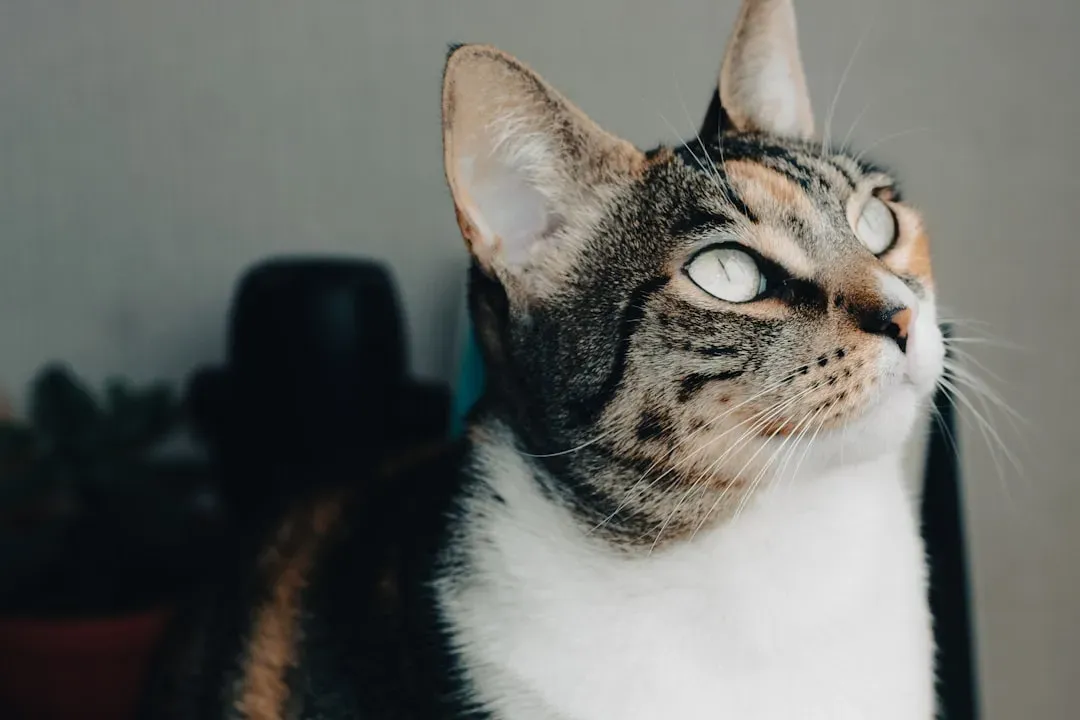
Sound doesn’t exist in a vacuum, and your cat’s brain knows it. Research found that visual modulation of auditory processing reveals both short-term effects peaking at approximately 100 milliseconds and long-term effects characterizing the time course of visual modulation over roughly one second. This means when your cat sees and hears something simultaneously, the two senses influence each other’s processing.
This time sensitivity indicates the complexity of neural circuits involved in audiovisual interactions and potentially cross-modal plasticity after hearing loss. Your cat’s brain is constantly correlating what it hears with what it sees, building a unified perceptual experience. It’s why a cat can be so uncannily good at anticipating events – the visual cues and acoustic signatures are processed together, creating predictions about what happens next.
Filtering the Noise: Selective Attention in Action
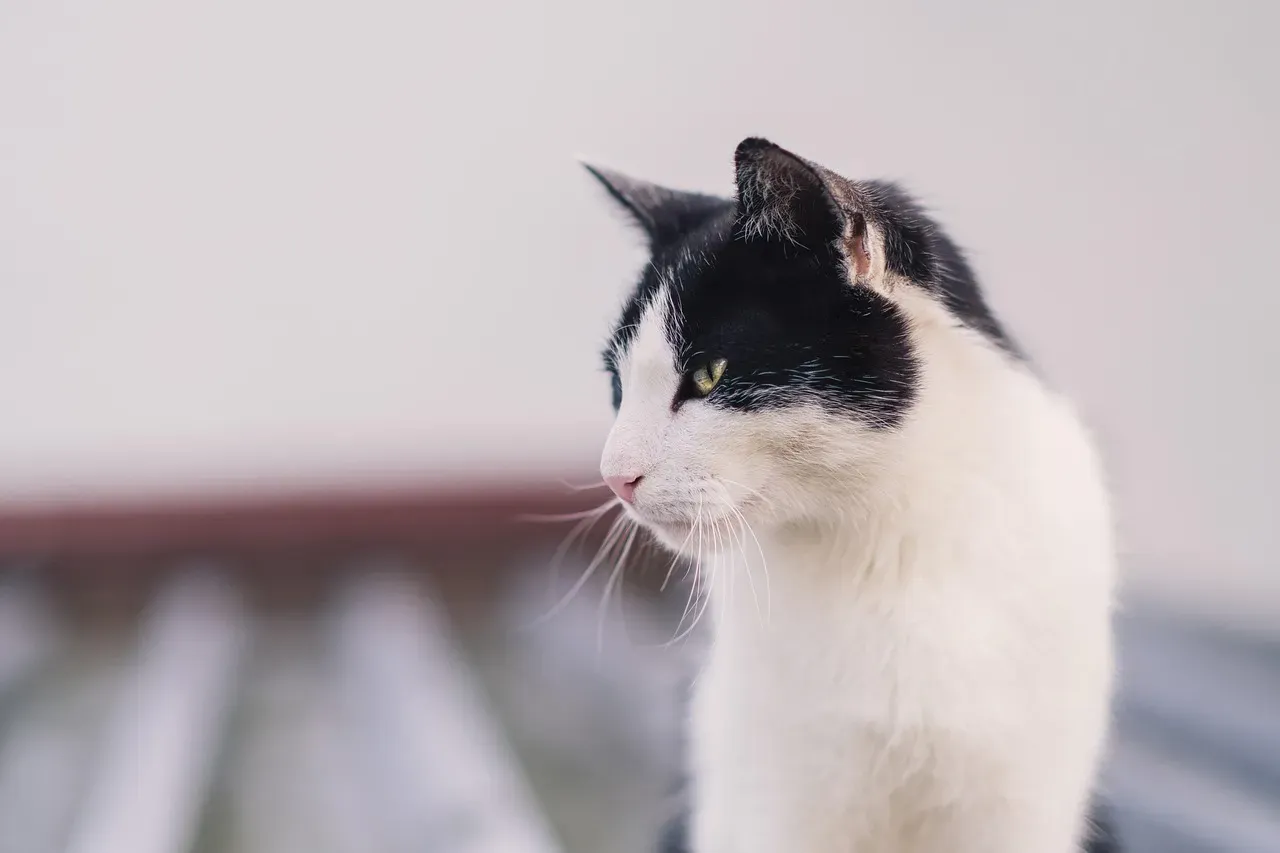
Imagine trying to have a conversation in a crowded restaurant. Difficult, right? Your cat faces similar challenges but handles them differently. Cats can perceive sounds with just one-thousandth of the sound intensity that remains barely audible to humans, and they filter sounds that are particularly significant to them – like mice making quiet squeaking noises to maintain contact with each other.
This selective filtering happens at multiple levels of processing. The brain doesn’t just receive every acoustic input equally; it prioritizes behaviorally relevant sounds while suppressing background noise. That’s why your cat can sleep through a thunderstorm but wake instantly at the sound of a bird outside the window. The auditory system is constantly making executive decisions about what deserves attention and what can be safely ignored. Honestly, it’s a level of auditory multitasking that puts most humans to shame.
The Hidden World of Ultrasonic Noise in Your Home
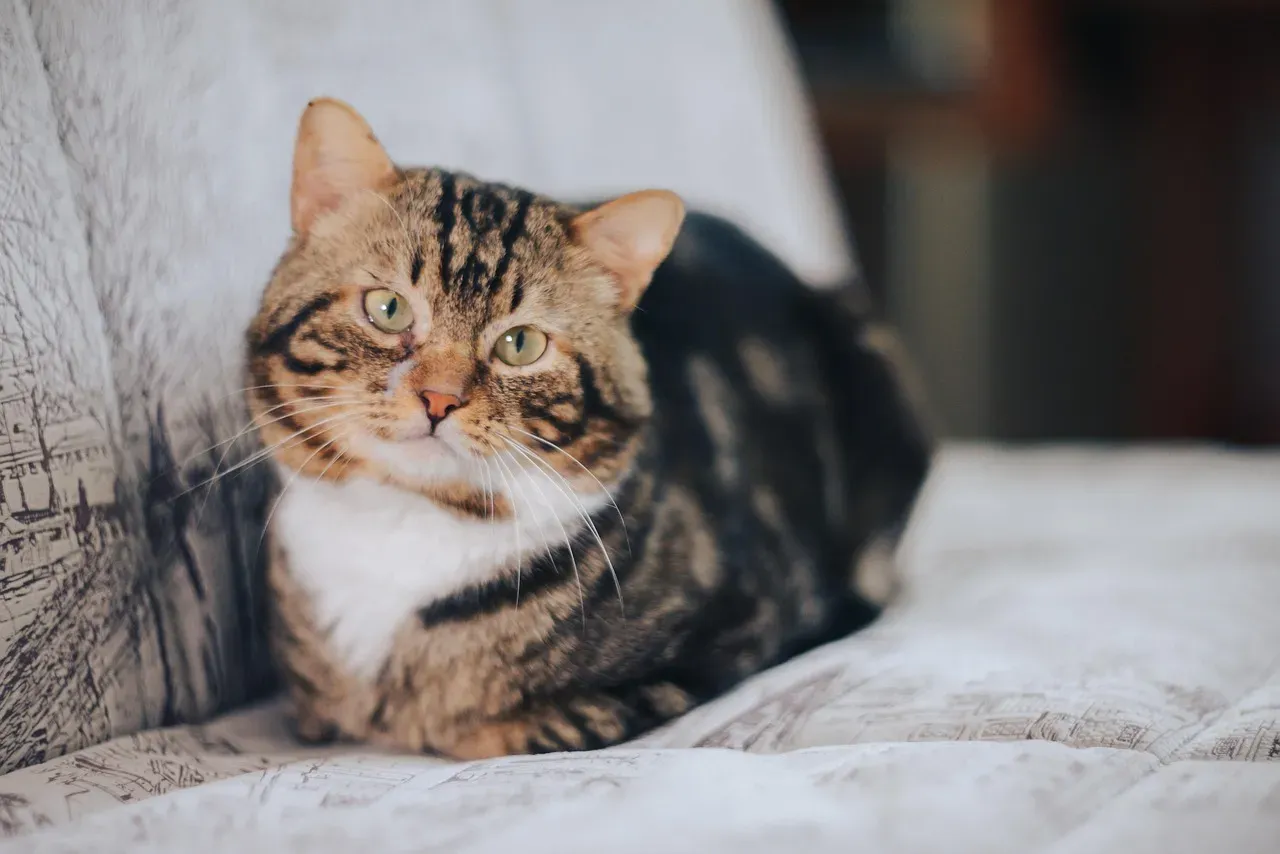
Here’s where things get a bit unsettling for cat owners. Many human-engineered devices produce sound in the ultrasonic range, including cell phones, smart TVs, and security cameras, and while high levels haven’t been found yet, monitoring ultrasonic sounds is important as more devices come online. Your cat hears all of this. Every charging phone, humming appliance, and electronic device creates an acoustic environment we’re completely unaware of.
Studies on laboratory animals have shown that inaudible sounds affect endocrine and cardiovascular function, sleep-wake cycles, seizure susceptibility, and behavior, with ultrasonic noise linked to Feline Audiogenic Reflex Seizures. This isn’t meant to alarm you, just to highlight that your cat exists in an acoustic landscape far richer and potentially more stressful than we realize. It might explain why some cats seem anxious in certain rooms or prefer quiet corners away from electronics.
Conclusion: Rethinking What We Know About Hearing
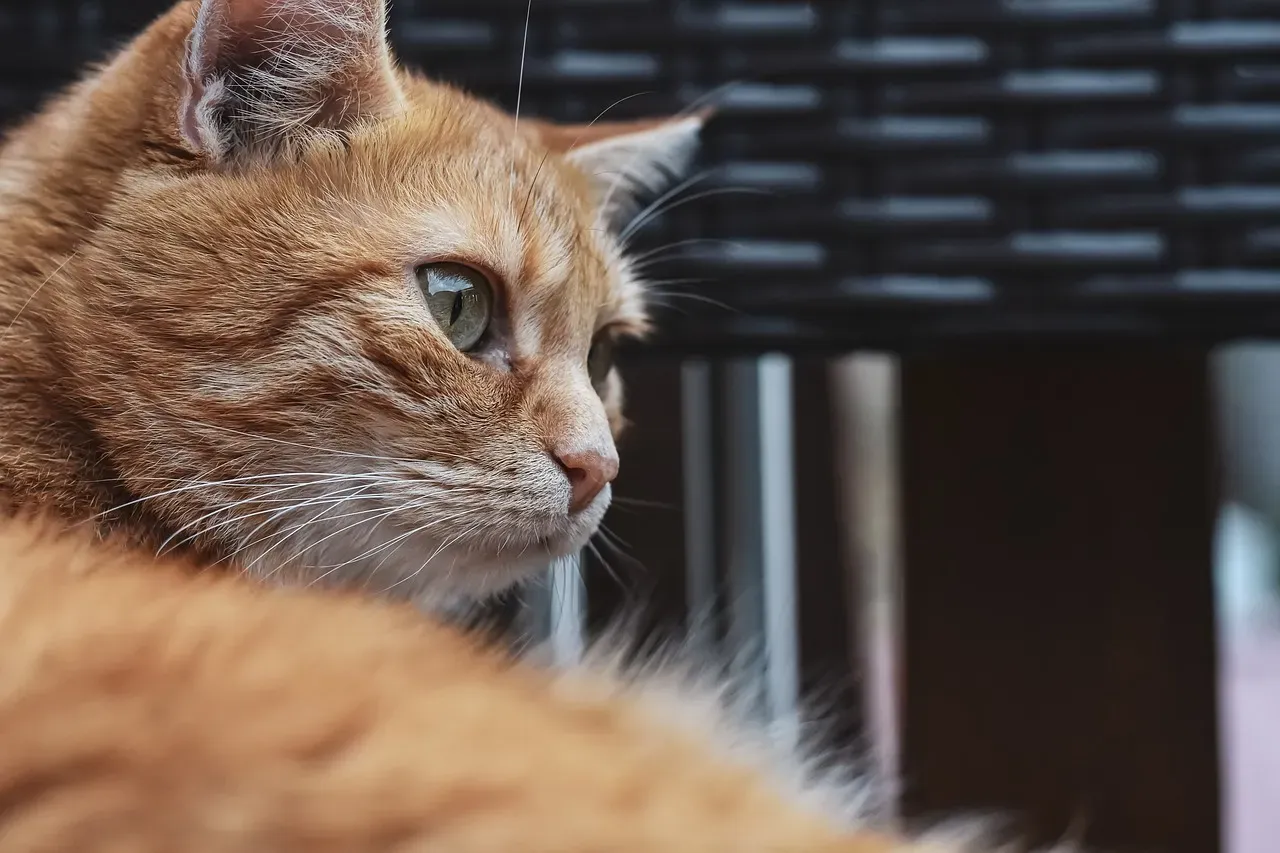
Your cat’s auditory system is a masterpiece of evolutionary engineering. From the rotating satellite dishes of their outer ears to the hierarchical processing networks in their cortex, every element works together to create an acoustic understanding of the world that vastly exceeds our own. They’re not just hearing sounds – they’re constructing a rich, multi-dimensional auditory landscape filled with information we’ll never perceive.
The next time your cat’s ears swivel toward something you can’t detect, remember: they’re not being weird or paranoid. They’re processing acoustic data from a frequency range three times broader than yours, with spatial accuracy measured in inches, analyzing temporal patterns, filtering out irrelevant noise, and integrating everything with visual and emotional information. It’s genuinely humbling when you think about it. What else are we missing in the world around us that our feline companions experience every single day?