You’ve probably noticed how your cat’s ears suddenly swivel toward you when you’re whispering on the phone or having a hushed conversation in another room. Maybe you’ve chalked it up to coincidence. Think again. Your feline companion isn’t just listening casually; they’re tuned in, tracking every syllable, every tonal shift, every emotional nuance you’re putting out there. Those fuzzy satellite dishes on top of their heads are processing information you didn’t even know you were broadcasting.
Let’s be real, cats have a reputation for being aloof and indifferent. Yet here’s the kicker: they’re anything but oblivious to what’s happening around them. They’re skilled auditory detectives, piecing together clues from the sounds you make, the pitch of your voice, and even the rhythm of your breathing. So buckle up, because what you’re about to discover about your cat’s hearing might just change how you view those seemingly innocent moments of feline judgment.
Your Cat’s Ears Are Engineering Marvels
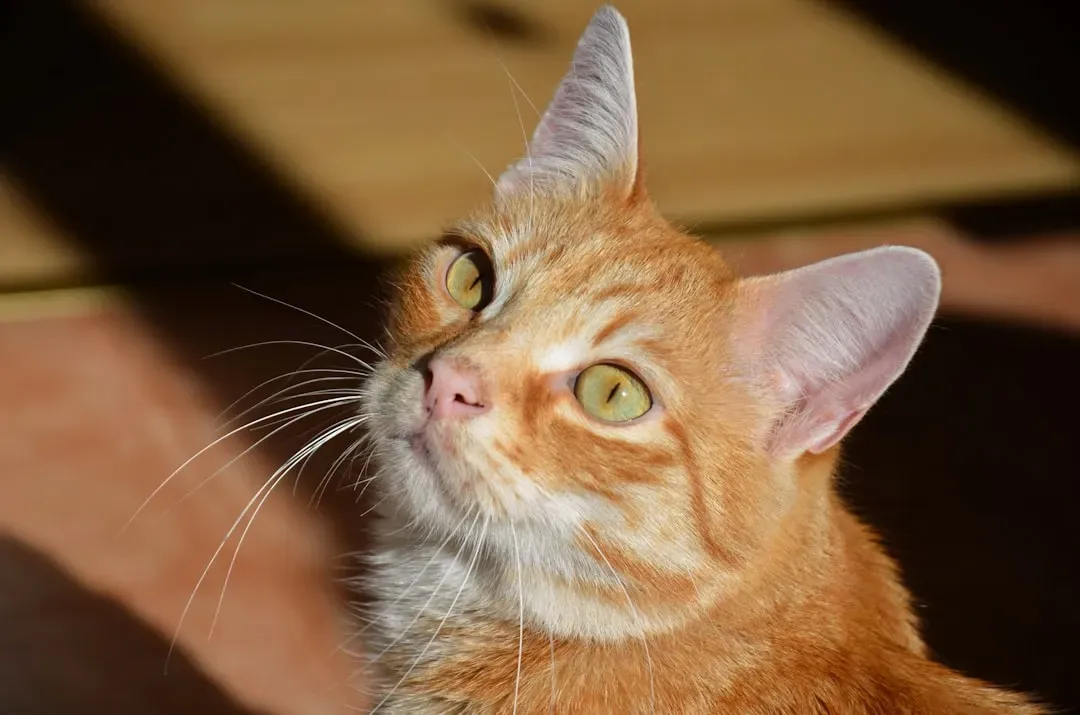
Here’s something that might blow your mind. Cats have 32 ear muscles, while you’re stuck with a measly six. Those extra muscles aren’t just for show. Cat ears can rotate a full 180 degrees and move independently from each other, which means they can zero in on two different conversations happening simultaneously. Imagine having that superpower at a dinner party.
A cat’s ear can amplify sound waves 2 to 3 times for frequencies between 2 and 6 kHz. To put it plainly, their ears work like biological amplifiers, catching and boosting sounds that would barely register on your radar. This isn’t accidental; it’s evolution at work, fine-tuning a predator’s toolkit over thousands of years.
The Frequency Range That Puts Humans to Shame

The hearing range of the cat extends from 48 Hz to 85 kHz, giving it one of the broadest hearing ranges among mammals. Compare that to the human range of roughly 20 Hz to 20,000 Hz, and you start to see the gap. We’re talking about a difference that spans nearly two octaves higher than what you can perceive.
Cats can hear pitches that are around two octaves higher than what humans can hear. This means when you think the house is quiet, your cat is experiencing a full symphony of ultrasonic sounds. Electronic devices, rodent movements, even the high-pitched communication of small prey animals – all of it registers in their world. That distant rustling you can’t hear? Your cat already knows exactly where it’s coming from and whether it’s worth investigating.
They Know Your Voice From a Stranger’s

Have you ever wondered if your cat actually recognizes you when you call their name, or if they’re just responding to random noise? Science has an answer. Cats could recognize when their owners were talking to them, and the study is among the first to show cats can recognize and respond to their owners’ voices. They don’t just hear you; they know it’s you.
While the cats showed a significantly greater response to their owners calling their names than to strangers doing so, they did not bother to get up in either instance. So yes, your cat hears you loud and clear. They simply choose whether or not to acknowledge you. It’s not indifference; it’s selective engagement. Your cat has decided that sitting still and judging you is more efficient than pretending to care.
The Baby Talk Loophole
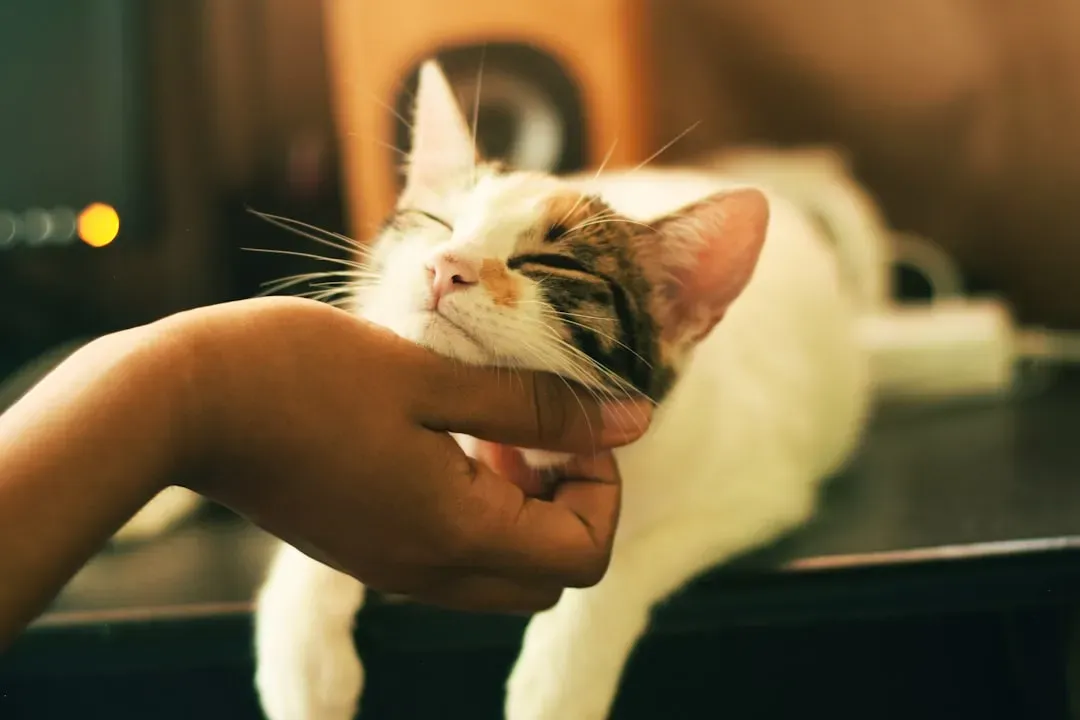
Honestly, most of us talk to our cats like they’re toddlers. Turns out, there’s a method to that madness. When playing audio from strangers using cat-directed speech, cats showed a decrease in behaviors, but when the audio was changed to the voices of their owners, behavior intensity increased. Cats turned their ears, dilated their pupils, and moved around much more when their owners spoke in that high-pitched, affectionate tone.
Cats did respond differently when their owners used cat-directed speech versus speech used for addressing adult humans, but the cats didn’t discriminate between the two types of speech when a stranger spoke. Translation? Your cat knows when you’re talking to them, and they especially know when you’re using that special voice reserved just for them. They might not always respond, but they’re absolutely paying attention.
Emotional Eavesdropping in Real Time

Your emotional state isn’t as private as you think. Cats are able to cross-modally match pictures of emotional faces with their related vocalizations, particularly for emotions of high intensity. Essentially, cats can connect what they hear in your voice with what they see on your face. They’re reading the room better than most people do.
Cats can understand several human emotions, including happiness, sadness, anger, and anxiety, primarily through tone of voice, facial expressions, and body language. When you’re stressed, your cat picks up on it. When you’re sad, they notice the change in your vocal pitch. They might not understand why you’re upset, but they definitely register that something’s off. Some cats will sit closer to you during those moments; others will give you space. Either way, they’re responding to data you didn’t realize you were transmitting.
The Ultrasonic World You’re Missing
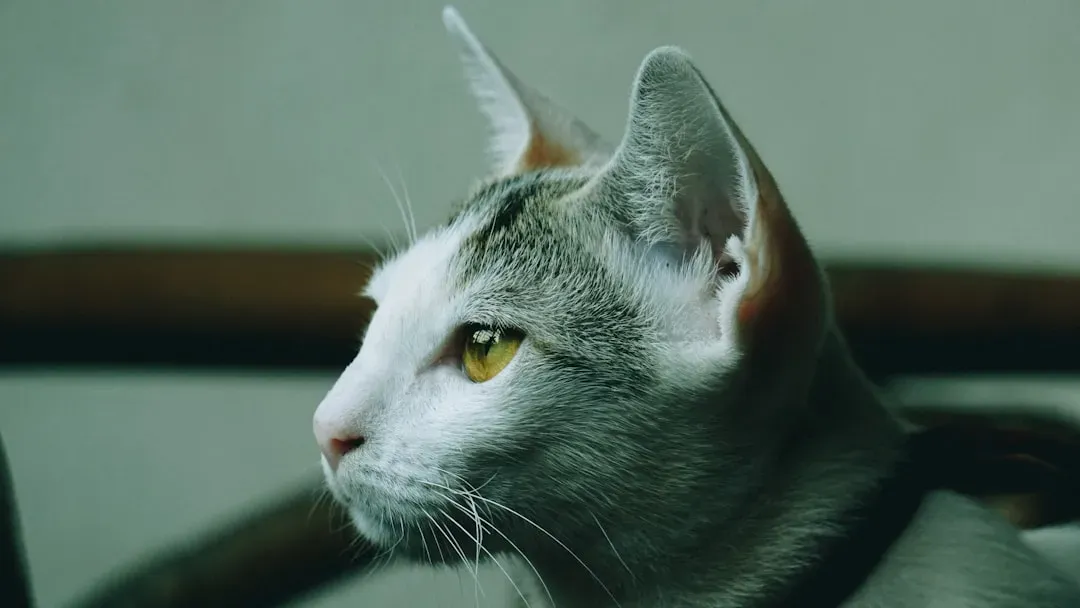
There’s an entire auditory landscape happening around you that’s completely invisible to your ears but crystal clear to your cat. Cats’ ultrasonic hearing ability enables them to detect high-frequency vocalizations and movements of prey animals like mice and rats, which communicate at frequencies above 20,000 Hz. This is why your cat sometimes stares intently at seemingly nothing. They’re hearing rodent chatter, insect movements, or electronic hums that don’t register on your sensory radar.
Many electronic devices emit high-frequency sounds that cats can hear but humans cannot, and these ultrasonic sounds can cause stress or discomfort for cats, potentially affecting their behavior and well-being. Your charger, your television, your computer – they’re all creating a noisy backdrop for your cat. It’s like living in a house with a constant high-pitched alarm only they can hear.
Pinpointing Sounds With Surgical Precision
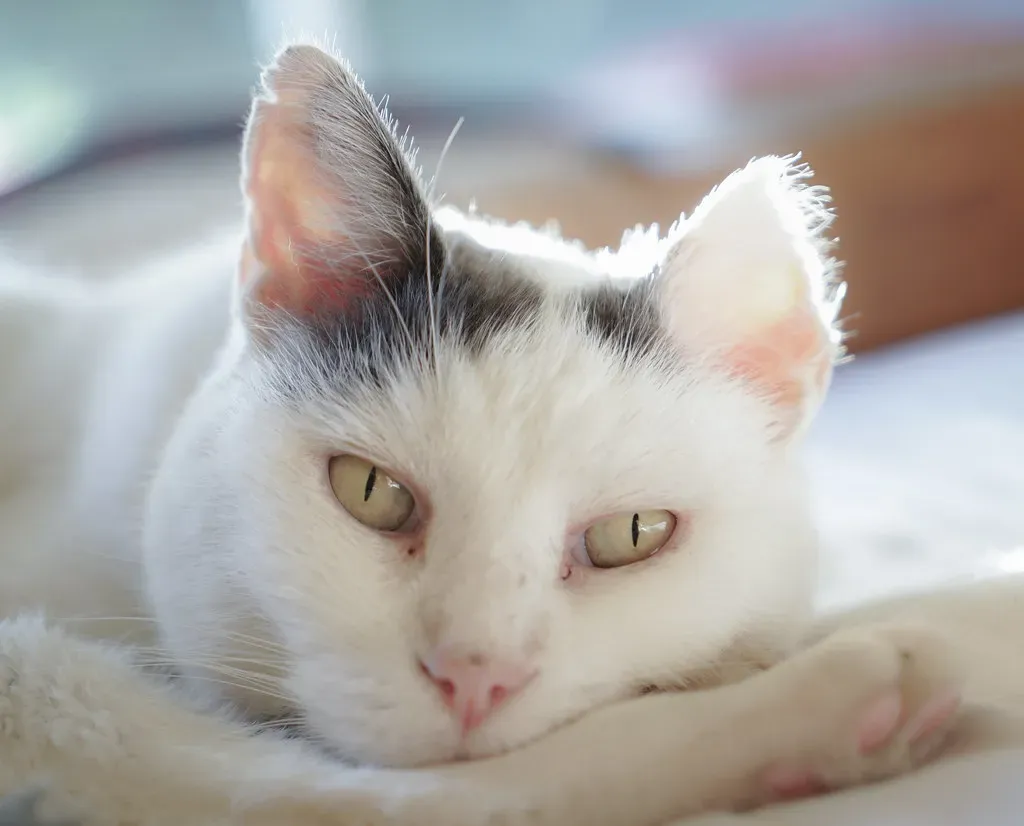
Cats can distinguish between sounds that are just 3 inches apart from a distance of 3 feet, and they can do this in less than 0.06 seconds. Let that sink in. Your cat can triangulate the exact location of a sound source faster than you can blink. This isn’t just impressive; it’s downright scary when you think about it.
Cats were able to localize noise bursts, single clicks, or click trains presented from sources located on the horizontal and vertical meridians within their oculomotor range. Their ability to map sound in three-dimensional space is what makes them such effective hunters. Even if your cat has never caught a mouse in their life, that hardware is still operational and constantly scanning the environment.
The Distance Your Cat Can Hear You

Cats can hear sounds from approximately four to five times farther away than humans can, and under optimal conditions, they can detect subtle sounds from up to 100 feet away. So when you think you’re out of earshot, whispering to someone in the next room, guess what? Your cat is probably catching most of that conversation.
Your cat could theoretically hear you calling from several blocks away if the conditions are right. No wonder they always seem to know when you’re about to arrive home.
Why Your Cat Ignores You Anyway
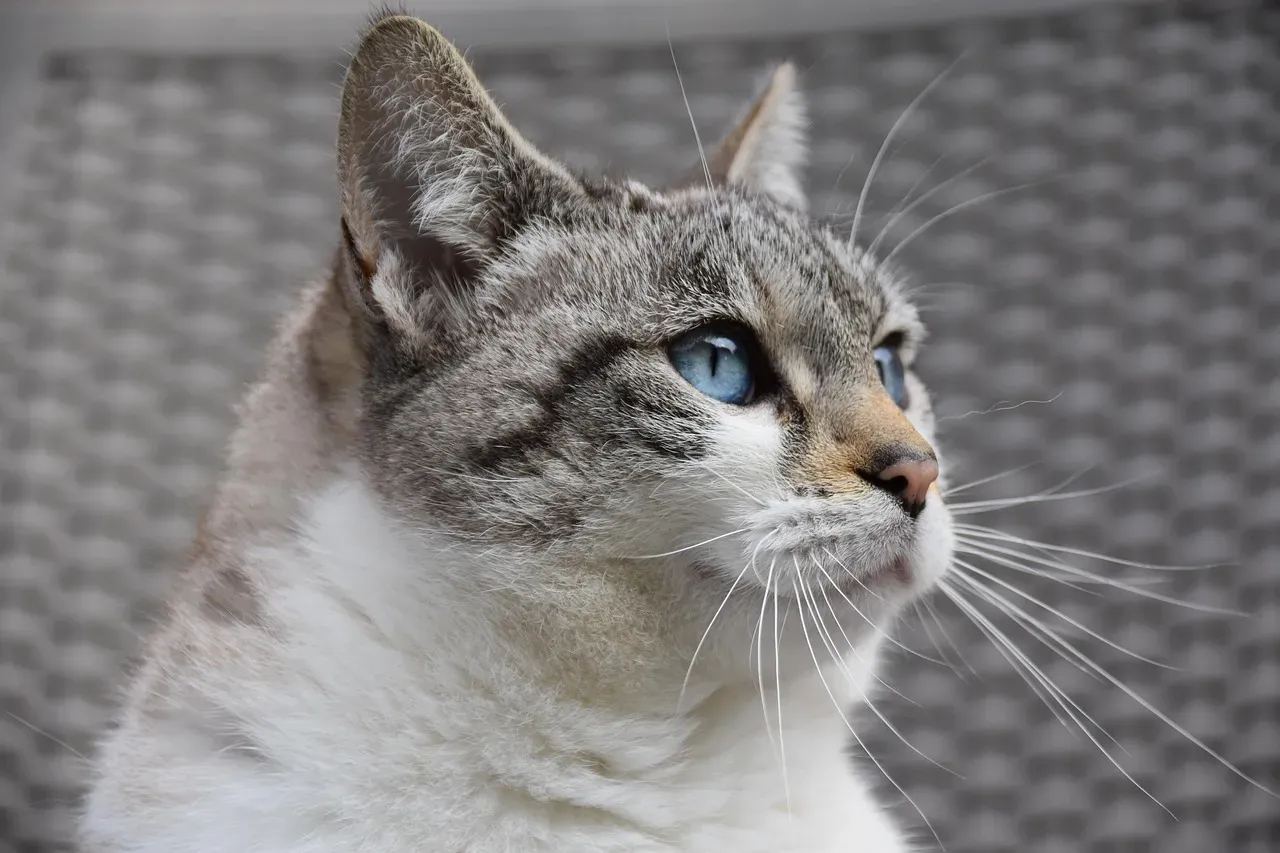
So if cats can hear you so well, why do they pretend you don’t exist half the time? Cats recognize their owner’s voice but just can’t be bothered to react to it. It’s not a hearing problem; it’s a motivation problem. Dogs were bred for thousands of years to obey human commands. Cats? They domesticated themselves by hanging around grain stores to hunt rodents. They never signed up for obedience.
Cats don’t actually feel compelled to listen to us, even though they know who we are and that we’re speaking to them. Your cat hears you calling. They recognize your voice. They understand the tone. They’ve simply decided that whatever you want isn’t as interesting as the dust particle they’re currently stalking. It’s not personal. Well, maybe it is.
The Secret Life of Cat Conversations
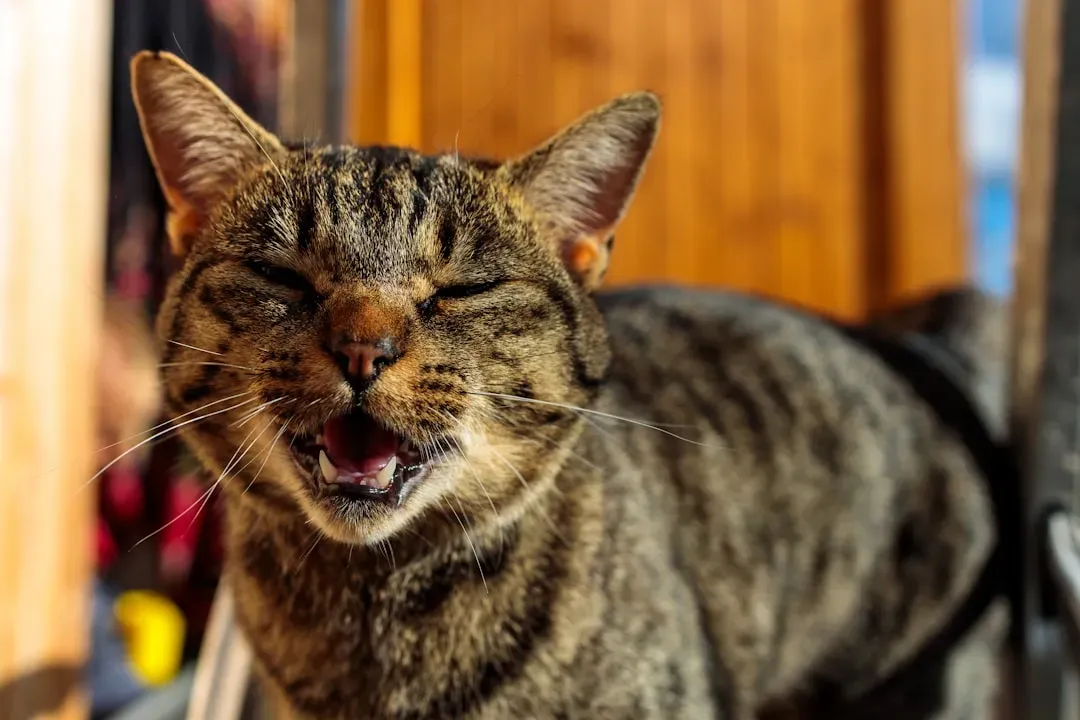
Up to 21 different vocalizations have been described in the literature, but it is more than probable that the repertoire contains more types of vocalizations. Cats aren’t just passive listeners; they’re active communicators with a surprisingly complex vocal system. Each meow, chirp, trill, and hiss carries specific meaning, and cats adjust these sounds depending on context and audience.
What’s fascinating is that adult cats primarily use vocalizations to communicate with humans, not other cats. They’ve learned over generations that meowing gets our attention in ways that body language alone doesn’t. They’ve essentially developed a secondary language just for us, and they’re constantly refining it based on what works. Your cat is running behavioral experiments on you every single day.
What This Means for Your Secrets

Here’s the uncomfortable truth: your cat is listening to everything. Your phone calls, your arguments, your whispered confessions, your late-night snack raids. Cats are very capable of detecting if their owners are talking to them or just conversing with other people. They know the difference between a conversation directed at them and one that isn’t. They’re processing all of it, cataloging patterns, and adjusting their understanding of you accordingly.
Cats respond positively to their owner’s voices, and they’re constantly using auditory information to assess their environment and the people in it. So the next time you’re sharing something sensitive in what you think is private, remember: those ear flaps aren’t just decorative. They’re radar systems locked onto every word you say.
Think twice before spilling your secrets within earshot of your feline overlord. They might not understand English, but they definitely understand you. Did you expect your cat to be this tuned in? What do you think they’re learning about you right now? Tell us your most amusing eavesdropping cat stories in the comments below.