You probably know your cat as the creature who knocks things off shelves at 2 AM, demands food at the exact wrong moment, and somehow still manages to look regal while doing it. But here’s what most people never stop to think about: that fluffy, seemingly indifferent animal walking through your home is actually doing something far more purposeful than lounging around. Your cat is on patrol. Every day, quietly and without asking for credit.
Cats have been living alongside humans for thousands of years, and that relationship didn’t thrive simply because they’re cute. There’s something deeply practical happening beneath all that fur and purring. Your cat brings instincts honed across millennia into your home each and every day, and those instincts are actively working in your favor. Let’s dive into just how remarkable that really is.
Your Cat Is a Natural-Born Hunter Living Under Your Roof
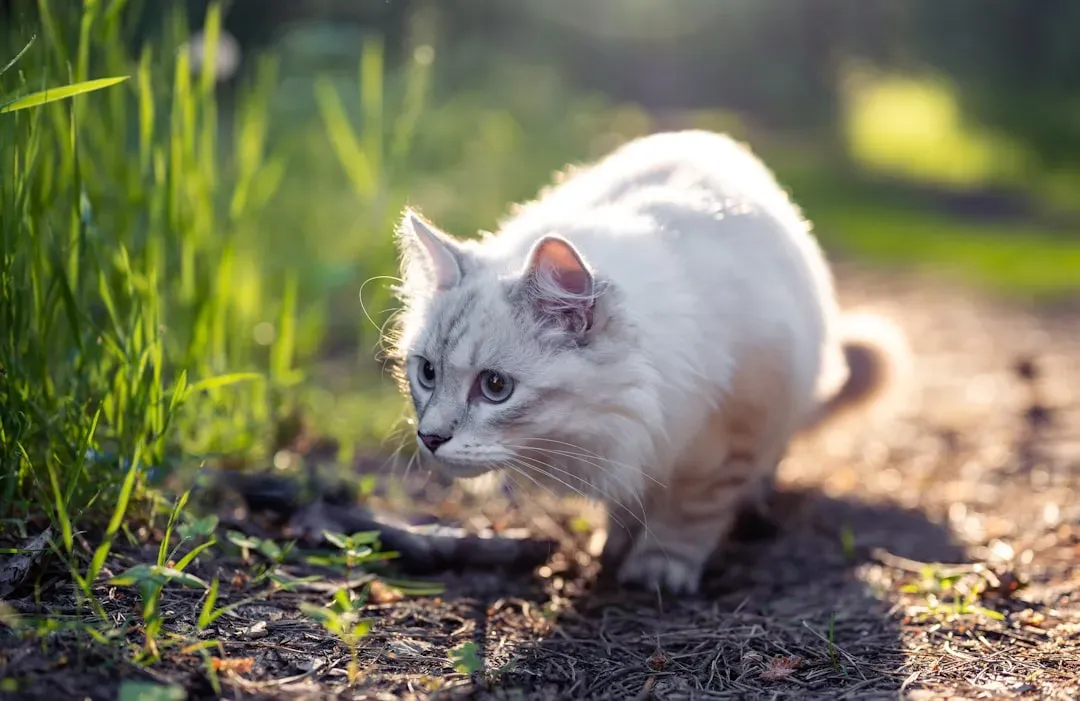
Most people think of hunting as something wild animals do, not the creature curled up on your sofa. Here’s the thing though: cats have been part of human households for centuries, and their stealthy nature allows them to silently stalk and pounce on unsuspecting pests, such as mice and insects. That’s not a quirk. That’s thousands of years of finely tuned instinct walking through your kitchen every morning.
Beyond their undeniable charm and companionship, cats play a practical role in homes that often goes unrecognized. With instincts honed over thousands of years, cats act as silent yet highly effective guardians against unwanted pests, using their keen senses and hunting prowess to deter and eliminate intruders. Honestly, when you frame it that way, your cat starts to sound a lot less like a pet and a lot more like a security contractor who also happens to nap twelve hours a day.
The Scent Your Cat Leaves Behind Is Basically a Biological Alarm System
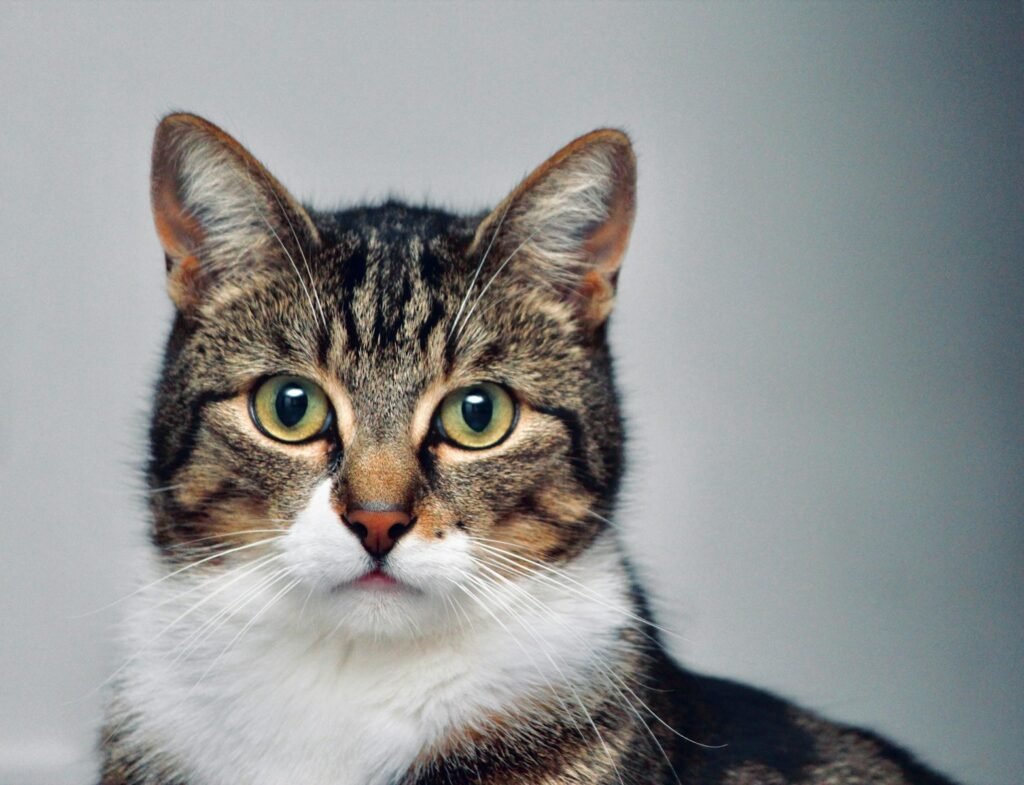
As cats move through your home, they leave behind a reassuring scent that marks their territory. This scent, imperceptible to humans, is a powerful deterrent to rodents and other small pests. The pheromones in a cat’s scent signal to these creatures that a predator is nearby, discouraging them from settling in. Think of it like a “no trespassing” sign that only rodents can read.
The mere presence of a cat in a territory can significantly impact the behavior of mice. Cats are territorial animals, and they use scent marking to communicate their dominance in an area. These scent markers can serve as a warning to mice, signaling that a predator is nearby. You don’t need traps or poison in the walls. Your cat’s daily routine of rubbing against furniture and exploring every corner is already doing the work for you.
Cats Monitor Entry Points With Remarkable Precision
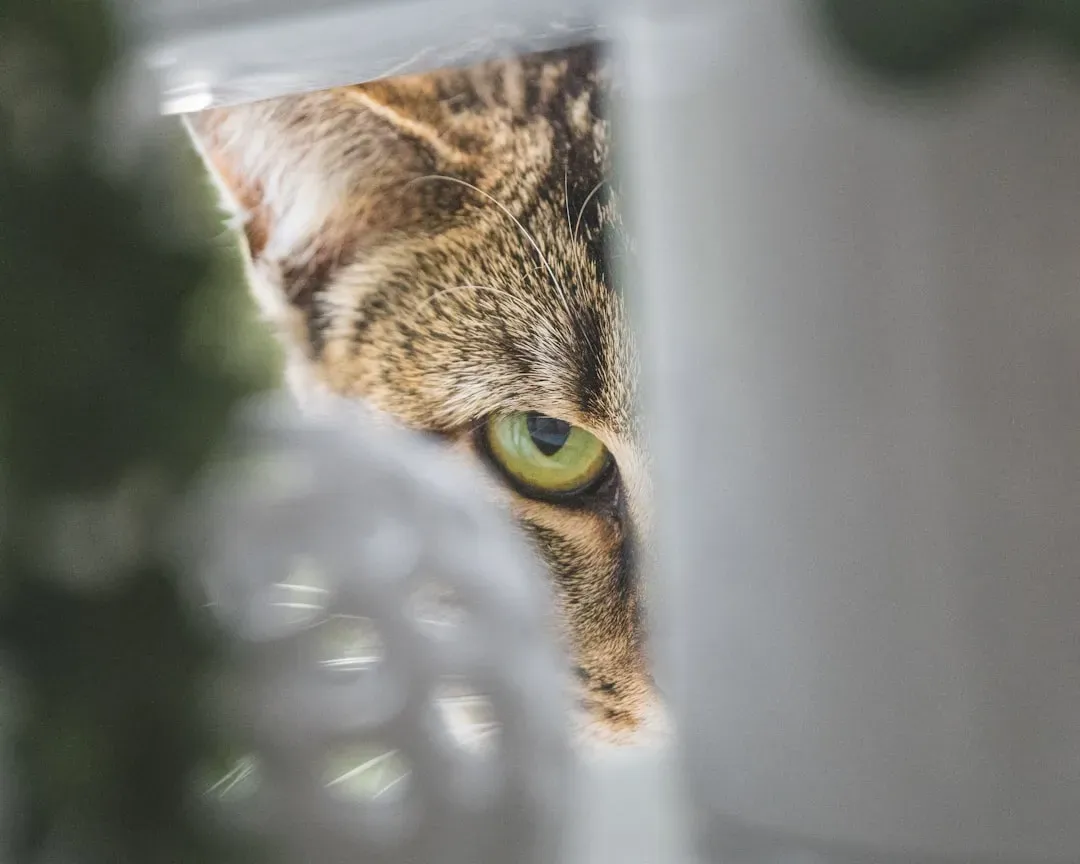
By observing common entry points, cats provide an additional layer of security against pests. Their keen senses alert them to even the slightest movement, making them effective guardians of your home’s perimeters. You’ll often notice your cat hanging out near doors, windows, or gaps in the baseboards. That’s not random. That is a deliberate, instinct-driven choice.
In the realm of pest control, cats take on the role of the pest patrol, vigilantly monitoring their domain for any signs of intruders. This patrol duty is an intrinsic part of their daily routine, as they traverse their territory with a keen eye and a sharp ear, ready to address any pest problem that arises. Their patrols are not just for show; they serve as an effective means of keeping pests at bay. By regularly inspecting key areas such as kitchens, basements, and attics, cats help ensure that these spaces remain free from unwanted guests. Your cat is essentially doing the home inspection you never hired a professional for.
Those Sharp Senses Can Detect Danger Before You Ever Notice It
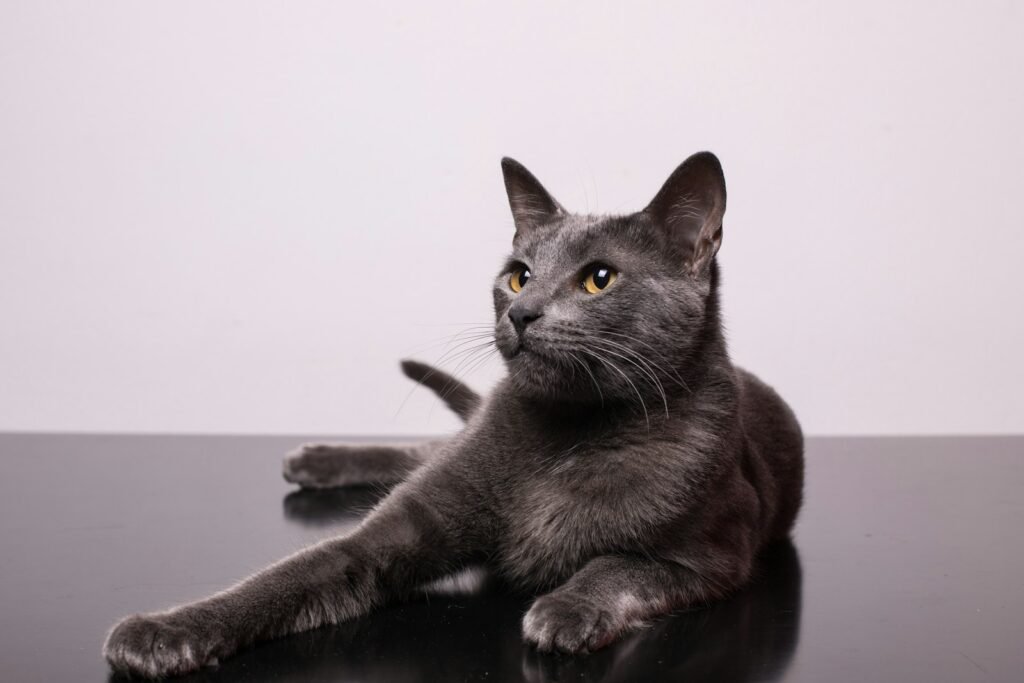
Cats have acute hearing and night vision; they notice subtle movements and unfamiliar sounds earlier than many humans. It’s hard to say for sure just how far this capability extends, but consider how often your cat suddenly freezes, stares at a wall, or reacts to something you can’t hear or see. That is not drama. That is biology at work.
Cats can hear frequencies that humans cannot, detect subtle changes in air pressure, and pick up on the slightest vibrations. These keen senses allow cats to respond quickly to potential threats, whether it’s an intruder in the house or a thunderstorm on the horizon. Think of your cat as a living sensor array that also occasionally demands belly rubs. The two functions are not mutually exclusive.
Your Cat Will Actually Alert You When Something Is Wrong
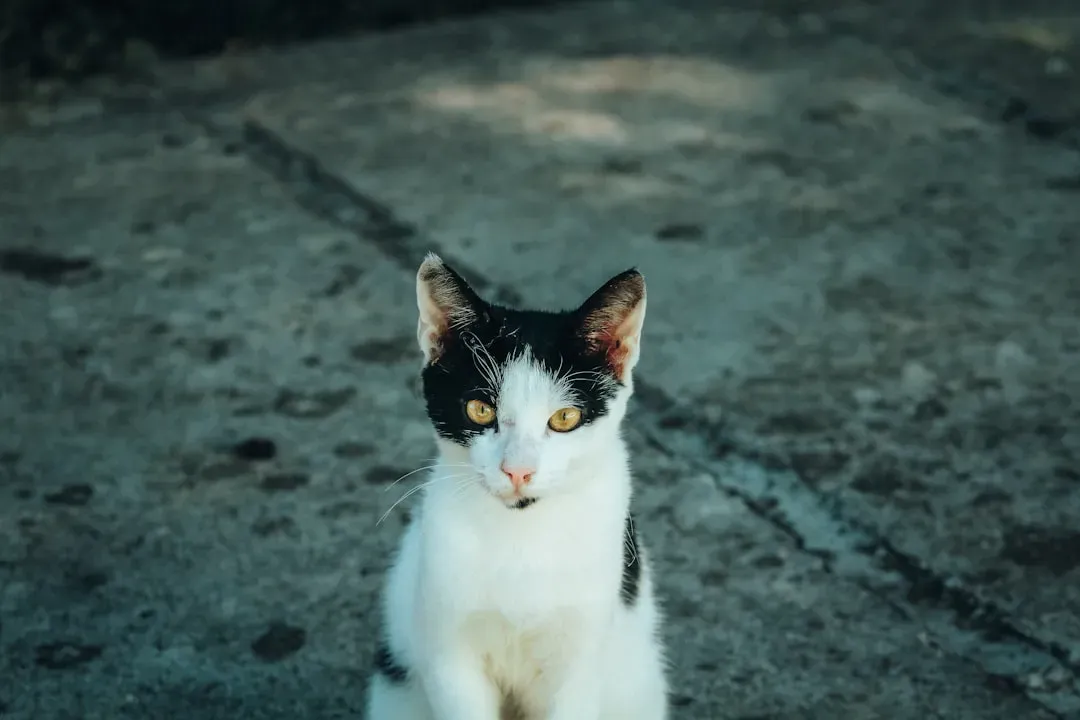
Cats are incredibly attuned to their surroundings and can pick up on potential threats long before humans can. If they sense someone or something suspicious, they may meow, hiss, or growl to alert you to the potential danger. A cat’s warning can give you valuable time to take action and protect yourself. This is not exaggerated, either. There are well-documented real-world cases of cats detecting gas leaks and waking their sleeping owners before serious harm occurred.
Some cats have been known to warn their owners of impending danger. There have been countless stories of cats waking up their owners in the middle of the night to alert them to a fire or carbon monoxide leak. These feline heroes have saved countless lives thanks to their protective instincts. It’s the kind of thing you dismiss until it actually happens to you. Then you never underestimate a cat again.
Cats Guard the People They Love While They Sleep
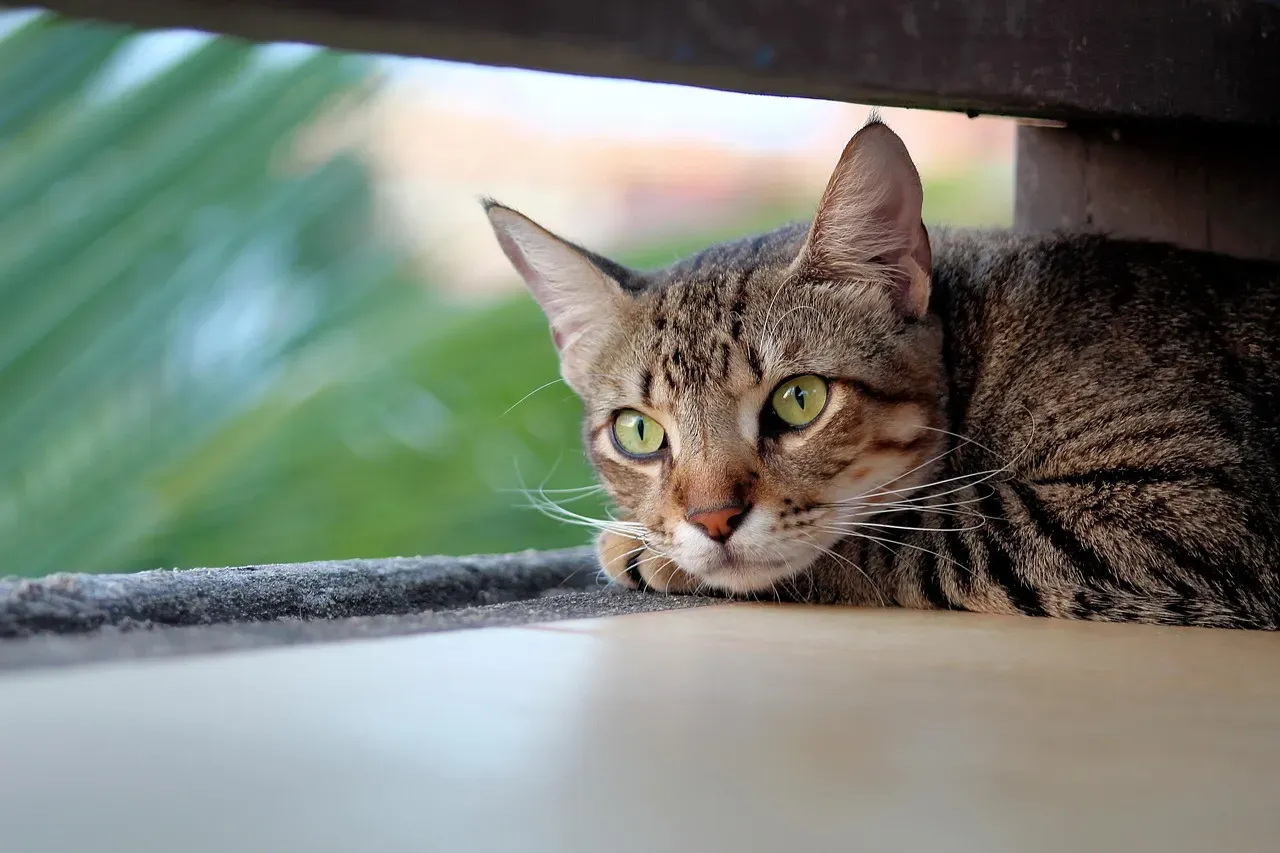
Cats guarding doors often consider you as part of their family and territory. Cats in the wild watch over each other by guarding sleeping or vulnerable group members. Your cat views your bedroom as your sanctuary or safe zone, and by guarding the door, it aims to ensure that no other animals or intruders bother you while you’re resting. This behavior signifies your cat’s bond with you and its protective instincts. That little creature sitting outside your door at 3 AM isn’t being annoying. It’s being a guardian.
After you fall asleep, your cat may “patrol” your home, checking each room for any unusual activity. They may walk lightly or jump onto the windowsill to check the situation outside, faithfully playing the role of “home guardian.” While you sleep, your cat is on high alert, monitoring any potential threats and ready to defend their domain. That’s a loyalty most people never give their cats credit for.
Cats Are Crepuscular Creatures, Which Means They Are Active When Threats Are Too
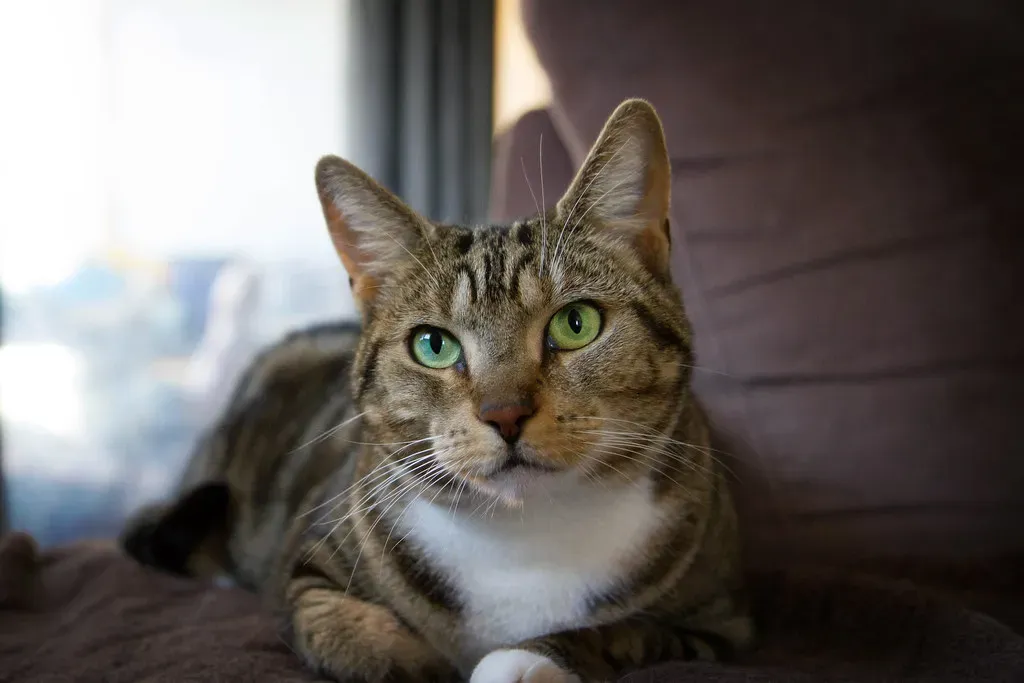
Cats are crepuscular, which means they are most active at dawn and dusk. This is not a coincidence in nature. Dawn and dusk are precisely when small pests, rodents, and other animals are also at peak activity. Your cat’s biological clock is perfectly synced to catch what your home security system might completely miss.
Cats are territorial animals, and an indoor cat at nighttime may be triggered to feel the need to patrol its territory, your home. It might be checking for any changes in its environment, ensuring everything is as it should be. Cats thrive on predictable and routine behavior in their territory, and this behavior is a natural extension of their instinct to protect their zone from threats. In other words, when your cat seems restless in the early hours, it’s not a problem. It’s a feature.
A Cat’s Territorial Nature Actively Repels Unwanted Animals
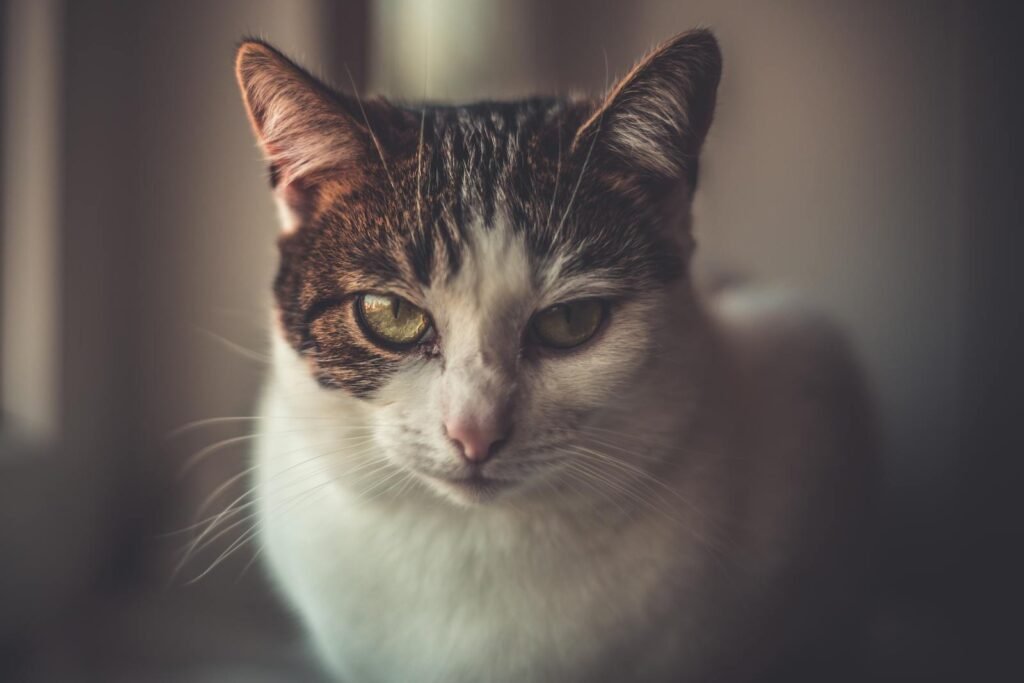
Cats’ mere presence can be a significant deterrent, with rodents often avoiding areas marked by feline activity. This natural avoidance behavior underlines the cat’s role in dealing with a pest issue before it escalates. The beauty of this is that your cat doesn’t even have to physically hunt anything. Its existence in your home is already working around the clock as a deterrent.
The mere presence of cats on a property is a strong deterrent to rodents, who perceive the marked territory as hazardous. Additionally, adopting multiple cats encourages feline teamwork, which has proven to be exceptionally effective in maintaining low rodent numbers. Let’s be real: that’s more efficient than most commercial pest control solutions, and it comes with purring as a bonus.
Cats Can Sense Natural Hazards and Environmental Changes
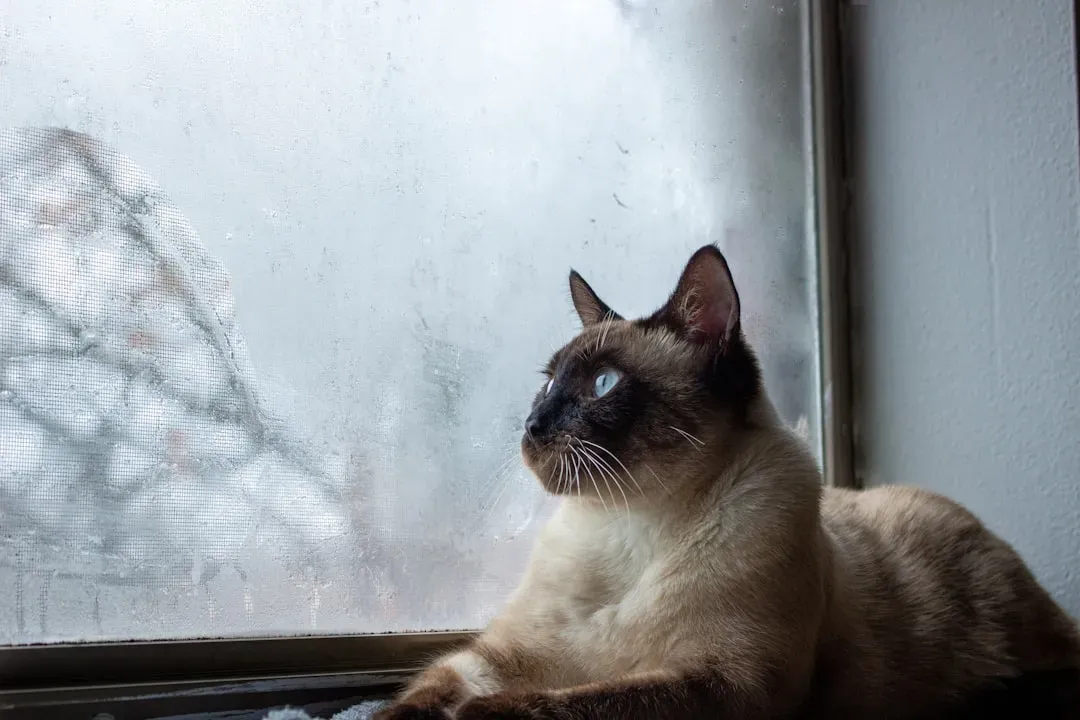
Cats have an uncanny ability to sense changes in the environment, making them sensitive to approaching storms and even natural disasters. Naturalist Konrad Lorenz suggested that cats perceive geomagnetic fields, or “energy nets” from the ground, enabling them to detect disturbances like storms, earthquakes, and tornadoes. That’s a genuinely remarkable capability for an animal most people think of as obsessed with napping and ignoring commands.
Experts believe that pets can sense the atmospheric pressure change as well as gravity change and ground deformation. All those underground tectonic movements, acoustic signals and vibrations, or micro cracks and tiny emission of chemical substances are the wind of change that can’t be sensed by humans but by animals. Your cat’s odd behavior before a storm or an unusual event is not random. It’s your living, breathing early-warning system doing exactly what nature designed it to do.
Cats Provide Emotional Security That Strengthens Your Sense of Safety at Home
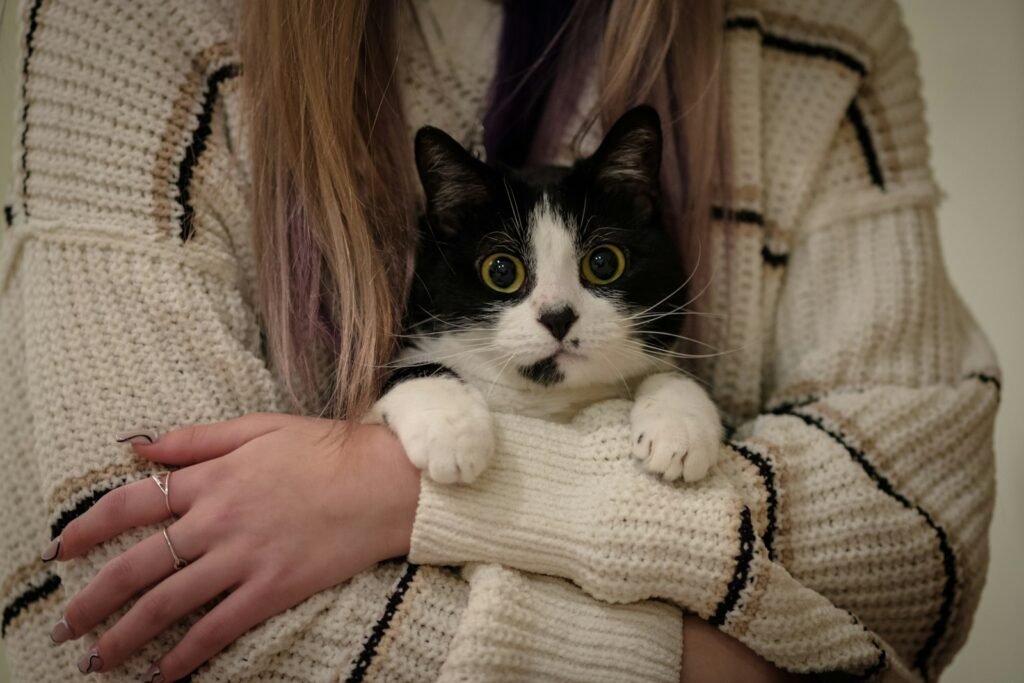
Cats can also protect their humans from emotional distress. Studies have shown that owning a cat can reduce stress and anxiety levels, lower blood pressure, and even decrease the risk of heart disease. This is because cats have a calming presence and can provide comfort and companionship to their owners. Home security isn’t purely physical. Feeling safe is just as important as being safe, and cats contribute to both.
Even if your cat doesn’t physically protect you, their presence alone can provide a sense of security. Studies show that living with a pet can lead to lower levels of perceived stress, anxiety, and fear. Simply knowing that your feline guardian is nearby can help you feel safer and more secure at night. There’s something quietly powerful about that. An animal that cannot speak a word to you still manages to say, without any doubt, that you are not alone in your home.
Conclusion
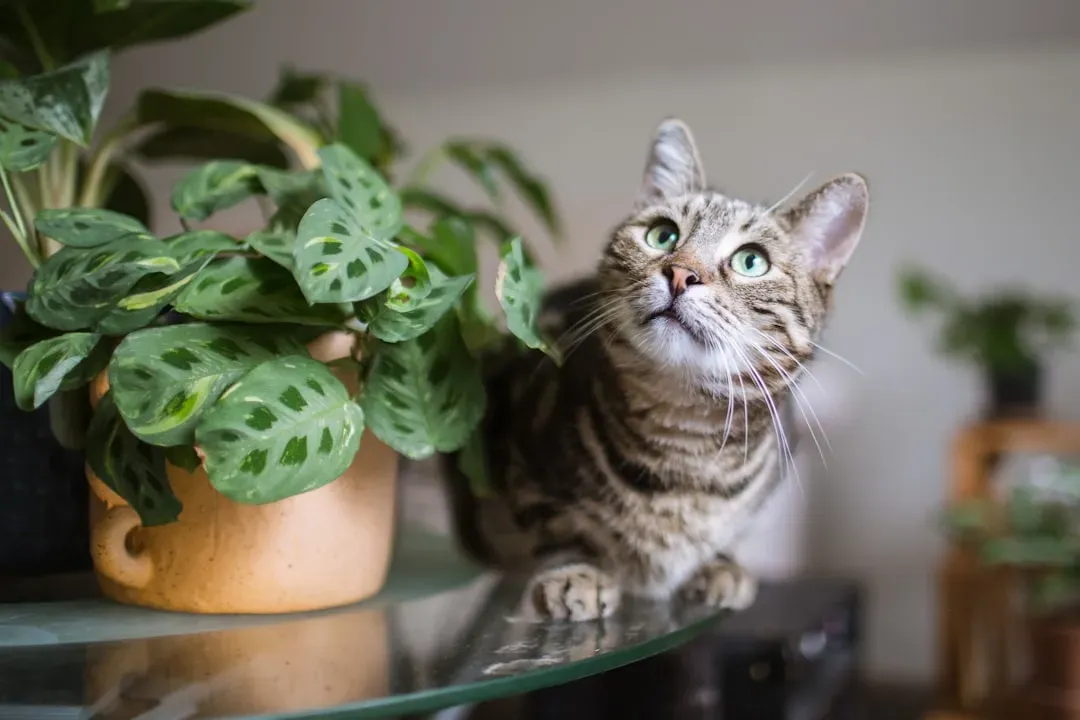
Your cat is not just a companion. It’s a pest controller, a perimeter guard, a hazard detector, an emotional anchor, and a night watchman all wrapped into one remarkably self-sufficient creature. The next time you catch your cat staring at the back door, sitting motionless by the window at dusk, or darting through the hallway at midnight, consider the possibility that it isn’t random behavior at all. It is thousands of years of protective instinct, playing out in real time, inside your home.
We tend to give dogs all the credit for loyalty and protection, and honestly, that’s a little unfair to cats. They protect differently, quietly, and with a dignity that never asks for recognition. So next time your cat gives you that slow, half-lidded blink from across the room, know that it means something. It means you have a guardian, and it’s been on duty since the day it walked through your door.
Does your cat do something that, in hindsight, was more protective than you first realized? Tell us your story in the comments below.