There is a quiet moment you have probably experienced but maybe never fully understood. Your cat wanders into the room, surveys the space like a small detective, and then, without any apparent reason, decides to sit directly on you. Not beside you. Not near you. On you. That is not random. That is a decision. Cats have spent thousands of years earning their reputation as independent, self-reliant creatures who tolerate human company at best. Turns out, science tells a very different and far more surprising story.
The idea that cats are aloof and emotionally distant is one of the most persistent myths in the modern pet world. Cats have a reputation for being aloof and independent, yet a study of the way domestic cats respond to their caregivers suggests that their socio-cognitive abilities and the depth of their human attachments have been significantly underestimated. What you are about to read will likely change the way you look at your cat, and maybe even the way your cat looks at you. Let’s dive in.
Your Cat Has Already Decided How Much It Trusts You
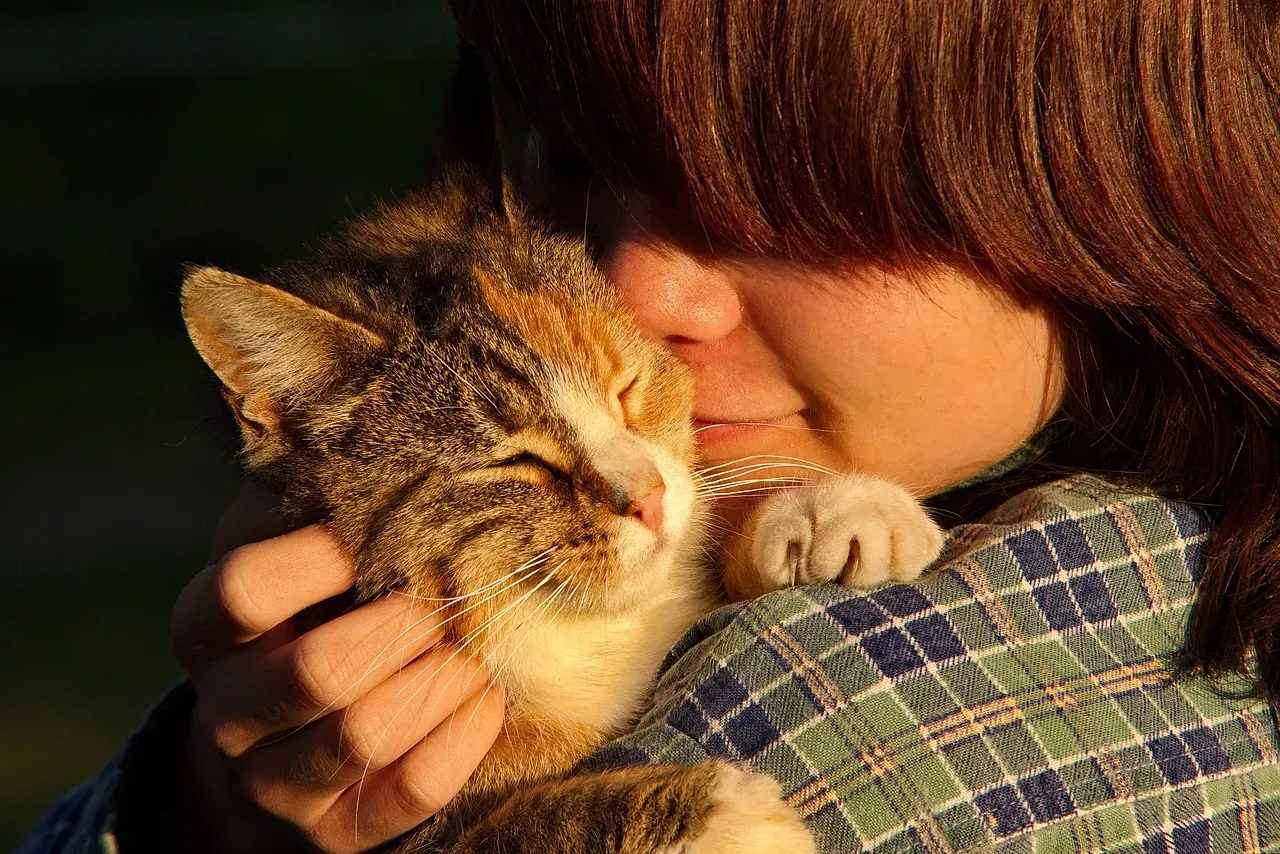
Here is something that will genuinely surprise you. The bond your cat has with you is not just emotional fluff. It mirrors the kind of attachment that human infants form with their caregivers. Research from Oregon State University found that pet cats form attachments with their human owners similar to the bonds formed by children and dogs with their caretakers, and it was the first time researchers empirically demonstrated that cats display the same main attachment styles as babies and dogs. That is not a small finding. That is a fundamental shift in how we understand feline relationships.
Distinct attachment styles were evident in adult cats, with a distribution similar to the kitten population, roughly two thirds classified as securely attached and one third as insecurely attached. Think of it this way: just like some people are naturally more trusting and open in relationships while others are more guarded and anxious, your cat operates on the exact same emotional spectrum. The cat that greets you at the door every evening is not performing a trick. It is expressing something deeply biological.
The Science Behind Why Your Cat Sees You as a Safe Base
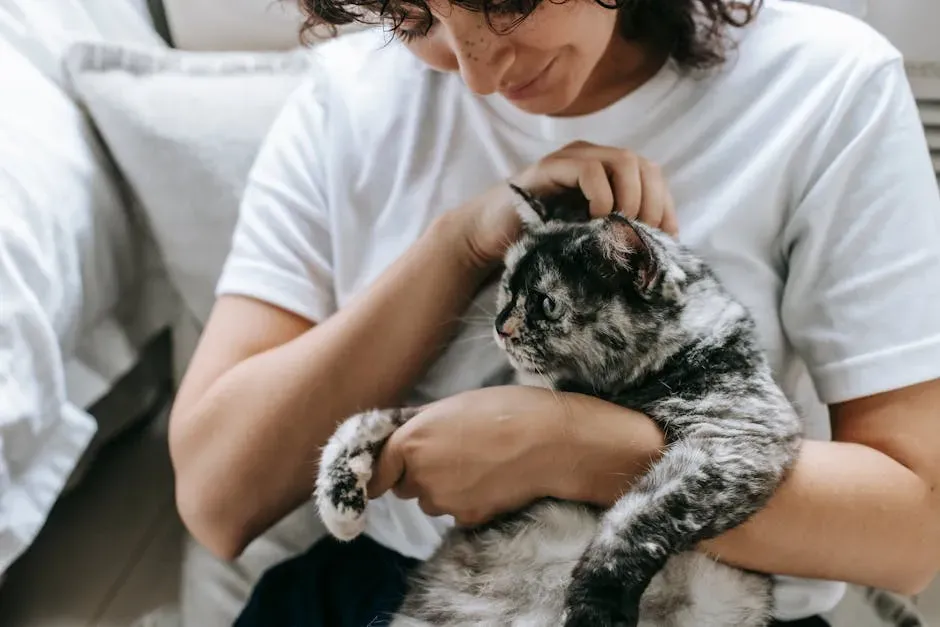
The concept of a “secure base” is borrowed directly from human developmental psychology, and it is just as real in cats as it is in toddlers. Securely attached cats display a reduced stress response and curiously explore the room while checking in periodically with their owners for attention, while cats with an insecure attachment remain stressed after their owner returns and display behaviors such as clinging, avoiding, or switching between clingy and avoidance behaviors. Honestly, when you describe it that way, it sounds remarkably human.
The majority of cats use their owner as a source of security, and your cat depends on you to feel secure when they are stressed out. Your presence is not just comforting to your cat. It is regulating. When your cat chooses to sit near you during a thunderstorm or retreats to your bedroom during a chaotic moment, that is not coincidence. That is your cat leaning on you the way a child leans on a parent. The bond runs genuinely deep.
Cats Actually Prefer Your Company Over Food
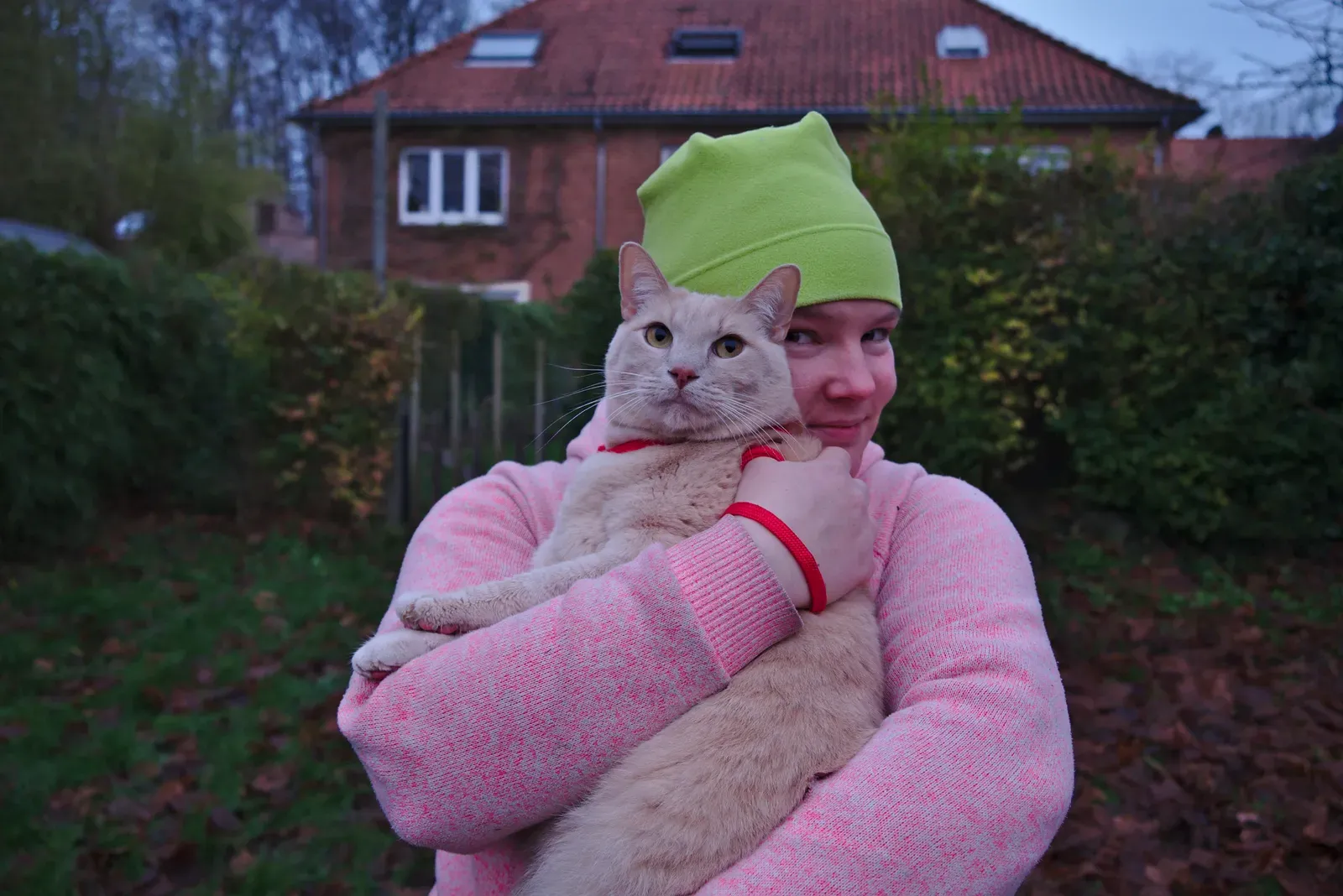
Let’s be real. Most people assume cats are fundamentally motivated by food. That assumption is one of the most delicious misconceptions in pet ownership. Although there was clear individual variability in cat preference, social interaction with humans was the most-preferred stimulus category for the majority of cats, followed by food, and this was true for cats in both the pet and shelter population. Read that again. Given a free choice between a meal and a person, most cats chose the person.
In a 2017 study, the majority of both pet and shelter cats preferred interacting with a person over eating food or playing with a toy, and research has also found that cats adjust their behavior according to how much attention a person gives them. That second part is crucial. Your cat is not passive in this relationship. It is actively reading your cues and responding to how present or absent you are. Your engagement directly shapes how your cat behaves around you. That is a two-way street, not a one-way food dispensary.
The Slow Blink Is Your Cat Saying “I Choose You”
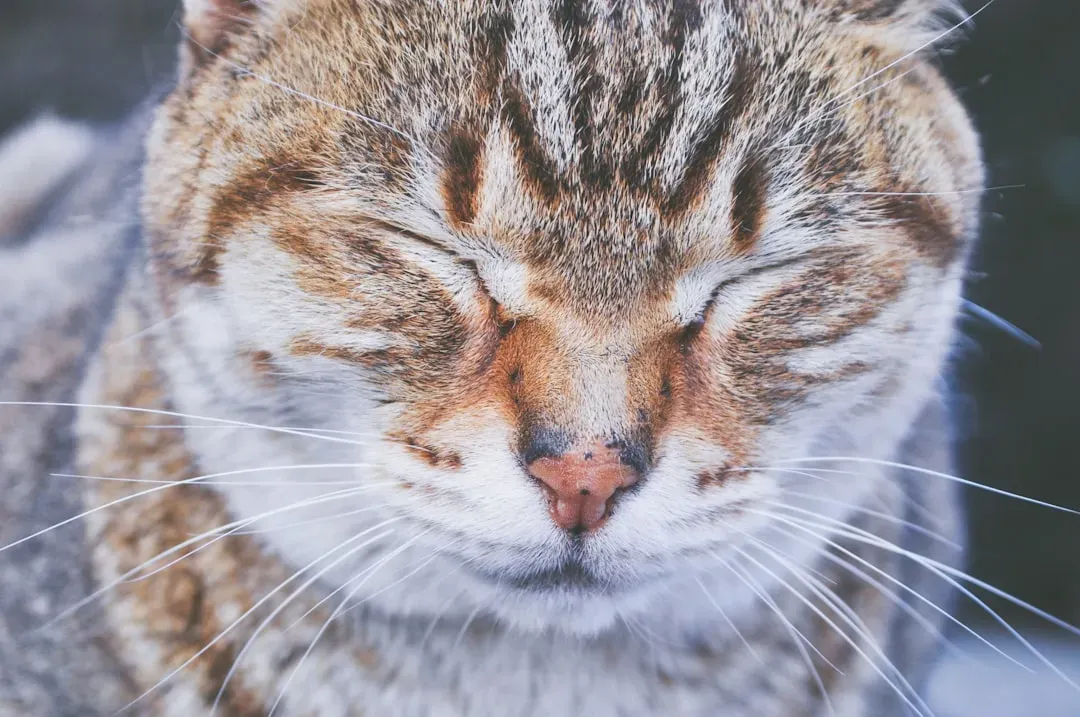
If you have ever locked eyes with your cat and watched them slowly close and reopen their eyes, you witnessed something meaningful. The slow blink sequence is a widely studied cat behavior that involves eye narrowing, and experiments revealed that cat half-blinks and eye narrowing occur more frequently in response to an owner’s slow blink stimuli toward their cats compared to situations with no interaction. In other words, they are responding to you. They are actually answering you in their own language.
In a second experiment, where an experimenter provided the slow blink stimulus, cats had a higher propensity to approach the experimenter after a slow blink interaction than when the experimenter had adopted a neutral expression. So the slow blink is not just something cats do. It is something you can do back, and your cat will respond. When cats feel relaxed and content, they naturally narrow their eyes and blink slowly, a facial expression that closely resembles the soft squint humans make when smiling, which is a cat’s way of expressing friendliness and trust. That tiny gesture is your cat’s version of a warm smile.
Your Cat Is Reading Your Emotions Right Now
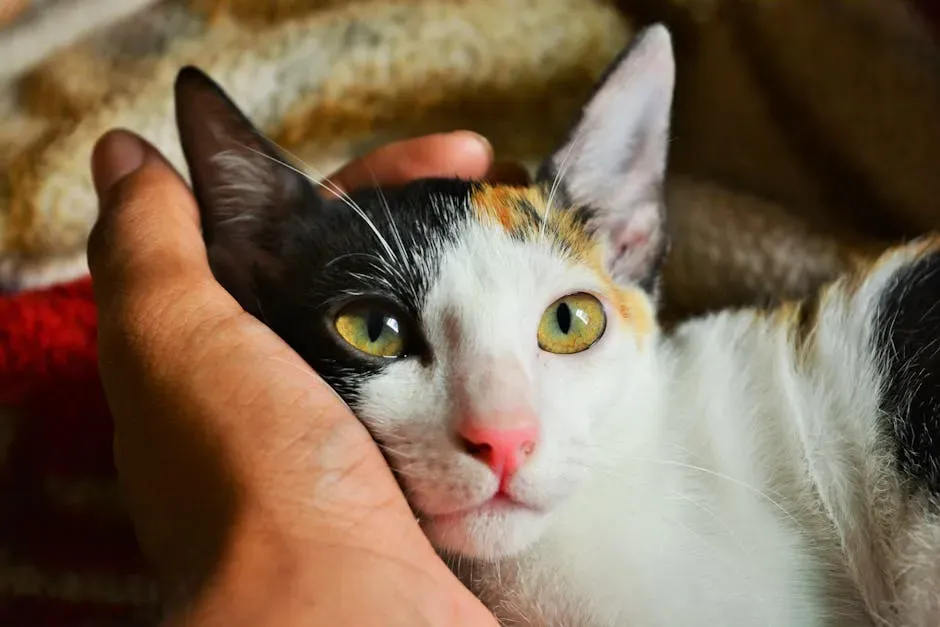
You might think your cat is ignoring your mood entirely. The research says otherwise. Cats discriminate their owner’s emotional reaction toward an unfamiliar object and adjust their behavior accordingly, expressing more positive behaviors and spending a longer time in contact with their owner when they appeared happy, whereas they displayed less positive behaviors in response to the owner’s angry expression. Your cat is watching you. Constantly. Quietly calibrating its behavior based on what it reads from your face and body.
Recent studies have shown that cats are far more attuned to their human companions than previously believed, and they often mirror their owners’ personalities and can even pick up on emotions like sadness. Think about that the next time you are having a rough day and your cat inexplicably plants itself on your lap. Human emotional states appear to influence human-directed social behavior in cats, who engage in more head and flank-rubbing behavior toward owners in a depressed mood. Your cat is not being clingy. It is being empathetic.
Early Experience Shapes Whether Your Cat Chooses You at All
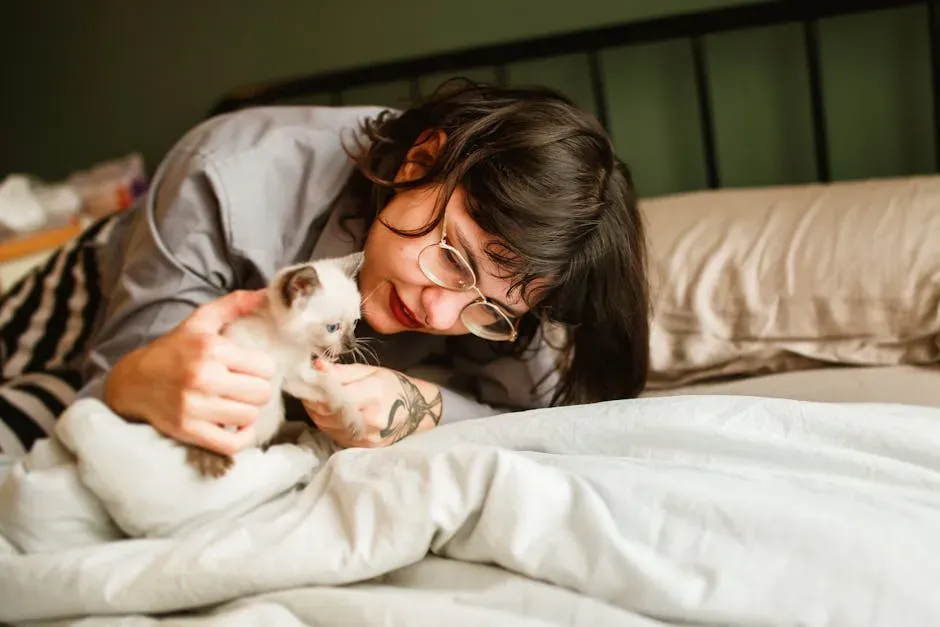
Here is where things get genuinely fascinating from a developmental standpoint. The foundation for a cat’s willingness to bond with you is laid incredibly early in life, during a window that most people do not even know exists. Researcher Eileen Karsh was the first to experimentally determine the sensitive phase of kittens for socialization to humans, finding that kittens handled frequently by humans during their second to mid-seventh week of age become friendly and trusting of people and remain so throughout their later lives. That is a remarkably short window with remarkably long-lasting consequences.
Whether or not cats are able to form a bond with humans is influenced by early life experience, and proper socialization is an important component to forming bonds. If a cat does not receive social experiences with humans, especially early on during a sensitive period between 4 and 8 weeks old, it may be extremely difficult for them to bond to a human, or they may never be able to do so. This explains so much. That aloof rescue cat who never fully warms up is not broken or cold. It simply missed a developmental window. It is a heartbreaking reality, not a character flaw.
The Oxytocin Connection: Your Cat Bonds With You Chemically
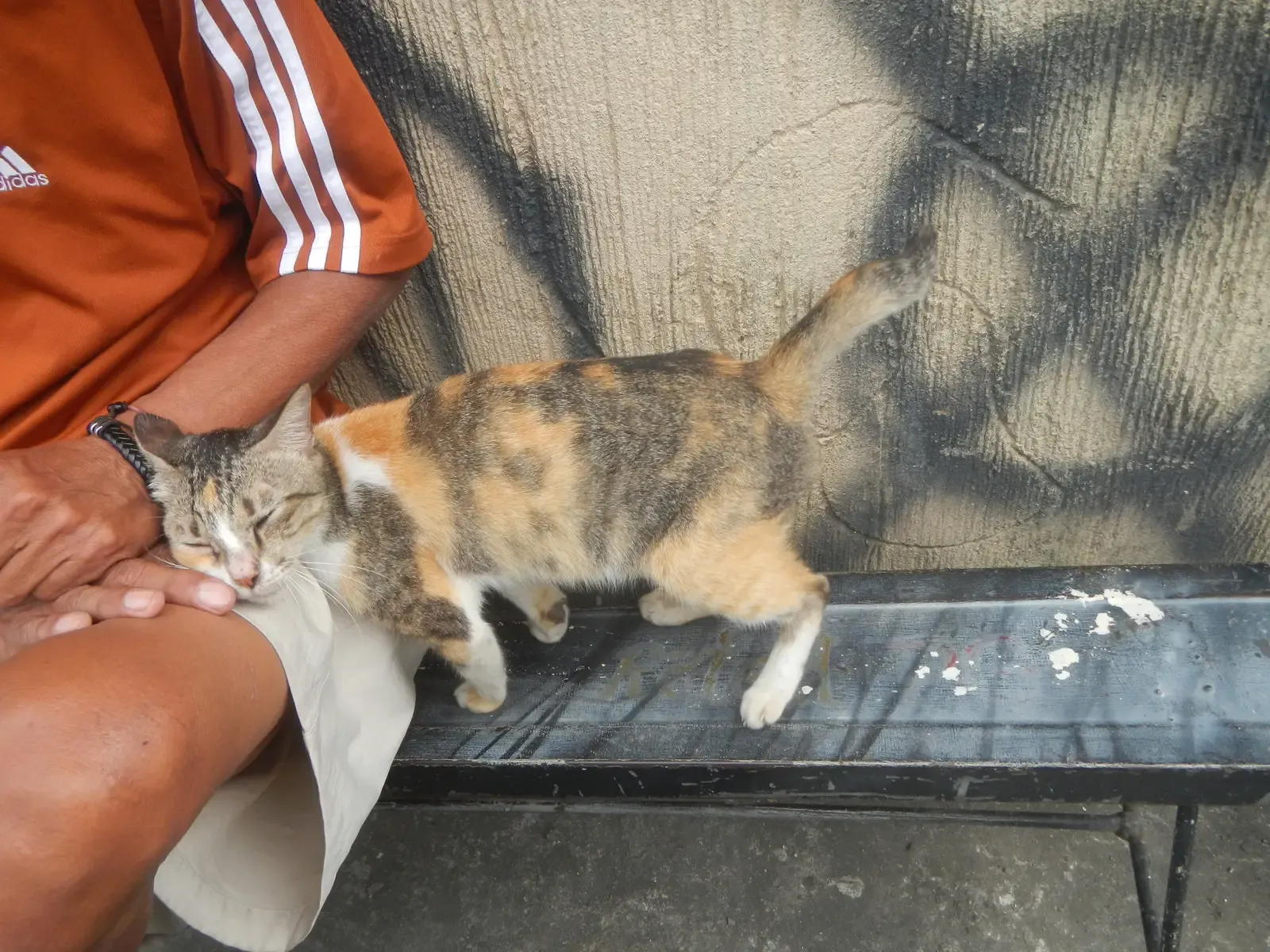
Oxytocin is often called the “love hormone” in humans. Turns out, it plays a meaningful role in the cat-human relationship too, though researchers are still working out the full picture. Oxytocin has become an important central regulator in promoting social affiliation and attachment security, and it has been suggested to mediate the formation of emotional bonds between owners and pets and promote the physical and mental benefits of owner-pet interaction for both parties. Both parties. That means you and your cat.
Research results suggest that cats recognize the social interaction with humans as important, supported by the ability to quantify oxytocin concentrations in cat urine following social contact. I think that is one of the most quietly remarkable findings in animal science. Research has shown that when cats interact with their owners, both parties experience an increase in oxytocin levels, and this hormone release fosters a sense of trust and attachment between cat and human. You are literally bonding on a chemical level every time your cat nuzzles you or curls up beside you. Science confirmed what cat owners have always felt.
How Cats Actually Initiate Interaction With You
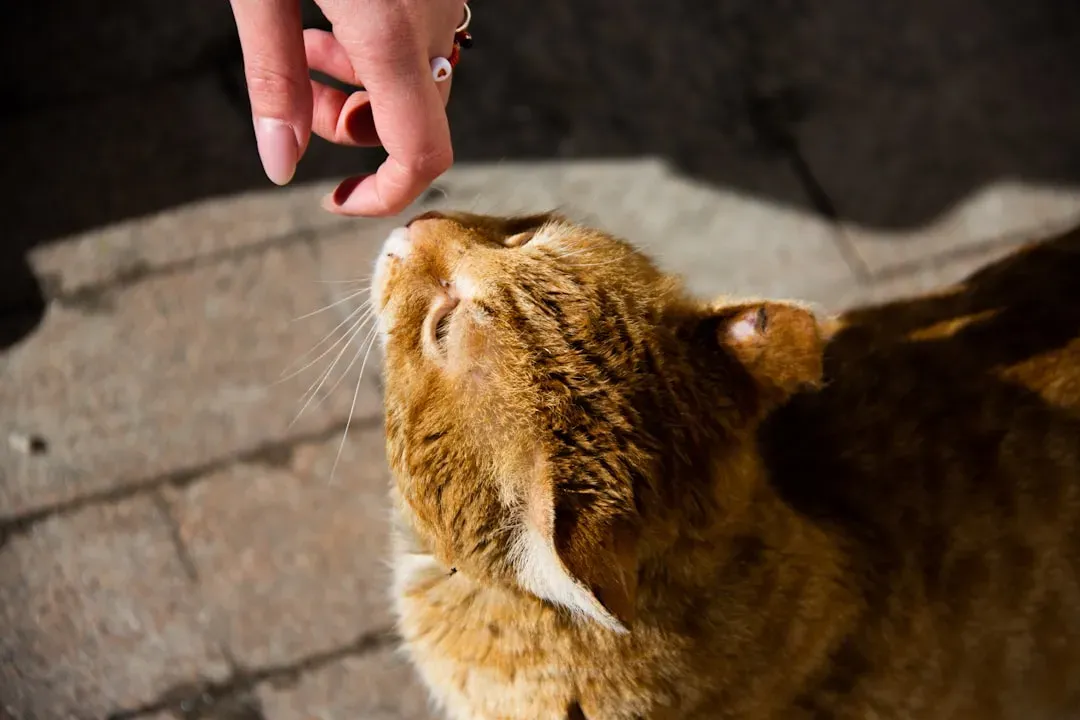
One of the most overlooked truths about cats is that they are not passive recipients of human affection. They are active initiators. The agency of a social interaction like fetching lies predominantly with the cat, who is largely in control of the session and determines how they wish to participate, and owners who are receptive to their cat’s initiation attempts may have stronger bonds with their cats. That receptivity matters enormously, and it goes both ways.
The initiation and the initiator of social interactions between cats and humans have been shown to influence both the duration of the interaction and total interaction time in the relationship, and compliance with the interactional wishes of the partner is positively correlated between cats and humans across all dyads examined. In plain language: when you respond to your cat’s overtures, your cat responds more to yours. It is a relationship that literally deepens through mutual respect and responsiveness, not unlike the best human friendships. Your cat is offering you a social contract, and whether you accept it shapes everything.
What Your Cat’s Behavior Is Actually Telling You Every Day
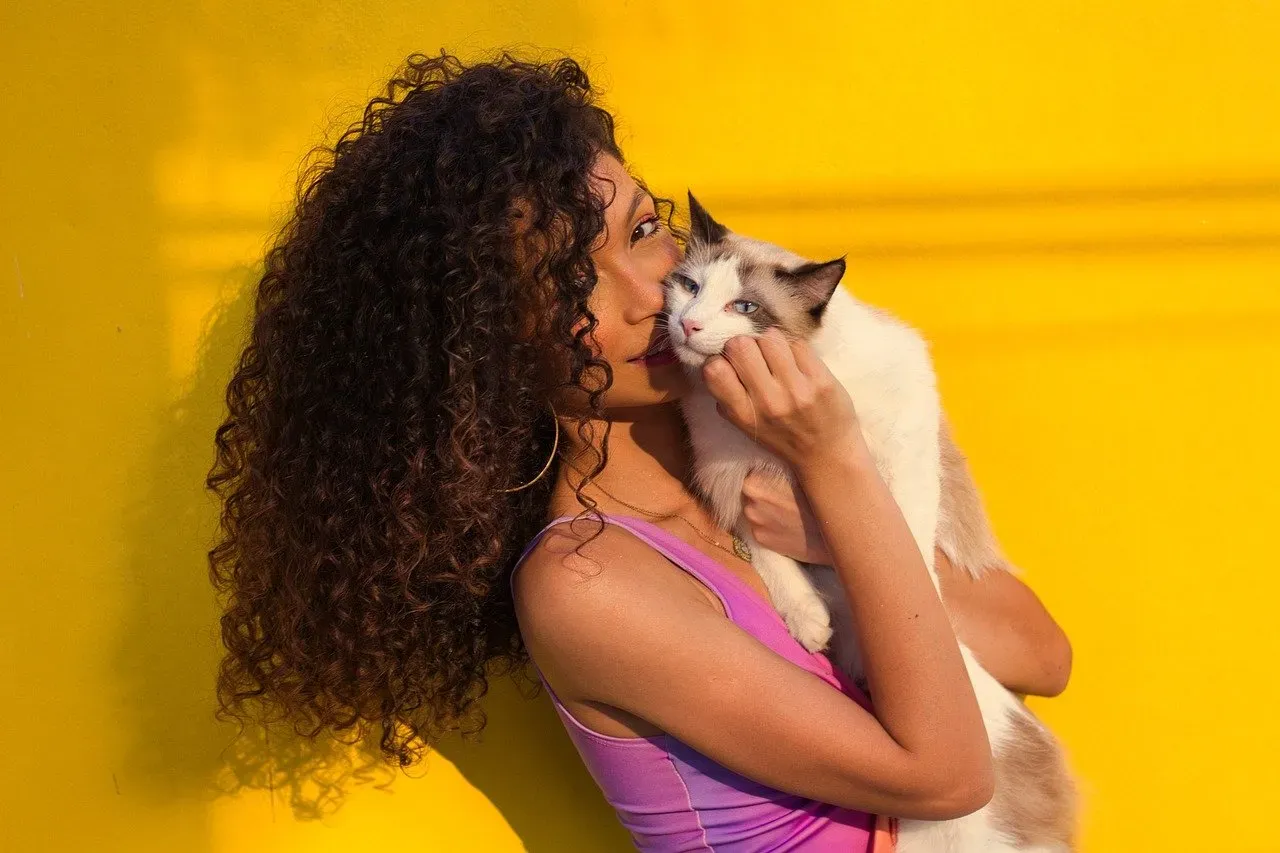
The signals are there. Most people just do not know how to read them. Cats who are attached to their humans will solicit attention by approaching with a tail held straight up, meowing or pawing at them, and they also tend to follow their owners from room to room. Purring and head rubbing are other signs that your cat enjoys your presence, and the slow blink, during which a cat stares at you and slowly closes its eyes, is widely recognized as a sign of affection. These are not random behaviors. They are a feline vocabulary for affection.
Many cats prefer human social interaction to other types of potential reward, and cats have the capacity to be highly sociable with humans and other cats and can form close bonds concurrently with both. The cat who follows you from the kitchen to the bedroom and then back to the kitchen is not bored or confused. It is choosing to spend time near you because it genuinely finds your company rewarding. Research has shown that cats can form secure attachments to their owners like infants with caregivers, and they recognize human emotions, read tone and gesture, and exhibit behaviors linked to empathy and social awareness. Your cat, in its own quiet and deliberate way, has chosen you.
Conclusion: The Choice Is More Real Than You Think
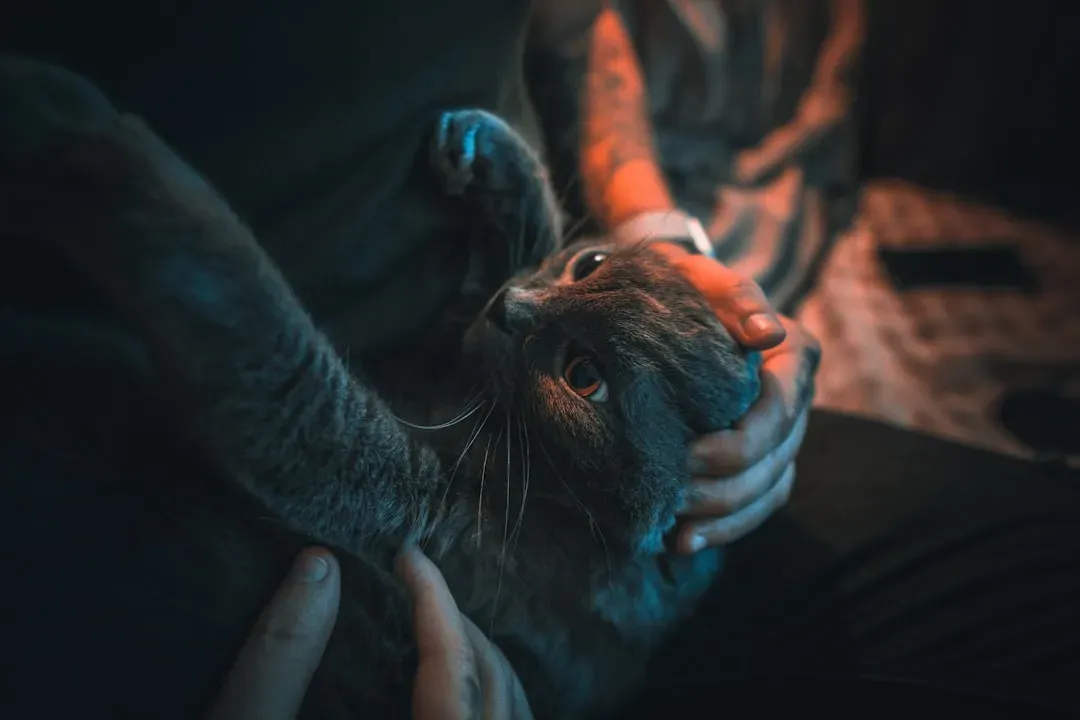
We have spent centuries misunderstanding cats, projecting independence onto them as a flaw or a cold trait. The science tells a warmer, richer, and far more interesting story. Your cat did not simply end up in your home by accident and then tolerate your presence. It formed an attachment. It reads your emotions. It prefers your company over food. It communicates affection through subtle signals you can learn and return. That is not tolerance. That is a relationship.
The next time your cat settles quietly beside you at the end of a long day, know that it is not doing so out of habit or coincidence. It is making a choice, shaped by biology, early experience, and the specific history the two of you have built together. That is genuinely something. What surprises you most about how deeply cats actually bond with the people they love? We would love to hear your thoughts in the comments.