Have you ever watched your cat deliberately walk past you, tail held high, only to circle back and settle precisely in your lap? There’s something deeply intentional about that moment. It’s not random. It’s not accidental. Your feline companion made a choice. Cats have long been misunderstood as aloof, indifferent creatures who tolerate human presence only for the promise of food and shelter. That outdated view is finally being challenged by science, personal experience, and a deeper understanding of what it means to share your life with a cat. The truth is far more profound than most people realize.
The Myth of the Solitary Cat Is Finally Crumbling
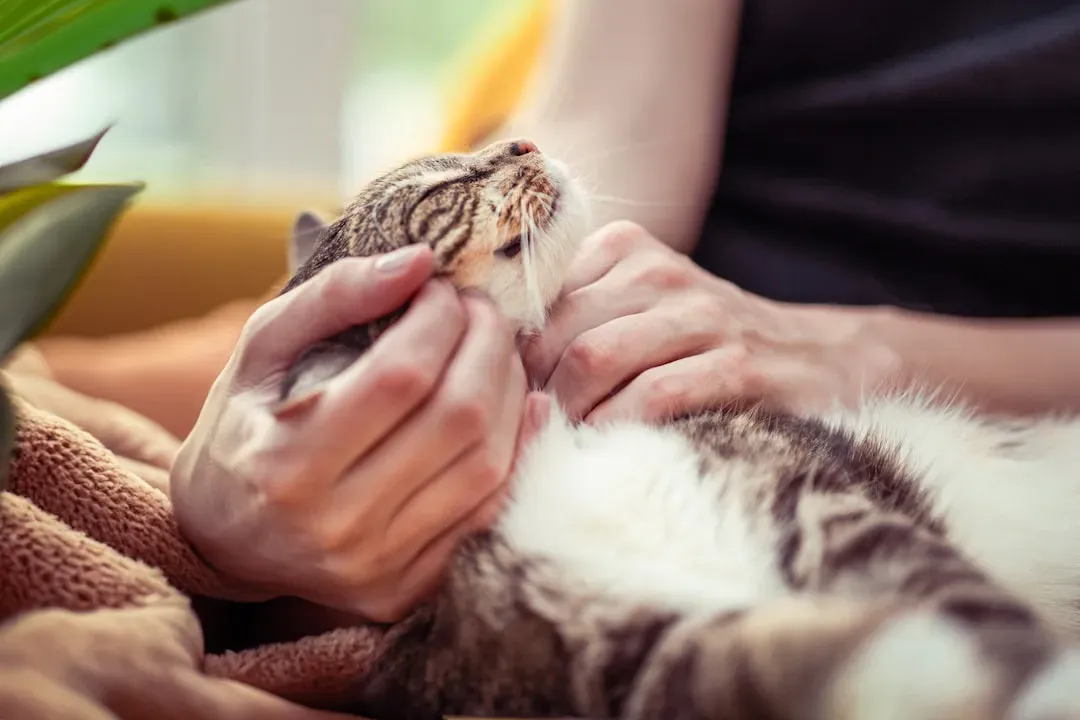
For decades, cats were labeled as solitary animals, creatures who preferred isolation over companionship. This belief stemmed from early biological assumptions and a lack of proper research into feline social structures. Research work has made it clear that while cats can survive in the solitary state, social groups with an internal structure are formed whenever there are sufficient food resources to support them. What this means is simple: cats possess the inherent capability to form relationships when conditions allow it.
Think about it. If cats were truly solitary by nature, they wouldn’t seek out your company, purr against your leg, or follow you from room to room. Cats were social, displaying group behavior in homes and feral cat colonies where they were seen being social all the time. These aren’t behaviors of animals who want nothing to do with you. These are the actions of beings who have decided you’re worth their time and affection.
Your Cat Sees You as More Than a Food Dispenser
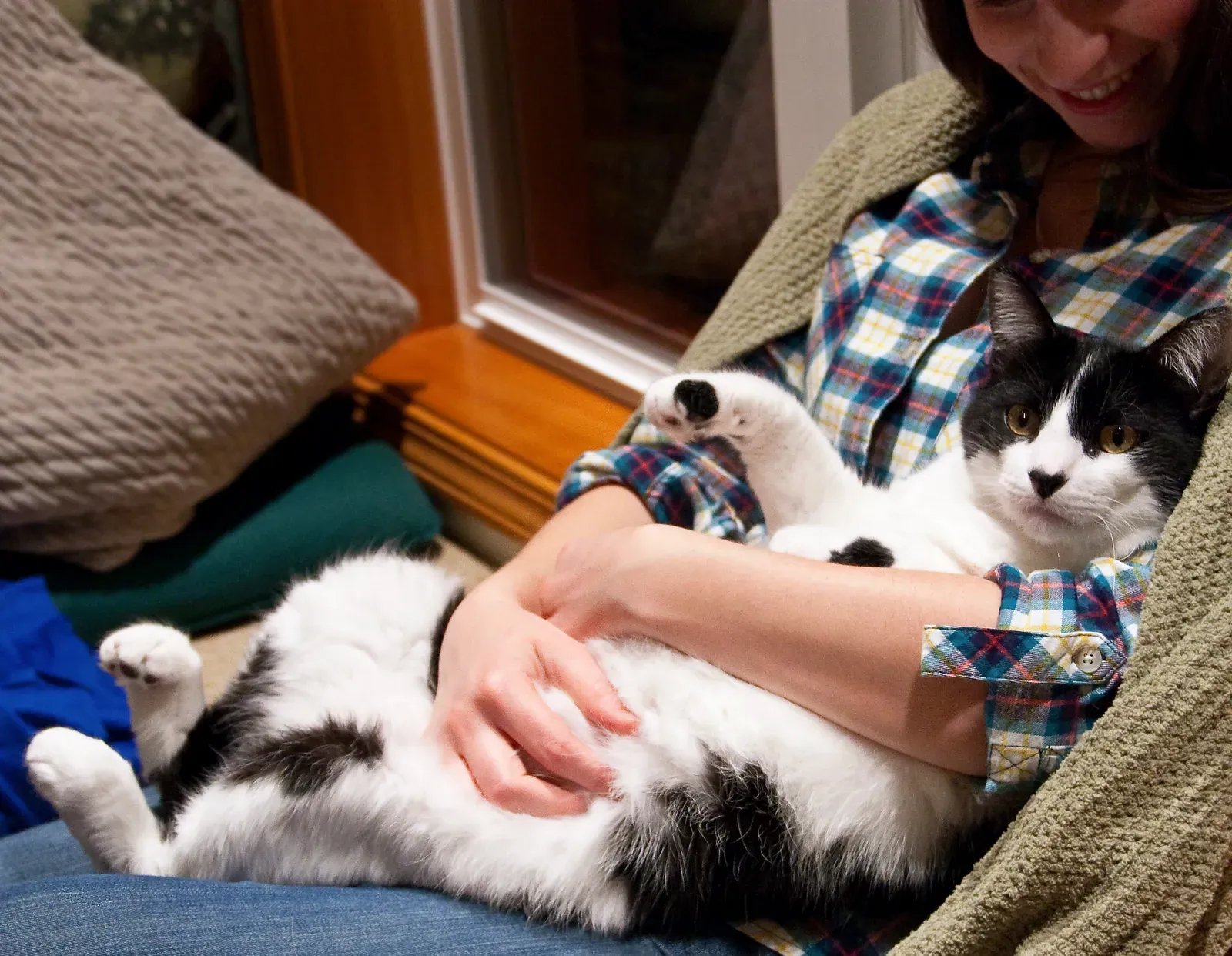
Here’s where things get interesting. A revealing study put cats in a room with four options: human interaction, food, toys, or interesting scents. What did most cats choose? Most cats chose interaction with humans. Food came in second. Let that sink in for a moment. Your cat would rather spend time with you than eat. That’s a pretty powerful statement about where you stand in their world.
This preference isn’t just about novelty or boredom. It reflects a genuine social bond. Cats have learned to value your presence, your attention, and your companionship as something meaningful. They’re not just tolerating you until dinner time. They’re actively seeking connection, choosing engagement over other basic needs.
Cats Form Secure Attachments Just Like Dogs Do
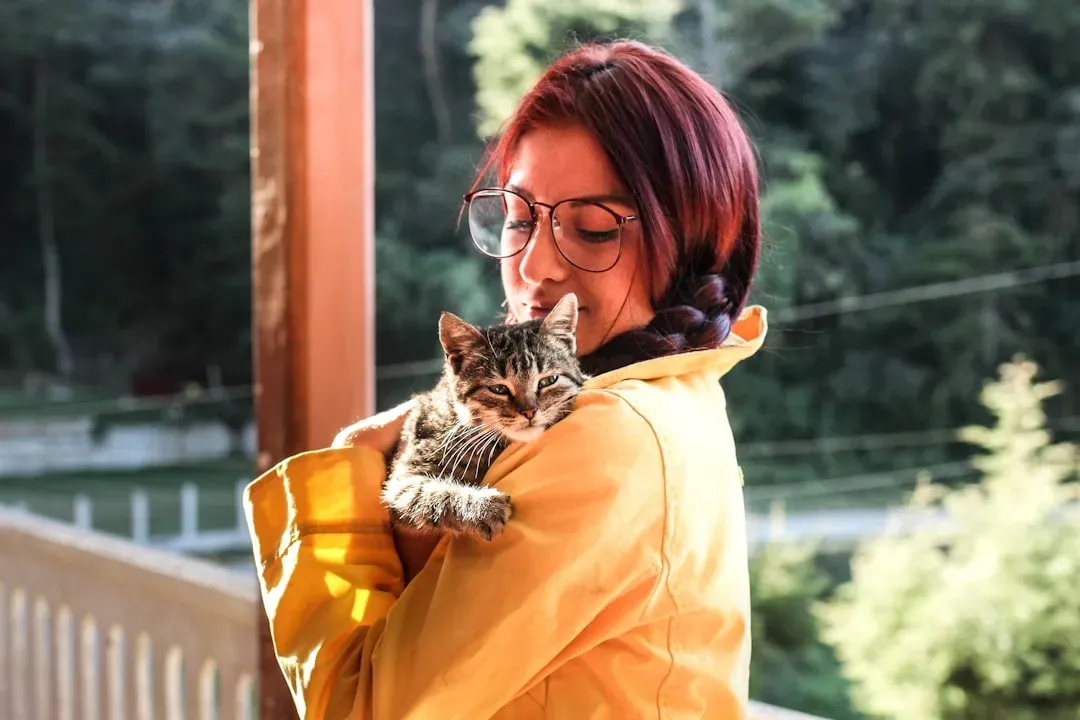
The comparison to dogs has always been unfair to cats. Dogs are celebrated as loyal companions while cats get dismissed as independent loners. Yet research using attachment theory has revealed something remarkable. About 65 percent of both cats and kittens were classified as securely bonded to their people. That percentage mirrors the secure attachment rates seen in human infants and dogs.
The majority of cats view their owners as a source of comfort and security just like dogs do. When your cat seeks you out during a thunderstorm or after a vet visit, they’re demonstrating trust. They see you as their safe haven. That’s not indifference. That’s deliberate reliance on someone they’ve chosen to trust with their vulnerability.
These attachment bonds aren’t fleeting either. The findings show that cats’ human attachments are stable and present in adulthood.
Multiple Relationship Types Exist Between Cats and Humans
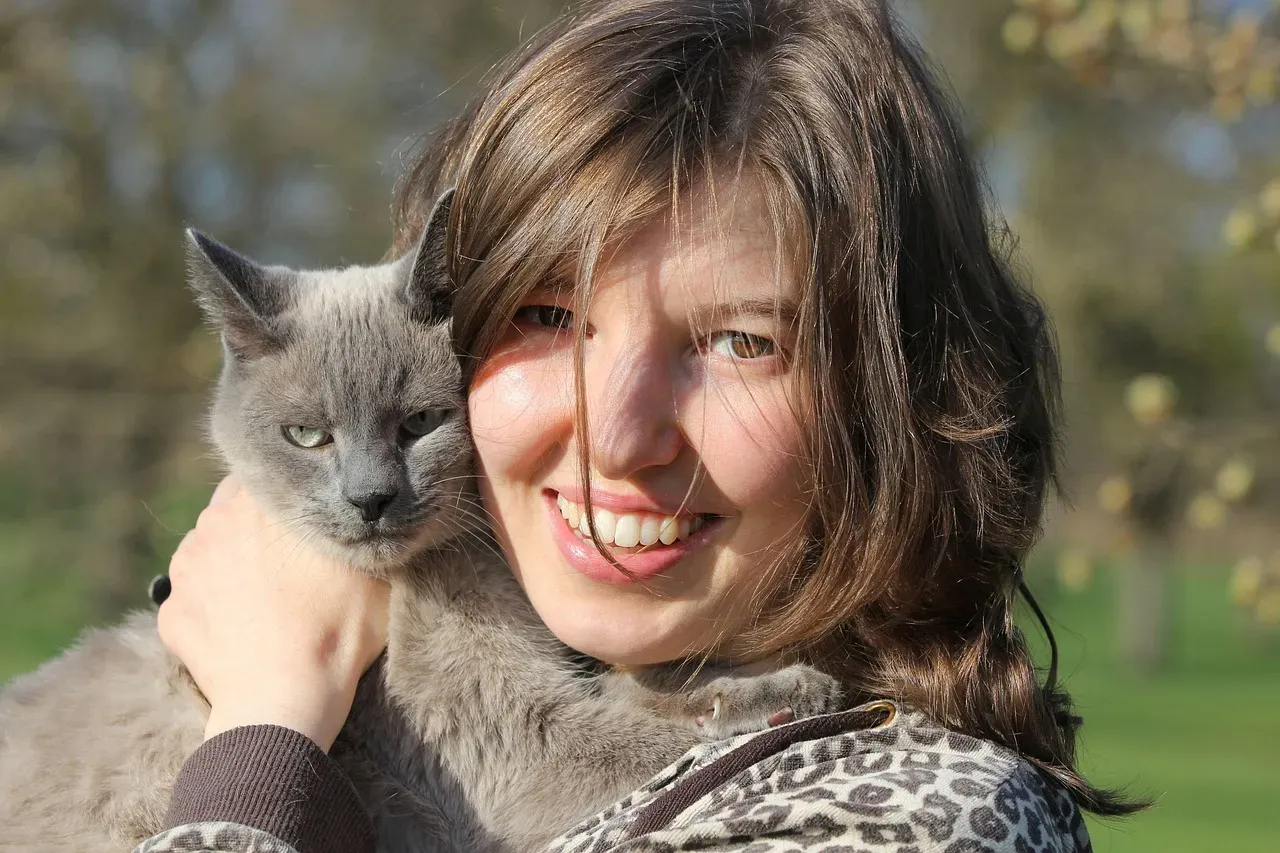
Not every cat-human relationship looks identical, and that’s perfectly normal. Five distinct forms of cat–owner relationship were identified: an “open relationship”, “remote association”, “casual relationship”, “co-dependence” and “friendship”. Each reflects different dynamics based on both the cat’s personality and the owner’s level of emotional investment.
Some cats prefer a bit more distance, checking in periodically but maintaining their independence. Others become constant shadows, following their humans everywhere. Neither approach is wrong. What matters is that each represents a conscious choice by the cat to engage with you on their terms. The variety in these relationships demonstrates just how complex and individualized the cat-human bond can be.
Understanding which relationship type you share with your cat helps you appreciate their unique way of showing affection. A cat who maintains more distance isn’t necessarily less bonded. They’re simply expressing their connection differently.
The Science Behind Why Cats Choose You
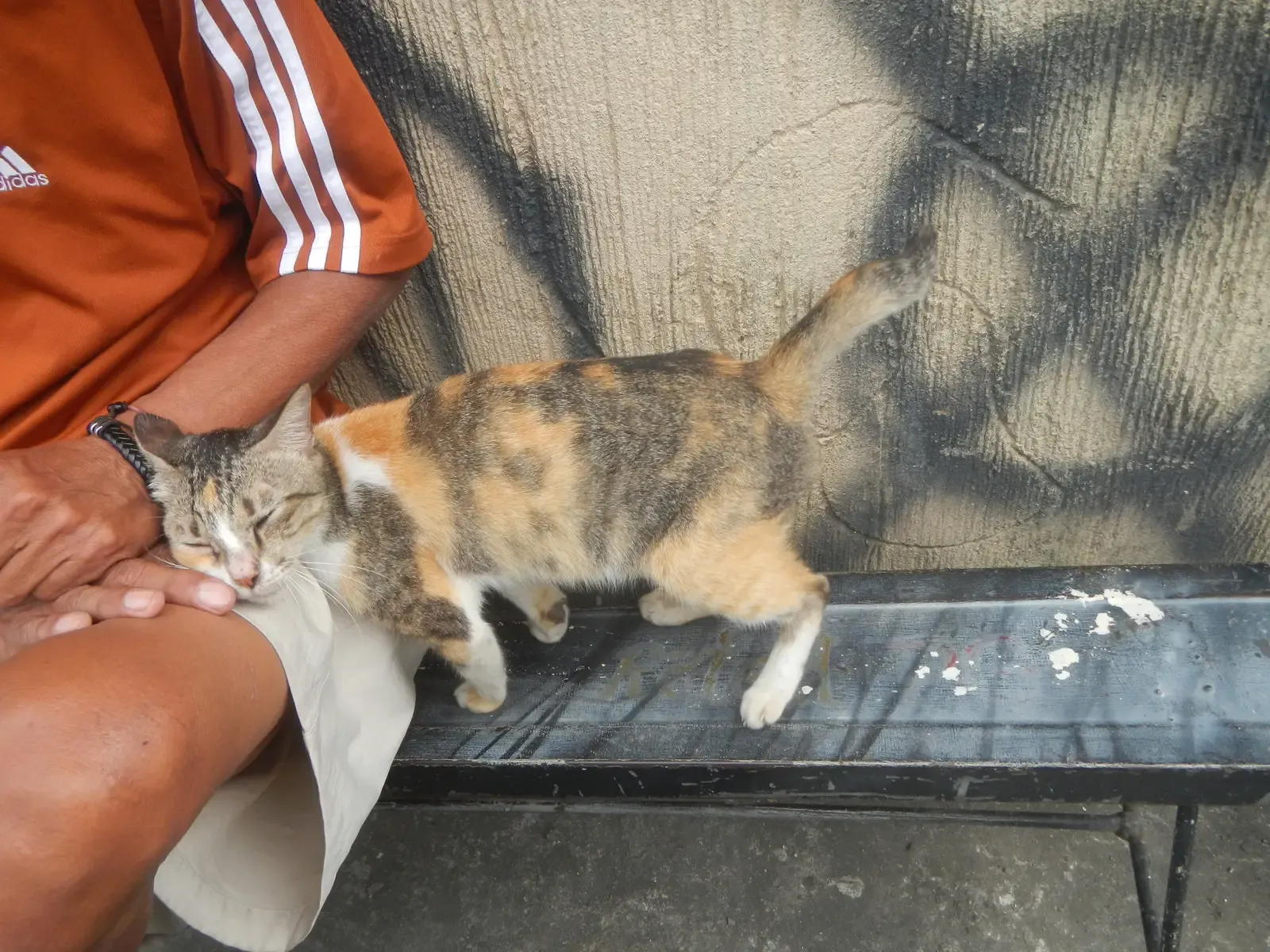
Domestic cats form social relationships with humans unlike most other members of the Felidae family, and are the only small felid to form intraspecific social groups when free ranging. This evolutionary adaptation likely emerged during domestication when cats began living near human agricultural settlements. Unlike their wild ancestors who remained solitary, domestic cats developed the capacity for social flexibility.
This flexibility means cats can adjust their social behavior based on circumstances and relationships. Cats, like dogs, can be found living in social groups or solitarily, depending on early developmental factors, resource distribution, and lifetime experiences such as human interaction. Your cat’s choice to share their life with you isn’t programmed instinct. It’s an active decision influenced by their experiences with you and the quality of your relationship.
The ability to form these bonds demonstrates sophisticated social cognition that was previously underestimated in cats.
How Cats Communicate Their Intentional Bond
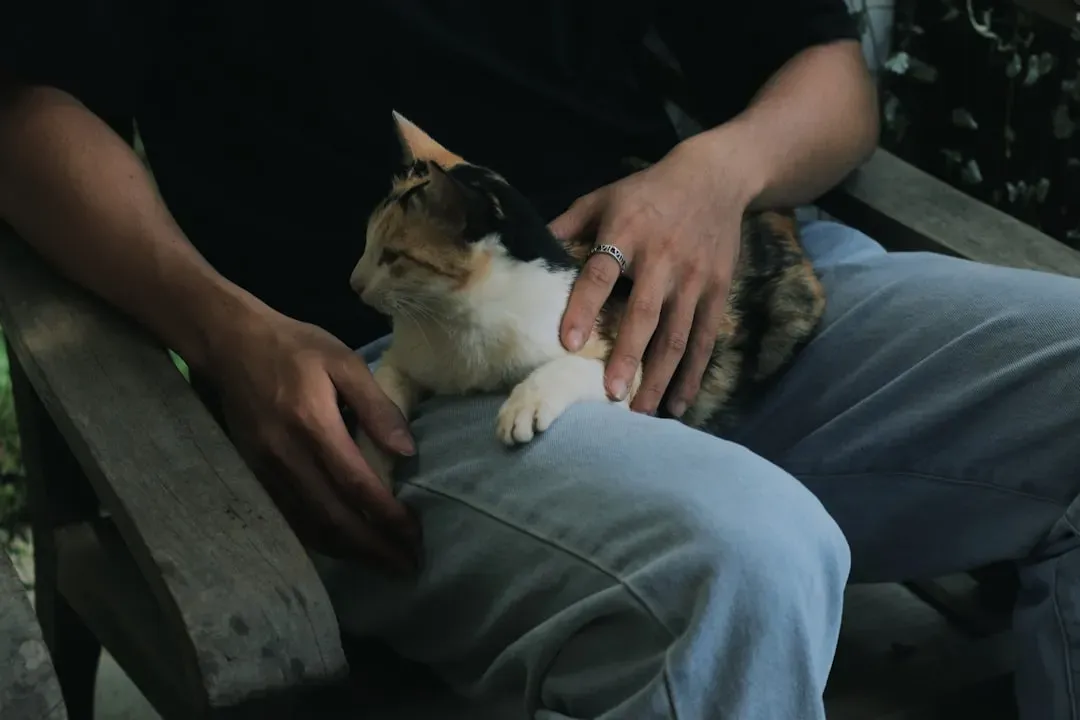
Pay attention to the subtle ways your cat tells you they’ve chosen you. Cats and humans interact through “headbutting,” in which a cat rubs its head on a human in order to leave its scent to claim territory and create a bond. When your cat headbutts you, they’re marking you as part of their world. You belong to them as much as they belong to you.
Cats who are attached to their humans will solicit attention from them by approaching them, meowing or pawing at them, and also tend to follow their owners from room to room. These aren’t random behaviors. Each one is a deliberate attempt to maintain proximity and connection.
The slow blink is another powerful signal. A slow blink, often with both eyes, is a sure sign of trust and affection, like a “kitty kiss” that shows the cat feels safe and relaxed enough to close its eyes slowly around you. Try blinking slowly back at your cat sometime. You might be surprised at the response.
Cats Actively Participate in Your Shared Life
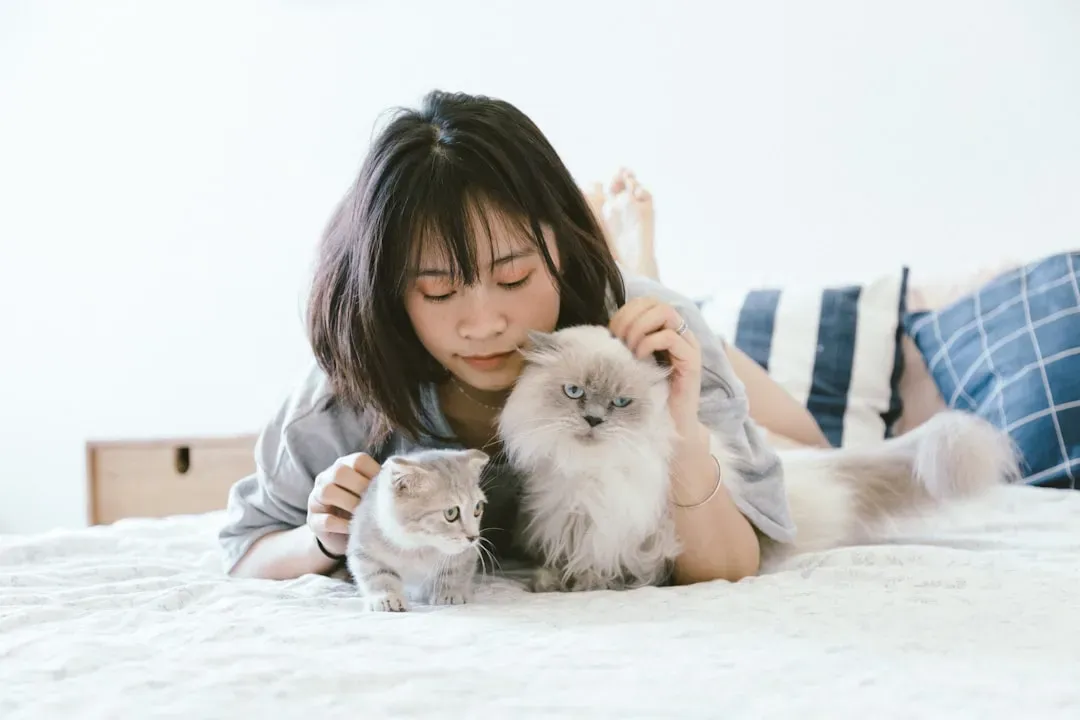
A cat’s eating pattern in a domestic setting is essential for the cat and owner bond to form because cats form attachments to households that regularly feed them. This isn’t just about getting fed. It’s about ritual, routine, and the predictability that comes from sharing daily life with someone who cares.
Cats often form strong associations with specific meal times, and regular feeding schedules provide opportunities for bonding as cats eagerly anticipate and enjoy their meals with their owners. Your cat knows when you typically arrive home. They recognize the sound of your car, your footsteps, your voice. They’re tuned into the rhythm of your life because they’ve chosen to make it their rhythm too.
This participation extends beyond meals. Cats involve themselves in your activities, whether that means supervising your work, joining you on the couch, or insisting on bathroom company. They’re not invading your space. They’re sharing the space you’ve both agreed to inhabit together.
The Depth of Grief Proves the Strength of Choice
Perhaps nothing demonstrates the intentionality of a cat’s bond more powerfully than their response to loss. Cats do mourn the loss of their human companions and other animals in the household. Grief isn’t something you experience for someone who was merely convenient. Grief is what happens when you lose someone you chose to love.
When cats lose their person, they show signs of distress, changes in behavior, and genuine mourning. They search for their missing human. They vocalize more. Their eating and sleeping patterns change. These responses reveal the emotional investment cats make in their relationships. The depth of their grief reflects the depth of their choice to bond with you in the first place.
This isn’t anthropomorphism or projection. It’s recognition that cats experience complex emotions tied to their social bonds. They feel the absence of those they’ve chosen to share their lives with.
Socialization Reveals Intentional Connection
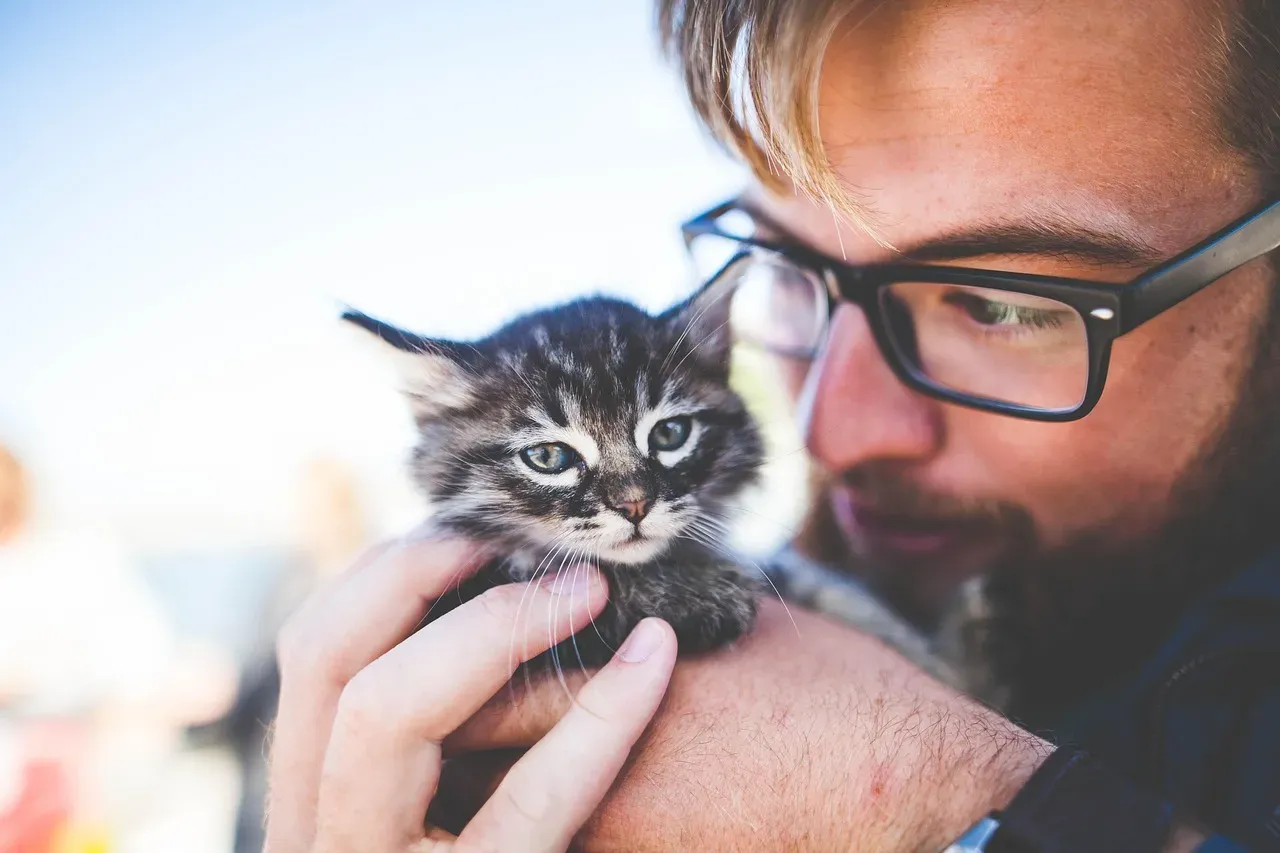
Early socialization plays a crucial role in a cat’s ability to form bonds. Cats age three to nine weeks are sensitive to human socialization, and studies have shown that the earlier a kitten is handled, the less fearful it will be toward humans. This window of opportunity shapes how cats view humans and their capacity for connection.
Yet even beyond this critical period, cats continue to make choices about their relationships. Unless cats get the opportunity to socialize with humans and other cats, they’re less likely to learn how to form emotional bonds and achieve good quality of life. Cats who miss early socialization can still form attachments, though it may take more time and patience. Their eventual choice to trust and bond becomes even more significant because it required overcoming fear and uncertainty.
The fact that socialization influences bonding capacity doesn’t diminish the choice involved. It simply means cats, like humans, are shaped by their experiences and still decide how to respond to those experiences.
Your Cat’s Independence Is Part of Their Choice
Let’s be honest about something: cats maintain a degree of independence that some people mistake for aloofness. This independence isn’t rejection. It’s confidence. Don’t let your cat’s “independent” behavior fool you – your cat is far more attached to you than you think. A cat who feels secure enough to explore, nap across the room, or entertain themselves is actually demonstrating trust.
They know you’ll be there when they return. They’re not constantly checking on you because they’ve chosen to trust that you’re a reliable presence. That’s not distance. That’s the comfort that comes from a solid relationship where both parties respect each other’s autonomy.
Dogs often demand constant attention and interaction. Cats balance closeness with independence. Neither approach is superior. They’re simply different expressions of attachment. Your cat’s ability to be content in your presence without requiring constant interaction shows they’ve chosen to share their life with you, not just cling to you out of insecurity.
Conclusion: Honoring the Choice Your Cat Has Made
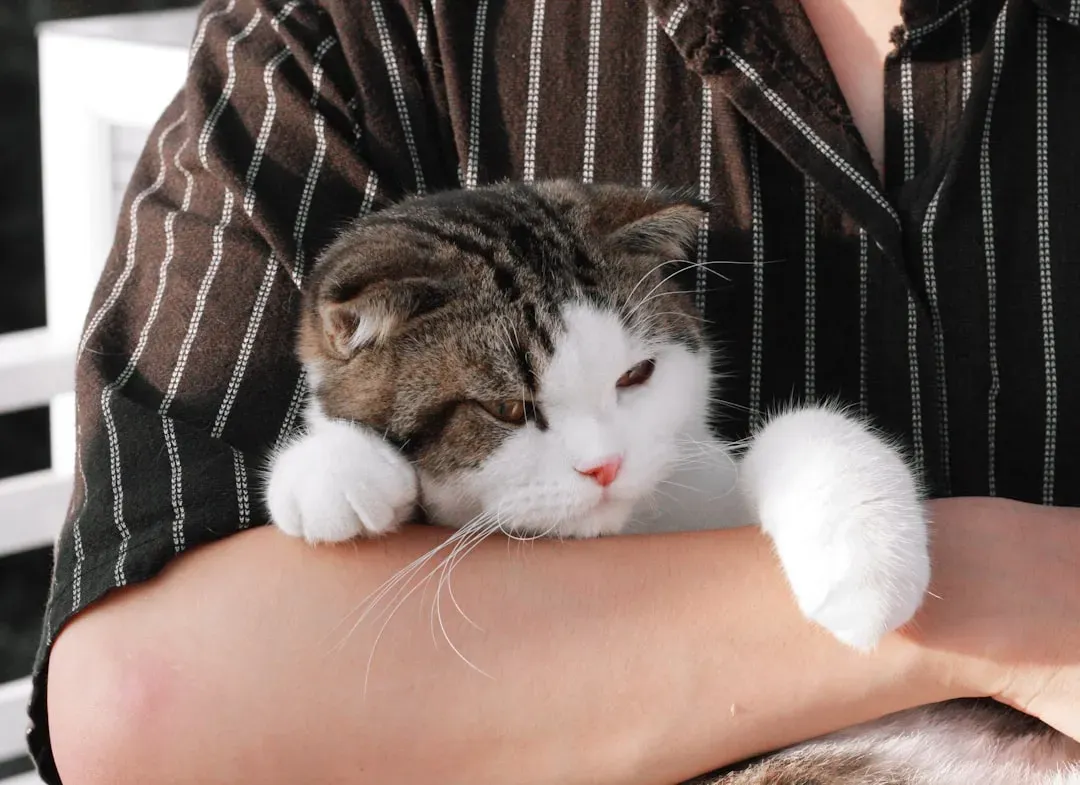
The type of cat–owner bond that develops is the product of the dynamic that exists between both the individuals involved, along with certain personality features. Your relationship with your cat is unique, built on mutual choices and daily interactions that deepen over time. When you understand that your cat has actively chosen to share their life with you, it transforms how you see them. They’re not just pets occupying your space. They’re companions who decided you were worth their trust, affection, and presence.
This shift in perspective matters. It elevates the relationship from ownership to partnership, from caretaking to mutual participation in each other’s lives. Your cat doesn’t need you in the way a dependent needs a caregiver. They’ve chosen you in the way one individual chooses another as family.
Next time your cat curls up beside you or greets you at the door, remember: they didn’t have to. They chose to. What do you think about the intentional nature of your bond with your cat? Have you noticed the moments when they deliberately choose your company?