Ever wondered why your feline companion seems to have a complicated relationship with your furniture arrangement? One day they’re perfectly content lounging on the couch, and the next they’re glaring at you from a high perch like you’ve committed some unforgivable crime. Here’s the thing: your cat isn’t just living in your home. They’re actively managing it.
Unlike dogs who adapt to wherever you lead them, cats have a different approach entirely. They’re not merely coexisting with you in your space; they’re engineering their surroundings to match very specific requirements you probably never knew existed. From the strategic placement of their napping spots to the invisible scent maps only they can detect, your cat is constantly working behind the scenes. Think of them less as pets and more as tiny, furry interior designers with very strong opinions. Let’s dive into how these mysterious creatures truly operate.
They’re Mapping Territory You Can’t Even See
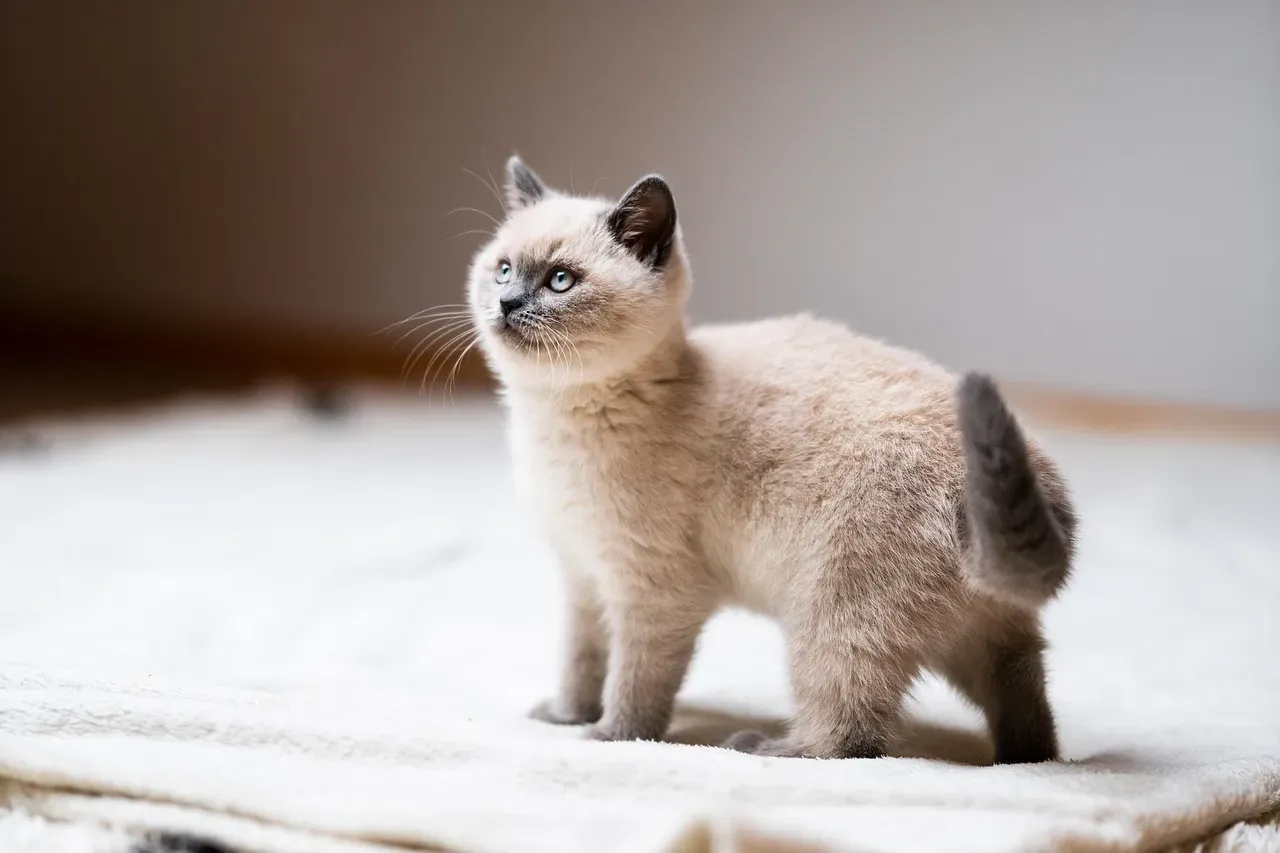
Your cat spends the majority of their time in areas they consider their territory, defining these spaces through natural marking behaviors like scent rubbing and scratching. What looks like your living room to you is actually a complex grid of invisible boundaries to your cat. They’ve divided your entire home into zones with different purposes, and they’ve done it all without your permission or input.
Core territory is the space where your cat feels safe and secure, usually where they sleep and around their litter box. Honestly, it’s fascinating when you think about it. While you’re worried about color schemes and throw pillows, your cat has created an entire territorial empire right under your nose. They know exactly which spot belongs to them and which areas are shared space.
Vertical Space Is Their Secret Weapon
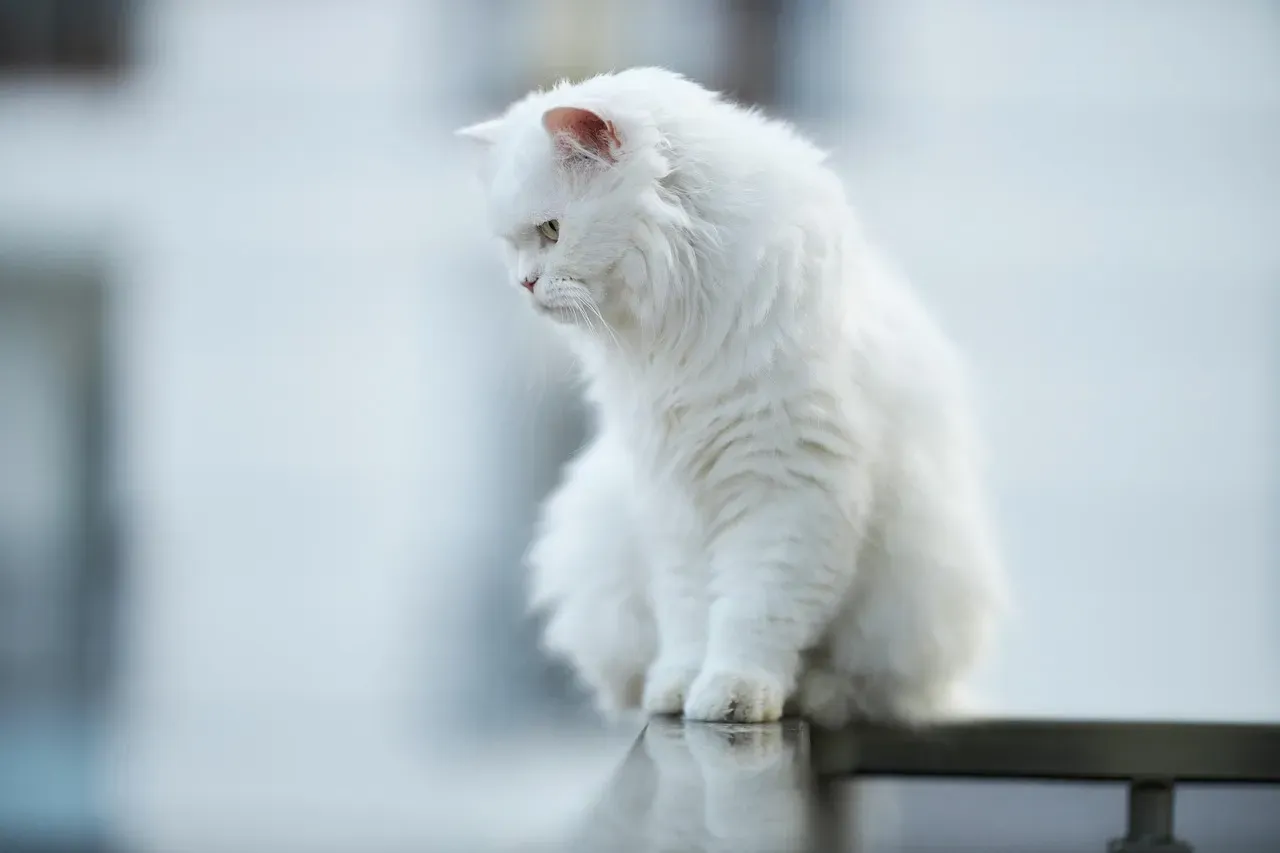
Cats have a biological desire for high vantage points due to millions of years of evolution, and this preference is a fundamental biological desire hardwired into their DNA. That bookshelf you think is off-limits? Your cat considers it prime real estate. High places aren’t just fun climbing adventures for them; they’re essential viewing platforms.
Height allows cats to assert dominance over their environment, and by claiming the highest point in a room, a cat can survey its territory and establish a sense of control. It’s hard to say for sure, but the way cats position themselves above everything else suggests they’re always thinking strategically. In multi-cat households, high places might serve to expand available territory so cats can avoid conflict with each other, with one cat having dominion over floor spaces while another claims elevated spaces.
Furniture Moves Are Basically Territorial Emergencies
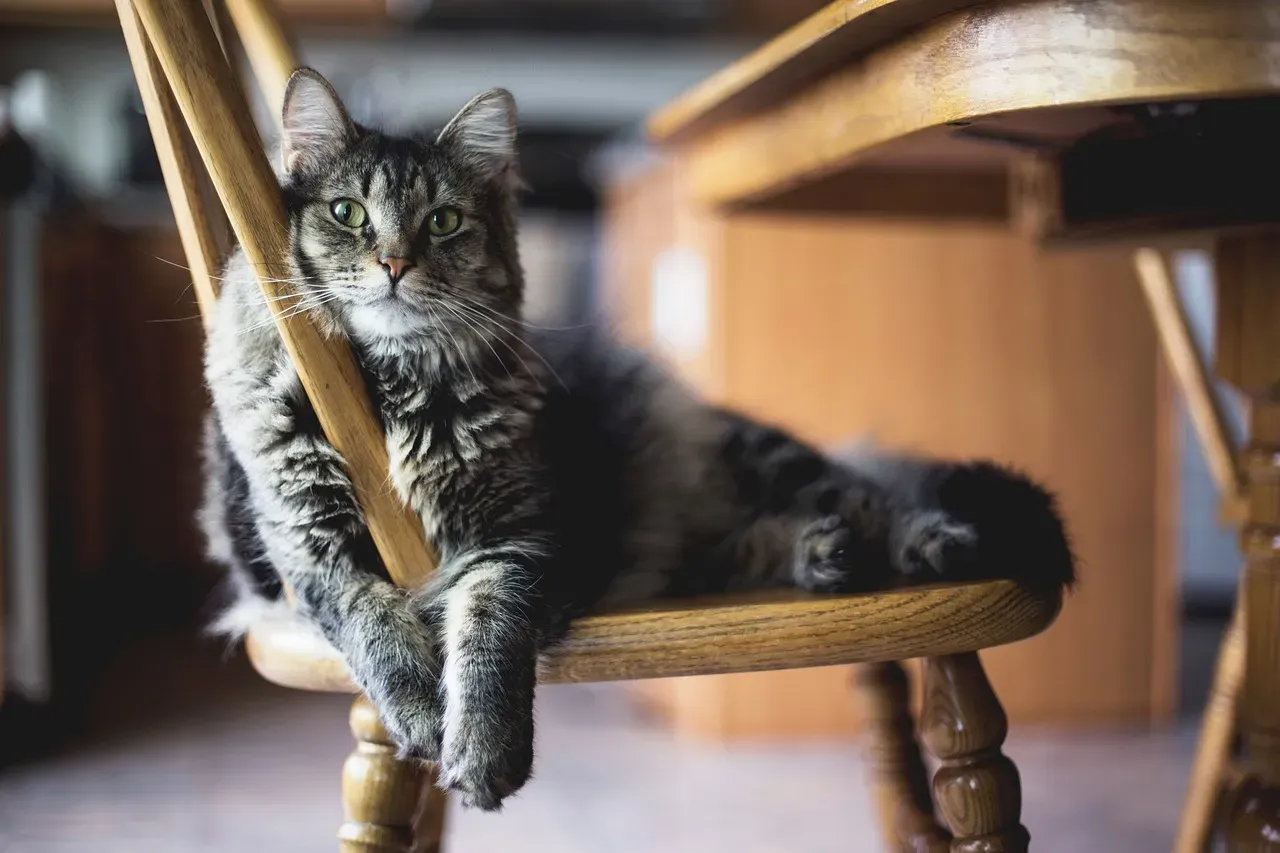
When furniture is rearranged, your cat’s favorite spots, territorial markers, and routes are affected, which can lead to feelings of insecurity or stress. Let’s be real: what seems like a simple redecorating project to you registers as a full-blown crisis in your cat’s world. They’ve spent weeks or months establishing the perfect pathways and perches, and suddenly everything’s moved.
Cats are very sensitive to new smells, new people, noise and any changes to their normal routine, so if you are planning to do something out of the norm at home, like moving furniture or decorating, you should consider your kitty. The disruption goes deeper than you’d expect. Once your cat begins to feel more comfortable after changes, they will likely start reclaiming their territory by rubbing their scent onto furniture and objects to mark them as their own using scent glands around their face and paws.
Scent Marking Is Their Personal Signature System
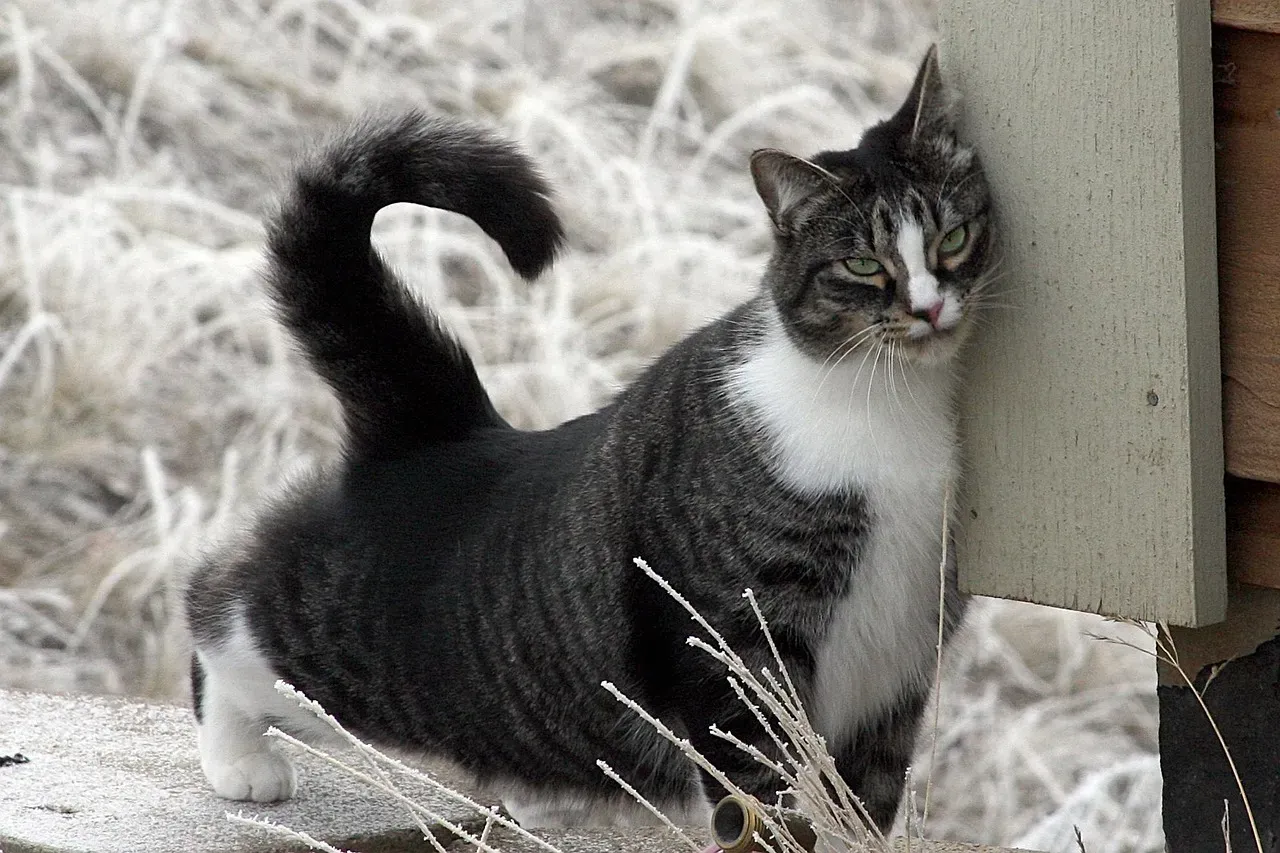
When you see your cat rubbing on furniture, the corner of the wall, or even your legs, that’s marking territory and claiming ownership of that space. Every time your cat head-bumps your shin or rubs against the doorframe, they’re leaving behind chemical calling cards. Think of it as their way of signing documents, except the documents are your entire house.
Your cat marks his scent by rubbing his face and body, which deposits natural pheromones to establish boundaries within which he feels safe and secure. These scent markers serve multiple purposes beyond just territory claims. Marking territory is a signal to other cats, and these cats will learn a lot from a scent-marked area including the cat’s gender, reproductive status, and even mood. It’s like leaving detailed status updates everywhere they go.
Resources Need Strategic Distribution Throughout Your Home
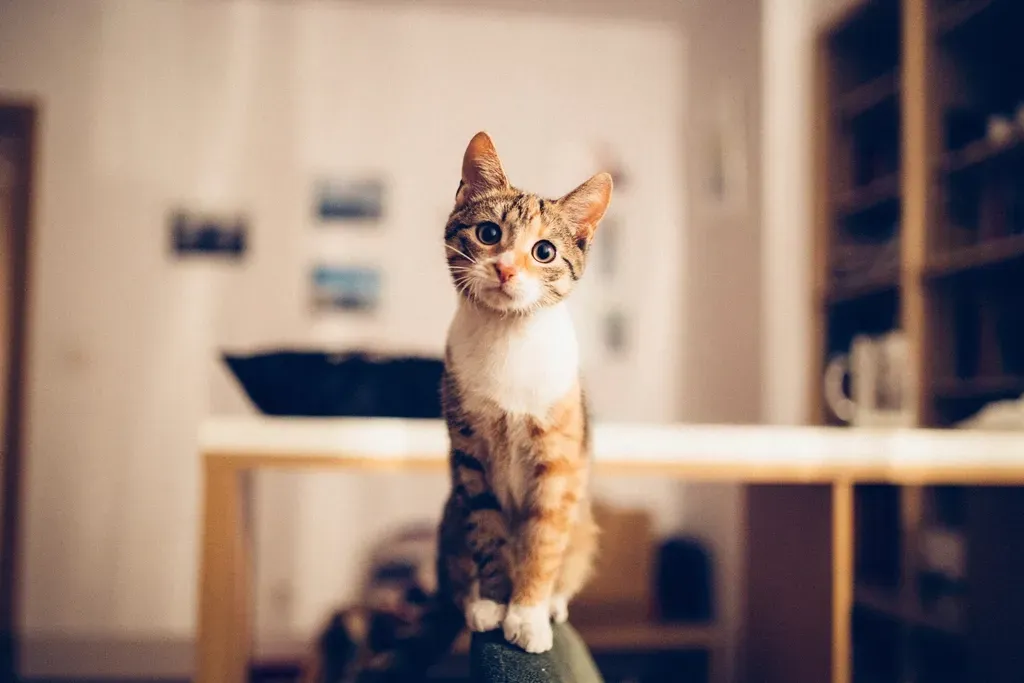
Your cat needs cat stuff in all parts of your home they have access to, and by keeping all your cat’s stuff in one location, you’re not making your cat feel like they have their own space. That dedicated “cat room” you created with such pride? Your feline friend probably thinks it’s woefully inadequate. Cats need options spread throughout their domain, not centralized in one convenient human-approved location.
Cats are naturally solitary, territorial animals, and resources such as food, water, litter boxes, scratching areas, resting areas, and play areas should be physically separated to avoid stress associated with competition. Here’s where it gets interesting: Cats need their own space, and conflict can often be reduced simply by providing more perching areas so that all cats can have a place to rest well away from others, which can be as easy as clearing window sills or shelves or purchasing multi-perch cat trees.
Sleeping Spots Are Carefully Selected, Not Random
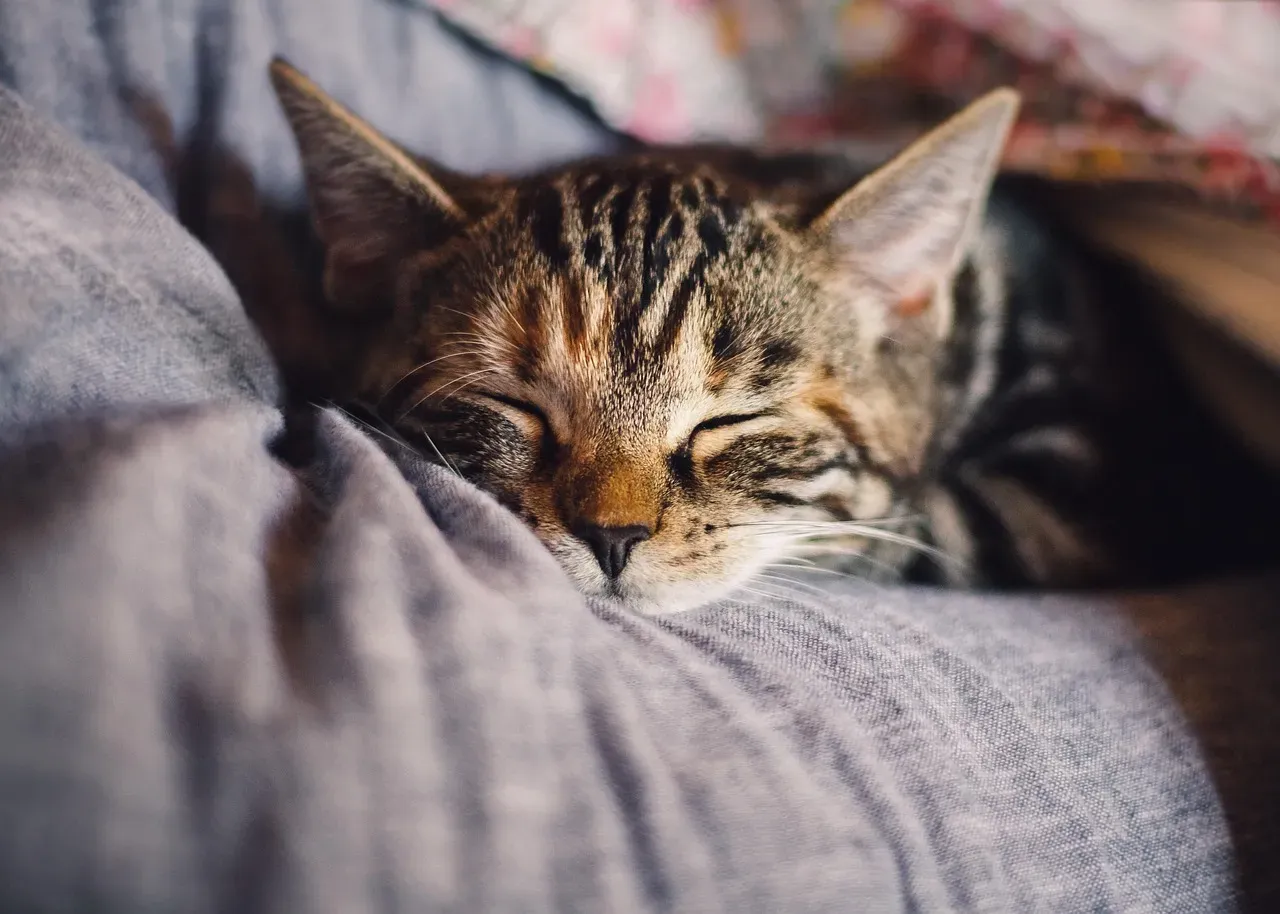
Where cats sleep has seemed random to many, but that’s not actually the case according to cat behavior experts, as there’s a method to their sleep madness that takes into consideration a surprisingly large list of factors. When your cat settles down for a nap in what appears to be the most uncomfortable location imaginable, there’s genuine reasoning behind it. They’ve weighed multiple variables you haven’t even considered.
Temperature tends to be the biggest factor when cats choose sleeping spots, and depending on changing weather and season, cats might prefer a spot that is particularly warm or cool based on their needs, which could mean following a patch of sun across the carpet or spreading out on cold tile floor. While cats do have preferred sleeping spots, they like to vary where they rest, which is a feline survival instinct developed in the wild that has carried forward to life as domesticated house cats. I know it sounds crazy, but they’re still following ancient programming.
Environmental Changes Trigger Stress Responses You Might Miss

Any time an indoor cat feels threatened or distressed, they may leave a mark to affirm the location of a safe territory, and a change in household routine, the addition of a person or pet, or even a remodeling project can trigger anxiety and marking. Your cat’s tolerance for change is remarkably low compared to what humans deal with daily. What registers as minor adjustments to you can send them into emotional overdrive.
Changes to your house’s scent profile or new social problems can cause your cat to feel stressed and anxious, and a cat’s tolerance level will also drop if they’re ill, all of which may lead to more scent marking behavior in their territory. The response isn’t always obvious either. Sometimes stress manifests in subtle ways. Cats are very sensitive to their environment, and making changes to your pet’s familiar surroundings can trigger territorial behavior, such as moving home being extremely stressful for a cat who might become territorial over one particular area where she feels safe.
They Use Pathways Like Personal Highways
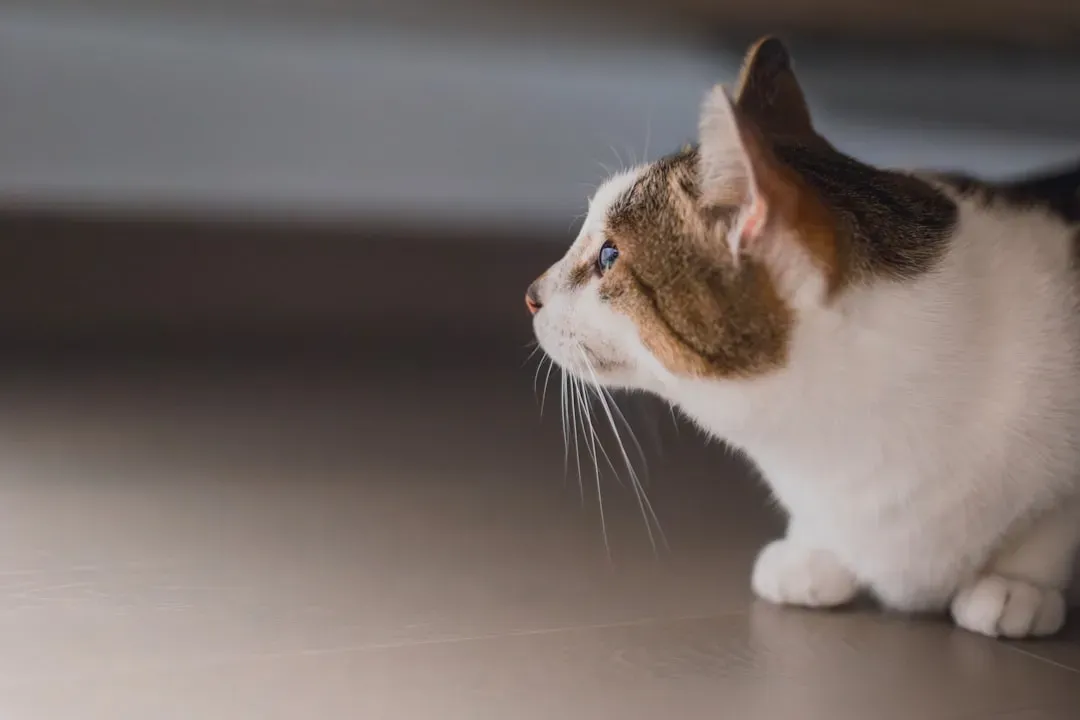
Cats prefer to stay hidden or at least have the opportunity to retreat quickly, so it’s important to arrange furniture so that your cat can move around unnoticed or disappear quickly. Your cat has designed invisible traffic routes throughout your home that allow them to travel efficiently while maintaining security. These aren’t casual preferences; they’re carefully constructed travel corridors.
Cats may use their position along a pathway to effectively block another cat’s access – they may sprawl across a doorway, for example. Roughly about half the time, these pathways involve vertical elements too. Shelves can link other vertical space so that cats have a “superhighway” as Jackson Galaxy describes it. The third dimension is just as important to them as horizontal floor space, maybe even more so.
Their Core Territory Is Non-Negotiable
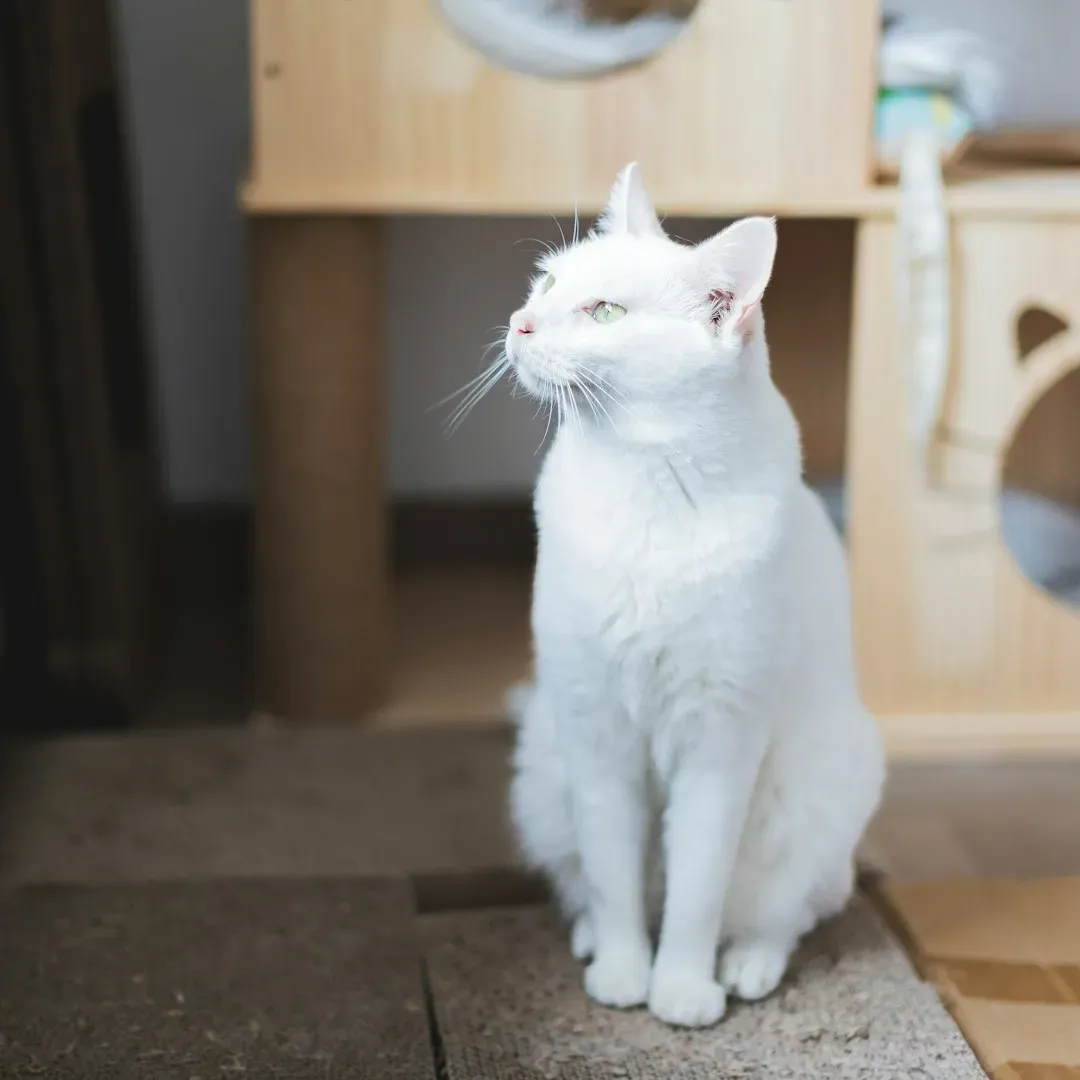
Cats break their home down into two areas: their core territory, where they spend most of their time, and wider territory beyond that. Within your home, certain zones hold sacred status in your cat’s mental map. These aren’t areas they’re willing to compromise on or share easily. Core territory represents safety, security, and control.
Even if your cat is indoor-only, they still have a strong natural instinct to hunt and establish territories, and due to this natural instinct to establish territory, your home must provide an environment that meets all their needs including territorial marking. The need runs deeper than surface-level comfort. Your cat needs to know they have an adequate food supply and are safe from life-threatening conflicts in order to feel secure in their daily life, and the innate desire for those two conditions is what leads many cats to exhibit territorial behavior by marking their territory to tell other cats to keep away.
Object Permanence Matters More Than You Think

Items like clothing, furniture, bedding sourced from thrift shops or as hand-me-downs can be carrying scents that are easily detectable to your cat, and even items that look and smell clean to humans might carry the scent of another household’s cat, causing your own cat to feel like their territory is being encroached upon by an unwanted visitor and start marking. That vintage chair you scored at a garage sale might look perfect to you, but it could be broadcasting invisible warnings to your cat.
Every object in your home exists within your cat’s carefully constructed world. When something new appears or familiar items disappear, it disrupts their entire mental framework. Having a cat tree is super important as it’s a major and consistent part of your feline’s territory, and you should always bring in a new cat tree alongside the old one and slowly transition your cat over before removing the old tree. The consistency of their environment matters far more to them than aesthetic updates matter to you.
They’re Always Evaluating Safety and Escape Routes
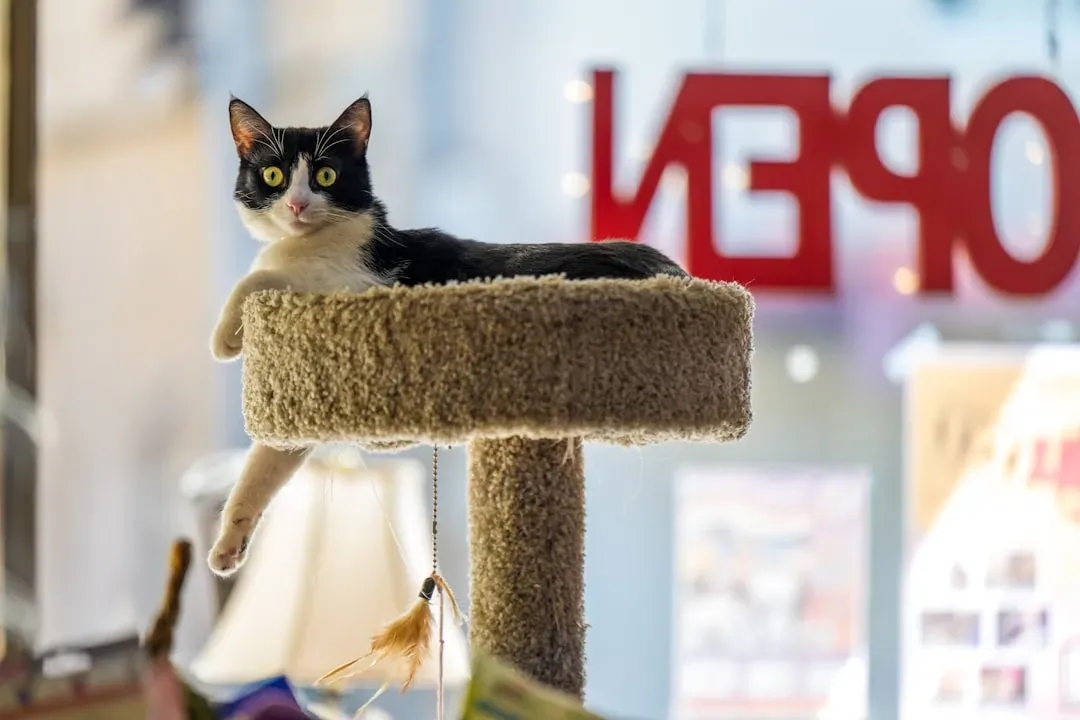
The need to climb is so deep-rooted in your cat’s genetic makeup that they will seek out high places even in a home where they know they are safe and well cared for, and though your cat is domestic, the feline need to perch can be traced back to their wildcat ancestry with instincts still ingrained in them. Security considerations drive nearly every choice your cat makes about where to position themselves. They’re constantly running risk assessments you’d never notice.
Cats are mesopredators, meaning they hunt and kill smaller animals but are also prey to apex predators, which gives cats a unique perspective as they understand how it feels to be both hunter and hunted, and cats turn this to their advantage when choosing a sleeping position. That’s why they seem paranoid even in perfectly safe environments. If one cat is up high and another cat corners that cat, you don’t want the cornered cat to jump down and possibly hurt themselves, so having an entry and an exit is important when considering how to set up cat’s vertical space. They’re always thinking two moves ahead.
Conclusion: Your Home Is Their Masterpiece
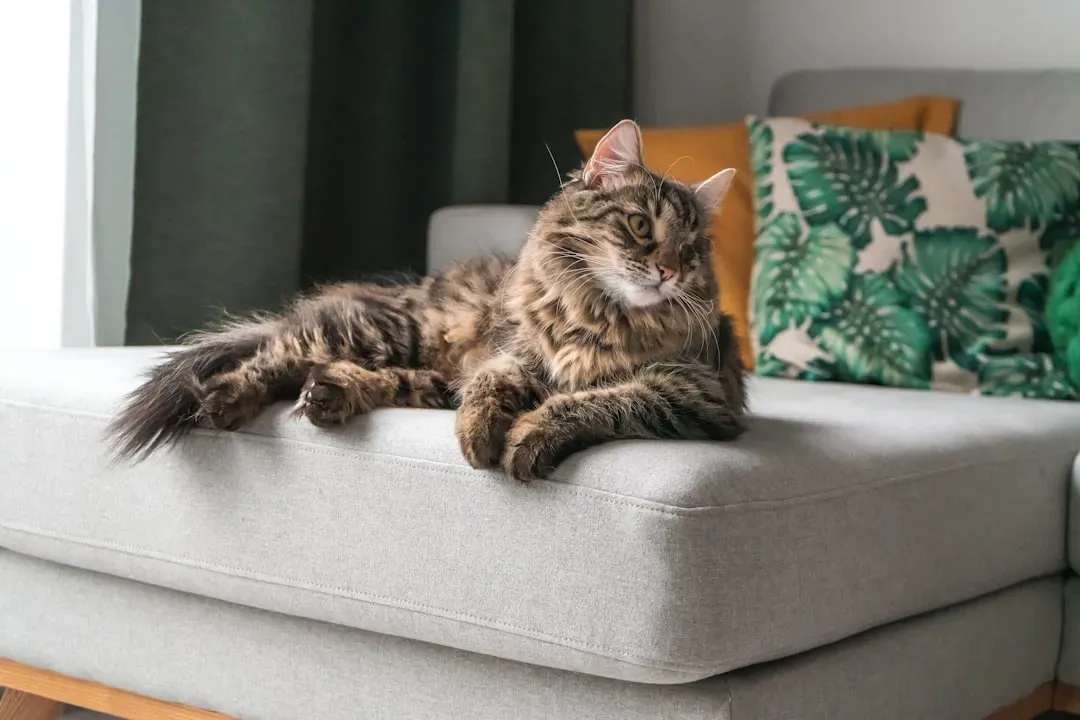
Understanding that your cat isn’t simply occupying your space but actively designing it changes everything about how you view their behavior. They’re not being difficult when they reject that expensive bed you bought or when they insist on sleeping in the bathroom sink. They’re following deeply ingrained instincts that have kept their species alive for thousands of years.
Next time you catch your cat staring at you from atop the refrigerator or rubbing obsessively against a new piece of furniture, remember: they’re not judging your decorating choices (well, maybe a little). They’re curating an environment that meets their complex territorial, safety, and comfort needs. Your cat has transformed your house into a sophisticated ecosystem tailored precisely to feline specifications. The real question is, have you been paying attention to the masterpiece they’ve created?