You brought a cat home expecting a companion. What you got was an interior designer with whiskers, zero respect for your throw pillows, and a shockingly detailed vision for how every room should function. If you’ve ever woken up to find your furniture rearranged by scratch marks, your windowsill commandeered as a bird-watching station, or your favorite chair permanently claimed as a napping throne, you already know this truth intimately. Cats don’t passively inhabit your space. They actively reshape it, zone it, and claim it.
The relationship between a cat and its home goes far deeper than most people realize, touching on animal behavior science, interior design, and a kind of psychological negotiation between species. There’s a lot happening behind those unblinking eyes, and once you understand it, you’ll never look at your living room the same way again. Let’s dive in.
Your Home Is Their Territory, Not Just a Shelter
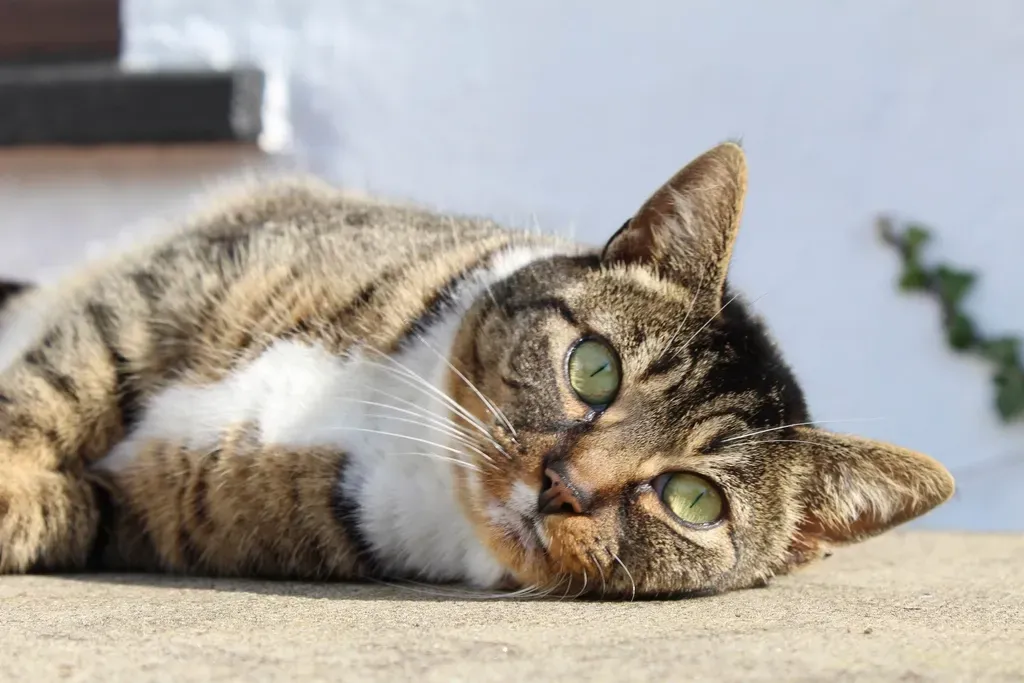
Here’s the thing most people miss: when your cat strolls through your apartment with that slightly imperious expression, it isn’t simply wandering. It is patrolling. Cats are territorial animals. They feel threatened when their territory is disturbed, either by another animal or physically. That’s not a pet quirk. That’s an ancient survival instinct playing out on your hardwood floors.
Even if your cat is indoor-only, they still have a strong natural instinct to hunt and establish territories. Your cat is fed on a regular basis and does not have a need to hunt for food, but due to their natural instinct to establish a territory, your home must provide an environment that meets all of their needs, including territorial marking. Usually, the area where your cat spends the majority of their time is their territory. Think of it like this: you don’t own the house. You just live there. Your cat is the landlord, and you’re a very beloved tenant with questionable furniture taste.
Scent Is the Secret Language Your Home Speaks
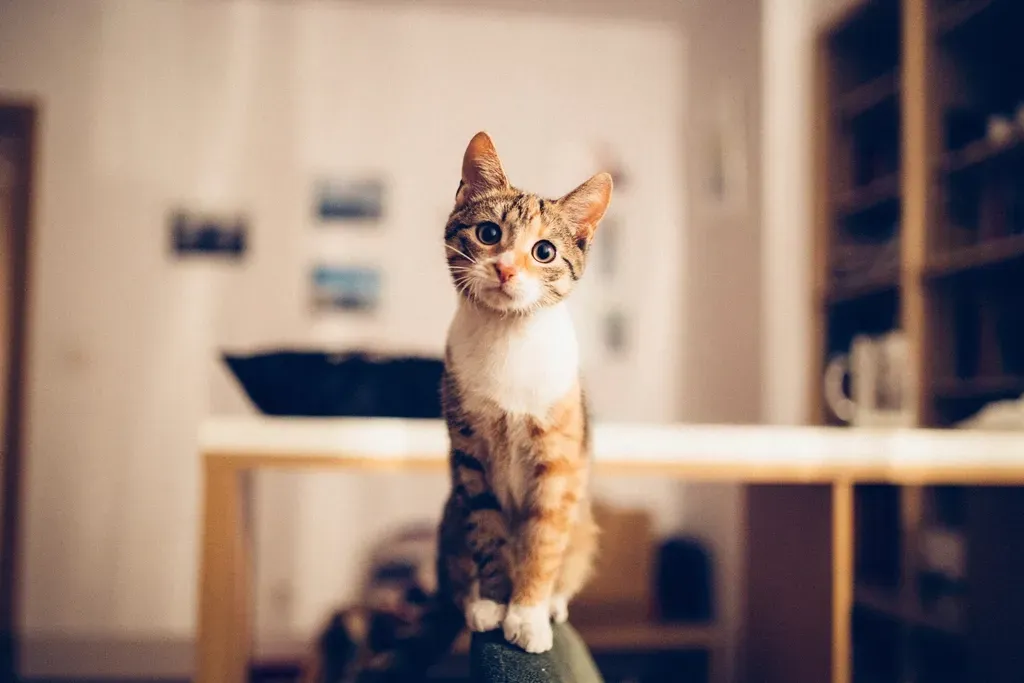
Forget what you think you know about how cats communicate. You’re watching body language, but your cat is reading something you can’t even perceive. Unlike humans, cats use their sense of smell to evaluate their surroundings. Cats mark their scent by rubbing their face and body, which deposits natural pheromones to establish boundaries within which they feel safe and secure.
That moment your cat headbutts the corner of your bookshelf or slowly rubs their cheek along your leg? That’s not affection for its own sake. Your cat marks their scent by rubbing their face and body, which deposits natural pheromones to establish boundaries within which they feel safe and secure. You’ve probably noticed your cat rubbing up against you, the furniture, and other items in your home. They are scent-marking you and these items as part of their territory. You are essentially a piece of furniture that has been approved. Congratulations.
Scratching Is Not Destruction, It’s Interior Design
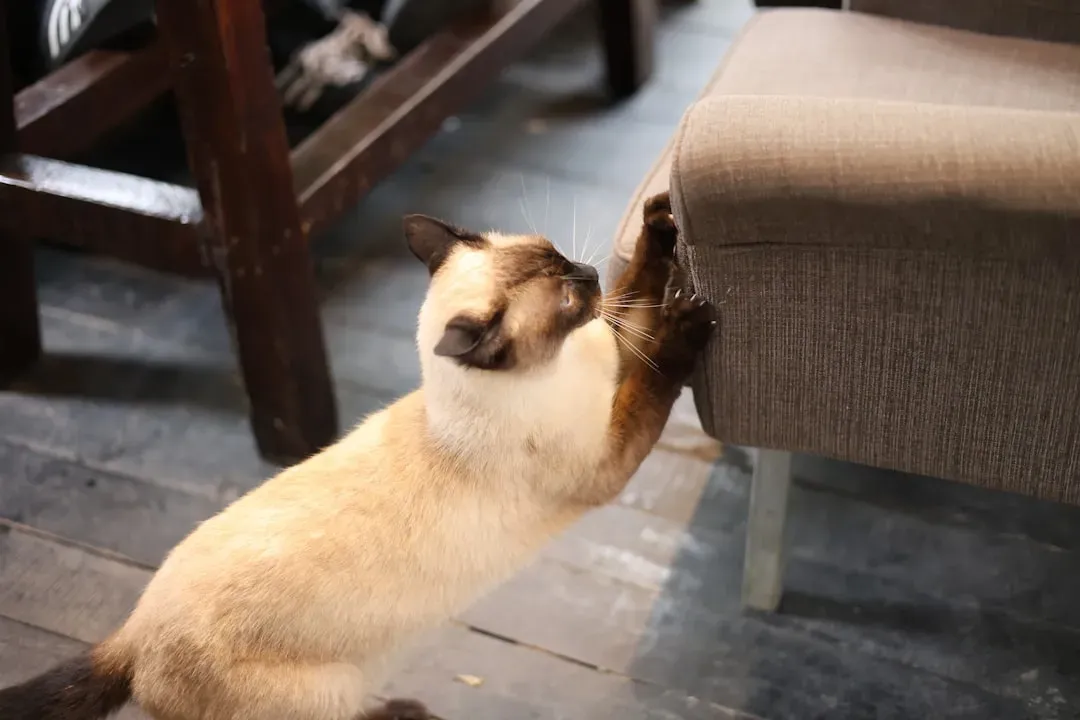
Honestly, one of the biggest misunderstandings between humans and cats is scratching. You see ruined furniture. Your cat sees essential maintenance, communication, and artistry all in one swipe. Scratching isn’t just a caprice for cats; it’s a necessity. This behavior helps them shed old nail sheaths, stretch their muscles, and mark their territory. Without a proper outlet, your furniture might become the next target.
Scratching rough surfaces like rope, cardboard, or fabric serves a few purposes for your cat. One, it helps them shed the outer casing that builds up over their claws. Second, it allows them to leave scent markers in their space that mark their territory. Scents are a highly important form of cat communication. So when you redirect your cat to a scratching post, you’re not punishing them. You’re giving them a proper canvas. The key is placement. Position scratching posts near their resting areas or close to furniture they might be tempted to scratch. When choosing a post, ensure it’s tall enough for your cat to stretch and sturdy enough not to topple over fully.
Vertical Space: The Dimension You’ve Been Ignoring
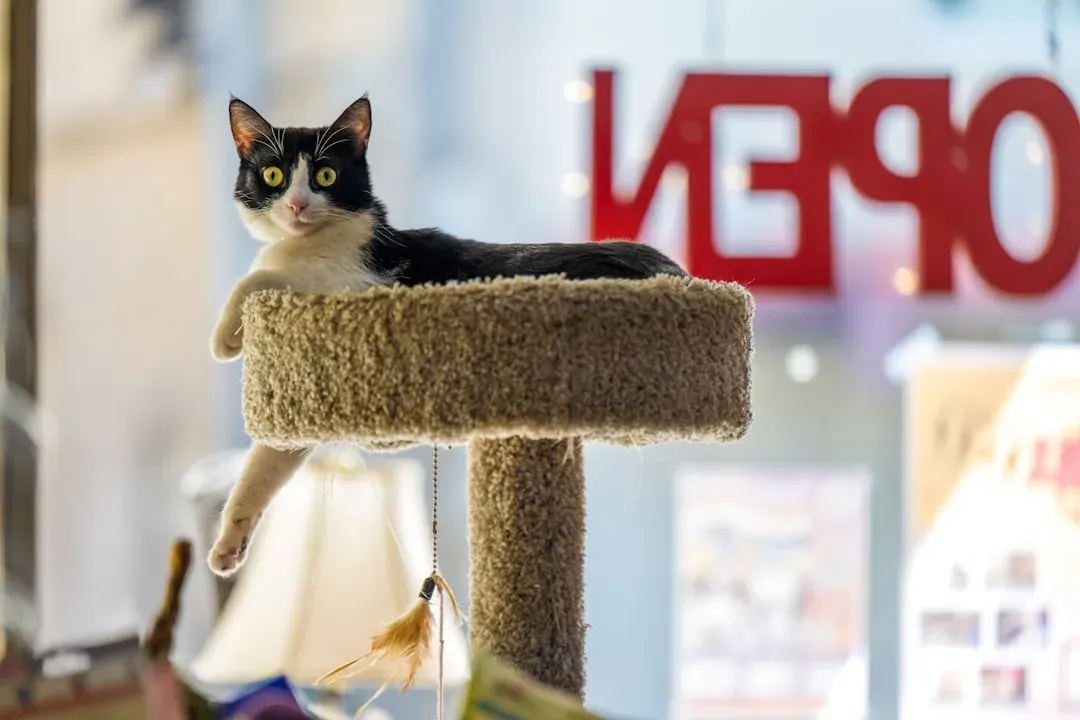
Most people design their homes on a single horizontal plane. Cats, however, think in three dimensions. They want height. They crave elevation. And they will find a way to get it whether you plan for it or not. Cat trees and scratching posts are essential additions to any indoor cat’s environment. They offer climbing opportunities, promote exercise, and satisfy their urge to scratch. Cats love having their own vertical territory, and a tall cat tree provides them with a sense of security while also saving your furniture from potential scratching.
Floating shelves conserve floor space and can make a room feel larger and more open. A cat wall provides your cat multiple vantage points to exercise their natural climbing instincts and comfortably observe their surroundings. I think this is one of those genuinely brilliant intersections of human design and feline instinct. Wall-mounted cat shelves don’t just serve your cat. They can look stunning in a well-designed space, turning a behavioral necessity into a genuine aesthetic feature.
Furniture Arrangement Affects Your Cat More Than You Think
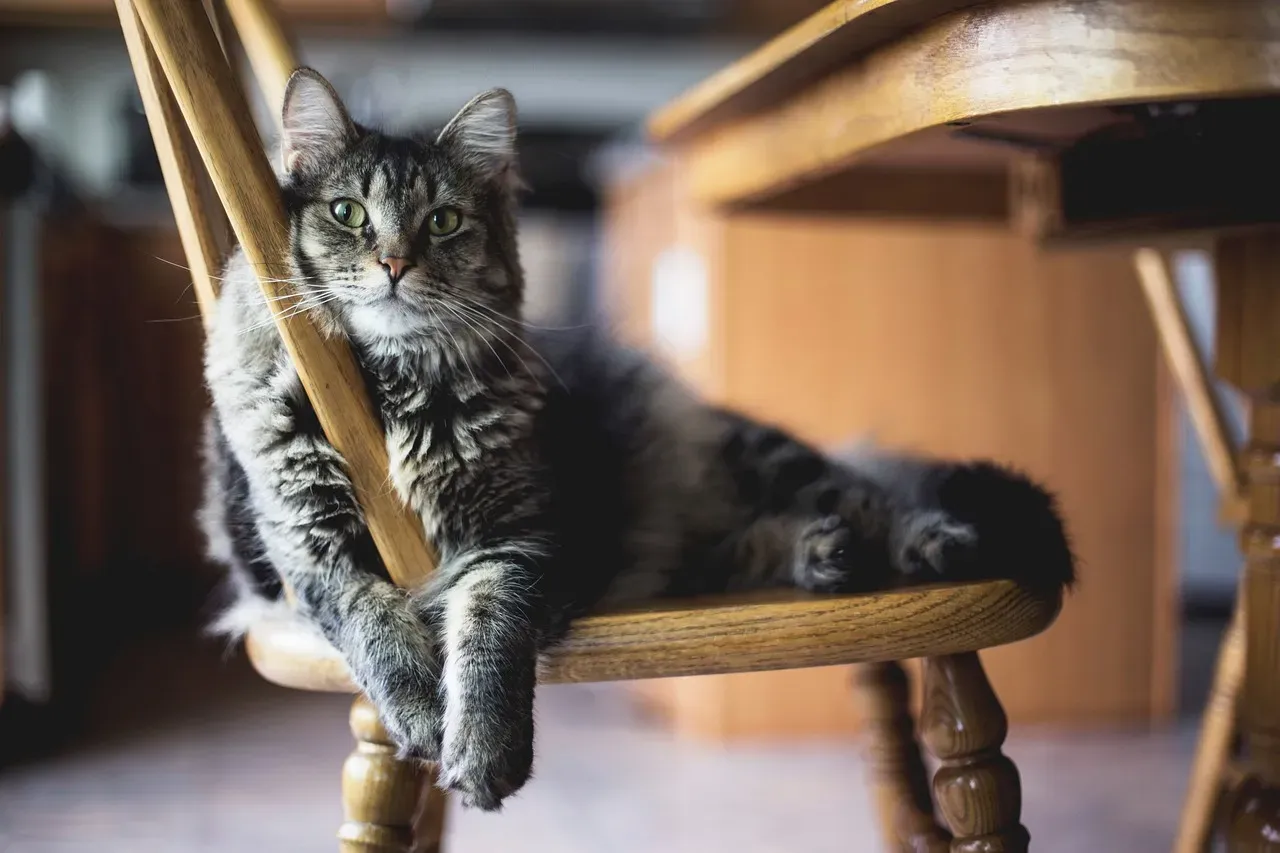
You rearrange the living room on a Sunday afternoon. You’re pleased with the new flow. Your cat, however, is having a quiet crisis. Moving furniture changes the familiar layout of your cat’s environment. Before the day you plan to move furniture, provide the cat with a refuge. It sounds extreme, but it speaks to just how deeply cats map their spatial world.
Small changes in how you structure your space can dramatically affect your cat’s behavior. With simple environmental adjustments, you can ease tension between cats, reduce inter-cat aggression, prevent play-aggression, and make your cat more affectionate. The placement of a single piece of furniture can function as either a barrier or a bridge. You can use strategic furniture arrangement to naturally form safe zones, such as positioning a bookshelf to create a nook or leaving gaps under sofas that serve as instant sanctuaries. Your cat essentially wants you to think about sightlines, escape routes, and quiet zones when you redecorate. Surprisingly reasonable, when you think about it.
The Hidden Psychology of Hideaways and Safe Zones
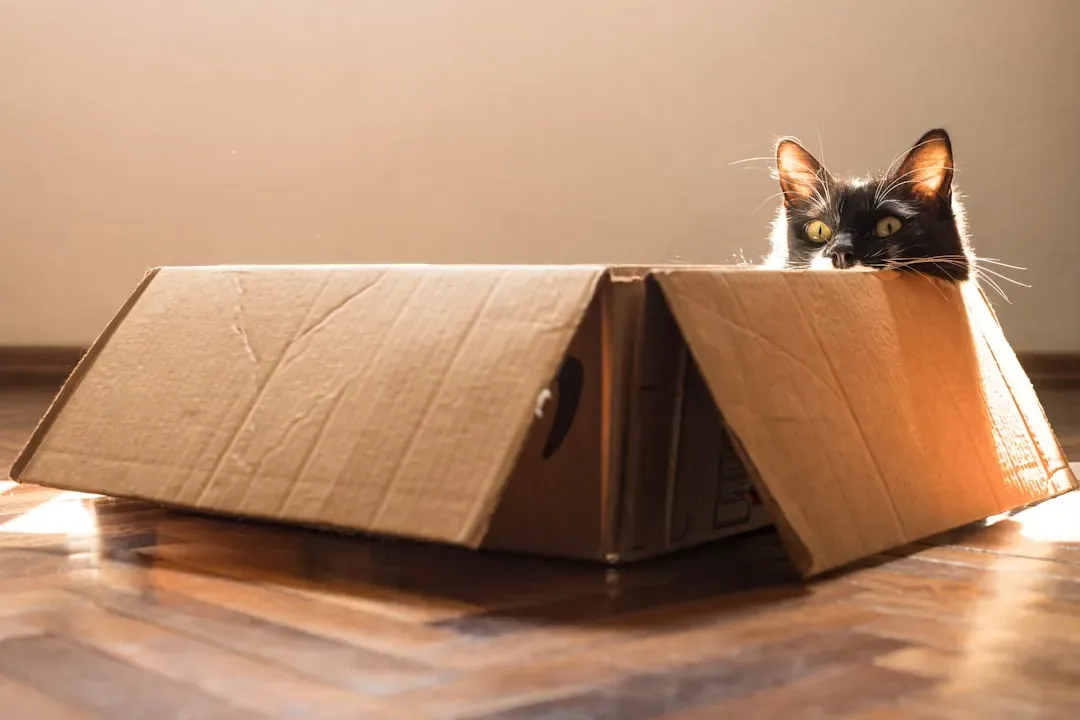
Every cat needs a retreat. Not just a nice-to-have, but a genuine psychological necessity. Provide a private and secure place for a cat to hide in or retreat to. Boxes, perches, and cat condos are examples. Cats evolved to avoid and hide in the wild, and providing a place where indoor cats feel safe satisfies this need. Without this, stress accumulates in ways that can manifest as behavioral problems or even health issues.
Cats like to feel safe and secure in their environment. A cat who feels safe will be a more confident cat, and less likely to be destructive in the home. Help your cat feel safe by providing them with hideaway spaces, which are any semi-enclosed bed, box, nook, or cave-like space where your cat can rest and retreat from interactions with the household. The good news is that these don’t need to be expensive or ugly. A strategically placed cardboard box, a draped blanket over a low shelf, a gap behind a piece of furniture. Your cat doesn’t care about aesthetics. Temporary options like cardboard boxes or draped blankets offer flexibility as you gauge your cat’s preferences.
Resource Placement: Why Location Is Everything

You probably put your cat’s food, water, and litter box wherever was convenient for you. Fair enough. But it turns out your cat has strong feelings about the geography of these things. Provide multiple and separated key environmental resources. Key resources include food, water, toileting areas, scratching areas, play areas, and resting or sleeping areas. These resources should be separated from each other so that cats have free access without being challenged by other cats or other potential threats. Separation of resources not only reduces the risk of competition, which may result in one cat being physically prevented access to resources by another cat, but also reduces stress and stress-associated diseases.
Research found that roughly one third of respondents placed their cat’s food, water, and litter boxes in areas where they could be disrupted while using them. Imagine trying to eat lunch in a busy hallway where someone might shove you mid-bite. That’s the experience you’re giving your cat when you cluster their resources. Managing limited resource access involves placing multiple food bowls, water stations, and litter boxes in separate, quiet locations to prevent resource guarding, a common issue highlighted in feline behavior studies that can lead to chronic anxiety and aggression. Spreading resources across the home isn’t clutter. It’s good feline spatial planning.
Your Cat’s Reaction to Renovation and Redecorating
If you’ve ever painted a room or brought in new furniture only to have your cat act like the world has ended, you now know why. When you remodel, your cat is exposed to many new sights, sounds, and even smells. Loud power tools, paint, chemicals, and construction materials can be frightening for your cat. The olfactory disruption alone is enough to throw a cat into a stress spiral.
Many cats like to feel in control of their environment, and change can reduce their happiness. That’s not neurotic behavior on your cat’s part. That’s the result of millions of years of evolution programming them to be acutely sensitive to environmental shifts that might signal danger. Cats maintain their natural behaviors, such as scratching, chewing, and elimination, while living indoors, and they may develop health and behavior problems when deprived of appropriate environmental outlets for these behaviors. The takeaway? When you redecorate, give your cat a secure refuge, keep their familiar scent markers intact where possible, and let them explore changes at their own pace. Patience here isn’t just kindness. It’s strategy.
Catification: Designing a Home That Works for Both of You
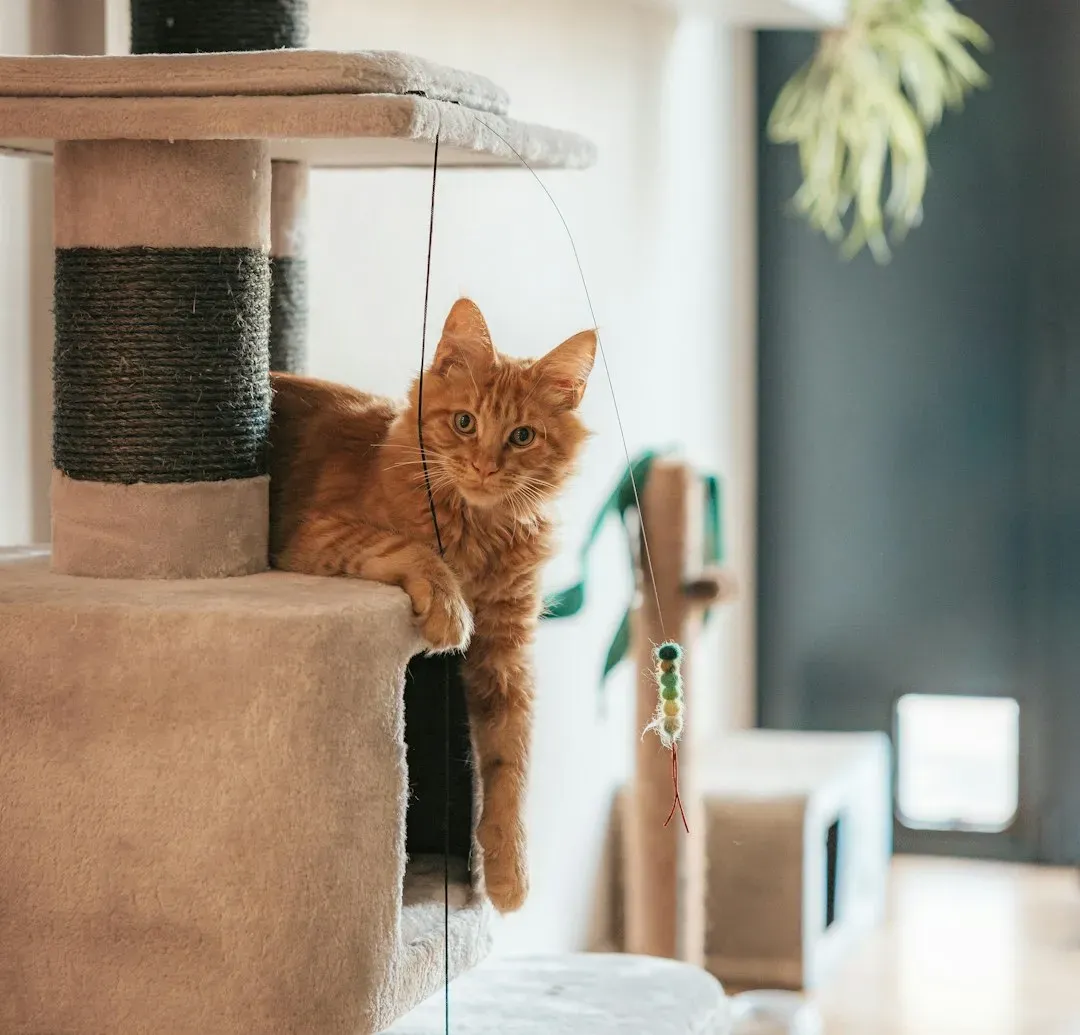
Here’s where things get genuinely exciting, because this isn’t just about surrendering your home to feline demands. It’s about designing smarter. According to cat behaviorist Jackson Galaxy, catification is the art of making changes and adjustments to your home that meet the needs of both you and your cat. That’s an important point, because it has to work for both of you. Cats have physical and emotional needs that should be taken into consideration when designing your space, including safety, scratching and marking, socialization, and elimination.
Creating a cat-friendly home is about more than just tossing in a few pet toys; it’s about integrating your furry friend’s needs into the very fabric of your home’s design. That can mean wall shelves that double as art, scratching surfaces that look intentional, or hideaway furniture that conceals a litter box while adding a side table to the room. Studies from the Journal of Feline Medicine and Surgery show that environmental enrichment, including vertical spaces and scratching opportunities, can significantly reduce stress levels in cats. A thoughtfully catified home isn’t a compromise. It’s honestly just better design. Your cat will be calmer, healthier, and less destructive. And you’ll likely find the space more dynamic and interesting too.
Conclusion
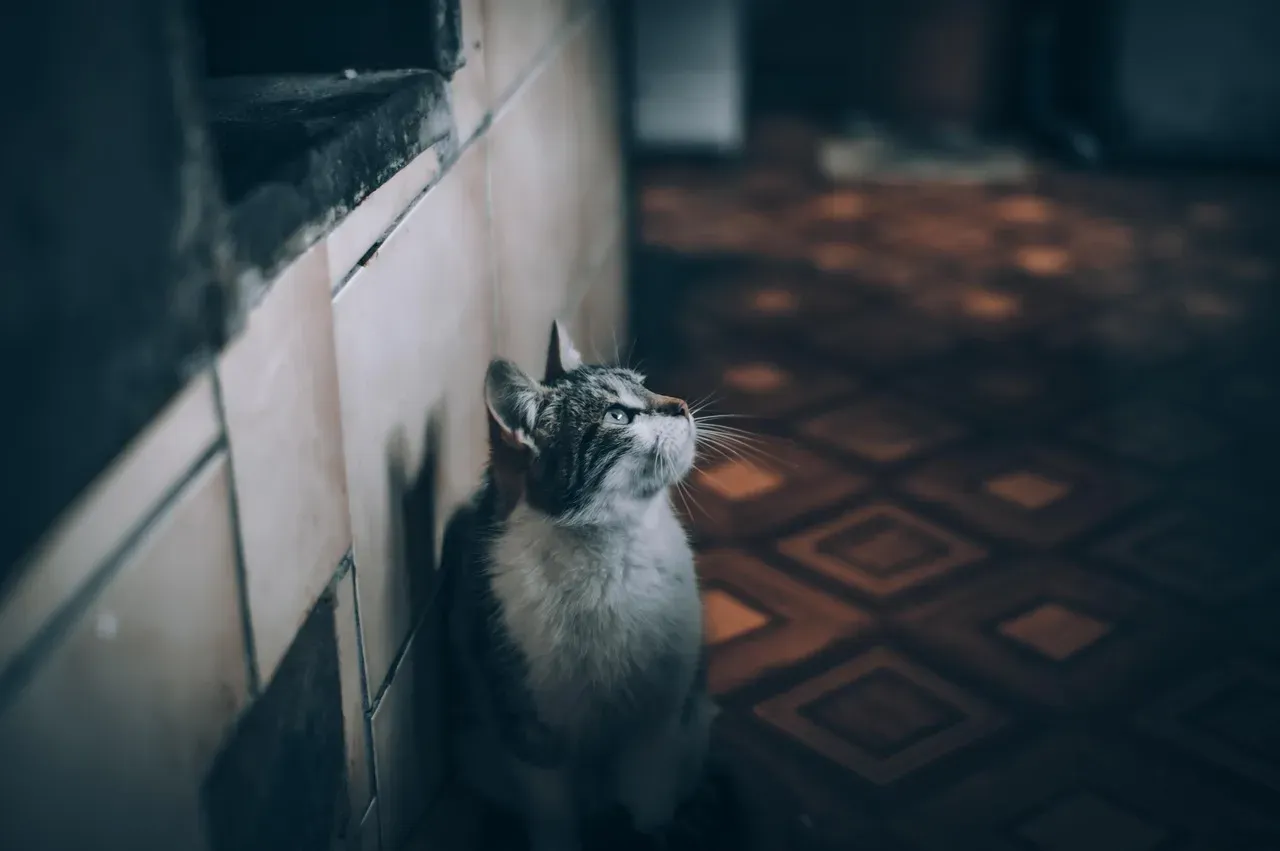
There’s something quietly profound about sharing your space with a creature that perceives it so differently from you. Your cat doesn’t see a living room. They see a territory with zones, scent maps, escape routes, elevated vantage points, and resource stations. The scratch on the door frame isn’t vandalism. The commandeered windowsill isn’t rudeness. It’s all communication, all curation, all deeply intentional.
Understanding what your cat is actually doing to your home doesn’t just make you a better cat owner. It makes you a more thoughtful designer of your shared space. Once you stop fighting your cat’s instincts and start designing with them, something shifts. The home becomes more layered, more alive, and somehow more honest about what it actually is: a shared territory, negotiated in whiskers and pheromones and occasional 3 a.m. zoomies.
So next time your cat knocks something off a shelf, ask yourself: was that destruction, or was that a design note? What do you think? Drop your thoughts in the comments.