You’ve probably never stopped to consider this, but that “meow” your cat produces when you walk through the door might be unlike any sound they’ve ever made before. It’s not some generic feline utterance they learned from their mother or picked up from fellow cats at the shelter. It’s a carefully constructed vocalization designed specifically for you. Think about that for a moment.
Cats have essentially invented an entire language just to talk to us. Adult cats rarely meow to each other, and meowing to humans is likely a post-domestication extension of kitten mewing. While feral cats might hiss, growl, or remain largely silent, your house cat has developed a surprisingly sophisticated vocal toolkit. The kicker? Each one learns to personalize their “vocabulary” based on what gets the best reaction from you.
Your Cat’s Voice Is Like a Fingerprint
Here’s something that might surprise you. Research reveals that purrs had significantly higher classification accuracy at identifying individual cats than meows, which tells us something fascinating about how cats use their voices. While purrs stay relatively consistent, your cat’s meows are wildly flexible.
The acoustic variations in meows appear highly specific to cat-owner pairs, indicating they may result from ontogenetic ritualisation, an associative learning process in which cats and owners gradually shape the signal structure together. Translation? Your cat has been training you while you thought you were training them. Each meow is part of an ongoing conversation between the two of you, refined over countless interactions.
Scientists have documented that the domestic cat’s vocal repertoire is extensive, with up to 21 distinct vocalisation types, though some experts believe there may be even more. From chirps to trills, from yowls to silent meows where they open their mouth without producing sound, cats have an impressive range. Yet the standard “meow” remains their go-to tool for human communication.
The Evolution of Talking to Your Human
Let’s rewind a few thousand years. Cats probably first encountered humans roughly 10,000 years ago when people began establishing permanent settlements, which attracted rodents that drew cats looking for prey. Those ancient kitties who were less fearful and better at getting along with humans thrived.
Unlike dogs, which humans actively bred for specific characteristics, cats essentially domesticated themselves, and those that could tolerate and communicate with humans had a survival advantage. The ones who figured out how to manipulate human emotions with pleasant-sounding vocalizations? They got the warmest spots by the fire and the choicest scraps of food.
Fascinatingly, it was probably the pleasant-sounding cats that were selected and accepted into human society seven thousand years ago. When researchers recorded vocalizations from African wild cats, the ancestors of domestic cats, their calls were neither pleasant nor appealing, and those cats sounded permanently angry. Your fluffy companion is the product of thousands of years of selective pressure favoring cats who knew how to sweet-talk humans.
Why Your Cat Meows More at You Than Your Partner
In a rather amusing twist, recent studies have found that male owners got an average of 4.3 vocalizations during the first 100 seconds of getting through the door, compared to an average of 1.8 vocalizations for female owners. Cats appear to meow more than twice as often at men compared to women.
The researchers suggest this could be because women are typically more verbally active with their cats and better at interpreting what their cats want, while men may need more prompting before they pay sufficient attention to their cats. In other words, cats have figured out that certain humans need louder, more frequent reminders to get with the program. It’s not about gender per se but about who’s paying attention.
This adaptive behavior demonstrates just how sophisticated feline communication has become. They’re not simply making noise at random. They’re actively calibrating their approach based on what works with each individual human in their household.
The Anatomy of a Meow
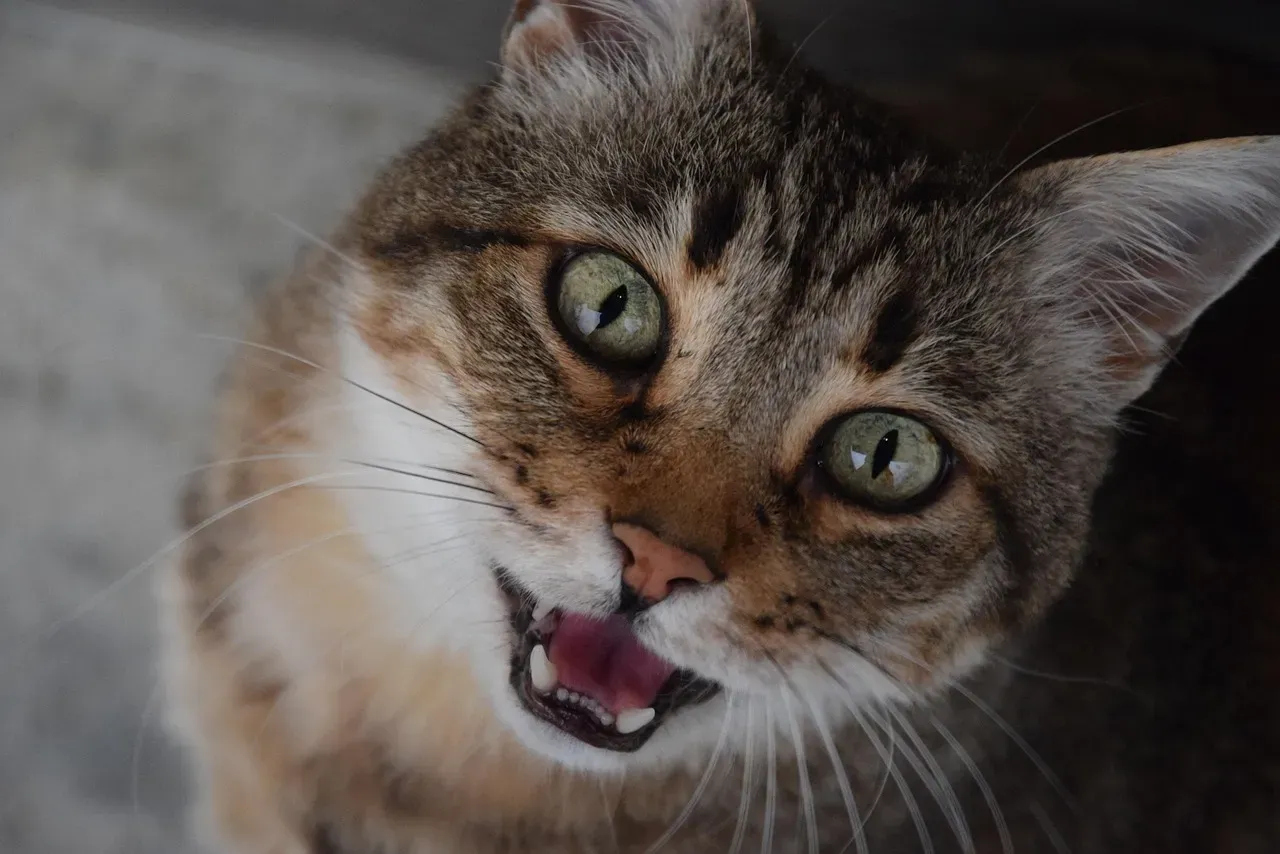
Not all meows sound the same, and that’s entirely intentional. A meow can be assertive, plaintive, friendly, bold, welcoming, attention-soliciting, demanding, or complaining, and it can even be silent. The pitch, duration, and tone all carry different meanings.
Research demonstrates that there’s a clear negative relationship between pleasantness and urgency rooted in how the calls sound, with sounds rated as more urgent being longer. When your cat wants something desperately, they’ll stretch out those vocalizations. A quick, chirpy meow? That’s usually a friendly greeting or a gentle request.
Cats had six different forms of meows to represent friendliness, confidence, dissatisfaction, anger, fear, and pain, according to early phonetic studies. Context matters enormously. The meow your cat produces near their empty food bowl differs markedly from the one they make when you return home after a long day.
Humans Are Surprisingly Bad at Understanding Cat Speak
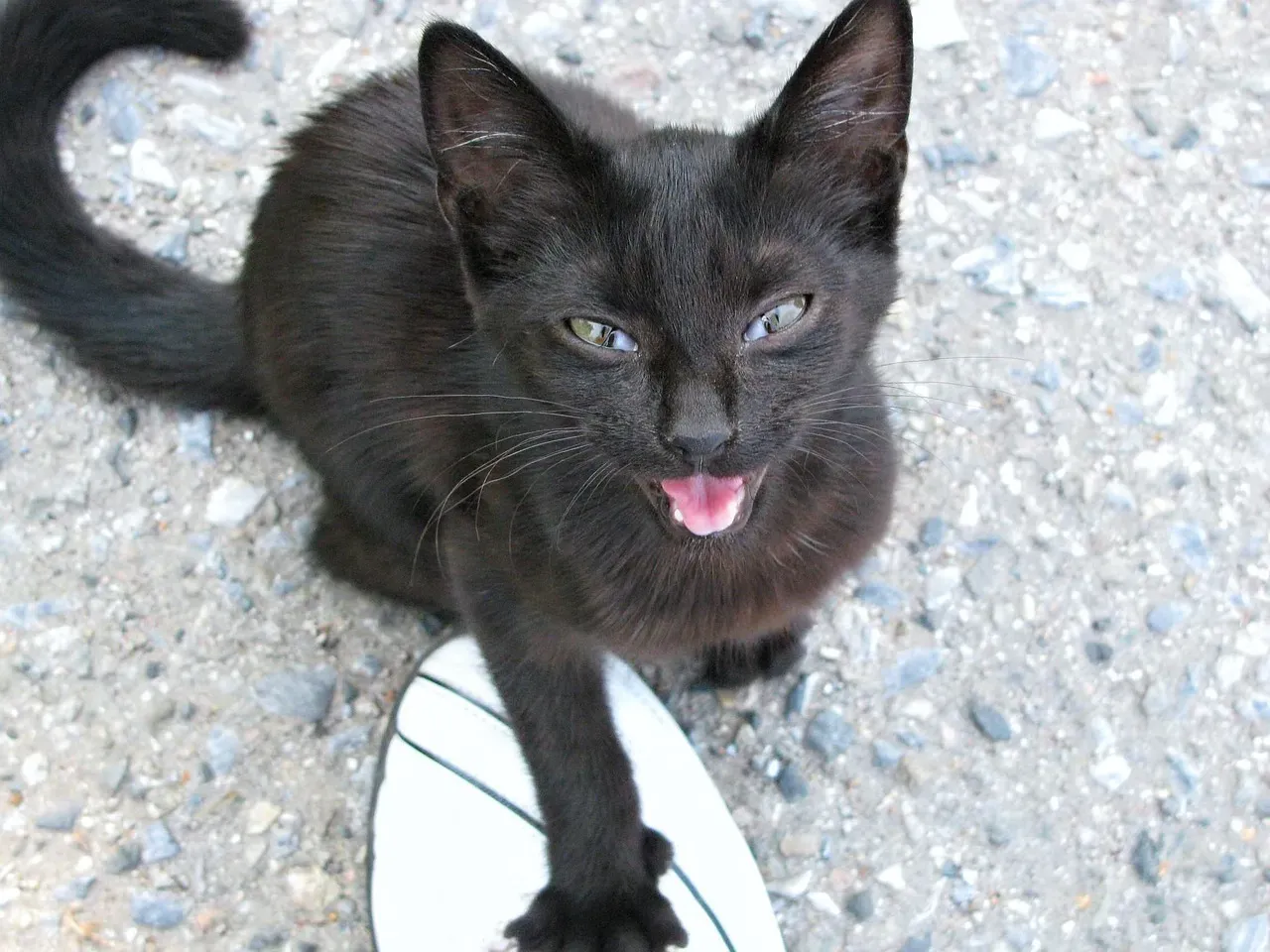
Here’s the ironic part. Despite cats developing this elaborate communication system specifically for us, humans are not particularly able to extract precise information from cats’ vocalizations and show limited capacity of discrimination based mainly on their experience with cats. We’re the intended audience, yet we frequently miss the message.
Female participants and cat owners showed higher ability to correctly classify vocalizations emitted by cats during brushing and isolation. Experience helps, certainly, but even seasoned cat owners sometimes struggle to decode what their feline is saying. Empathy plays a role too, with high levels of empathy toward cats significantly associated with better recognition of meows emitted during isolation.
The truth is that while cats have mastered the art of vocal manipulation, we humans are still playing catch-up. We respond to their meows often without consciously understanding what’s being communicated, reacting instead on an emotional level.
The Hidden Cry Inside the Purr
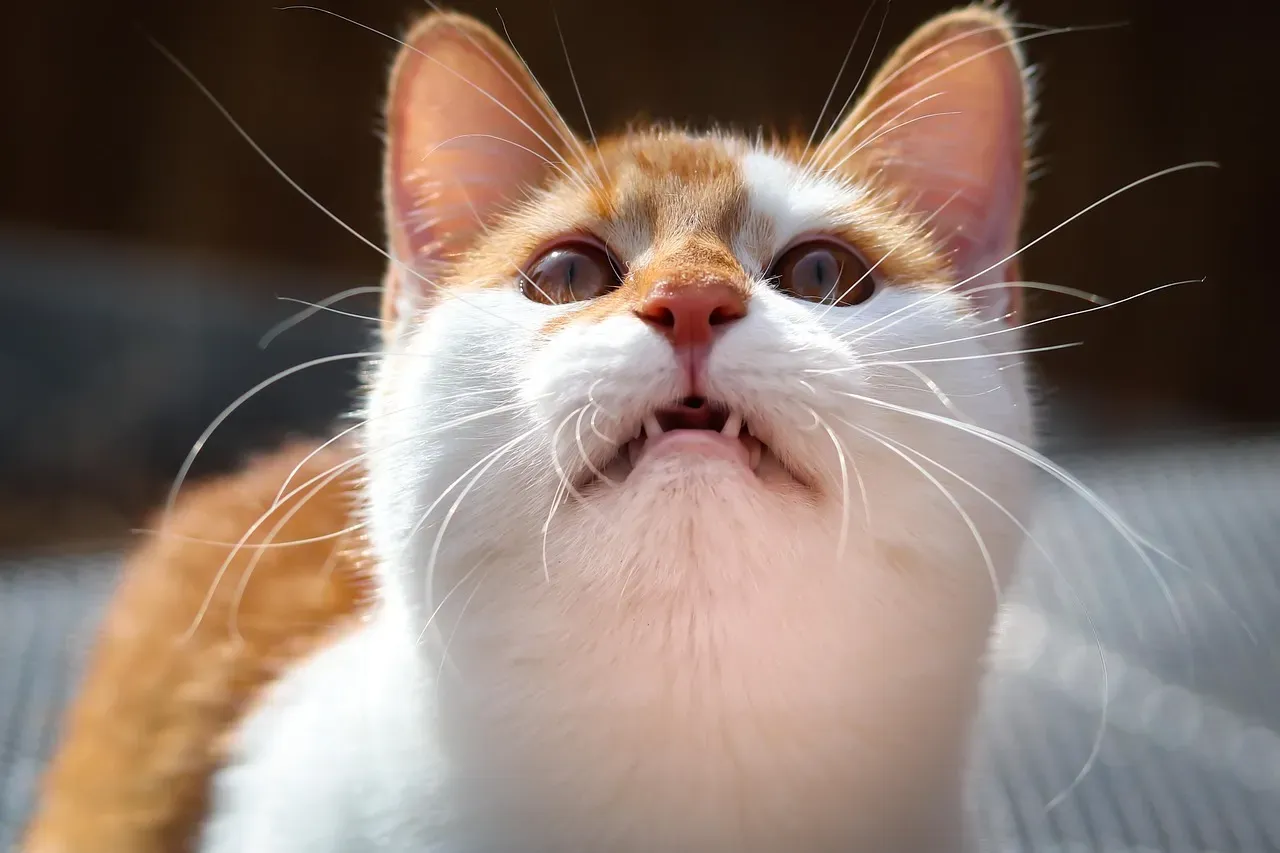
You might think purring is straightforward contentment. Think again. When cats were seeking food, their “solicitation purr” was rated by both cat owners and non-cat owners as more urgent and less pleasant, with acoustic analysis revealing a high-pitch component resembling a cry.
Cats have figured out how to embed a cry-like frequency into their purrs when they want something. This taps directly into our nurturing instincts. Human babies are entirely dependent on their parents at birth, making us particularly attuned to distress calls, as ignoring them would be costly for human survival. Clever cats have exploited this hardwired human response.
Cats may purr when they are hungry, happy, or anxious, and sometimes purr when they are ill, tense, or experiencing traumatic moments such as giving birth. Reading the full context becomes essential. A cat purring while relaxed on your lap differs from one purring at the vet’s office.
Every Cat Develops Their Own Dialect
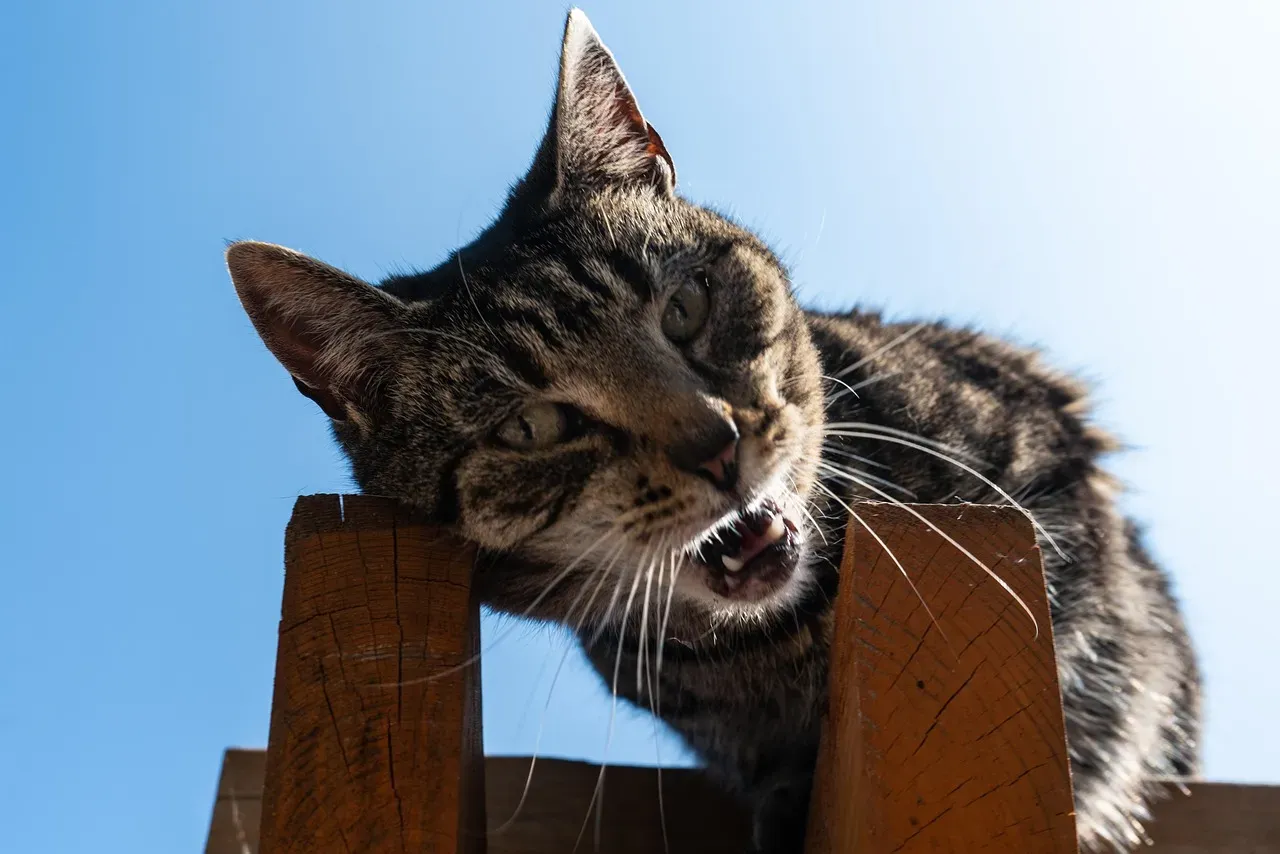
Every cat has their own distinct meow, and they use it to call their person, say hello, or ask for food. This isn’t just about individual voice characteristics like pitch or timbre. It’s about learned patterns that develop uniquely within each household.
Most meows are random sounds which the cat learns to use to communicate with people, so each household with a cat has its own glossary of meows for food, caressing, playing, attention, and more. Your cat has essentially created a custom language designed exclusively for your household’s dynamics.
This explains why bringing a new cat into your home requires a learning period. They haven’t yet figured out what works with you. They’re testing different vocalizations, observing your reactions, and gradually building their personalized communication strategy. It’s a process of mutual adaptation.
Cats Can Even Mimic Human Speech Patterns
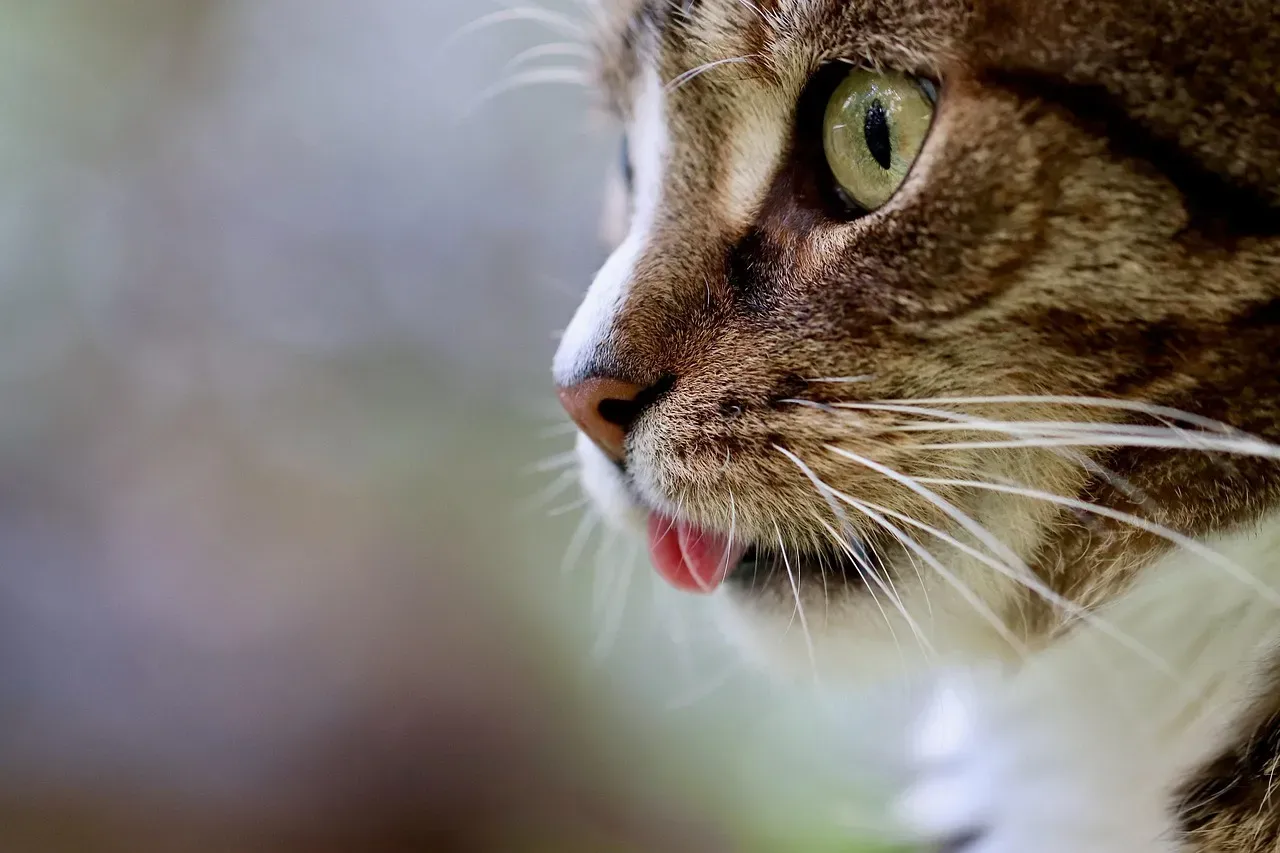
While cats can’t actually speak human languages, animal behaviour experts explain they are modifying the meow vocalisation to mimic certain human words, such as a cat learning to use “mow” in a low tone after frequently hearing its owner say “no”. They’re observant enough to pick up patterns in our speech.
Some cats even develop meows that sound suspiciously like baby cries or mimic human intonations. They’re not actually forming words, but they’re clever enough to approximate sounds that get strong reactions from us. It’s yet another example of their remarkable adaptability.
This behavior reveals sophisticated social intelligence. Cats are paying attention not just to what we do but how we sound when we do it. They’re pattern recognition experts who’ve turned vocal manipulation into an art form.
Breeds, Personalities, and Vocal Tendencies
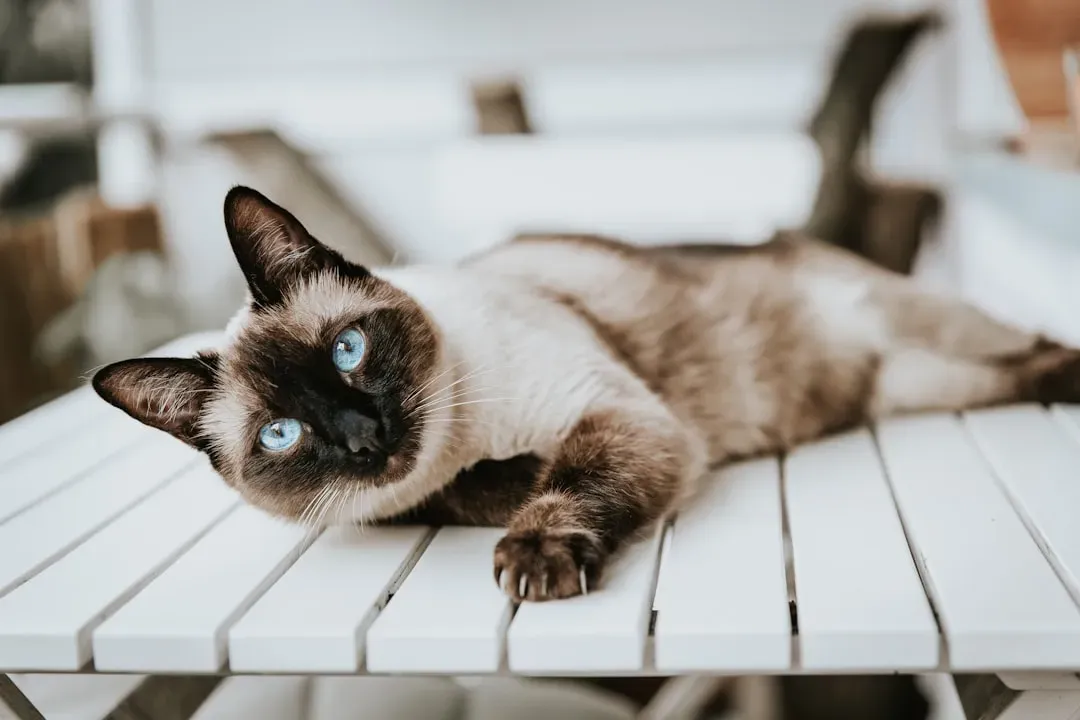
Not every cat is equally chatty, naturally. Some cat breeds like the Siamese are known to meow more than others. Siamese cats in particular have a reputation for being exceptionally vocal and demanding with their humans. British Shorthairs, conversely, tend toward the quieter end of the spectrum.
A cat’s personality influences how much it meows, with some being very active, curious, and extroverted meowing more than reserved and cautious cats, while calm and confident cats may choose to meow less. Age matters too, with older cats sometimes becoming more vocal due to cognitive changes or physical discomfort.
Individual variation is enormous. Some cats maintain an almost constant running commentary on their day, while others reserve their vocalizations for truly important moments. Neither approach is better or worse, just different communication styles shaped by genetics, environment, and learned behavior.
The Real Purpose Behind the Symphony
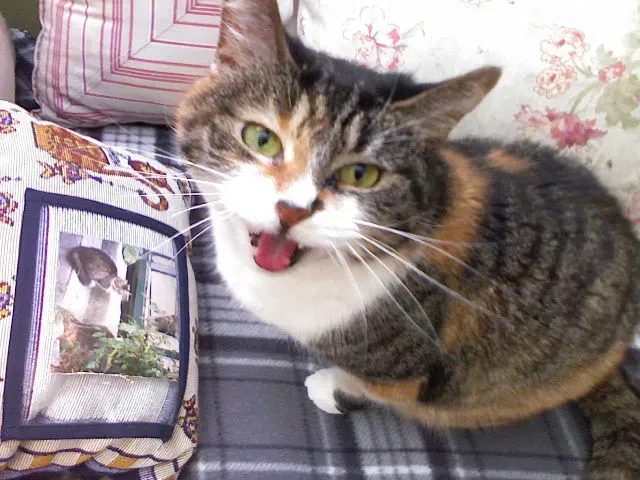
Let’s be real here. Cats are domesticated animals that have learned what levers to push, what sounds to make to manage our emotions. They’re not little people, and they’re not using true language as we understand it. What they are doing is something arguably more impressive: they’ve cracked the code on human psychology.
With over 10,000 years of domestication, cats have learned to fine-tune their vocalizations to their individual household to best get what they want, meaning the 600 million worldwide pet cats make the same sounds but with personalized nuances, making them masters of persuasion. That’s not a bug; it’s a feature.
Your cat’s symphony of meows, trills, chirps, and purrs isn’t random noise. It’s a carefully orchestrated performance designed to elicit specific responses from you. Food. Attention. Affection. Access to that closed room. They’ve studied you more carefully than you might have studied them.
Each vocalization is a note in a composition they’re constantly revising based on what works. When that particular meow gets you to open the treat jar, you can bet they’ll file that away for future use. When a drawn-out yowl brings you running, concerned they’re in distress, they’ve learned something valuable about your emotional triggers.
Conclusion: The Music Only You Can Hear
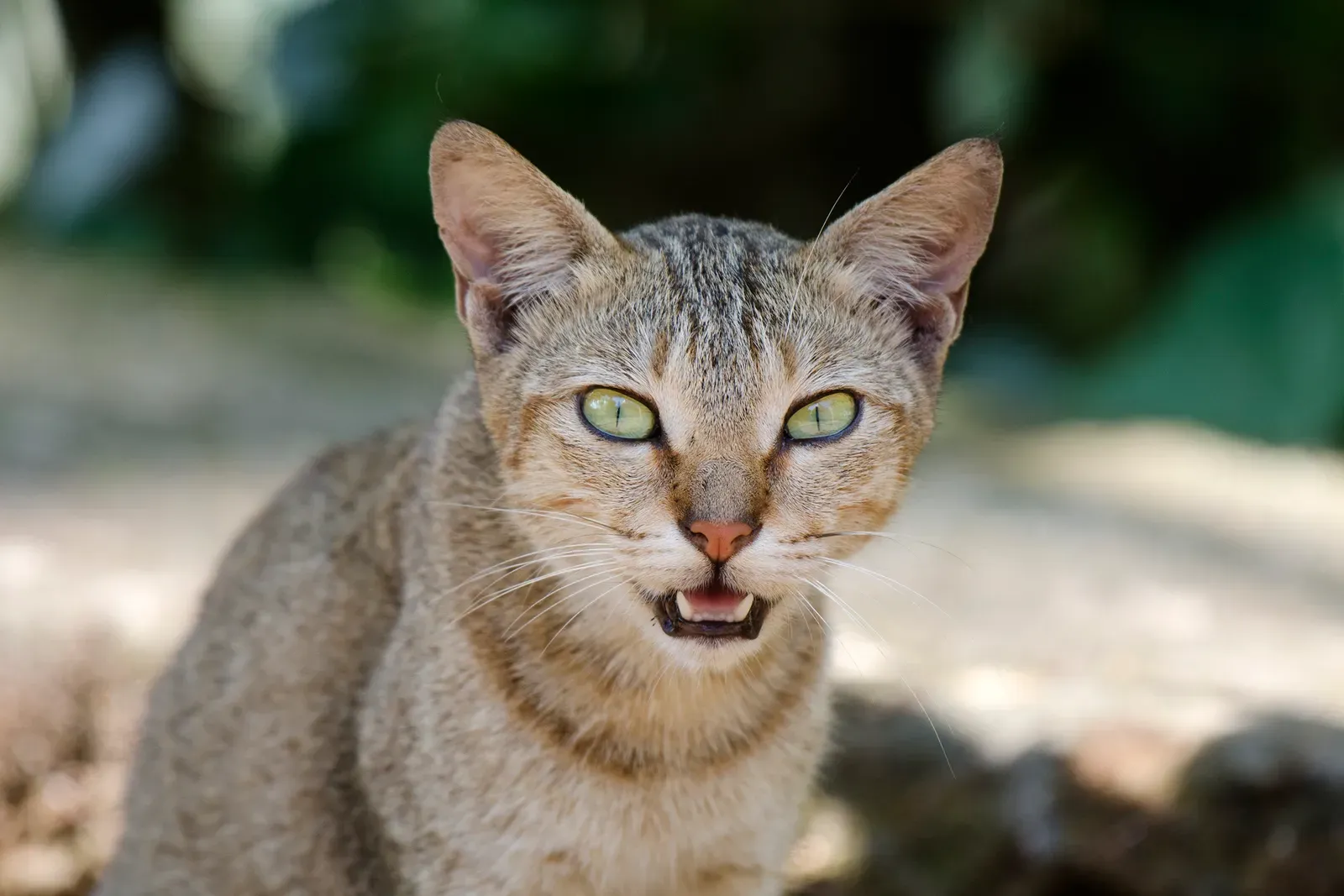
The next time your cat meows at you, stop and really listen. That sound is uniquely theirs, crafted specifically for your ears based on thousands of previous interactions. Cats have evolved to use vocal signals that resonate with our nurturing instincts, and paired with our use of pet-directed speech, this two-way communication highlights the unique relationship we’ve developed with our feline friends, with cats being the winners adapting to solicit care and attention from us.
We’ve spent millennia shaping each other, cats and humans, in ways both obvious and subtle. They’ve become more vocal, more attuned to our emotional states, more skilled at getting what they need from us. We’ve become softer-voiced, more responsive, more willing to interpret meaning in their sounds. It’s a remarkable partnership built on mutual adaptation.
Your cat isn’t just meowing. They’re composing a symphony, and you’re the only one who truly understands its melodies. Pretty amazing when you think about it, isn’t it?