You think your cat’s lazy? Think again. While you’re scrolling through endless feeds and stressing about deadlines, your feline companion has figured out something humans have been chasing for centuries: the perfect balance between alertness and rest. Let’s be real, calling it a nap doesn’t quite capture what’s happening when Fluffy curls into that impossibly tiny ball on your keyboard.
The average cat will sleep 15 hours a day, and some can sleep up to 20 hours. That’s not laziness. That’s a masterclass in energy management, stress reduction, and biological efficiency rolled into one furry package. So let’s dive in and uncover why your cat might just be the relaxation guru you never knew you needed.
Your Cat’s Sleep Schedule Is Basically a Strategic Power Management System
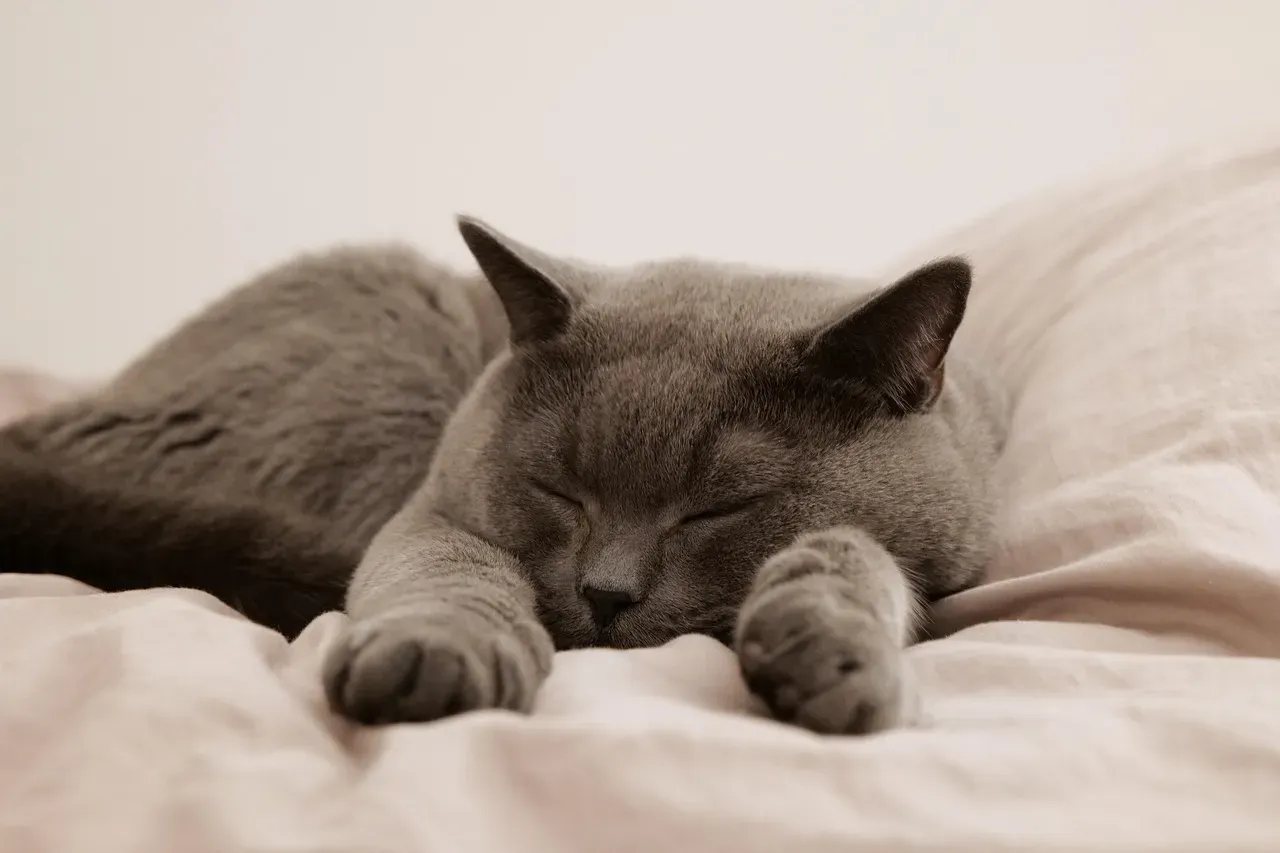
Here’s the thing about cat sleep that blows my mind. They follow a polyphasic sleep pattern, meaning they have multiple periods of sleep throughout a 24-hour day. Unlike us poor humans who crash for one solid chunk and wake up groggy, cats have cracked the code of the strategic power nap.
Cat naps vary in length but typically last 30 minutes to two hours. Think of it like your phone’s battery management system, constantly topping up rather than waiting for a full drain and recharge cycle. Honestly, it’s brilliant when you consider that in the wild, vulnerability is a real concern.
This isn’t random either. In the wild, these ancestors needed to conserve energy for hunting, a high-energy activity. Your couch potato might only be hunting dust bunnies now, but that evolutionary programming runs deep.
They’re Not Nocturnal – They’re Playing the Twilight Game
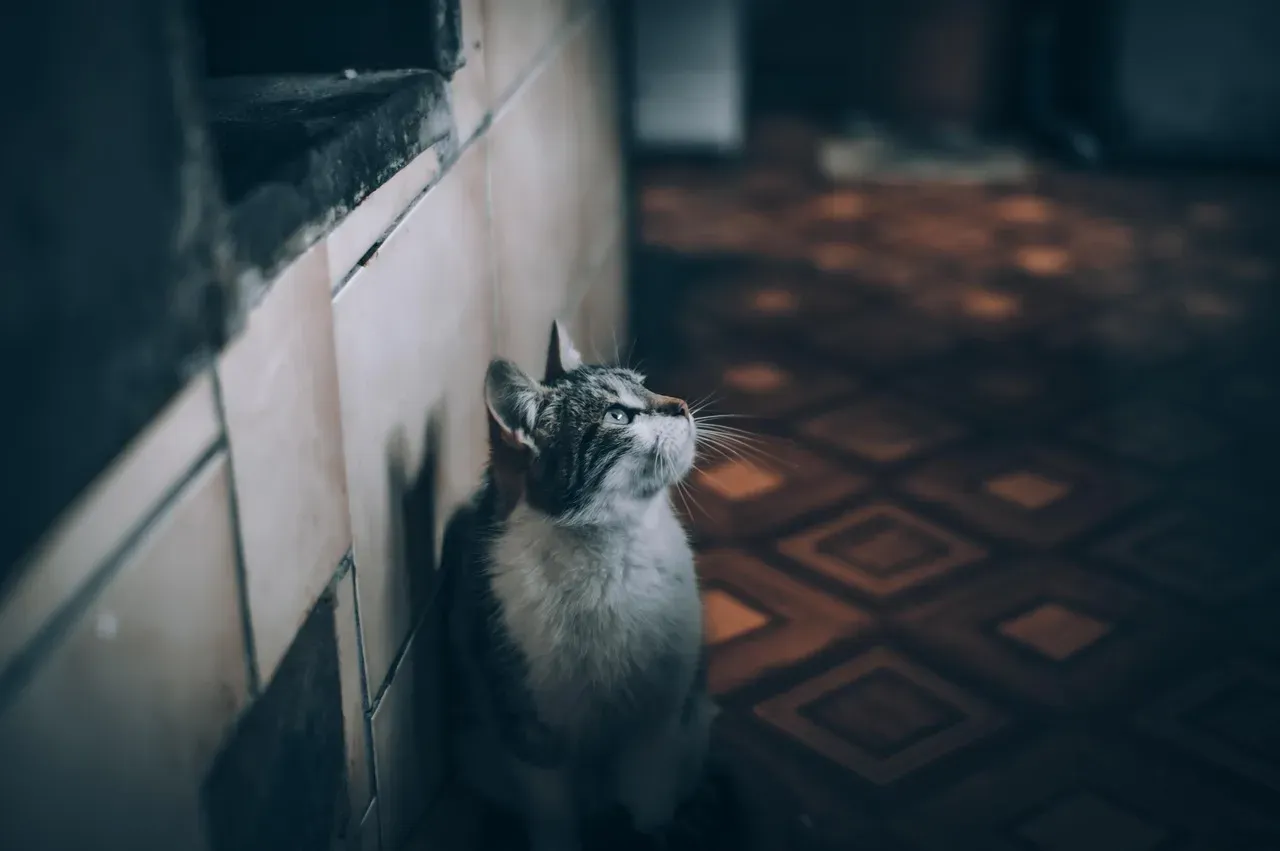
Cats are crepuscular, meaning they are most active during dawn and dusk. I know it sounds crazy, but your cat waking you at five in the morning isn’t spite. It’s biology. Over millions of years, cats have evolved to be low-light predators, with their eyesight specifically adapted for activity at twilight.
There’s actually a really clever reason for this timing. Common prey animals for cats have different sleep cycles. A cat’s crepuscular nature allows it to be awake at daybreak to prey on diurnal birds, and at twilight to prey on nocturnal rodents. It’s like having two hunting shifts instead of one.
What’s fascinating is that indoor cats sometimes adjust this pattern. Cats in the small home somewhat mirrored their owners’ sleeping patterns and were more likely to be awake at times their owners frequently interacted with them. So yes, your cat might actually be adapting to your weird human schedule because they care about you. Or maybe they just want breakfast.
REM Sleep Isn’t Just for Humans – Cats Dream Too
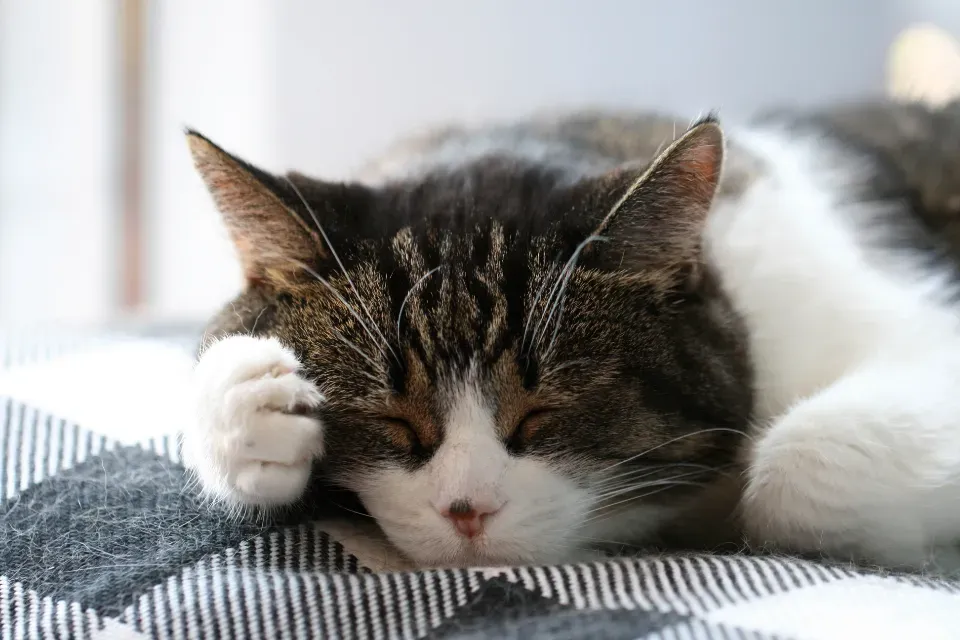
You’ve probably seen it: the twitching paws, the little chirps, maybe even some running motions while they’re flat out asleep. Research supports the idea that cats experience dreams during their sleep, like humans. Scientists discovered this back in the 1960s, and it changed everything we thought we knew about animal consciousness.
Cats show low voltage electroencephalogram (EEG) activity with eye movements and while in REM sleep, have atonia, a type of muscle immobility. Scientists believe this is so they don’t hurt themselves and can act out a dream’s content. Nature literally built in a safety mechanism so your cat doesn’t accidentally launch themselves off the bookshelf mid-dream.
It’s likely that their brain is reviewing the day’s activities, consolidating memories, and processing various experiences. So when Mr. Whiskers spent twenty minutes stalking a fly yesterday, he might be mentally filing that entire tactical operation away for future reference.
The Two-Speed Sleep System That Makes Perfect Sense
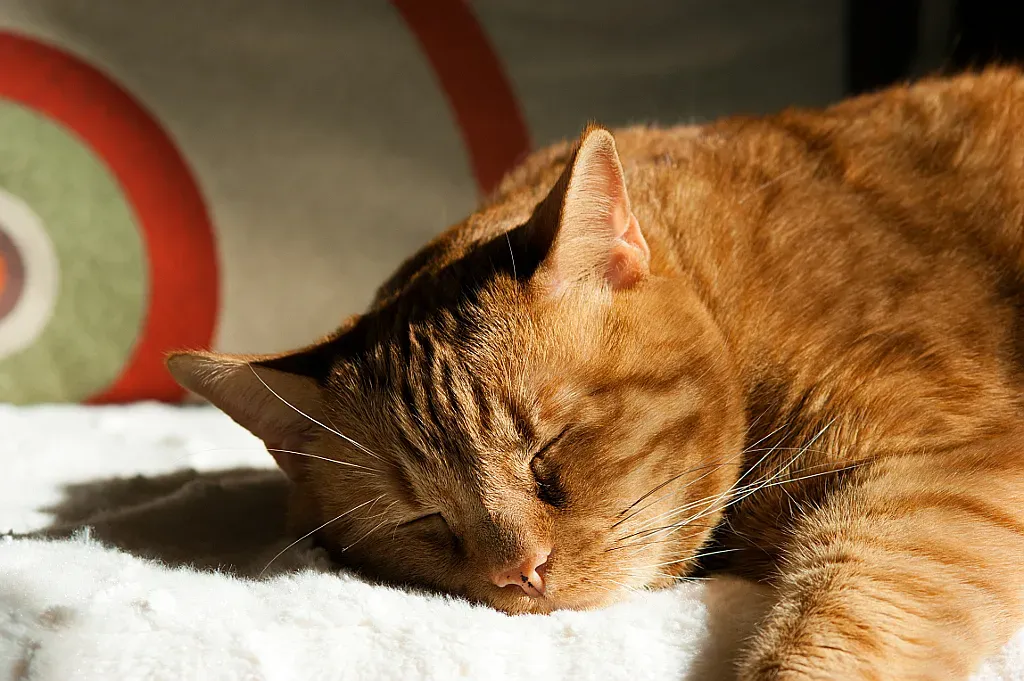
Not all cat sleep is created equal. They’ve got a dual-mode system that would make any engineer jealous. About three-fourths of their sleep is light sleep, a shallow almost-waking rest. During this phase, cats doze in a kind of ready position, their senses of smell and hearing in the “on” mode.
This is the sleep where you might notice your cat’s ears swiveling toward sounds or one eye cracking open to assess whether you’re approaching the food cabinet. It’s not paranoia; it’s survival instinct on standby.
Then there’s the deep stuff. The other one-fourth of the time, cats really are out of it, sleeping deeply, often reaching REM sleep. This deep sleep usually comes in five-minute increments that are broken up by dozing. Five minutes might not sound like much, but when you’re cycling through it multiple times a day, it adds up to serious restorative rest.
Sleep Positions Are Actually a Trust Barometer
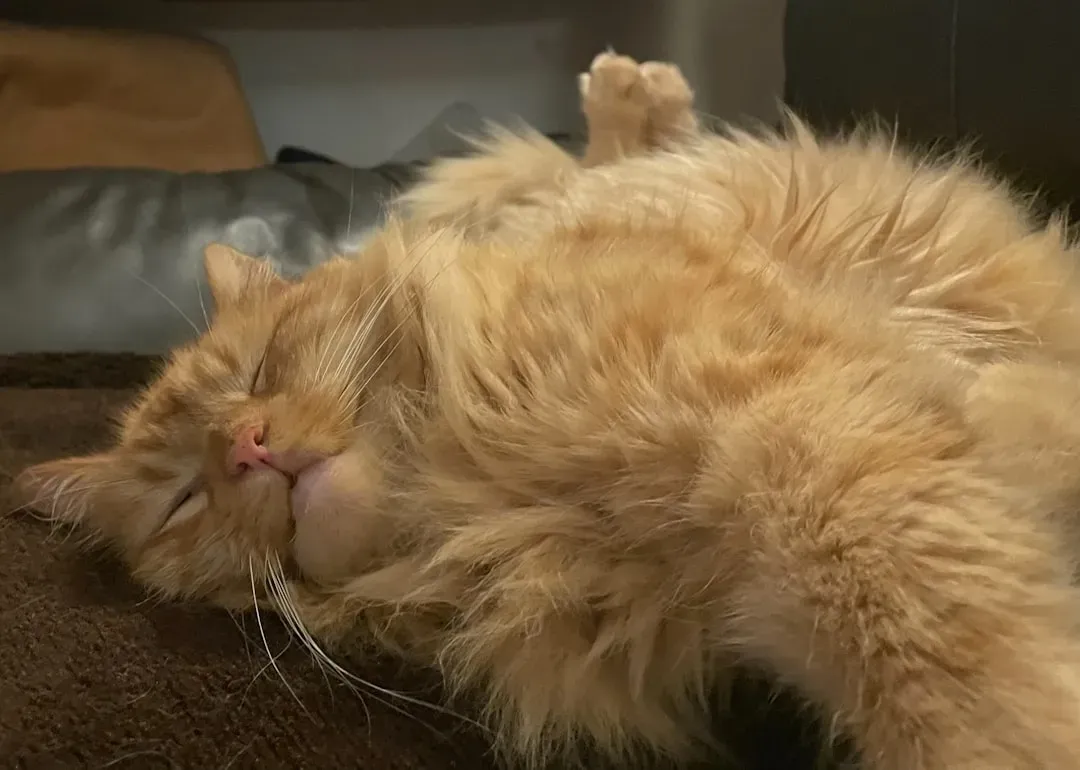
Ever wonder why your cat sleeps in such bizarre positions? There’s actual science behind it. A cat curled up in a ball might seek warmth or protect its vital organs, a holdover from its wild instincts. It’s the defensive posture, the “I’m resting but ready to move” position.
The real sign of trust? A cat sleeping sprawled on its back with its belly exposed indicates a high level of trust and security in its environment, as this position leaves them most vulnerable. If your cat does this around you, congratulations. You’ve been deemed safe.
Recently, researchers even discovered something wild about sleeping preferences. Two-thirds of cats prefer to sleep on their left side, indicating asymmetry at the population level. About two-thirds of cats prefer to sleep on their left side. The exact reason remains somewhat mysterious, though scientists theorize it might relate to brain hemisphere specialization.
Energy Conservation Is the Name of the Game
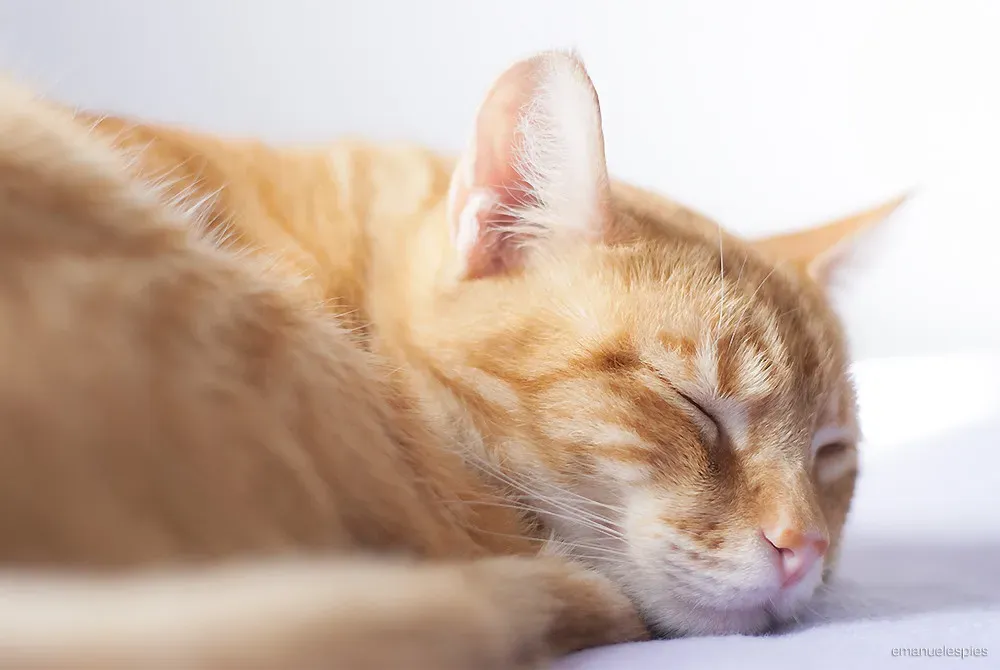
Cats use a lot of energy when they hunt, play, or explore their environment – so it makes sense that they need to conserve energy by sleeping more. Even though your indoor cat isn’t exactly tracking gazelles across the savanna, those ten minutes of absolute chaos chasing a laser pointer? That depletes their energy reserves fast.
During sleep, a cat’s body undergoes various physiological processes essential for well-being. It’s a time when their body repairs itself, builds muscle and bone, and strengthens the immune system. Sleep isn’t downtime for cats. It’s maintenance mode, where all the critical systems get tuned up and repaired.
Think about it this way: Cats in the wild work hard in order to meet their dietary needs, and expending that kind of physical effort requires a lot of recharging. Your pampered house cat still has that same biological programming even if their biggest challenge is deciding which sunny spot to claim.
Age Changes the Sleep Equation Dramatically
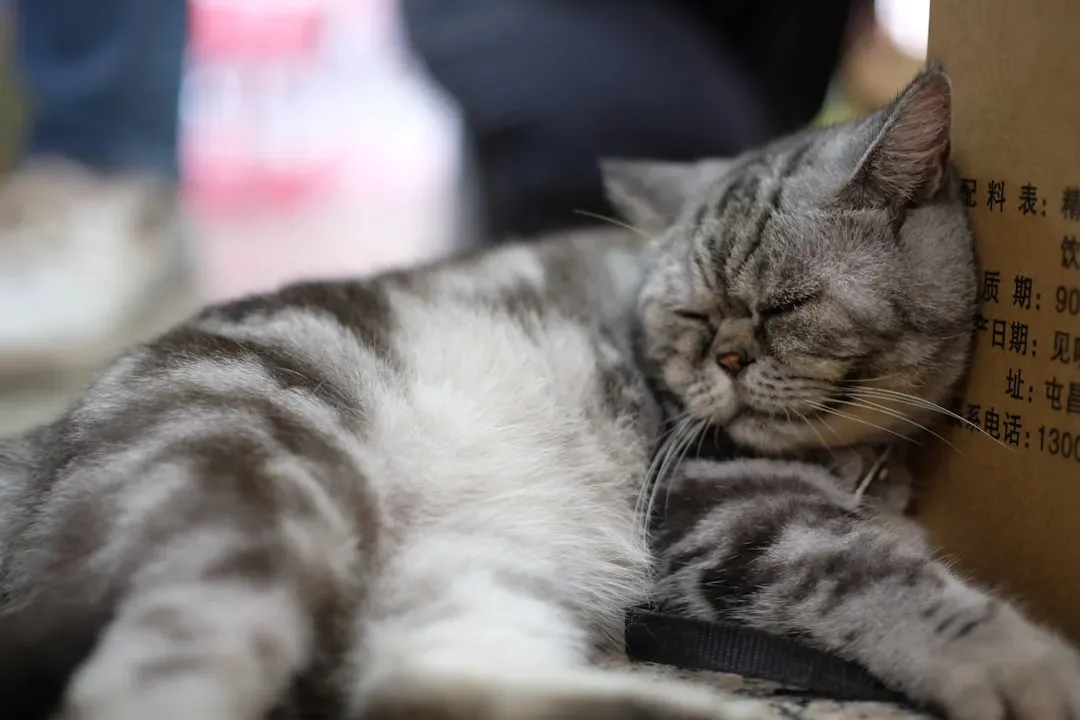
Kittens are essentially furry sleep machines. Kittens tend to sleep more than the average cat, up to 90% of the time. This is because they need to constantly recharge their batteries as their brain and central nervous system is still developing. It’s not just rest; it’s literally building a brain.
Kittens tend to sleep more than the average cat and approximately 90% of kittenhood is spent snoozing! This is because they need to constantly recharge their batteries as their brain and central nervous system is still developing. What’s more, this time kittens spend sleeping strengthens their muscles and bones and keeps their immune system functioning.
On the flip side, senior cats ramp up their sleep time again. Many senior cats sleep more than 18 hours per day. As they grow older, a majority of cats sleep for more hours each day than they did in their younger years. Just like humans, aging bodies need more recovery time.
When Sleep Becomes a Stress Signal
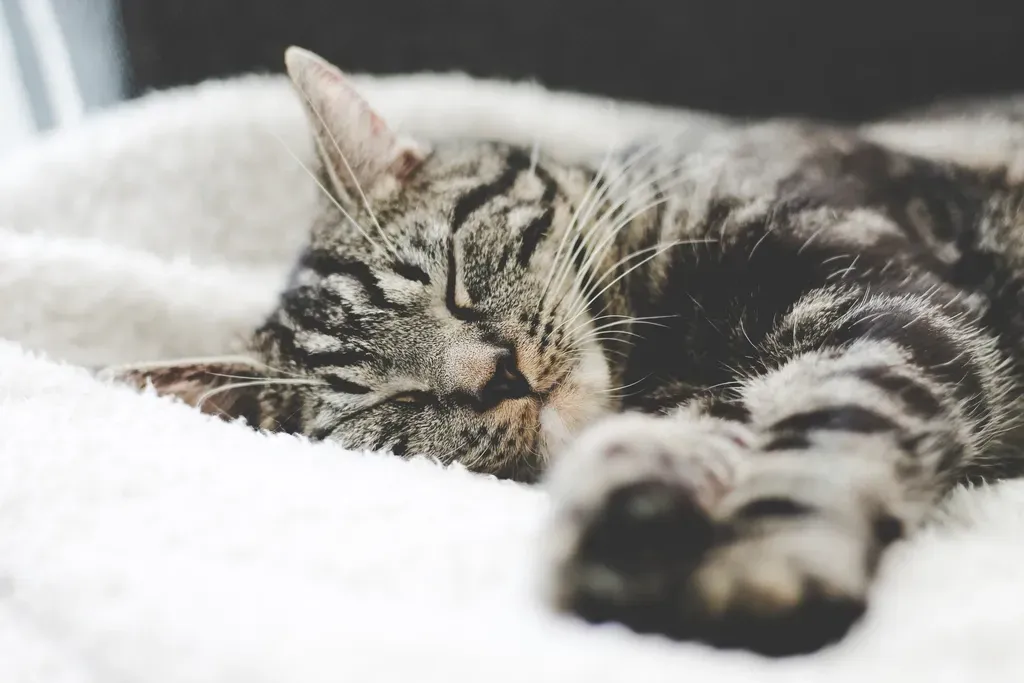
Here’s where things get interesting and a bit concerning. Cats don’t always sleep because they’re content. Cats feign sleep when stressed. Feigning sleep is defined as “giving the false appearance of sleep.” In this state, the cat is anything but relaxed.
Cats will actually feign sleep when they are stressed. This commonly occurs in cats that have to share their resources with other cats they do not perceive to be in the same social group. So for example, cats that do not like each other may sleep near to each other on the back of a sofa because of the value of this lovely raised resting area, perhaps bathed in sunlight – but they may not actually relax properly because of the presence of the other cat nearby. As a result the cats may suffer from insufficient restful sleep which can be very debilitating.
Changes in sleep patterns deserve attention. One way cats express stress or anxiety is by changing their sleep patterns. If they’re suddenly sleeping more than usual, it could be a sign they’re feeling overwhelmed or anxious about something in their environment. It’s their version of pulling the covers over their head.
The Biology Behind All Those Zzzzs
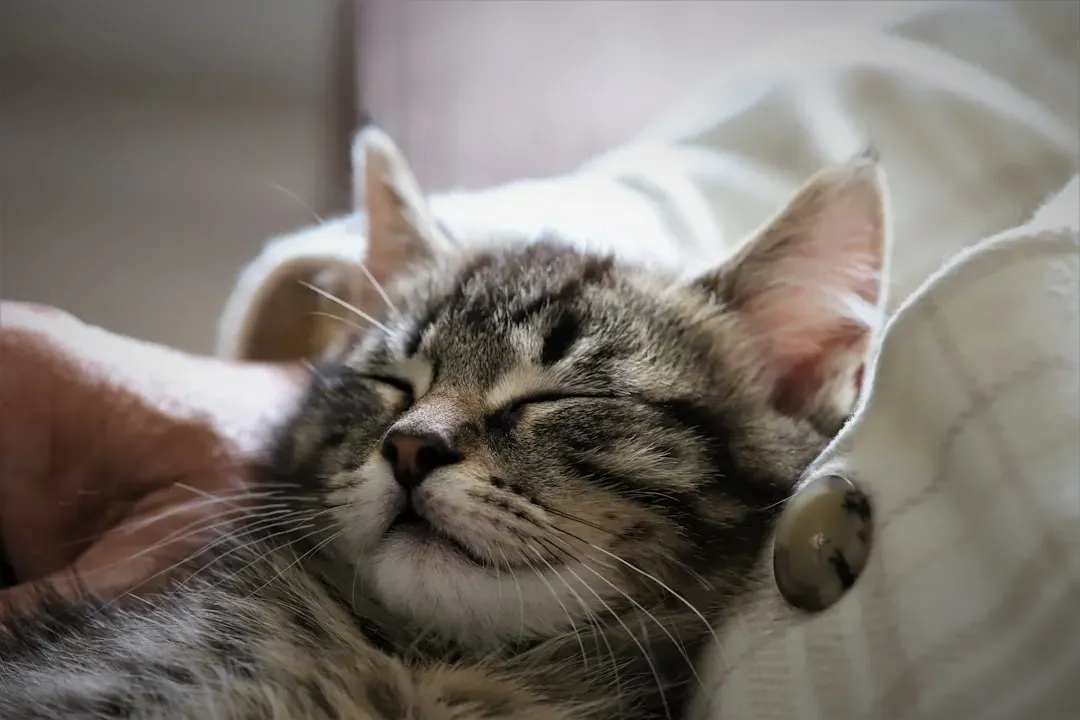
Cats enter REM sleep more frequently and for shorter durations than humans. This rapid cycling makes sense when you think about survival. This difference highlights the evolutionary adaptation of cats to remain alert to environmental dangers, even while resting. They’re never fully off guard, even in deep sleep.
Cats spend a higher percentage of their sleep in REM than humans, reportedly up to three times more. That’s staggering when you consider how important REM sleep is for memory consolidation and brain function. Cats are essentially running three times the mental maintenance cycle that humans do.
The neural architecture is surprisingly similar to ours. Cats and humans share the REM and non-REM sleep stages, but the structure and duration of these cycles differ significantly. We’re built on the same blueprint; the settings are just calibrated differently.
How Diet and Environment Shape Sleep Patterns
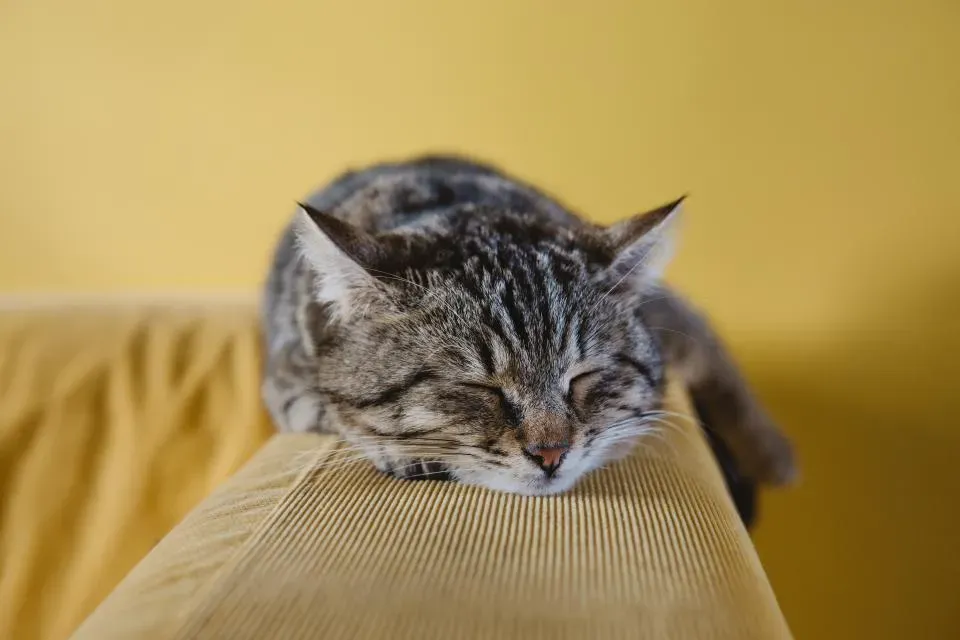
Food plays a bigger role than you might think. Their meat-heavy diet plays a major role in their sleep patterns. After a protein-rich meal, cats often experience a surge of the amino acid tryptophan, which leads to the production of serotonin. It’s the same reason humans get sleepy after Thanksgiving dinner, just on a more regular basis for cats.
The cat’s diet may play an important role in its sleep patterns. Large grazing herbivores must graze for hours to supply their bodies with enough food. But the protein-rich diet of the cat does not require such an investment of time, and allows him plenty of time for napping. Evolutionary efficiency at its finest.
Environment matters too. Cats who lack mental stimulation often become lethargic and sleepy as a way of filling the time. Boredom sleep is real, and it’s not healthy sleep. Your cat needs enrichment, challenges, toys, and interaction to maintain a healthy sleep-wake balance.
What We Can Learn From Feline Relaxation Masters
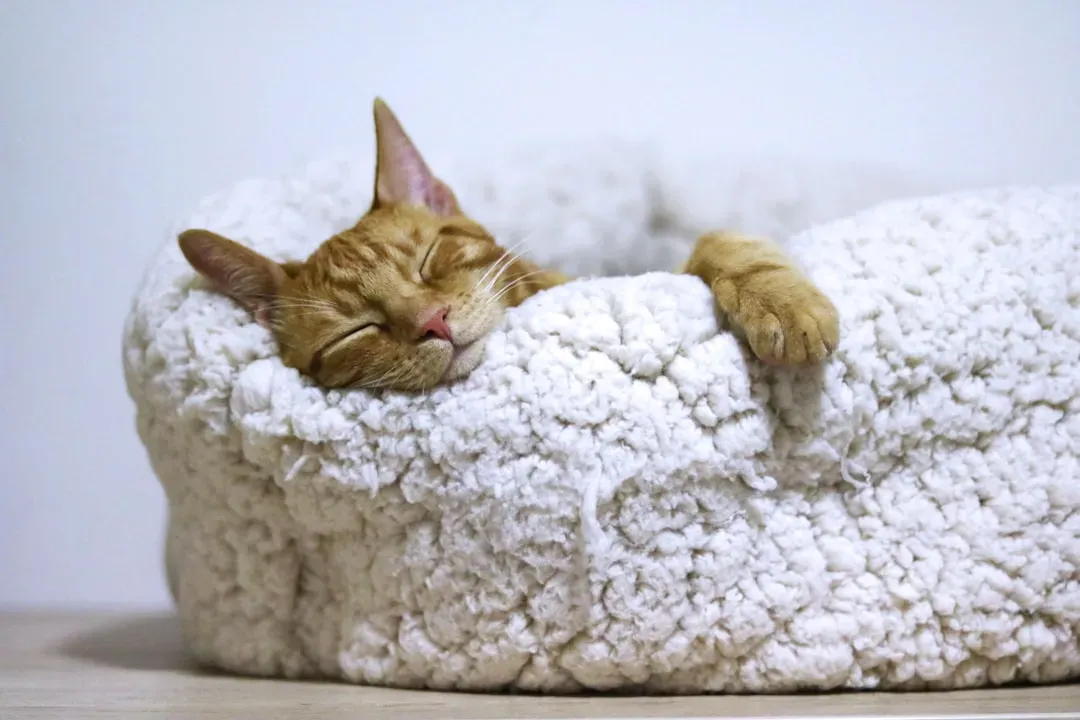
Let’s step back for a moment. Cats have figured out something most humans struggle with their entire lives: how to properly rest. They don’t fight their biology. They don’t feel guilty about taking a nap. They listen to what their body needs and they rest accordingly.
Cats sleep so much because it is a natural part of their biology and helps them conserve energy, regulate their body temperature, and maintain good mental health. There’s no anxiety about productivity. No scrolling through social media when they should be resting. They’ve mastered the art of being present, whether that’s during active play or deep rest.
Maybe the real question isn’t why cats sleep so much, but why we humans sleep so little and so poorly. Our feline friends have maintained their connection to natural rhythms that we’ve largely abandoned in our 24/7 plugged-in world. They alternate between periods of intense focus and complete relaxation without apology or second-guessing.
Your cat isn’t lazy. They’re operating exactly as designed: efficiently, strategically, and with an enviable ability to recharge completely. Next time you catch your cat in their seventeenth nap of the day, maybe don’t judge. Maybe take notes. They might be onto something we’ve forgotten how to do.
What’s your cat’s favorite sleeping spot? Share your stories in the comments. I’d love to hear about the weird and wonderful places your feline relaxation expert has claimed as their own.