You watch your cat crouch low, pupils dilated, tail barely twitching. Then, in a blur, they launch themselves at a crumpled piece of paper on the floor like it just insulted their entire bloodline. It’s adorable, right? Maybe even a little funny.
Here’s the thing though – what you’re watching isn’t random silliness or boredom. Every stalk, every twitch, every explosive leap is a perfectly preserved chapter from millions of years of feline evolution. Your fluffy housemate is running ancient software that no amount of kibble bowls and cozy beds has ever managed to uninstall. Let’s dive in.
The Wild Ancestor Living in Your Living Room
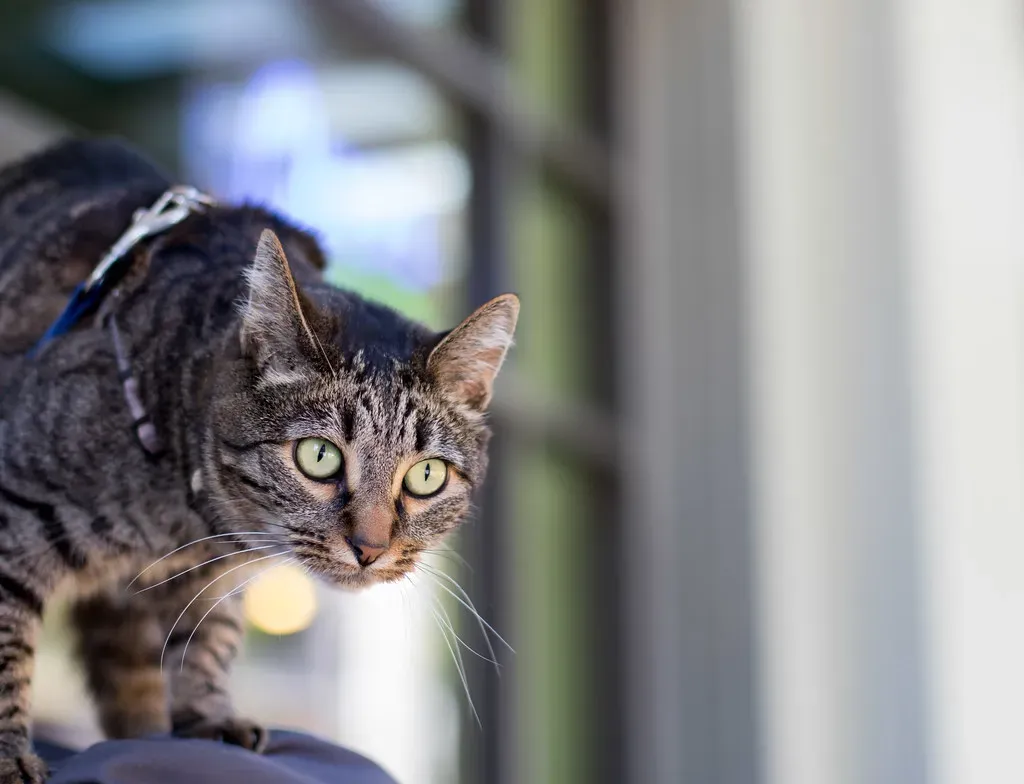
Cats have been natural-born hunters for thousands of years, and their instinct to chase small prey is deeply ingrained in their evolutionary history. As descendants of wildcats that roamed the deserts and forests of Africa and Asia, domestic cats have inherited a strong predatory drive. Think of it less like a habit and more like a factory setting – one that was never switched off.
Before cats became domesticated, they had to provide for themselves and hunt for their own food, not unlike their larger tiger and lion cousins. Limited prey meant only the most adept hunters could survive and reproduce. Every single cat you’ve ever loved is the direct descendant of warriors who earned their meals the hard way.
Why Even Your Well-Fed Cat Still Hunts
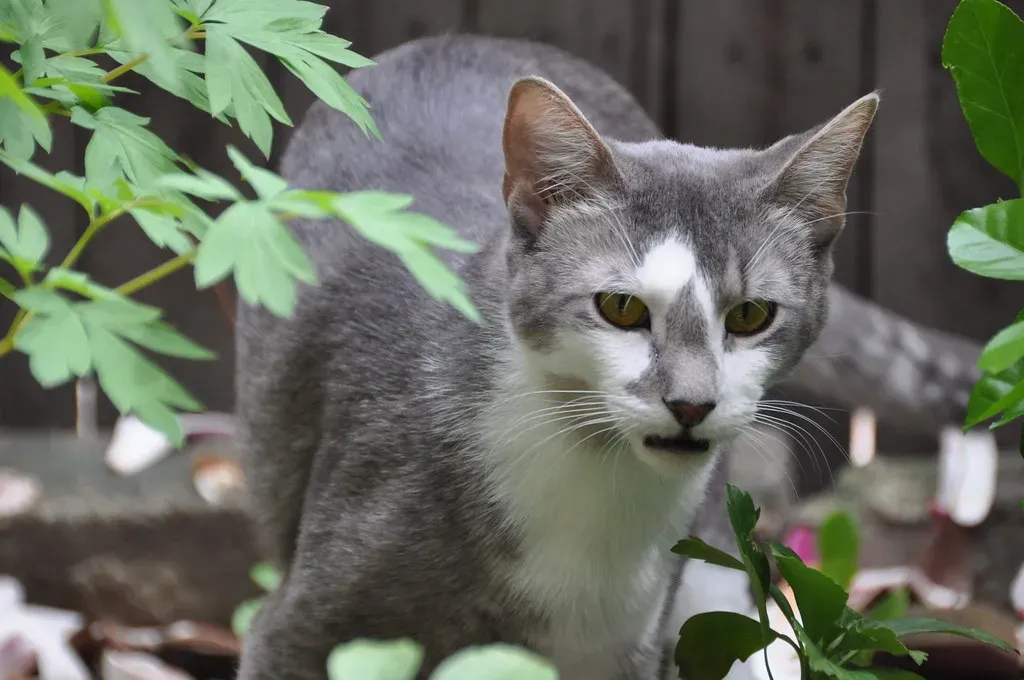
While a domesticated cat’s motivation to hunt may not be for food, it’s instinctive and hard-wired in their brains to hunt, even if they just play with whatever creature they’ve caught. You can fill that bowl twice a day and still watch your cat sprint across the room to ambush a dust bunny. Honestly, it never gets old.
For cats, hunting and eating aren’t necessarily related. Many cats have an urge to carry out hunting behaviors even when they’ve just eaten, especially if a small prey animal scuttles or hops past them and triggers them to start a hunt. It’s a little like how you can still want dessert when you’re full. The impulse has its own logic, completely separate from need.
The Science Behind the Pounce Itself
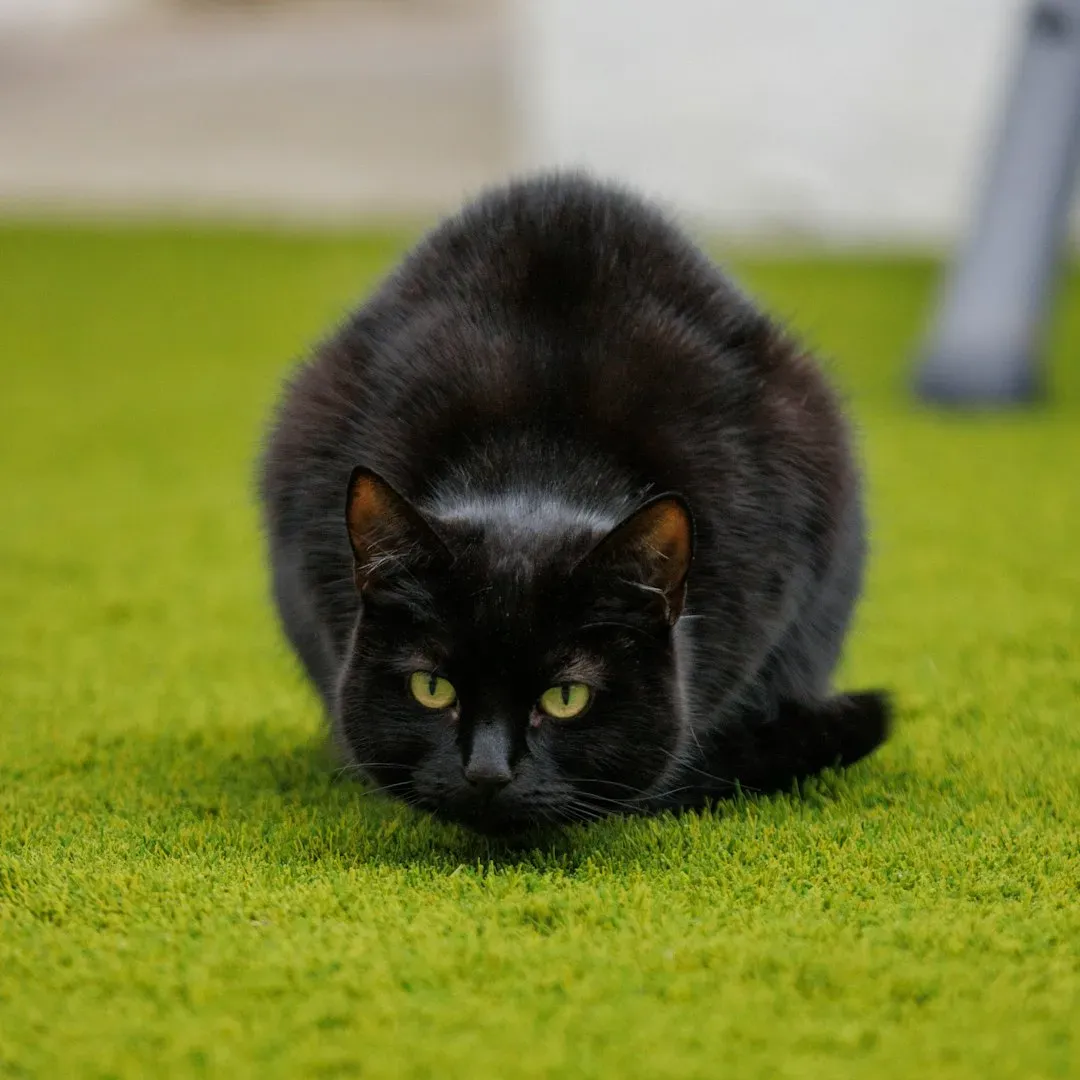
Pouncing behavior is hardwired into every cat’s DNA, a testament to their evolutionary history as skilled predators. Even well-fed house cats retain this instinct, which begins developing as early as five weeks of age. That means before a kitten has even figured out solid food, its body is already rehearsing the explosive leap that defines feline predation.
This explosive movement is a critical part of the hunting process, requiring precise timing and agility. After pouncing, cats typically bite their prey, aiming for the neck or the back of the head. This bite is instinctively aimed to immobilize the prey. Every element of the pounce is calculated. It isn’t chaos. It’s a precise, ancient sequence your cat has been running since before it opened its eyes.
How Kittens Are Born Into the Hunt
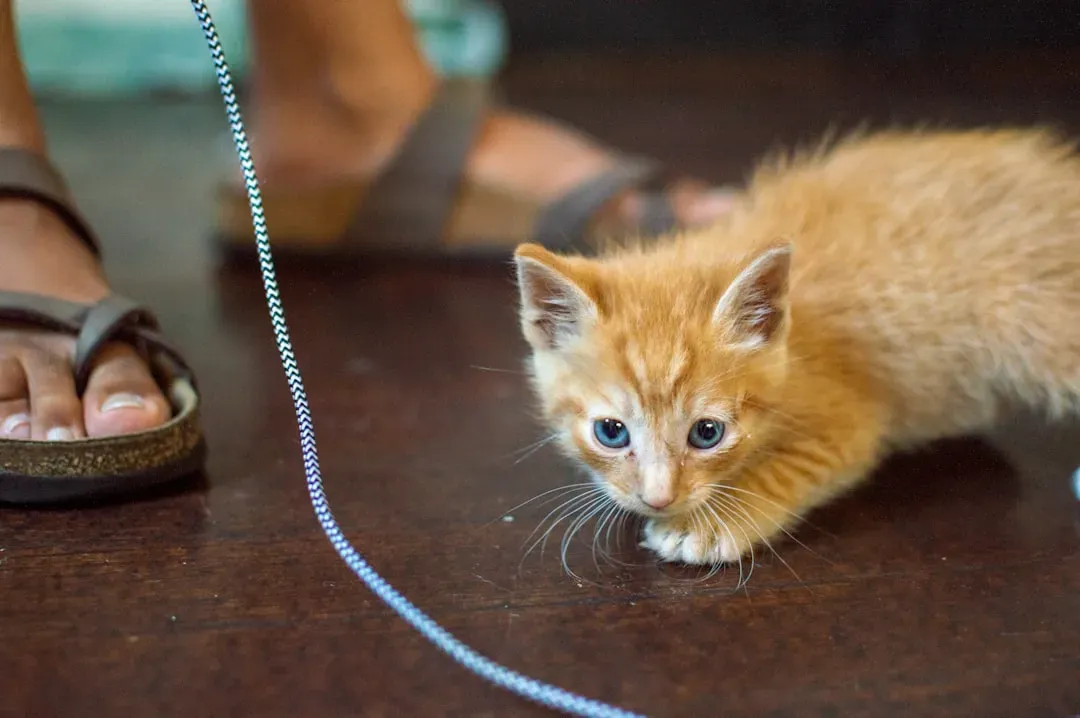
Kittens learn how to stalk as early as three weeks old and are proficient by nine weeks old. They first learn to swat and then to pounce. Play within a litter is often kittens mimicking the predatory sequence they’ve seen mom demonstrate. It’s basically the feline version of watching cooking videos and then immediately trying the recipe – except the recipe is “how to be a tiny apex predator.”
Along with learning to use sight and sound to locate bugs, lizards and other interesting critters, play helps cats develop the coordination and timing needed to successfully capture prey. Kittens learn to adjust their speed to the speed of moving objects and they learn to gauge distance by pouncing. Every “silly” pounce at a toy is a precision calibration. Your kitten isn’t playing – it’s training.
The Three-Stage Sequence of a Cat Hunt
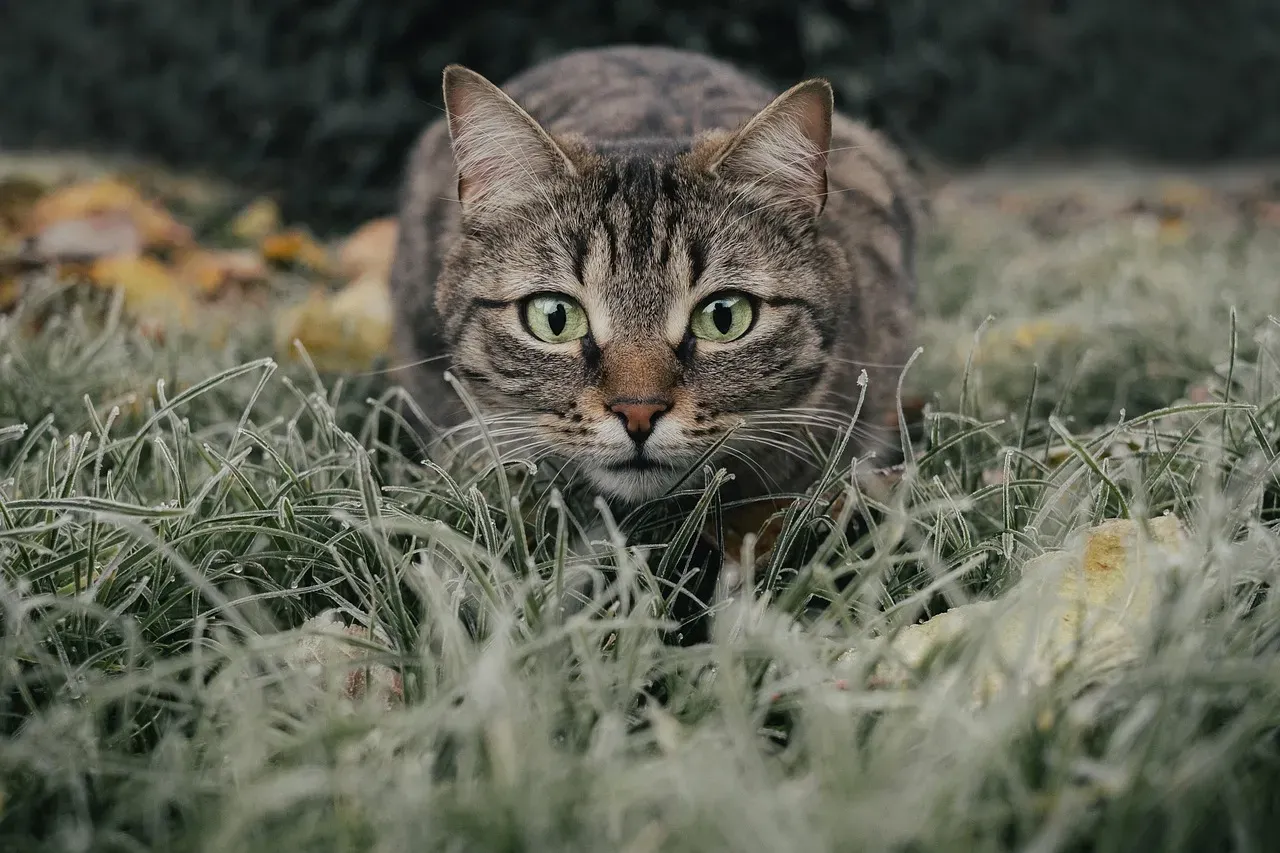
The cat’s hunting technique follows a three-stage process. The stalk involves a silent, stealthy approach towards the prey, aided by their retractable claws and camouflage fur. The pounce occurs once the cat is close enough to the prey, launching with lightning speed and precision. Think of the stalk as the setup. The pounce is the punchline. It only works because of the patience that comes before it.
First, cats search their environment for potential prey. Once they’ve spotted something, they will slowly approach, or stalk, the prey until they are close enough to pounce and capture it. Watch your cat next time it spots something moving across the room. You’ll see all three stages play out in perfect, unhurried sequence – even if the “prey” is just your sock sliding off the couch.
The Extraordinary Senses Powering Every Pounce
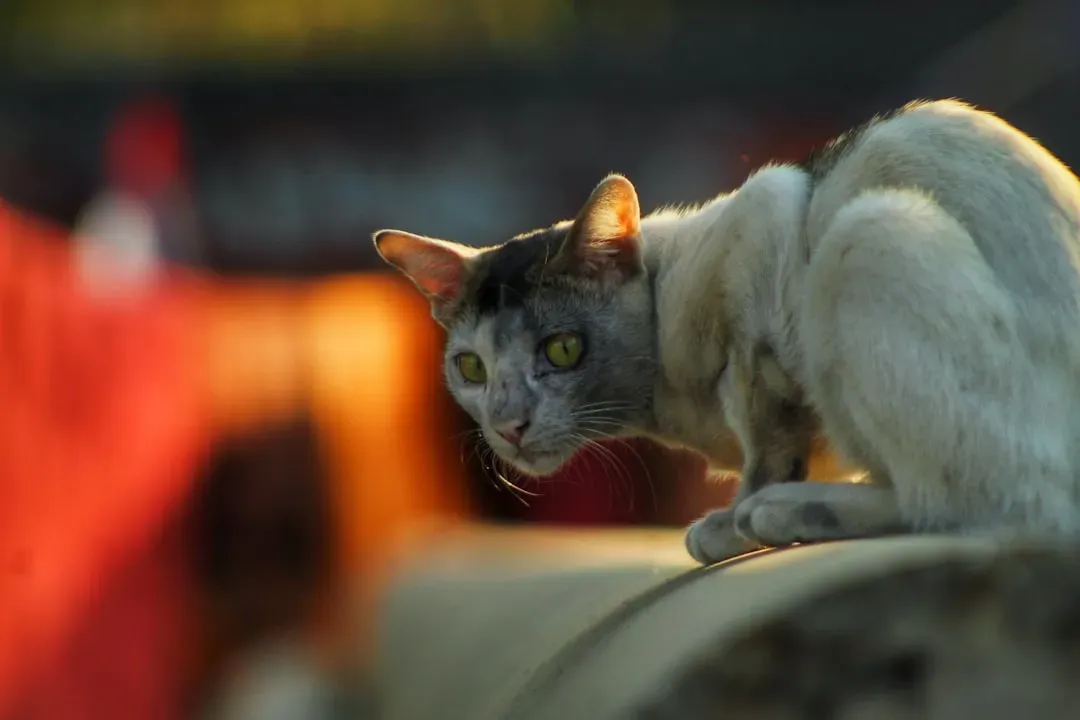
Cats can detect frequencies up to 64,000 Hz and discern subtle sounds like rustling or ultrasonic calls. A reflective tapetum lucidum boosts their low-light vision by six times that of humans, matched with improved depth perception. So when your cat stares intensely at a seemingly empty wall, it might genuinely be picking up sounds or movements you’re completely oblivious to. A little unsettling? Sure. But mostly fascinating.
They have soft paw pads and retractable claws, allowing them to approach their prey unnoticed. A supple spine enables twists, midair corrections, and tight turns. Strong hind legs let them leap up to six times their body length. The anatomy alone is extraordinary. Your cat isn’t just cute. It is, structurally speaking, a finely optimized killing machine wearing an adorable disguise.
Play Is Predation in Disguise
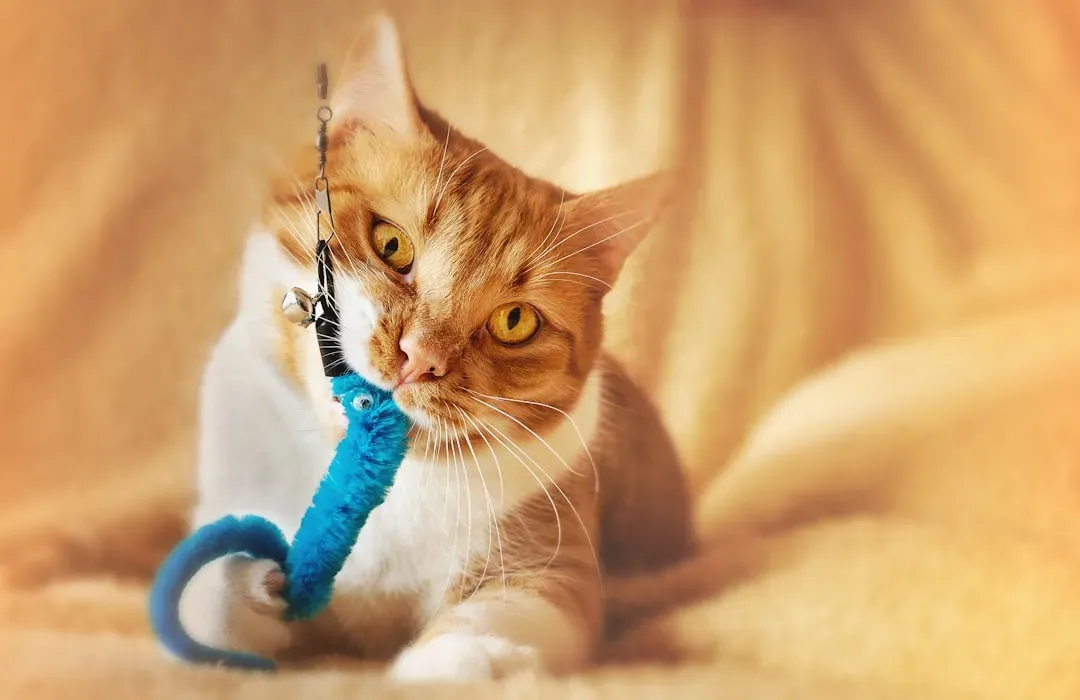
A cat’s play instincts, such as batting, pouncing and raking with claws, are derived from hunting behavior. Wild cats often play with their prey in order to tire it out before eating it, which reduces the cats’ risk of injury. So when your cat keeps batting a toy mouse back and forth instead of “finishing” it, they’re not being dramatic. They’re being smart. It’s a safety strategy encoded over millennia.
Toying with prey isn’t just for fun; it refines cats’ hunting skills and ensures safety by tiring potential threats, plus owners can use interactive toys to satisfy these instincts indoors. I think this reframes the whole idea of “play” for cats rather beautifully. What looks like goofing around is actually high-stakes behavioral maintenance. Every batting session keeps those instincts sharp and ready.
When the Instinct Has No Real Prey to Target
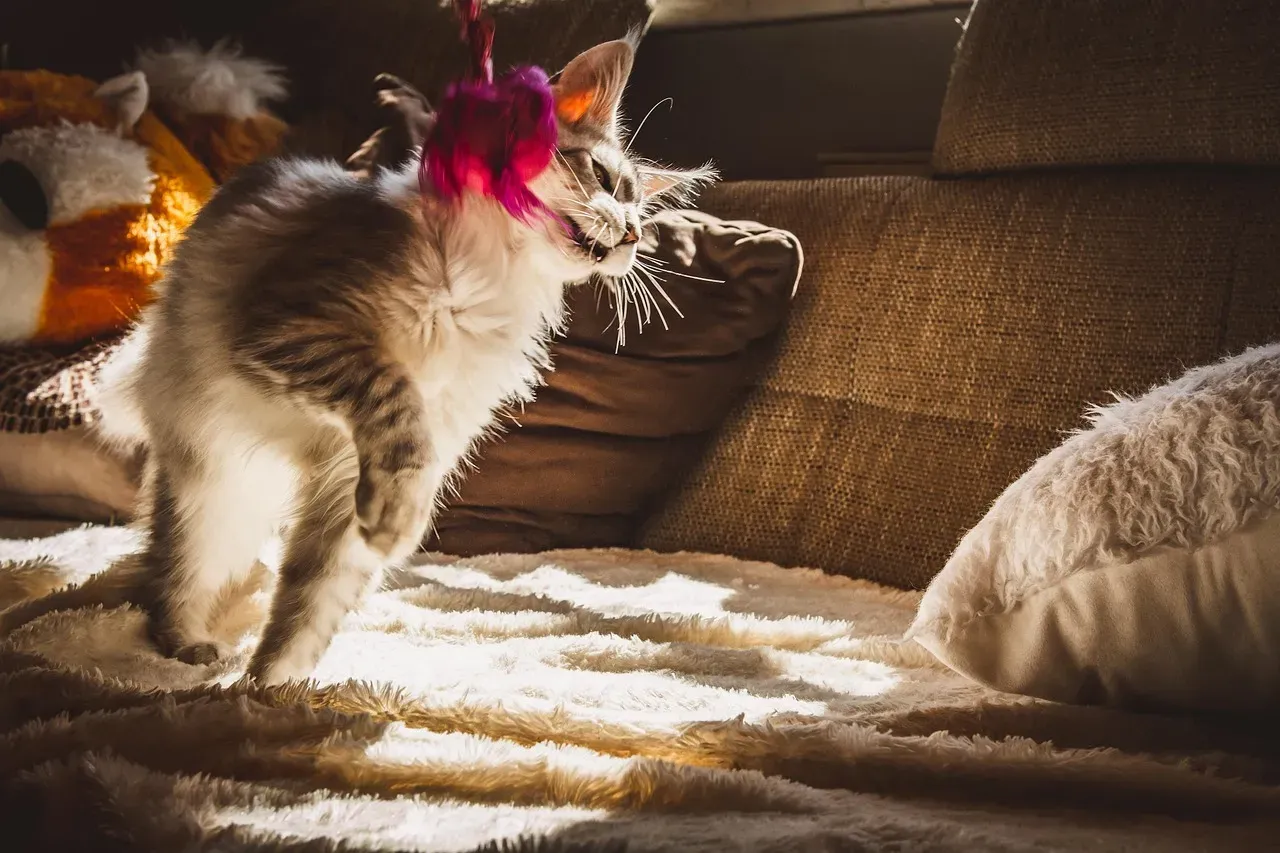
Indoor cats, despite the lack of real prey, continue to exhibit these hunting behaviors, often substituting toys for prey. The drive to hunt is so potent that it largely remains unaffected by the comforts of domestic life. You might think a plush toy and a mouse are completely different things. To your cat’s ancient brain, movement is movement, and the sequence will fire regardless.
Predators living in a “sterile” environment can cause problems. With no real prey to hunt, your cat will still need to express this natural behavior. The result is cats who pretend that people are prey. They play-attack wiggling toes and fingers. If you’ve ever been ambushed from behind the couch while walking to the kitchen at midnight, you now know exactly why. Your ankles were simply in the wrong place at the wrong time.
Channeling Ancient Instincts Into Healthy Play
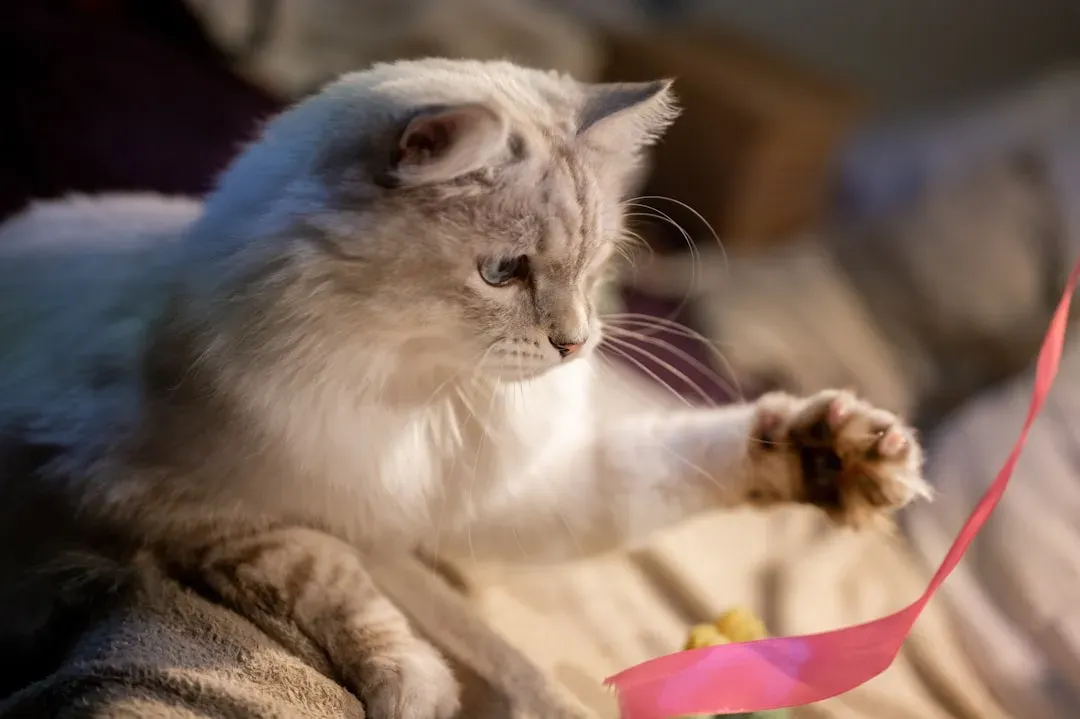
To keep a cat in a manner consistent with its needs and avoid behavioral problems, it is therefore very important to channel the hunting instinct into constructive play. This is something that many cat owners genuinely underestimate. Boredom in a cat with a suppressed hunting drive isn’t just frustrating – it can lead to real behavioral issues over time.
Interactive wand toys, small moving toys, puzzle feeders, and environmental enrichment like cat trees and hiding spots best satisfy natural pouncing instincts. Rotate toys regularly to maintain interest and engagement. The logic here is brilliant in its simplicity. You don’t need to eliminate the hunt – you just need to redirect it. Think of it as giving that ancient predator a worthy opponent every single day.
Conclusion: The Wildness You Live With Every Day
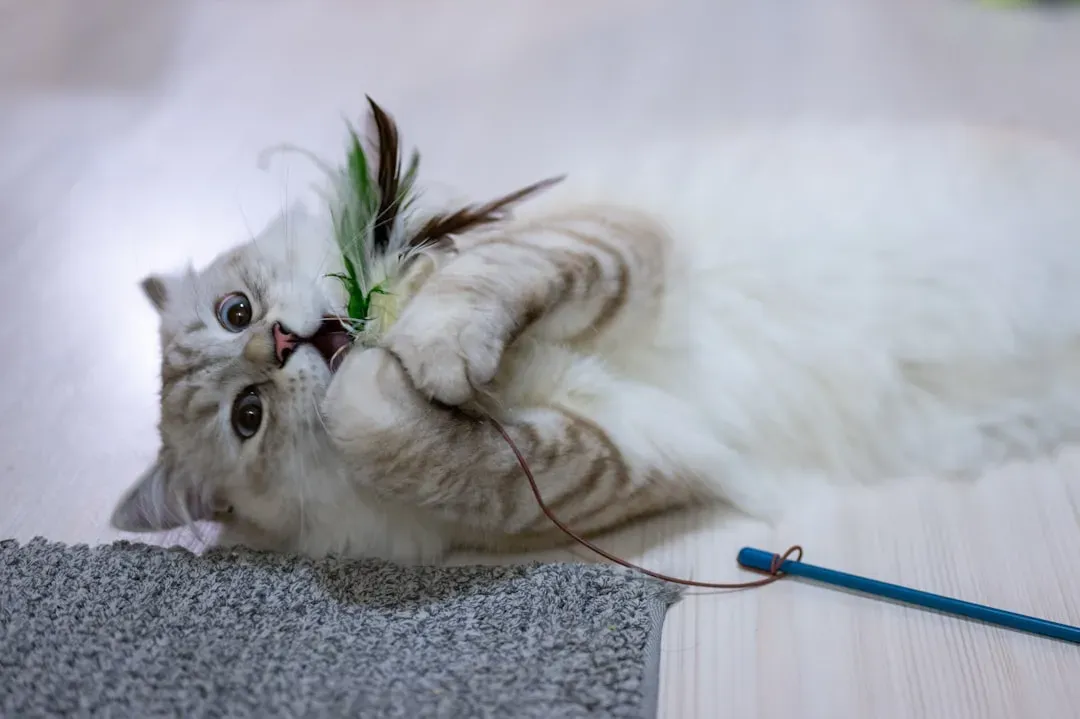
Here’s the real takeaway. That goofy leap at a feather wand, that slow-motion creep across the carpet, that sudden explosive burst of speed at 2 a.m. – none of it is random. Although cats are domesticated and make perfect pets, several observed behaviors harken to past generations of wild cats. Between play that mimics a hunt, or adorable scent transfers through rubbing, cats have several instinctual behaviors and traits that have been passed down through generations of past wild ancestors.
Your cat is not just playing. Your cat is practicing something ancient, something deeply necessary, something that kept its ancestors alive across thousands of years and countless generations. Whether young or old, well-fed or hungry, cats are, at their core, natural hunters. The next time your cat pounces on that toy mouse, remember: it’s not just play, it’s a manifestation of their wild instincts. So the next time your cat locks eyes with you from across the room and starts that slow, deliberate creep in your direction – respect the process. You’re watching history in motion.
What would you have guessed was going on in your cat’s head the first time you watched them stalk a toy? Drop your thoughts in the comments below!