You watch your cat batting around a toy mouse, pouncing with surgical precision, and then dragging it victoriously across the living room floor. Cute, right? Adorable even. It’s just playtime, after all.
But here’s what you might not realize. Every swipe, every crouch, every calculated leap your feline companion makes isn’t just for fun. These seemingly innocent games are actually predatory behavior in disguise, evolved to help cats wear down their prey before going in for the kill. That fuzzy ball dangling from a string? To your cat, it’s essentially training equipment for one of nature’s most efficient killing machines.
Let’s be real. We’ve domesticated these creatures, brought them into our homes, and showered them with gourmet food and plush beds. Yet, the primal hunter lurking beneath that soft fur coat remains very much alive. So let’s dive in and uncover what’s really happening when your cat plays.
Your Cat Is Hardwired to Hunt, No Matter How Much You Feed Them
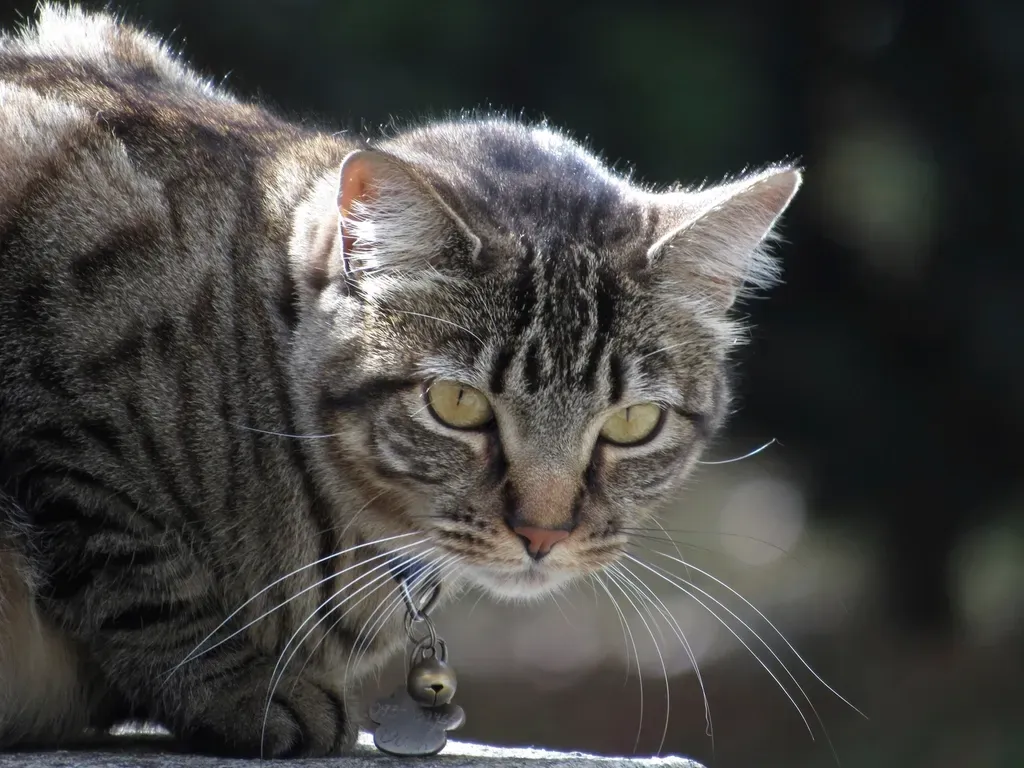
There’s been very little selective breeding of cats, which means their instinctive need to hunt remains exceptionally strong. Unlike dogs, who’ve been bred for specific tasks over countless generations, cats have retained their wild essence. Cats don’t need to be hungry to hunt because it’s the sound and sight of moving prey that provides the stimulus to chase and capture.
This explains why your perfectly well-fed indoor cat will still go absolutely bonkers when a fly enters the room. Cats have evolved into opportunistic hunters with approximately a 30 percent success rate, so they hunt when the opportunity presents itself rather than only when hungry. Their ancestors couldn’t afford to wait until their stomachs were growling before seeking food. If they did that, they’d lack the energy to chase down a meal and would eventually starve.
The Hunt Begins Long Before the Pounce
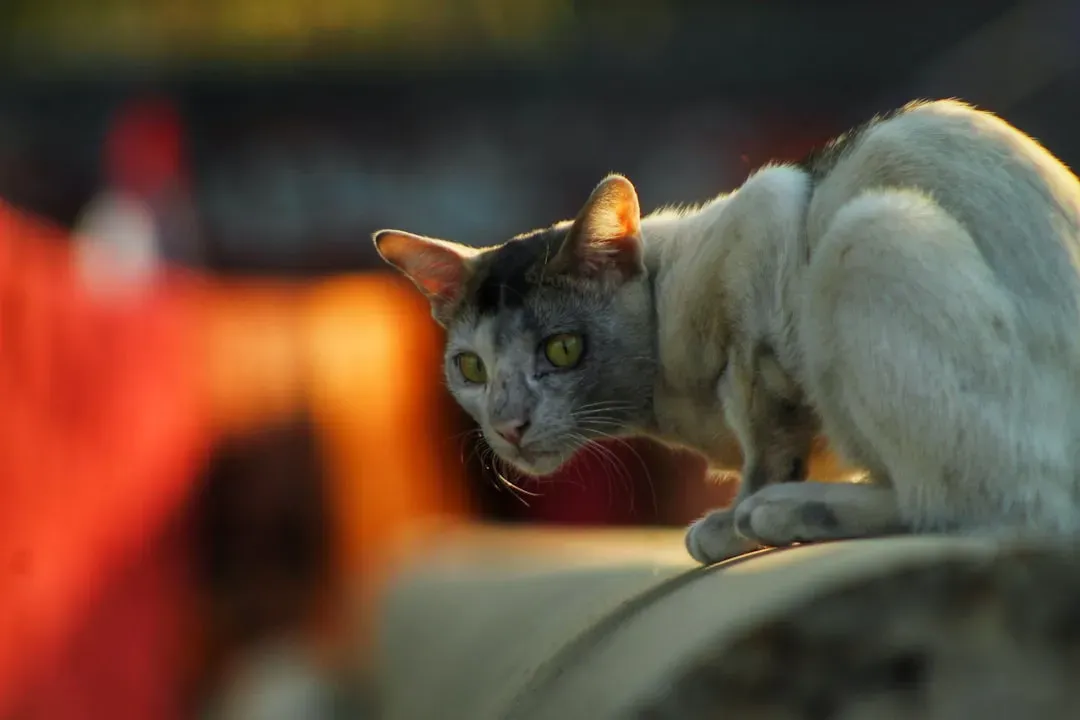
Cats usually approach their prey by stalking in a crouched position with their head outstretched, using slow movements on the initial approach that may speed up to a sprint as they get closer. Watch your cat closely during playtime. You’ll notice they don’t just rush at the toy randomly.
Their low-slung bodies move with fluid grace, blending seamlessly into the surroundings as they rely on their exceptional vision to spot prey from afar, patiently inching closer with each calculated step. There’s a method to this madness. The stalk is about conserving energy while minimizing the chance of detection. Think of it like a chess match where every move matters.
I think it’s fascinating how even kittens who’ve never seen a live mouse instinctively know how to do this. Kittens are programmed from birth to chase, and through play, they develop the coordination and timing needed to successfully capture their target.
That “Playful” Batting Isn’t Play at All
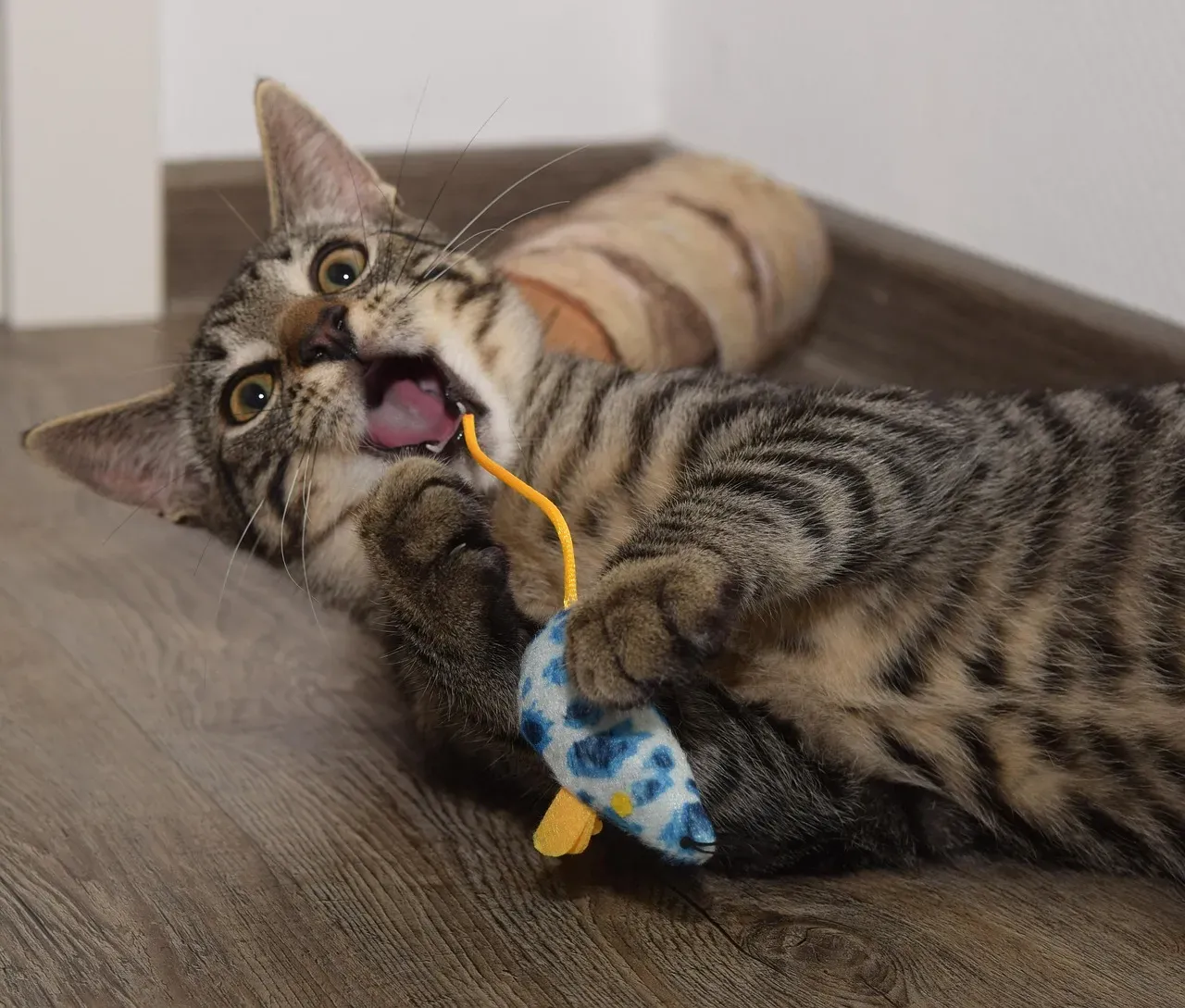
You’ve probably seen it before. Your cat catches a mouse or a bug and then proceeds to bat it around like some kind of sadistic game. It looks cruel, honestly. But this pouncing and tossing of prey into the air isn’t inherent cruelty but rather a way for the cat to practice skills and test how dangerous that prey might be.
Cats look like they’re playing, but they’re only trying to wear their prey out so they can kill them without injuries, since an injured rat or bird can quickly strike the cat’s eyes or face if it comes too close. It’s a survival tactic that’s been refined over millions of years. Those repeated swats serve to exhaust the prey, making the final strike safer for the cat.
The instances of playing with prey were notably longer when a cat was hunting for an opportunity rather than out of current hunger. So when your cat seems to “play” with their catch for an extended period, they’re likely not starving but rather practicing or enjoying the thrill of the hunt itself.
Indoor Cats Have the Strongest Hunting Instincts
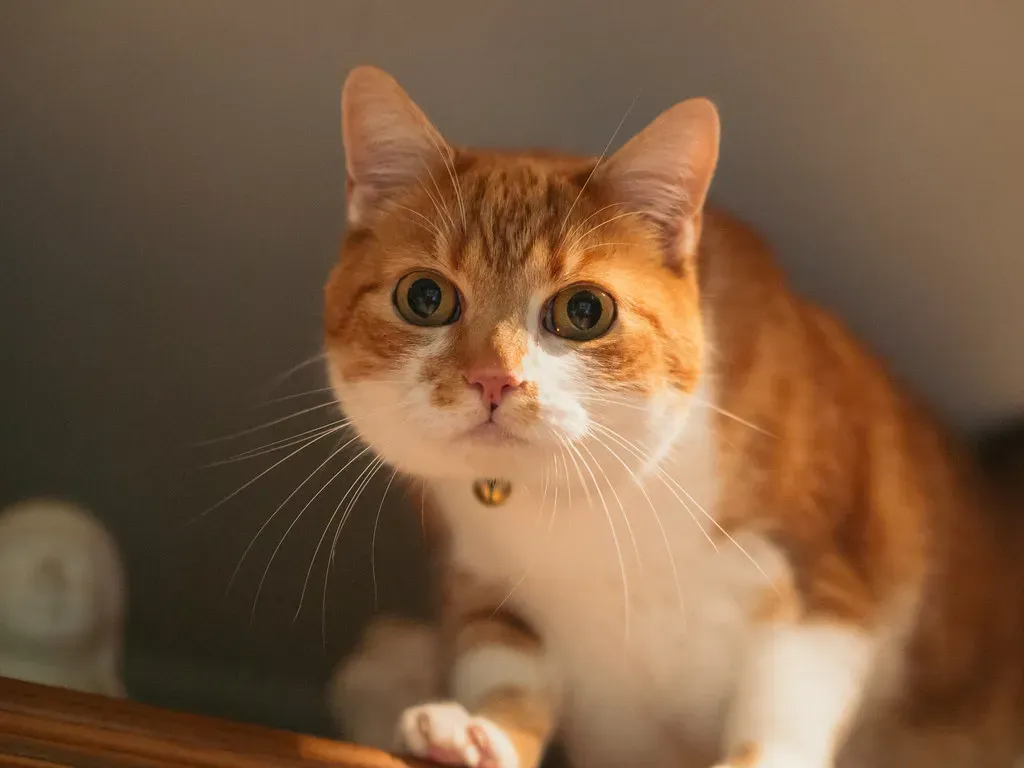
Here’s where it gets interesting. You might assume that outdoor cats, with all their exposure to real prey, would have the strongest hunting drive. Turns out, you’d be wrong. Indoor-only cats were more interested in artificial stimuli resembling prey, even though completely deprived of experience with live prey, possibly due to higher play drive from lack of stimulation or less refined prey recognition.
This makes sense when you think about it. An outdoor cat can expend their hunting energy on actual prey. Your indoor cat, however, has all this pent-up predatory instinct with nowhere to channel it. Well-fed cats still require an outlet for their need to hunt and may develop physical or behavioral problems, including boredom, obesity, or even aggression towards their caregivers if they don’t have an opportunity to do so.
That’s why you might find your indoor cat ambushing your ankles at three in the morning. They’re not being jerks. They’re just desperate to satisfy an ancient biological imperative.
The Art of the Pounce: Timing Is Everything
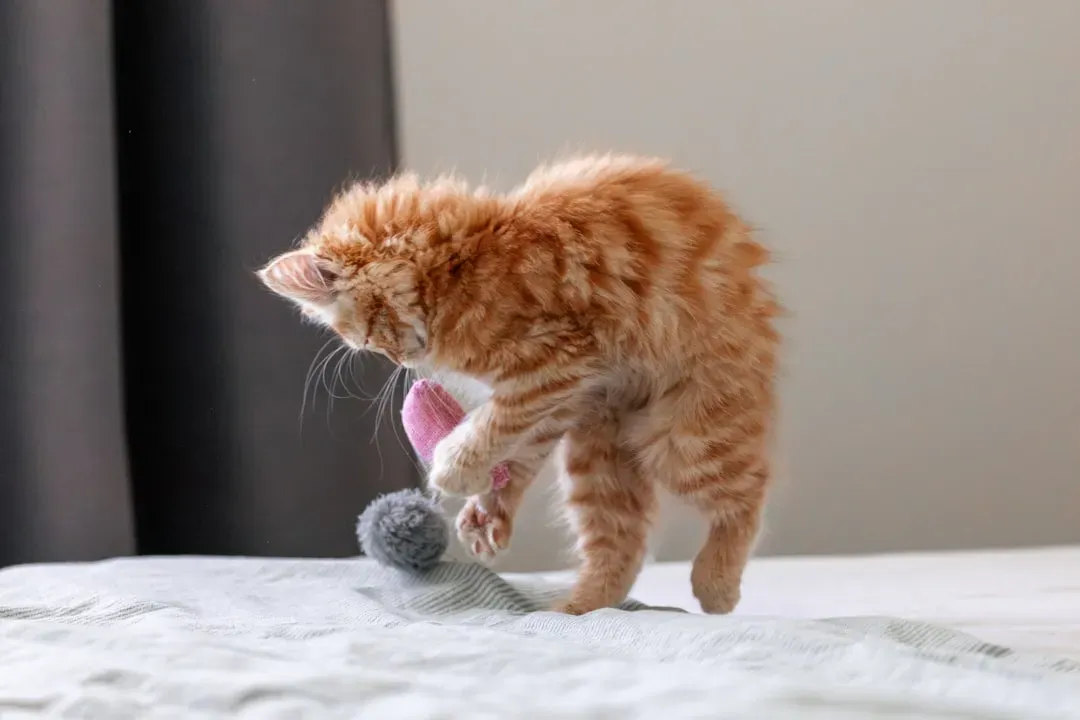
The pounce is perhaps the most iconic of all cat hunting techniques, a split-second movement that showcases the cat’s athleticism and agility as they time their leaps with pinpoint accuracy. This isn’t some random leap of faith. Their powerful hind legs propel them into the air, allowing them to cover impressive distances and heights, with mid-air adjustments ensuring their target remains within striking distance.
Watch your cat preparing to pounce during play. They’ll often wiggle their hindquarters back and forth. This isn’t them being silly or cute. They’re adjusting their footing and calculating the distance and trajectory needed for a successful strike.
Through play, cats learn to adjust their speed to the speed of moving objects, gauge distance by pouncing, and make judgments by experience. Every failed pounce teaches them something. Every successful capture reinforces their technique.
Killing Is Learned, But Chasing Is Instinct
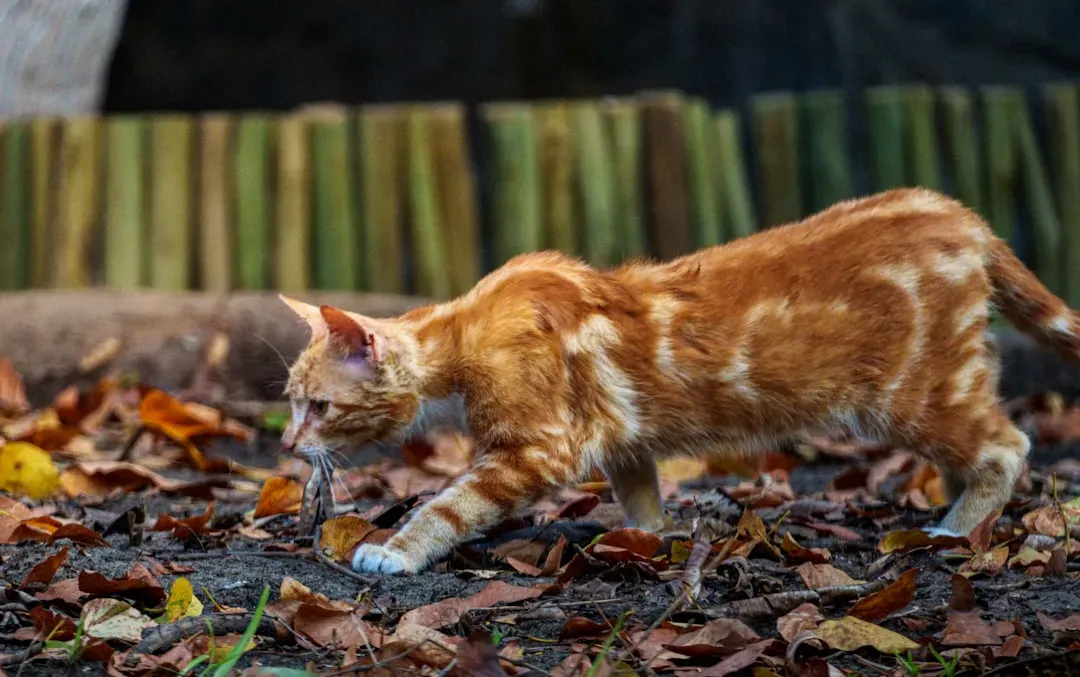
Cats are born with a hunting and chasing instinct, but killing and eating prey are generally learned behaviors. This distinction is crucial. Your cat knows instinctively how to stalk and chase, but the actual killing bite? That’s taught. The mother cat teaches her kittens to kill to eat, with her first lesson consisting of bringing home dead prey and consuming it in front of the kittens who soon learn to join in.
This is why some cats are excellent mousers while others catch prey but don’t quite know what to do with it afterward. Despite many beliefs, hunger doesn’t drive felines to hunt, and kittens have inborn hunting and chasing instincts, but it’s their mother cat who teaches them to kill in order to eat, which is why a kitty may be an extraordinary mice killer but never shows interest to actually taste one.
I’ve seen cats who’ll catch a mouse and then just sit there staring at it, confused about the next step. Without maternal instruction, some cats never complete the full predatory sequence.
That Toy Looks Real to Your Cat’s Brain
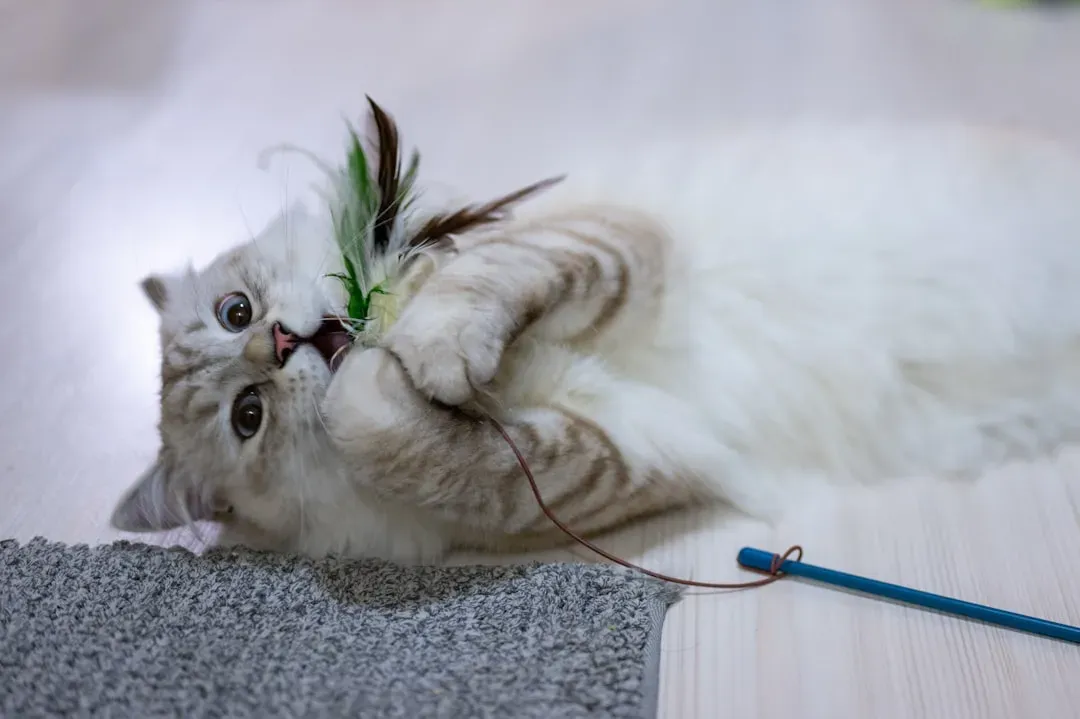
When adult cats play with toys that we provide, we essentially see them performing predatory behavior directed towards inanimate objects. To your cat, that feather wand isn’t just a toy. Their brain processes it as potential prey. Cats often play more with toys that behave like prey trying to flee than with toys that mimic confrontational prey by moving towards the cat with an aggressive or defensive posture.
This is why the way you play with your cat matters so much. If you just dangle the toy in their face, they’ll lose interest quickly. But if you mimic the erratic movements of a fleeing mouse or a fluttering bird? You’ve suddenly activated their entire predatory neural network.
Success rate is important in play because a cat that catches its prey every time soon gets bored, and a cat that is never successful at capture can lose interest. You need to strike a balance, letting them succeed enough to feel satisfied but fail occasionally to keep the challenge engaging.
The Famous “Butt Wiggle” Isn’t Just Adorable
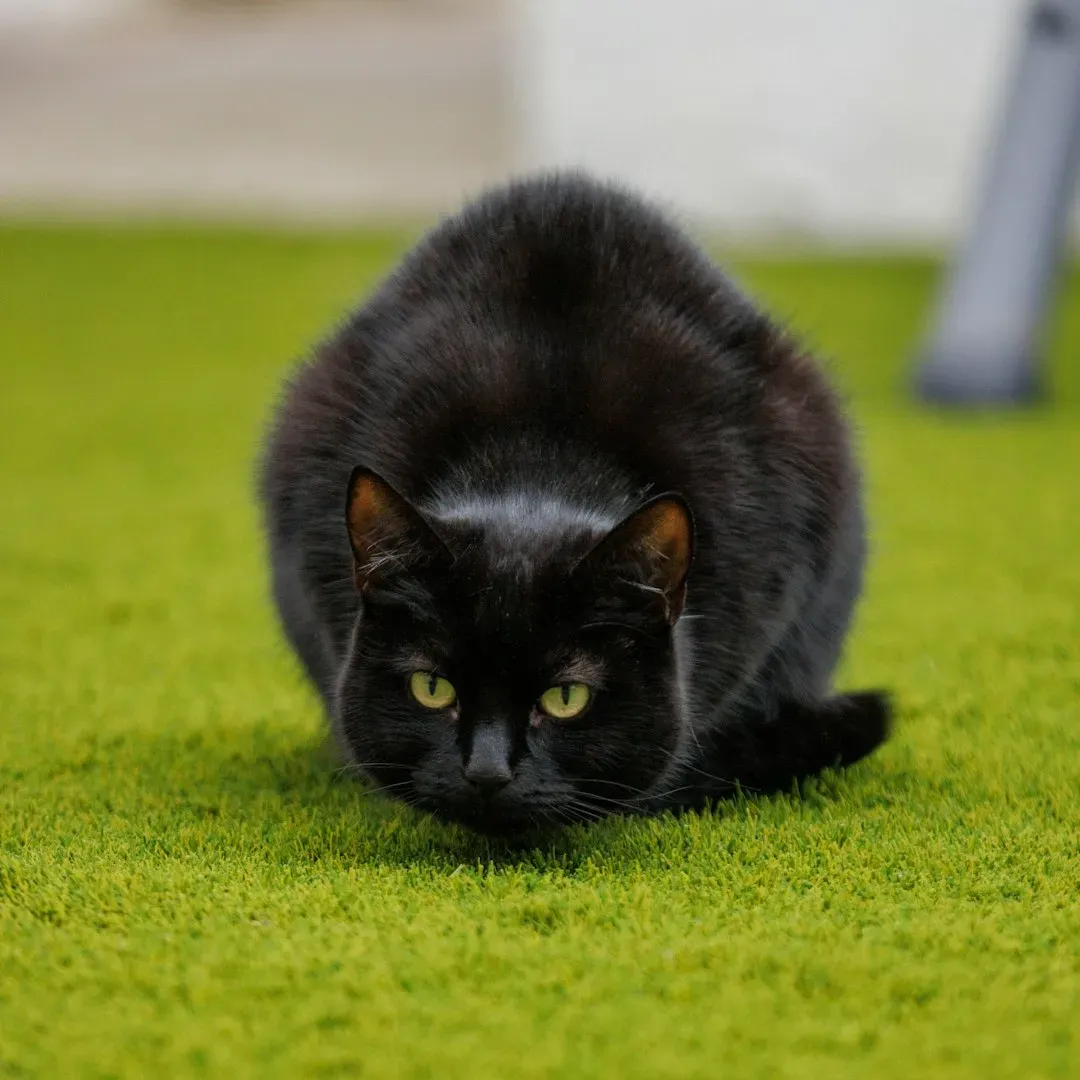
You know that moment when your cat’s about to pounce and they do that adorable little butt wiggle? There’s actual science behind it. As the cat gets close enough to catch the prey, they stop and prepare to spring forward, holding themselves in a tense position before a brief sprint and spring forward to strike the prey with one or both of their front paws.
That wiggle helps them test their footing and ensure their back legs are positioned optimally for maximum explosive power. It’s a final systems check before launch. Think of it like a sprinter adjusting their stance in the starting blocks before the gun goes off.
The tension you see in their body during this moment? That’s every muscle coiled and ready to unleash. Cats are also masters of patience, capable of waiting for hours for the perfect opportunity to present itself, evident in their subtle movements and unwavering focus as they remain motionless for extended periods. Sometimes the best hunt involves waiting for precisely the right moment.
Play Prevents Behavioral Problems and Keeps Cats Healthy
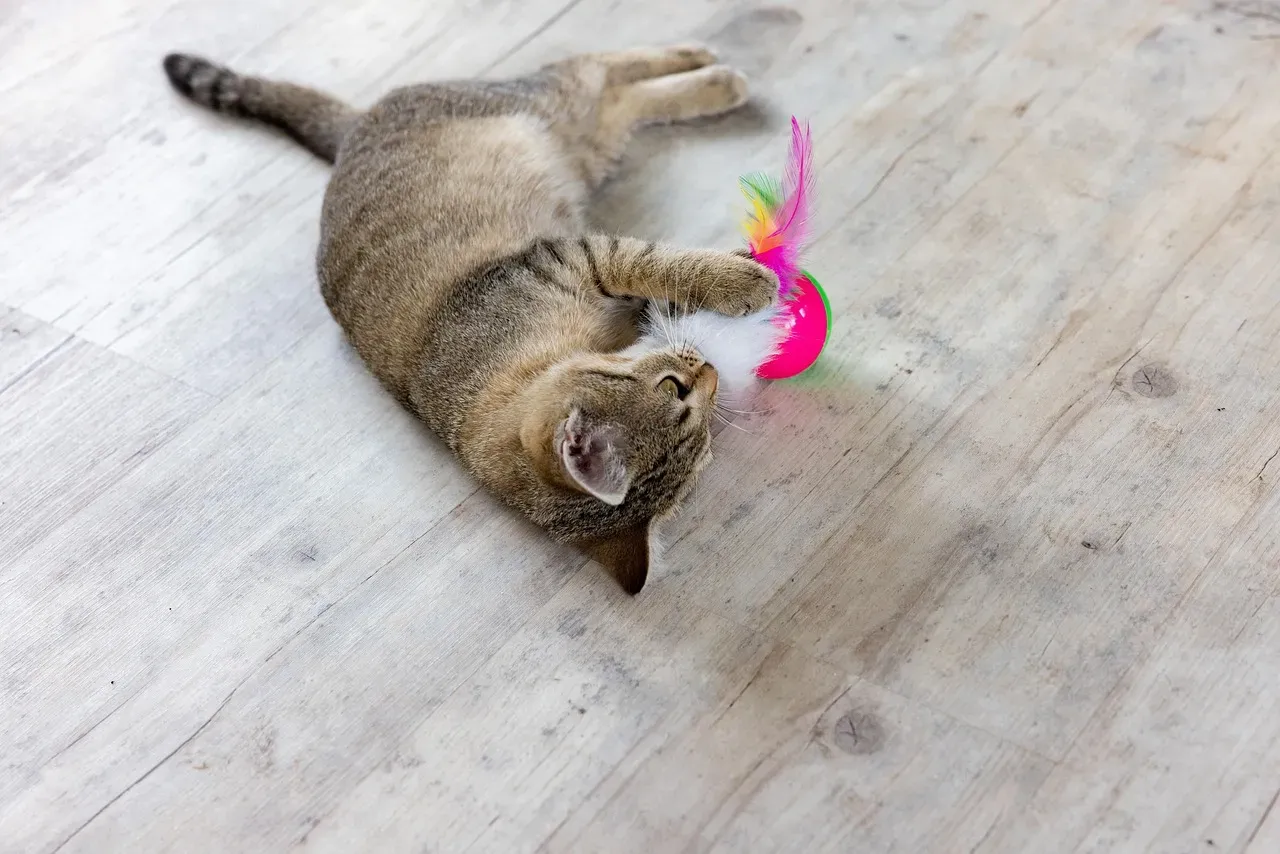
A recent study showed that daily playtime with owners actually reduced the amount of prey that cats brought home. This isn’t just about entertainment. When you engage your cat in proper play that mimics hunting, you’re satisfying a fundamental biological need.
While domestic cats may not rely on hunting for survival, they still retain their predatory instincts through play, which serves as both physical exercise and mental stimulation, allowing cats to hone their hunting skills in a safe and controlled environment. Without this outlet, cats can develop all sorts of problems.
Although the evolutionary function of predatory play is to rehearse and sharpen predatory skills, it is often interpreted by owners as blatant aggression, and when feline company is lacking, kittens may direct their playfulness towards their owners, typically hiding behind walls and stalking and pouncing on approaching feet and ankles. Those “attacks” on your feet at midnight? They’re your cat’s way of saying they need more appropriate hunting outlets.
Your Cat Brings You Dead Animals Because They Think You’re Incompetent
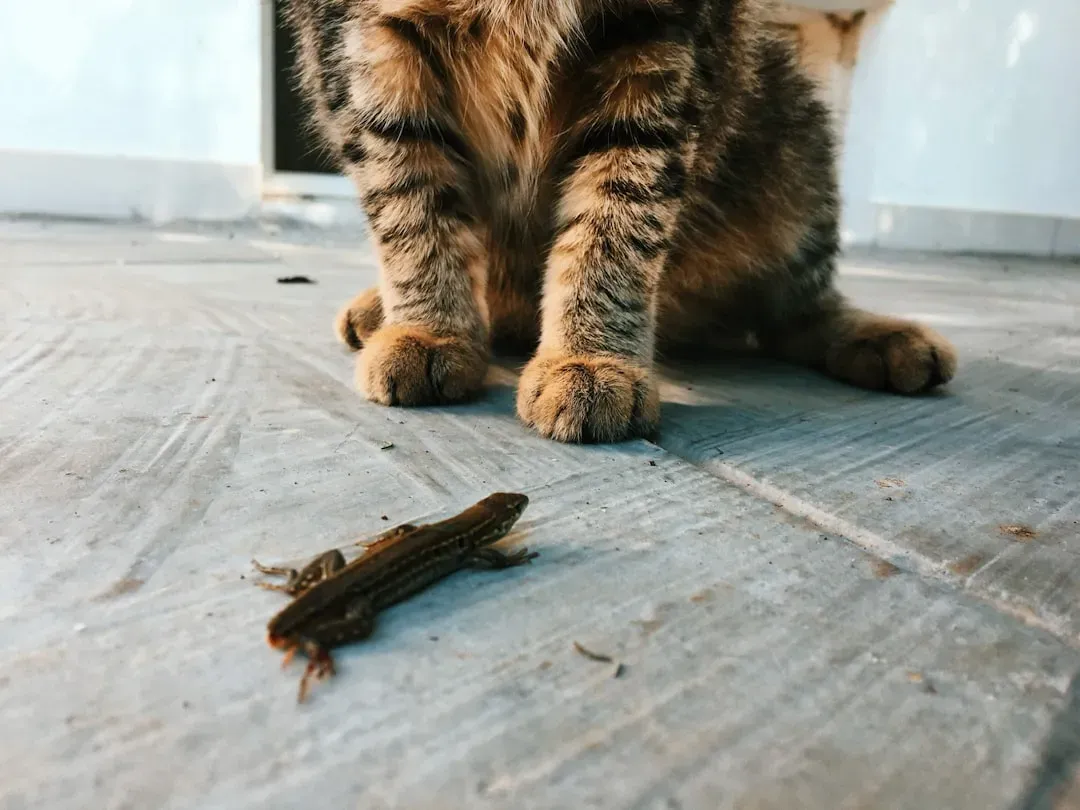
Cats share the bounty of their hunt just as Mama Cat may have done with them when they were kittens, and because your cat actually sees you as a bigger, clumsier cat, they’re bringing you gifts as their way of teaching you how to hunt. It’s simultaneously insulting and endearing.
Your cat genuinely believes you’re a terrible hunter. You sleep through prime hunting hours. You never bring home any prey. You just sit there eating food that mysteriously appears in bowls. From their perspective, you’re basically helpless. This behavior may be similar to the way wild cats provide for their young while teaching them valuable survival skills, and since most domestic cats are neutered and have no young to provide for, they may transfer these instincts to their owners instead.
So the next time you find a dead mouse on your doorstep, try to appreciate the sentiment. Your cat is trying to keep you from starving.
Conclusion: Honoring the Hunter Within
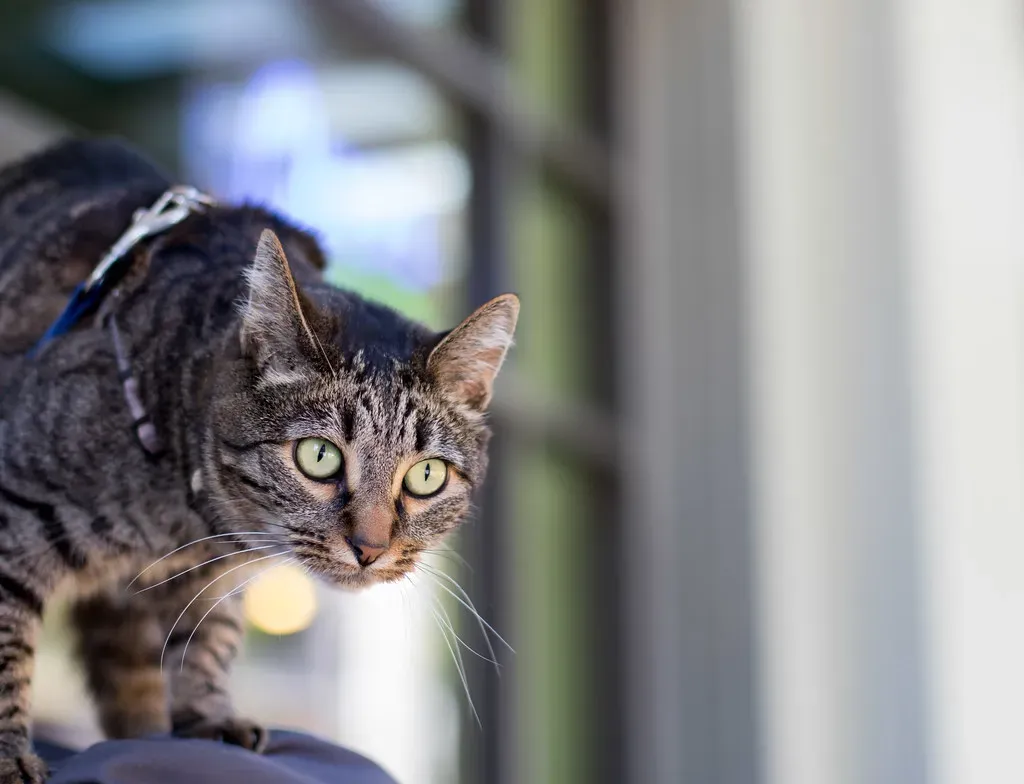
The domestic cat’s hunting techniques are a testament to their innate instincts and remarkable adaptability, perfected over millennia of evolution, and while modern domestication may have softened their necessity to hunt for survival, these behaviors remain deeply ingrained in their DNA. Every game of chase, every pounce on a toy, every three-a.m. zoomie session is your cat expressing something fundamental to their nature.
Understanding that your cat’s play is actually hunting practice changes how you interact with them. It’s not frivolous entertainment. It’s essential maintenance of skills honed over millions of years of evolution. When you engage your cat in proper play, you’re not just keeping them busy. You’re allowing them to be what nature designed them to be.
So the next time you watch your cat stalking a toy mouse across the carpet, remember you’re witnessing an ancient art form in action. What do you think about your cat’s hunting instincts? Have you noticed these behaviors during playtime? Tell us in the comments.