You’ve probably watched your cat crouch low to the ground, wiggle their backside in the air, and launch themselves at a crinkle ball with absolute ferocity – and laughed. It’s adorable. It’s hilarious. It looks, by every measure, like innocent fun. But here’s the thing: your cat isn’t laughing. They’re working.
What looks like play from your side of the couch is, in your cat’s mind, something far more serious. Every pounce, every stalk, every calculated tail twitch is a rehearsal of one of nature’s most finely engineered predatory systems. Your cozy, well-fed companion is quietly running the same ancient software that wild felines have used for millions of years. Let’s dive in and see just how deep this rabbit hole – or should we say mouse hole – really goes.
The Hunting Instinct Is Hardwired, Not Hungry
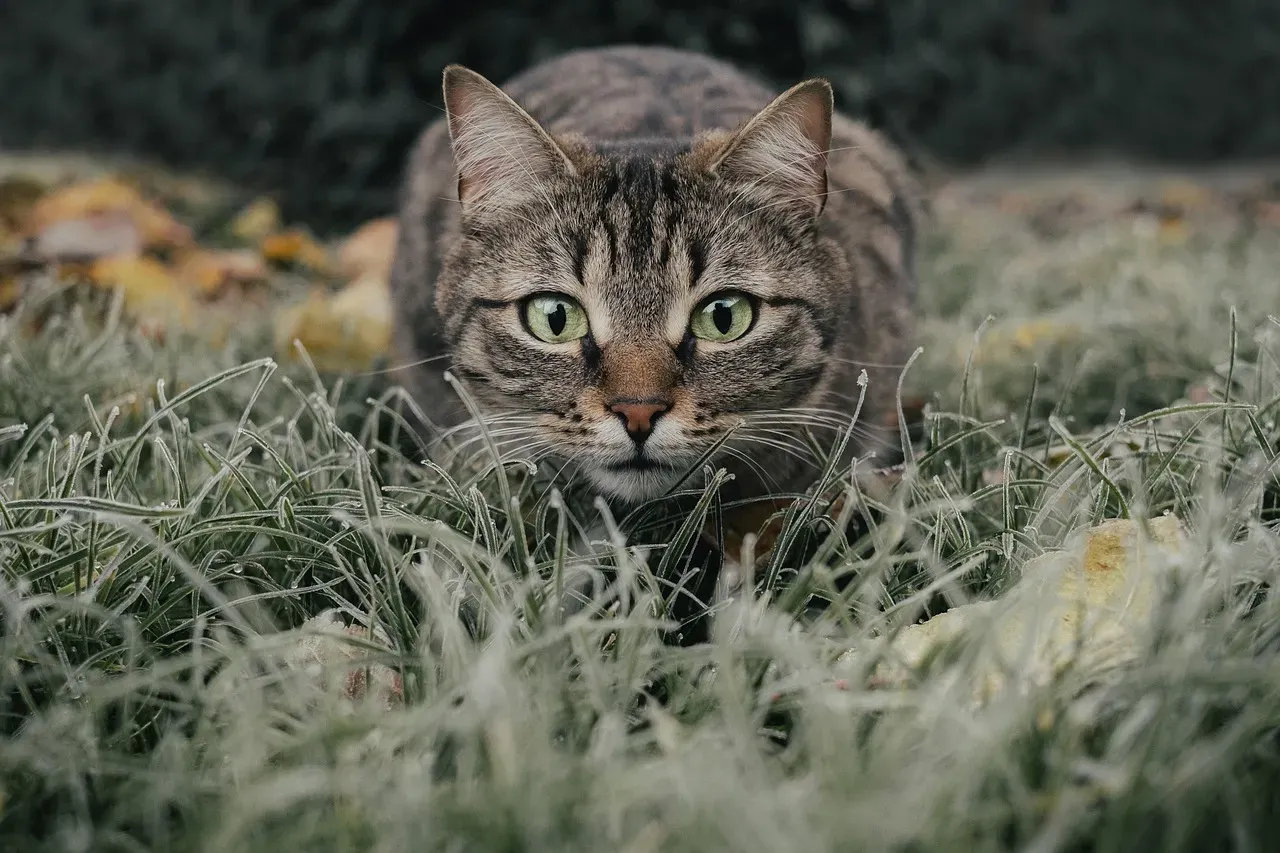
Let’s get one thing straight immediately: your cat’s urge to hunt has almost nothing to do with being hungry. Hunting behavior is hard-wired into your cat’s DNA, with their wild ancestors developing these skills over millions of years of stalking and chasing prey. That’s not a metaphor. It’s literal neurological architecture.
The hunting instinct is one of the most distinctive behavioral patterns in cats, and remarkably, the desire to hunt is not governed by hormones and does not diminish even after neutering. Think about that. Not even spaying or neutering removes this ancient drive. It’s baked into the operating system itself.
Even if cats that are fed hunt less than those who have to hunt to survive, the feeling of being full and well fed does not cause a cat to give up hunting altogether. So the next time you wonder why your perfectly fed feline is viciously attacking a toy mouse, you have your answer. It was never really about hunger to begin with.
Play Is Practice: The Biology Behind Every Pounce
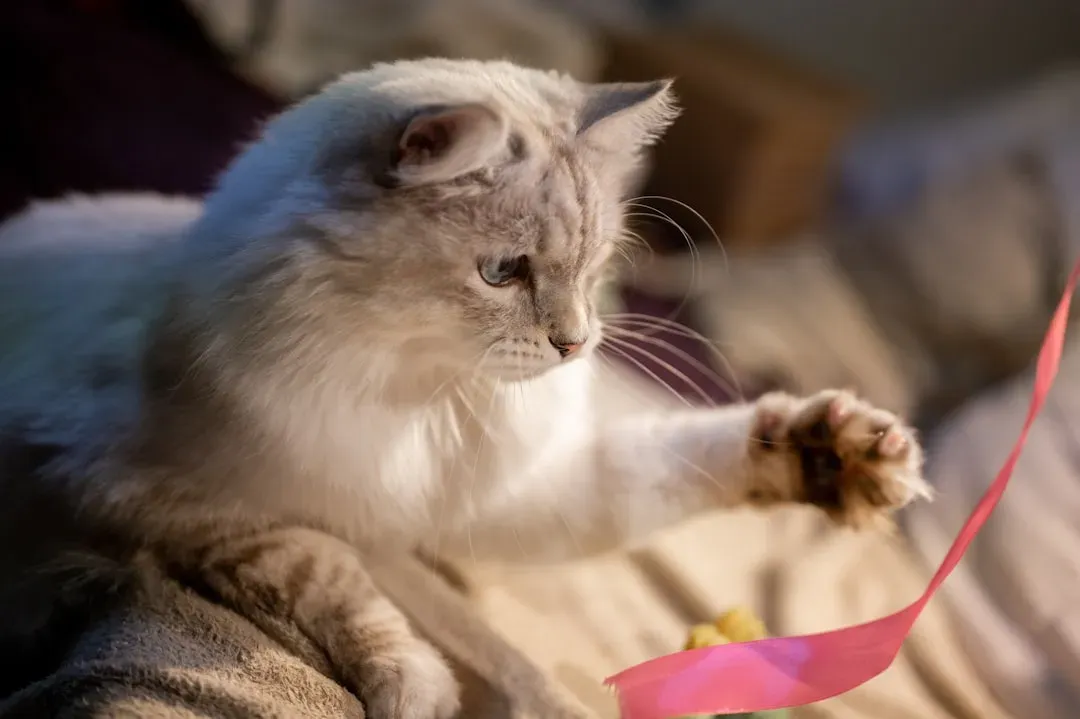
Predatory behavior in cats follows an immutable sequence hardwired into their nervous systems: stare, stalk, chase, pounce, kill, and finally, eat. It sounds almost clinical when you lay it out like that – but watching it happen in slow motion with a feather wand is nothing short of extraordinary.
In cats, object play is believed to represent a rehearsal of innate predatory motor patterns. So every time your cat attacks that dangling toy with wide eyes and laser focus, you’re watching genuine skill practice happening in real time. It’s basically a tiny athlete training for a competition that, in their mind, never really ends.
When adult cats play with toys, they are essentially performing predatory behavior directed towards inanimate objects, and studies have found that adult cats show more intense and prolonged play with toys that resemble actual prey items. This is why the toy that looks like a mouse works better than a plain rubber ball. Your cat’s brain literally registers resemblance to prey.
Kittens Learn to Kill Through Play – Starting Surprisingly Early
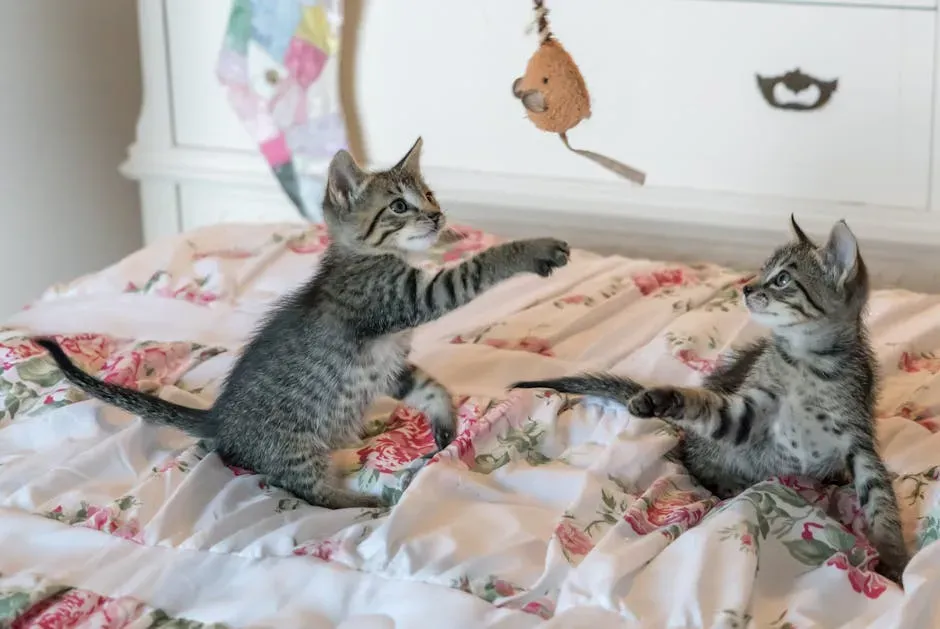
At an early age, playing with their littermates involves behaviors such as chasing, stalking, and pouncing, as if they’re practicing how to hunt. Honestly, if you’ve ever watched a litter of kittens tumble around together, you were watching something far more sophisticated than it appeared.
As kittens, they learn to refine their hunting skills through play and practice, often starting as early as three to six months old. That’s barely out of infancy, and yet the instinct is already firing. In many instances, hunting is a learned behavior first taught by their mother and then reinforced by playing with littermates, and studies have shown that kittens who observed their mothers hunt become better hunters than kittens who didn’t.
Even so, most kittens who never see their moms hunt can still instinctually figure it out on their own. That’s the wild part. The baseline is already there at birth, waiting to be activated. Their mother is less a teacher of something foreign and more a coach polishing something already deeply natural.
The Seek, Stalk, Capture Sequence: A Masterclass in Stealth
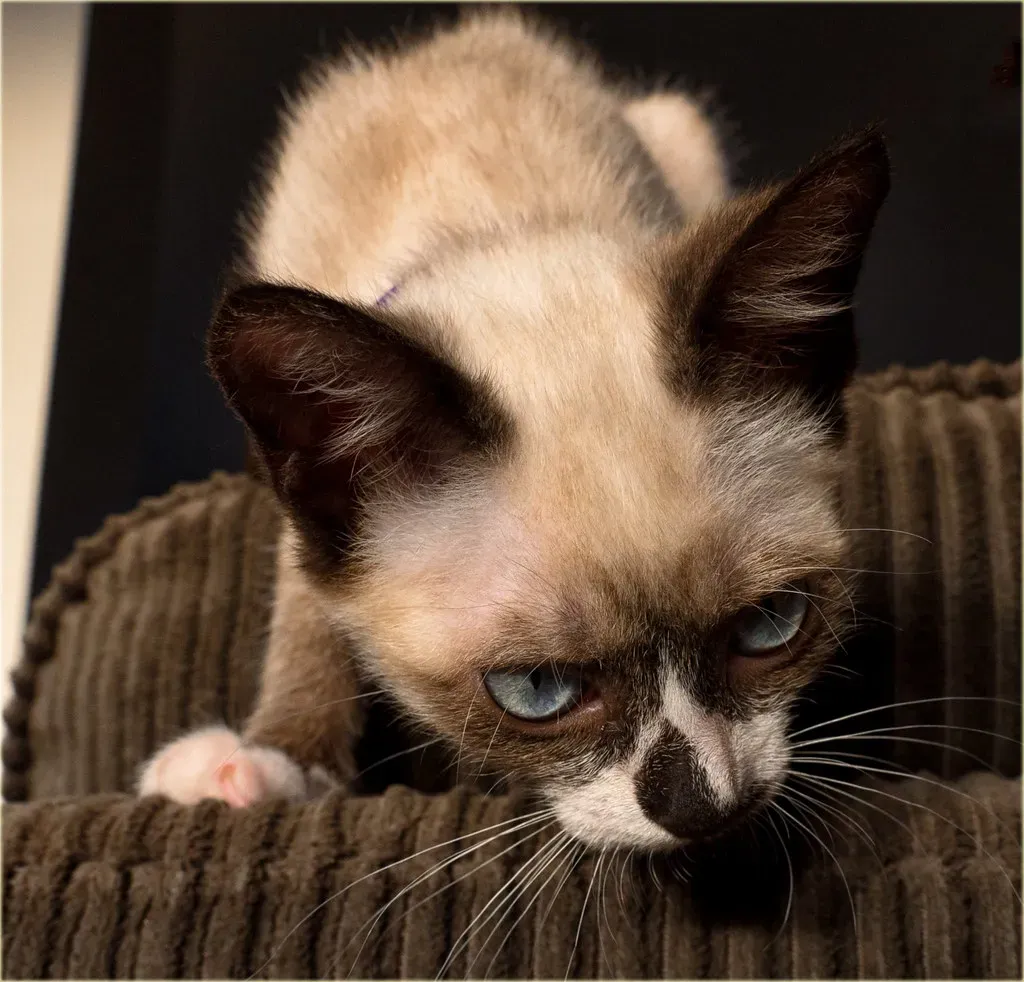
Cats use a seek, capture, and kill process when hunting. First, they search their environment for potential prey. Once they’ve spotted something, they slowly approach, or stalk, the prey until they are close enough to pounce and capture it. Even indoors, you can watch this unfold perfectly with nothing more than a piece of string.
Cats usually approach their prey by stalking them, which involves the cat moving in a crouched position with their head outstretched. That low, slow, almost liquid movement you’ve seen your cat do across the kitchen floor? That’s millions of years of evolutionary fine-tuning in action. It’s the same choreography used by lions on an African savanna.
Cats are known as stalk-and-rush hunters, meaning they sneak up on their prey and pounce at an opportune moment. Patience is the key word here. A cat might watch and wait for an uncomfortably long time before striking, which I think most people underestimate entirely. This isn’t impatience disguised as play. It’s precision.
Why Cats “Play” With Their Prey – It’s Not Cruelty
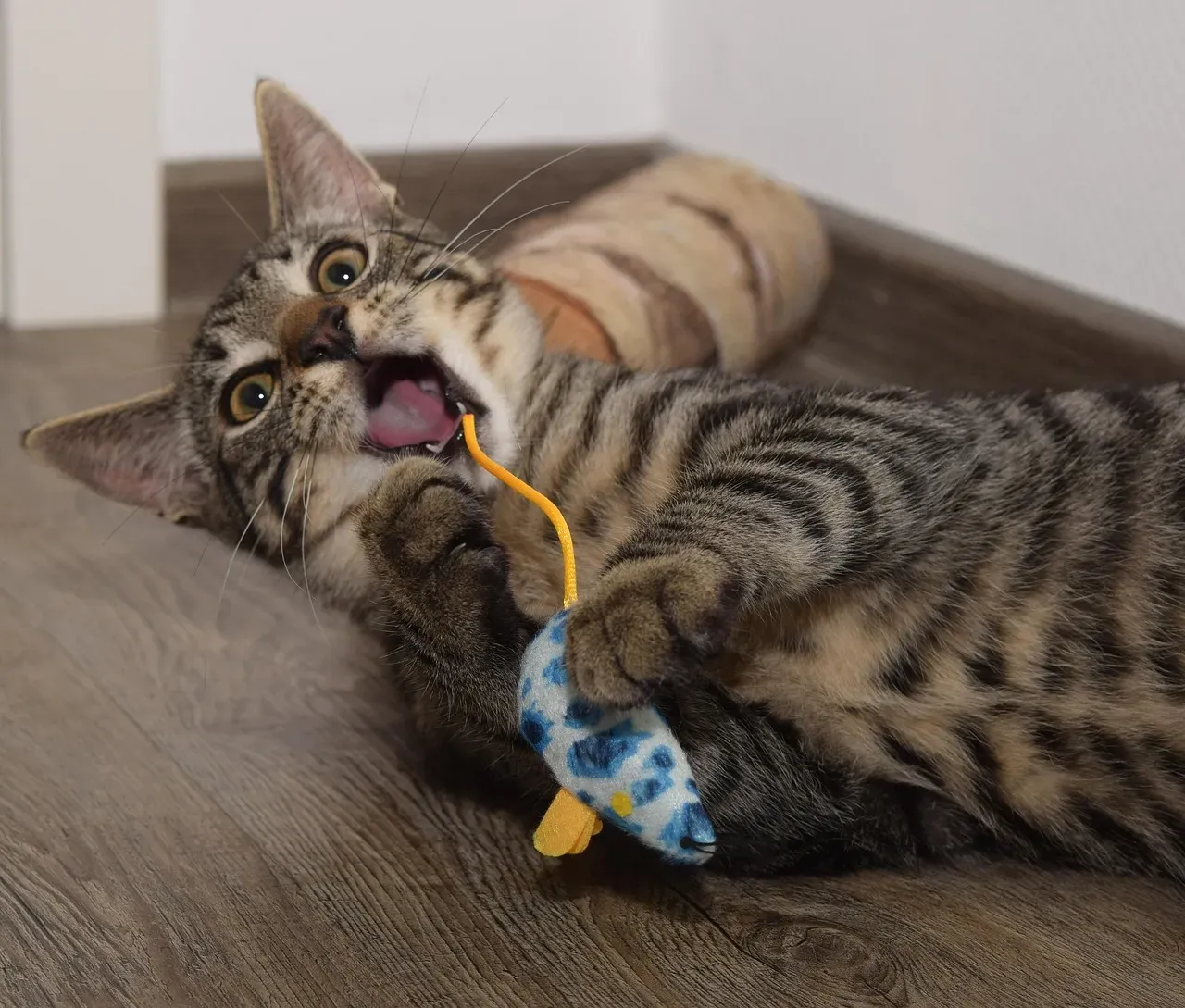
You’ve likely seen it, maybe cringed at it: a cat repeatedly releasing and re-catching their prey rather than simply finishing the job. It looks strange. It might even look mean. But the science behind it is actually quite logical.
When a cat bats around its prey after the initial pounce, it may seem like they want to “play” with their catch, but in reality, the cat is tiring out the animal until it’s safe to go in for the killing bite. It’s essentially a safety measure disguised as cruelty. Mice and rats have sharp incisor teeth that can bite and injure your cat, and birds’ beaks are pointy and can cause damage too.
To minimize risk, cats often toy with their prey, tiring it out before the final attack. This not only makes the prey less likely to fight back but also allows the cat to ensure the prey poses no threat – a safety-first approach that is a testament to the cat’s strategic and thoughtful hunting techniques. Suddenly, it seems a lot less cruel and a lot more calculated, doesn’t it?
Anatomy Built for the Hunt: More Than Meets the Eye
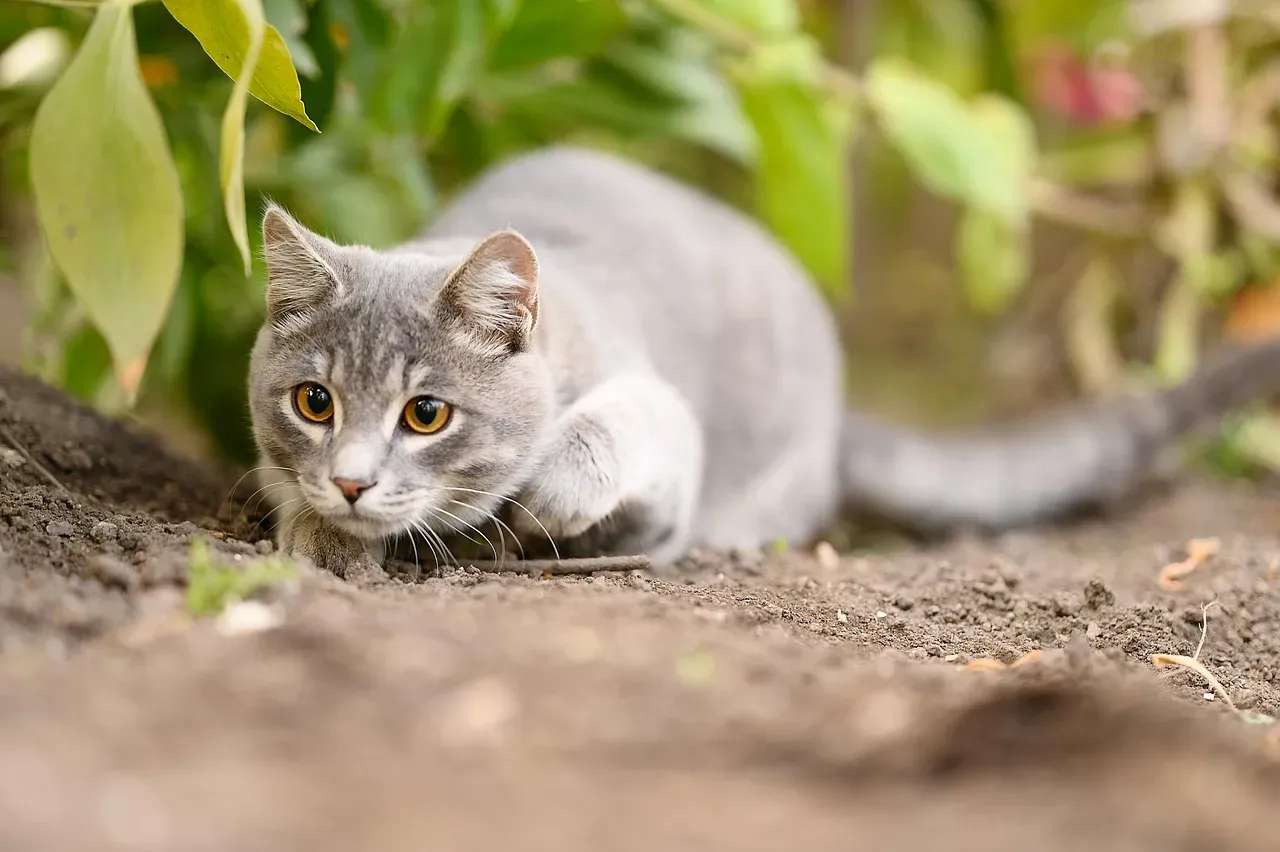
It’s hard to look at a purring cat curled up on a warm blanket and see a precision hunting machine. Yet that is exactly what you’re looking at. Cats can detect frequencies up to 64,000 Hz and discern subtle sounds like rustling or ultrasonic calls, and a reflective tapetum lucidum boosts their low-light vision by six times that of humans. Six times. That’s not an upgrade, that’s a completely different visual experience.
Cats have soft paw pads and retractable claws that allow them to approach prey unnoticed, a supple spine enables twists and midair corrections, and strong hind legs let them leap up to six times their body length. Imagine a human being able to leap the length of a school bus from a standing start. That’s the equivalent of what your cat can do.
Sensitive whiskers detect air currents and spatial constraints, helping cats essentially “feel” their prey. Every physical feature tells the same story: this animal was engineered, from the ground up, to hunt. The cozy domestic life is the costume. The predator is what’s underneath.
Indoor Cats Still Hunt – They Just Use Different Prey
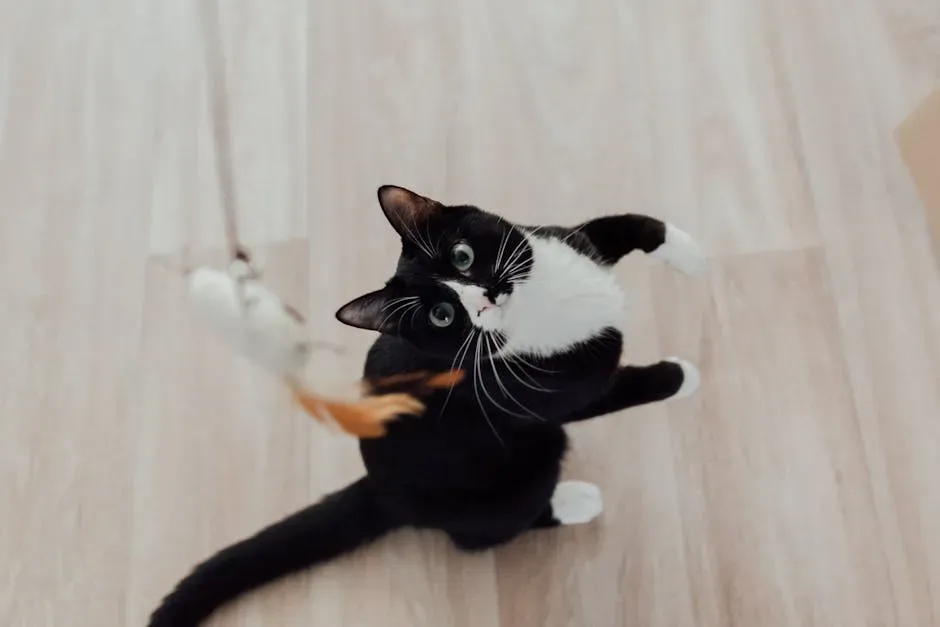
One of the most fascinating things about cats is what happens when you take real prey entirely out of the equation. Indoor-only cats showed more intense reactions to artificial stimuli resembling prey than indoor-outdoor cats, and many companion cats in industrialized countries are raised under human supervision and kept completely indoors. In other words, removing the real hunting experience doesn’t reduce the drive. If anything, it seems to amplify it.
Even an indoor cat that is not constantly confronted with stimuli prompting it to pursue and catch prey has within it the hunting instinct and the desire to act on it. This is why your indoor cat will sprint down the hallway at 2am for no obvious reason, or spend twenty minutes intensely stalking a hair tie on the bathroom floor. The instinct has to go somewhere.
Indoor cats, despite the lack of real prey, continue to exhibit hunting behaviors, often substituting toys for prey. Laser pointers famously frustrate cats because they disappear without allowing the critical kill phase, which is why cats frequently return to stare at the last laser spot – their brain awaits closure to the hunting sequence. This is a genuinely important detail every cat owner should know.
The Crepuscular Hunter: Why Your Cat Goes Wild at Dawn and Dusk
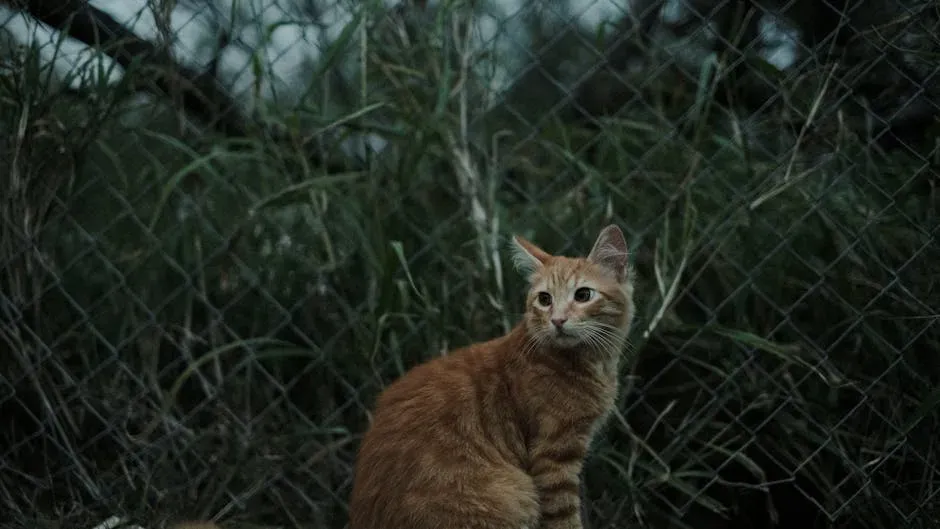
If your cat has ever launched an unprovoked attack on your feet right as you’re settling in for the evening, you haven’t been singled out for harassment. You’re just collateral damage in a very ancient biological schedule. Cats are crepuscular, meaning they’re most active at dawn and dusk, following their prey’s patterns.
Cats possess a remarkable ability to see in low light, attributed to the unique features of their eyes. Their retinas have a high concentration of rods sensitive to dim light, and a reflective layer known as the tapetum lucidum enhances night vision by reflecting light back through the retina, significantly improving their ability to navigate and hunt at dawn and dusk.
Cats have adapted a sleeping pattern that allows them to conserve energy while being prepared to hunt whenever necessary, often engaging in several short periods of sleep that add up to 12 to 16 hours of snoozing per day – an intermittent sleeping pattern that conserves energy for periods of peak activity during dawn and dusk. So those legendary “cat naps” aren’t laziness. They’re strategic energy management for the hunt ahead.
How You Can Channel These Instincts the Right Way
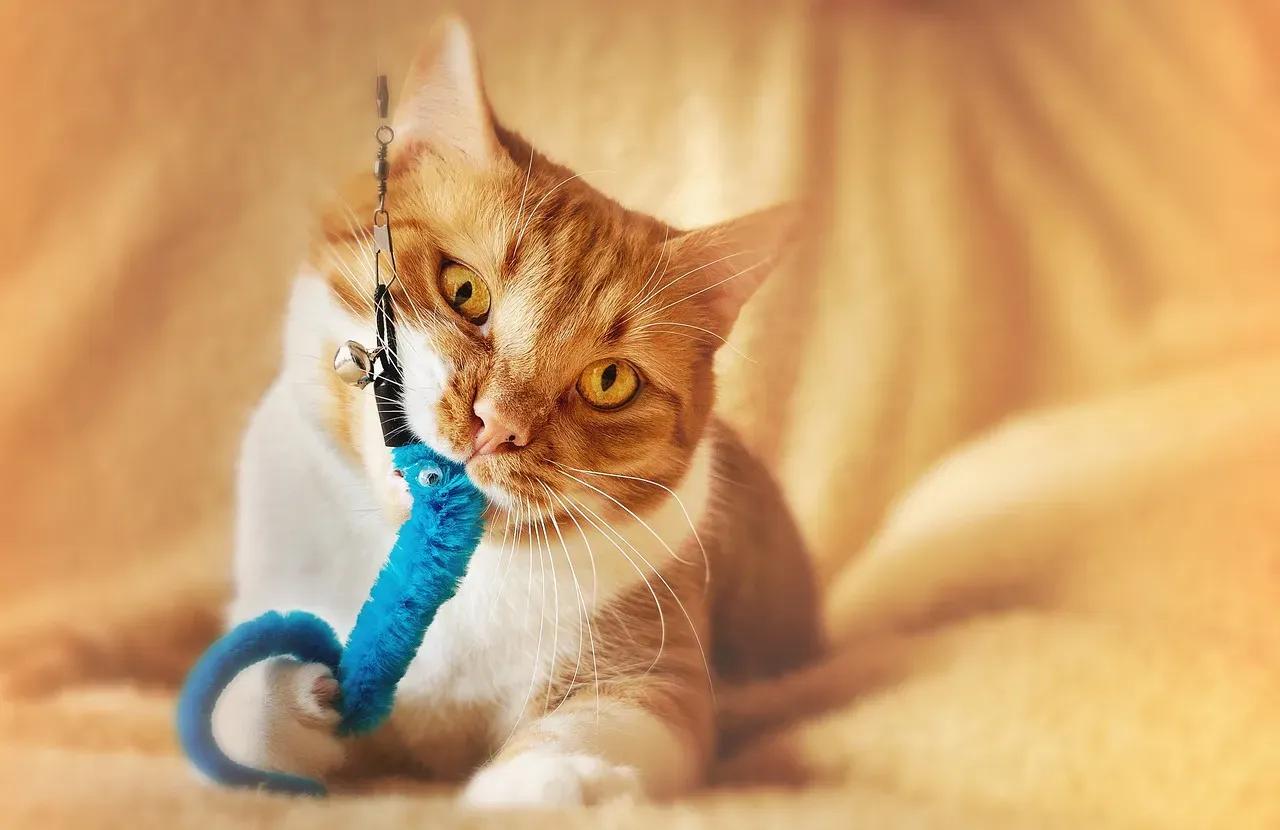
Redirecting your cat’s hunting instincts through frequent play is one of the most effective methods in helping to reduce or eliminate hunting behaviors, as play provides mental stimulation and helps to satisfy hunting desires. It’s one of the most practical things you can do, and honestly, it’s pretty fun for you too.
Short, frequent play sessions most closely resemble a cat’s natural predatory pattern. Choosing toys that look and feel like their natural prey increases engagement. Think feather wands, toy mice, and anything that moves unpredictably. The less it resembles a static rubber block, the more seriously your cat will take it.
Hiding food in different parts of your home encourages your cat to “hunt” it out, or you can try puzzle feeders to challenge your cat as they work to get their food. To keep a cat in a manner consistent with its needs and avoid behavioural problems, it is very important to channel the hunting instinct into constructive play. Enrich their environment, vary the toys, and let them complete the full hunting sequence from stalk to catch. A satisfied hunter is a calmer, happier companion.
Conclusion: Your Cat Is Not “Just Playing”
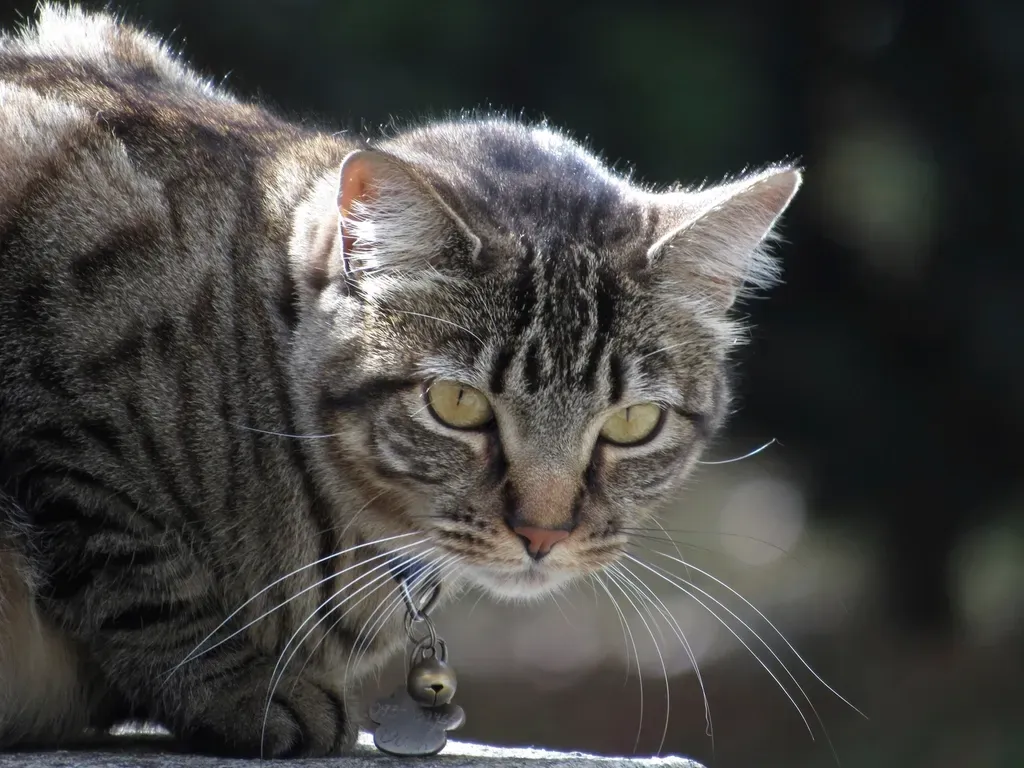
There is something quietly humbling about watching your cat stalk across the living room floor with complete seriousness, eyes locked on a crinkle toy. In that moment, millions of years of evolutionary history are playing out in your home. The stalking, the crouching, the explosive pounce – none of it is random. All of it is ancient, precise, and deeply intentional.
Understanding this doesn’t just make you a more informed cat owner. It fundamentally shifts the way you see your animal. They aren’t just pets passing the time. They are obligate carnivores, solitary hunters, and finely tuned predators who happen to live inside your house. The play is the hunt. The hunt is the identity.
So the next time your cat launches a full-scale assault on your shoelaces with the intensity of a seasoned predator, smile. Because in their mind, they absolutely are one. What would you have guessed was hiding behind those soft eyes and that adorable wiggle? Tell us in the comments – we’d love to know.