You’ve probably looked at your cat sprawled across the couch for the fourth hour in a row and thought, “Really? Again?” It’s one of the most common misconceptions about cats. You assume they are simply lazy, professional nappers with zero ambition. Honestly, I get it. The image is convincing.
But here’s the thing. What you’re watching isn’t laziness. It’s strategy. Your cat is one of the most behaviorally complex creatures you’ll ever share a home with, and most of what makes them extraordinary happens just outside your awareness. Be surprised by what’s really going on.
The Sleep Myth: Why Your Cat’s Nap Isn’t What You Think
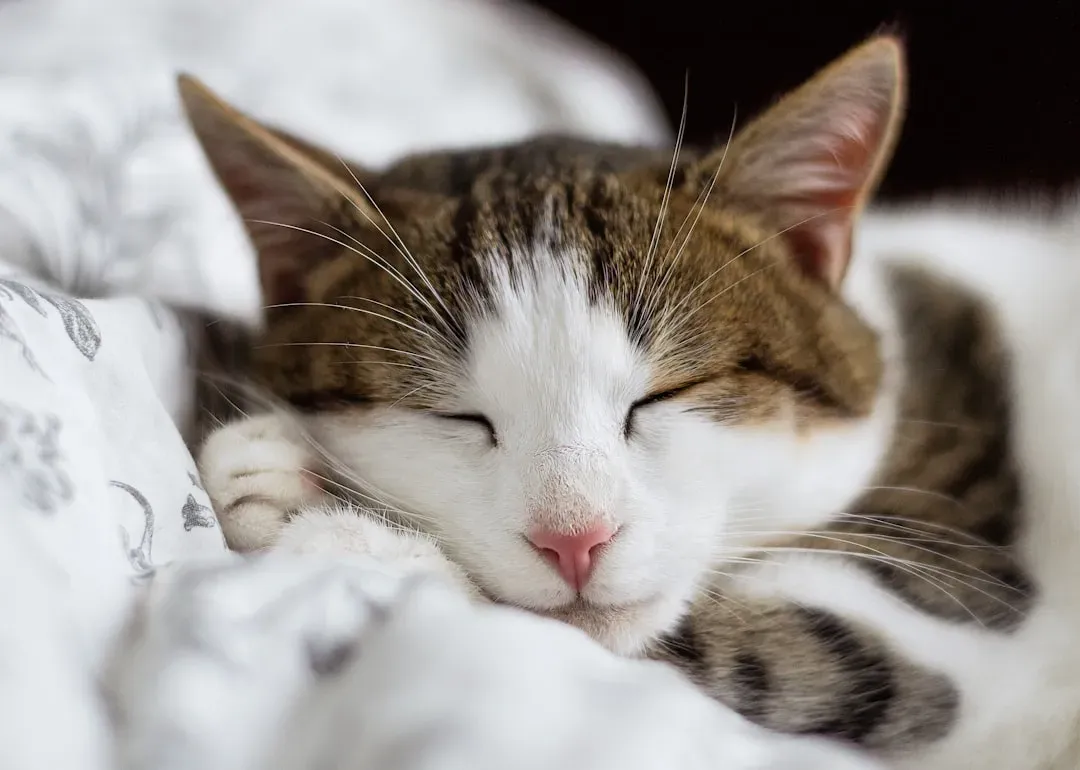
Let’s start with the big one. Yes, your cat sleeps a lot. Most healthy adult cats sleep somewhere between twelve and sixteen hours per day. That sounds extreme until you understand why. This trait has developed as an evolutionary advantage so that they can conserve energy for hunting, even though the domestic cat does not need to hunt in the traditional sense. The genetics are still very much there.
Here’s where it gets interesting. That sleep isn’t even fully “off.” According to researchers, only about a quarter of a cat’s sleep is actually deep sleep, while the other three quarters of the time they are lightly snoozing. They are still alert enough to awaken quickly. Think of it like a phone in airplane mode. It looks switched off, but it’s actually still running background processes the entire time.
Crepuscular Creatures: When Your Cat Actually Comes Alive
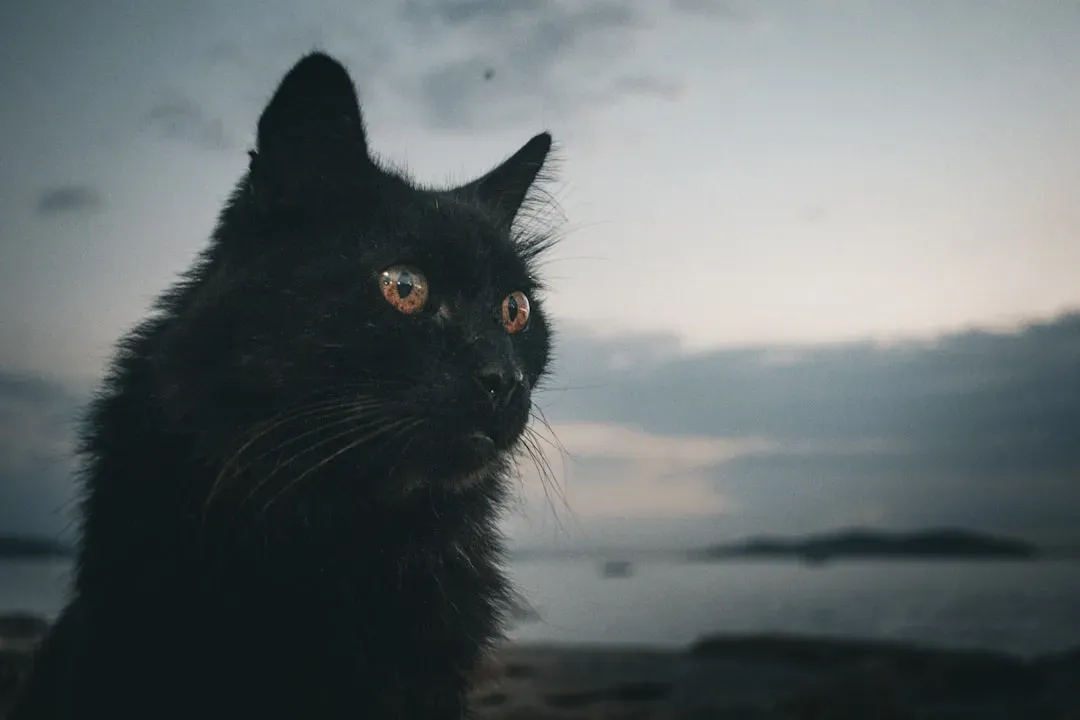
You’ve almost certainly noticed it. Your cat seems drowsy all afternoon, then suddenly at dusk, something switches. Cats are crepuscular, experiencing two peaks of activity: one in the early morning before sunrise and one in the evening around sunset. This isn’t random hyperactivity. It’s deeply rooted biological programming at work.
A cat’s sleep-wake cycles center around when they are most likely to successfully hunt and catch prey. Cats have adapted their sleep schedule to align with the times when prey such as mice and birds are most active. Between these twilight hunts, cats conserve energy to be better prepared for times when food is readily available. So that burst of energy your cat gets at 5 AM? You’re basically witnessing a prehistoric hunting schedule playing out in your living room.
The Hardwired Hunter Living in Your Home
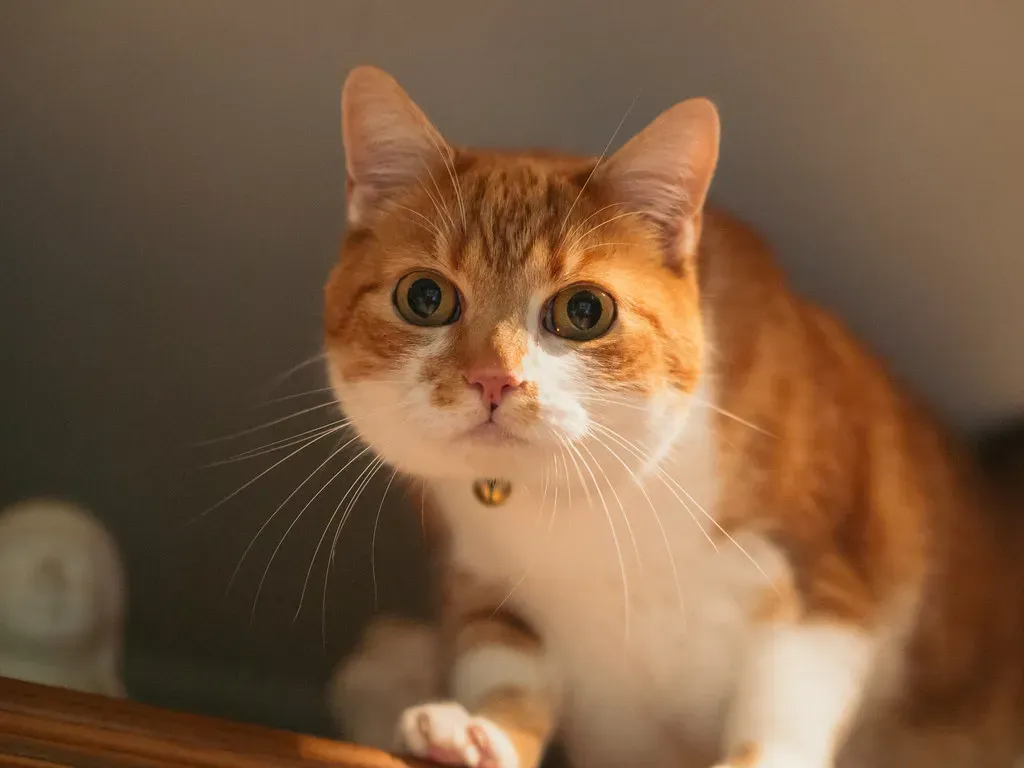
Hunting behavior is hard-wired into your cat’s DNA. It was your cat’s wild ancestors who developed their hunting skills over millions of years of stalking and chasing prey to feed themselves and their young. Even the most pampered indoor cat has not lost a single drop of that drive. Not one. You can feed your cat the finest gourmet wet food twice a day and it won’t matter. The urge remains.
The desire to hunt is not governed by hormones and therefore does not diminish after neutering. That’s a fact a lot of cat owners don’t realize. Indoor cats, despite the lack of real prey, continue to exhibit hunting behaviors, often substituting toys for prey. The drive to hunt is so potent that it largely remains unaffected by the comforts of domestic life. When your cat attacks a rolled-up piece of paper or pounces on your foot, you’re seeing millions of years of evolution in real time.
The Daily Cycle: Hunt, Eat, Groom, Sleep, Repeat
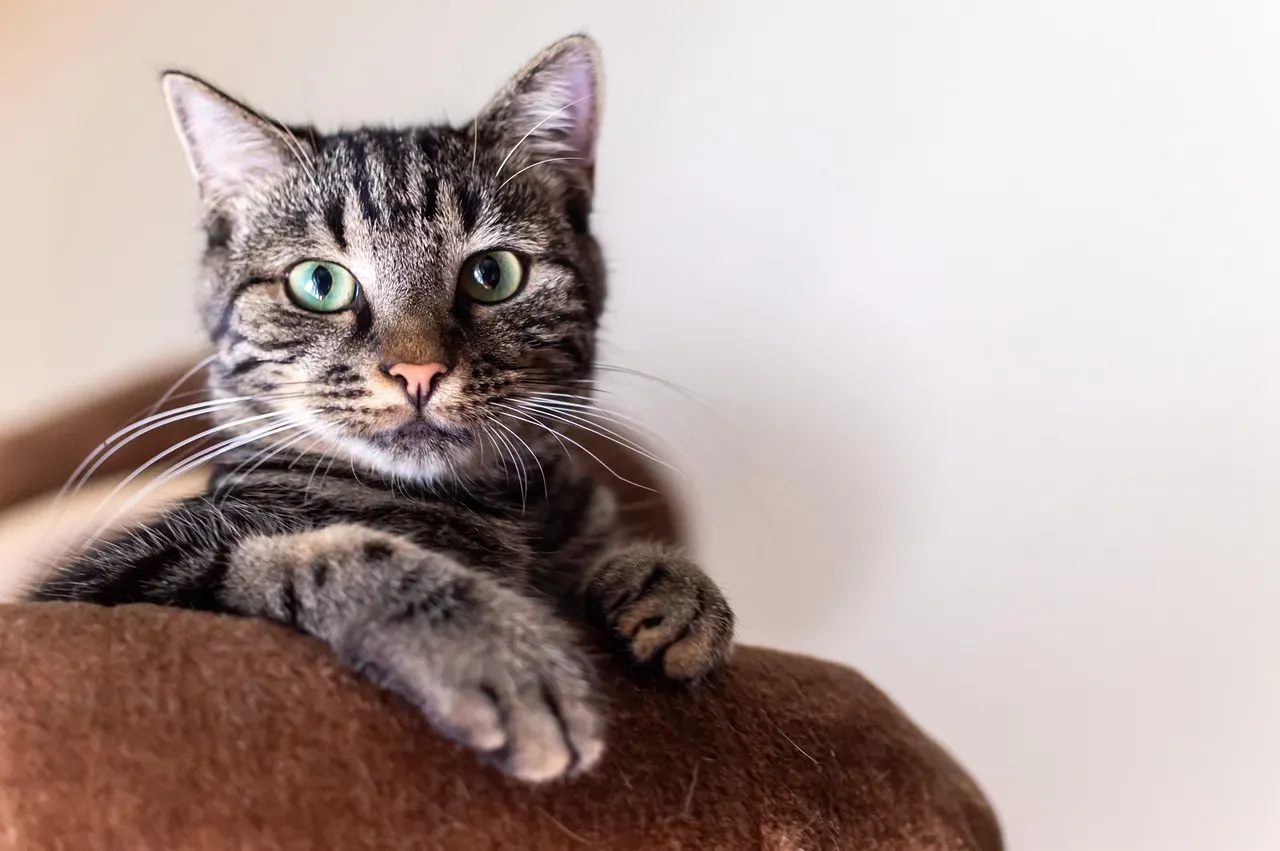
Your cat is not living without structure. Far from it. Cats have a natural daily cycle where they instinctually hunt, eat, groom, and sleep. For cats, it’s very straightforward. A cat catches a mouse, eats the mouse, cleans up after eating, and then sleeps. Once they’ve regained energy, they want to reproduce that cycle again. A normal cat will follow this cycle several times each day.
This rhythm is so ingrained that you can actually use it to your advantage. Playing with your cat right before feeding helps them believe that they’re hunting for food. It mimics their natural sequence so perfectly that it can reduce stress, prevent boredom, and even improve appetite. Think of it as respecting your cat’s internal calendar. They have one, and they take it seriously whether you acknowledge it or not.
Grooming: Much More Than Vanity
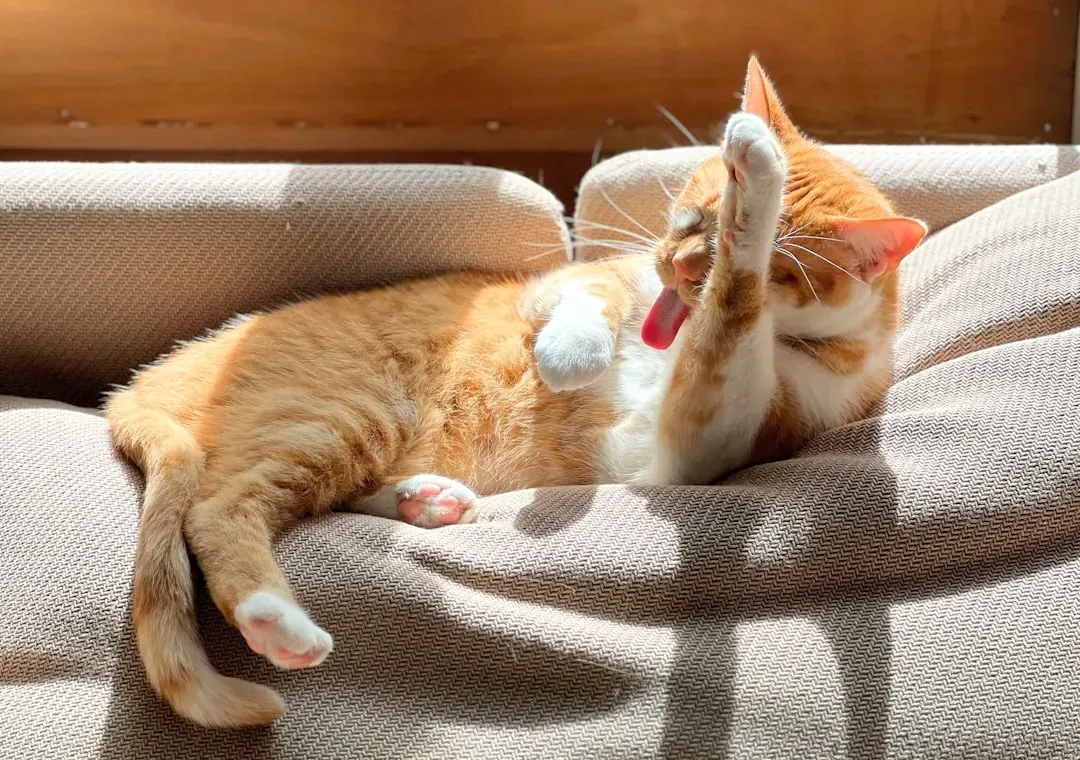
If you’ve ever timed how long your cat sits and grooms itself, you might be genuinely astonished. Cats spend as much as thirty-five to fifty percent of their day grooming themselves, but this behavior does more than make them look tidy. In addition to keeping their coat clean, grooming helps regulate body temperature and strengthens social bonds. It’s a full-service maintenance operation, not just a vanity routine.
Grooming is also deeply self-regulating from a psychological perspective. Grooming is self-soothing, which reduces the cat’s stress and anxiety. You should take note of your cat’s normal grooming habits, as over- or under-grooming can indicate illness, pain, or stress and should be addressed with a veterinarian. So that slow, methodical bath your cat takes after every meal isn’t just charming to watch. It’s actually a real-time report on your cat’s emotional and physical state.
Territory Patrol: The Invisible Job You Never See
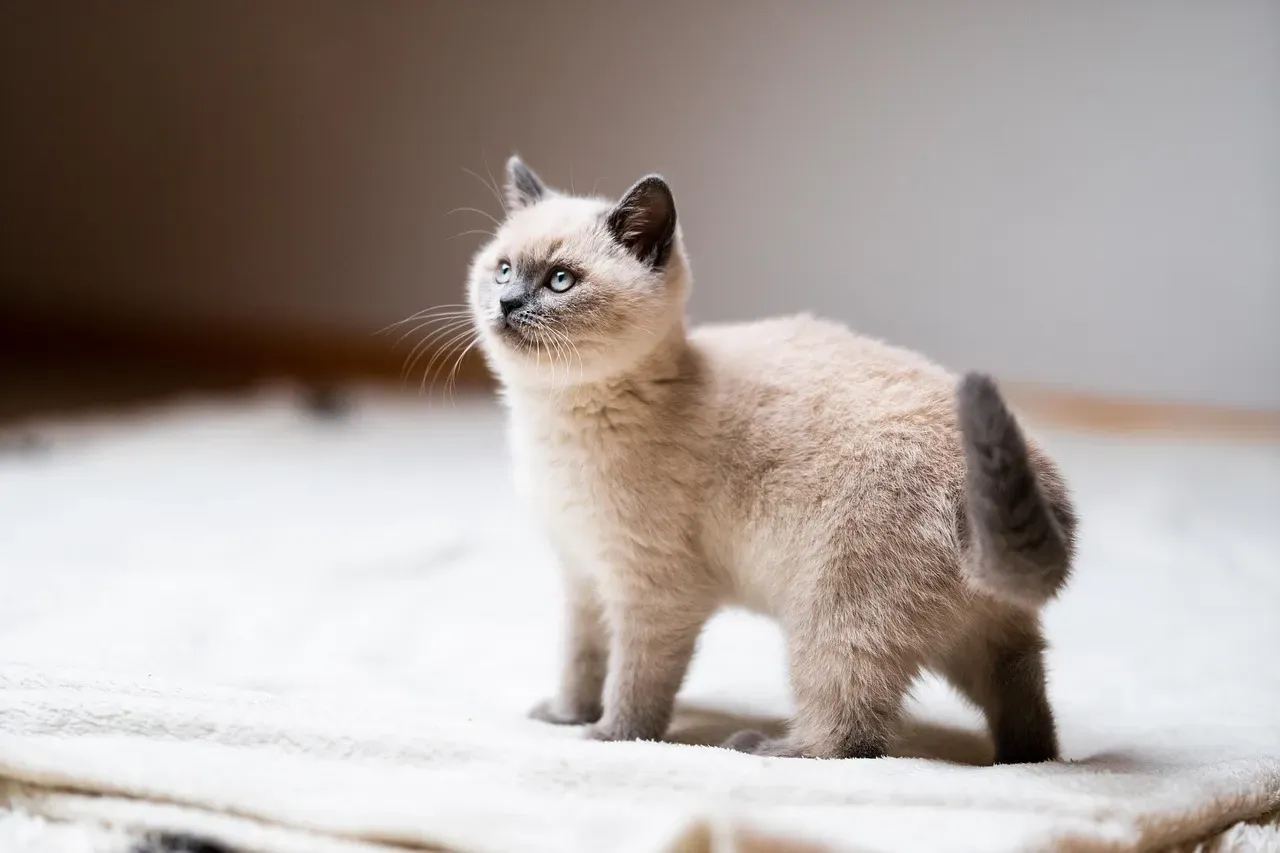
Your cat is not idly wandering from room to room. They are working. Cats establish their home hunting ranges by scent marking them. Males will physically defend their ranges from other males, while females usually share or overlap their home range with other females. The size of a home range or territory can be up to six square kilometers, which is roughly the equivalent of twenty city blocks. Your apartment or house, no matter how small, is being actively mapped and managed at all times.
Usually, the area where your cat spends the majority of his time is his territory. To define their territory, cats exhibit natural marking behaviors like scent rubbing and scratching. When your cat rubs their face along the corner of your couch or stretches up to scratch the door frame, they are not misbehaving. They are doing exactly what their biology demands. Cats use their claws to mark their territory, and when you get a rub from a friendly feline, she’s releasing her pheromones onto you. Yes, that means your cat has literally claimed you as part of their territory.
Extraordinary Senses Running at Full Power
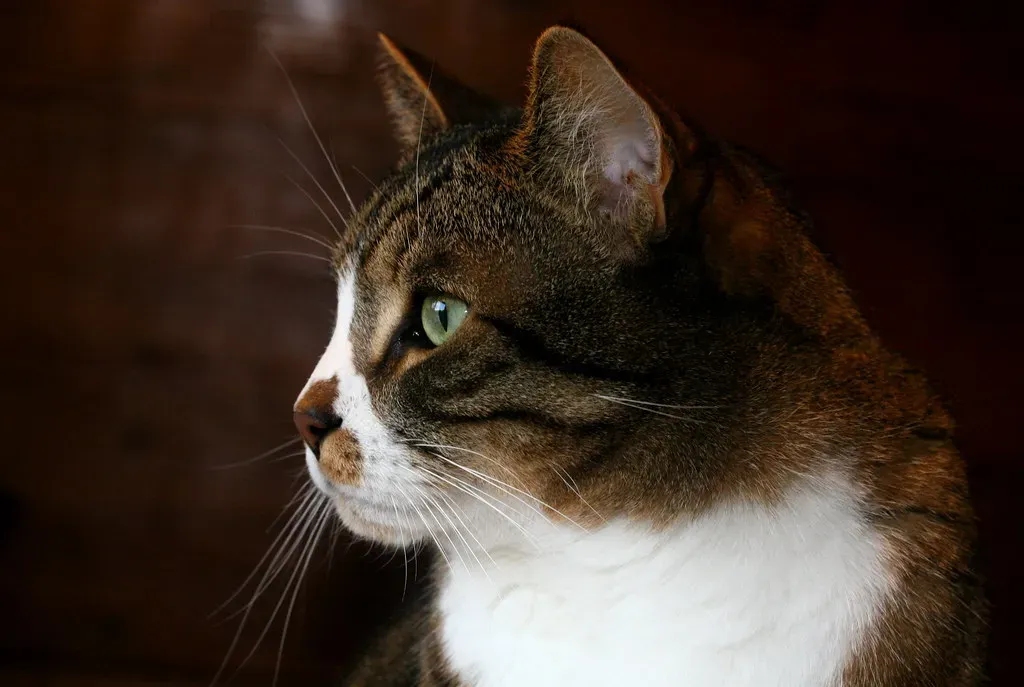
Even when your cat looks completely checked out, their senses are running at a level that would genuinely astonish you. Cats have incredible hearing and can independently rotate their cone-shaped ears to amplify sounds and locate their source. Cats can detect frequencies as high as sixty-four thousand Hertz, compared with humans, who can hear up to around twenty thousand Hertz. This sharp sense of hearing helps cats recognize and locate the high-pitched sounds of small rodent prey animals and, of course, a can opener from several rooms away.
A domestic cat’s sense of smell is nine to sixteen times as strong as a human’s. Cats have a larger olfactory epithelium than humans, meaning that cats have a more acute sense of smell. In fact, cats have an estimated forty-five to two hundred million odor-sensitive cells in their noses, whereas humans only have ten million odor-sensitive cells. That nose of theirs is essentially a supercomputer. While you smell dinner, your cat is reading a detailed chemical narrative about every ingredient, every surface it touched, and possibly your mood.
Whiskers: The Secret Navigation System
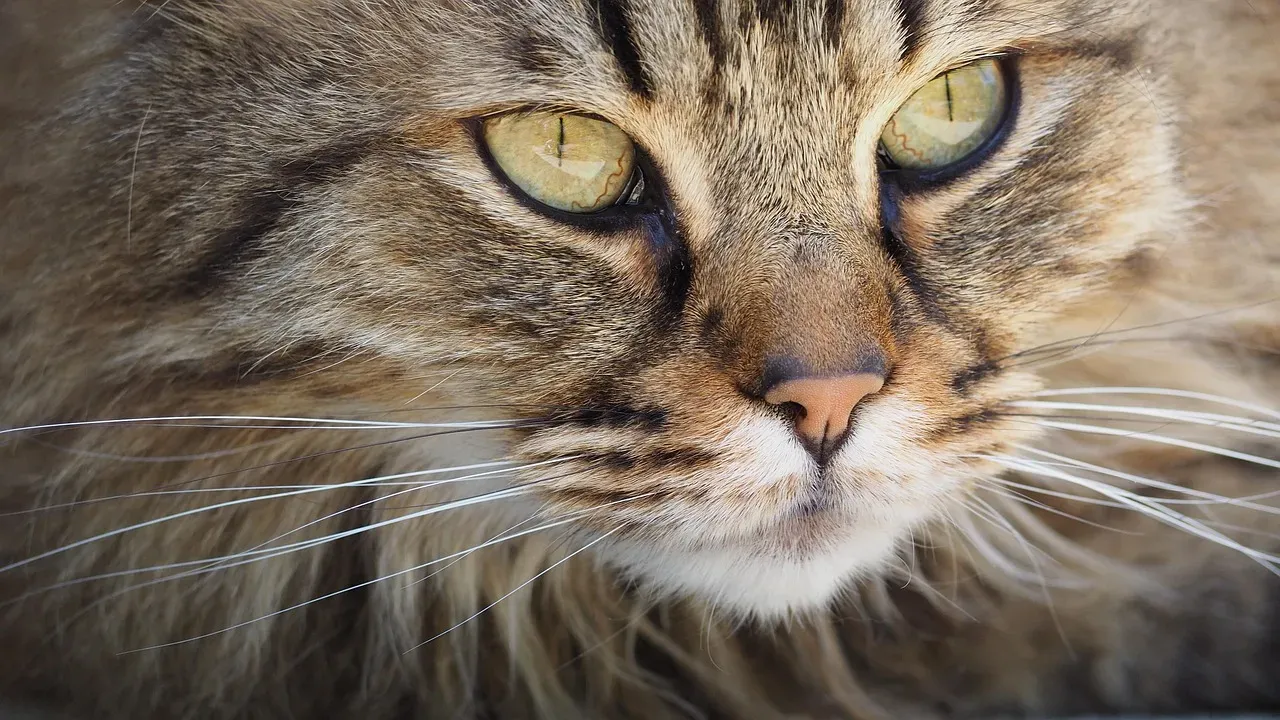
Most people think whiskers are just cute. They are so much more than that. Whiskers are more sensitive than regular hairs because the follicles they originate from are packed with blood vessels and nerves. In fact, a cat’s whiskers are as sensitive as a human’s fingertips. So, while a human’s sense of touch is in the fingers, a cat touches the world with its face. Imagine navigating your entire environment through your cheeks. That’s your cat’s daily reality.
A good portion of a cat’s brain is devoted to processing data from touch sensors. Whiskers are reliable touch sensors and almost forty percent of the brain’s sensory area aligns with body parts that have whiskers. Each individual whisker can be traced back to a specific spot in the brain, which means that whiskers occupy valuable neurological real estate in a cat’s body. And here’s a fascinating detail that most people have never heard: you probably think of your cat’s whiskers as a facial feature, but it turns out whiskers are also present on a cat’s front legs. They come from a time when cats did a lot of chasing and hunting, and the front leg whiskers are crucial for detecting the position of the prey they’re about to catch.
The Emotional and Social Life You Probably Underestimate

Here’s the one that surprises people most. Your cat genuinely needs you, not just as a food source. Felines, known to be aloof, really do love you, and they need regular attention, play, and affection from you to stay happy and maintain emotional wellbeing. That independent, slightly dismissive persona? It’s a reputation your cat has not entirely earned. Adult cats meow almost exclusively to communicate with humans, often to request attention, food, or simply to greet their owners. While often associated with happiness and comfort, purring can also be a self-soothing behavior in stressful situations.
When cats want to strongly convey their love to you, they will look at you with their eyes and slowly blink. It is a gentle eye gesture of deep trust and affection. Look at them and slowly blink back, and you will have a friend for life. I think that’s one of the most quietly beautiful things about cats. Their version of “I love you” is a slow blink. No fanfare, no jumping around. Just a deliberate, unhurried gesture of total trust. You can return it. You absolutely should.
Conclusion
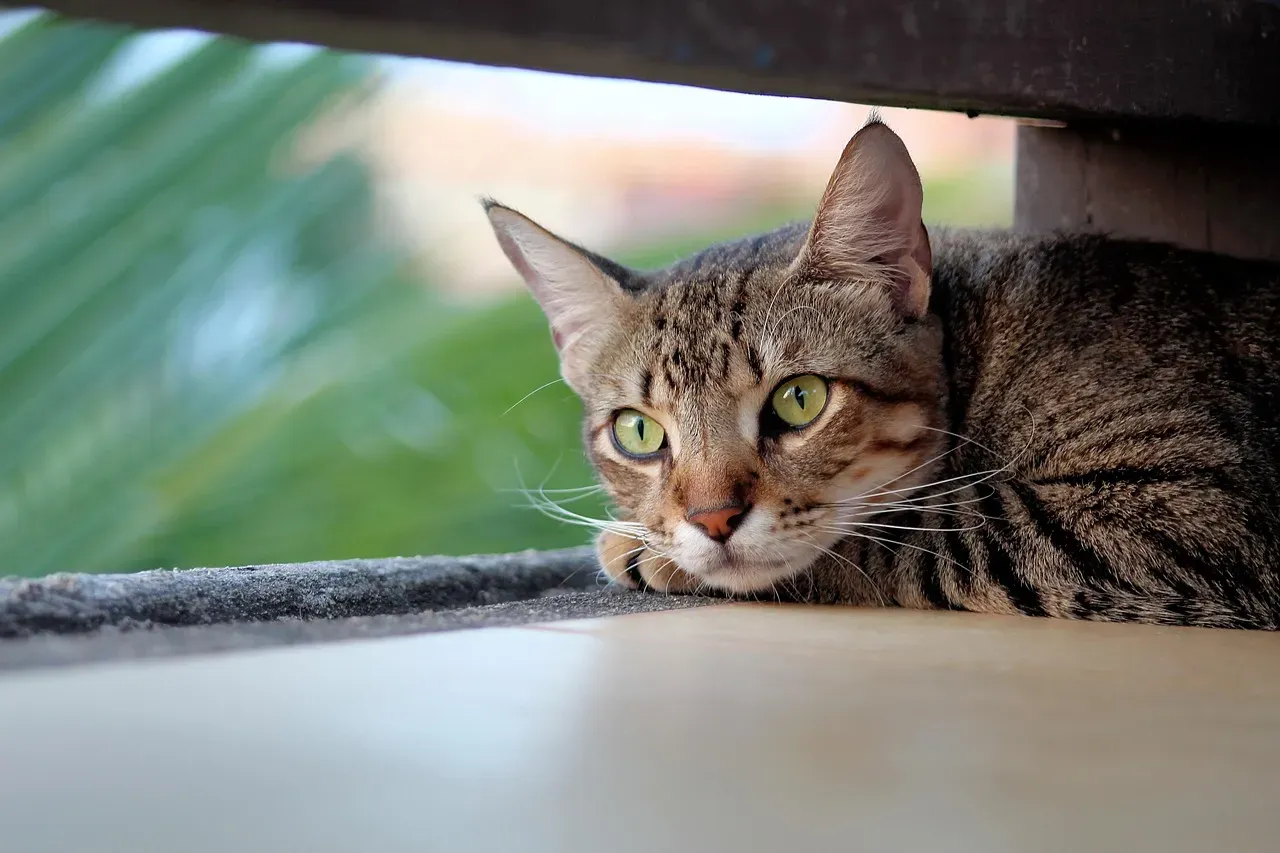
Your cat is not a decorative napper who occasionally demands food. You are sharing your home with a highly sophisticated, biologically complex creature running multiple systems simultaneously, from active territory management and sensory monitoring to emotional bonding and instinctual hunting cycles. Every scratch, every slow blink, every 5 AM sprint down the hallway has a reason behind it.
The more you understand what’s actually happening beneath that calm, sleepy exterior, the more remarkable your cat becomes. From their instinctive behaviors and sharp senses to their unique health needs, understanding cats at both a species and individual level is crucial to giving them the best possible life. Your journey to greater understanding begins with a commitment to their physical and emotional well-being. So next time you catch your cat staring into the middle distance with that unreadable expression, ask yourself: what are they actually tracking right now?