You walk into the living room and your cat is draped across the couch, one paw dangling dramatically, eyes half-shut. Lazy, right? You’d think so. Most people do. There’s a wildly popular image of the domestic cat as the world’s most accomplished nap artist – a creature whose entire purpose is to sleep, eat, and occasionally knock things off shelves for sport.
Here’s the thing, though. That chilled-out, sleepy creature curled on your cushion is running background security operations you’ve probably never noticed. Cats are wired from birth to protect their territory, detect threats, and alert their owners to dangers both physical and environmental. They’re not sleeping the day away – they’re recharging between shifts. Let’s dive in.
Your Cat Is a Natural Hunter – and Your Home Is the Territory
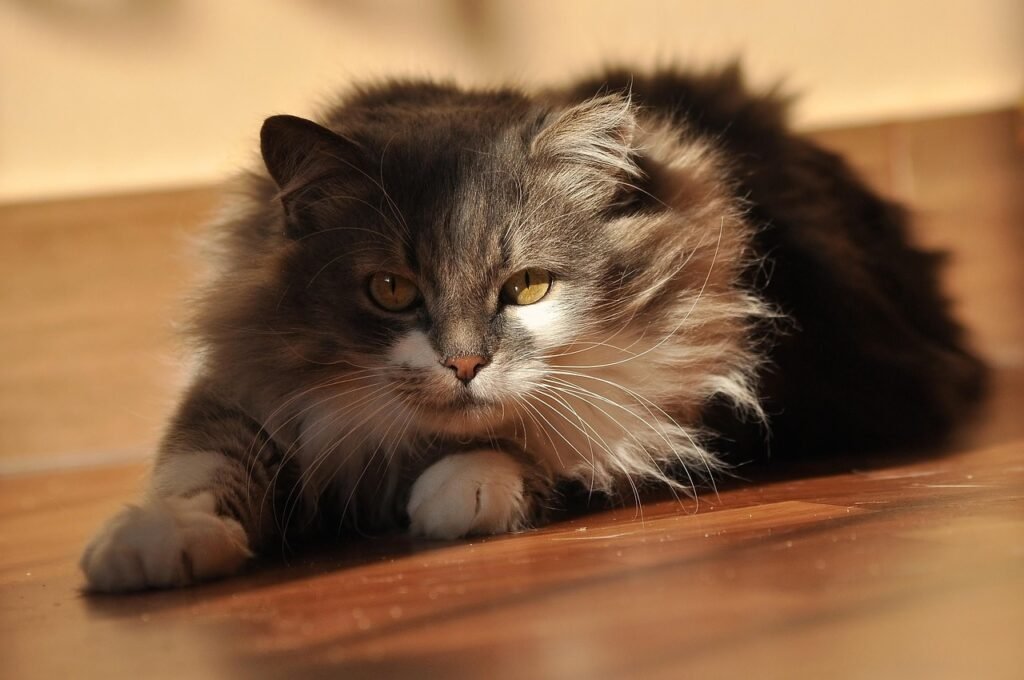
Most people think hunting is something cats gave up when they traded the wild for a warm living room. That couldn’t be further from the truth. Cats are born with a natural predatory instinct as much a part of them as their graceful agility. This instinct is what compels them to engage in behaviors like pouncing, stalking, and chasing, which are essential for hunting prey in the wild.
Even when your cat doesn’t seem to be doing much, those instincts are running quietly in the background. This behavior is not just for sustenance, as domestic cats often hunt for sport or to fulfill an ingrained need, even when they are not hungry. Think of it like a trained soldier who never fully switches off – always scanning, always assessing. Your cat is the same way. That stare into the corner of the room? Probably not nothing.
The Scent Wall: How Cats Chemically Guard Your Home
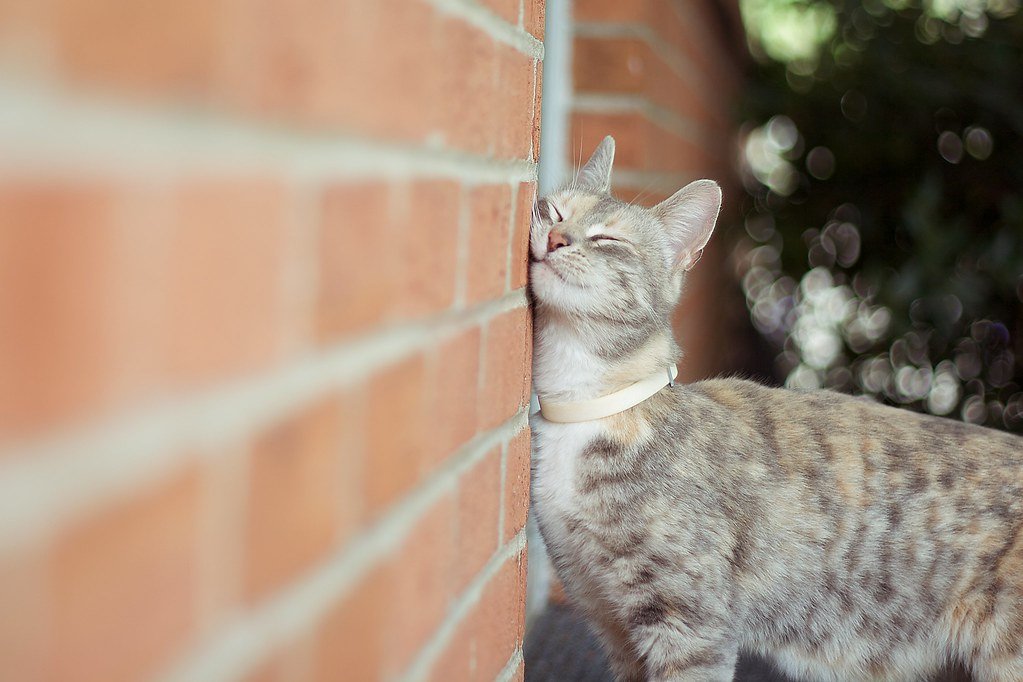
One of the most underrated things your cat does every single day is leave its scent everywhere. You might find it annoying when they rub against the furniture or press their face into your leg, but there’s a powerful strategy at work. Cats mark their territory with urine and a few other ways. Experts believe that cats developed marking behaviors to minimize contact with other cats, thus enhancing their odds of survival.
This scent perimeter works beautifully against rodents too. While not all housecats are good mouse hunters, they can still deter mouse activity with their pheromones. They love to rub against things, and when they leave these scent trails behind, it tells mice it’s not a safe area. The mice are likely to find a safer place where they won’t be hunted daily. Your cat is essentially painting invisible “No Entry” signs all over your home. Respect the system.
Mice Are Terrified of Your Cat – Even If Your Cat Never Moves
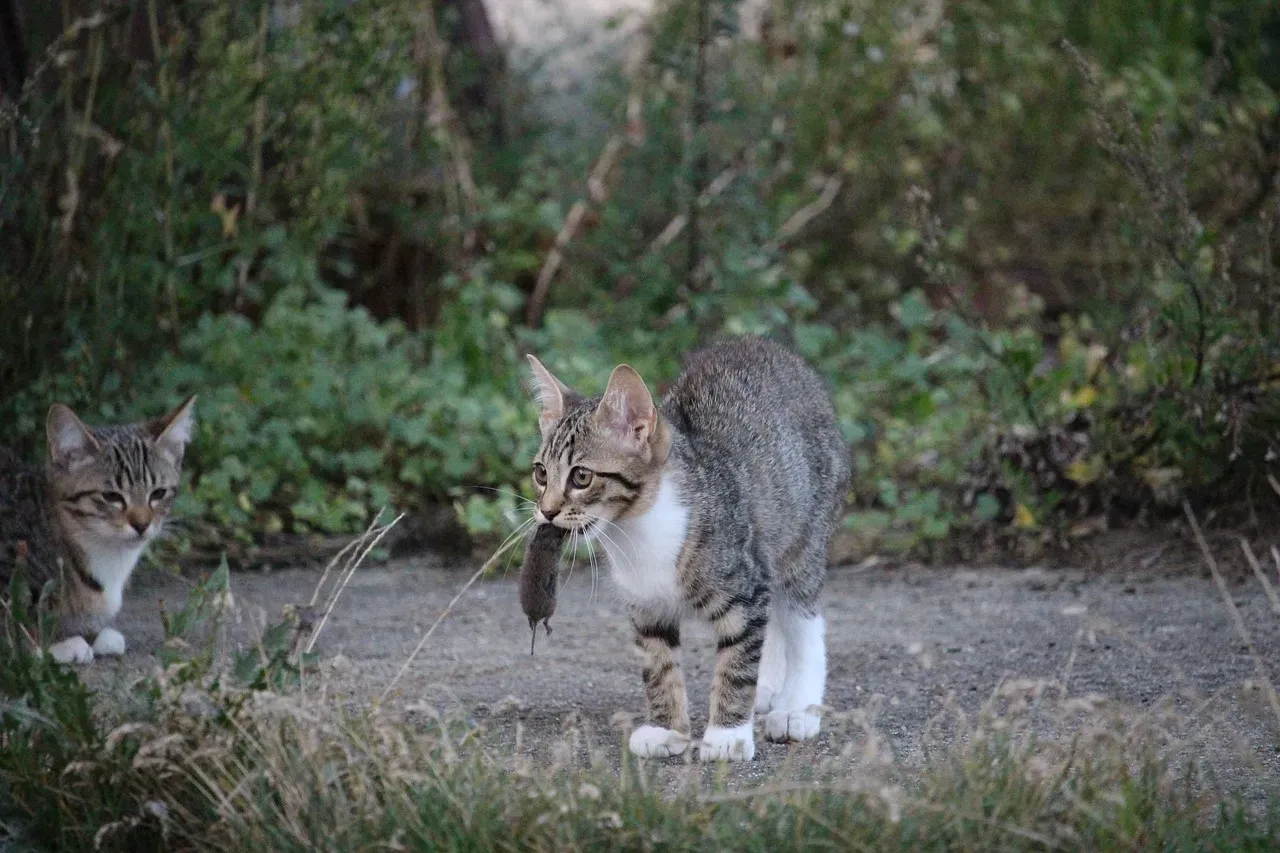
Let’s be real: some cats are not exactly fearsome hunters. Some would rather observe a mouse from a comfortable distance. Yet here’s something genuinely remarkable – the mere biological presence of a cat is enough to send rodents running. Scientists in the United States discovered that when mice detect specific proteins found in cat saliva, they react with fear. These proteins, called Mups, act on cells in a special sensory organ in the mouse, called the vomeronasal organ. The team described how the proteins trigger a fearful reaction in the mice.
The mere presence of a cat in a territory can significantly impact the behavior of mice. Cats are territorial animals, and they use scent marking to communicate their dominance in an area. These scent markers can serve as a warning to mice, signaling that a predator is nearby. This can result in a natural form of pest control, as mice may choose to avoid areas that cats mark. Your cat doesn’t need to lift a paw. Just existing is enough of a statement.
Cats Are the Ultimate Bug Patrol
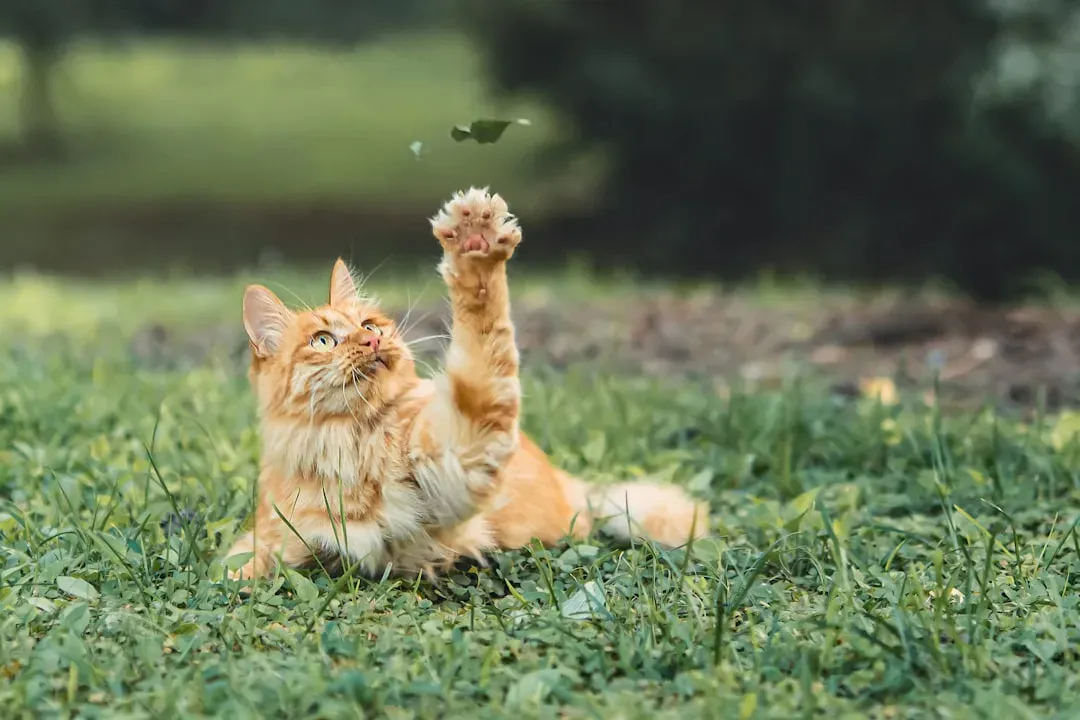
Beyond rodents, your cat is constantly monitoring for six-legged intruders too. This is a role most cat owners don’t fully appreciate. Cats are also great at noticing insects and will sometimes knock them out of the air and kill them. They can at least alert you to insect activity you might have missed, and you can take it from there.
Cats are not only good at seeking out rodents. Many cat owners find that a cat is naturally inclined to hunt down creatures and bugs that invade your home. This includes mice, squirrels, spiders, and scorpions. Honestly, the next time your cat goes absolutely feral chasing something around the baseboard, maybe don’t roll your eyes. They might be doing you a genuine service.
Hearing What You Can’t: The Extraordinary Sound Radar
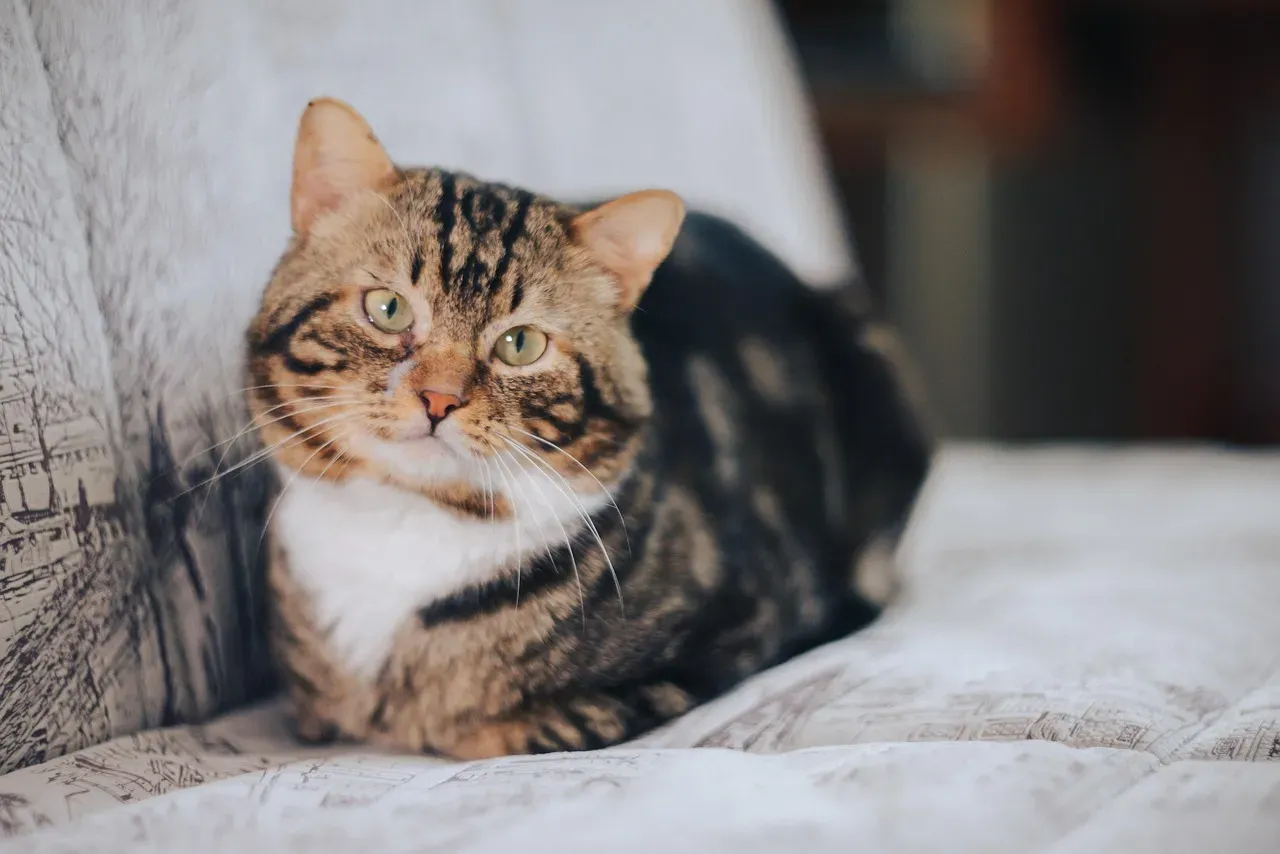
You’ve probably noticed your cat’s ears doing that little swivel maneuver, rotating independently like tiny satellite dishes. That’s not a quirk – it’s a finely tuned threat-detection system. Cats possess a phenomenal range of hearing. Their ears can swivel independently, allowing them to pinpoint the exact location of a sound. They can also hear frequencies that are far beyond human capabilities, making them acutely aware of noises that might be indicative of danger such as a small animal scurrying nearby or a change in a person’s footfalls, all of which can alert them to a potential threat.
Cats can hear, see, and smell much better than we humans can. This means that they could potentially sense an intruder before you know that they’re there. If your cat suddenly snaps awake and stares intensely at the front door before anyone knocks, don’t be surprised. They heard the footsteps on the path long before you did. That’s not eerie – that’s biology doing its job.
Night Vision Bodyguards: Cats See in the Dark So You Don’t Have To
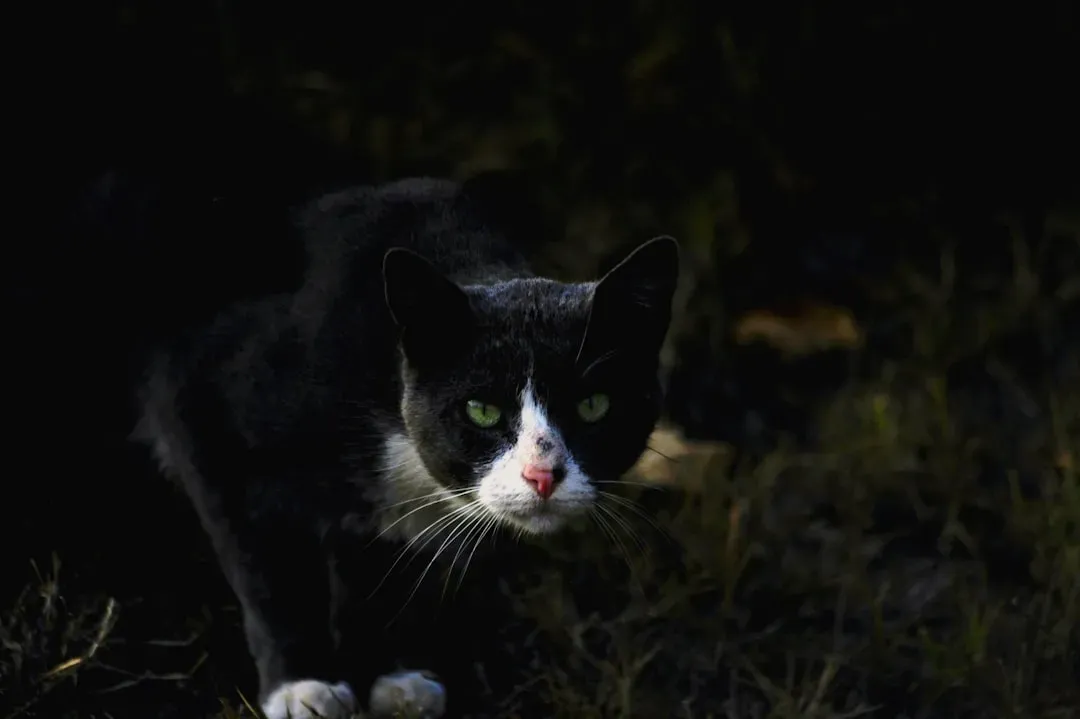
Your home goes dark and quiet at night, and that’s precisely when your cat shifts into high gear. Cats have excellent vision, particularly in dim lighting. In fact, cats can see six times better in dim light than humans can. One of the reasons for this is that cats have larger numbers of rod cells within their eyes than we do. Rods are a type of photoreceptor cell that are sensitive to light, meaning that your cat can detect more outlines and movements in low lighting than you can.
A cat’s pupils can also dilate wider than a human’s, which allows more light to enter the eye. Cats have a structure within their eye that we do not have, called the tapetum lucidum. While you’re asleep and completely unaware of anything moving through the shadows, your cat is fully operational. Think of them less as a pet and more like a furry, nocturnal security guard who requires no salary – just food and occasional affection.
Early Warning for Gas Leaks and Environmental Hazards
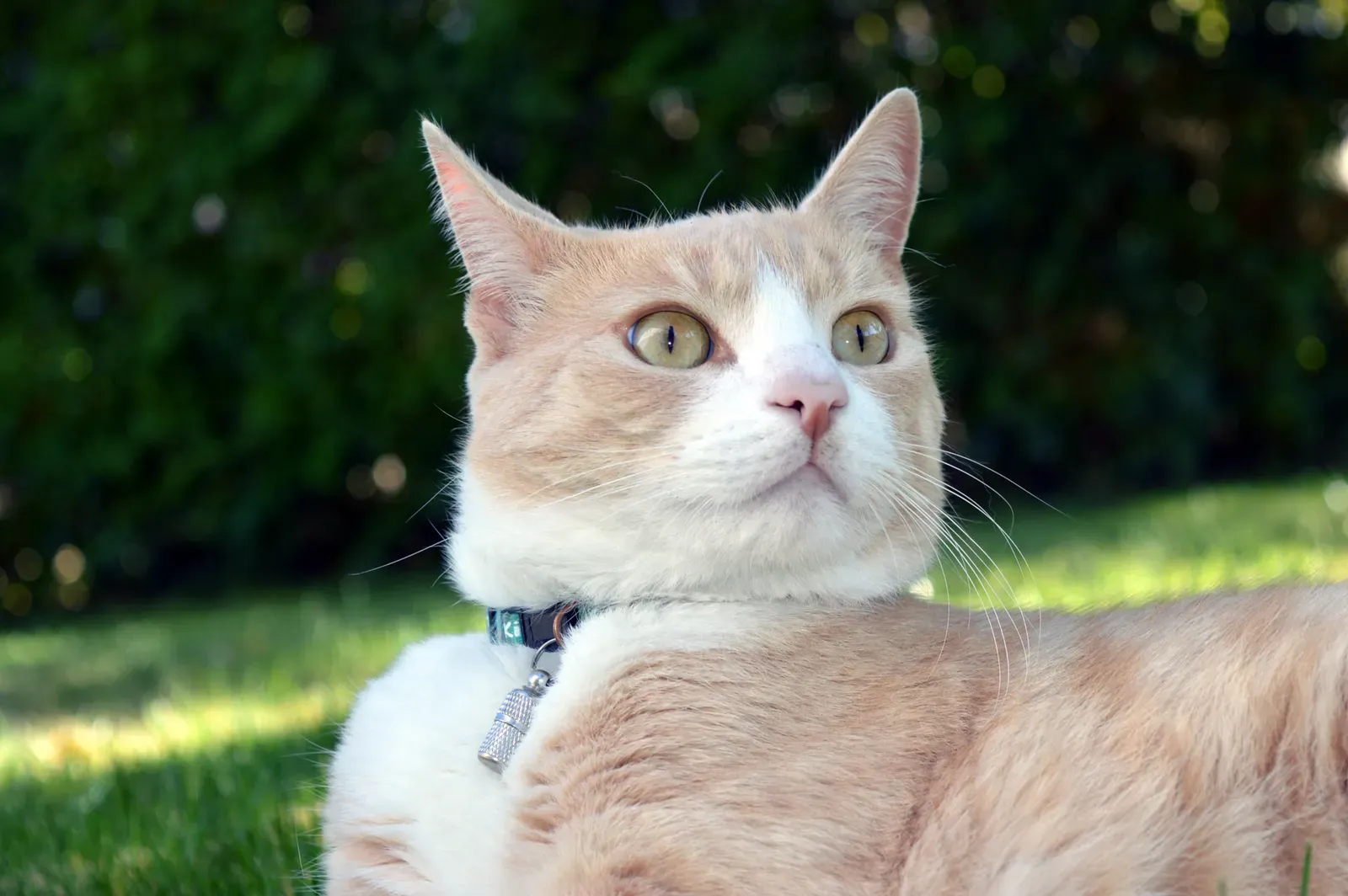
This one might genuinely surprise you. Cats don’t just protect you from pests and intruders – they can actually serve as a biological early warning system for invisible household hazards. Recognizing the signs of a gas leak early can prevent tragic consequences, such as illness or even death. Cats, with their sensitive senses, can sometimes be the first to detect these leaks, offering an additional layer of safety for their owners.
When it comes to carbon monoxide – the famously odorless killer – cats can become a living alarm system without even trying. Cats have a higher metabolic rate than humans, as well as a higher respiratory rate. This means that the odds of a cat showing signs of carbon monoxide poisoning before a human does are very high. If your cat seems unusually lethargic, wobbly, or out of sorts – especially near a heater or furnace – take that seriously. It could be far more than a bad mood. Your pet becoming ill may be the first indication there is a problem, so knowing the symptoms in your pet is vitally important. Always investigate a carbon monoxide leak if your pet becomes lethargic, behaves out of character or ill, particularly if this coincides with putting the heating on.
Cats Can Sense Intruders and Human Danger
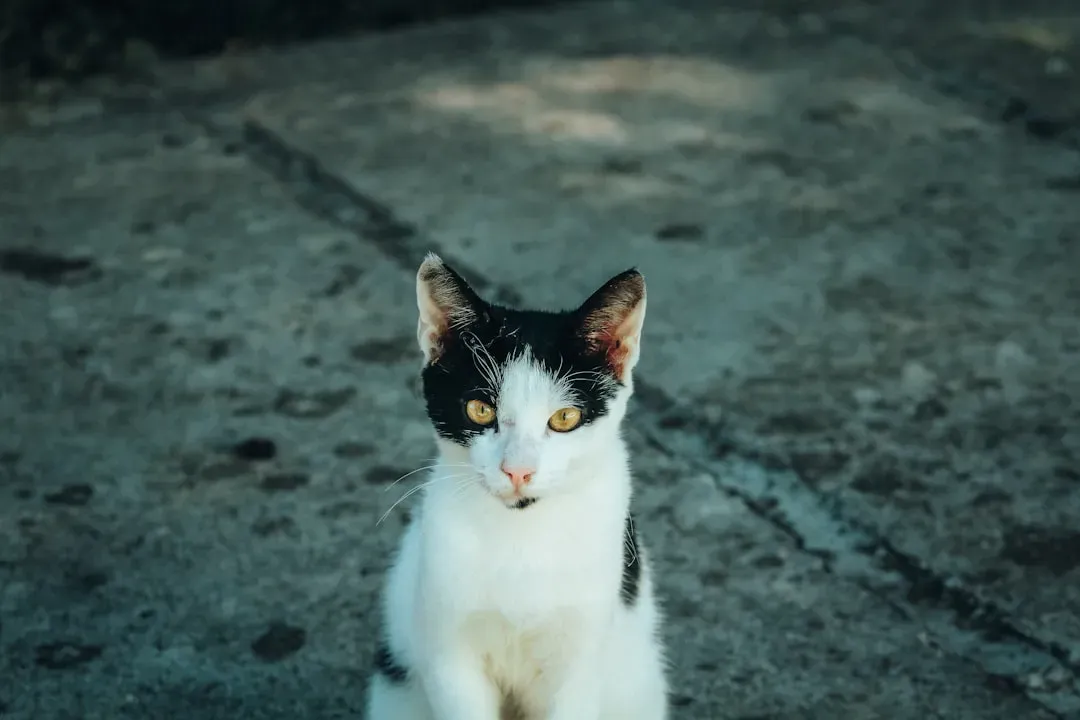
I know it sounds dramatic, but there are well-documented stories of cats actively confronting real human intruders. This isn’t folklore. There’s a story about Binky, a cat who attacked a man trying to invade a home in Indianapolis, Indiana. Binky repeatedly bit a man trying to enter through a window and successfully scared the intruder away, who was later caught by police.
Their superior hearing is particularly helpful in detecting unfamiliar sounds, and their strong sense of smell can pick up new scents or anomalies in their environment. While they might not confront an intruder like a dog, their heightened awareness can act as an early warning system. Their behavior changes are a code worth learning to read. Some cat owners have reported instances where their feline companions alerted them to potential dangers, such as fires or intruders. Cats may exhibit unusual behavior or vocalize in a way that signals a threat to their owners.
Detecting Illness in Their Owners
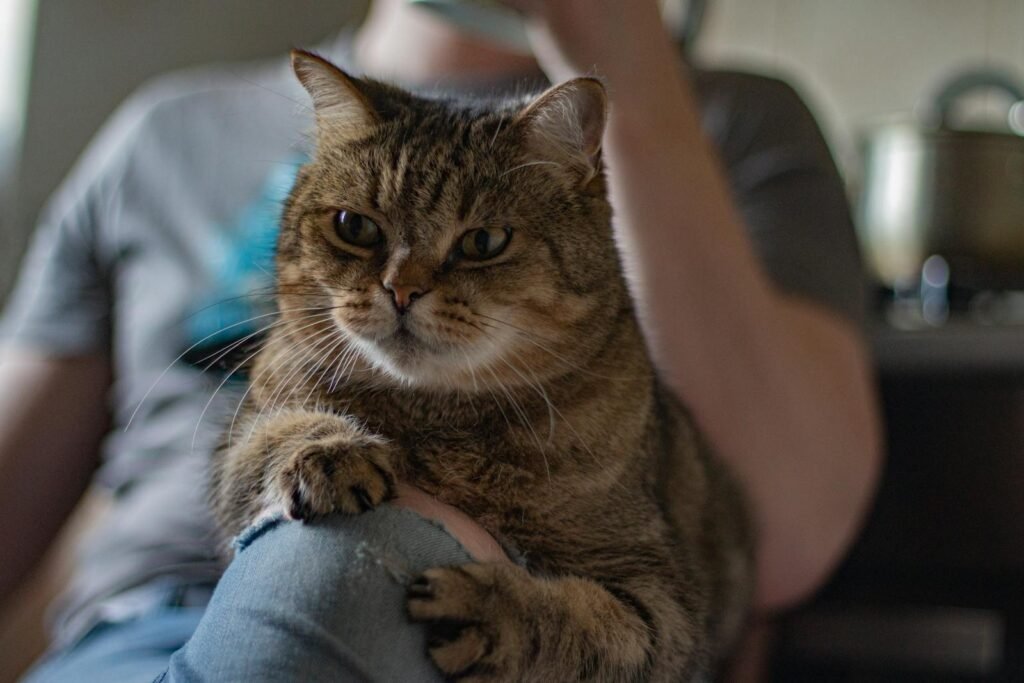
Perhaps the most astonishing form of home protection your cat offers isn’t about external threats at all – it’s about you. Cats have a well-documented ability to detect health changes in the people they love. They can detect carbon monoxide leaks, gas leaks, house fires, and even medical issues like low blood sugar or cancer, warning their owners before these threats become serious. Cats likely use their sharp senses to detect danger or health issues in their humans. They can probably smell changes in body odor linked to illness, hear subtle sounds like gas leaks or abnormal breathing, and may be affected by carbon monoxide before we are.
The real stories here are breathtaking. After being adopted, a cat named Pudding saved his new owner, Amy Jung, by waking her during a diabetic coma, then alerting her son to call for help. Another cat, Tiger, persistently pawed at his owner’s left side, which led to the detection of stage 1 lung cancer, potentially saving his life. These aren’t coincidences. These are cats doing what they’re wired to do – protecting their people.
Territorial Patrols: Your Cat Actively Monitors Every Room
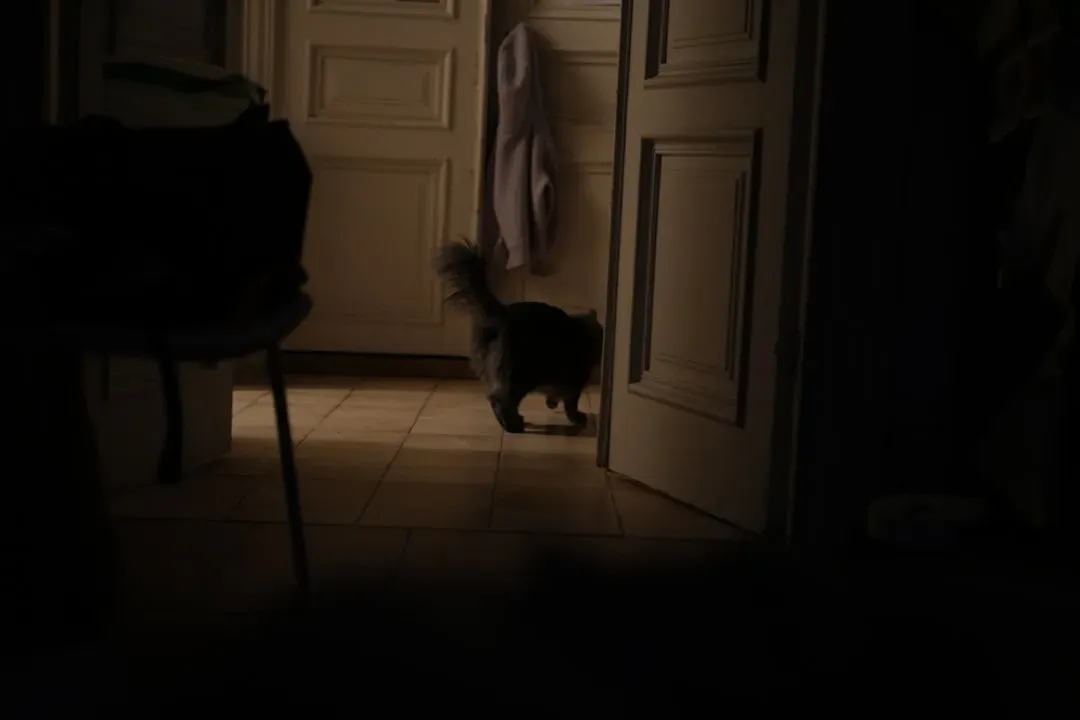
You’ve seen it – that slow, deliberate walk your cat takes through the house at various times of the day. One room, then the next, pausing, sniffing, observing. It looks aimless. It really isn’t. One of the traits that cats have inherited from the wildcat is that they’re very territorial animals. Unlike dogs that tend to live together and enjoy other dogs’ company, cats are often solitary pets and are fiercely independent. They mark and defend their territory in many ways and will fight to protect it if they need to. This behavior stems from their ancestors, who lived alone and hunted to survive.
Cats have exquisitely acute senses and always seem to have an aura of understanding and relating with their environment. Some pet parents even believe that their felines can tune into unspoken emotions, invisible danger, and future events. Since cats thrive and rely on intuition, they are attuned to biological, bodily, and behavioral changes in other creatures and environments. That patrol isn’t random – it’s maintenance of a security perimeter. Your cat is not wandering. Your cat is working.
Conclusion: Never Underestimate the Cat on the Couch
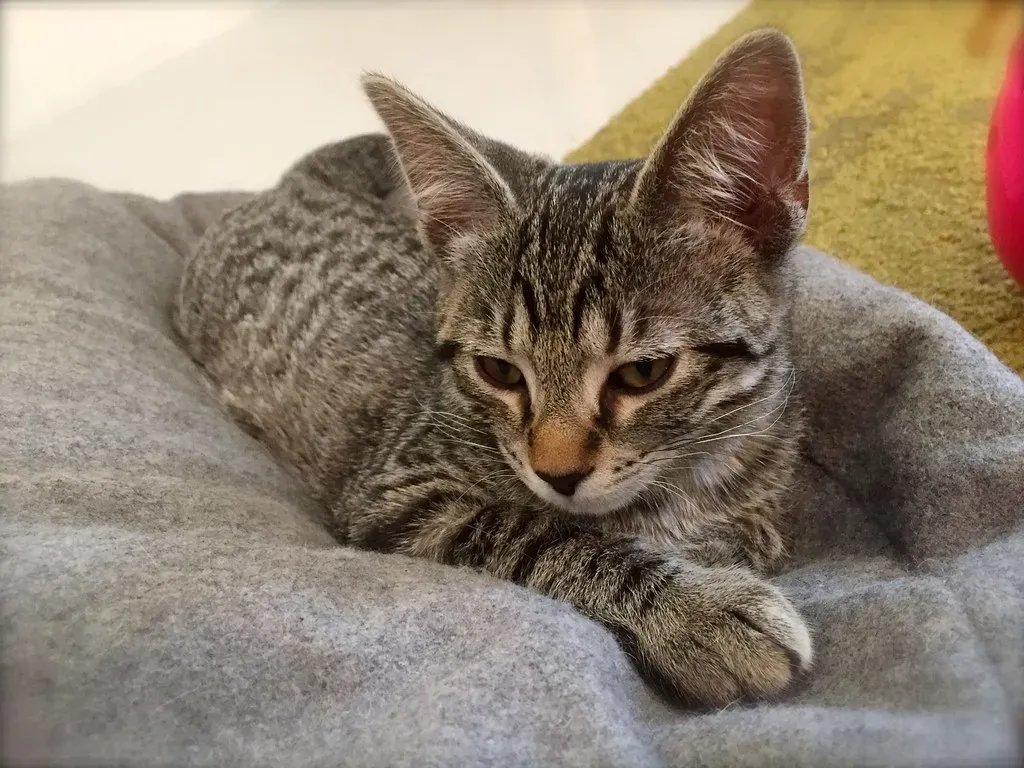
So the next time your cat stretches out for what looks like the fourteenth nap of the day, maybe reconsider how you’re framing that mental image. You’re not watching a laziness champion. You’re watching a highly evolved, multi-sensory guardian system on standby – one that hunts insects, deters rodents through sheer biological chemistry, monitors your health, listens for intruders you can’t hear, and patrols your home with the quiet confidence of something that has been doing exactly this for thousands of years.
They don’t bark. They don’t make a show of it. They protect in their own particular, dignified, slightly smug way. Honestly, it suits them perfectly. The cat has always known it was protecting the home. It just never felt the need to tell you. What do you think – did you ever suspect your cat was doing more than sleeping? Share your thoughts in the comments!