You know how it is. Your cat sleeps on the couch all afternoon, sprawled out like it owns the place. But have you ever wondered what’s actually happening inside that fuzzy little head during those endless hours of apparent laziness? Let’s be real, cats aren’t just checking out for a quick power nap. Something far more intriguing is going on beneath the surface of all that stillness.
Recent research suggests that when your cat curls up and drifts off, they’re entering a complex mental landscape that rivals our own sleep experiences. Their brains are processing, organizing, and maybe even strategizing. It’s hard to say for sure, but what scientists have discovered about feline sleep patterns challenges everything we thought we knew about why cats spend so much of their lives in dreamland.
The Science Behind Those Endless Hours of Rest
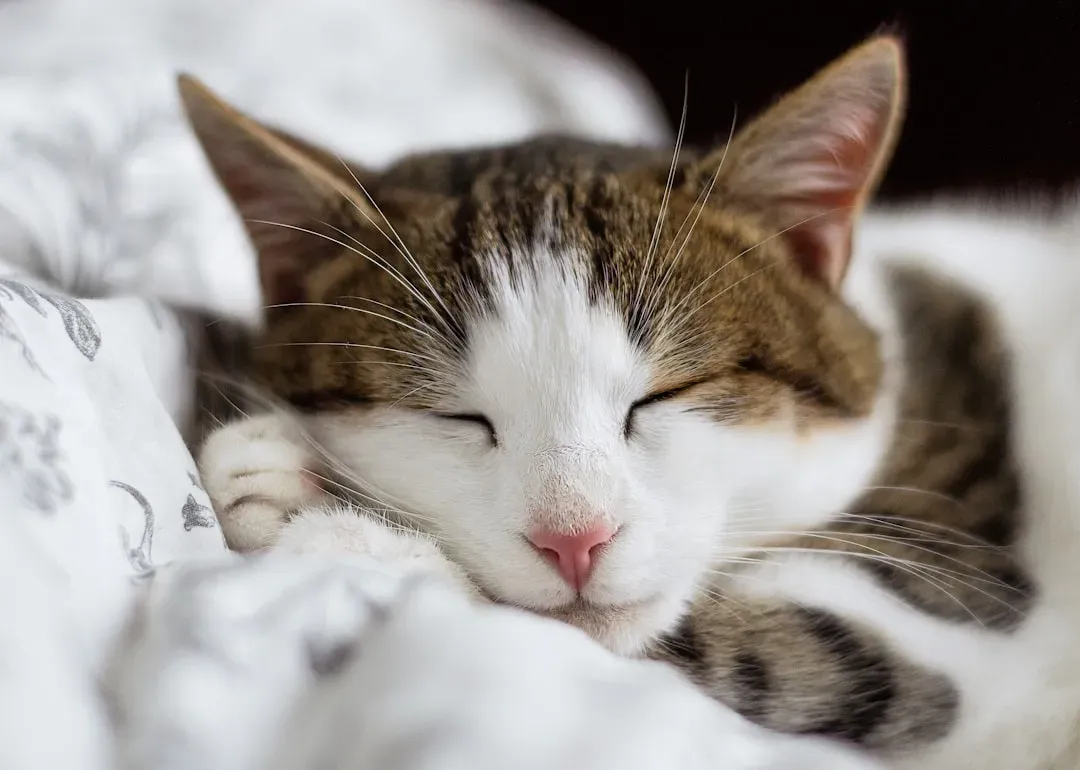
Cats sleep an average of fifteen hours per day, with some stretching toward twenty hours, especially older cats and kittens. That’s a staggering amount of downtime compared to humans, who typically need around eight hours. Why such a dramatic difference?
Fundamentally, cats are predators, and sleeping is vital to conserve their energy after hunts, as they are anatomically and physiologically designed to hunt for their food. Even though your domestic cat likely gets their meals from a bowl rather than chasing down prey, their evolutionary programming hasn’t changed one bit. They have developed a habit of sleeping for extended periods to conserve energy, and although domesticated cats do not need to hunt for food, their evolutionary instincts have remained unchanged.
Think about it like this: in the wild, hunting requires intense bursts of energy that can’t be sustained indefinitely. So cats evolved to rest frequently, recharging their batteries for the next big chase. Your indoor cat is still wired the same way, even if the only thing they’re stalking is a feather toy.
The Crepuscular Clock That Rules Their World
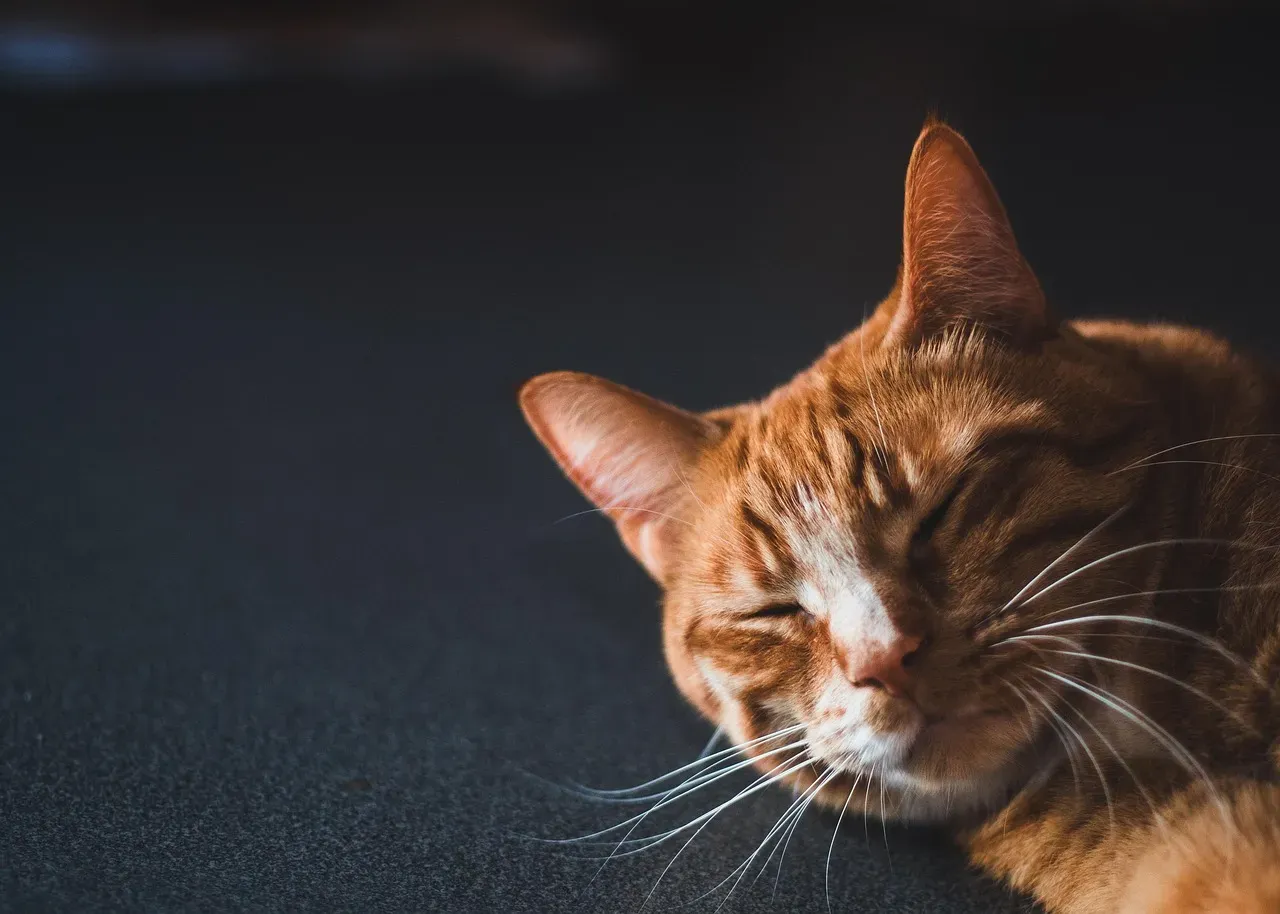
Contrary to popular belief, cats aren’t nocturnal; they are crepuscular, meaning they’re most active around dawn and dusk, and this sleeping pattern is due to their hunting instinct. This explains why your cat suddenly gets the zoomies at five in the morning or tears around the house just as you’re settling in for the evening.
They experience two peaks of activity, one in the early morning before sunrise and one in the evening around sunset, and researchers hypothesize that a cat’s crepuscular sleep cycle is driven by their predatory natures. The timing makes sense when you consider that many prey animals, like rodents and birds, are also active during twilight hours. It’s nature’s way of aligning predator and prey schedules.
Interestingly, many domestic cats adapt their sleep cycles to match their human companions. Many cats sleeping habits have adapted to sleeping during the night, as their owners do. Still, that doesn’t stop them from demanding breakfast at the crack of dawn.
Two Distinct Sleep States With Different Purposes
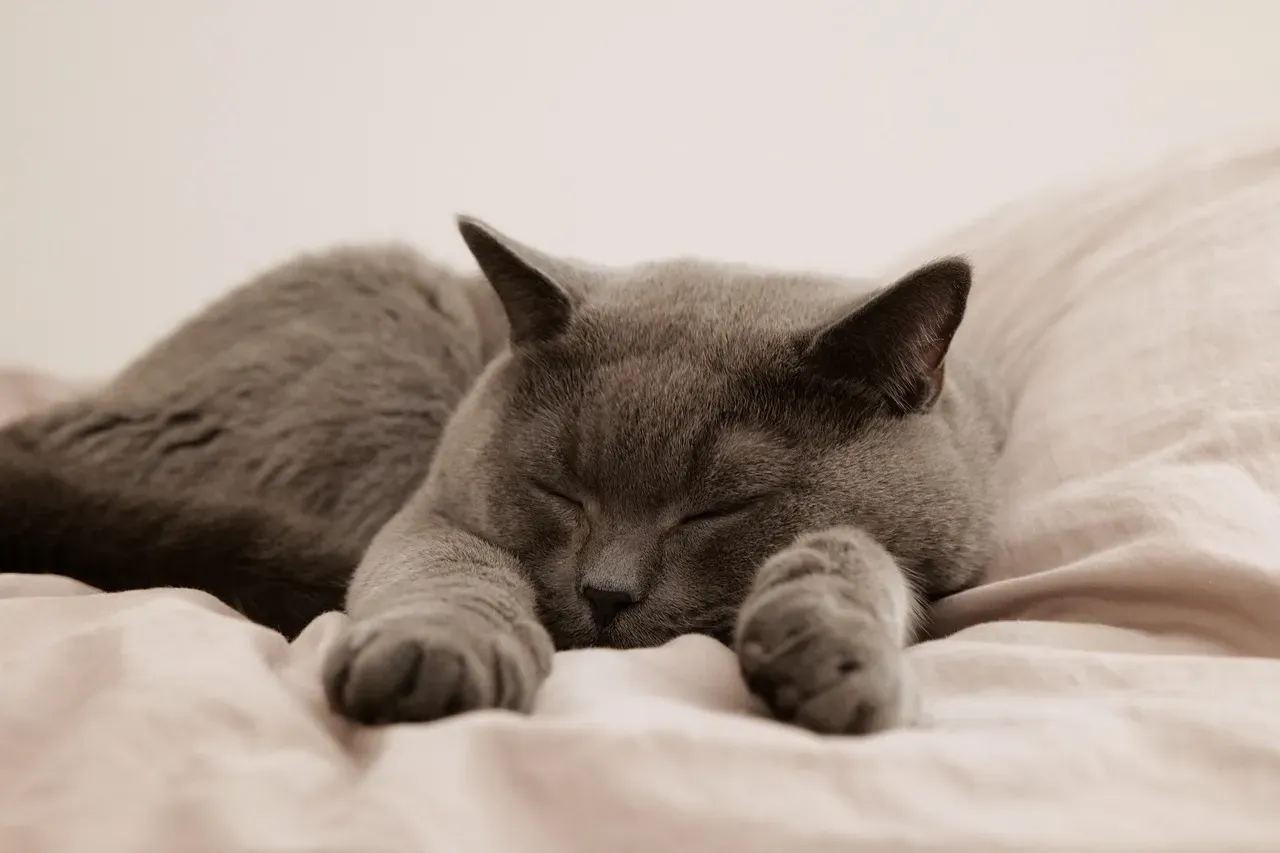
Your cat doesn’t just crash into deep slumber the moment they close their eyes. When your cat is sleeping, their rest varies between a light doze and a deeper sleep, with light sleep usually lasting anywhere between fifteen minutes and half an hour, whereas deeper sleep will only last for about five minutes at a time.
During light sleep, cats remain surprisingly alert. When cats are experiencing light sleep, they are able to wake into action at an instant: their ears will remain erect, responding to sounds in their environment; they may have some tail movement, and perhaps even one eye half open. This vigilance is a survival instinct, allowing them to react quickly to potential threats or opportunities. It’s why your cat can seem totally unconscious one second and then spring into action the next.
Deep sleep is a different story altogether. During deep sleep, your cat’s posture, including their ears, will be far more relaxed, and you may observe them twitching or paddling the air with their paws. This twitching is a telltale sign they’ve entered REM sleep, the phase where dreaming occurs.
Yes, Your Cat Actually Dreams
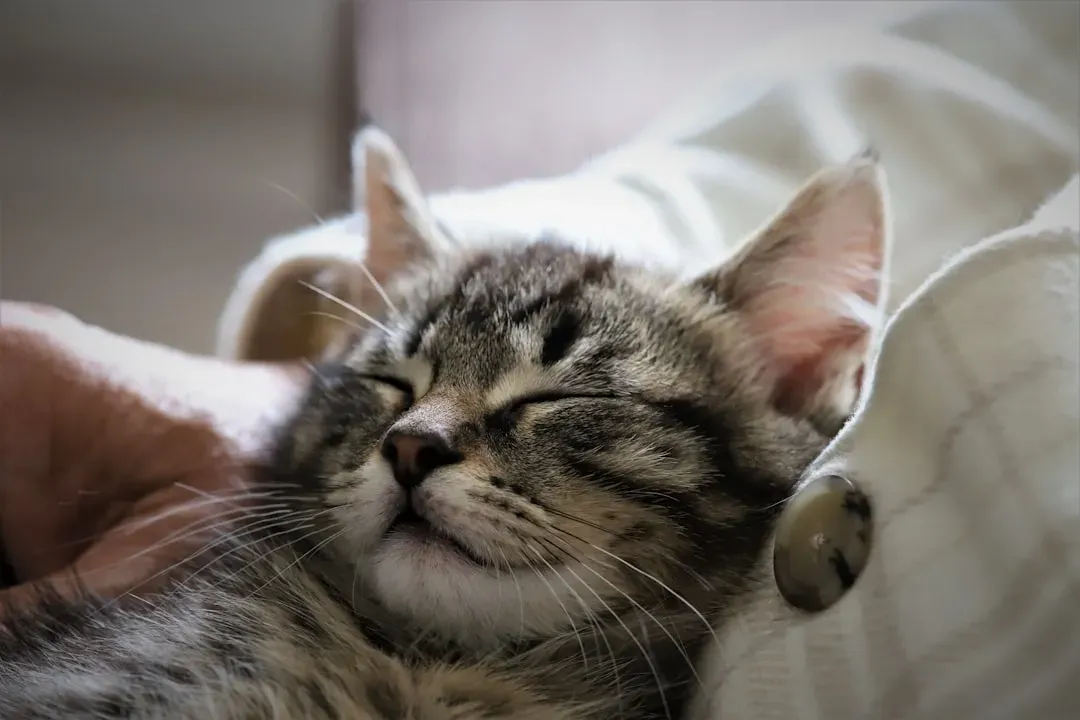
Cats cycle through different stages of sleep and experience both non-rapid eye movement and REM sleep, similar to humans and other mammals, as confirmed in studies starting in the 1950s. The evidence for cat dreams became even more compelling through groundbreaking experiments in the 1960s. A specific part of the brain located in the pons area of the brainstem prevents physical movement during dreams, and in experiments, surgically modifying this area in cats’ brains effectively removed the mechanism that prevents movement during REM sleep. The results were remarkable. The cats began physically acting out what appeared to be dream behaviors while still asleep, displaying classic hunting behaviors, defensive postures, and other typical feline activities, all while their brain activity showed they were still in REM sleep, providing compelling evidence that cats not only dream but that their dreams likely reflect their waking experiences and instinctual behaviors.
So what are they dreaming about? When cats experience REM sleep, they tend to move their heads as though they’re following or watching something, so it’s likely that when our furballs are curled up snoozing, they’re probably dreaming about their favourite pastime: hunting. They might also dream about you, that annoying bird outside the window, or the epic battle they had with their favorite toy earlier.
The Mental Processing Happening Behind Closed Eyes
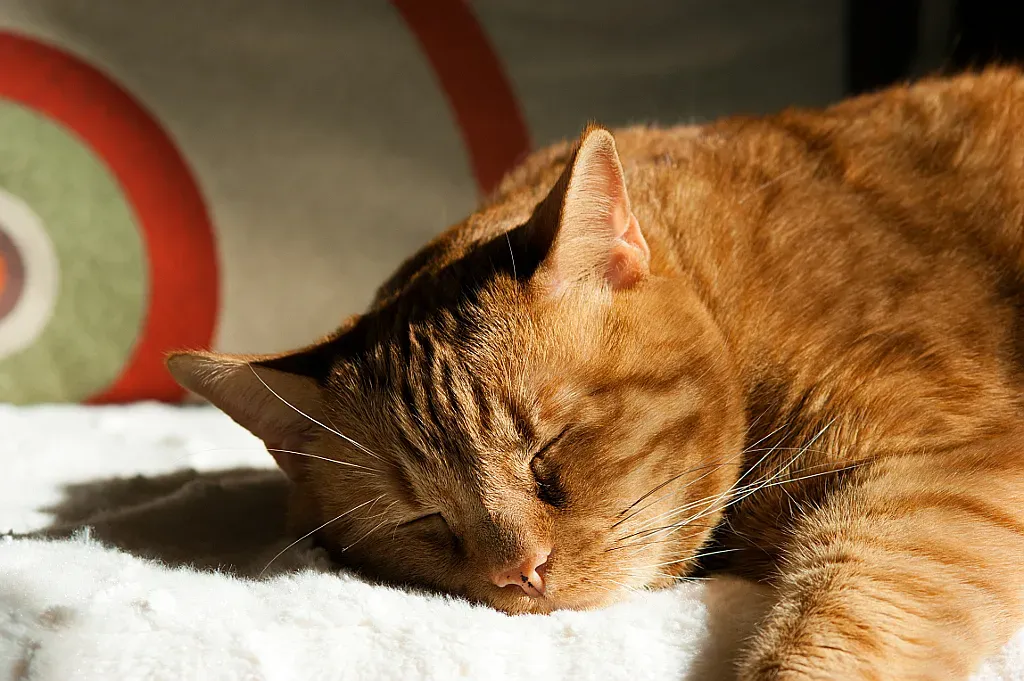
Sleep isn’t just about physical rest for cats. Sleep in cats is not just a physical necessity but also a mental one, as it helps in maintaining their cognitive functions and emotional health, and cats, especially those in their active years, require these rest periods to process their sensory experiences and maintain their alertness and predatory instincts.
Dreaming serves several important functions for cats, as it allows them to mentally rehearse and consolidate their experiences, and by replaying their daily activities in their dreams, cats can reinforce learning and memory retention. Think of it as your cat’s brain running software updates while they snooze. They’re filing away important information, strengthening neural pathways, and processing everything they encountered during their waking hours.
This mental work is particularly crucial for kittens. Kittens tend to sleep more than the average cat and up to 20 hours a day snoozing because they need to constantly recharge their batteries as their brain and central nervous system is still developing, and this time kittens spend sleeping strengthens their muscles and bones and keeps their immune system functioning. All that napping is actually brain development in action.
Decoding the Language of Sleep Positions
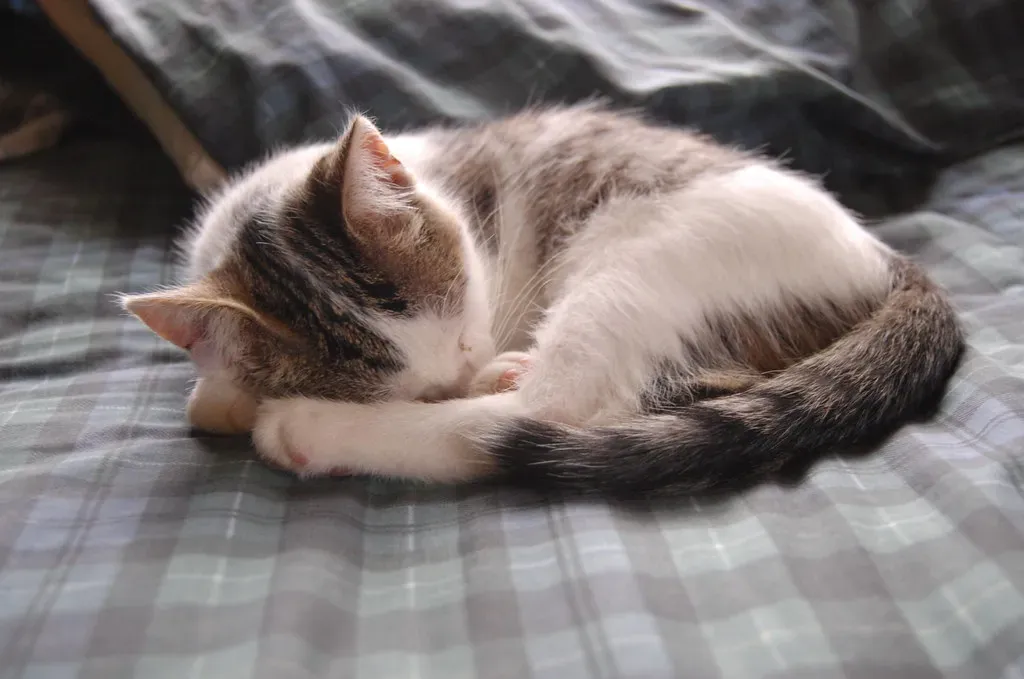
Have you noticed your cat sleeps in wildly different positions? Each one actually tells a story about how they’re feeling. Cats sleeping on their back, with their front legs either resting on their belly or outstretched over their head and their belly fully exposed, instinctively protect their vulnerable organs, so if a cat is sleeping with their belly exposed, it means they feel very safe and confident.
The classic curled-up ball is equally meaningful. Cats often sleep curled up in a ball, with nose to tail, because cats like to be warm and this shape helps them retain body heat, while this position also protects vital organs in their abdomen by surrounding them with less essential and more resilient muscle and bone. If your cat is sleeping like this, they might be a bit chilly or simply following an ancient instinct to stay protected.
Then there’s the famous “loaf” position. Cats sleeping in this position keep their front paws curled underneath their body with their head up, which preserves a cat’s body heat and protects their vital organs, while cats sleeping in a loaf position may be relaxed but are also poised to spring into action and use their claws if they’re suddenly in danger. It’s relaxation with a side of readiness.
A Surprising Discovery About Left-Side Preference
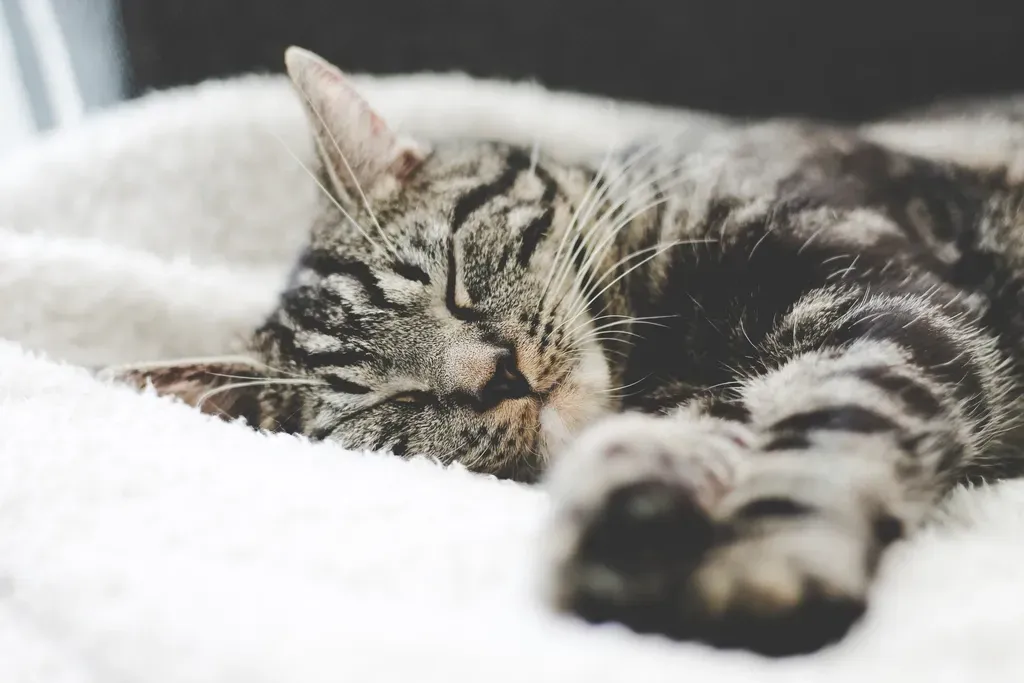
Here’s something that honestly surprised me when I first read about it. About two-thirds of cats prefer to sleep on their right side, giving their left visual field and thus their right brain half a privileged view of approaching animals without being obstructed by their own body. The reason behind this preference is fascinating.
The right hemisphere is dominant for threat processing, and in most species animals react faster when a predator is approaching from the left side, and the right hemisphere is dominant for spatial attention and the right amygdala in the processing of fear in response to a threat, so upon awakening, a rightward sleeping position would provide a fast left visual field view of objects that approach from below or similarly elevated positions, allowing optimal conditions for fast processing of external stimuli in the right hemisphere of the brain.
In other words, even while sleeping, your cat’s brain is strategically positioned for maximum safety. They’re not just napping randomly; they’re optimizing their threat detection system.
The Complex Brain Activity During Feline Slumber
While awake, a cat’s brain activity is displayed as clusters of sharp irregular peaks on an EEG graph, and as a cat slips into a light slow-wave nonREM sleep, the waves become long and irregular. This shift in brain wave patterns marks the transition from wakefulness to sleep, but it’s far from a simple shutdown.
During REM sleep the EEG shows rapid erratic brain wave activity similar to the waking pattern, and REM activity includes fast irregular breathing and fluctuating heart rates. It’s almost paradoxical: the brain is highly active while the body remains largely immobile. During REM sleep, cats exhibit what scientists call paradoxical sleep, a state where the brain is highly active, similar to wakefulness, while the body remains largely immobile, and this paradox is a defining characteristic of dreaming sleep in mammals.
What’s happening during all this neural activity? Scientists believe the cat’s brain is sorting through memories, consolidating learning, and possibly even problem-solving. It’s not passive downtime; it’s an active cognitive process.
The Polycyclic Nature of Cat Sleep
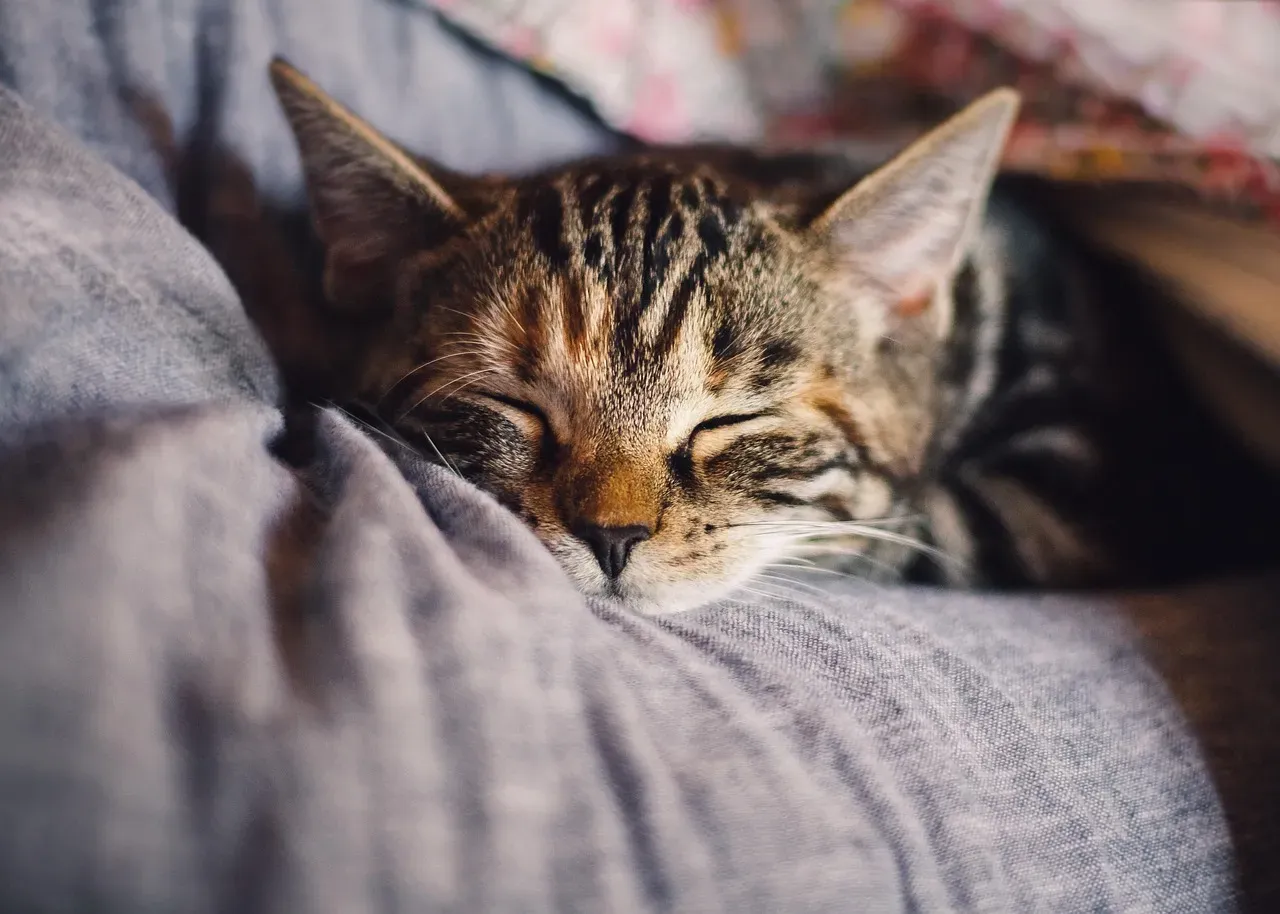
Unlike humans who typically sleep in one long stretch, cats take a different approach. They follow a polyphasic sleep pattern, meaning they have multiple periods of sleep throughout a twenty-four hour day, and unlike humans who are diurnal and have a biphasic sleep pattern at night, cats are crepuscular meaning they are most active during dawn and dusk, and this natural rhythm explains their tendency to sleep intermittently throughout the day and night.
Research has shown that the average cat sleep-wake cycle lasts about one hundred four minutes with approximately twenty-six minutes of wakefulness followed by seventy-nine minutes of sleep, and an average cycle contained a mean wakefulness period and a sleep episode with an average of roughly two to three REM sleep epochs per sleep episode. This fragmented pattern allows cats to remain responsive to their environment while still getting the rest they need.
It’s a brilliant evolutionary adaptation when you think about it. In the wild, sleeping for eight hours straight would be dangerous for a small predator that’s also potential prey for larger animals. Short, frequent naps make much more sense.
When Sleep Signals Something More
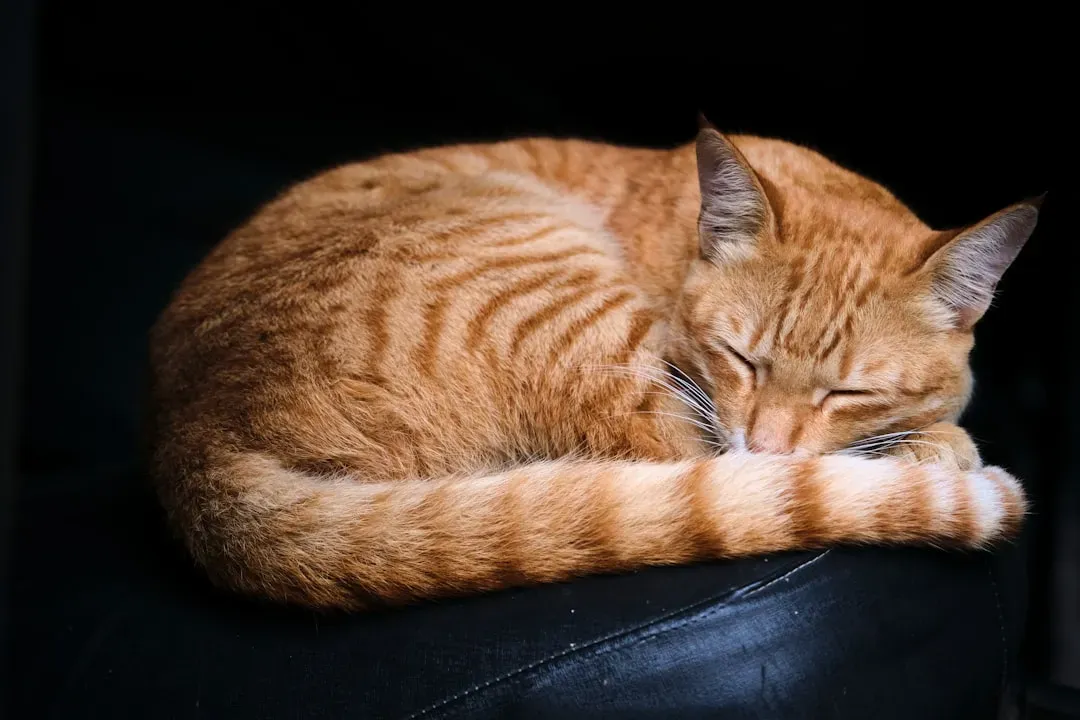
While cats are champion sleepers, changes in their sleep patterns can reveal important information about their wellbeing. Sleep disturbances in cats can signal stress, anxiety or health problems, so you should bring changes in sleep patterns to your veterinarian’s attention.
Since cats can sleep up to eighteen to twenty hours per day, it’s important to know your own cat’s patterns to determine if the amount of sleep is out of the ordinary, and cats who are ill or in pain may sleep more than usual, while cats who are highly stressed such as a new cat in a shelter environment may also feign sleep. This false sleep is a coping mechanism, a way to withdraw from overwhelming situations.
Keep an eye on your cat’s normal patterns. If they suddenly start sleeping significantly more or less than usual, or if they’re choosing unusual locations to sleep, it might be worth a conversation with your vet.
Contemplation or Simple Rest?
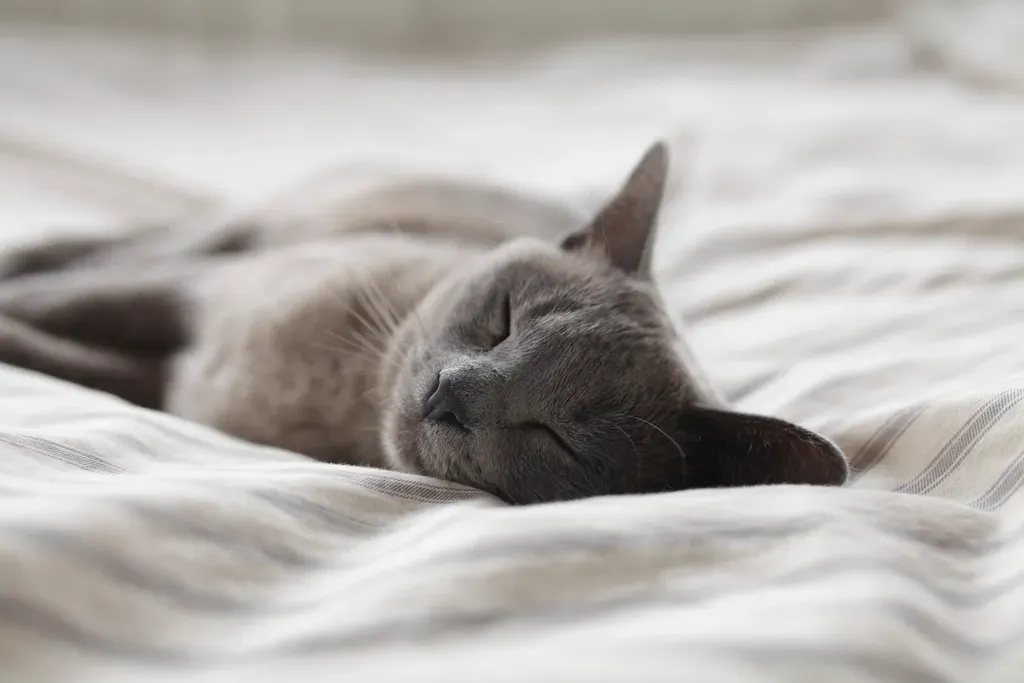
So are cats truly contemplating during all those hours of sleep, or is that just us projecting human qualities onto them? The truth is probably somewhere in between. While we can’t climb inside a cat’s brain and experience their inner world, the scientific evidence suggests their sleep serves complex cognitive functions beyond simple physical restoration.
Dreams allow us to process information, form memories and understand new experiences, and while the science isn’t there for us to know if dreams provide the same benefits for cats, it’s a likely guess that dreams play a similarly important function for our feline friends. Their brains are actively processing experiences, consolidating memories, and maintaining the neural networks that keep them sharp and responsive.
Perhaps “contemplation” isn’t too far off the mark after all. In their own way, through the mysterious language of dreams and sleep cycles, cats are indeed processing their world, reflecting on their experiences, and preparing for whatever comes next.
What do you think about it? Does your cat seem different after a long nap, refreshed and ready to engage with the world in new ways? Pay attention next time, and you might just notice something you’ve been missing all along.