You’ve probably watched your cat curl up on the sofa for the fifth time before noon and thought, “Must be nice.” Honestly, I’ve had the same thought. Your cat looks effortlessly lazy, perfectly unbothered, living their best life one nap at a time. But here’s the thing – what looks like lazy indulgence is actually one of nature’s most efficient energy strategies in action.
There’s a whole lot of science tucked inside that drowsy little fur ball. The reason your cat sleeps so much is not an accident, not boredom alone, and definitely not a character flaw. It’s a deeply ingrained biological masterplan. Stick around, because what you’re about to discover might just change the way you look at every single nap your cat takes. Let’s dive in.
The Predator’s Blueprint: Why Sleeping Is Survival
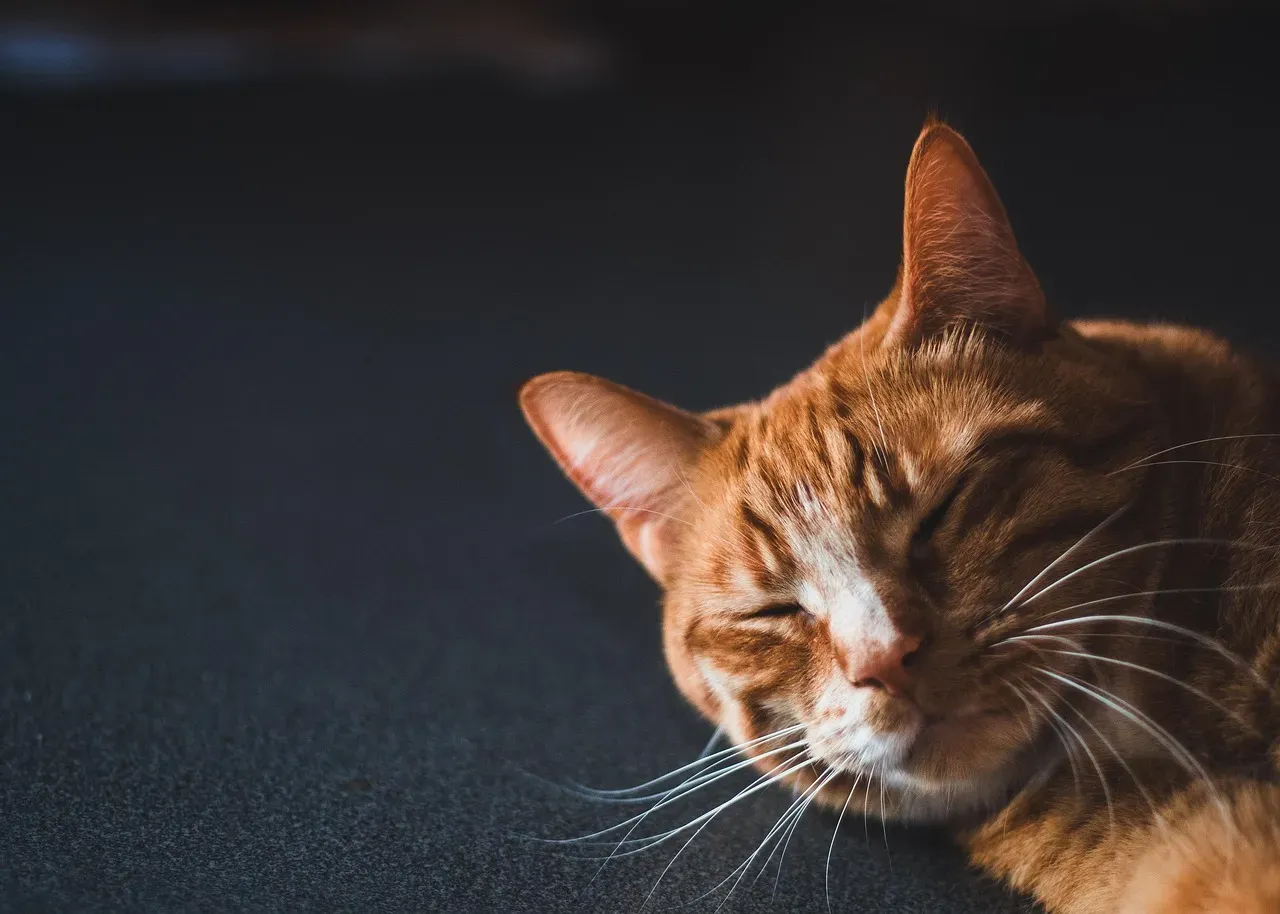
Your cat’s wild ancestors were skilled predators who relied on intense bursts of energy to hunt their prey. Those hunting expeditions required immense physical exertion and mental focus, leaving them in serious need of ample downtime to recharge. Think of it like a sprinter who gives everything during a 100-meter race. You wouldn’t expect that sprinter to just leap back into another sprint without a break, right?
Over time, as cats evolved from wild hunters to domestic companions, their sleeping patterns remained deeply ingrained in their DNA. Even though modern cats no longer rely solely on hunting for survival, they still possess the innate instinct to conserve energy through snoozing. So when your cat stretches out across your clean laundry pile, understand that they’re essentially running an ancient biological program that predates your entire household.
The Staggering Hours: Just How Much Do Cats Actually Sleep?
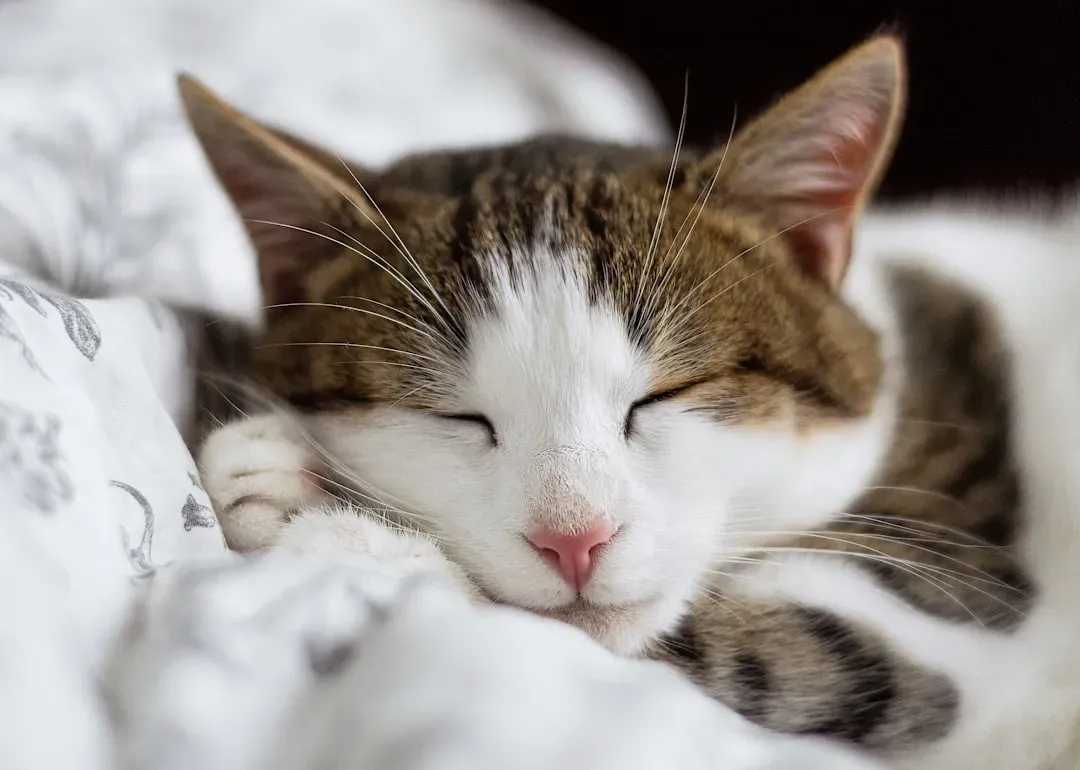
Veterinary experts note that cats normally sleep anywhere from 12 to 20 hours a day, with the average sitting at around 15 hours. Remarkably, roughly two fifths of all cats sleep over 18 hours a day. That’s not a typo. We’re talking about an animal that spends the vast majority of its entire life in some form of rest. Let’s be real, that’s a level of commitment most of us can only dream about.
On average, cats sleep 15 hours a day, though some cats may spend up to 20 hours asleep, and cats will usually sleep in several short bursts rather than one long, continuous sleep. So your cat isn’t clocking one massive sleep session like a teenager on a weekend. They’re cycling through multiple recharge periods, each with its own specific purpose and biological function.
Crepuscular Creatures: Why Your Cat Is a Twilight Specialist
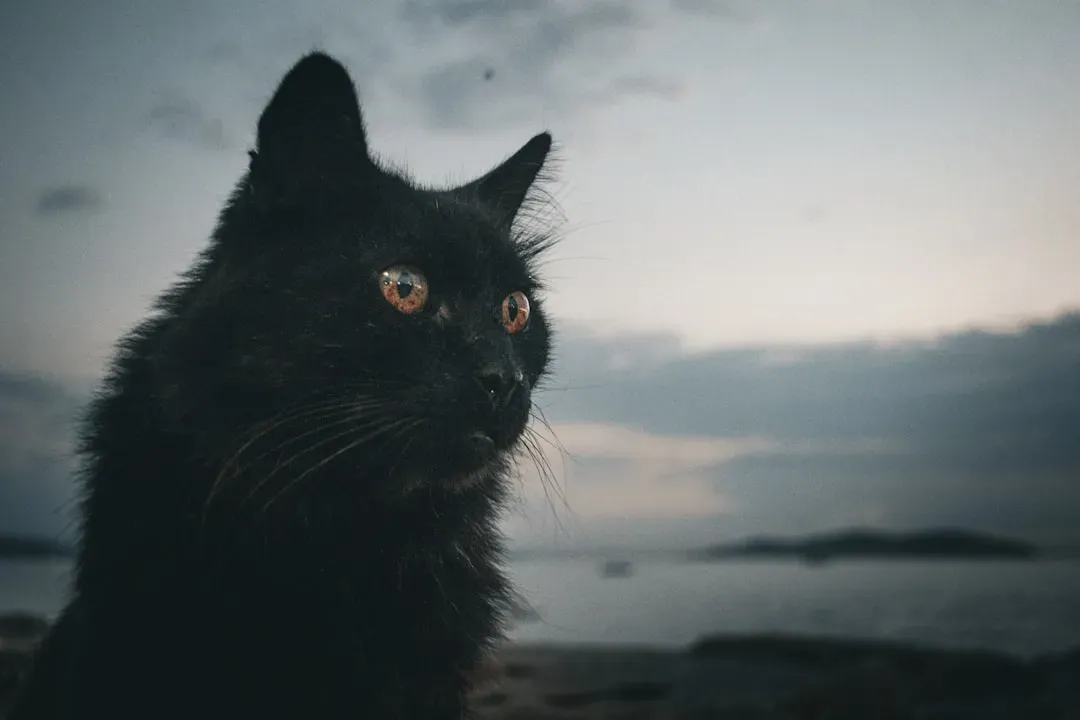
Cats are crepuscular, which is a zoological term for animals that are most active in twilight, between dusk and dawn. This is why your cat spends much of the late morning and afternoon sleeping in a patch of sun and much of the evening and early morning zooming around the house. I know it sounds crazy, but that 3 a.m. chaos is not random misbehavior. It’s a finely tuned biological clock doing exactly what it was built to do.
Cats are biologically crepuscular because twilight hours are when they would naturally hunt for prey. Cats prey on birds and rodents, which are active during twilight hours. During the dark nighttime hours and bright daytime periods, cats tend to lay low and rest. Everything about your cat’s internal schedule revolves around maximizing success during those narrow windows of low light. Sleep is how they bank the energy needed to do exactly that.
Light Sleep vs. Deep Sleep: The Two Modes of Feline Rest
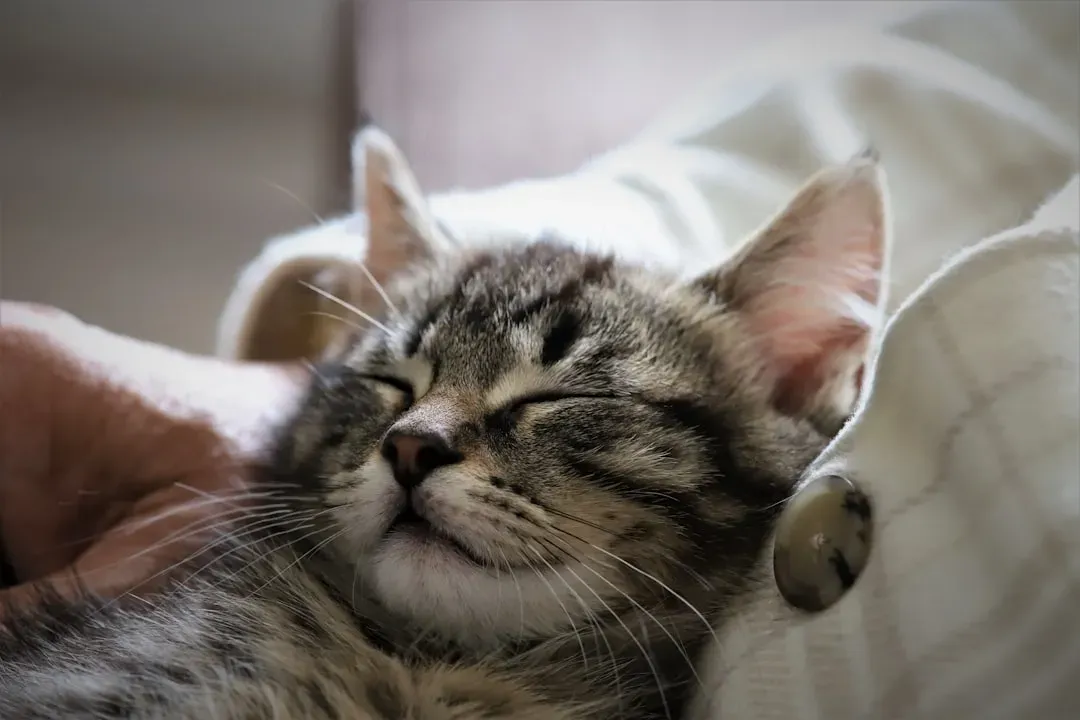
About three-fourths of a cat’s sleep is a shallow, almost-waking rest called slow-wave sleep. The other quarter of the time, cats are truly out of it, sleeping deeply and often reaching REM sleep. If it looks like they are dreaming when their paws tremble, it is because they probably are dreaming. That little paw twitch you find adorable? It’s your cat literally hunting something in their sleep. Honestly, that’s kind of incredible.
When cats experience light sleep, they are able to wake into action in an instant: their ears remain erect, responding to sounds in their environment, and they may have some tail movement or even one eye half open. During deep sleep, your cat’s posture, including their ears, will be far more relaxed. You may observe them twitching or paddling the air with their paws. These two distinct states serve very different purposes and together they form the full rhythm of a feline sleep cycle.
Temperature and the Nap: How Your Cat Regulates Heat Through Sleep
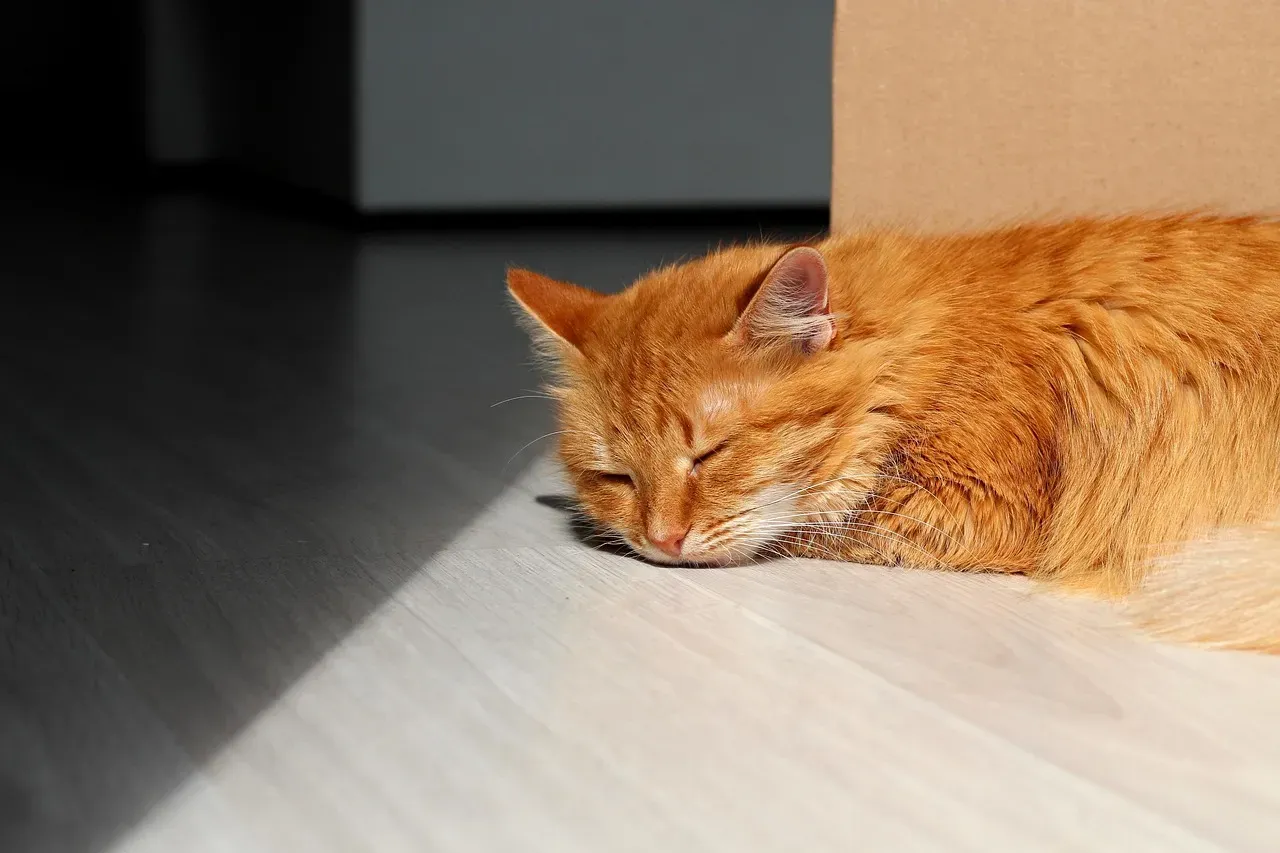
Cats are well known for their ability to regulate their body temperature, and sleeping helps them conserve energy while doing so. When they sleep, their body temperature drops, allowing them to conserve energy and avoid overheating. Think of it like your phone going into low-power mode. The device doesn’t shut down, it simply reduces unnecessary processes to protect what matters most.
Cats sleep to help regulate their body temperature, and in hot climates or during summer months, you might notice your cat sleeping more. This increased sleep helps them stay cool and conserve energy, preventing overheating. So if you notice your cat practically becoming a puddle on the floor during a heat wave, it’s not dramatic. It’s genuinely smart thermal management, courtesy of millions of years of evolution.
Age Changes Everything: Kittens, Adults, and Senior Cats
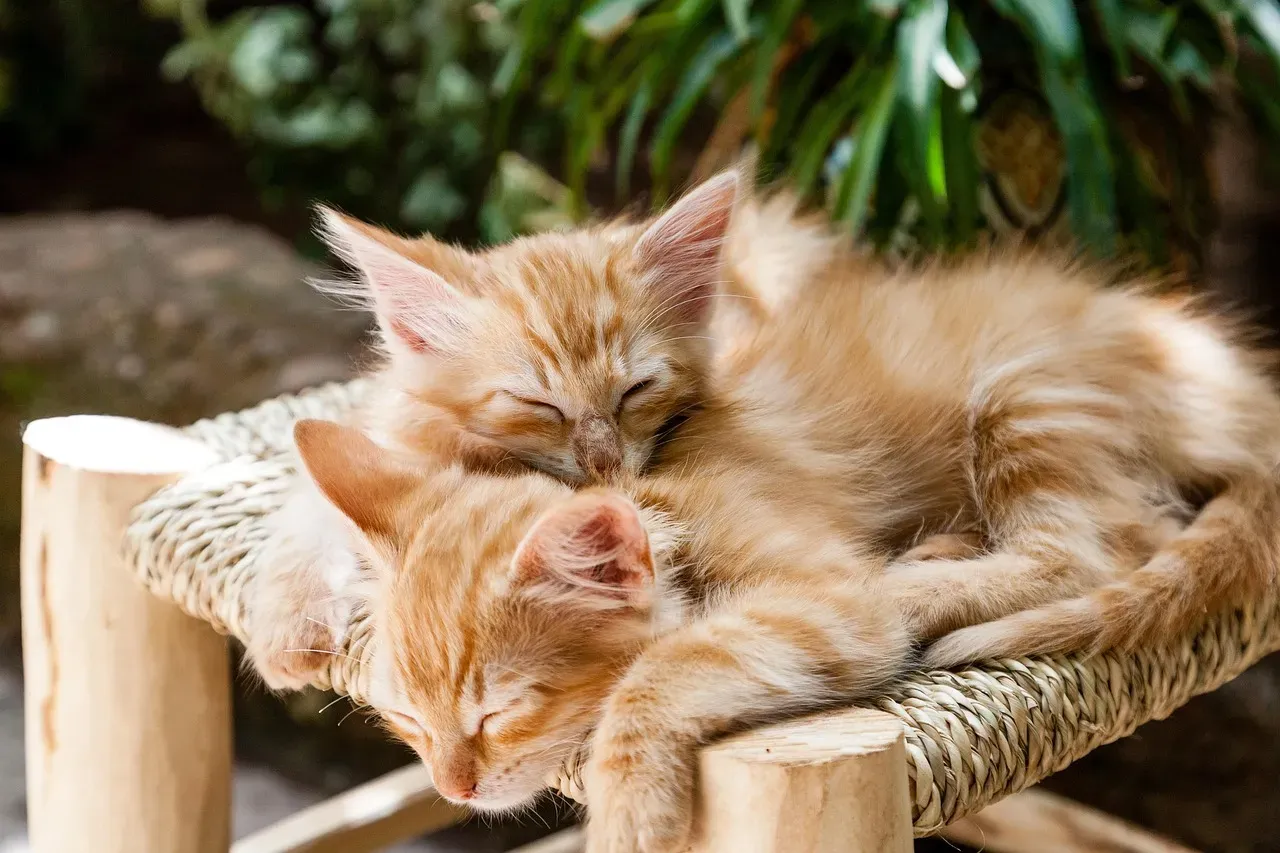
Kittens tend to sleep more than the average cat, and approximately nine tenths of kittenhood is spent snoozing. This is because they need to constantly recharge their batteries as their brain and central nervous system is still developing. This time spent sleeping also strengthens their muscles and bones and keeps their immune system functioning. So a kitten that sleeps all day is not being unproductive. It’s basically doing heavy construction on its own body.
Adult cats have the most regular sleep schedule, hovering around 15 hours of sleep per day. When your cat becomes a senior, the aging process comes with reduced mobility and less energy. At this stage in life, they will sleep more frequently than they did as a kitten. It’s a fascinating full circle, from sleeping to grow, to sleeping to maintain, to sleeping to cope with the wear of time. Sleep is the constant thread through every chapter of a cat’s life.
Boredom and the Empty House: When Sleep Becomes a Habit of Circumstance
Indoor cats sleep more than outdoor cats simply because their environment is less stimulating. It’s actually a bit of a sad reality if you think about it. Without prey to stalk, territories to patrol, or dynamic environments to respond to, a cat’s natural drive gets suppressed. Sleep becomes the default because there’s nothing else compelling enough to interrupt it.
Sometimes cats sleep because they’re bored, and while sleeping might not seem like a big deal, boredom can lead to other problematic behaviors such as destruction, constant meowing, and over-grooming. To stay engaged and prevent boredom, cats need stimulation throughout the day in the form of vertical territory like cat trees and scratching posts, puzzle feeders, and regular playtime with the family. Giving your cat engaging activities isn’t just kindness. It’s actively working with their biology to keep them mentally sharp and genuinely fulfilled.
Stress, Illness, and the Sleep Signal You Should Never Ignore
As with humans, cats are affected by stress. One way cats express stress or anxiety is by changing their sleep patterns. If they’re suddenly sleeping more than usual, it could be a sign they’re feeling overwhelmed or anxious about something in their environment. Cats can become stressed or anxious for many reasons, such as when new family members come into the house or if feeding times change. Your cat can’t tell you something is wrong with words, so their behavior, especially their sleep behavior, becomes the message.
Excessive sleep beyond the typical 12 to 16 hours, especially when paired with changes in appetite, weight, or behavior, may signal illness. This is the line between normal napping and something worth paying attention to. If your cat starts sleeping more than usual, it could indicate a problem, and conditions like kidney disease might cause a cat to sleep excessively. Trusting your gut when something feels off is always the right move, and a vet visit is never a wrong one.
Working With Your Cat’s Rhythm: What You Can Actually Do
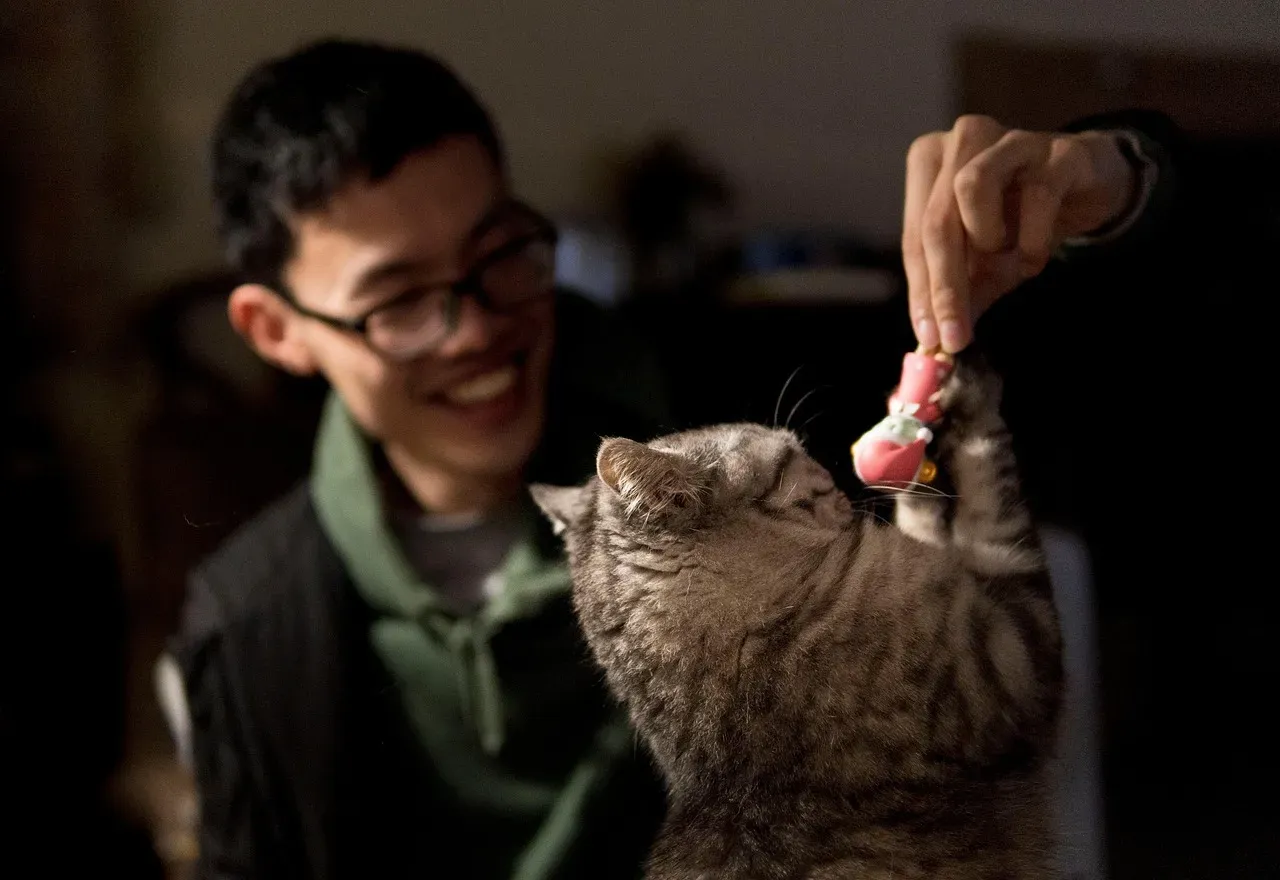
Engaging your cat in interactive play sessions not only keeps them physically active but also mentally stimulated. Consider setting up scheduled playtimes using toys that encourage jumping, chasing, and pouncing movements, and rotate toys regularly to keep things interesting. Think of it as designing a mini wildlife experience inside your apartment. Your cat’s brain doesn’t know the difference between a feather wand and an actual bird. It responds the same way.
A rigorous play session is especially important in the evening, when your cat is hardwired to begin the hunt. Providing fun toys that your cat can chase and catch, along with a durable scratching post, supports their innate behaviors. By working with your cat’s natural cycle instead of against it, both of you can get a good night’s sleep. It’s less about changing your cat and more about understanding them well enough to meet them where their biology already lives.
Conclusion
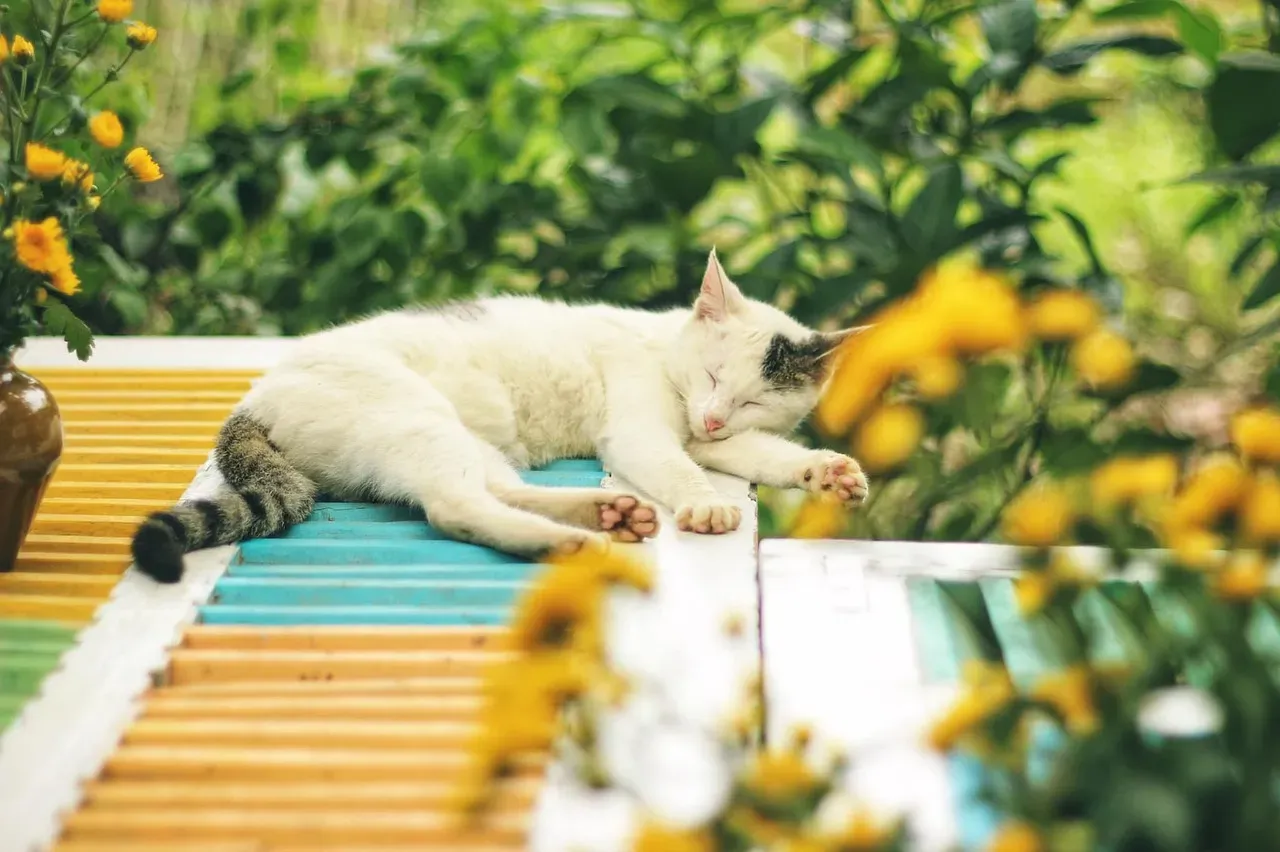
Your cat is not wasting their life away on the couch. Far from it. Every nap, every drowsy blink, every curled-up puddle of fur is a biological strategy refined over thousands of years of feline evolution. Sleep isn’t your cat being lazy. It’s your cat being exactly what nature designed them to be: an efficient, intelligent, energy-conserving predator wearing an adorably soft exterior.
The next time you catch your cat mid-snooze in a patch of afternoon sunlight, take a moment to appreciate the sheer brilliance of what you’re actually looking at. You’re witnessing a masterclass in energy management that no human productivity app has ever come close to replicating. So the real question is, could we all stand to learn a thing or two from our cats? What do you think? Drop your thoughts in the comments below.