You might think of your cat as a mysterious, fiercely independent creature who doesn’t really need you on any particular schedule. You set out the bowl, they eat when they feel like it, right? Well, honestly, that’s one of the most common misconceptions cat owners carry around. The truth runs much deeper, and far more fascinating.
Your cat isn’t just tolerating the rhythm of your household. They are genuinely built for it. From evolutionary biology to daily emotional well-being, routine isn’t just a convenience for your feline companion. It is the invisible architecture their mental and physical health is quietly built upon. So get comfortable, because what you’re about to discover might just change how you think about everything from mealtime to bedtime. Let’s dive in.
The Deep Evolutionary Reason Your Cat Needs Predictability

Your cat’s preference for routine is rooted in their evolutionary history as hunters who relied on predictable patterns for survival. Think about it like a seasoned soldier who memorizes patrol routes, not out of boredom, but because predictability keeps them alive. Your cat’s wild ancestors operated the same way, tracking prey movements, territory patterns, and safe resting spots based on reliable rhythms.
Cats may seem mysterious, but at heart they are incredibly tuned in to their surroundings. In the wild, predictability can be the difference between safety and danger, so domestic cats naturally seek out stability, structure, and signals they can trust. This is not a quirk. It is millions of years of biology speaking directly through your cat’s daily behavior.
How Predictability Actually Calms Your Cat’s Nervous System
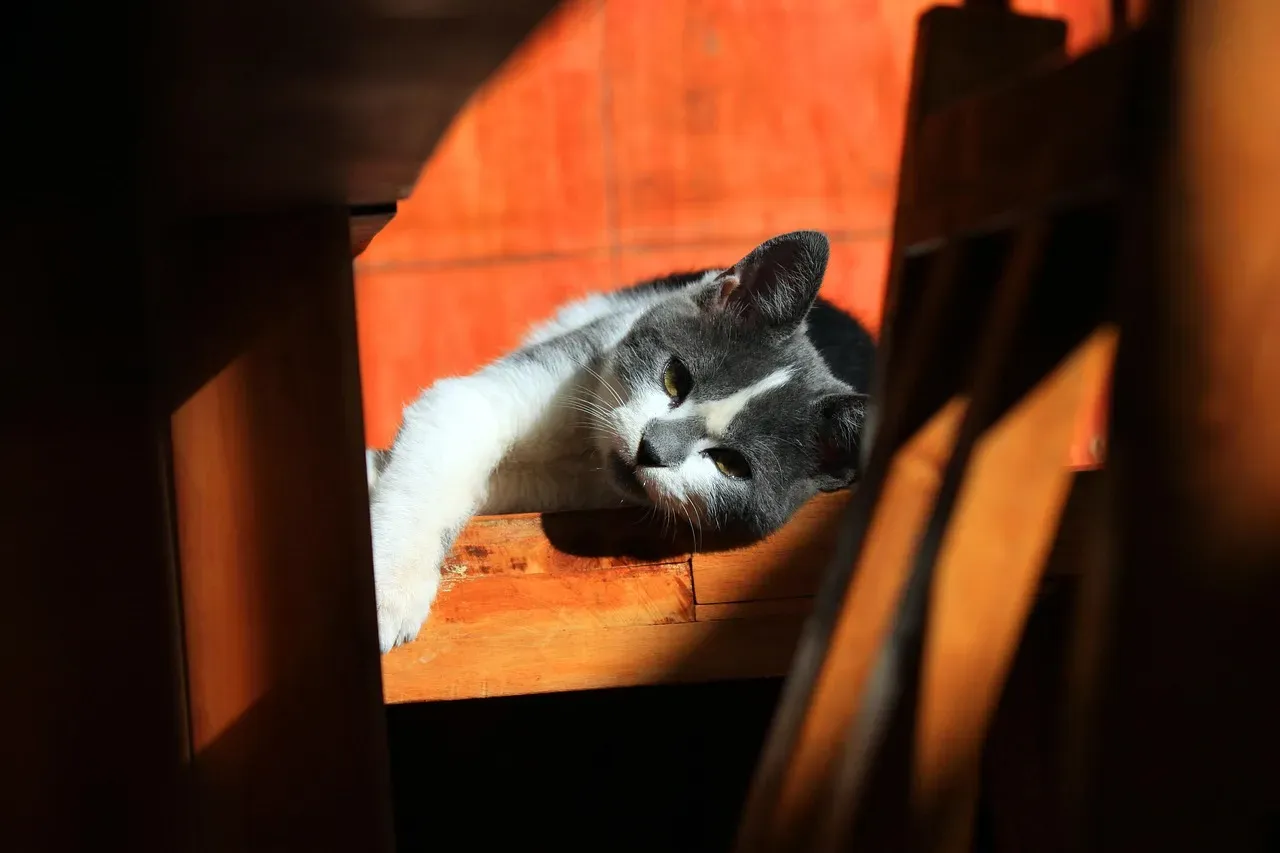
For cats, predictable routines help regulate stress, emotions, and behavior. Cats are highly sensitive to unpredictability. When their daily world feels inconsistent or chaotic, stress builds quietly and often shows up later as anxiety or behavior problems. A predictable routine helps a cat understand what will happen, when it will happen, and what is expected of them, and this predictability allows their nervous system to relax.
Here’s the thing most people don’t realize. Routine reduces stress by making the environment predictable and controllable. When cats know what to expect, they feel safer and more confident, leading to decreased anxiety levels and fewer stress-related behaviors. Think of it as your cat’s version of a security blanket. The routine itself is the comfort.
Your Cat’s Internal Biological Clock Is More Sophisticated Than You Think

Cats’ internal clocks evolved to match their natural hunting patterns, making them most active during twilight hours when prey is typically more abundant. This crepuscular nature is deeply ingrained in their biological timing system. So those early morning zoomies or the sudden burst of energy at dusk? That’s not random chaos. That’s an ancient rhythm firing perfectly on schedule.
What they do have is a finely tuned sense of patterns and a deeply ingrained internal clock that lines up with natural light cycles and predictable daily events. Your cat interprets time through changes in sunlight, your routines, and the rhythm of household life. They can’t read a clock, but they absolutely know when you’re running late with breakfast. It’s almost unsettling how accurate they are.
Why Consistent Feeding Times Matter More Than You Realize

Knowing when to expect food and having a routine are known to reduce sickness behaviors in cats. Meal feeding may increase the cat-owner bond and allows you to use food as reinforcement for calm, positive behaviors. This is huge. The simple act of feeding at the same time daily does far more than fill a bowl.
Scheduled feeding prevents overeating, a common issue in free-feeding cats. Consistent mealtimes help regulate their digestive system, reducing the risk of upset stomachs. Knowing when to expect food can also reduce begging behaviors and anxiety around mealtime. You’re not just feeding a cat. You are anchoring their entire emotional day around a moment of calm predictability.
What Happens to Your Cat When You Break the Routine

The most common reason for cat anxiety is a sudden change in their environment or routine. Events like adoption, the addition of a baby, a new pet or person in the household, or moving to a new home can cause significant stress for your cat. It’s hard to say for sure exactly how deeply each cat feels these disruptions, but the behavioral science is pretty consistent on this point.
Common signs include changes in eating habits, inappropriate elimination, increased vocalization, aggressive behavior, excessive grooming, and hiding or withdrawal from normal activities. If your cat suddenly starts acting out after a household change, they’re not being difficult. Unpredictable routines can keep a cat’s nervous system in a constant state of alert, leading to anxiety and stress-related behavior. Cats rely on consistent daily patterns to feel safe. When routines change unpredictably, stress builds quietly and may later appear as anxiety, aggression, or litter box problems.
The Role of Scheduled Playtime in Your Cat’s Emotional Health

The most effective feline routines follow the cat’s natural crepuscular rhythm, being active at dawn and dusk and resting during the middle of the day. A practical framework includes a structured play session before morning feeding, a quieter midday period with access to resting spots and window enrichment, and a second play session followed by the evening meal. This sequence mirrors the hunt-eat-rest cycle cats are biologically wired for, reducing frustration and supporting deep, restorative sleep.
Let’s be real, most cat owners think of playtime as optional entertainment. It’s actually essential medicine for your cat’s mind. Playing with your cat on a regular basis, ideally at least twice a day for ten to fifteen minutes each, allows your cat to exercise her hunting instinct and provides a wonderful way to increase the bond between you and your cat. That feather wand is doing more than you know.
Routine as a Health Monitoring Tool You Never Knew You Had
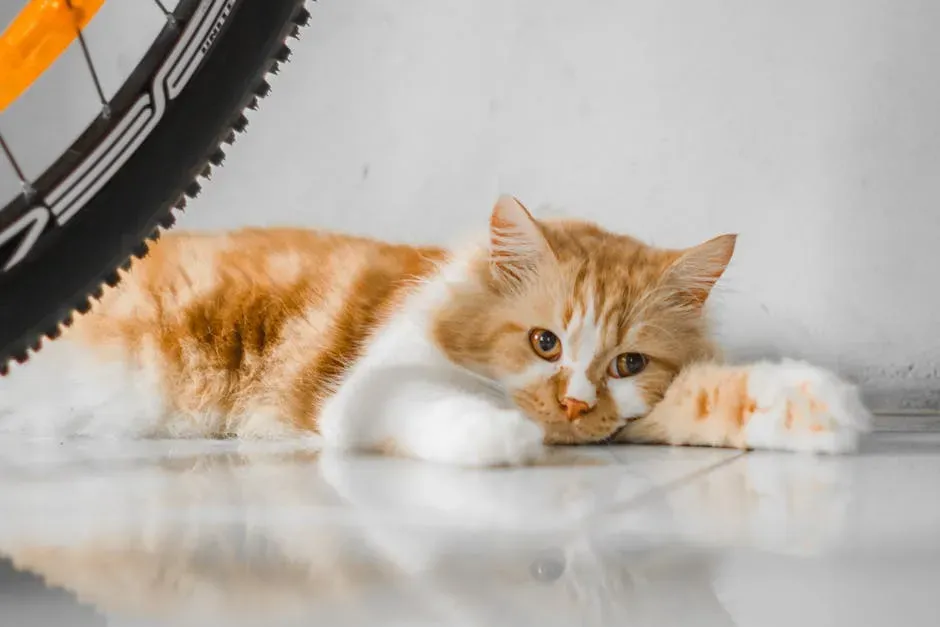
This one genuinely surprised me the first time I came across it. Regular routines are an excellent way to stay aware of your cat’s health needs. If you interact with your cat on a regular basis, feed them twice a day rather than leaving food out all the time, and clean their ears on a schedule, this helps you tune in to their health. You come to expect certain behaviors in your cat because of the routine, and if the cat’s behavior changes, you’ll know very early on that there’s a problem.
Maintaining a consistent schedule is not just about keeping your cat’s life orderly. It’s about monitoring their health through predictable behaviors. Your daily routine becomes a low-key diagnostic tool. Changes in appetite, energy, and social behavior become obvious precisely because you have a baseline of normal to compare against. It’s like having a health tracker built into your morning feed.
Building a Bond With Your Cat Through Consistent Daily Rituals

Cats often bond through routine and subtle gestures. They might head-butt, knead, or sit nearby as a sign of affection. A lot of people expect cats to bond dramatically, like dogs do with leaps and wagging tails. But feline bonding is quieter, and it almost always grows through repetition. Your cat doesn’t fall in love with you in a single moment. They fall in love with the pattern of you.
Regular feeding and play routines help reduce anxiety and build familiarity. Perhaps the most important routine to your cat, next to feeding time, is the frequency of interaction you have with each other. Regularly play with your cat twice a day, even for only five minutes at a time, and your cat will begin to look forward to and even depend on your time together. That dependency isn’t neediness. It’s trust.
Practical Steps You Can Take to Build a Routine That Actually Works

A good routine does not mean rigid schedules to the minute. It means consistent patterns. You don’t need a color-coded spreadsheet to make this work. Small, repeatable anchors throughout the day are all it takes to make your cat feel genuinely secure.
You can support your cat’s internal clock by maintaining consistent daily routines, providing regular meal times, scheduling play sessions during natural active periods, and respecting their natural sleep-wake cycles. This consistency helps reduce stress and promotes better overall well-being. Start with feeding. Add a short play session in the morning and one in the evening. The physical environment also supports routine. Safe, predictable spaces, resting areas, hiding spots, and consistent feeding locations reinforce the daily patterns you are building. Over time, these small commitments become the very foundation of a calm, happy cat.
Conclusion
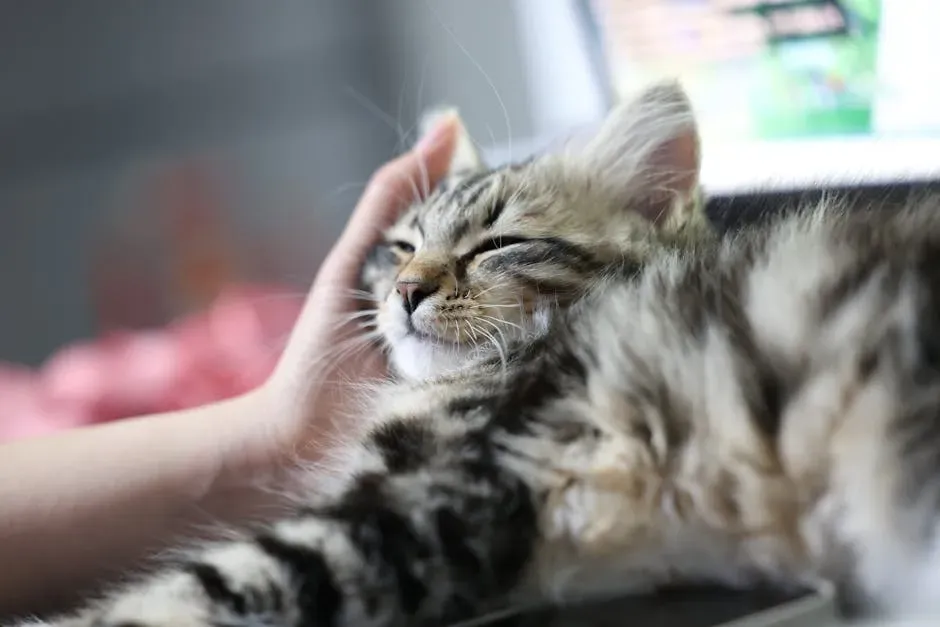
Here’s the takeaway: your cat isn’t just tolerating your schedule. They are emotionally, biologically, and neurologically wired to need it. Routine isn’t the absence of excitement in a cat’s life. It is the ground beneath their paws that makes all other exploration feel safe.
When you feed your cat at the same time, play with them in the same rhythm, and create dependable daily moments, you’re doing something profound. You’re telling them, in the only language that truly lands with a cat: “You are safe. You can relax. I’m reliable.” And honestly, isn’t that what we all want someone to say to us?
The beautiful part? Your cat is already watching your patterns more carefully than you realize. The question is simply whether what they’re watching brings them comfort or concern. What small routine could you start today to make your cat’s world a little more predictable?