You probably think you know your cat pretty well. You feed them, play with them, share your couch with them. Yet for centuries, scientists largely dismissed felines as cognitively simple – moody loners with no particular interest in forming deep bonds or retaining meaningful memories. Turns out, that assumption was spectacularly wrong.
Recent research has been quietly rewriting everything we thought we knew about feline memory. From recalling specific food experiences to mentally tracking where you are in the house, cats are turning out to be far more cognitively sophisticated than anyone expected. The science is surprising, sometimes a little mind-bending, and honestly, it changes the way you’ll look at that creature napping on your laptop. Let’s dive in.
Your Cat’s Brain Is Built for Memory, Not Against It
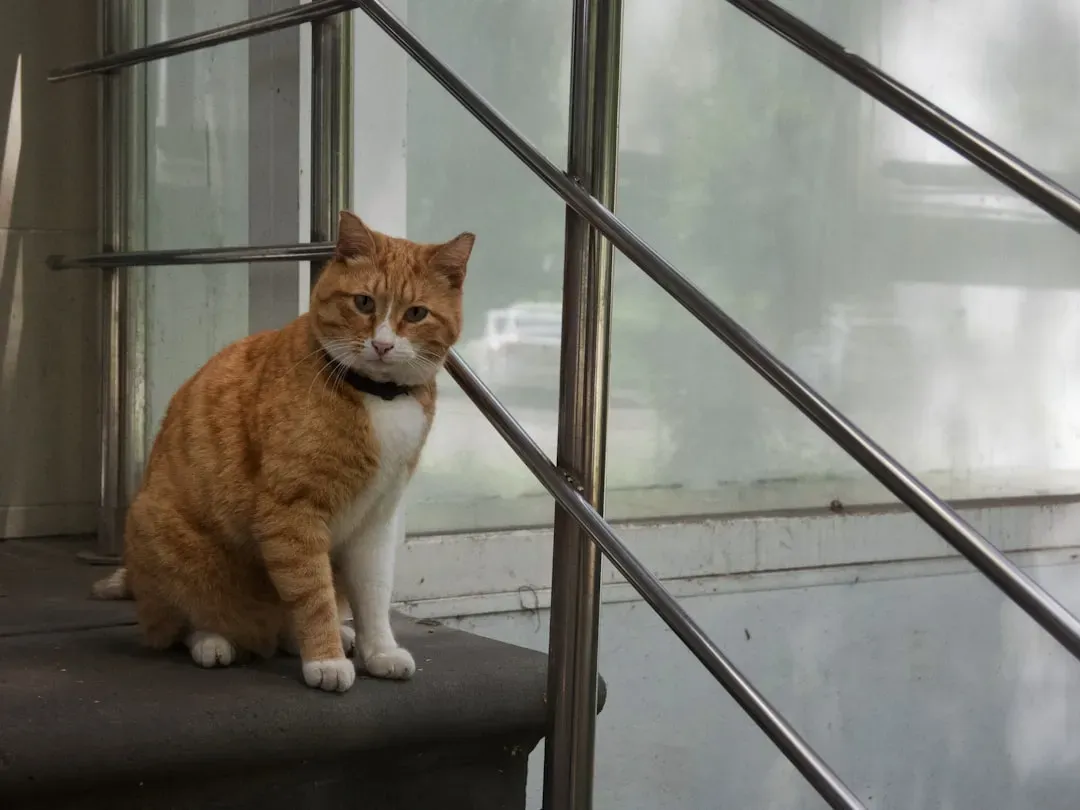
Here’s the thing people get wrong right from the start. They assume that because cats seem indifferent, they must be forgetful. In reality, memory originates from an area of a cat’s brain called the hippocampus, the very same region that anchors human memory formation. So structurally, you and your cat share more cognitive real estate than most people realize.
Contrary to popular belief, cats possess a sophisticated cognitive system that allows them to form and retain memories, with short-term memory lasting up to 16 hours, during which they can recall detailed information about their daily experiences. Think of it like a highly selective filing system. Not everything gets saved, but what does get filed? That tends to stick around far longer than researchers initially predicted.
Short-Term Memory Is Sharper Than You Think
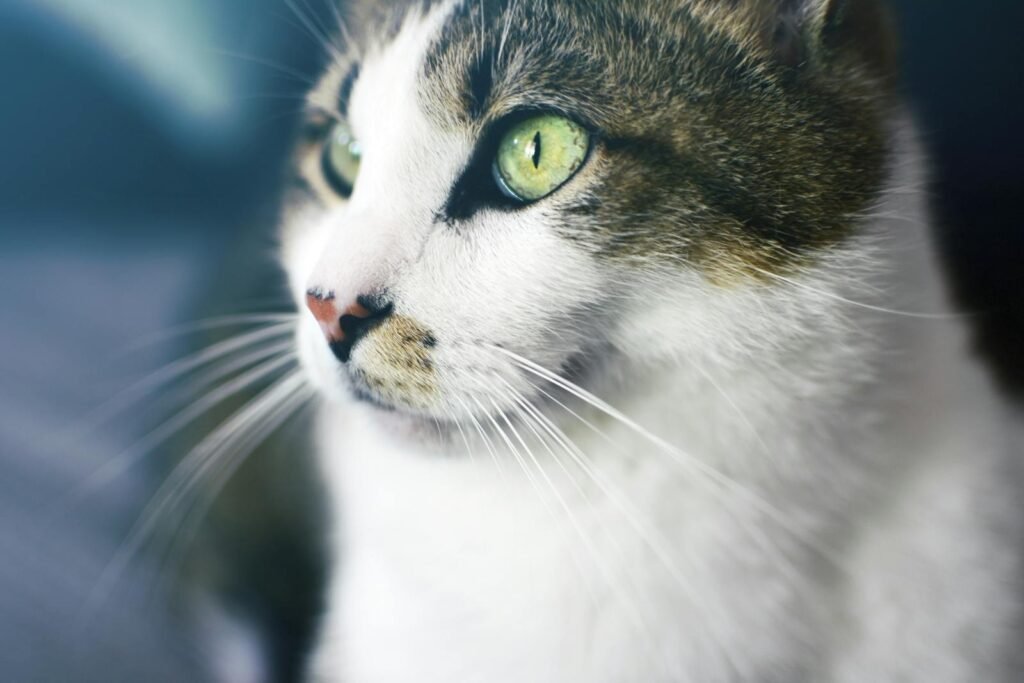
You might have heard the old myth that a cat’s memory lasts only a few minutes. That claim has been thoroughly challenged. In a 2006 study published in Animal Cognition, cats had very limited short-term memory of a hidden object, with their ability to remember the object’s location rapidly declining within seconds but generally persisting up to one minute. However, in later studies involving leg movements and avoiding obstacles, some cats’ short-term memories lasted more than 24 hours.
Even more interesting, repetition during the experiments was proven to trigger even longer-lasting memories in the cats tested. It works a bit like how you memorize a phone number: one glance and it fades, but repeat it a few times and it locks in. Your cat’s brain operates on a surprisingly similar principle, just applied to territory, food, and the faces it trusts.
Episodic Memory: Cats Remember “What” and “Where”
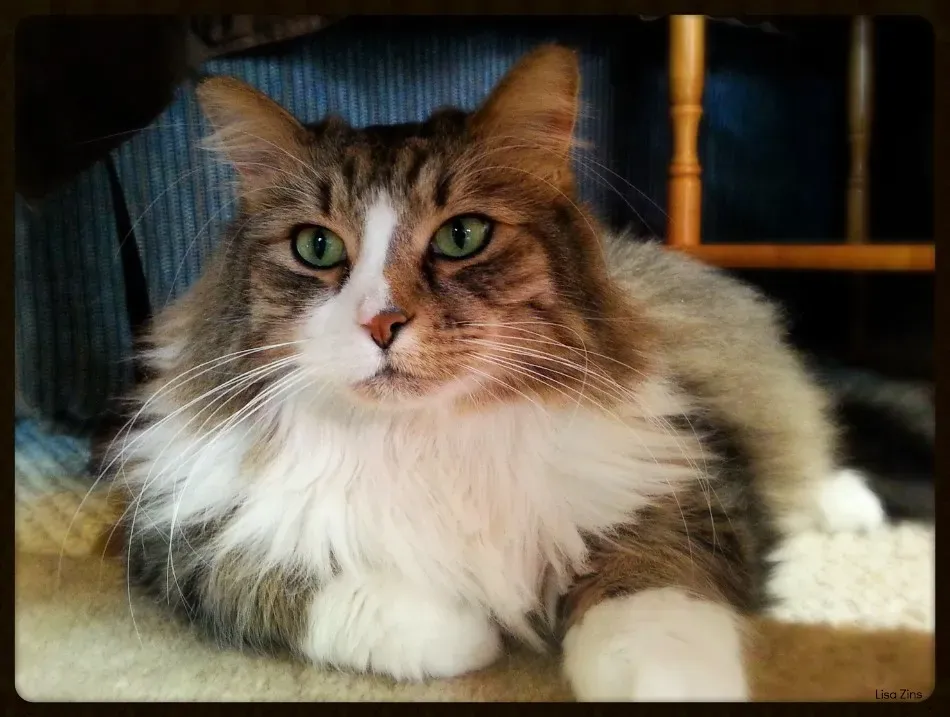
Prior research has shown that human beings have what is known as episodic memory, the ability to connect autobiographical information with contextual details. Part of this memory allows for recalling what happened and when, and researchers wanted to know if cats have this ability as well, since other studies had shown dogs have it. The answer, it turns out, is a compelling yes.
To find out, researchers worked with 49 cat volunteers, feeding them using multiple bowls of food over time. The researchers learned which types of foods the cats liked best and served it to them in a specific bowl, allowing them to create memories of what was served and when. Later, by switching up the bowls, the researchers were able to determine whether a given cat remembered such details. The researchers reported that the cats were able to recall the details of when and where, which suggests that much like dogs, they are able to access memories of events and at least some of the details surrounding them.
The Emotional Connection: Memory Gets Stronger With Feeling

Honestly, this is the section that resonates with most cat owners who have experienced it firsthand. Research shows that a cat’s memory is most acute when attached to a strong emotion, for example, their love for a favorite human, or a favorite food. Negative experiences of neglect or abuse also elicit strong emotions, so a kitty may be skittish, wary, or reactive in situations or around humans as a result of unpleasant or frightening memories.
Cats have memories of both good and bad times, and these memories are often formed using scent and associative memory. There are two types of associative memory, episodic and semantic, and cats are known to have the former. Episodic memory aids cats in remembering things like meeting their new family after adoption or recalling events from a previous traumatic experience. It is almost like an emotional GPS, guiding how they respond to the world based on past experiences that left a mark.
Long-Term Memory That Can Last Years, Even Decades
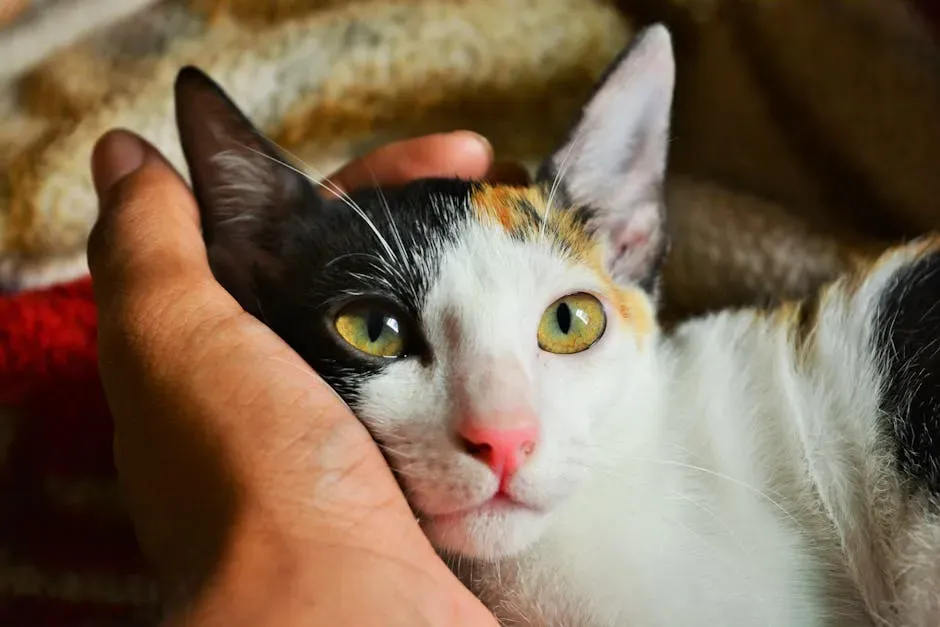
Like most animal species, including humans, cats have a great ability to store memories, but their ability to do so decreases over time as they age. Although difficult to assess, it is thought that cats hold on to memories for their lifetime, up to 15 to 20 years in some cases. That is a staggering timeframe when you think about it. A cat that encountered a kind person as a kitten may still carry a positive association with that type of person a decade later.
The strength and duration of a cat’s memory of its owner depend on several key factors: more engaging and frequent interactions create stronger memories, positive experiences like feeding, playing, and affection enhance memory retention, and regular dependable care strengthens the bond and associated memories. As a result, a domesticated feline can easily recognize its owners even after a decade of companionship, provided the relationship has been nurturing and consistent. So every kind interaction you have with your cat is, in a very real sense, an investment in a lasting memory.
Your Cat Remembers You by Smell Alone
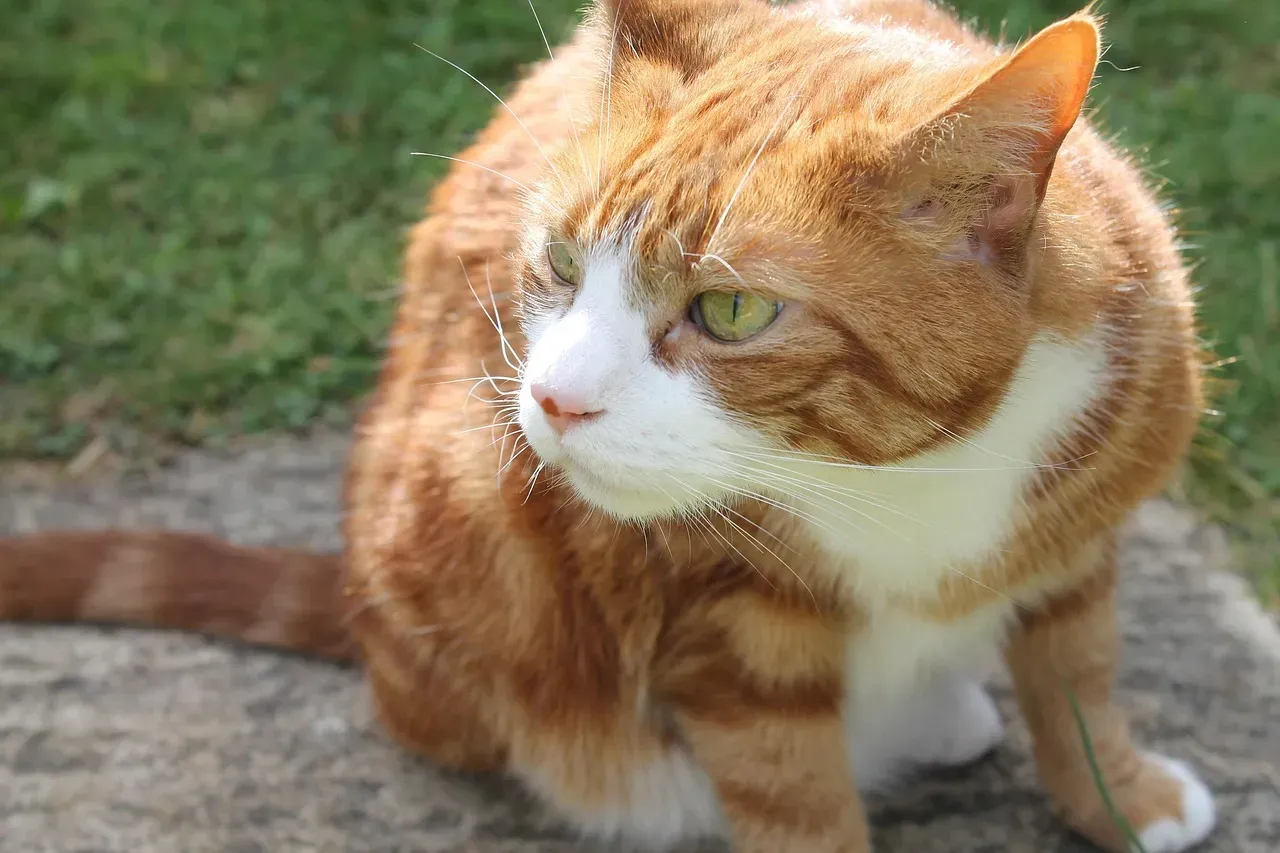
Here is a finding that genuinely floored researchers when it came out. In a groundbreaking study published in the open-access journal PLOS One on May 28, 2025, researchers from Tokyo University of Agriculture discovered compelling evidence that domestic cats possess the ability to distinguish between familiar and unfamiliar humans purely through olfactory cues. In other words, your cat does not even need to see you to recognize you. Your smell is enough.
The researchers tested 30 domestic cats by presenting them with plastic tubes containing swabs that had been rubbed under the armpit, behind the ear, and between the toes of either their owner or a human they had never met. The cats spent significantly longer sniffing unknown odors than those of their owner or an empty tube. It is no wonder they can tell the difference, given the feline’s strong sense of smell: cats have more than 200 million scent receptors in the nose, which is more than 40 times as much as humans have. That is the kind of biological hardware that makes scent memory astonishingly powerful.
Cats Mentally Map Where You Are in the House
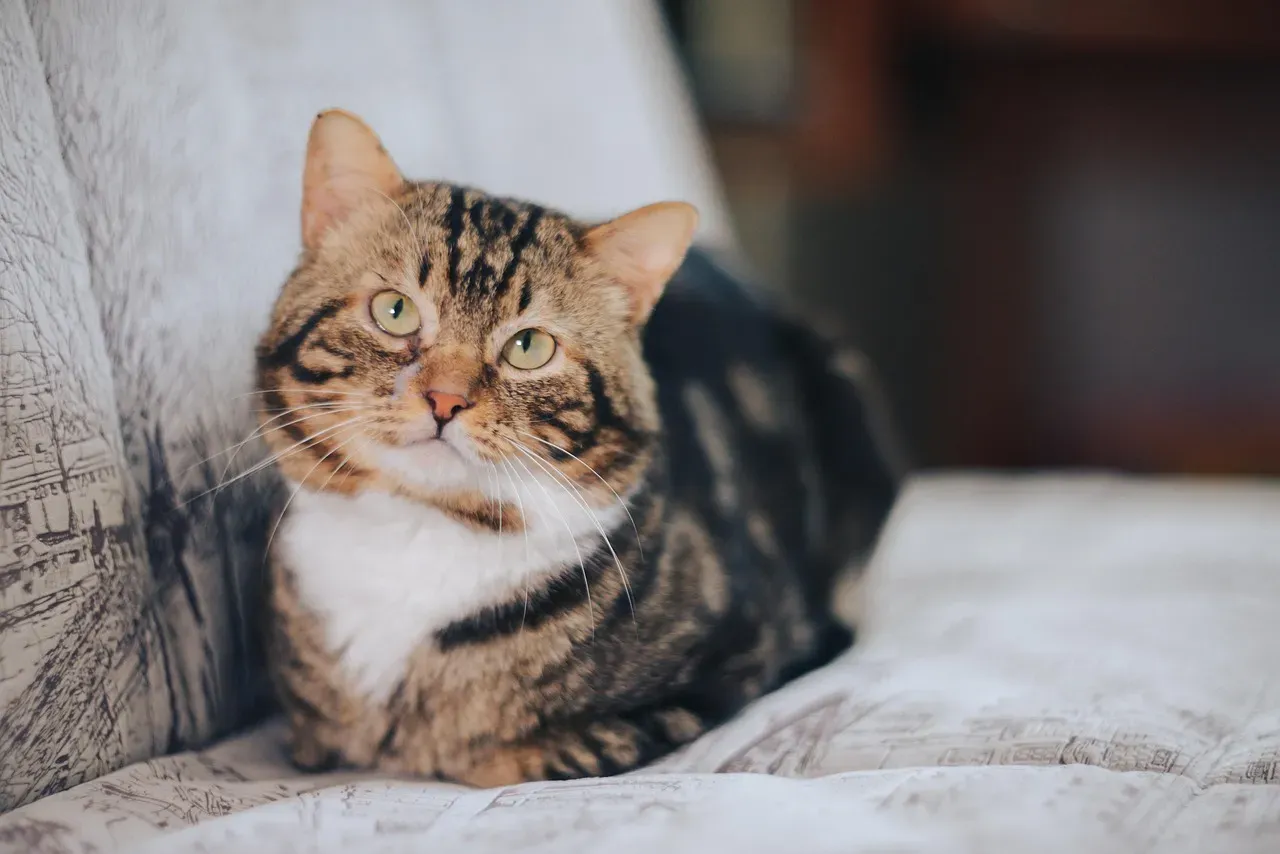
This one genuinely stunned the scientific community when it emerged. Many animals probably hold mental representations about the whereabouts of others, a form of socio-spatial cognition. Researchers tested whether cats mentally map the spatial position of their owner or a familiar cat to the source of the owner’s or familiar cat’s vocalization. The results were striking.
Cats showed the most surprise in the condition where the owner suddenly seemed to be in a new place. This reaction disappeared when cat vocalizations or non-vocal sounds were used as the auditory stimuli. The results suggest that cats have mental representations about their out-of-sight owner linked to hearing the owner’s voice, indicating a previously unidentified socio-spatial cognitive ability. So even when you are in another room, your cat likely has a running mental model of exactly where you are. Aloof? Not quite.
Kitten Memories Shape Adult Cats for Life
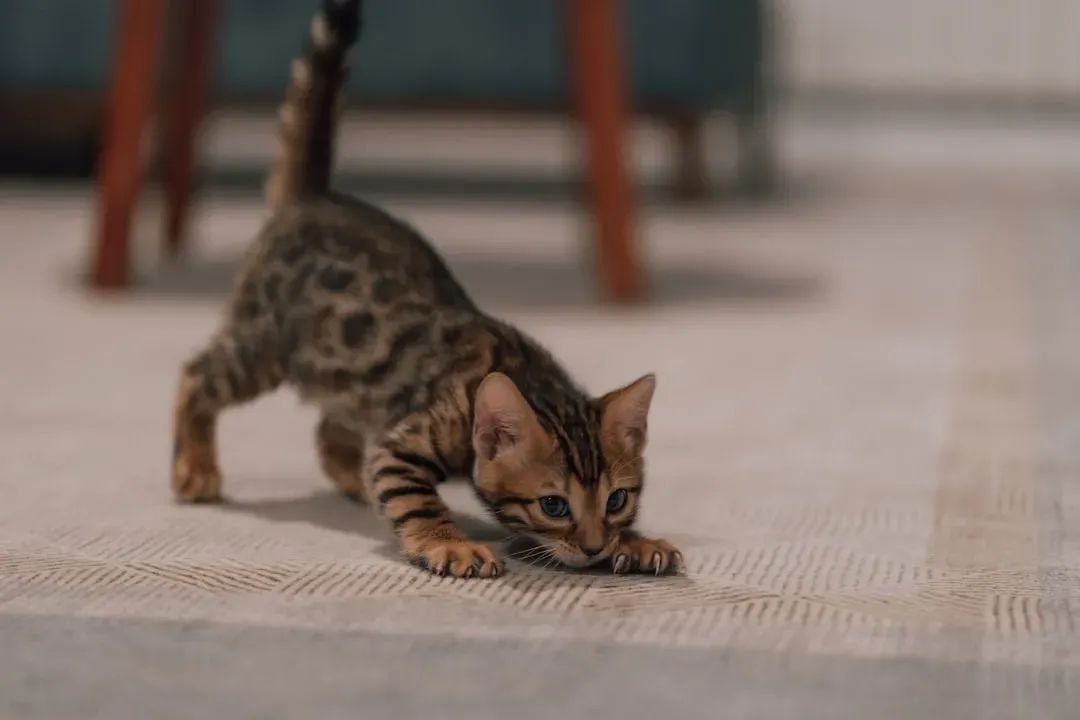
What happens during kittenhood does not stay in kittenhood. The period during which a cat is a kitten is the time when it learns and memorizes survival skills, which are acquired through observation of their mothers and playing with other cats. Playing constitutes more than fun for a kitten, as it is essential for ranking social order, building hunting skills, and generally exercising for adult roles. Those early imprinted behaviors become deeply embedded memory patterns.
It is thought that cats remember their littermates for up to two years through their scent and from the bond that was made during kittenhood. Cats who were with their littermates less than two to three months as kittens often have fewer memories than those who were with their littermates until adulthood. The longer a cat was with their littermates, the more memories they have with them. This is precisely why early socialization matters so much. It is not just about behavior. It is about the memories being built into the cat’s cognitive foundation.
Aging, Stress, and the Surprising Threat to Feline Memory
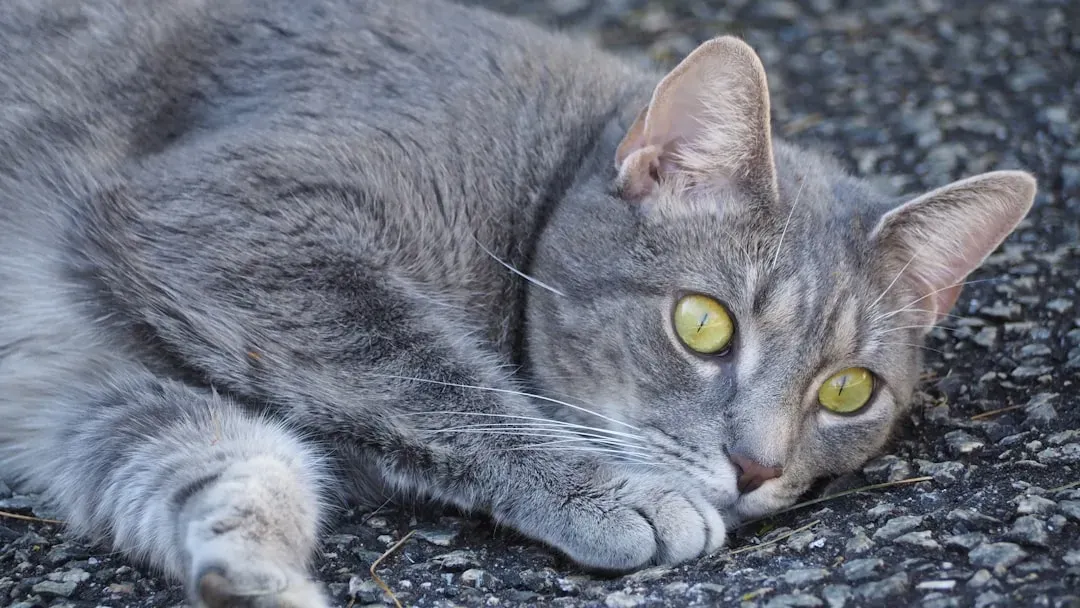
Memory in cats, remarkable as it is, is not invulnerable. According to a new publication from a Morris Animal Foundation-funded researcher team released in February 2025, stress and inflammation lead to lower measures of cognitive ability in cats. It is a finding that has real implications for how you care for an aging cat, and it mirrors what researchers have long known about stress and cognitive decline in humans.
The research team found that stress and increased levels of the inflammatory marker IL-1ß predicted reduced social referencing, particularly in older cats, and that spatial memory was positively correlated with social cognition. Meanwhile, cats with dementia show the same toxic brain protein and synapse loss seen in Alzheimer’s, making them promising models for studying the disease, since cats with dementia have brain changes similar to those of people with Alzheimer’s disease. It is a sobering connection, though it also opens exciting new doors for research benefiting both species.
What This Means for You and Your Cat
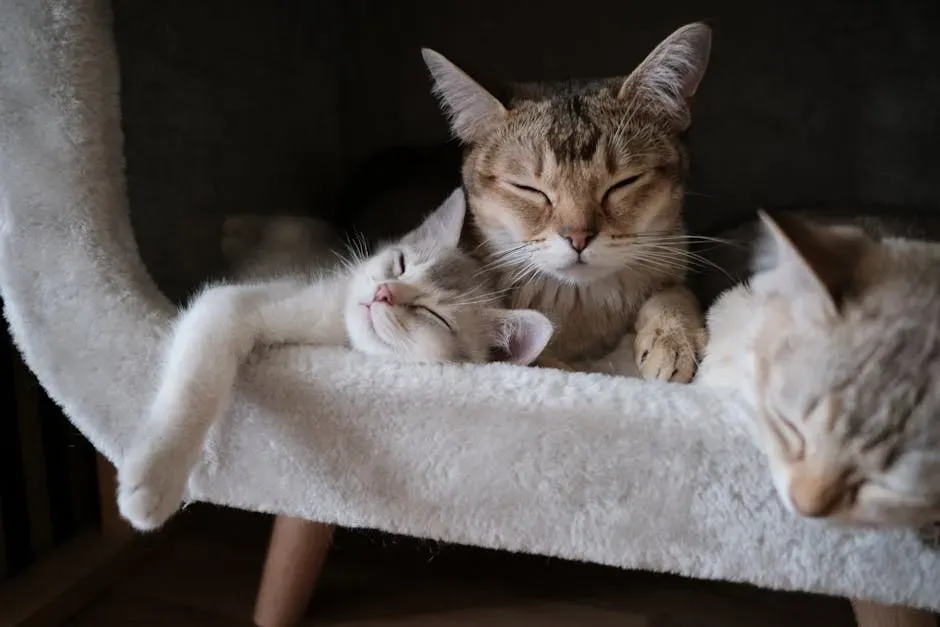
Let’s be real: knowing that your cat has a complex, nuanced, emotionally linked memory system changes things. Familiar scents can be comforting to cats, reducing stress and anxiety and creating a sense of security within their environment. When you come back from a holiday, if you notice your cat being distant and acting like you are a total stranger, it might be because you smell like one. Try taking a shower using your usual home products and putting on some of your regular home clothing. The familiar scents should help you and your cat settle back into your old dynamic sooner.
The vast majority of cats were reported to remember past events, and both cats and dogs reportedly remembered single-occurrence events that happened years ago. Experiencing episodic memories means that it might be possible for cats to call up memories on demand, for pleasure, like humans do when we are remembering a special vacation or the day we got married. Every moment of genuine care, play, and warmth you give your cat is being stored, filed away, and quietly treasured in ways science is only now beginning to fully appreciate.
Conclusion
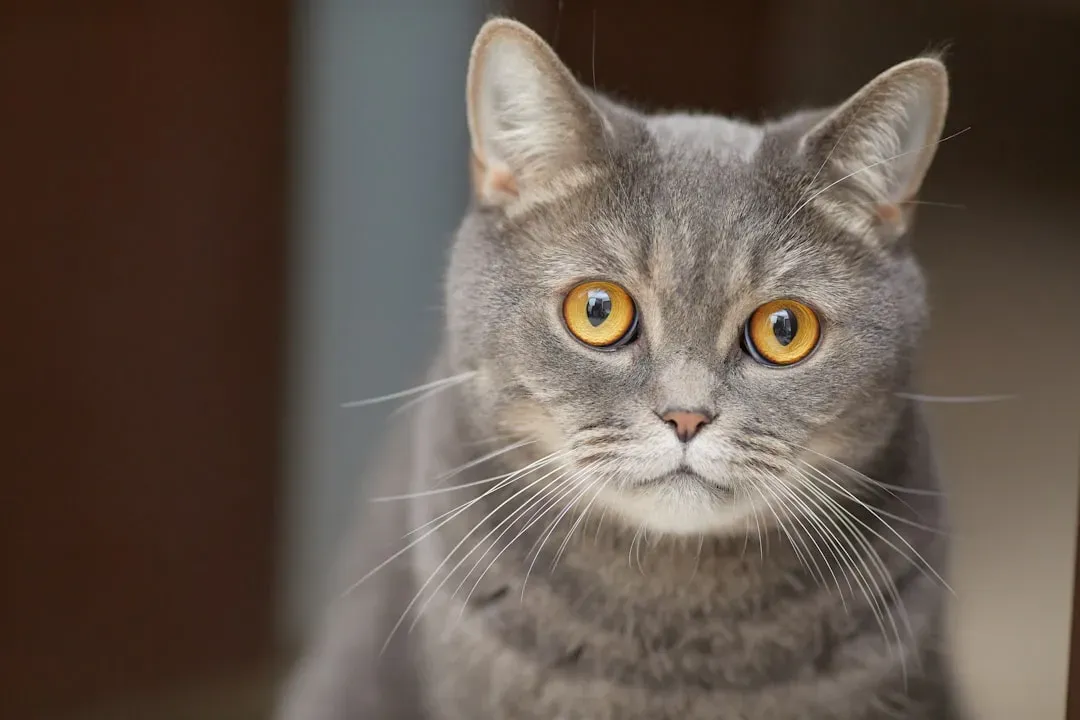
The image of the cold, indifferent cat is crumbling under the weight of genuine scientific evidence. Your cat recognizes your scent, tracks your location even when you are out of sight, carries memories of its earliest bonds, and files emotional experiences away for years, possibly decades. That is not just impressive. It is genuinely moving.
The next time your cat stares at you from across the room with that inscrutable look, consider the possibility that behind those eyes, a quiet and surprisingly sophisticated memory is at work, one that remembers every feeding, every kind word, and every moment you chose to show up for them. Science is still catching up to what cat owners have felt for centuries. Has your cat ever surprised you with what they seemed to remember? Think about it the next time they come running at the sound of your voice.