You’ve probably been having full conversations with your cat for years without even realizing it. Every lazy, half-lidded glance. Every slow, deliberate flutter of those feline eyelids. Your cat isn’t zoning out – it’s talking to you, in a language so ancient and elegant that it predates written human speech by thousands of years.
Most people assume cats are mysterious, aloof, and emotionally distant. Honestly? That’s a fair assumption at first glance. But the science tells a very different story, one where your cat is constantly broadcasting emotional signals through its eyes, and all you have to do is learn to read them. Let’s dive in.
The Slow Blink: Your Cat’s Version of “I Love You”
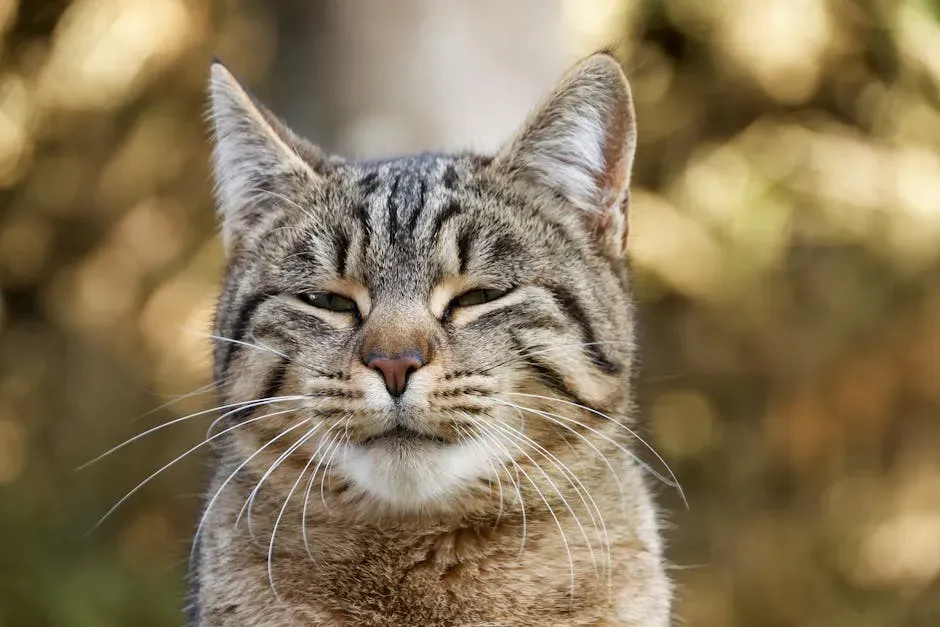
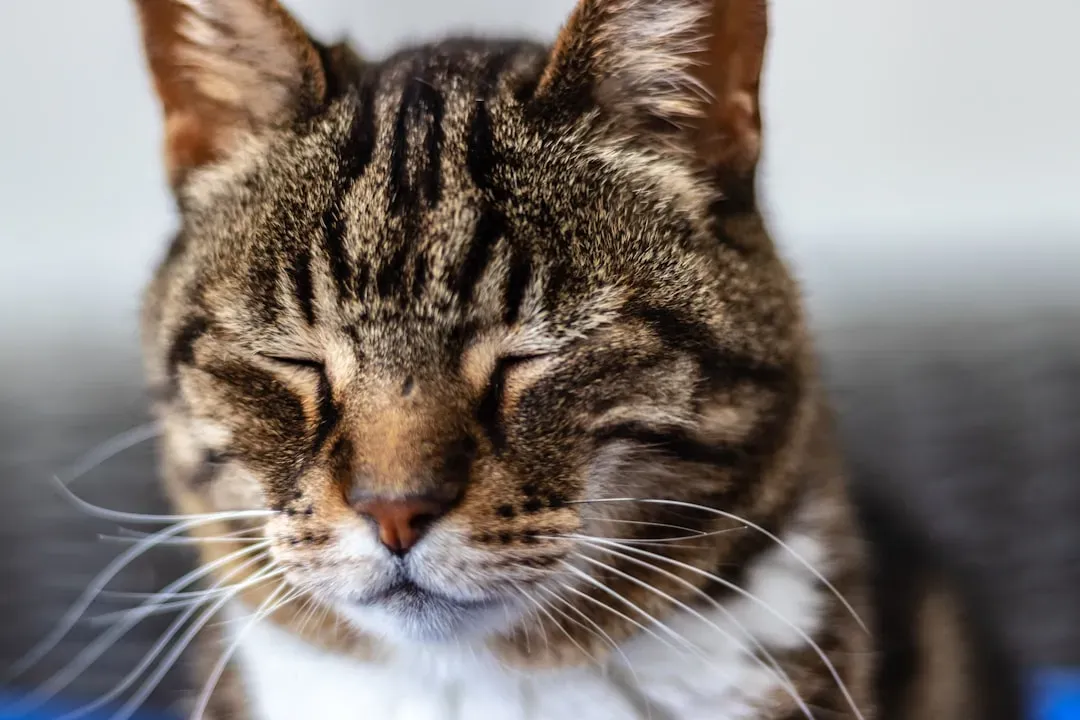
Here’s the thing that blows most cat owners’ minds the first time they hear it: your cat’s slow blink is not a reflex. It’s a message. Slow blinking is a subtle feature that has been observed in cats for some time, and is thought to be used by cats to indicate a sense of calm and a positive emotional state. Think of it as the feline equivalent of a warm smile – understated, genuine, and loaded with meaning.
The eyes are important in signalling emotions, with the act of narrowing the eyes appearing to be associated with positive emotional communication in a range of species. This is why researchers took interest in the slow blink sequence as a specific communicatory behavior. In other words, what your cat is doing isn’t unique to cats – it’s a cross-species emotional cue that connects deeply to how many animals, including humans, express positive feelings through their eyes.
What Science Actually Says About Cat Blink Communication
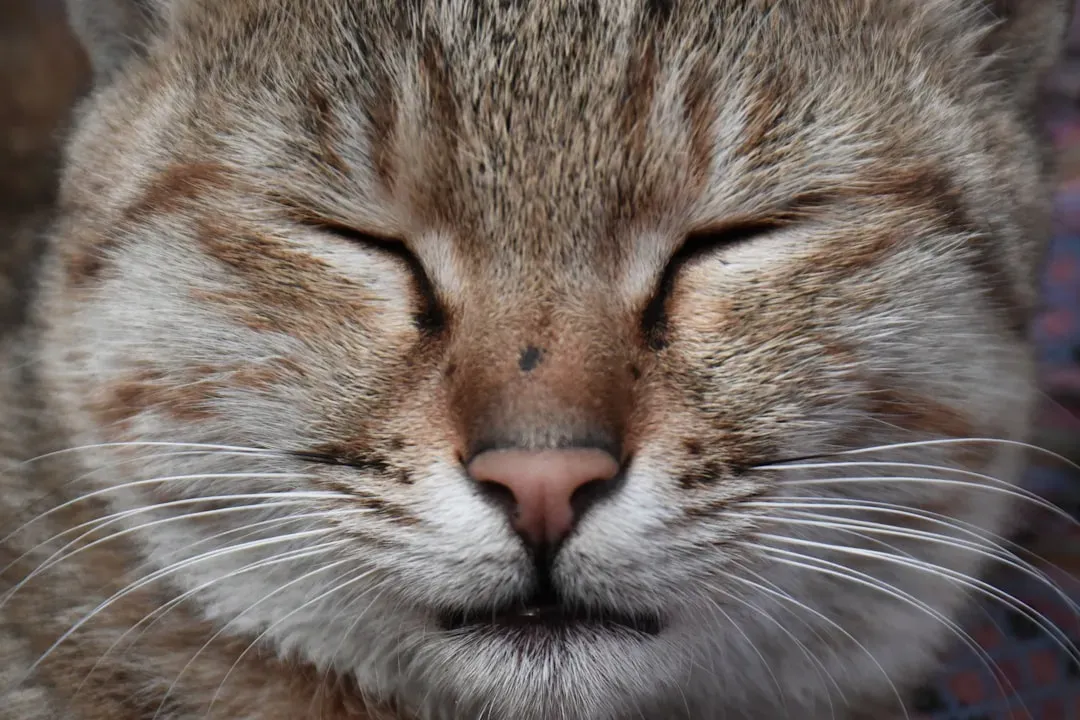
Research has shown that slow blinking is not just an anecdotal behavior observed by cat owners but a scientifically supported form of communication. A study conducted by the University of Sussex in the United Kingdom found that cats are more likely to slow blink at their owners when their owners slow blink at them. Furthermore, cats were more likely to approach an experimenter who had slowly blinked at them compared to an experimenter who maintained a neutral expression.
I think what makes this finding genuinely remarkable is just how deliberate it all is. The study’s authors drew two conclusions from video-recorded experiments: cats more often offered a slow blink at their owners if the owners slow-blinked first, and cats were more likely to approach an experimenter who was a stranger after a slow-blink exchange, as opposed to when the experimenter had a merely neutral expression. You’re not just bonding with your own cat when you slow blink – you can actually use it to connect with cats you’ve never met before.
How the Slow Blink Actually Works, Step by Step
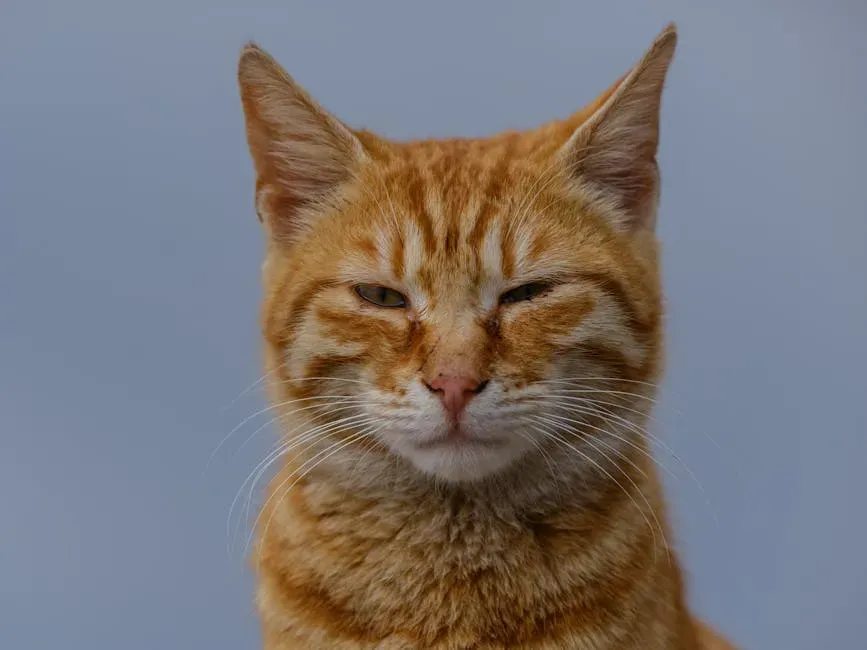
Slow blink sequences typically involve a series of half-blinks followed by either a prolonged eye narrow or an eye closure. It’s not one dramatic wink and done. It’s a sequence, almost like a sentence unfolding. You can almost feel the gentleness in it when you watch a cat do it – there’s nothing abrupt, nothing startling. It’s deliberately soft.
If you want to try it yourself, the method researchers used is surprisingly simple. You should sit about three feet away from your cat when they are calm and relaxed, wait until your cat looks directly at you, gently narrow your eyes as if you are smiling, slowly close your eyes for a moment, then open them again and watch your cat’s response. Essentially, you’re sending a clear message: “I’m not a threat, and I’m open to interaction.” Many cats will respond with a slow blink of their own.
The “Cat Kiss” and What It Actually Means
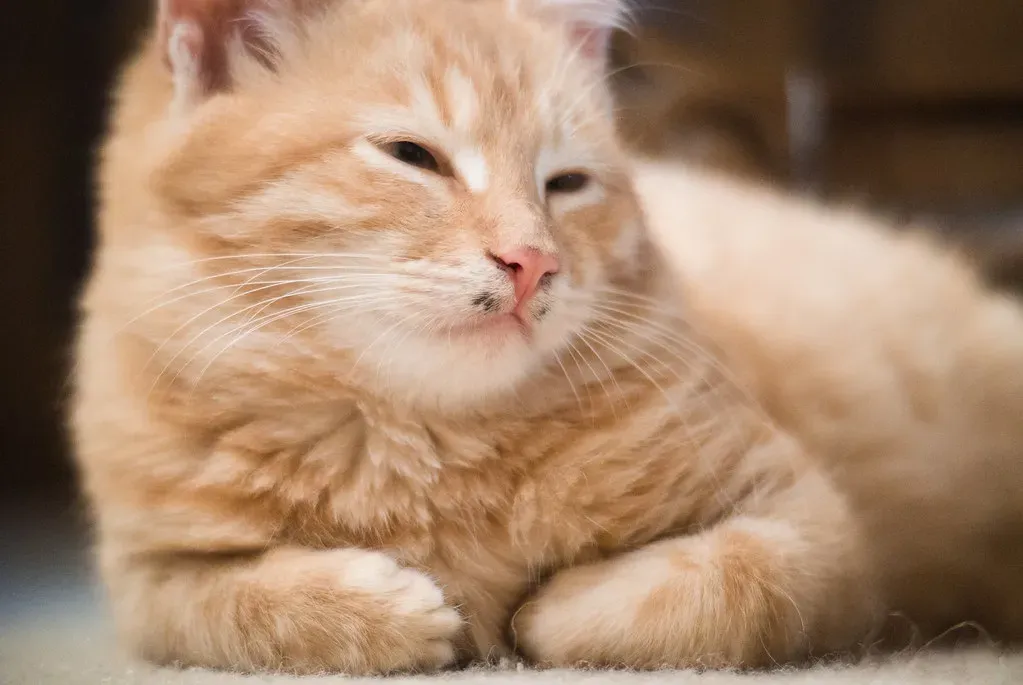
You might have heard the term “kitty kiss” thrown around in cat communities, and it turns out there’s real weight behind it. Often referred to as the “cat kiss,” this subtle signal is a clear indicator of trust and comfort. When your cat looks at you and blinks slowly, it’s as if they’re saying, “I trust you with my life.” For an animal that evolved as both a predator and a prey species, closing your eyes around another creature is an enormous act of vulnerability.
When your cat narrows their eyes around you, they’re doing the opposite of being guarded. They’re signaling vulnerability. Closed eyes mean “I don’t need to watch you for threats.” It’s the same reason cats expose their belly to trusted humans – it demonstrates they feel safe. So the next time your cat flops belly-up in front of you and then slow blinks your way, you’re witnessing a double compliment. That’s peak feline trust.
What Pupil Size Tells You About Your Cat’s Mood
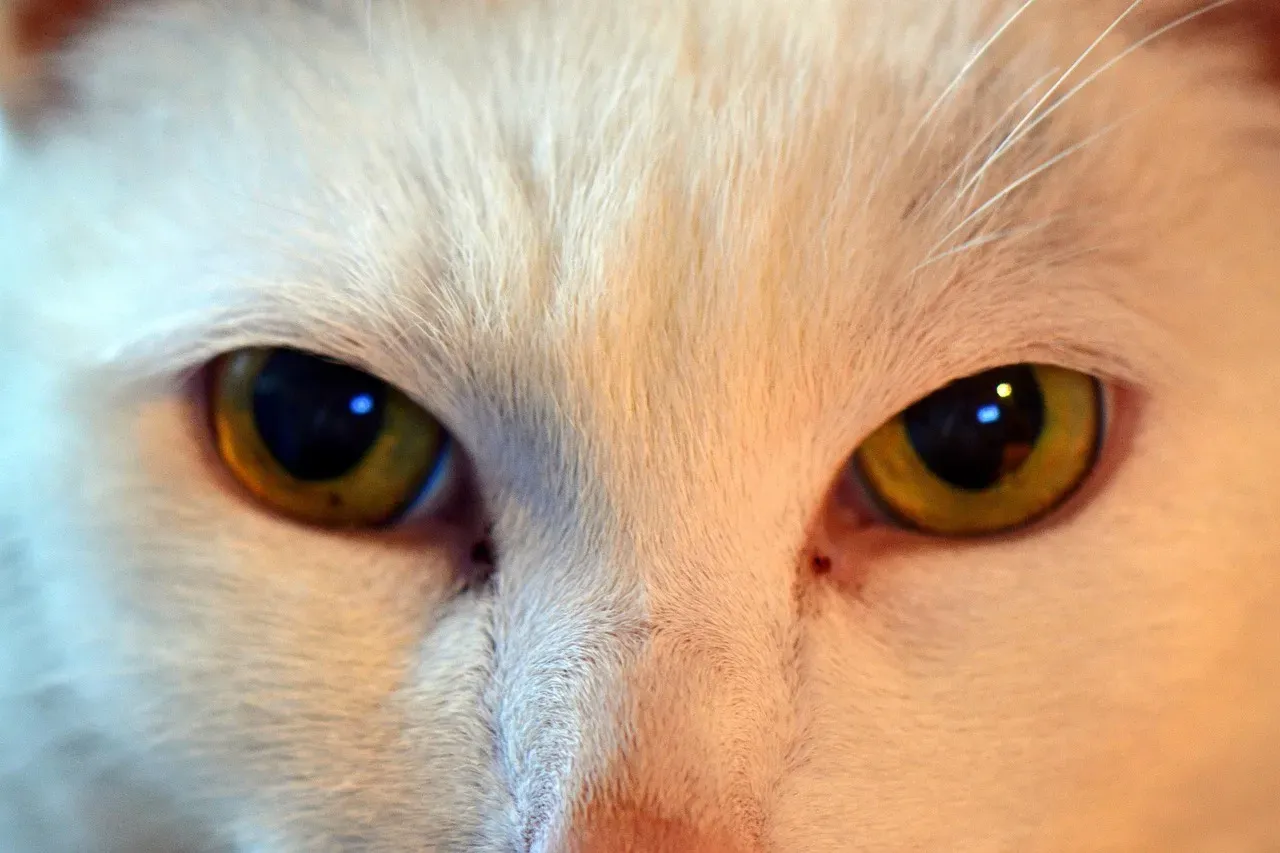
Beyond the slow blink, your cat’s pupils are another powerful channel of emotional information. Whether they are blue, green, or gold, round, oval, or almond-shaped, your cat’s eyes communicate emotions through physiological changes in pupil size and eyelid position. A cat’s pupils can shrink to the narrowest of slits or widen into black pools. Eyelids may be fully open, partially closed, or drawn into a squint. Causes for these changes may be emotional arousal, such as fear, aggression, pleasure, or excitement, or environmental, such as a change in ambient light levels.
Here’s where context becomes everything. To interpret this behavior accurately, you need to observe the context in which the pupil dilation occurs. A cat introduced to a new environment or toy might show dilated pupils due to excitement, while the same response during a loud noise or confrontation signals fear or aggression. Pairing pupil dilation with other body language cues, such as flattened ears or a puffed-up tail, provides a clearer picture of the cat’s emotional state. Pupil size alone is like hearing one word without the rest of the sentence.
The Dangerous Stare: When Eye Contact Becomes a Threat
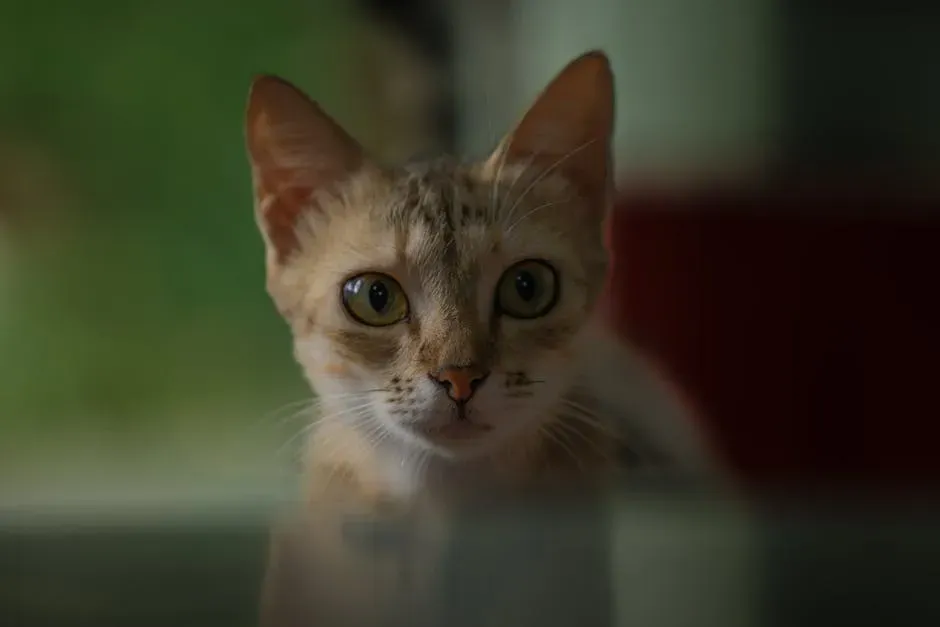
Not all cat eye contact is warm and fuzzy. Direct, unblinking staring is actually a loaded signal in the feline world, and misreading it can create real tension between you and your cat. Cats use their eyes to convey a range of emotions and intentions. A direct stare can signal fear and aggression toward another animal or person, but in some cases it may also indicate affection or a call for attention. The key is reading the whole picture, not just one element.
It should also be noted that while communicating through slow blinking requires attention and eye contact between humans and cats, direct eye contact in the form of a prolonged stare can be perceived negatively and as a threatening behavior by cats, so slow blinking needs to be used in a subtle, non-confrontational way. Think of it like this: a slow blink is a friendly wave across a room, while a hard unbroken stare is more like walking up and blocking someone’s personal space. Same eyes, completely different energy.
Reading the Whole Face: Ears, Whiskers, and Eyes Together
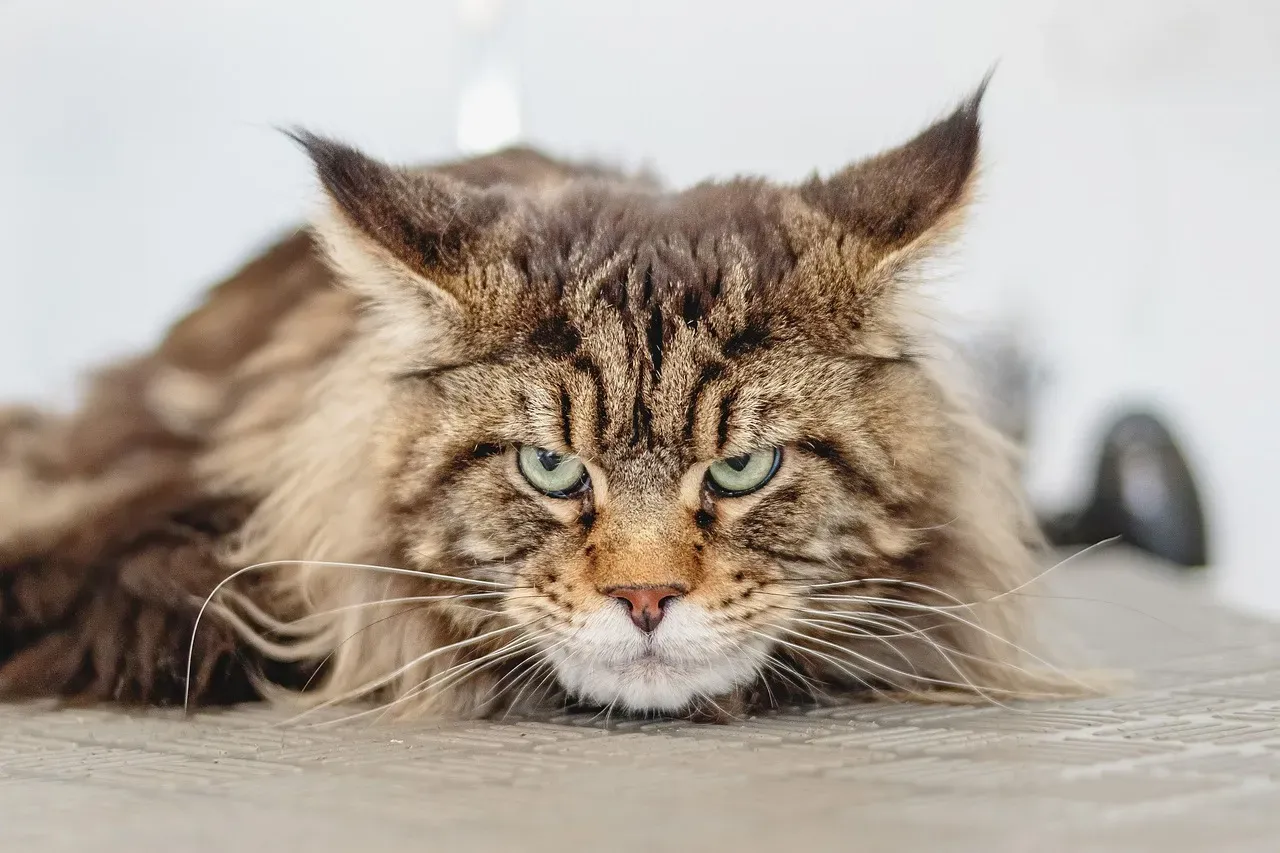
Here’s a crucial mistake many people make. They learn one signal – say, the slow blink – and then read it in isolation from everything else the cat is doing. Real feline communication is more like an orchestra than a single instrument. Visual signals are important for cats to communicate their mood and intentions. Body postures and language, facial expressions, pupil size, and the ability to stand the hair up on some areas of the body are all visual signals for cats.
Although eye expression is critical, it’s vital to interpret it in conjunction with overall body language. A relaxed body with soft eyes likely signifies contentment, while a tensed posture with wide eyes can denote stress or fear. This holistic understanding allows for more accurate interpretations of feline emotional states. So before you decide your cat is blissfully happy based on a slow blink alone, check what the ears and tail are doing. They might be telling a very different story.
The Slow Blink and Cat Domestication: A Surprisingly Deep Connection
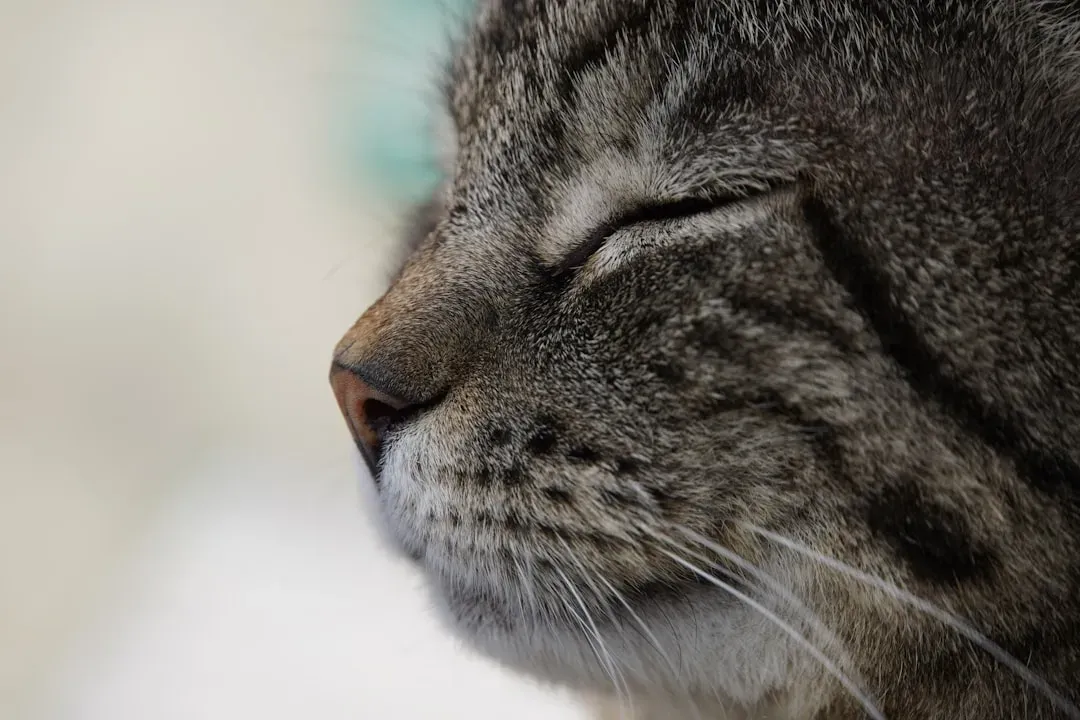
It’s hard to say for sure, but there’s a fascinating theory about why the slow blink evolved in domestic cats in the first place. Research demonstrated for the first time that cats that responded to human slow blinking, specifically by using eye closures, were rehomed quicker than cats that closed their eyes less. This suggests that the use of slow blinking may have given cats a selective advantage during the domestication process. In other words, the friendliest blinkers got adopted first, and that trait got passed down.
Because the early human-cat relationship was so mutually beneficial, it is often said that cats “domesticated themselves,” meaning they voluntarily started living among humans and adopted behaviors that would allow them to continue their appealing new lifestyle. The slow blink might be one of those behaviors – a charm evolved over thousands of years, fine-tuned to make you feel trusted, needed, and completely unable to resist. It’s almost manipulative, if you think about it. But in the best possible way.
How to Use the Slow Blink to Strengthen Your Bond
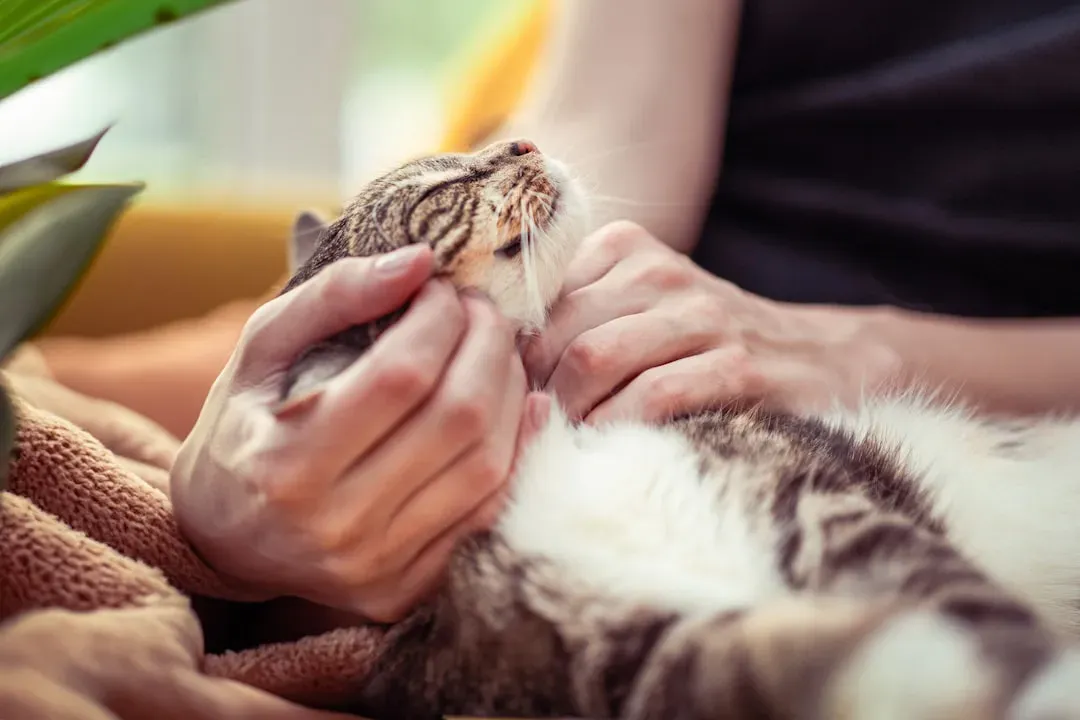
Let’s be real: knowing this is one thing, but actually using it daily changes the whole texture of your relationship with your cat. Understanding your cat’s slow blink as a form of communication can help you better interpret their emotions and needs. Cats often slow blink when they are relaxed and content. Encouraging and engaging in slow blinking with your cat can help to create a calming environment and reduce stress levels for both you and your pet.
Squinty, half-shut eyes and slow blinks show that a cat is open to friendly interaction and could even mean the cat is relaxing or “zoning out.” Cats are observant creatures and often mimic the behavior of their human companions. If you frequently blink slowly at your cat, they may start to reciprocate this gesture, and this mutual exchange can strengthen the bond between you and your feline friend, creating a sense of understanding and companionship. It costs you nothing and takes about two seconds. The return on investment, emotionally speaking, is extraordinary.
Conclusion
Your cat has been speaking to you this whole time. Every slow blink, every softened gaze, every subtle narrowing of those luminous eyes – it’s all part of a language that is older than any word you’ve ever spoken. The science confirms what cat lovers have always felt in their gut: that these creatures are more emotionally present, more communicative, and more connected to us than the world gives them credit for.
The beautiful thing is, you don’t need years of study to learn this language. You just need to slow down, pay attention, and blink back. Once you start exchanging slow blinks with your cat, you’ll realize the conversation has been going on all along. You were just learning to listen. What will you say back?