If you’ve ever been woken up at precisely 6:14 AM every single morning by a furry paw tapping your face, you already know what this article is about. Your cat is not acting on random impulse. There is a plan. A deliberate, carefully observed, surprisingly sophisticated plan – and you are the centerpiece of it.
Most people assume cats are independent loners who don’t much care what their humans are up to. Honestly, that couldn’t be further from the truth. Your cat is watching you. Tracking you. Building a mental model of your day down to the tiniest habit. What’s happening inside that fluffy head is more calculating than most of us ever stop to consider. Let’s dive in.
Your Cat Has an Internal Clock – and It’s Surprisingly Accurate
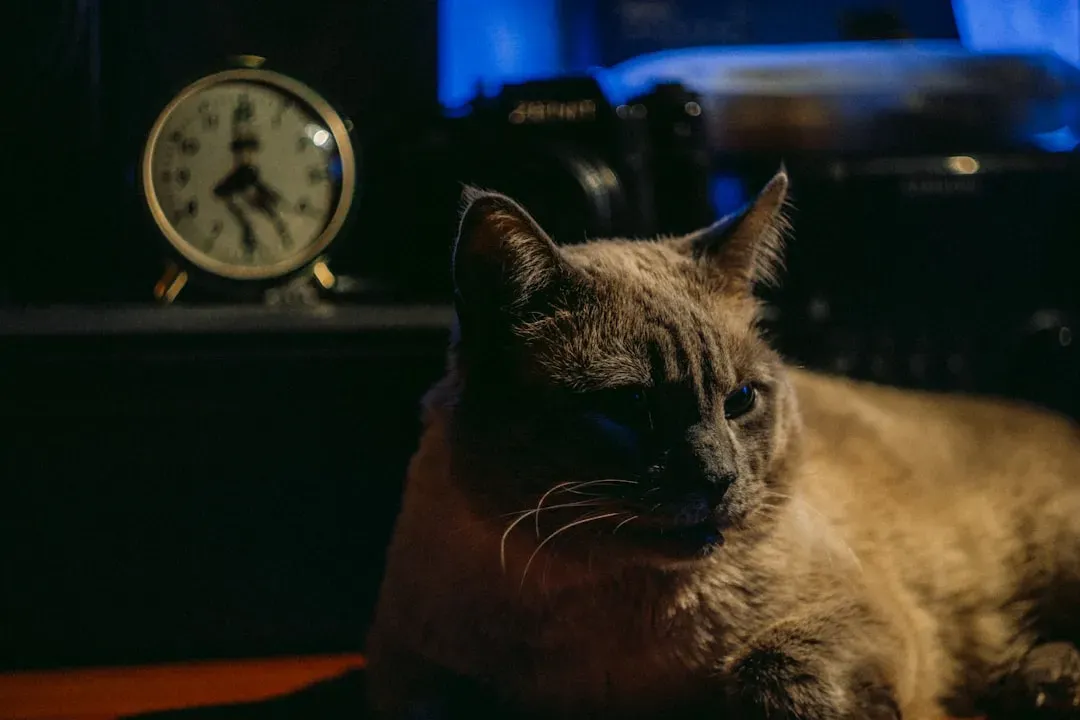
Here’s something that might genuinely stop you in your tracks. Cats are creatures of habit. They tend to wake their owners up at roughly the same time each morning because they want to be fed, and they have a remarkably good internal clock – one that keeps track of when you’re getting up, when you’re leaving for work, and when you’re going to come home. Think about that for a second. Your cat is essentially running a background program dedicated entirely to monitoring your calendar.
Just like humans, cats have their own circadian rhythm – an internal clock that helps them recognize wake time and sleep time. They also pick up on body cues like feeling tired, hungry, or thirsty, which give them an idea of how much time has passed. It’s not magic. It’s biology, sharply honed by thousands of years of predatory evolution. Your cat treats your household like a living ecosystem, and you’re the most important variable in it.
The Crepuscular Secret: Why Dawn and Dusk Are Peak Cat Hours

Cats are crepuscular, which means they are most active at dawn and dusk. Some cats are more active through the night, but that doesn’t make them nocturnal animals – that’s a popular myth about our feline friends. This is why your cat seems to wake up ready to wrestle at 5:30 AM and then launch into another burst of chaos right as you’re trying to wind down for the evening. It’s not personal. It’s ancestral.
Feline sleep behavior is heavily influenced by their crepuscular nature. Cats are most active during the twilight hours of dawn and dusk – a trait that traces back to their wild ancestors, who hunted during these times for optimal success. Domestic cats retain this instinctual behavior, leading to their frequent bursts of energy at odd hours. So the next time your cat tears through the hallway at sunset like a furry tornado, you can at least appreciate the raw, ancient poetry of it.
How Your Cat Mirrors Your Daily Habits
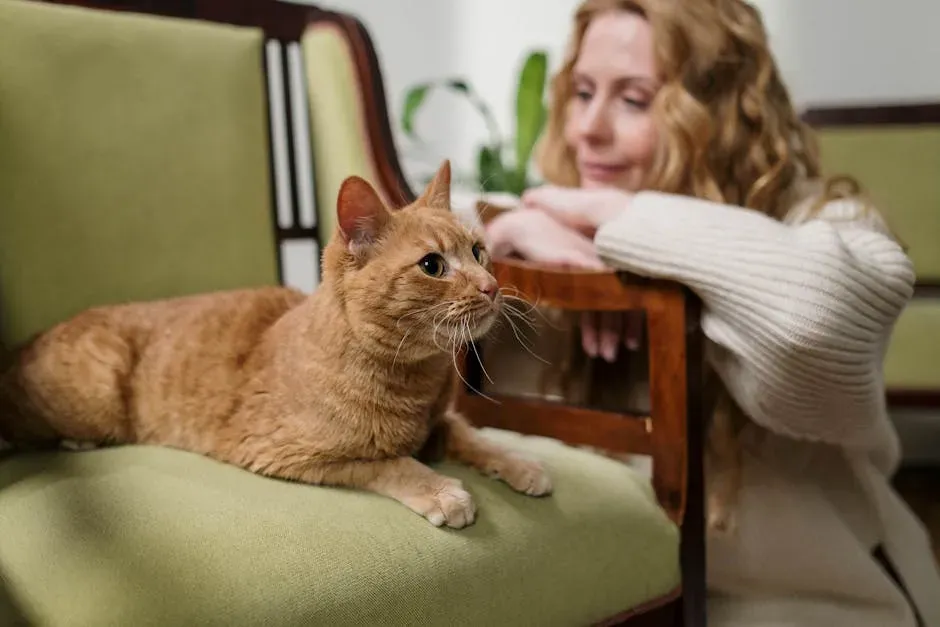
Cats really do become part of our families, to the point that they take on human habits – good and bad – and adapt their lifestyle to match that of their owners, according to research. The finding shows how profoundly captivity can affect certain animals. Honestly, this one is almost a little eerie when you think about it. Your laziest Sunday habits may very well be influencing how your cat spends its week.
Indoor cats tend to mirror the activity levels of their household, so if the lifestyle is active, cats typically are also up and active too. This dynamic works both ways. Over time, cats living closely with their owners mirror those lives – their eating, activity, and sleeping patterns become very similar. You are, in the most literal sense, your cat’s lifestyle influencer. No filter required.
The Feeding Schedule: Your Cat’s Most Sacred Ritual
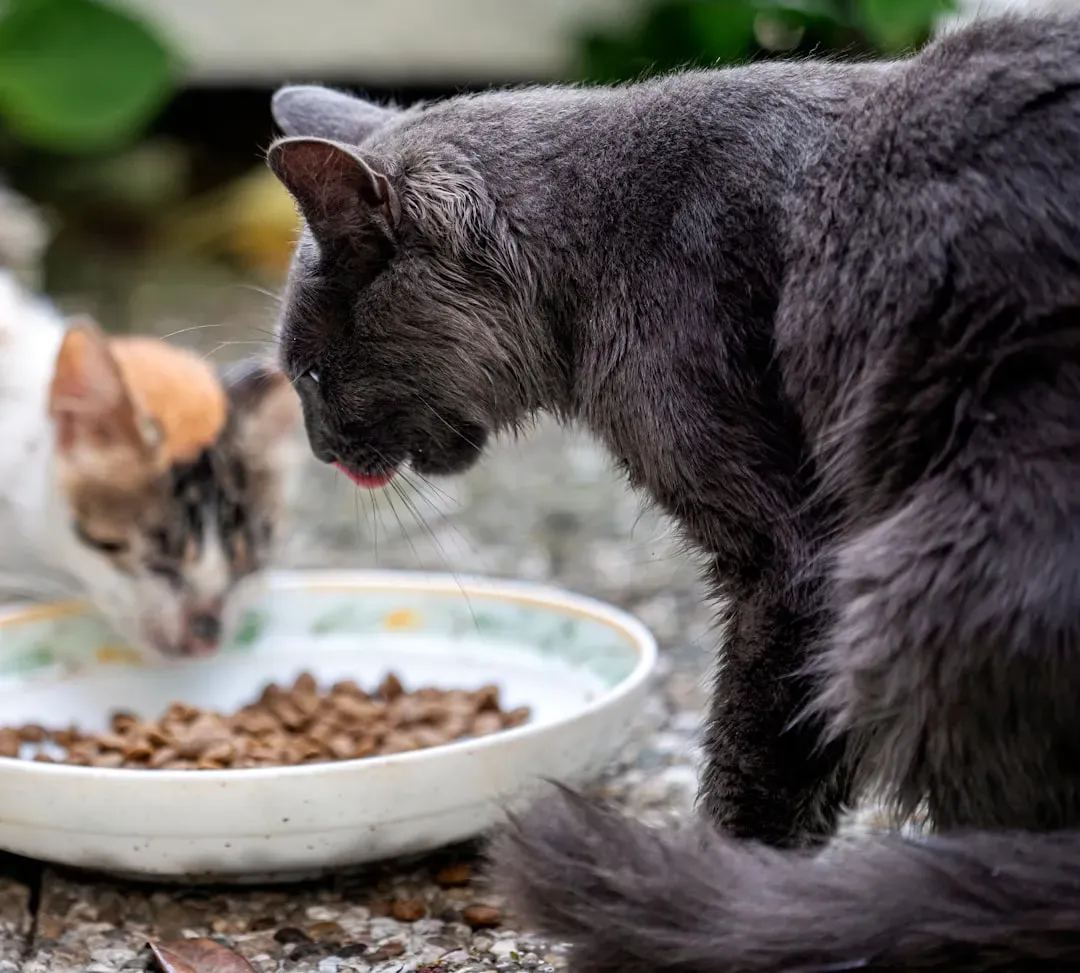
Let’s be real – food is everything to a cat. But it’s about more than hunger. Perhaps the most significant example of an important routine is the feeding schedule. The timing of feeding affects a cat’s energy levels, behavior, and sleep schedule. When you feed your cat at consistent times, you’re not just filling a bowl. You’re setting the rhythm for your cat’s entire emotional day.
At least two studies have investigated the importance of routine and predictability in the lives of cats. Both found that an irregular pattern of feeding, lighting, heating, cleaning, and social contact led to an increase in stress-related behaviors. One study found that cats exposed to an unpredictable routine showed elevated urinary cortisol, reduced exploratory behavior, and increased arousal and hiding patterns. That’s the stress hormone spiking because dinner was late. Your cat takes this stuff seriously – and scientifically, so should you.
Reading the Room: How Your Cat Anticipates Your Every Move
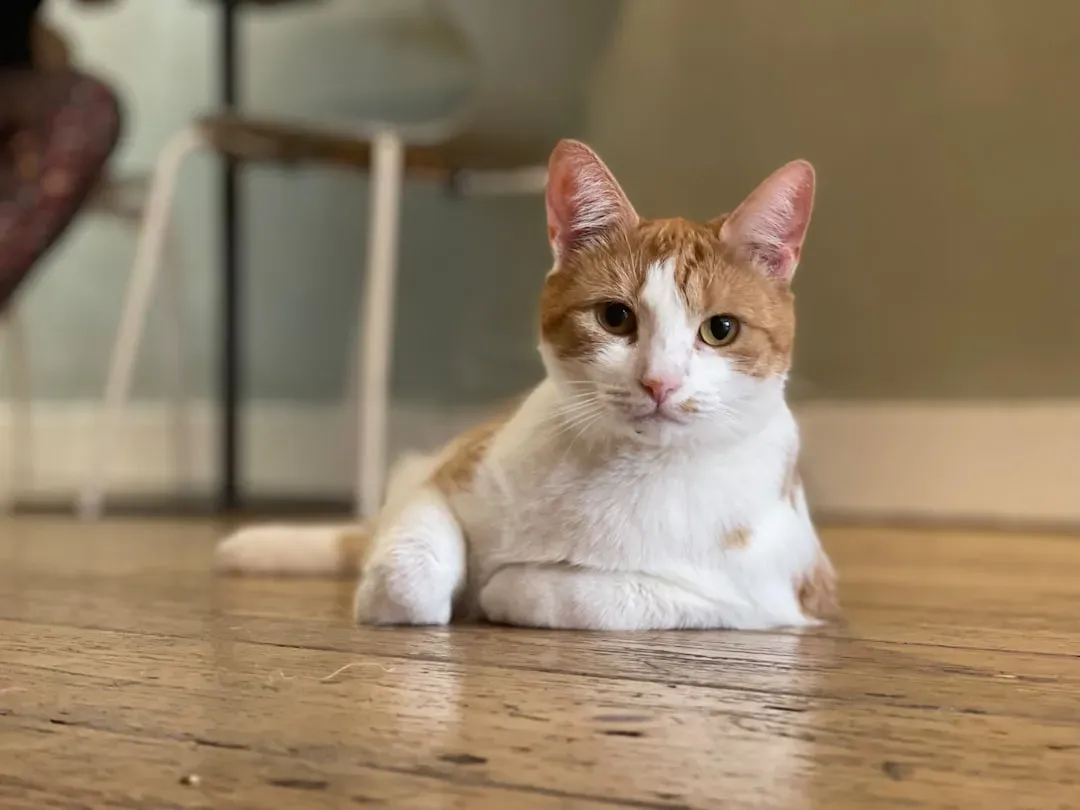
Cats are capable of learning from their experiences and retaining that knowledge. This is evident in their capacity to remember routines, the locations of favorite hiding spots, and even specific commands or cues. Think of it like this: your cat has spent years quietly compiling a dossier on you. The sound of your alarm. The smell of your coffee brewing. The specific jingle of your keys. All of it is logged and cross-referenced in a remarkably effective little feline mind.
A cat’s internal clock is finely tuned not by numbers but by the rhythm of daily life – sunrise and sunset serve as natural cues. Interestingly, cats are crepuscular animals, most active during dawn and dusk. They don’t read clocks, but they have an innate sense of timing based on routines and environmental cues like light cycles. When you reach for your shoes at the same time every day, your cat has already calculated what comes next. It’s predictive behavior, and it’s genuinely impressive.
When You Break the Schedule: Your Cat’s Emotional Reaction
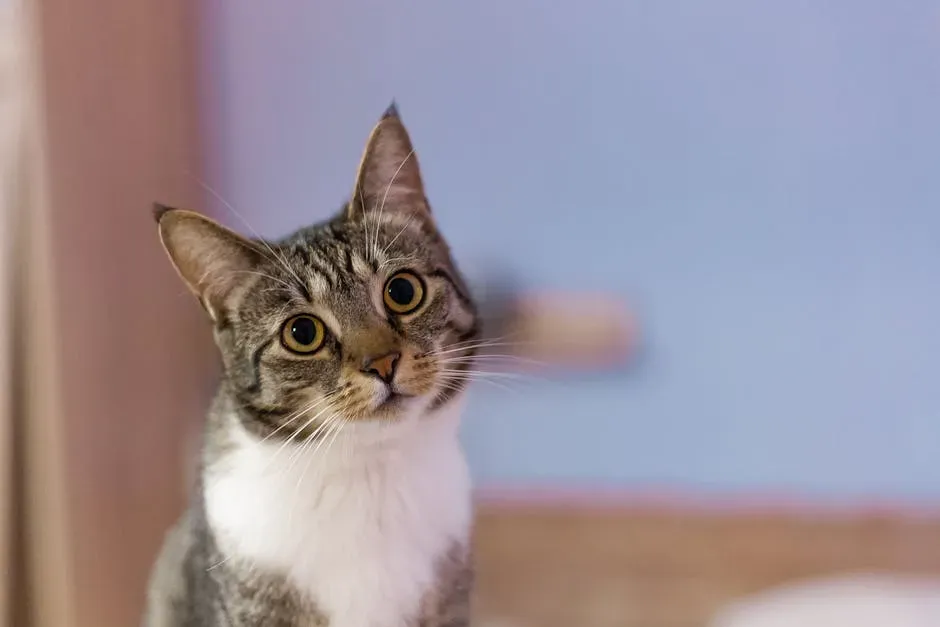
Your cat may become anxious or distressed if there’s disruption – like coming home late from work or altering feeding times unexpectedly. They depend heavily upon predictability, and any sudden changes can throw them off balance emotionally. I think this surprises a lot of people. We tend to assume cats are unbothered, detached creatures. The reality is that under that cool exterior, routine is everything to them.
When there’s a lot of change in routines, cats tend to become anxious and nervous. One study found that a disrupted routine led to a dramatic increase in urination outside the litter box. So the next time your cat starts acting out in baffling ways, before you assume misbehavior, ask yourself: has something in your daily pattern shifted recently? The answer might surprise you.
Playtime Isn’t Random – It’s a Scheduled Event

Your cat doesn’t just wander over to pounce on your feet by accident. There’s timing at work here. Beyond food and comfort, structured playtime is an indispensable component of a cat’s routine, crucial for physical health, mental stimulation, and emotional well-being. Cats are natural hunters, and even the most domesticated felines retain strong predatory instincts that need an outlet. Without consistent and appropriate play, cats can become bored, destructive, or anxious, leading to a range of behavioral problems.
Research indicated that adult indoor cats receiving a minimum of two 15-minute interactive play sessions daily – specifically designed to simulate a hunting sequence – exhibited significantly fewer instances of problematic behaviors such as destructive scratching, excessive nighttime vocalization, or inappropriate urination. These observed reductions in negative behaviors were as high as roughly half compared to cats with minimal or unstructured play. Two focused play sessions a day. That’s the benchmark. It’s not much to ask, and the payoff is enormous for both of you.
The Bond Between Routine and Trust

Structure plays a vital role in building trust between you and your cat. When you consistently meet their needs at expected times, you become a reliable and benevolent figure in their eyes. This trust is the foundation of a strong, lasting relationship, allowing your cat to truly settle in and display their natural personality. A cat that trusts its owner is more likely to be affectionate, playful, and responsive. It’s essentially the feline equivalent of relationship equity – you deposit reliability, and you earn genuine affection in return.
Cats derive emotional comfort from established routines. Familiar rituals and habits create a comforting sense of normalcy and stability in their lives. Cats often form strong associations with specific meal times, and regular feeding schedules not only ensure their nutritional needs are met but also provide opportunities for bonding as cats eagerly anticipate and enjoy their meals with their owners. It’s a kind of language. One spoken in consistency rather than words.
Sleep, Naps, and the Art of Feline Energy Conservation
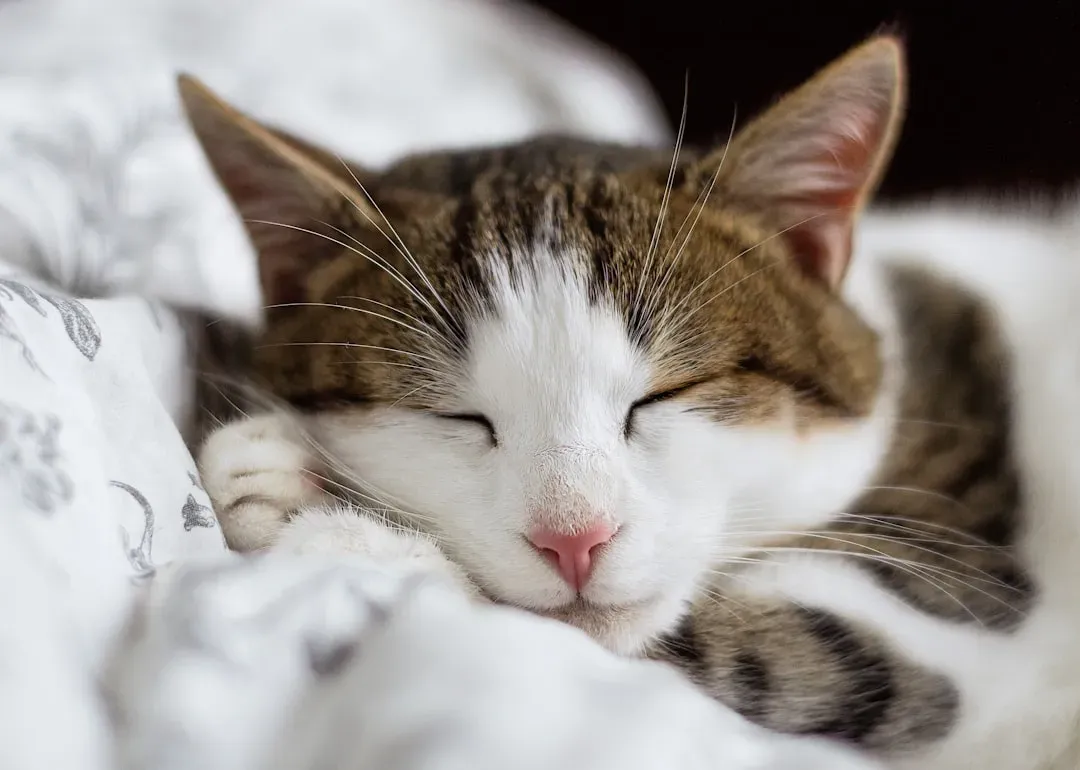
You might think your cat sleeps all day out of sheer laziness. It’s hard to say for sure, but it’s actually the opposite of laziness – it’s strategic energy management. Your cat sleeps so much because of their biological wiring. Even though your cat might just be hunting for kibble, their bodies are built for the hunt, feast, and sleep cycle of a predator. All that sleep helps them conserve energy for their next burst of activity, usually at dawn or dusk.
Cats sleep on average 15 hours a day, with some sleepy cats getting up to 20 hours of shut-eye each day. Unlike humans, who tend to sleep in one long period at night, cats have a polyphasic sleep schedule marked by multiple shorter bouts of sleep across both day and night. Picture a battery that charges in quick bursts rather than one long overnight charge. That’s your cat. The naps aren’t idle – they’re preparation. And they’re almost always timed around when you’re home, active, and available for interaction.
Conclusion
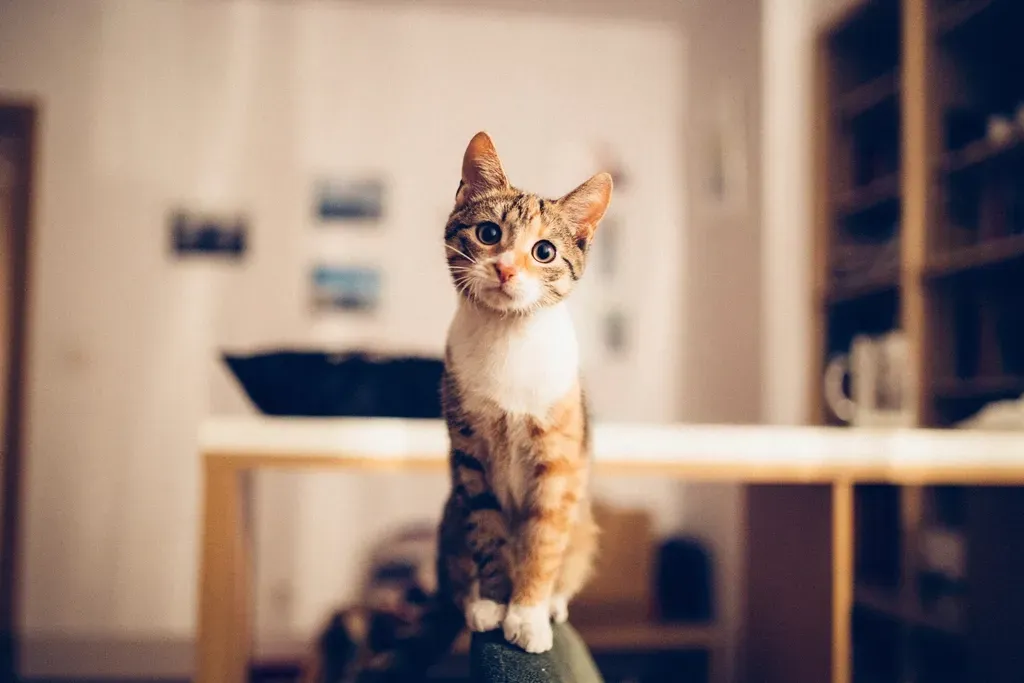
Your cat is not a passive observer of your life. You are the anchor point of their entire daily schedule – the rhythm around which their feeding, sleeping, playing, and even emotional wellbeing revolves. Creating a routine for pets, including cats, can have numerous benefits for their well-being and overall happiness. Routine provides a sense of security and helps alleviate anxiety in pets, promoting trust and a healthy environment for them to thrive in.
The secret schedule your cat keeps is not really a secret at all – it’s a quiet, constant act of attunement. They are watching you, learning you, and structuring their existence around the patterns you create. Establishing a consistent routine acts as a psychological anchor for your cat, providing a sense of stability and predictability in their world. This isn’t about rigid enforcement – rather, it’s about creating a rhythm for daily life that your cat can learn to anticipate and rely upon. So the real question is: now that you know your cat has built their entire day around you, what kind of day are you going to give them? What do you think – did you ever realize just how much your cat has been paying attention?