Have you ever watched your cat suddenly freeze mid-stride, ears pricked, staring at something you can’t see? Or noticed them bolting from the room moments before a storm arrives? Your feline companion might not possess supernatural powers, but their sensory abilities come eerily close. In 2026, we’re learning more than ever about how your cat picks up on danger signals that completely escape human perception. It’s not magic or mysticism at work here. Science reveals that your pet is equipped with biological sensors far superior to your own.
These extraordinary abilities aren’t just party tricks. Throughout history, countless people have reported their cats alerting them to everything from medical emergencies to natural disasters, sometimes saving lives in the process. So let’s dive in and explore exactly what makes your furry friend such a remarkable early warning system.
Their Sense of Smell Is a Chemical Detection System
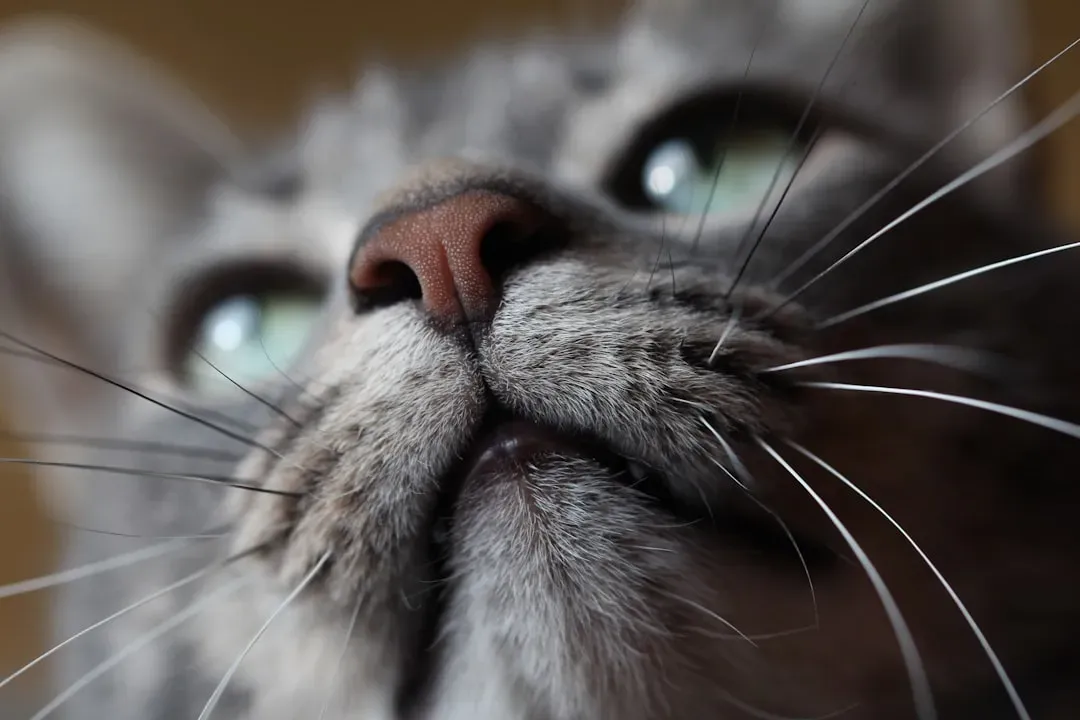
Your cat has more than 200 million odor sensors in their nose, making their sense of smell 14 times better than yours. Think about that for a moment. While you’re blissfully unaware of most airborne chemicals, your cat is essentially walking around with a built-in laboratory analyzing everything.
Thanks to this developed sense of smell, cats can detect disease by sensing hormonal changes in the human body. They can detect pheromone changes and chemical shifts in your body when cells decompose during illness. This means your cat might notice you’re getting sick before you feel the first symptom.
They Detect Earthquakes Before the Ground Starts Shaking

Research suggests cats can sense earthquakes up to 15 seconds before they occur. That might not sound like much, yet those precious seconds could mean the difference between being caught off guard and taking cover. Cats have sharper senses than humans and can detect tiny vibrations, particularly the fast, subtle P-waves that precede stronger S-waves.
Many cat owners report their cats acting strangely just before an earthquake hits, with some racing around frantically while others hide. Let’s be real, if your typically lazy cat suddenly turns into a whirlwind of panic, something significant is probably happening. Their hearing range extends from 45 to 64,000 Hz, their sensitive paw pads contain thousands of nerve endings detecting minute ground movements, and their whiskers detect changes in air pressure and vibrations.
The Famous Oscar: A Cat Who Sensed Death
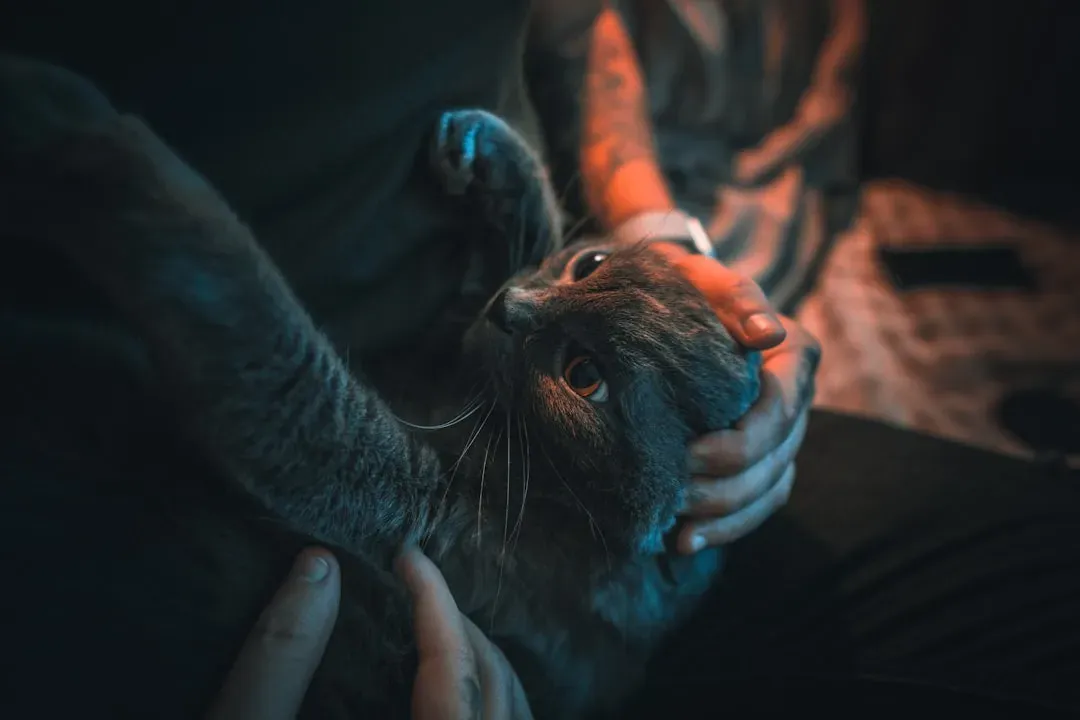
As of 2015, a therapy cat named Oscar accurately predicted 100 deaths at a Rhode Island nursing home, with staff calling family members once he settled next to a patient. Oscar’s story emerged in 2007 in the New England Journal of Medicine about his ability to predict deaths of patients several hours before they died. This wasn’t some random occurrence happening once or twice.
Oscar would curl up next to patients who often passed within hours, and his behavior became so trusted that staff would call families to say their goodbyes when he appeared in a room. Animal experts believe this likely has to do with a specific smell produced by dying patients, chemicals that aren’t detectable by other humans but that pique Oscar’s heightened sense of smell. Honestly, this is both touching and a little unsettling when you think about it.
Your Cat Can Pick Up on Your Illness Before You Know It
Like dogs, cats have been shown to sense and alert their owners of danger regarding their health, such as impending seizures, and are increasingly linked to cancer detection. Cats can sense chemical markers associated with various illnesses, including cancer and diabetes. Your cat isn’t performing a medical diagnosis, obviously, yet they’re noticing changes your own body hasn’t consciously registered yet.
Cats possess 50 to 80 million scent receptors compared to our mere 5 million, allowing them to detect fluctuations in hormones and metabolic byproducts when you’re unwell, giving them an early warning system for illness. Cats often display increased affection, clinginess, or altered behavior when sensing illness in humans. So when your independent feline suddenly becomes a clingy shadow, pay attention.
Whiskers Function as Radar for Environmental Changes
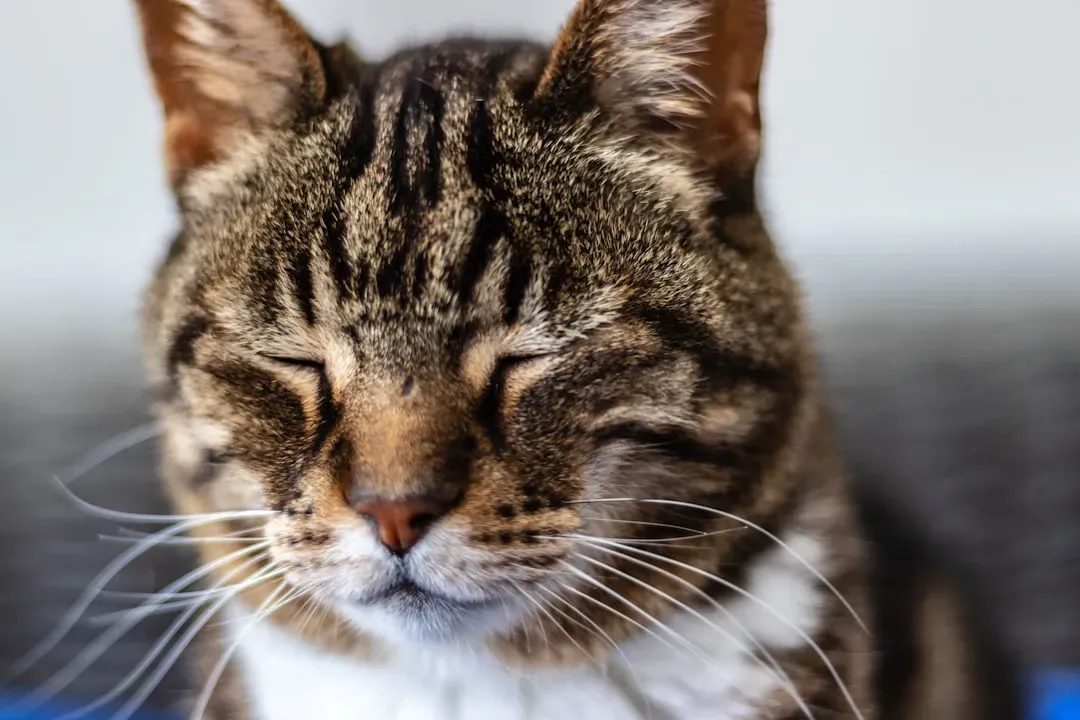
A cat’s whiskers are more than twice as thick as ordinary hairs, their roots three times deeper in tissue, and they have numerous nerve endings at their base giving extraordinarily detailed information about nearby air movements and objects. These aren’t decorative features. They’re sophisticated sensory instruments constantly feeding your cat information.
Whiskers are finely tuned to detect changes in air pressure and vibrations, potentially alerting cats to environmental changes before a seismic event. Cats can hear the distant rumble of thunder long before we do and may even sense static in the air. When your cat’s whiskers start twitching and they become suddenly alert, they’re processing data you can’t access.
Their Hearing Picks Up Frequencies You’ll Never Hear
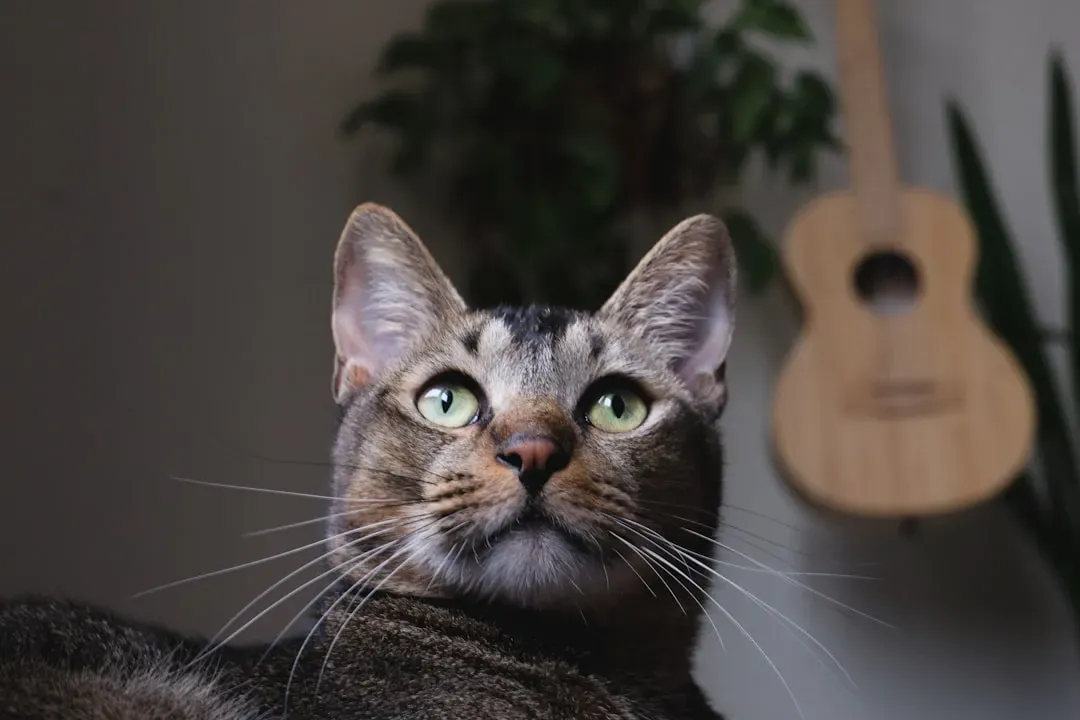
Cats can hear much higher-pitched sounds up to 64 kHz, which is 1.6 octaves above human range and 1 octave above dog range. Dogs use their remarkable sense of hearing to pick up high-pitch sounds of rocks scraping beneath the earth, an event that precedes earthquakes, and cats possess similar abilities. Those ultrasonic frequencies completely escape your awareness.
A cat’s ears will swivel toward sounds, and they can judge within 8 centimeters the location of a sound being made 1 meter away. I think this explains why your cat sometimes stares at a wall looking alarmed when you hear absolutely nothing. Cats use their sharp senses to detect danger or health issues, hearing subtle sounds like gas leaks or abnormal breathing.
They Sense Atmospheric Pressure Changes
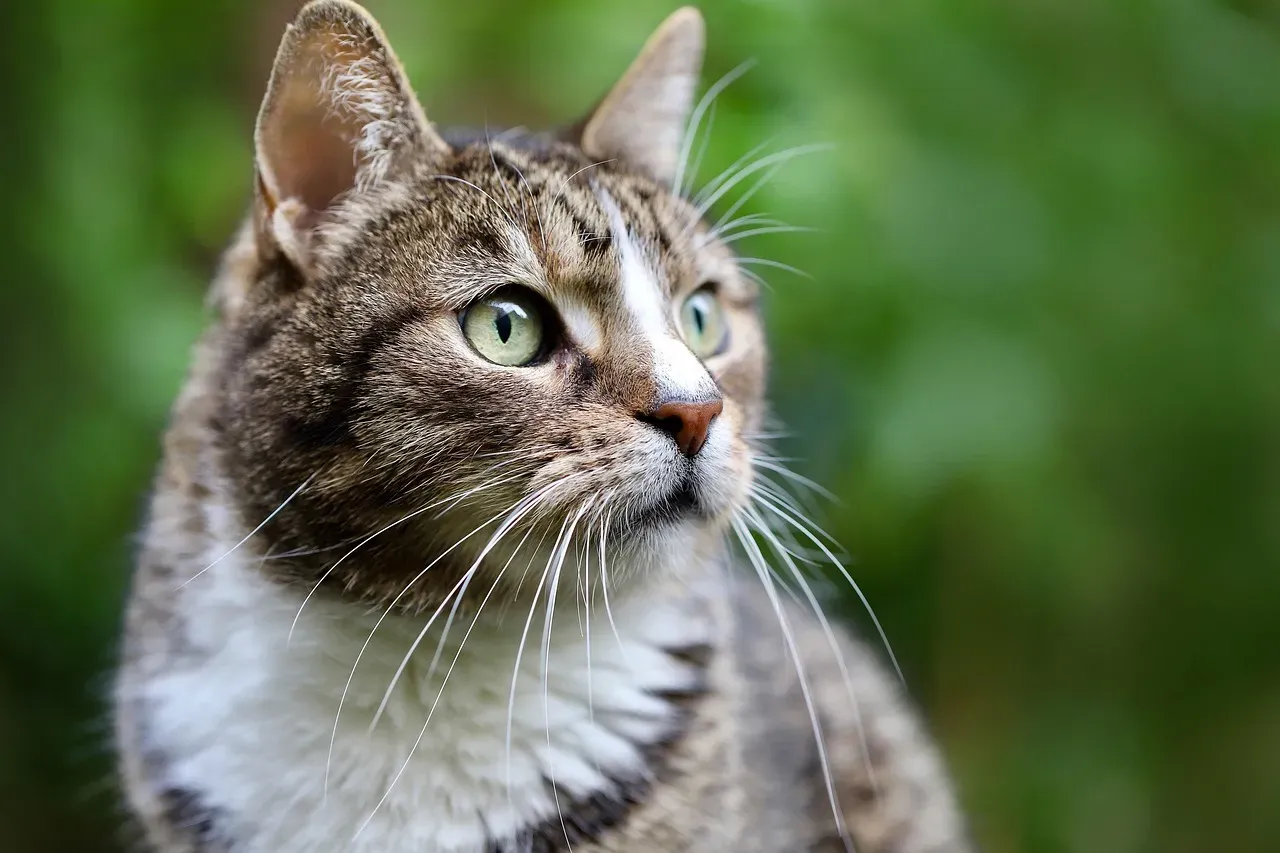
Cats can sense vibrations in the ground through their paw pads and detect atmospheric pressure changes with their whiskers. This dual sensory system makes them remarkably attuned to weather patterns. The change in atmospheric conditions, weather changes, and shifting wind directions alert cats that a tsunami is approaching.
Your cat essentially has built-in barometers throughout their body. Cats have an incredible sense of smell, sight, and sound all far superior to humans, meaning they are acutely aware of any potential danger long before you will be. When a storm’s rolling in, your cat knows well before you check the weather app.
Emotional Distress Doesn’t Escape Their Notice
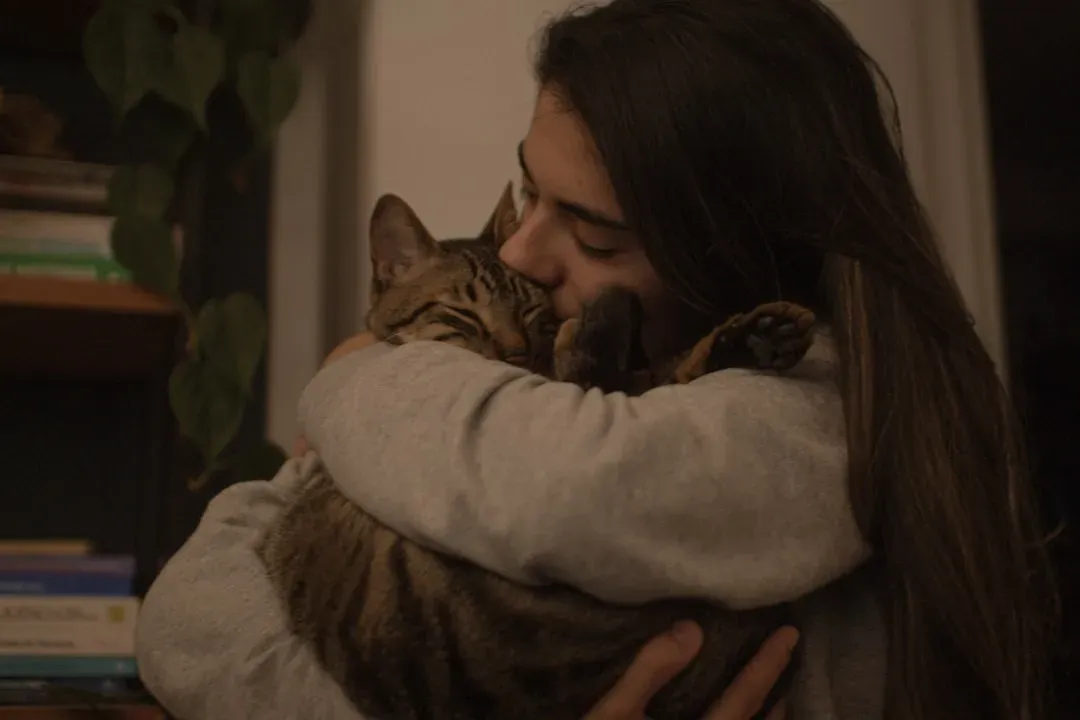
It’s natural for humans to sweat when stressed and nervous, and a cat’s superior sense of smell and acute vision makes them more likely to detect a change in scent and behavioral cues indicating fear. Increased cortisol levels accompany stress, and cats are astute stress detectors who sense rising cortisol through acute observational skills, responding by staying close or altering their behavior to reduce stress.
Cats are highly attuned to emotional states, and people suffering from anxiety or depression may find their feline companions become more affectionate or attentive during difficult times. Here’s the thing: your cat won’t judge you for having a rough day. They’ll just quietly show up when you need them most.
Why Scientists Remain Skeptical Yet Curious

Cats do not possess a scientifically proven sixth sense that goes beyond the capabilities of their five known senses, however this doesn’t diminish the incredible sensory capabilities they do possess. Despite numerous anecdotes, scientists remain skeptical about animals’ ability to detect earthquakes. The scientific method requires reproducible evidence, which is hard to come by when studying unpredictable events.
Studies note abnormal behavior of some cats before earthquakes, however the amount of time before an earthquake that a cat starts acting strangely varies, as does the distance to the epicenter, with no discernible pattern. Still, Their advanced sensory capabilities allow cats to detect subtle changes in human behavior and the environment that may signal impending issues. The absence of scientific proof doesn’t equal absence of ability.
Understanding Your Cat’s Warning Signs
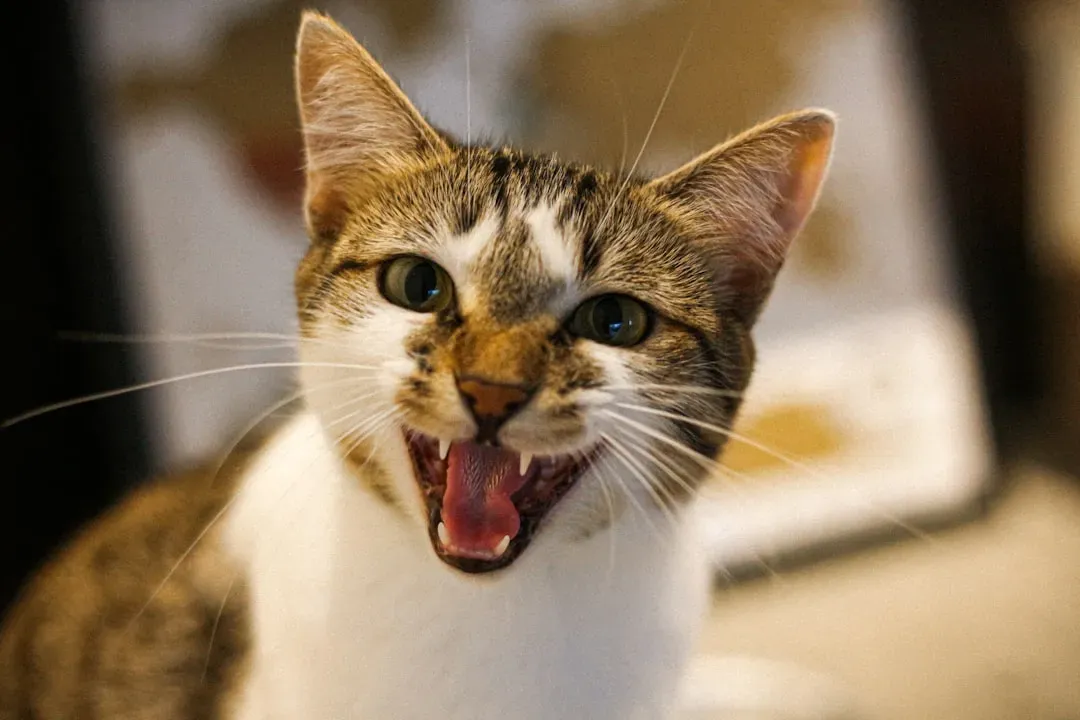
When a cat senses danger, it may exhibit behaviors like loud meowing, unnatural behavior, attempting to escape, hiding, or even aggression. Some cats become more affectionate and cuddly, kneading, purring, or resting on the affected area of the body, appearing to stay watch, while others become protectiveness, staying near the individual.
If your cat appears to display some sort of sixth sense, there’s no reason you shouldn’t pay attention to it, and the more you pay attention to your cat’s communication style through body language or vocalization, the more you’ll understand what they’re trying to tell you. Learning to read these signals might actually benefit your safety. Your cat isn’t trying to spook you. They’re trying to communicate something important.
The Bond Between You Makes the Difference

The bond between you and your cat might explain parts of their intuition, especially regarding their ability to pick up on moods and illness, as cats close with their owners are more likely to know their routines, habits and body language. The deep emotional bond between cats and their owners is key to their ability to sense human illness, fostering an empathetic response when they detect distress or discomfort.
Your relationship isn’t one-sided. These behaviors can be especially noticeable in cats that have a strong bond with their humans, as the emotional connection heightens their awareness of change. The longer you live together, the better your cat becomes at reading your signals. It’s a two-way street of communication built on trust and time spent together.
Conclusion
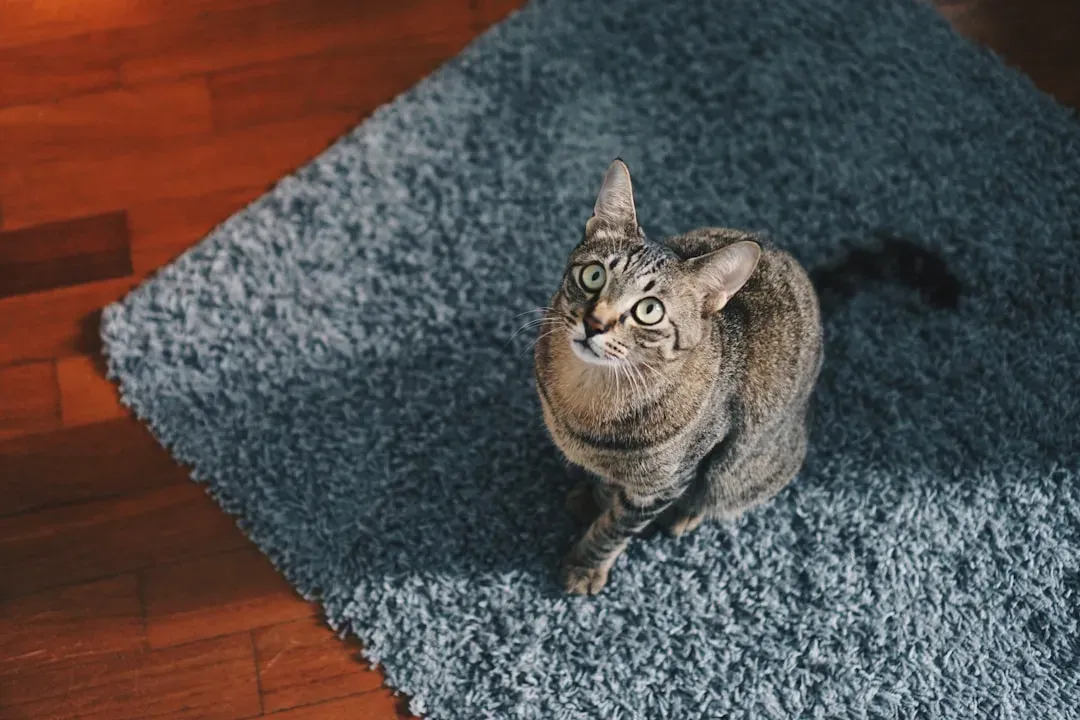
Whether you call it a sixth sense or simply acknowledge their biological superiority in certain areas, cats undeniably perceive threats and changes that humans miss entirely. From detecting illness through chemical changes to sensing earthquakes through ground vibrations, your feline friend operates on a completely different sensory level. Their whiskers pick up air pressure shifts. Their noses analyze molecular compositions. Their ears capture ultrasonic frequencies. These aren’t supernatural abilities; they’re evolutionary advantages refined over millennia.
Next time your cat acts strangely for no apparent reason, don’t dismiss it as random feline weirdness. They might be trying to tell you something important. Pay attention to those behavioral changes, the sudden hiding, the unexpected clinginess, the unexplained alertness. Your cat’s heightened senses make them invaluable early warning systems, often knowing danger is approaching long before you have a clue. What’s your experience been with your cat’s intuition? Have they ever alerted you to something you couldn’t sense yourself?