You’ve probably noticed your cat acting oddly before a rainstorm hits. Maybe they’ve darted under the bed or started pacing around the house with nervous energy. It’s not your imagination. These furry little creatures possess sensory abilities that go far beyond what we humans can perceive.
While we rely on weather apps and forecasts, your cat is tuned into environmental signals we completely miss. From detecting barometric pressure shifts to picking up vibrations in the ground, cats experience the world through a sophisticated sensory network that makes them seem almost psychic. Let’s explore what’s really happening when your feline friend seems to know things before you do.
Their Whiskers Work Like Environmental Radar Systems
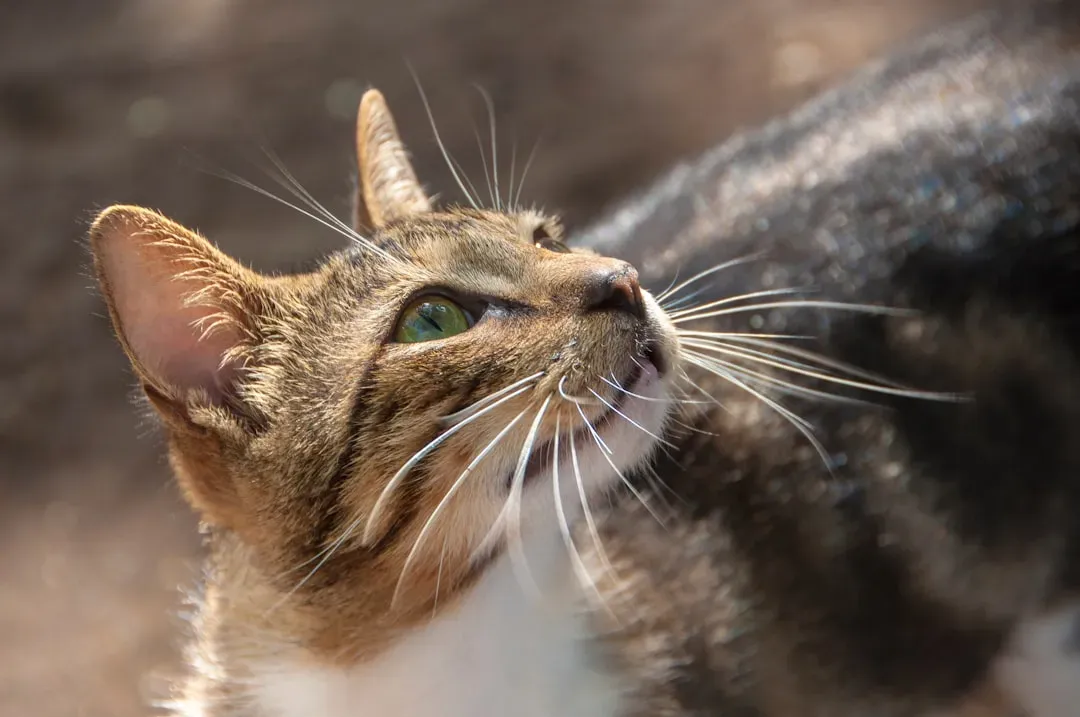
Whiskers are filled with tiny, highly sensitive nerves that help cats detect the slightest changes in their environment, enabling them to navigate in darkness, detect prey, and even sense air currents. Think of them as built-in motion detectors constantly feeding data to your cat’s brain. A cat’s whiskers can detect movements just one two-thousandth the width of a human hair.
A cat’s whiskers are incredibly sensitive to even the slightest changes in air currents, and as weather changes, particularly wind direction and speed, a cat can detect these shifts with its whiskers. These specialized hairs aren’t just decorative facial features. Whiskers act as sophisticated radar systems that work through their extreme sensitivity to vibrations, with each whisker’s proprioceptors sending detailed sensory messages to the brain about position, movement, and environmental changes.
Barometric Pressure Changes Don’t Escape Their Notice

Let’s be real, most of us don’t think about atmospheric pressure unless we’re on an airplane. Your cat, however, is constantly monitoring it. When a storm approaches, atmospheric pressure drops, and cats can detect these subtle shifts through delicate structures in their inner ears that help them maintain balance and spatial awareness, creating a sensation that alerts them something’s coming.
Cats’ ears are sensitive to barometric pressure changes, and they can not only sense abnormal variations linked with extreme weather but also immediately feel the urge to seek shelter for their survival. This explains why your normally chill cat suddenly becomes restless hours before the first raindrops fall. It’s hard to say for sure, but their sensitivity to pressure is much greater than ours.
Hearing Abilities That Put Humans to Shame
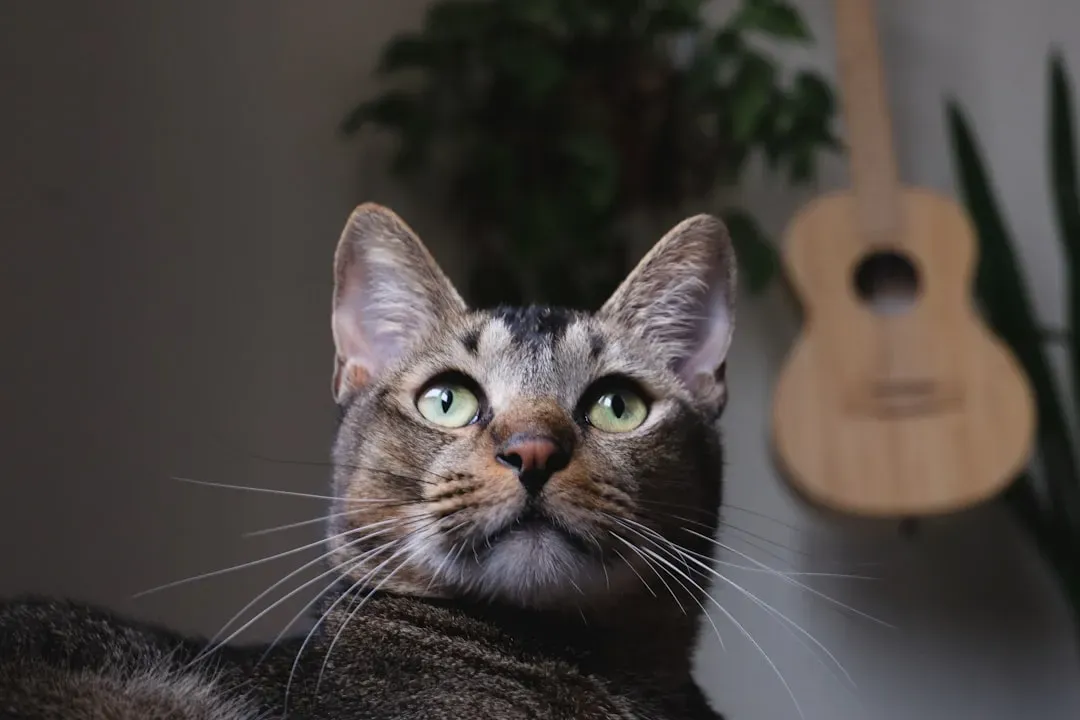
Cats’ hearing can detect frequencies up to 64 kHz, compared to humans’ 20 kHz. That’s an enormous difference in what they can perceive. Cats can hear an astounding range of frequencies, from 48 Hz up to 85,000 Hz, which is dramatically higher than humans, who typically hear only up to 20,000 Hz.
This exceptional hearing serves them well when sensing environmental changes. Infrasound is a type of sound wave that occurs at frequencies below what the human ear can detect, and these low-frequency sounds can be produced by natural events like earthquakes, tsunamis, and even storms. Your cat picks up on these sounds long before you notice anything unusual. Cats can hear sounds from approximately four to five times farther away than humans can, and under optimal conditions, they can detect subtle sounds, like the movement of small prey, from up to 100 feet away.
Static Electricity Tells Them Storms Are Coming
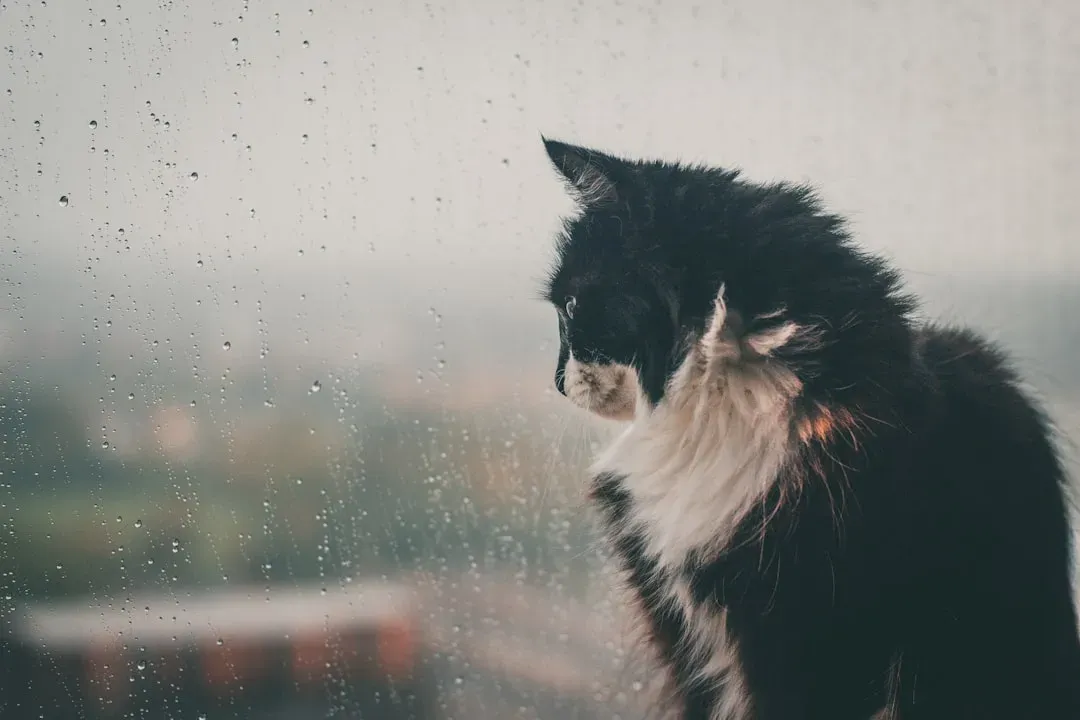
Cats, with their fine fur, can feel the buildup of static electricity that often precedes thunderstorms. Ever wondered why your cat’s fur sometimes seems to stand on end before a storm? You may have noticed your cat’s fur standing on end during a storm, which is due to static electricity in the air.
This sensation isn’t pleasant for them. Both cats and dogs might seek places where the static feeling is minimized, like bathtubs or behind appliances. If you’ve found your cat hiding in the bathtub when no water is running, this might explain the behavior. The porcelain or metal surfaces help reduce that uncomfortable electrical sensation they’re experiencing.
Temperature Shifts Register Through Their Paws
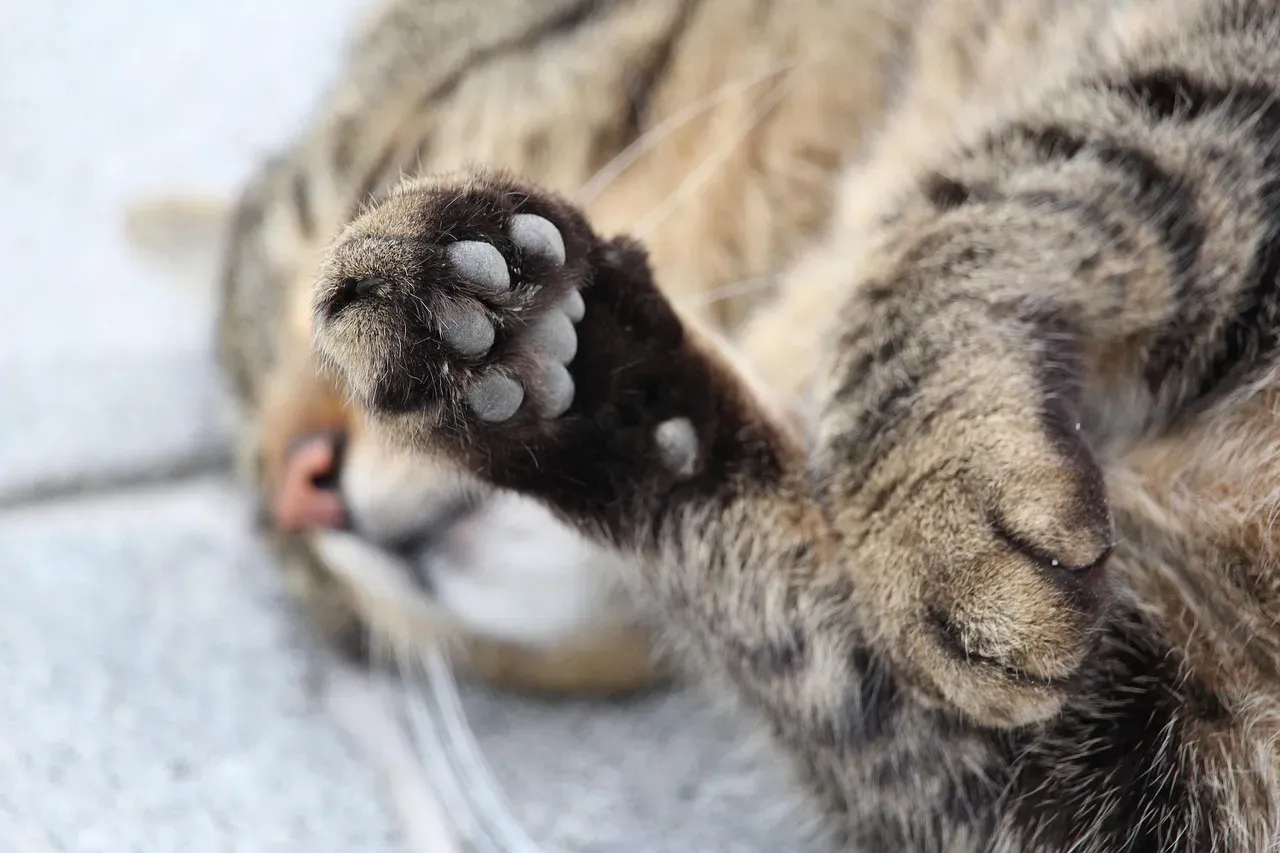
Both cats and dogs can sense even subtle changes in temperature, and their bodies are closer to the ground, making them more sensitive to cool or warm surfaces under their paws. This isn’t just about comfort. It’s about survival instincts kicking in to help them prepare for changing conditions.
A cat’s body is equipped with a keen sense of temperature changes, allowing them to detect warm bodies, such as prey or other animals, even in complete darkness, and cats often use this thermal detection to locate the warmest spots in a room. Honestly, it’s a pretty clever adaptation. When your cat starts seeking out warm spots before you’ve even felt a chill in the air, they’re responding to temperature variations you haven’t consciously registered yet.
An Extraordinary Sense of Smell Detects Chemical Changes
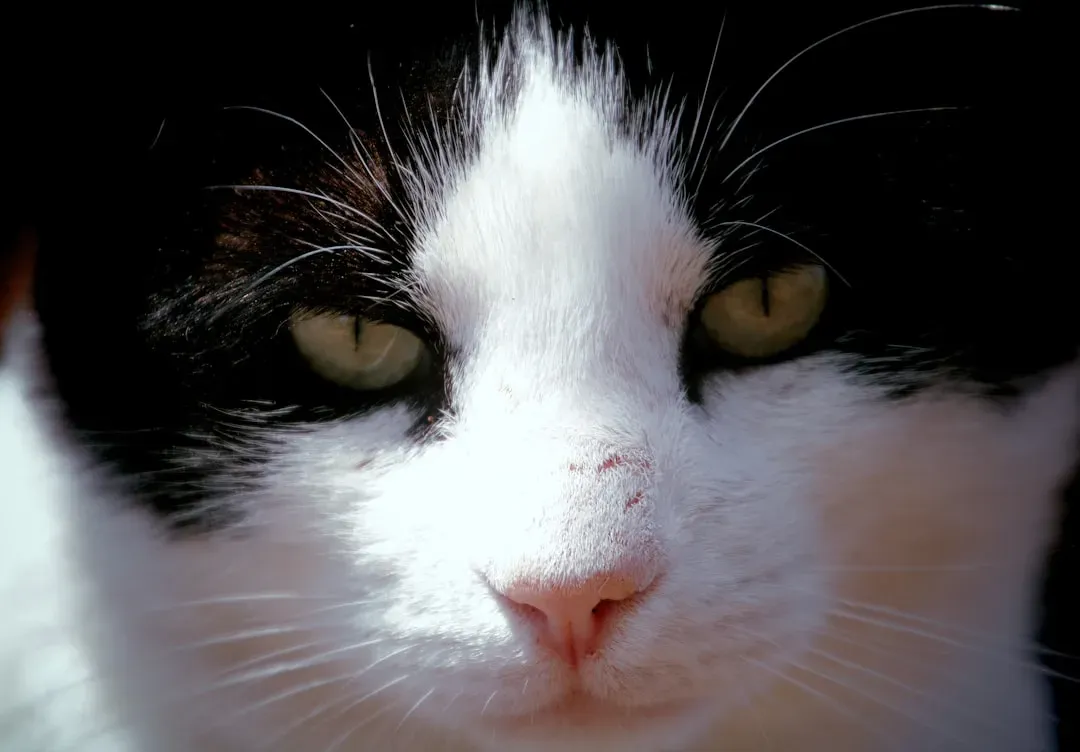
Cats have approximately 200 million scent receptors in their nasal cavity, compared to humans’ 5–6 million, making their sense of smell roughly 14 to 40 times more sensitive than humans’. That’s a massive difference in sensory capability. Their sense is 14 times stronger than that of humans because cats have 200 million odor receptors while people have a mere 5 million.
Cats can detect shifts in human behavior, body language, and even chemical changes associated with stress or anxiety. Their noses pick up on pheromones and hormonal changes that we can’t consciously smell. Some experts believe that cats may be able to detect changes in human pheromones associated with stress, fear, or other negative emotions, and in a household where tension or stress is prevalent, cats might pick up on these subtle chemical signals and alter their behavior accordingly.
Detecting Earthquakes Before They Strike

One fascinating area where feline prediction gets interesting is earthquakes, as numerous accounts describe cats acting strangely before seismic events, sometimes by hours or even days. I know it sounds crazy, but the evidence is compelling even if the science isn’t completely settled. Cats possess remarkable sensory capabilities that could theoretically enable them to detect seismic activity before humans, as their hearing range extends from 45 to 64,000 Hz, far beyond human capacity, allowing them to perceive subtle vibrations and low-frequency sounds that might precede an earthquake.
Cats’ sensitive paw pads contain thousands of nerve endings that can detect minute ground movements, and their whiskers are also finely tuned to detect changes in air pressure and vibrations, potentially alerting them to environmental changes before a seismic event. Cats have an uncanny ability to detect vibrations, and their sensitive paws can pick up the slightest tremors, enabling them to sense approaching animals or even distant seismic activity, which is why some cats have been known to exhibit unusual behavior before earthquakes or other natural disasters.
Reading Human Emotions Through Subtle Environmental Cues
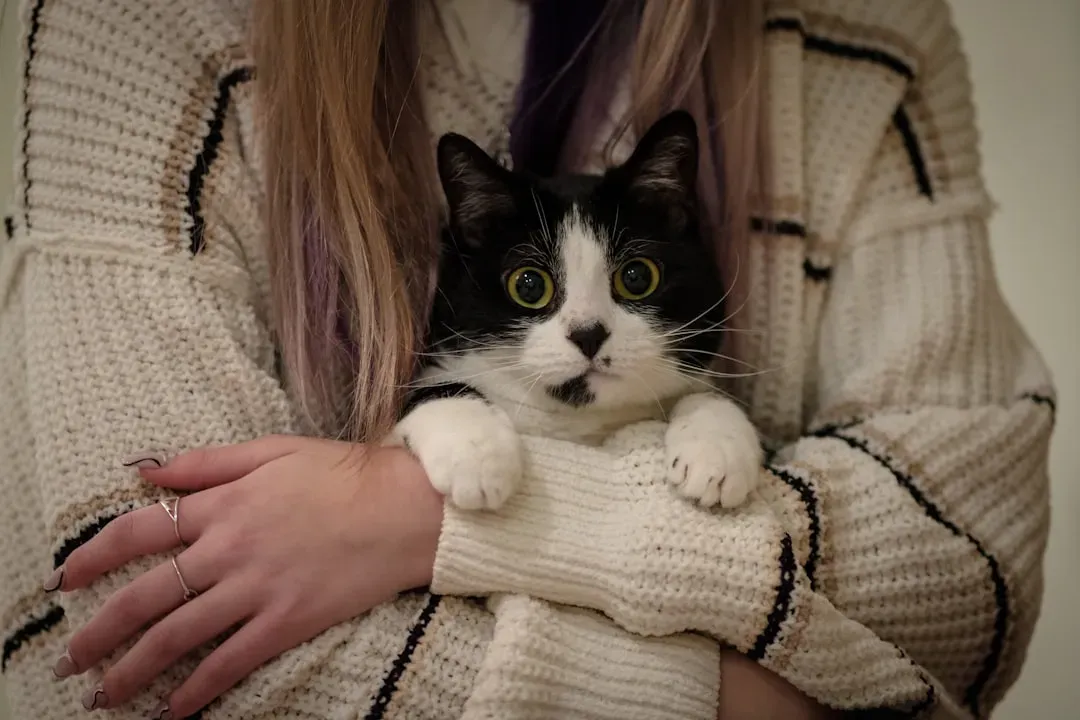
Research has shown that cats can recognize human emotions through facial expressions and vocal tones, and a groundbreaking study published in Animal Cognition demonstrated that cats can distinguish between their owners’ happy and angry expressions. They’re not just staring at you blankly. They’re reading you like a book.
What we perceive as cats sensing “bad energy” is often their response to subtle environmental cues that humans might miss. Cats have an extraordinary ability to sense the emotions of those around them, including humans. When you’re stressed, your cat notices not just your behavior but also changes in your scent, body temperature, and breathing patterns. They’re incredibly attuned to the smallest environmental shifts that signal emotional states.
Magnetic Field Sensitivity May Guide Their Navigation
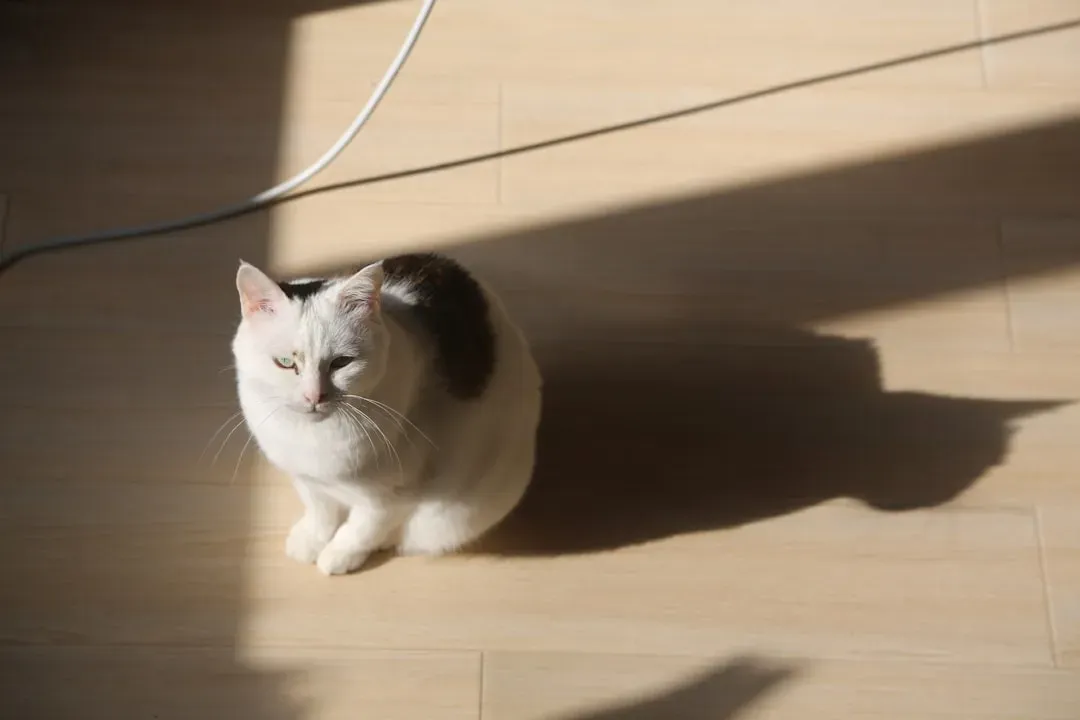
Emerging research suggests that cats may be able to sense magnetic fields, potentially aiding in navigation and spatial awareness, and studies have shown that cats tend to align their bodies along a north-south axis when resting or hunting, which may be related to their ability to detect the Earth’s magnetic field. This isn’t fully proven yet, but it’s pretty fascinating to consider.
Some experts say cats have a sensitivity to the Earth’s magnetic fields that lets them know when trouble is on the horizon, while others speculate that more than a sensitivity to magnetic fields, the ability is a sensitivity in general that allows cats to feel smaller tremors that occur before a larger earthquake that humans aren’t aware of. Either way, cats appear to possess navigational abilities that go beyond what we can fully explain.
A Natural Alertness That Notices Every Detail
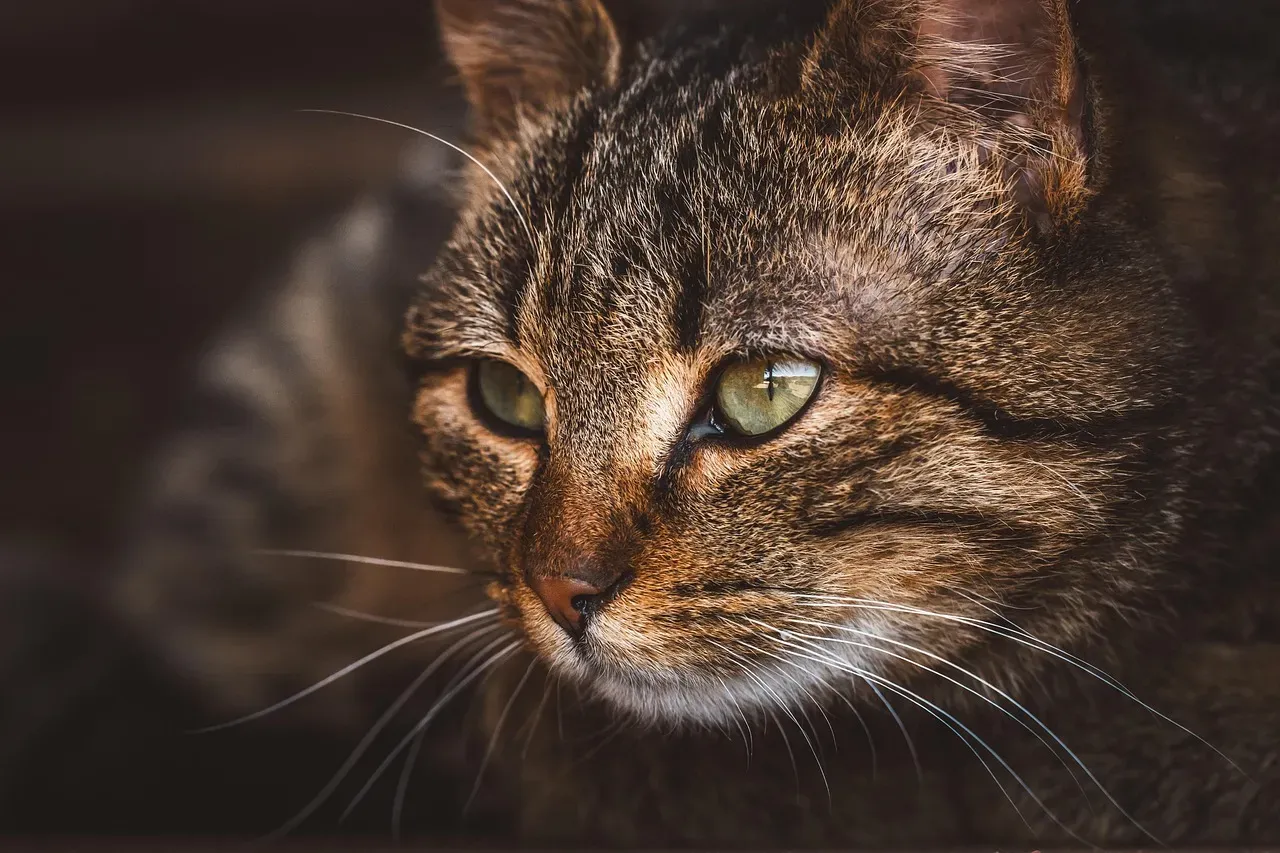
Cats are naturally observant creatures, with an eye for detail that often goes unnoticed by humans, and they are quick to notice even the slightest changes in their environment, such as a new piece of furniture or a different scent, which is a survival mechanism that allows cats to assess their surroundings for potential threats or opportunities. Nothing gets past them. Seriously.
Cats possess a suite of extraordinary sensory abilities far surpassing human capabilities, allowing them to perceive aspects of the world invisible and imperceptible to us, and they inhabit a world richer and more complex than our own, a world teeming with sensory information just beyond our reach. Their brains are wired to constantly scan for changes. Where we might walk into a room and not notice anything different, your cat immediately knows if something has shifted even slightly.
Putting All the Senses Together for Environmental Awareness
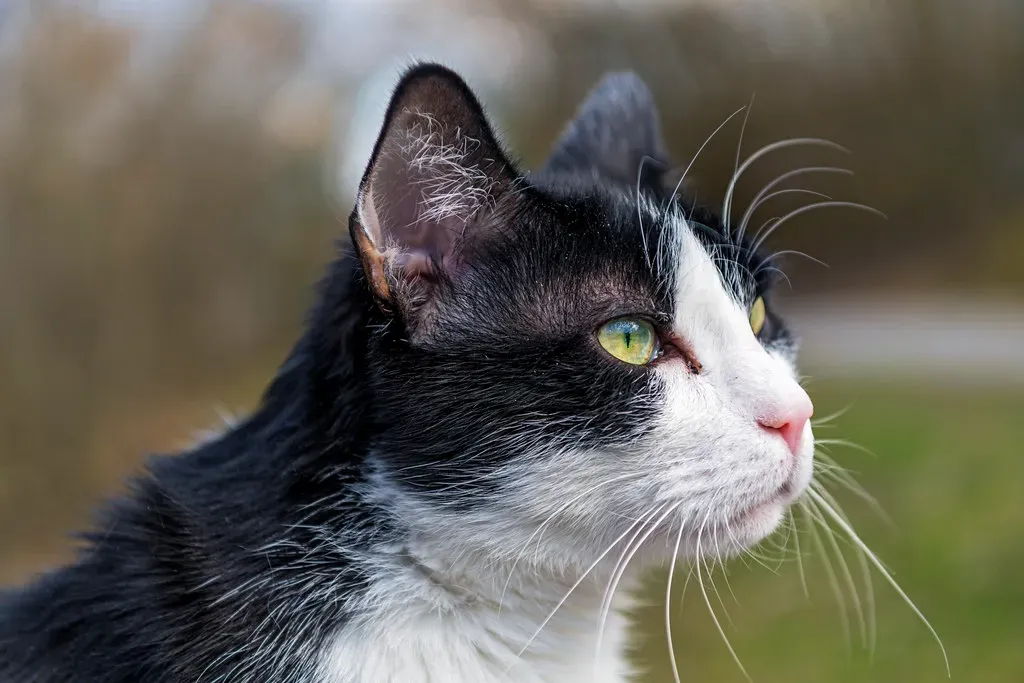
What makes cats truly remarkable isn’t just one super sense – it’s how they integrate all these abilities together. Cats are equipped with an extraordinary suite of sensory tools that make them incredibly attuned to their environment. Their whiskers, hearing, smell, touch, and possibly even magnetic field detection all work simultaneously to create a complete picture of what’s happening around them.
The heightened senses of pets offer them a unique perspective on the world, one that often allows them to anticipate environmental changes long before we do, and observing and understanding their behavior can not only help us better care for them but can also give us insights into the natural world around us. When all these sensory inputs combine, cats become living environmental monitoring systems that would put our technology to shame.
Your cat’s seemingly supernatural isn’t magic at all. It’s biology at its finest. These extraordinary sensory abilities evolved over thousands of years to help cats survive as both predators and prey. The next time your cat starts acting strangely for no apparent reason, pay attention. They might be picking up on something you can’t perceive yet. Whether it’s an approaching storm, a subtle shift in your emotional state, or even geological activity, your feline friend is constantly monitoring the world in ways that remain partially mysterious even to scientists. What do you think your cat has sensed before you noticed it? Have you ever witnessed them reacting to environmental changes you couldn’t detect?