A devoted cat owner endured months of concern as her feline companion suffered from relentless itching and excessive licking. She pointed fingers at the household dog, convinced the two pets clashed in a classic case of interspecies rivalry. The allergy test results flipped the script entirely, exposing an unforeseen trigger right under her nose.[1]
Persistent Scratching Sparks Vet Visits
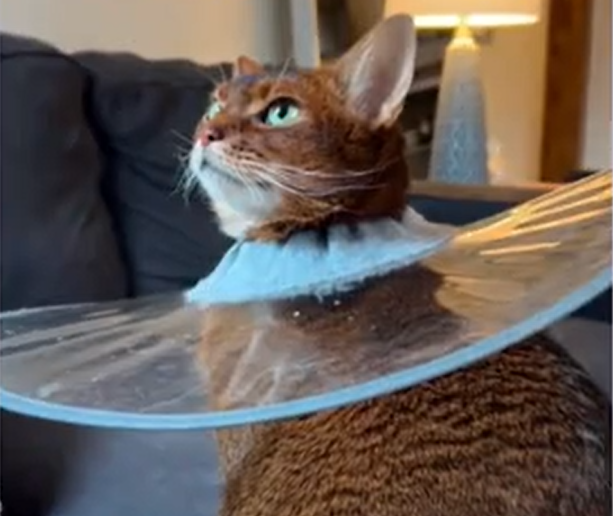
Beau, the afflicted cat, displayed troubling signs for an extended period. His owner noticed the excessive grooming early on, a behavior that escalated over time. Licking turned frantic, hinting at deeper discomfort beneath the fur.
Initial assumptions fell on Mango, the family dog. The owner had shared her home with Beau alone for nearly five years before her fiancé and the dog entered the picture. Coincidence seemed too perfect; the timing aligned with the symptoms’ onset. Multiple vet trips yielded no clear answers until specialists recommended advanced testing.[1]
Inside the Allergy Testing World for Pets
Veterinary dermatology offers intradermal tests similar to those for humans, injecting tiny allergen amounts under the skin. Results appear as reactions graded on a scale from zero – no response – to six, indicating severe sensitivity. Cats react subtly compared to dogs, yet the method proves reliable for pinpointing culprits.
Beau underwent this procedure in March. Owners waited about a month for the comprehensive report. Such delays allow labs to analyze multiple environmental and contact allergens meticulously. The process demands patience but promises targeted relief.[1]
Results Deliver Jaw-Dropping Revelation
The report cleared Mango completely with a zero score for canine dander. Human dander scored a four, signaling strong reactivity. “We were shocked as we thought he was allergic to the dog; we never thought he could be allergic to us,” the owner shared. She theorized Beau tolerated her dander after years together, but her fiancé’s addition overwhelmed him.
This twist prompted laughter amid disbelief. Social media captured her reaction, blending humor with the harsh reality of pet-parent allergies. Videos amassed views as viewers grappled with the irony – a cat intolerant to its humans.[1]
Navigating Life with an Allergy-Sensitive Cat
Armed with clarity, the owner explored management strategies. Reducing human dander exposure tops the list, though challenging in a shared home. Frequent bathing, air purifiers, and hypoallergenic bedding emerge as practical steps for affected pets.
Vets often pair tests with immunotherapy shots tailored to specific allergens. These build tolerance over time, offering long-term solace. Daily routines shift subtly – vacuuming ramps up, laundry cycles shorten – to minimize flakes in the air.
- Regular grooming sessions to remove dander buildup.
- HEPA-filter vacuums for thorough home cleaning.
- Humidifiers to soothe dry skin triggers.
- Specialized diets ruling out food sensitivities.
- Monitoring for secondary infections from scratching.
Broader Insights into Feline Allergies
Cats suffer environmental allergies much like people, reacting to pollen, dust, and molds alongside rarer contacts like human skin cells. Itching manifests as overgrooming, bald patches, or redness. Early intervention prevents chronic issues.
This case underscores assumptions’ pitfalls in multi-pet homes. Dogs and cats coexist peacefully in countless households, yet hidden sensitivities lurk. Owners benefit from professional diagnostics over guesswork.
| Allergen | Beau’s Score (0-6) |
|---|---|
| Human Dander | 4 |
| Canine Dander | 0 |
Key Takeaways
- Allergy tests use a 0-6 scale for precise grading.
- Human dander allergies in cats prove rarer than expected.
- Timely testing transforms vague symptoms into actionable plans.
Beau’s story reminds pet lovers that solutions hide in science, not stereotypes. Families adapt, bonds strengthen, and itches fade. What surprises have you encountered with your pets? Share in the comments.