You walk into the room after a long day, maybe slightly irritable, moving a little faster than usual, voice carrying that edge you didn’t intend. Your cat doesn’t say a word. It just watches. Blinks slowly. Then quietly relocates to the other end of the sofa. Coincidence? Absolutely not.
For centuries, people dismissed cats as mysterious, indifferent creatures who merely tolerated human company on their own terms. Science is now dismantling that narrative piece by piece. Your cat is not lounging around in blissful ignorance. It is observing your every move, registering your emotional state, and making calculated judgments about you constantly. Let’s dive in.
Your Cat Is Reading Your Face Right Now
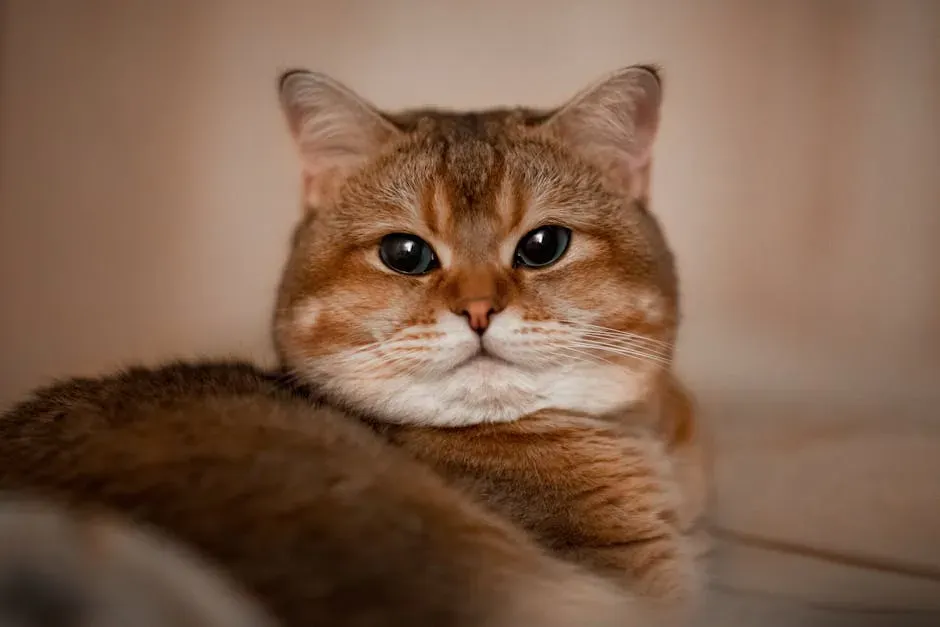
Most people assume that cats are emotionally unaware, reacting only to the sound of a treat bag or the rattle of a food bowl. But here’s the thing – your cat is watching your face far more attentively than you ever imagined. Research by Oakland University scientists Jennifer Vonk and Moriah Galvan found that cats are more receptive to human emotions than previously thought, with their study of 12 cats and their owners showing that felines behave differently based on whether their owners are smiling or frowning.
Researchers observed that cats exhibited more frequent “positive” behaviors, including purring, rubbing, and spending more time with their owner, when the owner was smiling. Frowns seemed to produce the opposite effect. Think about that. You might feel like your face is a private world, but your cat has essentially become an expert in reading your personal emotional billboard.
They Can Literally Smell Your Fear (and Your Happiness)
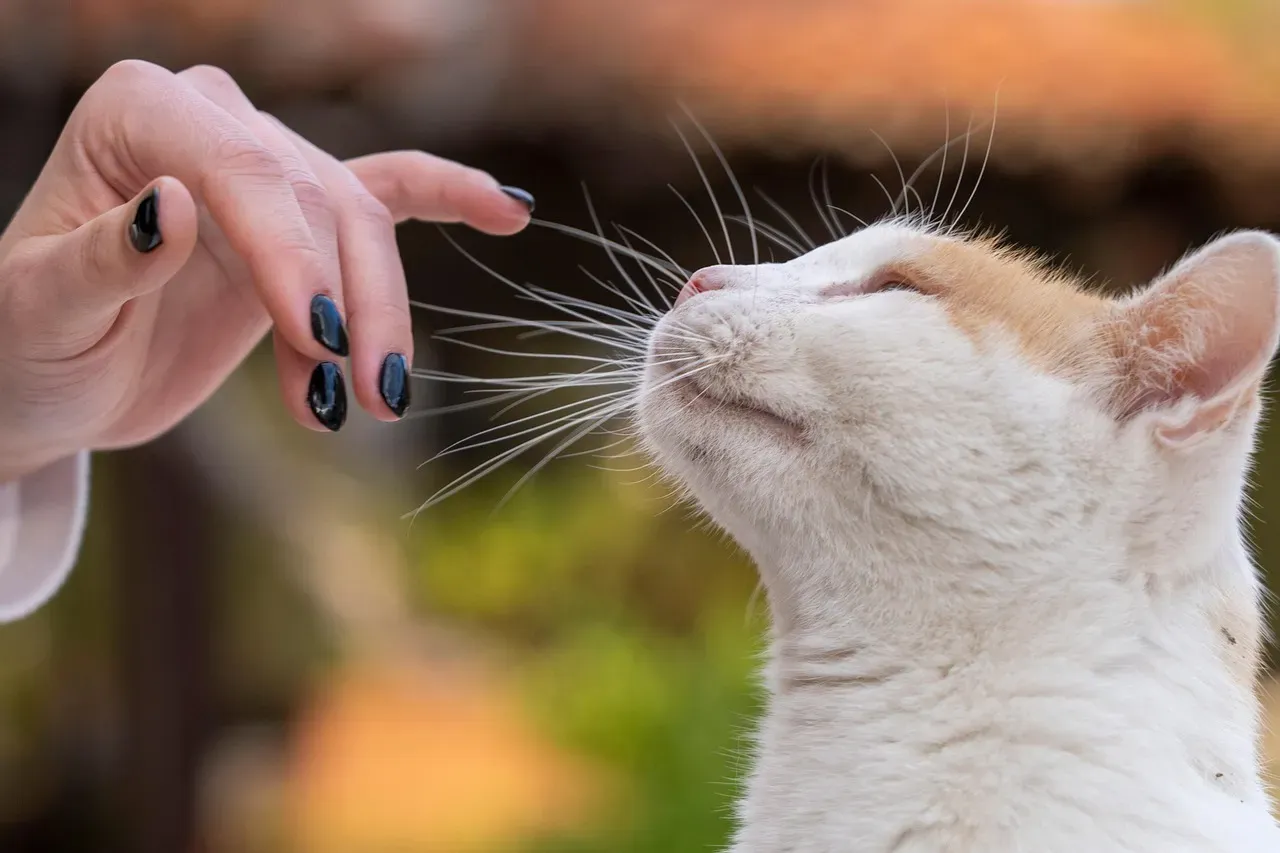
I know it sounds almost cinematic, but your cat’s nose is doing an extraordinary amount of emotional surveillance. Odor plays a central role in the social behavior of domestic cats. Researchers from the University of Bari Aldo Moro in Italy explored this by examining how cats react to human odors associated with different emotional states, using odor samples from men exposed to fear, happiness, physical stress, and neutral conditions.
The study revealed that cats’ behaviors changed significantly based on the emotional odors presented, particularly fear-related scents. When exposed to the “fear” odor, cats exhibited more severe stress-related behaviors compared to when they were exposed to “physical stress” and “neutral” odors. So when you’re anxious about a work presentation or spooked by a nightmare, your cat isn’t just sensing the atmosphere – it’s chemically detecting your emotional state in real time.
The Tone of Your Voice Is Under Constant Scrutiny
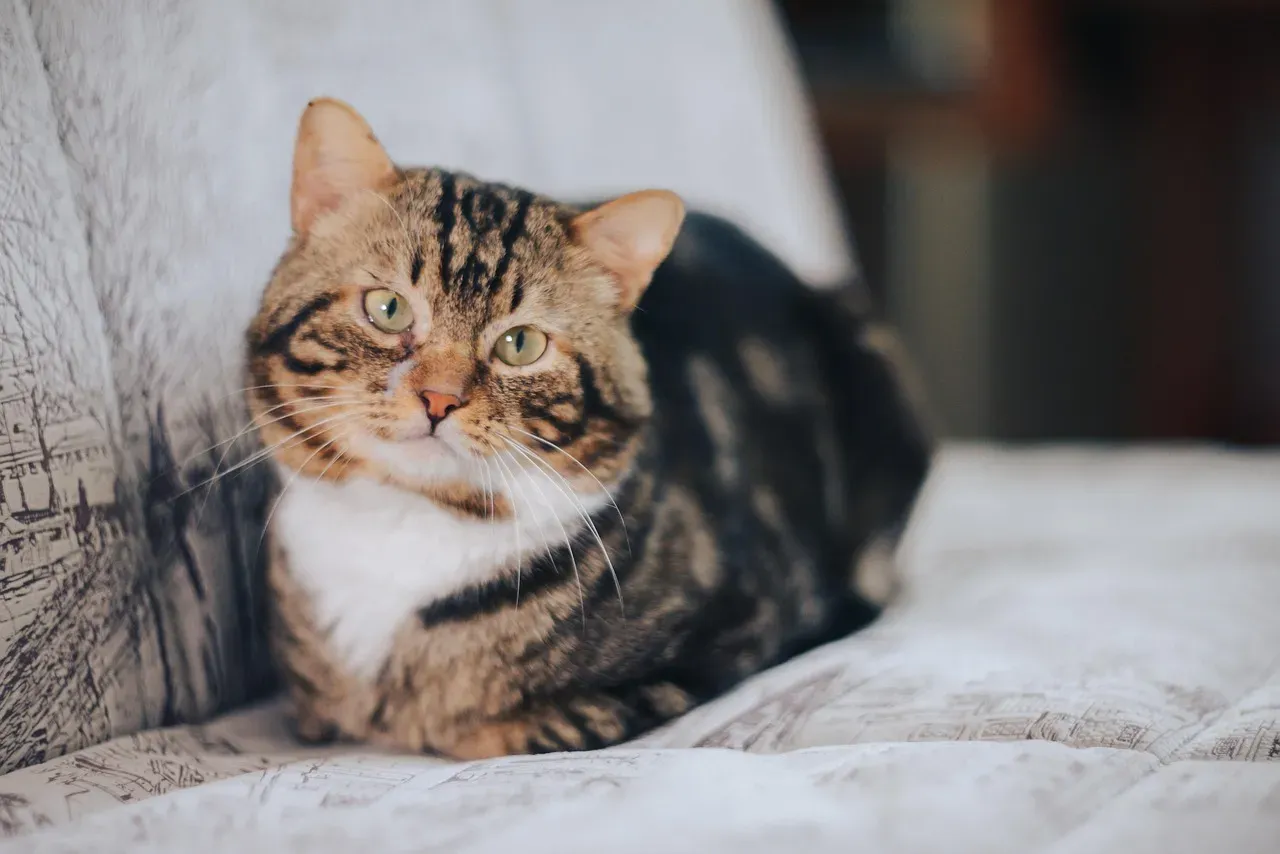
You might think your cat ignores you when you’re talking, but researchers have found the opposite is true in a surprisingly nuanced way. A study found that cats may change their behavior when they hear their owner’s voice talking in a tone directed to them, the cats, but not when hearing the voice of a stranger or their owner’s voice directed at another person. Your cat is not just hearing your words – it’s decoding who you’re talking to and how.
While cats might learn to recognize words such as “dinner,” “good boy,” or “no,” the words you use are not actually as important as the way you speak. If you say “no” in the same tone as “good boy,” your cat won’t understand. You need to make sure your tone matches the word and keep it consistent. Honestly, that’s stricter than most workplace feedback models.
Your Cat Has Developed a Sophisticated Facial Signal System to Respond to You
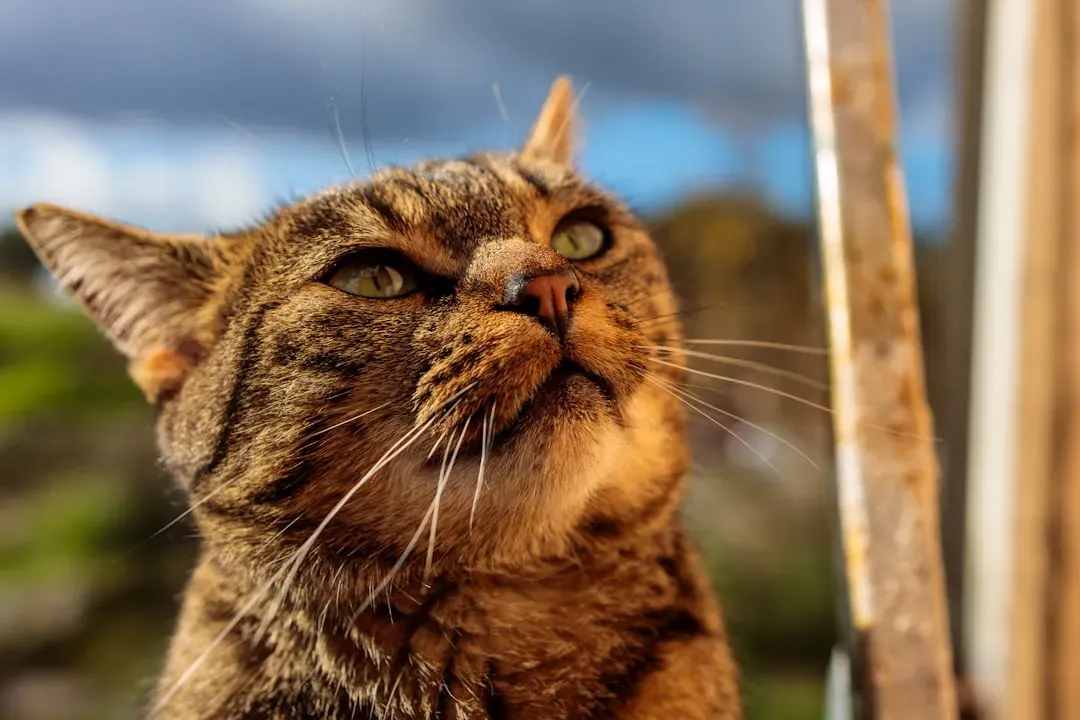
In a previous study, researchers discovered that cats produce a wide variety of facial signals, with a repertoire size comparable to that of chimpanzees. Domesticated cats are capable of creating dozens of distinct facial muscle movements, which they combine to form hundreds of unique facial signals for communication. This isn’t random twitching. It’s intentional, nuanced expression.
These signals play a vital role in managing various affiliative and non-affiliative social interactions, both with humans and other cats. In practice, this means when your cat slow-blinks at you, flattens its ears, or holds eye contact, it’s not random animal behavior – it’s a deliberate, sophisticated response to what you just did. Your cat, in a very real sense, has an entire vocabulary it uses to react to you.
Punishment Makes Your Cat Distrust You, Not Behave Better
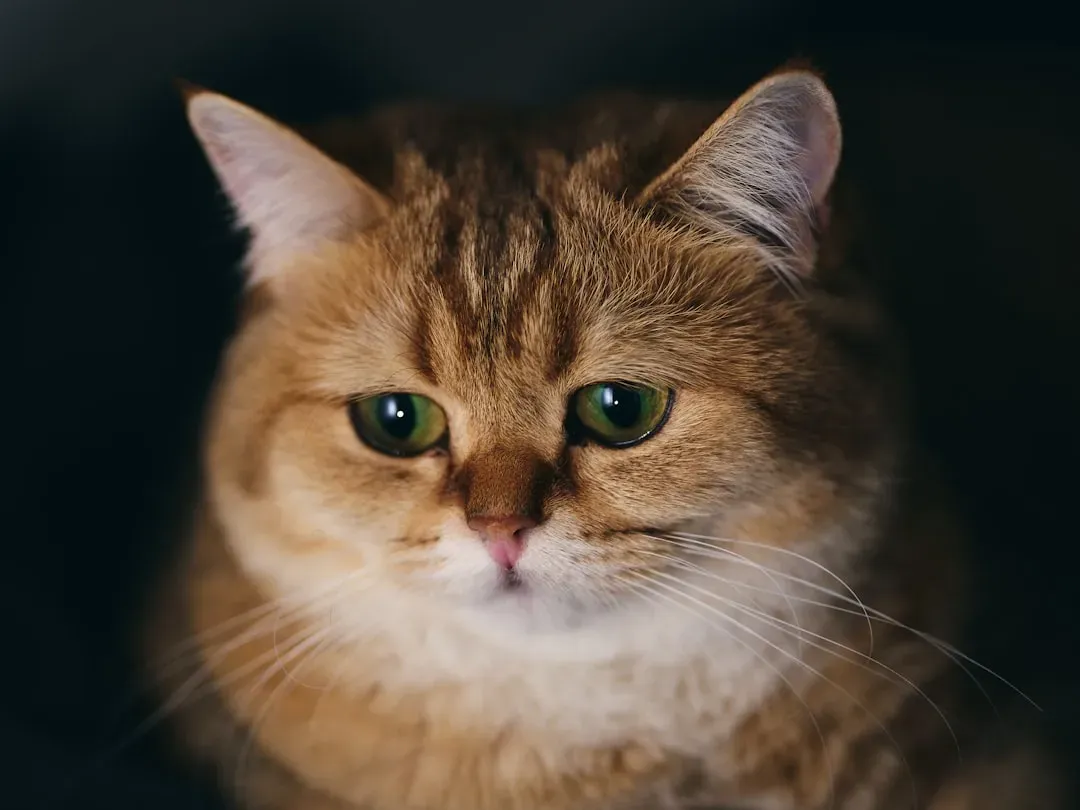
Let’s be real: many people respond to bad cat behavior with a raised voice, a spray bottle, or a sharp clap. Here’s what your cat actually learns from that. Punishment can be deleterious, leading to fear and possible fear aggression, stress and stress-associated health and behavior problems, inhibition of learning the desired new behavior, and breakdown of the human-animal bond.
Cats can feel a change in their owner’s tone of voice and demeanor but rarely associate your discipline with the unwanted behavior. So if you yell at your cat for knocking something off the counter three minutes after the fact, all it registers is that you suddenly became alarming and unpredictable. Yelling, physical punishment, or overly aggressive corrections may stop behavior temporarily, but at the cost of your cat’s emotional well-being. Fear-based discipline erodes trust and makes future training much more difficult.
Your Cat Is Securely Bonded to You in a Way That Mirrors Human Infants
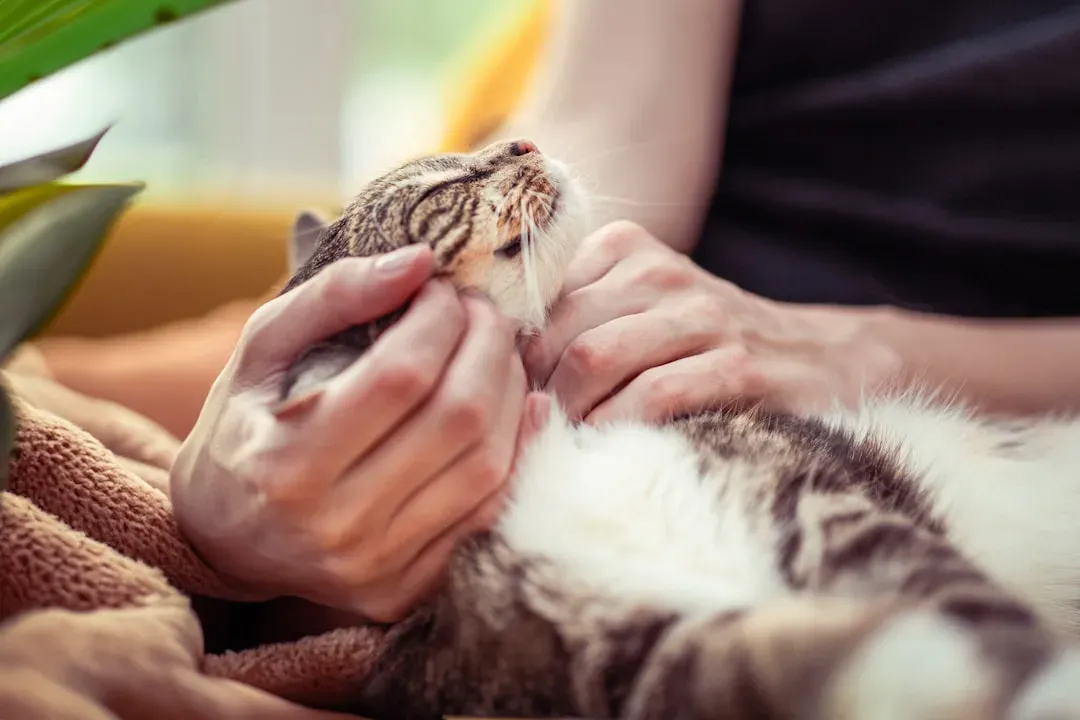
Still think your cat sees you as just a food dispenser with legs? The science says something far more profound. Findings published in the journal Current Biology show that, much like children and dogs, pet cats form secure and insecure bonds with their human caretakers. The depth of this attachment is genuinely striking.
The results show that cats bond in a way that’s surprisingly similar to infants. In humans, roughly two thirds of infants are securely attached to their caregiver, and researchers classified about the same proportion of both cats and kittens as securely bonded to their people. Once an attachment style has been established between the cat and its caregiver, it appears to remain relatively stable over time, even after a training and socialization intervention. You’ve essentially built an emotional relationship with your cat that neither of you can easily undo.
Your Cat Remembers How You Treated It, and Adjusts Accordingly
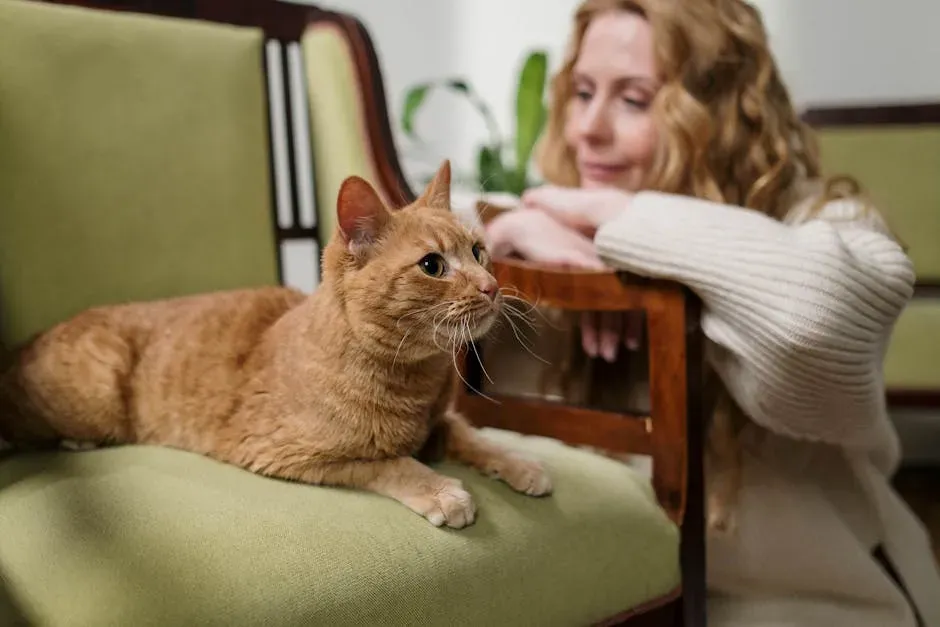
Cats are commonly labeled as having short memories, but that’s a vast oversimplification when it comes to the people in their lives. Scientists believe cats use associative memory, meaning they remember people based on specific interactions, smells, or sounds. So if you were the one who always fed or played with them, your scent or voice might trigger an old, comforting memory.
Cats learn that doing certain things makes you angry and they store that information in their memories. Cats know when you’re upset because your attitude, facial expressions, and tone of voice become unpleasant. This works in both directions. Be consistently gentle and predictable with your cat, and it builds a mental file of you as a safe, trustworthy presence. Be erratic or harsh, and your cat files you under “unreliable” – and that judgment sticks.
How You Interact Daily Is Actively Shaping Your Cat’s Personality and Health

Every small interaction you have with your cat is casting a vote in the ongoing referendum of your relationship. Owners who had a more accurate understanding of cat behavior reported fewer behavioral problems, had an increased tolerance for undesirable behaviors, and were less likely to use positive punishment. In other words, how you perceive your cat directly shapes how your cat behaves toward you.
Research shows cats adjust their body language and vocalizations when interacting with humans, using more eye contact and meows than they do with other cats. Your cat has literally modified its communication style to speak to you specifically. The human’s attentional availability significantly affects the expression of human-directed signals in cats, which spend a longer time in proximity with attentive humans and direct more intentional behaviors toward attentive humans in order to access resources. Simply put: when you pay attention to your cat, it works harder to communicate with you. When you ignore it, it notices that too.
Conclusion: You Are Always Being Evaluated
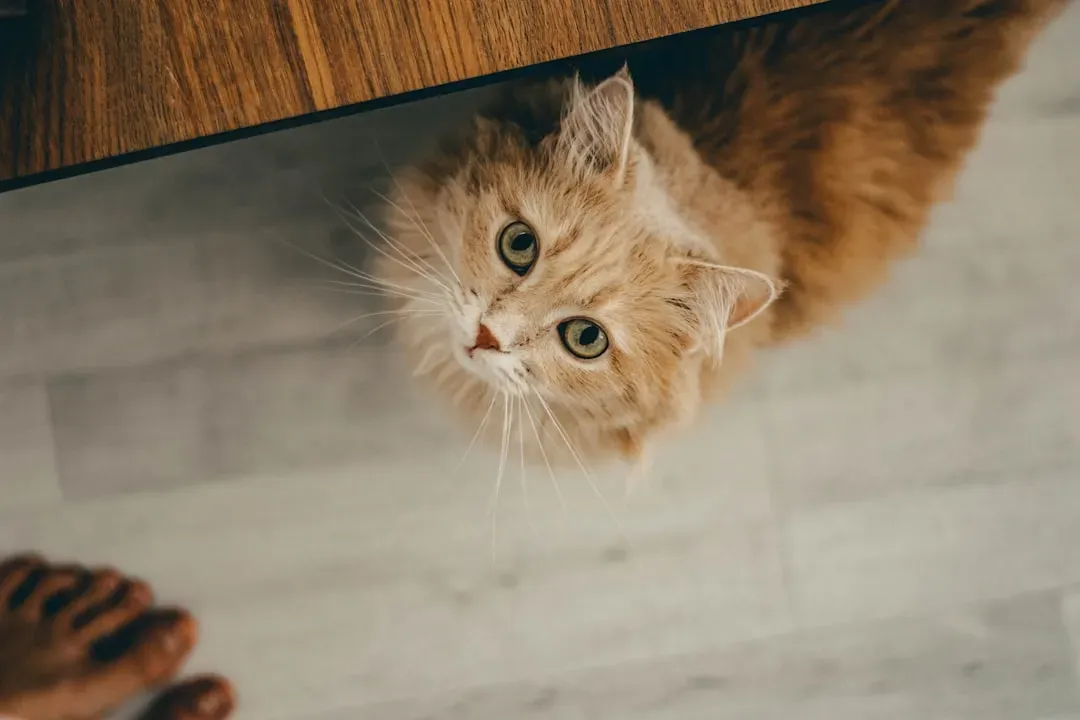
The idea that cats are independent little creatures who couldn’t care less about what you do is one of the most enduring myths in pet ownership. The evidence paints a completely different picture. Your cat reads your face, smells your emotions, dissects your vocal tone, and stores a running memory of how reliably and kindly you treat it.
The relationship you share with your cat isn’t a one-way arrangement where you provide food and it provides entertainment. It is a genuinely dynamic, emotionally reciprocal bond built on the back of thousands of daily micro-moments. Every time you approach your cat calmly, every slow blink you offer, every gentle interaction you initiate – it all matters and is all being registered.
So the next time your cat stares at you from across the room with that unreadable expression, consider that it might not be a mystery at all. It might simply be drawing a conclusion about what kind of person you are today. What would it decide about you?