There is something deeply unsettling – in the most wonderful way – about the feeling that your cat is watching you just a little too carefully. You haven’t said a word. You haven’t cried yet. You may not even fully realize you’re upset. Yet there your cat is, suddenly glued to your side, staring at you with that unreadable, ancient gaze. Coincidence? Science increasingly says no.
Cats have earned an unfair reputation as cold, indifferent creatures who tolerate our presence only when food is involved. The truth is far more fascinating, and honestly, a little humbling. These animals may be quietly reading your inner world before you’ve even had the chance to process it yourself. Let’s dive in.
The Myth of the Indifferent Cat – and Why It’s Wrong
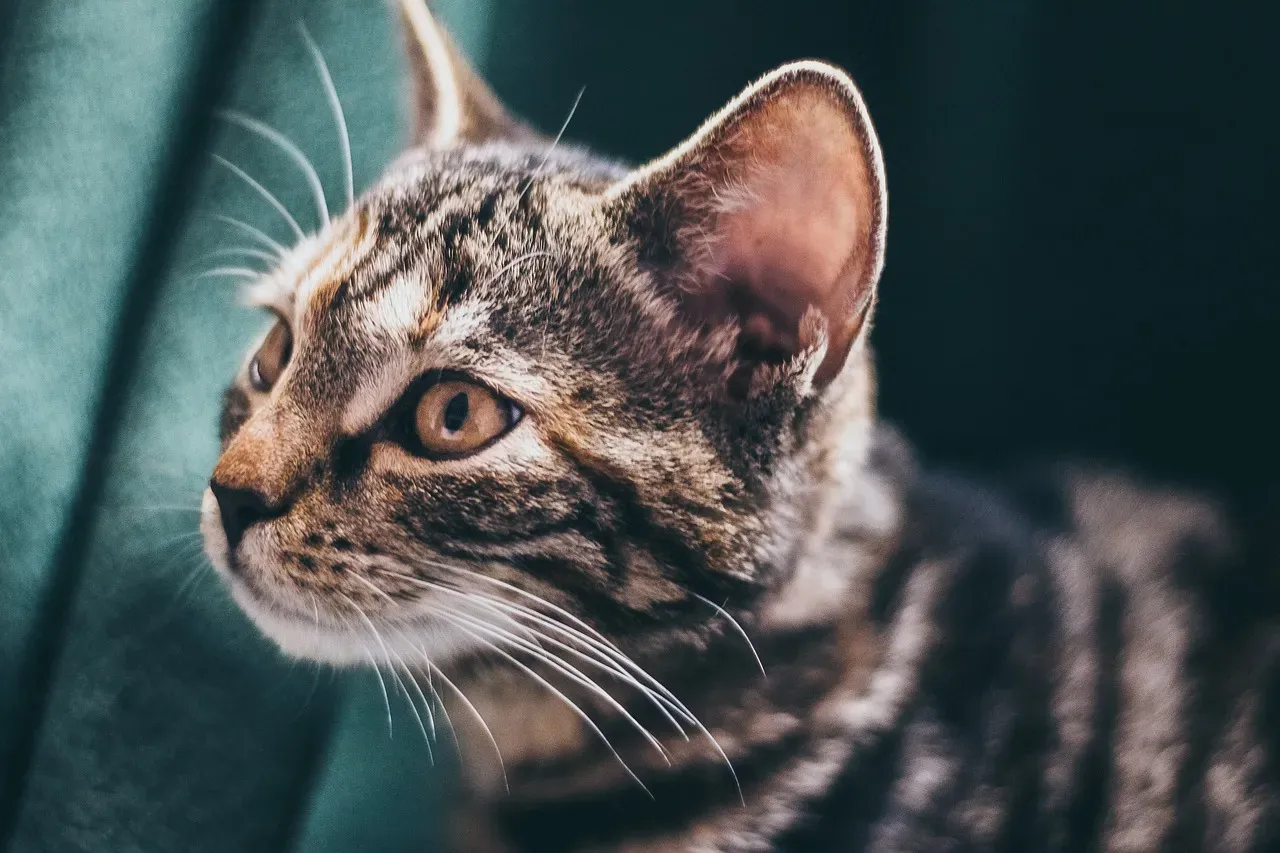
For centuries, people have leaned into the narrative that cats simply don’t care. They slink around on their own schedule, ignore your calls, and knock things off shelves with dead-eyed precision. But here’s the thing: these findings challenge the stereotype of cats as indifferent to human emotions – while they may not express their attachment in the same overt ways as dogs, cats are clearly tuned into the emotional states of their humans.
The findings demonstrate that as cats became domesticated, they have developed cognitive and social skills in understanding humans’ emotions to be able to behave accordingly in response to their human’s cues in communication and expressing emotions. That’s not a pet sitting in the corner ignoring you. That’s a perceptive, socially evolved animal running a quiet emotional analysis of your every move.
Your Cat Is Literally Reading Your Face
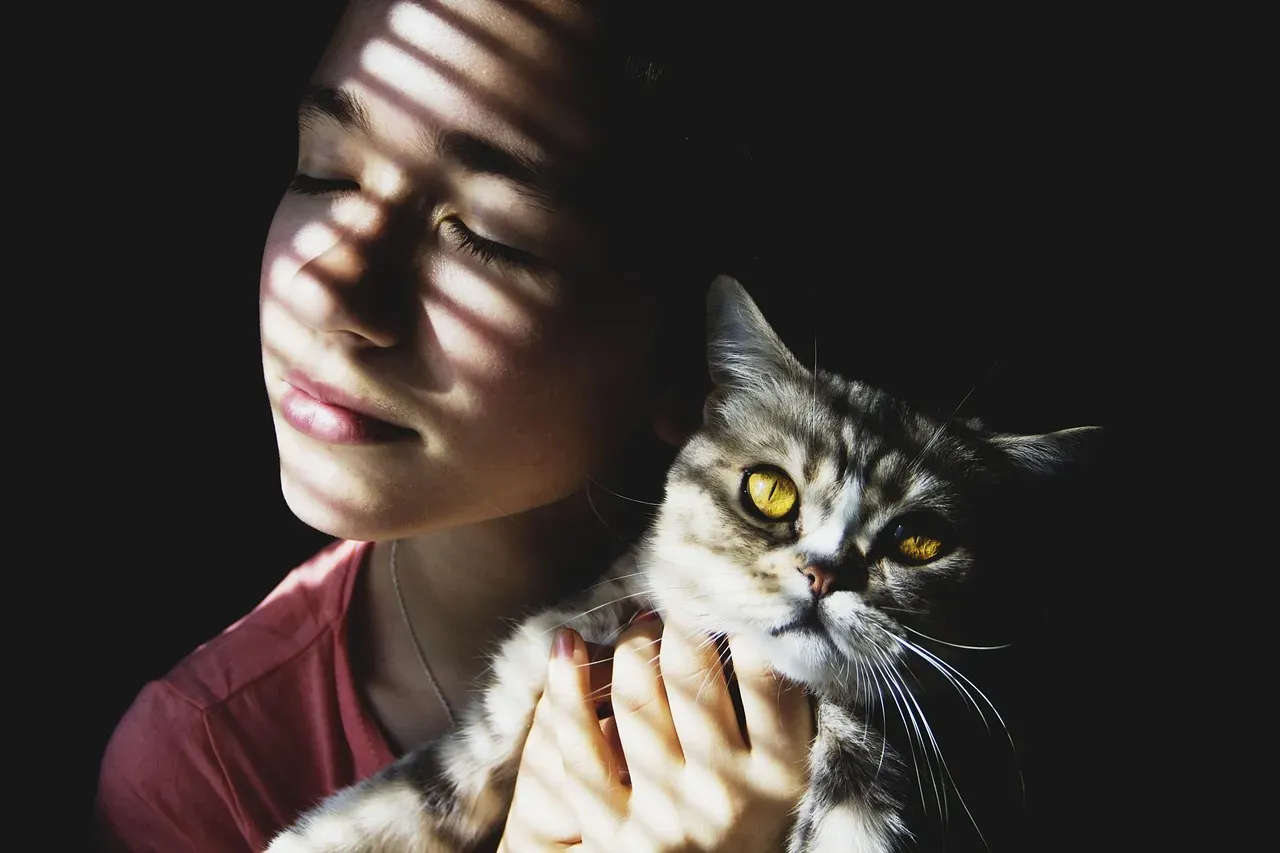
You might think your poker face is solid. Your cat disagrees. Research shows that cats can actually produce 276 different facial signals. That’s not just about what they communicate – it also speaks to how finely tuned they are to the language of faces, including yours.
A study by Oakland University researchers Jennifer Vonk and Moriah Galvan suggests that cats are more receptive to human emotions than previously surmised – their study involved 12 cats and their owners and showed that felines behave differently based on whether their owners are smiling or frowning. All of this suggests that cats can learn how to read owner-specific facial expressions over time. Think about that. Your cat has essentially memorized what your happiness looks like versus your stress. That is remarkable.
Smell Is Their Secret Weapon
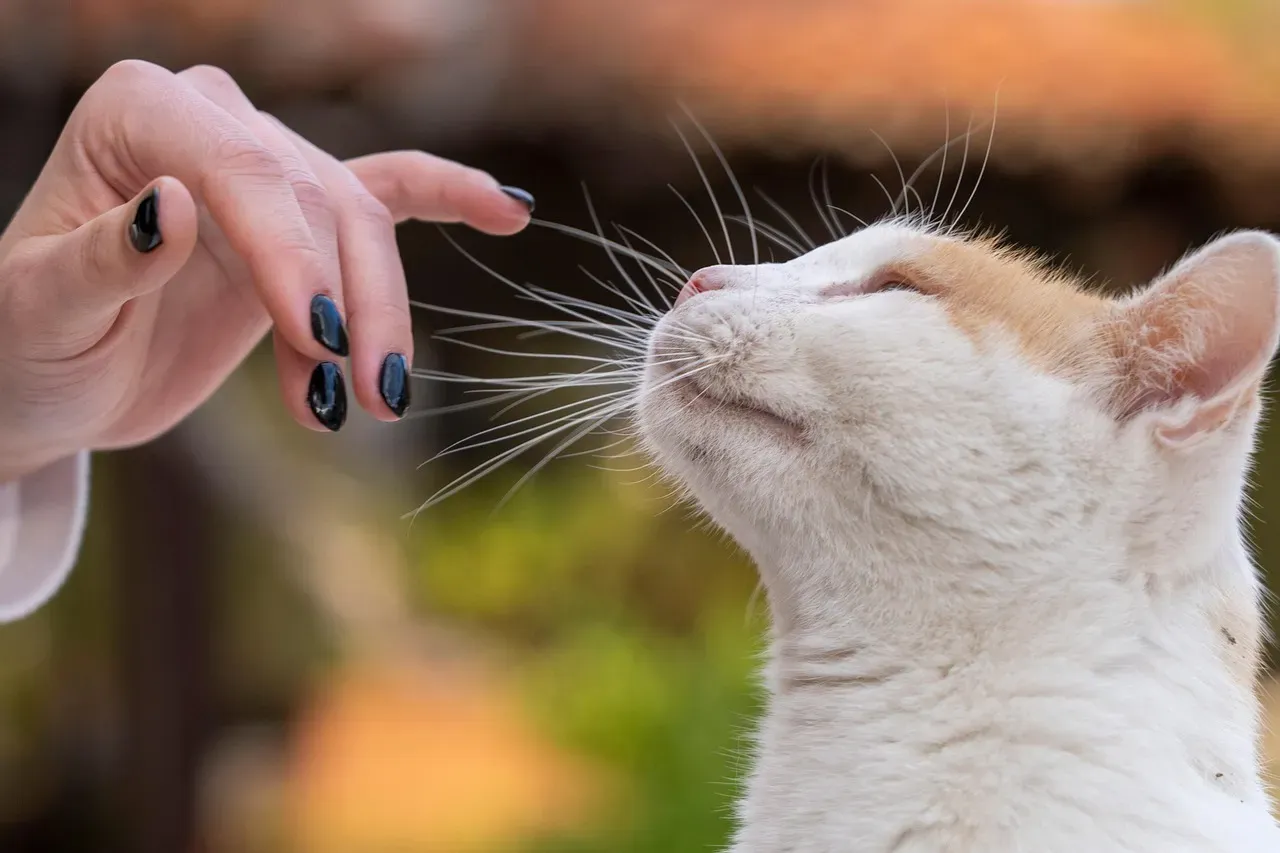
Humans communicate largely through words and expressions. Cats, meanwhile, are operating on a completely different sensory level – one that goes far deeper than anything visible to the naked eye. Cats possess an extraordinarily sharp sense of smell – their olfactory prowess, with a staggering 50 to 80 million scent receptors compared to our mere 5 million, allows them to sense chemical changes in your body, and they can detect fluctuations in hormones and metabolic byproducts that occur when you’re unwell.
A recent study shows cats can detect human emotions through scent – especially fear – suggesting our cat friends might understand us more than we realize. Researchers found that cats used both nostrils equally often but relied on their right nostril more when displaying severe stress behaviors while smelling “fear” and “physical stress” odors – since the right nostril connects to the right hemisphere of the brain, responsible for processing arousal and intense emotions like anger and fear, this suggests that these odors trigger a higher emotional response in cats. I know it sounds crazy, but your cat may be smelling your anxiety before you’ve even acknowledged it.
They Hear What You’re Really Saying
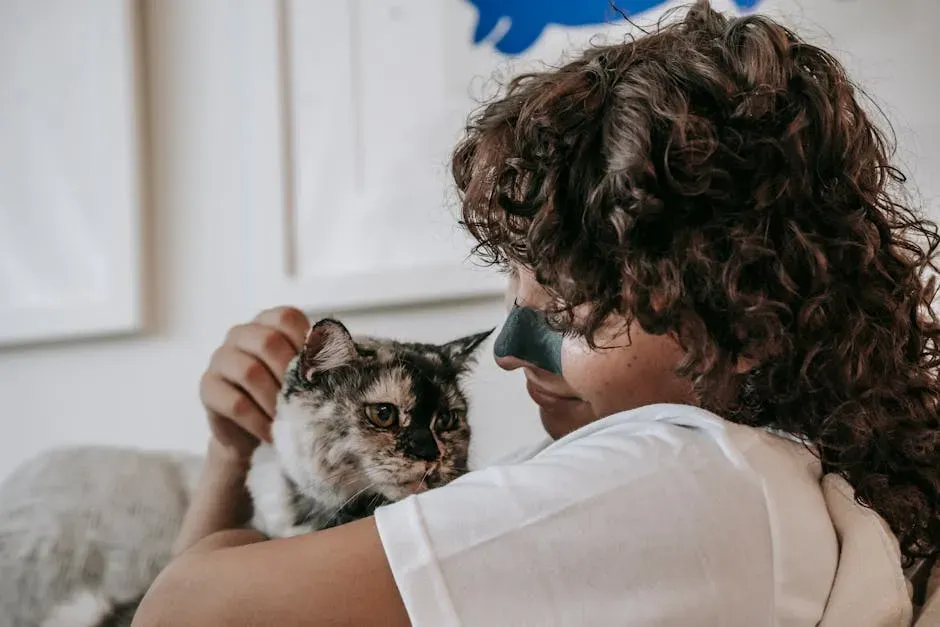
Your tone of voice gives away far more than your words do – and cats know this with an almost unsettling precision. It’s not just what you say but how you say it. Cats are sensitive to tonal changes in your voice, noticing when you’re cheerful or when you’re upset – gentle tones might comfort them, but louder, sharp tones can make them dart for a hiding spot.
The results of emotion recognition research demonstrate that cats integrate visual and auditory signals to recognize human and conspecific emotions, and they appear to modulate their behavior according to the valence of the emotion perceived. Imagine a living lie detector that runs silently in the background of your life, cross-referencing your words with your tone, your posture, and your scent. That is essentially what sharing your home with a cat means.
Social Referencing: Your Cat Looks to You for Emotional Cues
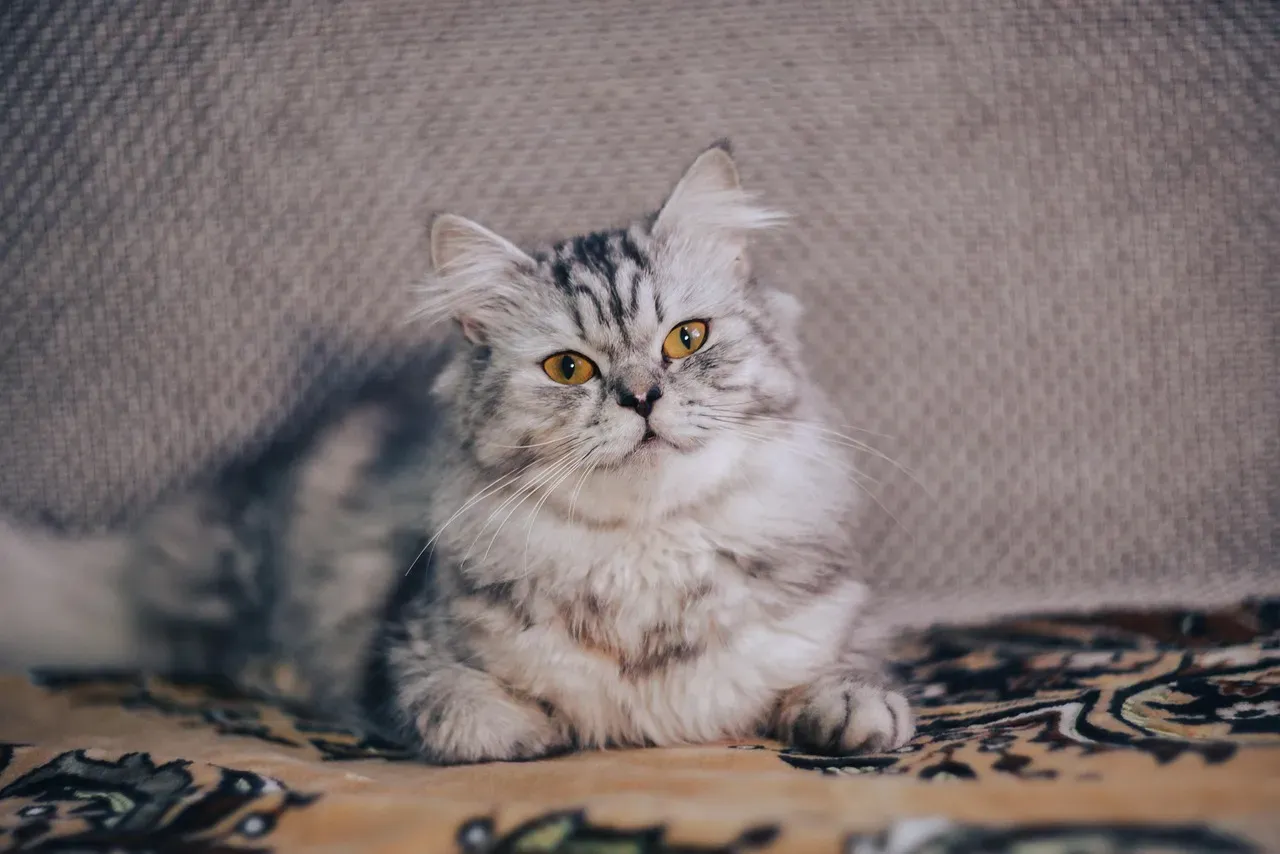
Here is a behavior that genuinely blew researchers away. When cats encounter something unfamiliar or potentially threatening, they don’t just react on instinct alone. They look at you first. Most cats – nearly four out of five – exhibited referential looking between the owner and the object, and also to some extent changed their behavior in line with the emotional message given by the owner.
It has been found that cats might base certain behaviors and reactions on their owners’ cues, in a form of social referencing – cats spend more time with owners when shown positive cues but look for an exit when owners respond in a fearful way to a new object. Think of a toddler glancing at a parent before deciding whether to approach a barking dog. Your cat is doing the exact same thing with you. The relationship is more parent-child than most people realize.
They Know When You’re Sad – Even Before You Do
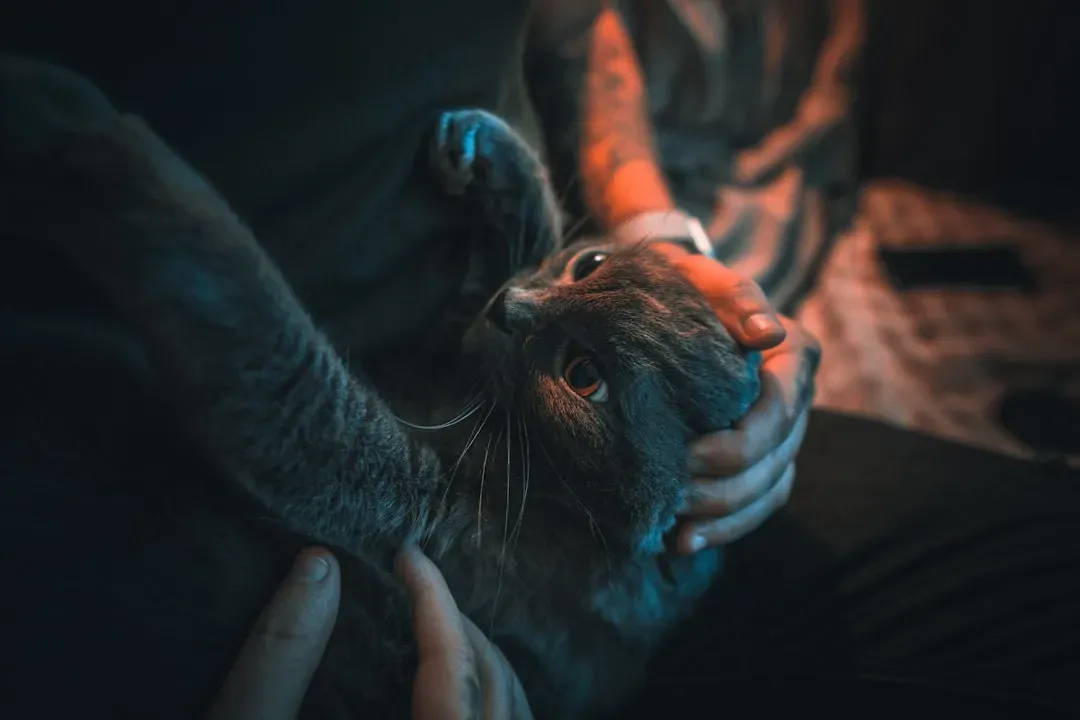
Most cat owners have experienced it. The worst day of the year, and suddenly the cat who normally ignores you is sitting right on your chest with a low, steady purr. It isn’t random. Cats are intuitive and can understand the moods and emotions of their humans – more specifically, they engage with their humans more often when they are sad or depressed, and they approach them more frequently when their humans are anxious or agitated.
Cats are sensitive to changes in physiological parameters, such as heart rate, breathing cues and blood pressure, which can all be symptoms of depression, stress, and anxiety – they are also highly attuned to your schedules, with even small alterations to your daily routine noted by these clever furry friends. Honestly, your cat may register the first whispers of your emotional storm before you’ve even identified a feeling. That is not a small thing.
They Can Detect Physical Illness – Sometimes Before Symptoms Show
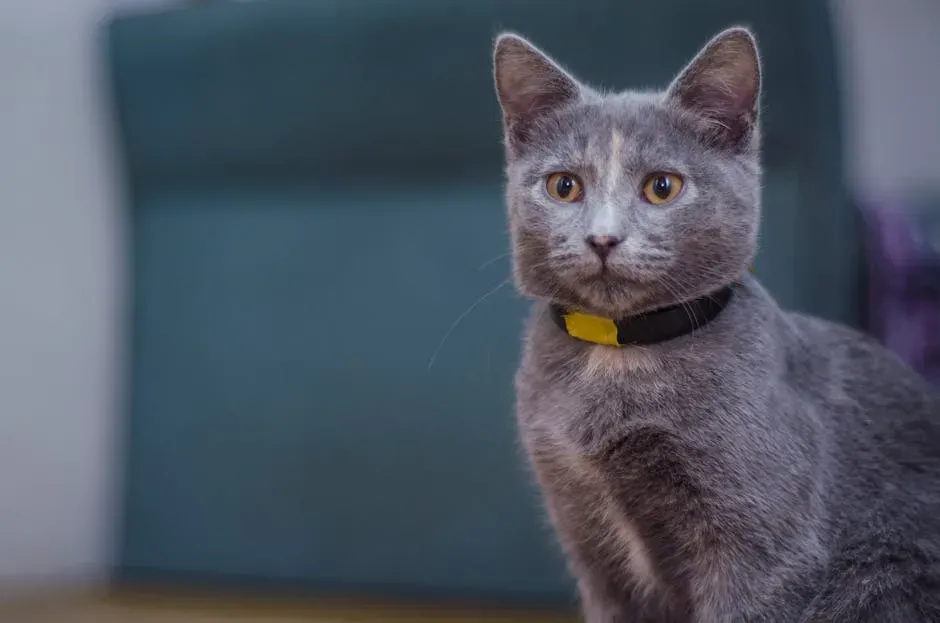
The emotional intelligence of cats doesn’t stop at moods. There is compelling and growing evidence that cats can sense genuine physical illness in their owners. Illnesses often alter the chemical composition of a person’s body odor – cats can detect these changes, which may include volatile organic compounds that signal the presence of disease, and research has shown that cats can identify specific illnesses through these chemical markers, although the exact mechanisms remain a topic of ongoing study.
Cats have been observed reacting to their diabetic owners’ low blood sugar episodes – they seem to sense changes in scent and behavior, alerting owners to potential danger. There is evidence, both scientific and anecdotal, that cats can predict epileptic seizures – some hypotheses suggest that cats detect seizures through smell or by noticing subtle behavior changes before an episode, and unlike trained alert animals, cats often sense these changes informally, relying on their innate abilities. It’s hard to say for sure how widespread this talent is, but the sheer number of documented accounts is impossible to ignore.
The Two-Way Emotional Street: You Affect Each Other
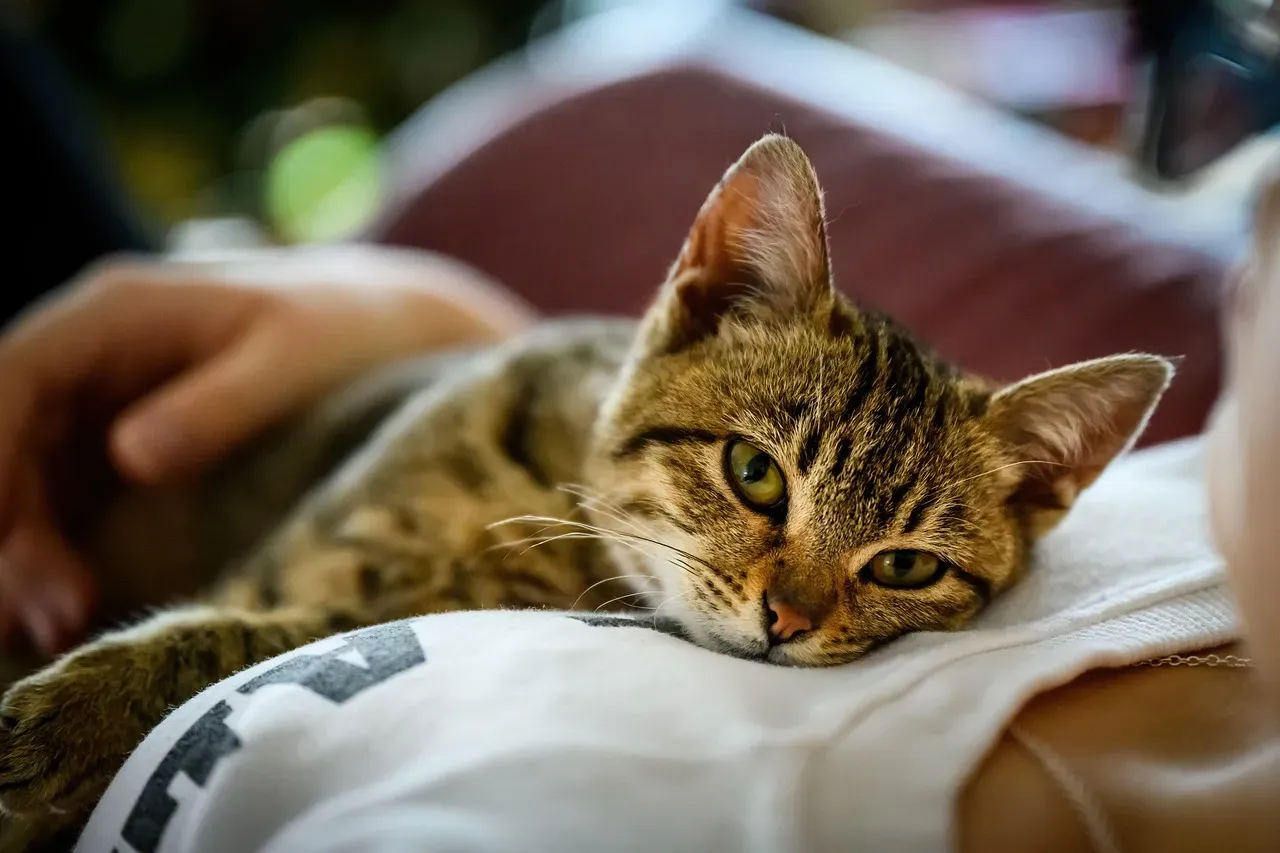
This is the part of the relationship that rarely gets enough attention. It isn’t just your cat reading you. You are reading each other. Another study showed the bidirectional relationship humans have with their cats – interacting with them can shift both the human’s and the cat’s cortisol levels, meaning that when you’re stressed, your cats can reduce your cortisol levels, and vice versa.
Cats often mirror their owner’s mood, so if you’re stressed, it’s likely your cat will feel stressed too. Emotional contagion refers to the process of mimicking or “catching” the emotions of another individual, often without conscious awareness – it can occur through nonverbal cues such as facial expressions and body language, as well as through verbal communication and tone of voice, and this can lead to the emotional state of a pair or group of individuals becoming synchronized. You and your cat are, in a very real and measurable sense, emotionally synchronized. That is an extraordinary thing to sit with.
Domestication Built This Emotional Intelligence Over Thousands of Years

Let’s be real – none of this happened by accident. The emotional sensitivity cats show toward humans is the product of a long and fascinating evolutionary process. It is possible that during domestication, cats developed socio-cognitive abilities for understanding human emotions in order to respond appropriately to their communicative signals. In other words, the cats who “got” humans were the ones who thrived – and that trait was passed down through generations.
Results from research, together with those of previous studies on dogs and horses, indicate that domestic animals’ ability to perceive human emotions could be a phylogenetic product of sharing the same living environment with humans. From an evolutionary perspective, detecting health changes in social groups offers survival advantages – domestication has likely enhanced cats’ human-directed sensitivities, allowing them to become more attuned to the needs and well-being of their owners. Your cat’s emotional radar isn’t magic. It’s thousands of years of shared history, baked into their biology.
Conclusion
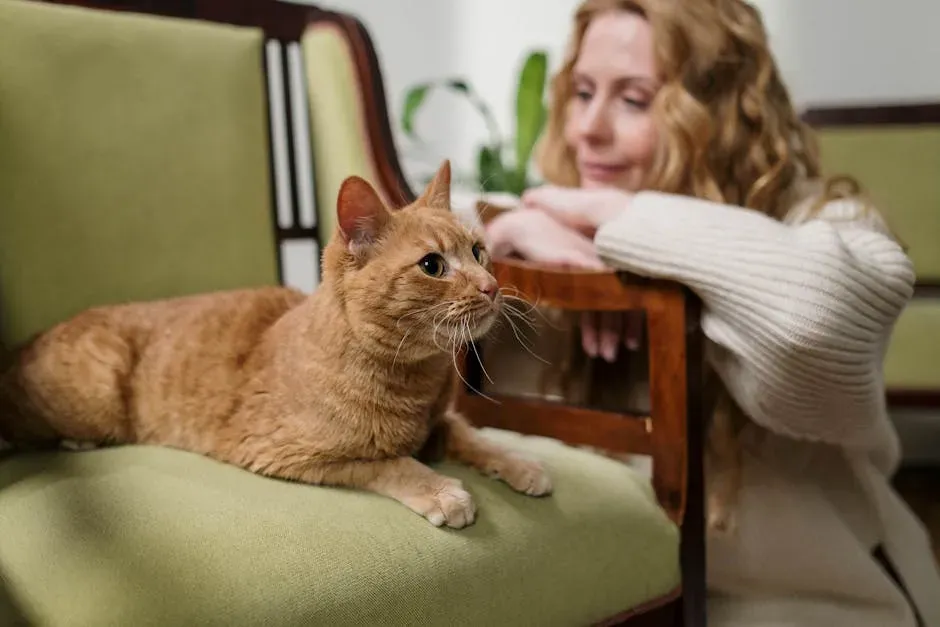
What emerges from all of this research is a portrait of an animal far more emotionally complex and socially aware than popular culture has ever given credit for. Your cat is not just tolerating your presence. It is monitoring your breathing, cataloguing your expressions, memorizing your scent, reading your routine, and quietly recalibrating its behavior to match yours – all in real time, and likely before you’ve consciously registered what you’re feeling yourself.
The relationship between humans and cats is not one of passive coexistence. It is a deeply layered, emotionally reciprocal bond built over millennia. The next time your cat appears out of nowhere and settles beside you at your lowest moment, know that it isn’t coincidence. It is ancient intelligence, quietly at work. So the question worth asking is this: if your cat already knows how you feel, how well do you really know yourself?
What do you think – has your cat ever sensed something in you before you recognized it yourself? Share your story in the comments.