Have you ever noticed how your cat seems to know exactly when it’s feeding time, even before you’ve glanced at the clock? Or how they appear at the bedroom door like a tiny, furry alarm every single morning without fail? It’s not magic and it’s not coincidence. Your cat is quietly, confidently tracking the rhythm of your shared life together.
There’s something deeply fascinating about the way cats orient themselves around predictability. They’re often seen as mysterious, independent creatures who couldn’t care less about rules or schedules. Yet underneath that cool, unbothered exterior is an animal that quietly depends on the structure of its day more than most of us realize. Let’s dive in.
The Ancient Wiring Behind Your Cat’s Love of Routine

Long before they became beloved household companions, cats were solitary predators whose days revolved around hunting and protecting their territory. Maintaining territory was of particular importance because having a well-defined space to roam essentially guaranteed plenty of meals. As a result, a cat’s routine would naturally involve daily territory marking and ensuring the environment was predictable and secure.
Wild cats, the ancestors of your domestic companion, survived through strictly regulated daily patterns of hunting, eating, and resting. This biological programming remains deeply ingrained in modern house cats, manifesting as a strong preference for predictable daily schedules. Think of it like factory settings that never quite got overwritten, no matter how many generations of couch napping have passed.
How Your Cat Actually Experiences Time

Research shows that cats don’t perceive time through clocks the way humans do, but rather through episodic memory and environmental cues. These cues help them anticipate and prepare for important daily events, such as feeding times or play sessions. It’s honestly a bit like having an internal GPS that runs entirely on sensory data rather than numbers.
Cats often form strong associations with their feeding routine. For example, the sound of a can opener or the crinkle of a treat bag can signal mealtime, reinforcing their sense of predictability. Your cat isn’t just hungry – they’re reading the environment for signals, piecing together a picture of what comes next. That’s surprisingly sophisticated behavior for an animal that also occasionally knocks things off shelves for entertainment.
The Deep Connection Between Predictability and Emotional Security

The relationship between predictability and cats cannot be overstated. Cats feel comfortable when they know what to expect, and disruptions to their routine can cause stress. Predictability in their daily life reduces uncertainty and helps them feel secure in their environment.
A consistent routine provides cats with a genuine sense of security and control over their environment. When cats can predict what happens next, they experience less stress and anxiety, leading to better overall health and behavior. Regular schedules for feeding, playing, and sleeping help maintain their biological rhythms and support proper digestion, sleep patterns, and emotional stability. You might not always notice it, but your predictability is your cat’s peace of mind.
What Happens When You Disrupt Their Schedule

Without routine, your feline friend can often display signs of stress. This can manifest in a number of ways, including urine spraying, scratching furniture, or hiding. By maintaining a routine, you can not only prevent these behaviors but also ensure your cat feels safe and valued.
Though your cat doesn’t have to worry about paying bills or getting to meetings on time, they’re still sensitive to changes that affect their life and their perception of “normal.” Cats also tend to mirror their pet parent’s emotions, meaning your stress or schedule shifts can directly impact their behavior and emotional well-being. So when your life gets chaotic, guess who else feels it? Yep. Your cat.
The Role of Feeding Schedules in a Cat’s Wellbeing

Regular feeding schedules help prevent obesity, reduce begging behaviors, and support healthy digestion. Most veterinarians recommend feeding adult cats twice daily at the same times. It’s a simple enough commitment, but the payoff for your cat’s physical and emotional health is significant.
Knowing when to expect food can reduce begging behaviors and anxiety around mealtime. Regular routines are also an excellent way to stay aware of your cat’s health needs. If you interact with them on a regular basis – feeding twice a day rather than leaving out food all the time – this helps you key into their health. You will come to expect certain behaviors in your cat because of the routine. If something changes, you’ll notice faster. That’s genuinely life-saving awareness.
Playtime, Stimulation, and Why Timing Actually Matters

Regular play sessions help cats maintain physical and mental health while satisfying their natural hunting instincts. Scheduling these sessions at the same time each day helps cats manage their energy levels and reduces nighttime activity. Honestly, if you’ve ever been woken up at 3 a.m. by a cat zooming across your face, you know exactly how important this one is.
When setting your cat’s routine, don’t overlook playtime. Having structured playtime is important for maintaining the overall health and wellbeing of your cat. It gives them an outlet to release pent-up energy and strengthens the bond between you and your feline, which can actually be used in your favor when dealing with stress and anxiety. Play isn’t just fun – it’s genuinely therapeutic for them, much like a morning jog is for some people.
Sleep, Rest Periods, and Your Cat’s Natural Rhythms
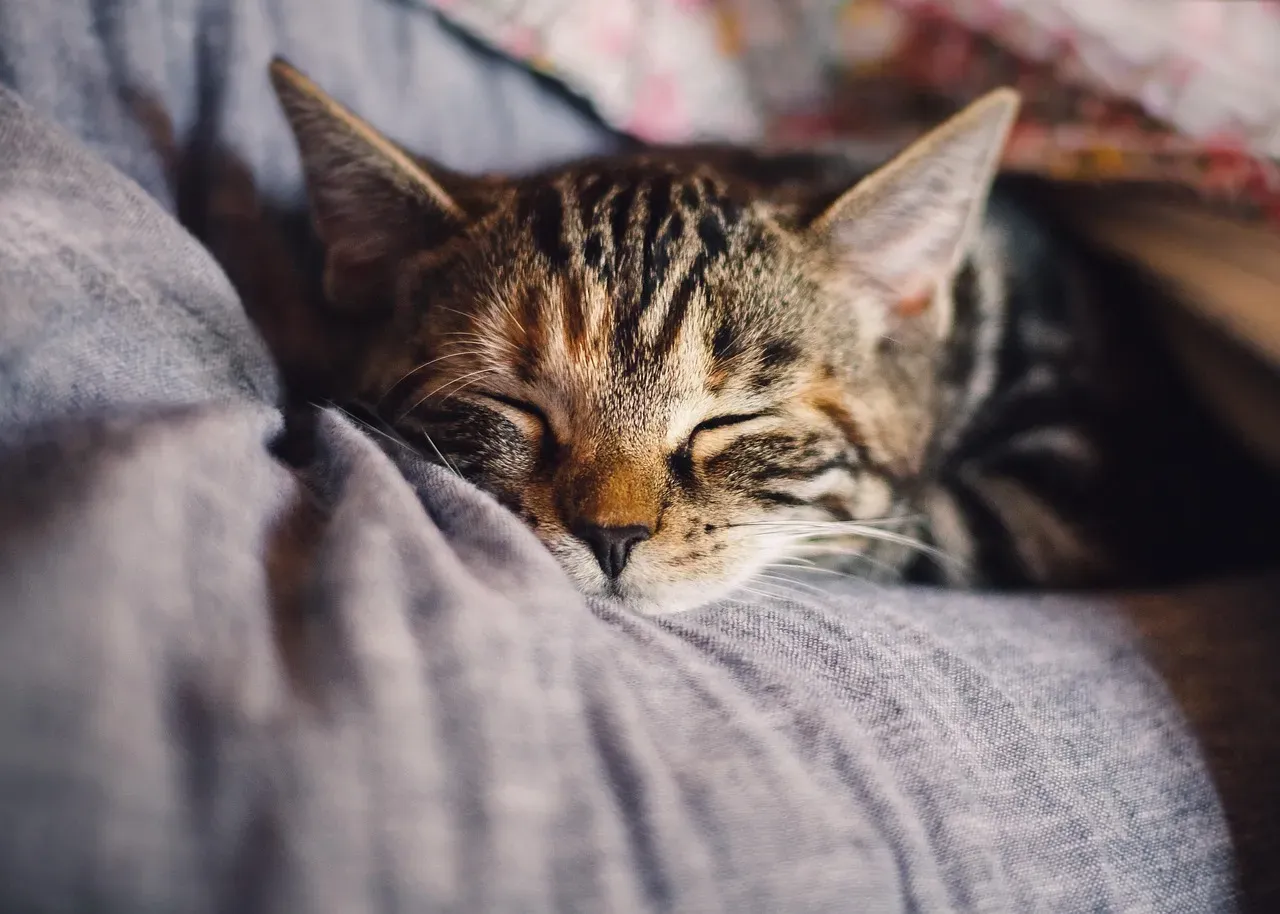
Cats typically sleep between thirteen and nineteen hours per day, and they prefer to do so according to a consistent pattern. Respecting these rest periods helps prevent irritability and stress-related behaviors. That’s a lot of sleeping, I know. But their bodies are built for short, intense bursts of activity followed by long recovery windows.
Cats that feel secure in their environment are more likely to relax and follow a predictable sleeping routine. Sleep is a vital part of a cat’s routine. Ensure they have various resting spots to choose from throughout the day. Whether they prefer a sunny spot in the morning or a cozy corner in the evening, giving them options boosts a cat’s sense of control. It’s a small thing to offer, but the sense of agency it gives them matters enormously.
How to Gradually Introduce Changes Without the Drama

A cat’s routine is essential, but flexibility is also key. If a slight alteration occurs, like a delay in feeding, most cats will cope as long as the core elements of their routine remain intact. If you anticipate bigger disruptions, it’s best to introduce changes gradually. Think of it the way you’d ease someone into a cold pool rather than pushing them in all at once.
Slow down the changes or break them into smaller pieces if you can. Give your cat time to process what is happening. Help them establish a degree of predictability, safety, or control over what happens next. As your cat transitions to the new routine, let them set the pace. It could take a few weeks before new patterns are established and they feel completely comfortable again.
Building a Routine That Works for Both of You

Some of the most important routines for your cats include how often and when you play and exercise together, the consistency of your pet’s diet, regular mealtimes, the normal noise and activity level in your household, morning and evening rituals for your family and cat, and being consistent regarding what behaviors you do and don’t tolerate in your cat.
Set regular feeding times by offering meals at the same times each day to establish consistent feeding schedules. Schedule playtime by dedicating time daily for interactive play to mimic hunting behaviors and provide mental stimulation. Maintain a calm environment by limiting loud noises and sudden changes to promote a sense of stability. Keeping your cat in a routine is one of the best ways to establish a good relationship between you and keep them healthy. Honestly, it benefits you both more than you might expect.
Conclusion: The Gift of a Predictable Day
Here’s the thing – we often celebrate cats for their independence, their aloofness, their unbothered energy. Yet the real secret to a happy, healthy cat is actually quite tender. It’s simply knowing you’ll show up at the same time, in the same way, day after day. Routine isn’t a cage. For your cat, it’s freedom from worry.
Your cat can’t tell you that they feel better when life is predictable. They can’t thank you for feeding them at 7 a.m. every morning or for that evening play session with the feather wand. But they show you. In the way they greet you at the door. In the purring. In the slow blink from across the room. Those are the receipts. Cats not only get used to routines, but they also depend on them to feel secure and happy. So, the next time you think skipping your cat’s evening routine is no big deal – what do you think your cat would say about that?