You’ve probably looked into your cat’s eyes and wondered what mysteries lie behind that penetrating gaze. Perhaps you’ve noticed how they seem to know things before they happen, or how they appear when you need comfort most. Let’s be real, there’s something profoundly different about cats compared to other domesticated animals.
While we’ve lived alongside these enigmatic creatures for thousands of years, science is only now starting to scratch the surface of their remarkable cognitive abilities. The wisdom embedded in their DNA might be far more sophisticated than we ever imagined. What we’re discovering challenges everything we thought we knew about feline intelligence.
Their Brains Are Architecturally Similar to Ours
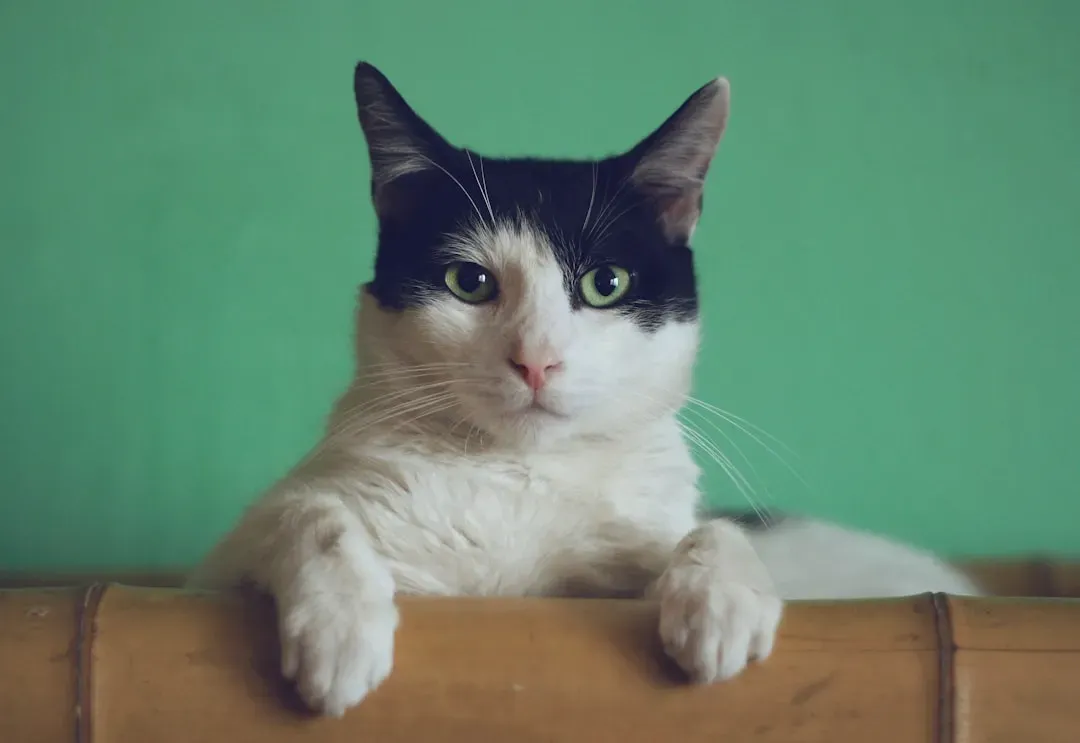
You might be surprised to learn that the physical structure of your cat’s brain shares striking similarities with the human brain, featuring comparable lobes in the cerebral cortex. This isn’t just a coincidence. Structurally, your feline companion’s brain contains approximately 250 million neurons in the cerebral cortex, the region responsible for complex processing.
What’s particularly impressive is that cats possess well-developed memory capabilities, able to retain information for a decade or longer, with memories often intertwined with emotions. Think about how your cat remembers which cabinet holds the treats or recalls a frightening vet visit from years ago. Cats display neuroplasticity, allowing their brains to reorganize based on experiences, meaning they’re constantly adapting and learning from their environment.
They Can Communicate With Humans in Sophisticated Ways
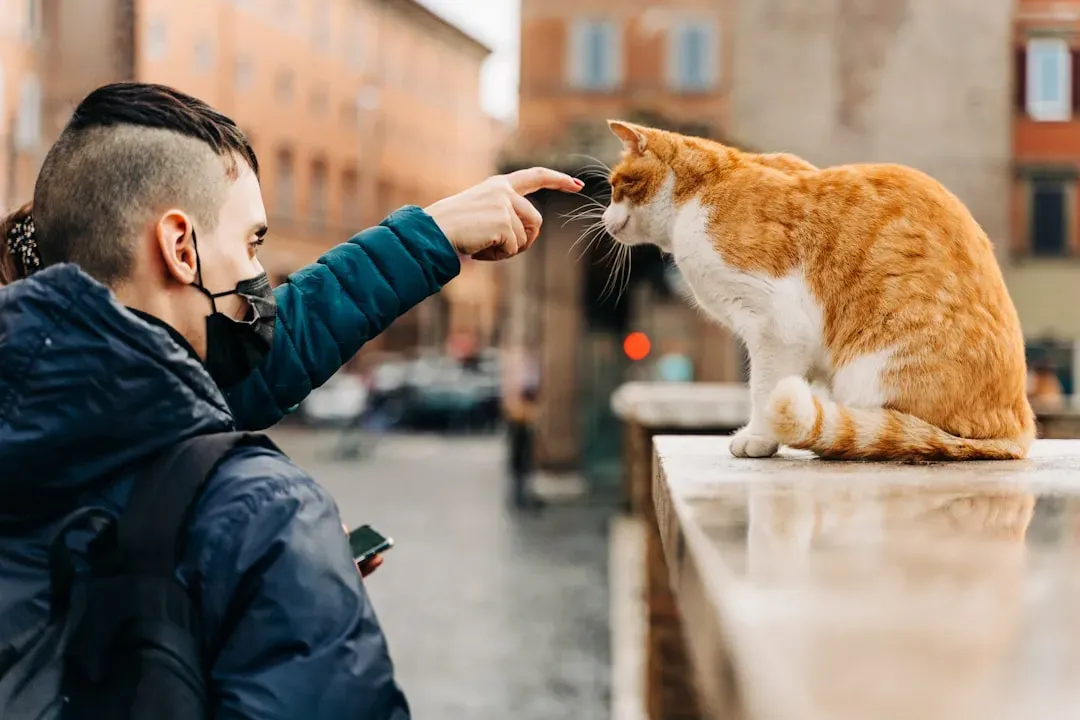
Recent studies reveal that cats have developed excellent socio-cognitive abilities, and throughout their domestication process, they’ve developed sensitivity to human communicative signals along with human-compatible social skills. This is honestly pretty remarkable considering cats evolved from solitary hunters.
Research shows that domestic cats meow far more than feral cats, and they rarely meow to communicate with fellow cats or other animals. Your cat essentially created a specialized language just for you. Cats often develop unique vocalizations for specific people, adapting their communication style to get what they want from specific humans. That particular chirp when you come home? They designed it specifically to manipulate your heartstrings.
Ancient Egyptians Recognized Their Sacred Intelligence

Domestic cats were increasingly worshipped and considered sacred in ancient Egypt, and when they died, they were embalmed, coffined and buried in cat cemeteries, regarded as living incarnations of the goddess Bastet. The ancient Egyptians weren’t just eccentric cat lovers.
Recent genetic and archaeological evidence suggests that cat domestication began only around 3,000 years ago in Egypt, with the initial impetus coming from their religious function in ritual activity centered on Bastet, the goddess of protection, pleasure, and good health. The ancient Egyptians understood that cats of all sizes are smart, quick and powerful, recognizing an intelligence that went beyond mere pest control.
They Possess Superior Memory to Dogs and Some Primates
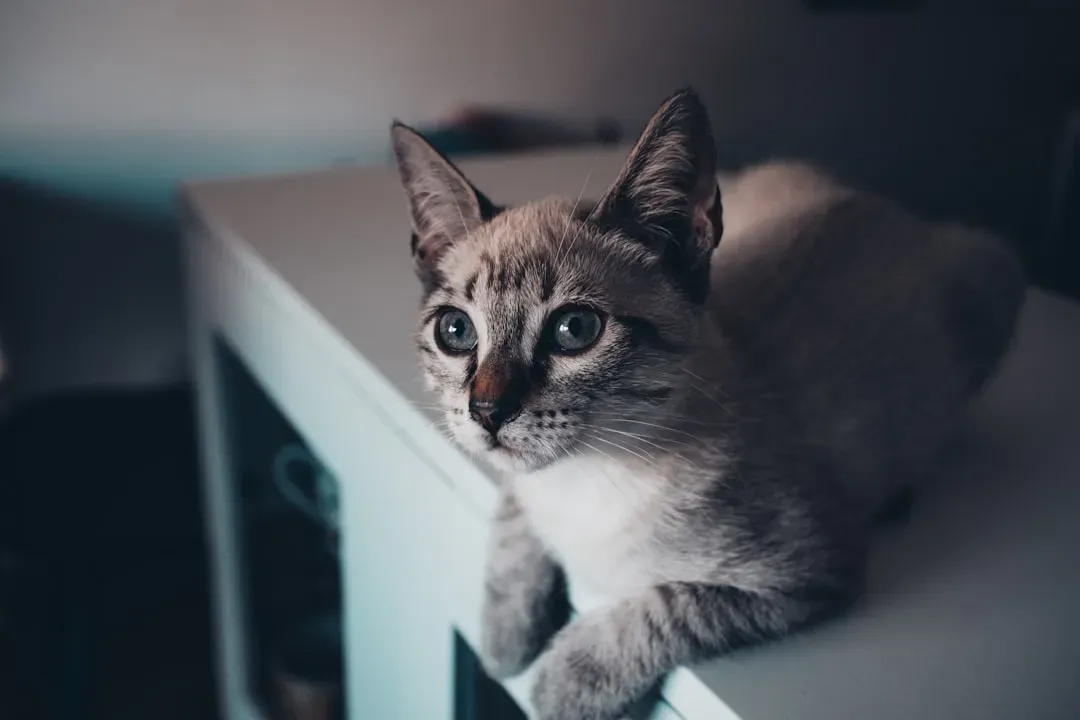
Here’s something that might shock dog lovers. In memory tests where both species were shown boxes and taught that food could only be found under the one with a lighted lamp on top, canine recall lasted no more than five minutes, but cats returned to the correct box as long as 16 hours later, exhibiting superior recall to that of monkeys and orangutans.
The cat’s intellectual ability is highlighted by its capacity to use retained information to solve problems, and cats are able to form learning sets, a skill once thought to be confined to primates. This means your cat isn’t just remembering where things are. They’re actively using that information to strategize and plan their next move.
Recent Research Shows They Match Dogs in Social Intelligence
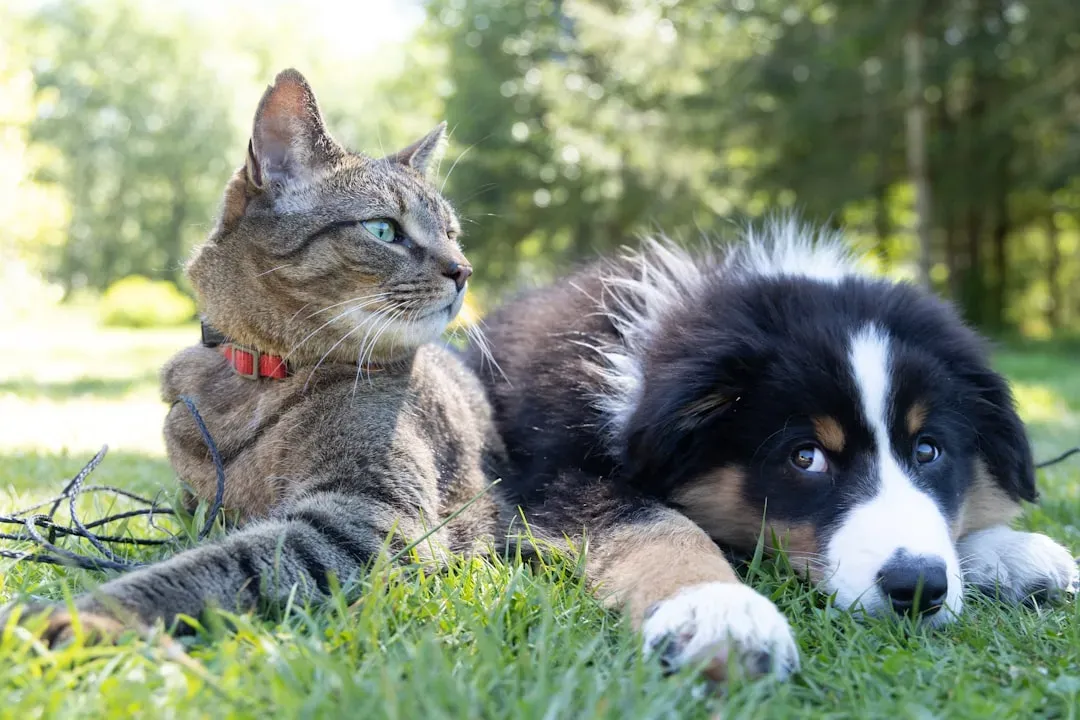
After years when scientists largely ignored social intelligence in cats, labs studying feline social cognition have popped up around the globe, and studies are showing that cats match dogs in many tests of social smarts. The assumption that dogs were inherently smarter than cats? Turns out that was researcher bias all along.
When you have a well-socialized, calm cat, they’re going to perform similarly to a dog in cognitive tests. It’s true that many cats won’t pass social intelligence tests as well as dogs, but that’s likely because they’re in an unfamiliar environment or with unfamiliar people, which can stress them out; what’s important is that some cats can pass the tests, suggesting these abilities are inherent to the species.
They Can Form Word-Image Associations Faster Than Human Infants

This is where things get really wild. Research comparing cats to human infants found that cats demonstrated the ability to form word-image associations more rapidly than 14-month-old human babies. Your cat isn’t just hearing sounds when you speak. They’re mapping language to meaning faster than human children.
Cats can recognize when human gaze is directed towards them, rely on their owners’ emotional cues in unfamiliar situations, distinguish between their primary caregiver and other household members, recognize their names and respond selectively to being called. They understand far more than they let on, which honestly makes their selective obedience all the more impressive.
Their Sensory Perception Borders on the Supernatural
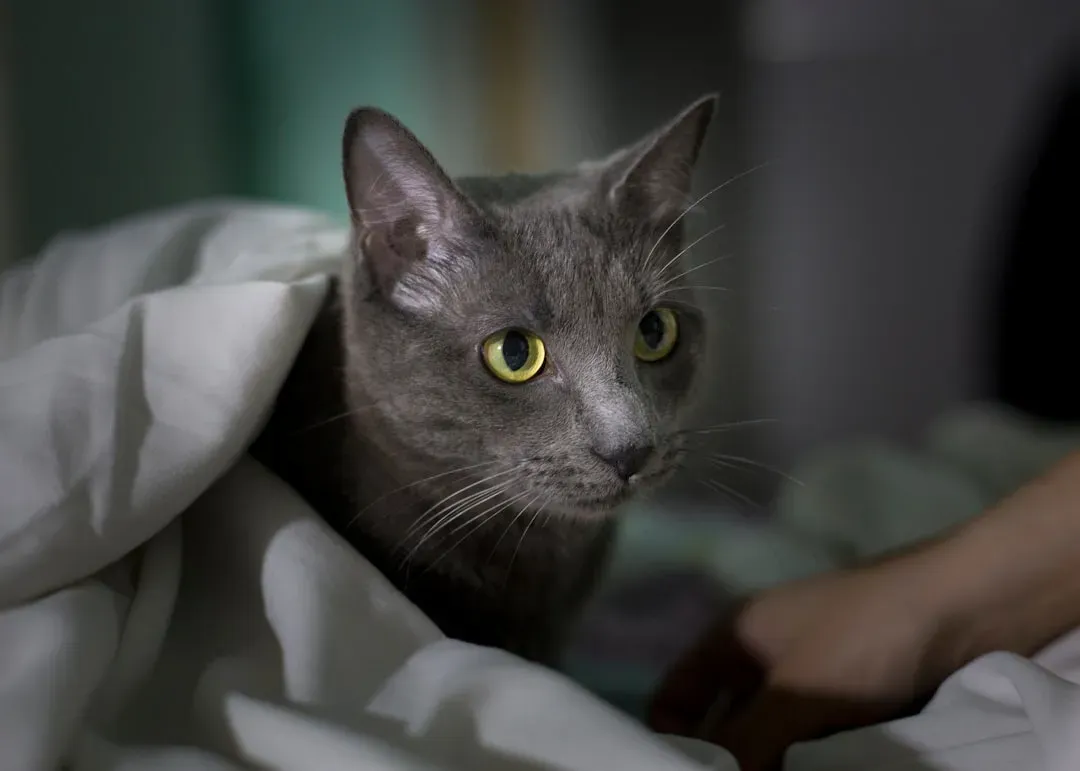
Cats may be picking up on specific odors surrounding death, as certain chemicals are released when someone is dying that aren’t detectable by other humans but may trigger cats’ heightened sense of smell. A cat named Oscar reportedly predicted over 25 deaths at a nursing home in Providence, Rhode Island, becoming so accurate that the nursing home would call patients’ families to come by if Oscar started spending time in one of the rooms.
Cats can detect an extremely broad range of frequencies ranging from 55 Hz to 79 kHz, whereas humans can only detect frequencies between 20 Hz and 20 kHz, hearing a range of 10.5 octaves compared to about 9 octaves for humans and dogs. They’re perceiving a world we can’t even imagine.
The Healing Power Hidden in Their Purr
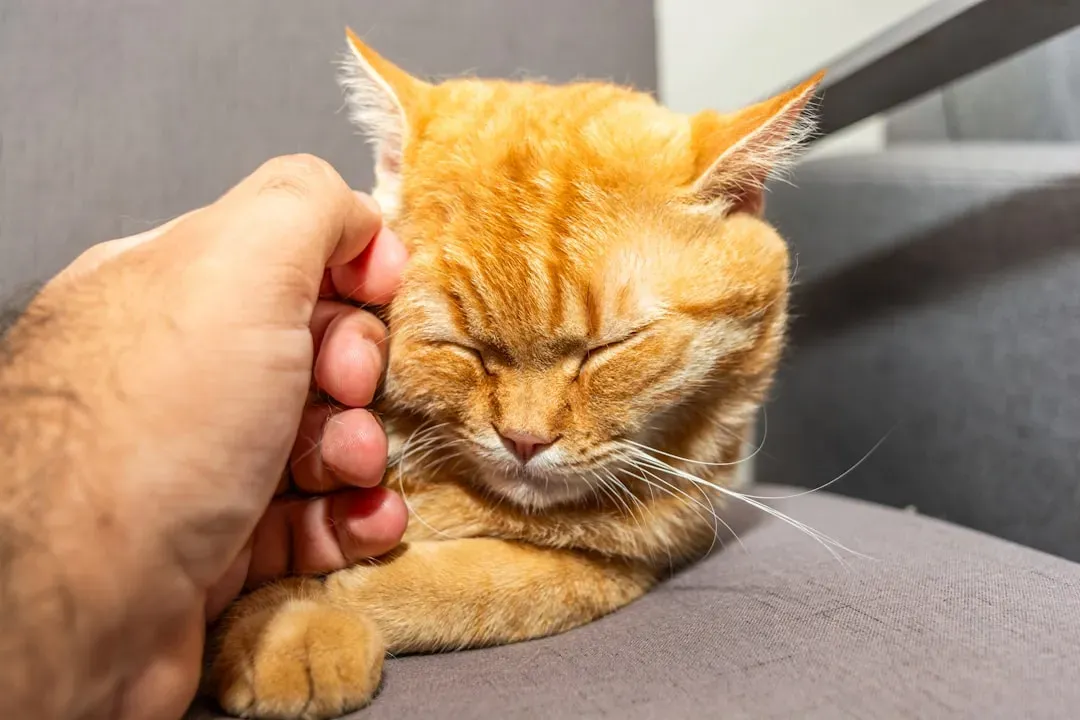
Research suggests that the frequency of a cat’s purring, typically between 25 and 150 hertz, could have therapeutic effects on the body and mind. This isn’t New Age nonsense. The science backs it up.
Frequencies between 20 and 50 Hz increase bone density, and growing clinical evidence supports the use of these low frequencies in animals and humans for specific conditions such as bone healing, osteoarthritis, inflammation, wound healing and post-operative pain. These vibrations can help reduce inflammation, improve circulation and stimulate the healing of damaged tissues, promoting the regeneration of bone cells and increasing bone density. Your cat literally vibrates at healing frequencies.
They’re More Attuned to Your Emotions Than You Realize
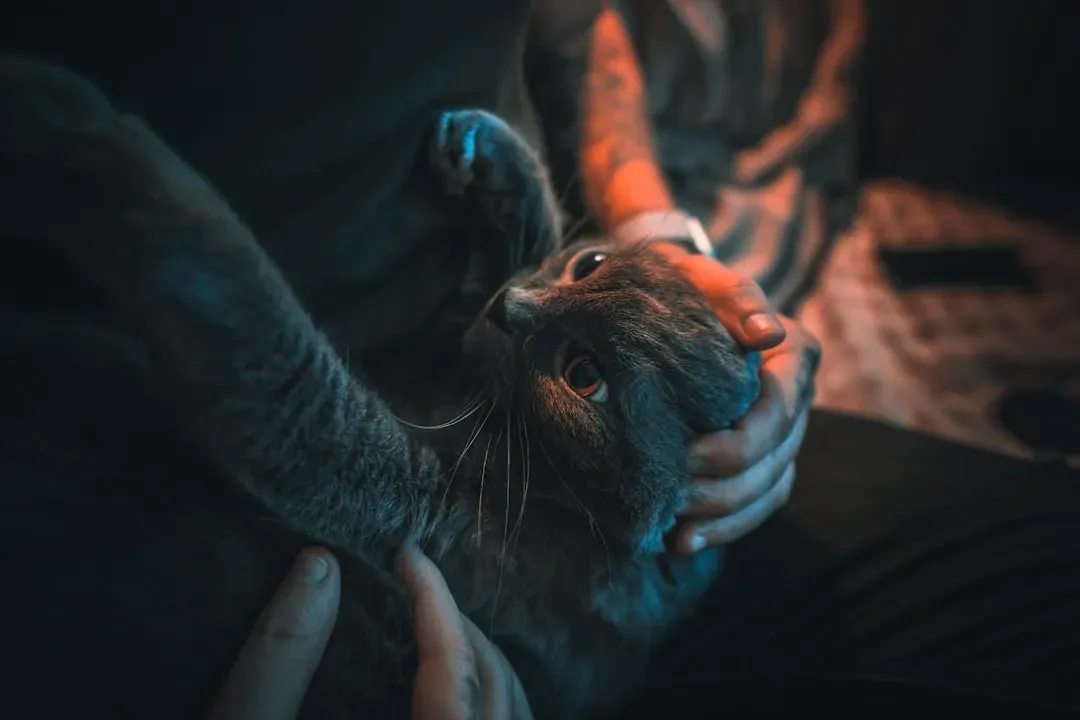
Research from Oregon State University found that around 64 percent of cats demonstrate secure attachment to their humans, comparable to the bond seen in human infants. That bond isn’t one-sided devotion. Your cat is actively monitoring your emotional state.
Cats can often sense their owners’ emotions and respond with comfort and affection, with research suggesting that cats can distinguish between their owners’ emotional states, reacting to stress, sadness, or happiness, believed to be a form of empathy. Cats can sense when you’re sick due to their highly developed sense of smell detecting chemical changes in your body associated with illness. They’re not ignoring you. They’re reading you like a book.
The Wisdom We’ve Only Just Started to Acknowledge
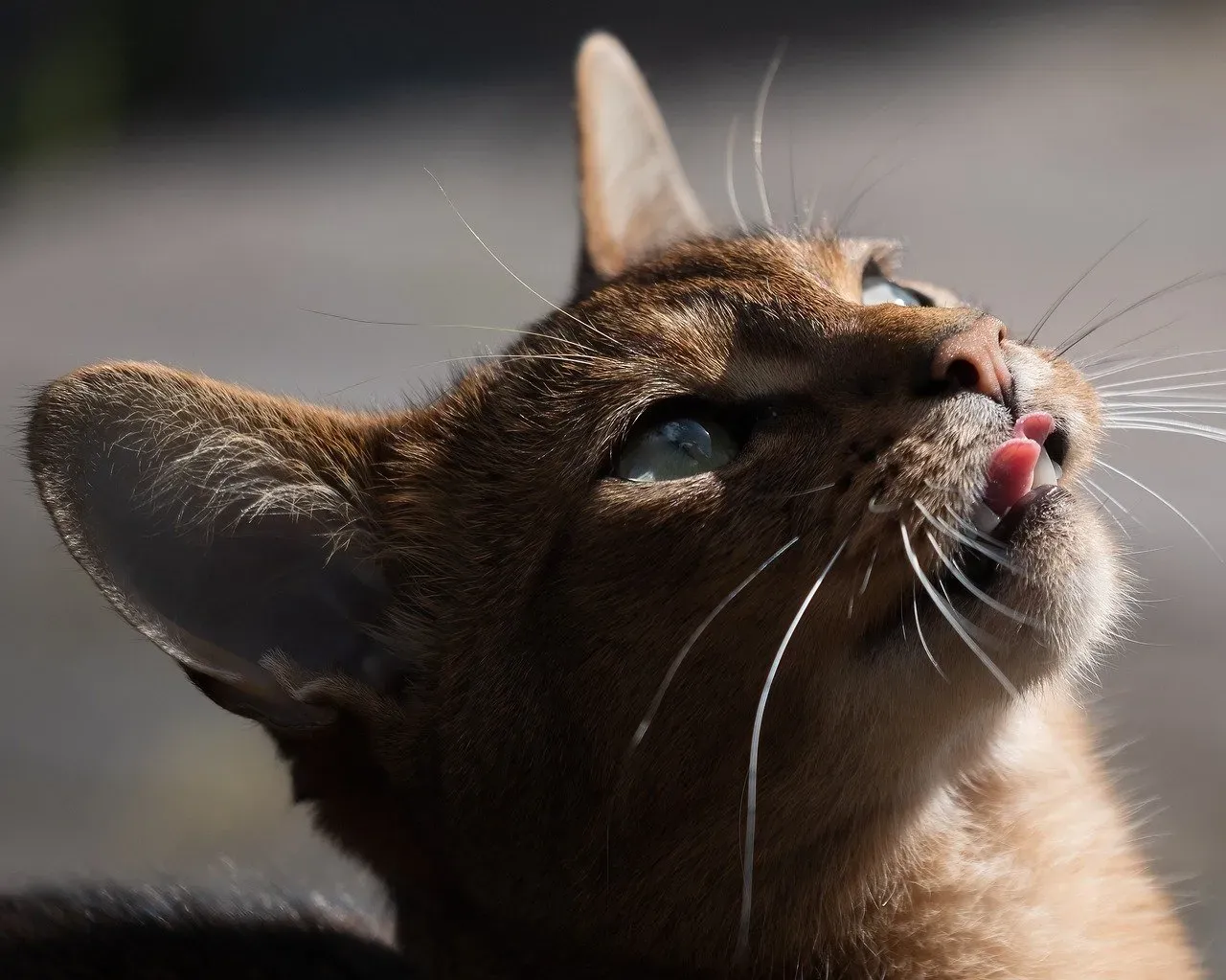
The socio-cognitive capacity of domestic cats may be greater than previously assumed. Many feline behaviorists as well as child psychologists seem to agree that the intelligence of an adult cat equals that of a 2 to 3 year old child. Yet we’re constantly surprised when cats demonstrate sophisticated problem-solving or emotional intelligence.
Cat intelligence lies in their subtle social cues, adaptability, memory, and independent problem-solving. Labs studying feline social cognition around the globe are showing that cats match dogs in many tests of social smarts, and this work could transform the widespread image of cats as aloof or untamed. The wisdom has always been there. We’re finally learning to see it.
Conclusion
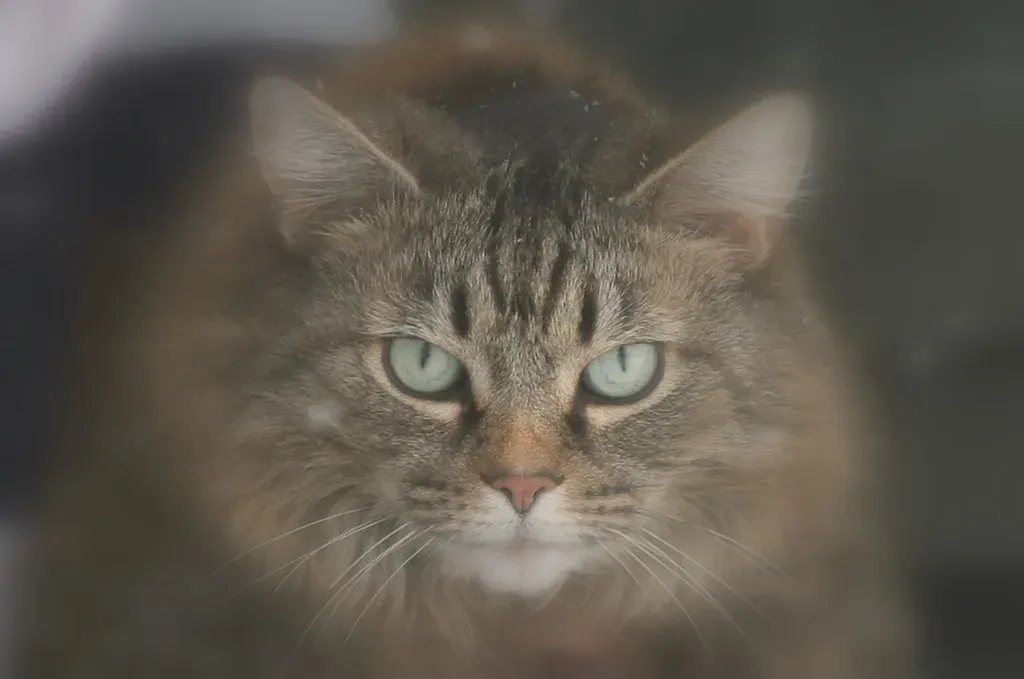
The ancient Egyptians revered cats as sacred beings, and modern science is revealing they may have been onto something. From their architecturally sophisticated brains to their healing purrs, from their superior memory capabilities to their emotional attunement with humans, cats possess an intelligence that defies our traditional understanding. They’ve evolved alongside us not as subservient companions, but as equals with their own unique form of wisdom.
Perhaps the most profound realization is this: cats have always possessed this ancient intelligence. We’re just beginning to develop the tools and humility to recognize it. The next time your cat stares at you with those knowing eyes, remember they’re perceiving realities you cannot sense, remembering events from years past, and quite possibly understanding far more about you than you understand about them.
What ancient wisdom might your cat be trying to share with you today?