Picture this: You walk through your door after another draining day, shoulders tight, mind racing with a thousand unfinished tasks. Then you feel it. That familiar soft brush against your leg, followed by a gentle rumble that seems to vibrate straight into your bones. Your cat has arrived, and somehow, almost immediately, the weight on your chest feels lighter. It’s not magic, though it certainly feels that way sometimes. There’s something ancient and instinctive happening here, a connection that science is only just beginning to fully understand.
For thousands of years, cats have shared our homes, our lives, and yes, our anxieties. Yet only recently have researchers started uncovering the remarkable ways these enigmatic creatures seem to possess an almost supernatural ability to sense our distress and respond with precisely what we need. Whether it’s that rhythmic purring, the deliberate choice to curl up beside you during your worst moments, or simply their calm, grounding presence, cats appear to have developed an innate wisdom for easing human anxiety that goes far beyond coincidence. Let’s explore what makes our feline companions such extraordinary emotional healers.
The Mysterious Frequency That Heals
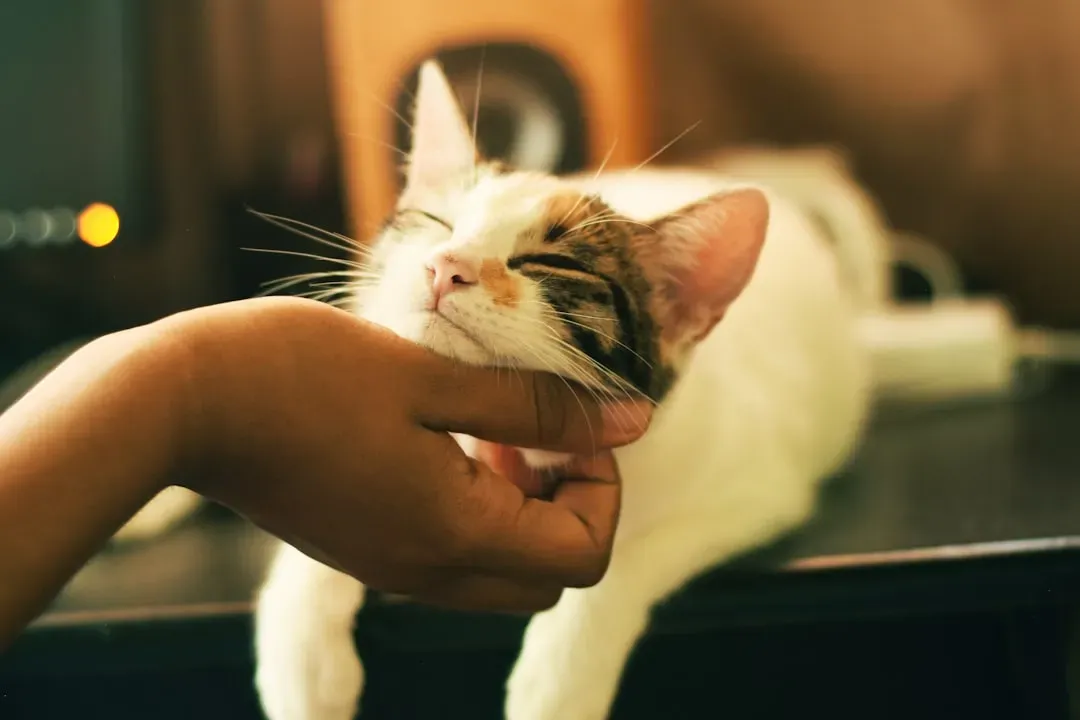
Cats purr at a frequency between 25 and 150 Hertz, which happens to fall within the exact range used in medical settings for therapeutic purposes. Think about that for a moment. This same frequency has been shown to aid in the healing of broken bones, joint and tendon repair, and wound healing. It’s as though cats carry their own built-in healing device, one they’ve been sharing with us all along.
Research suggests that the frequency of a cat’s purring – typically between 25-150 hertz – could have therapeutic effects on the body and mind. The low vibrations don’t just sound soothing; they actually interact with your nervous system in measurable ways. The rhythmic vibrations and gentle sound of a cat’s purr have a calming effect, reducing stress and anxiety levels, creating an almost meditative state that pulls you out of your worried thoughts and anchors you firmly in the present moment.
Chemistry of Comfort: Your Body’s Response to Feline Touch

When you reach down to stroke your cat’s soft fur, something remarkable happens beneath the surface of your skin. Interacting with cats triggers the release of hormones in humans such as serotonin, dopamine and oxytocin, a powerful cocktail of feel-good chemicals. Oxytocin secretion leads to emotion-regulating functions, such as reducing anxiety and increasing well-being.
Let’s be real, this isn’t just about feeling nice. College students who spent as little as 10 minutes per day petting a cat experienced decreased levels of cortisol, the hormone associated with stress. Your blood pressure drops. Your breathing slows. When you’ve had a hard day, coming home and spending some time petting a fuzzy feline can cause your body to produce stress reducing hormones. When you do so, your heart rate and blood pressure decrease and your anxiety levels normalize. It’s biological proof that what you’re feeling isn’t just in your head.
The Unspoken Language of Emotional Attunement
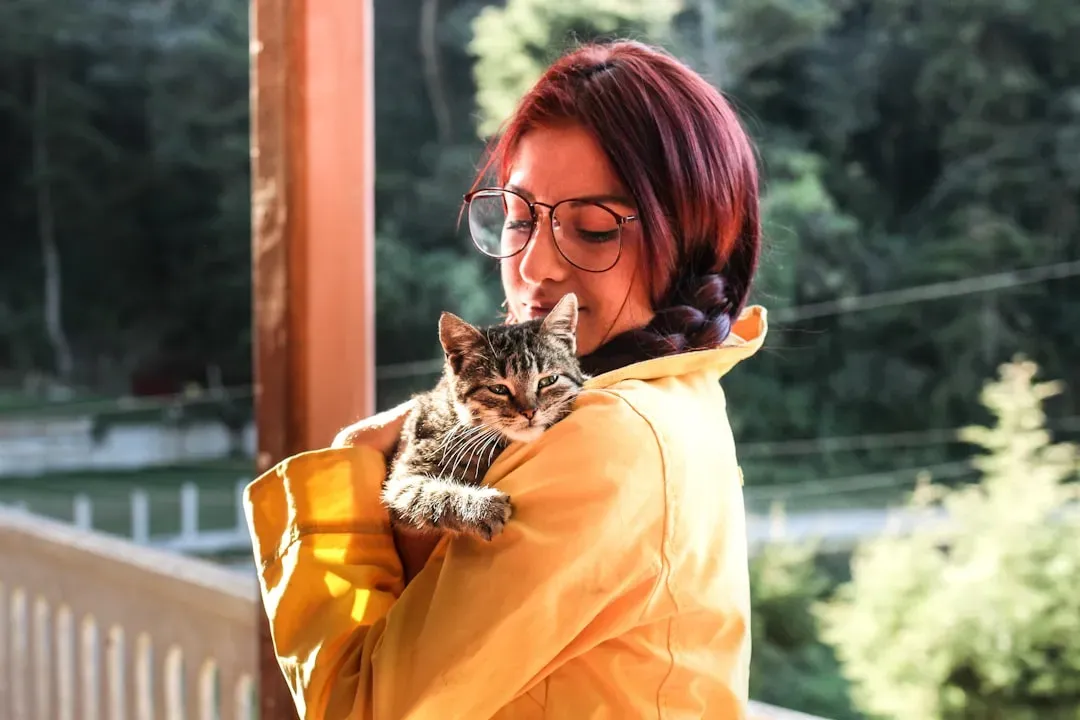
Here’s the thing about cats that surprises people: they’re watching us far more closely than we realize. Cats can sense sadness as well as other emotions like anger in people. They notice the subtle shifts in your posture, the change in your breathing pattern, the tone of your voice when anxiety creeps in.
Honestly, it’s hard to say for sure how they do it, but cats seem to possess an almost uncanny ability to appear exactly when you need them most. Cats’ autonomous behaviors and reactions positively influenced the participants. The characteristic temperament of cats may be a key factor influencing the health benefits of owning cats. They don’t demand your attention; they simply offer their presence, which is often precisely what an anxious mind needs.
Companionship Without Judgment or Pressure
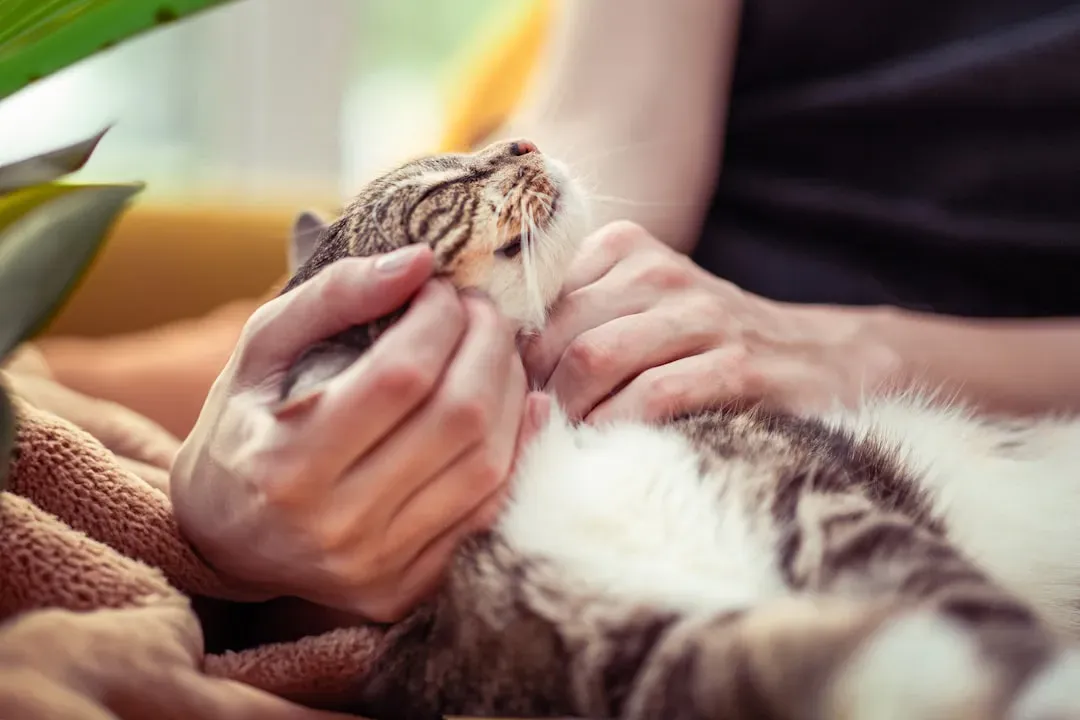
With cats, however, people can talk freely, without fearing what other people might think. There’s something profoundly comforting about that. When social anxiety makes human interaction feel overwhelming, cats provide connection without complication. Having a cat companion gives you a chance to bond and forge a relationship with another being. This can be especially important for people who live alone and experience anxiety.
The relationship you build with a cat operates on different terms than human relationships. The relationship established with a pet is one that offers predictability, encouragement, and positivity, which can be a big help for many that may experience negativity within human relationships. Your cat won’t judge you for having a bad day, won’t expect you to explain yourself, and won’t add to your mental load. They simply exist alongside you, offering a steady, calming presence that asks for nothing more than perhaps an occasional ear scratch.
The Power of Routine and Purpose
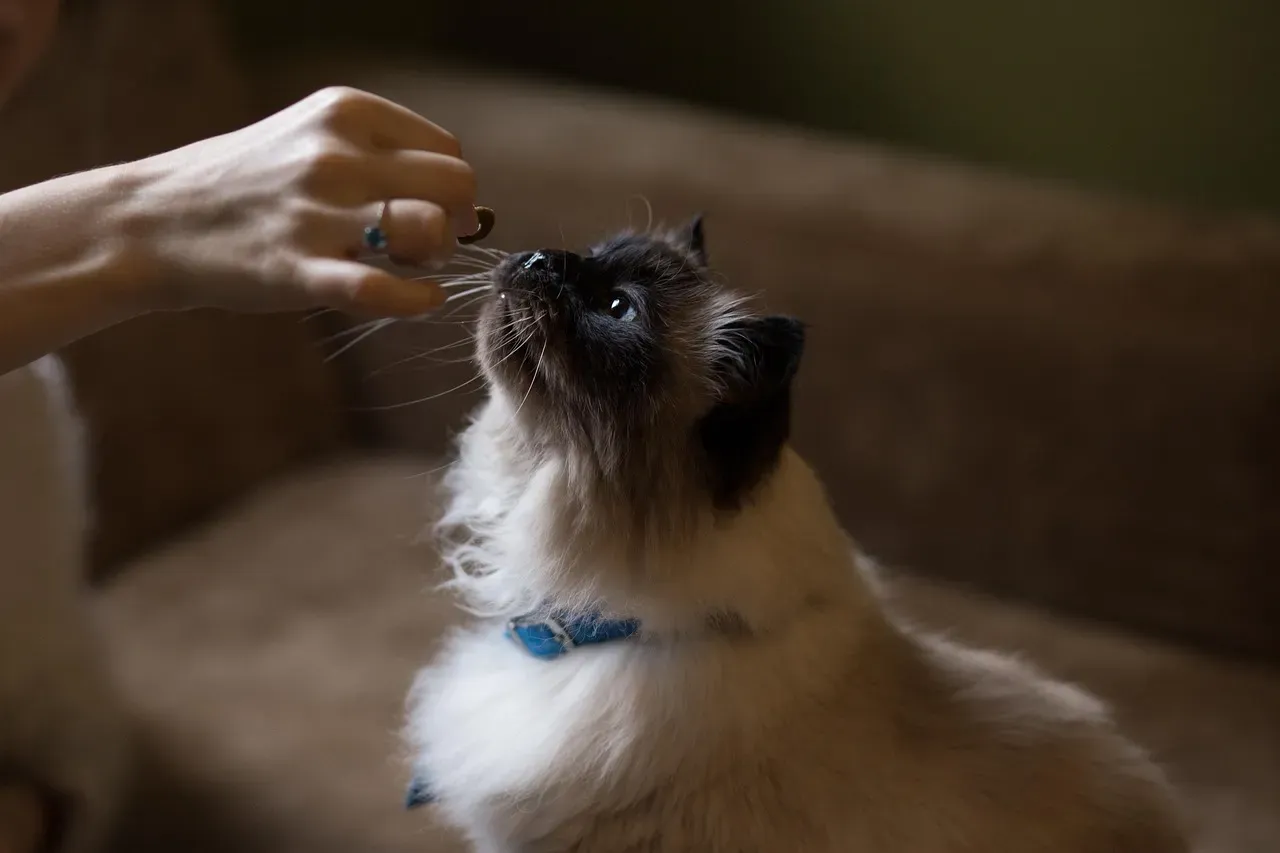
When anxiety threatens to unravel your day, there’s something grounding about the simple act of caring for another living being. Following a cat’s daily routine can also bring structure to a human’s day, acting as a motivator for their own self-care. Feeding, grooming, playing and caring for a feline friend instils a sense of purpose and structure. The responsibility of caring for a cat helps humans stay active and creates a daily structure that brings stability.
It might sound small, but that morning ritual of filling the food bowl or the evening routine of playtime creates anchors throughout your day. Caring for a cat helped people lower levels of stress, better manage their emotions, and even increased their ability to handle difficult life circumstances. These small acts of nurturing give you something outside yourself to focus on, a purpose that extends beyond your own worried thoughts.
Natural Mindfulness Teachers in Fur Coats
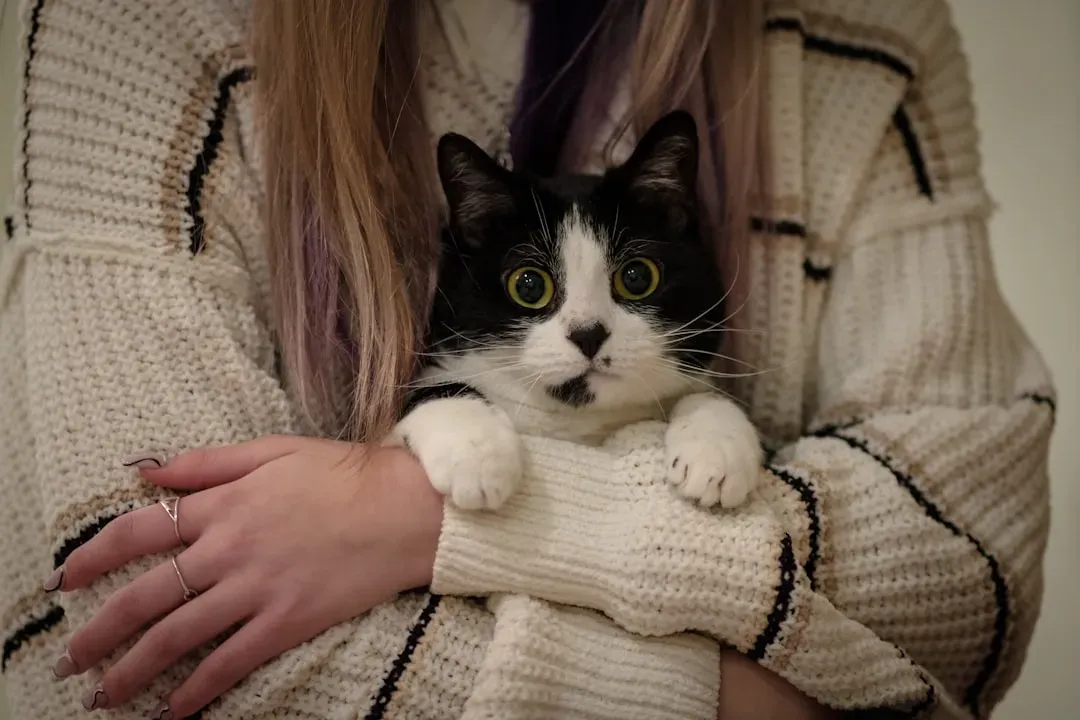
Cats are masters of the present moment. They don’t worry about tomorrow or ruminate about yesterday. Engaging with pets creates a sensory experience. The softness of fur, rhythmic purring, or even the sound of a tail wagging provides grounding sensations that help people focus on the present moment rather than their worries.
Watch a cat for a few minutes. Notice how completely they inhabit whatever they’re doing, whether that’s grooming, napping, or studying a dust mote floating through a sunbeam. Holding, petting, snuggling, or just sitting together with our cats can significantly reduce feelings of anxiety simply by offering a distraction from our overbearing thoughts, even if just for a moment. They teach us, without saying a word, that this moment right here is enough.
The Therapeutic Potential Beyond the Home
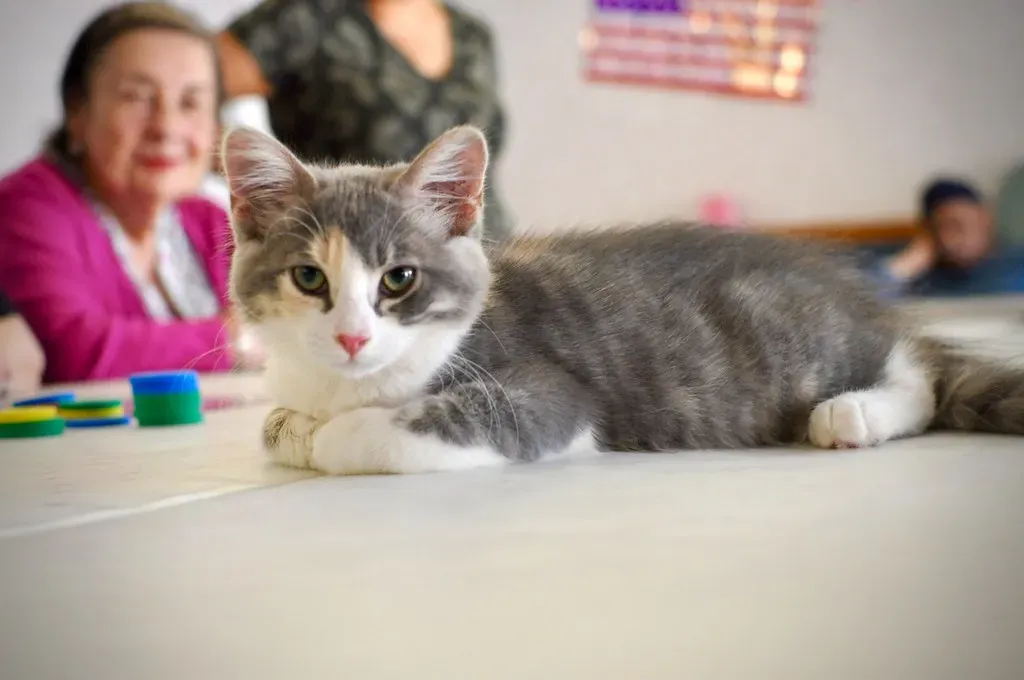
The healing abilities of cats haven’t gone unnoticed by the medical and therapeutic communities. Some cats might have what it takes to join the ranks of therapy animals – bringing their purrs, gentle headbutts, and calm demeanor to the field. Therapy cats share specific behavioral traits that may make them well-suited for AAS programs.
Interactions with therapy cats were reported to decrease negative emotional states like depression, anxiety, and loneliness while supporting positive states such as willingness to engage and interact. While therapy dogs get most of the attention, roughly half of respondents in surveys show genuine interest in feline therapy. The personality trait of emotionality played an important role in determining who benefits most from cat interactions, suggesting that those with strong emotional responses may find particular solace in feline companionship.
Physical Health Benefits That Support Mental Wellness
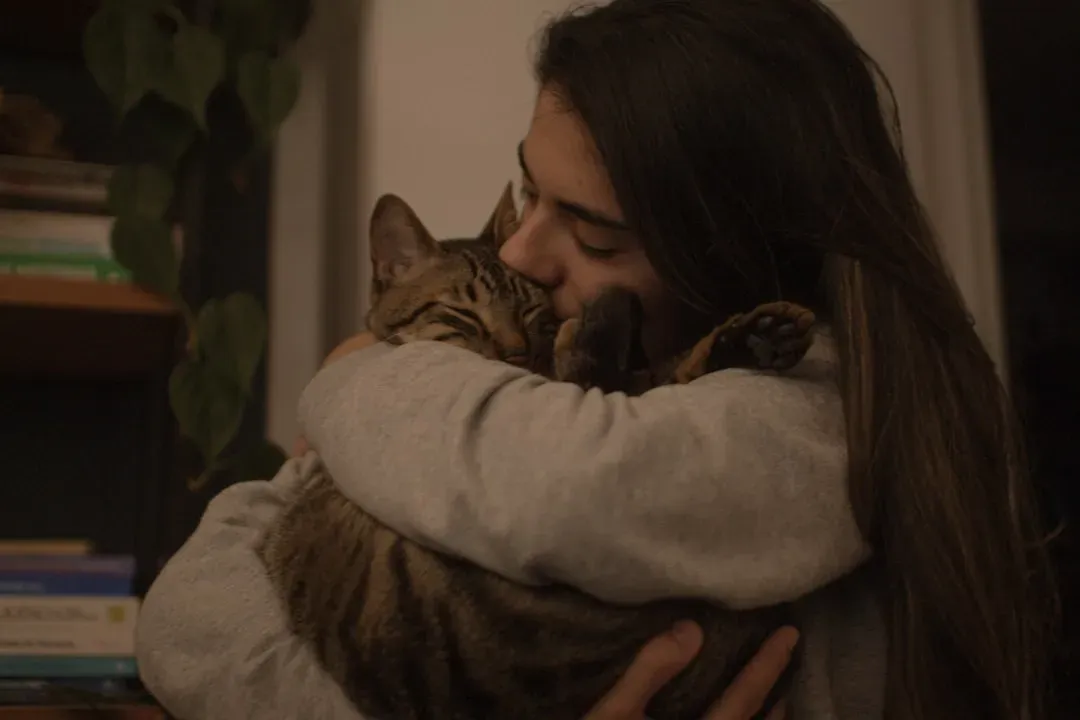
The mind-body connection is real, and cats seem to understand this intuitively. Studies have shown that being close to cats relieves stress, which reduces the risk of cardiovascular disease. This means that the time spent with them can reduce the possibility of various heart diseases and stroke by approximately 30 percent. That’s not a small number.
Cat owners had a lower resting heart rate and blood pressure than people who didn’t own any pets. During the tasks, the cat owners were more likely to feel challenged than threatened, their heart rate and blood pressure were lower, and they even made fewer math errors. Cat owners looked the calmest and made the fewest errors when their cat was present. They also recovered faster physiologically. When your body feels calmer, your mind follows suit, creating a positive feedback loop that chips away at chronic anxiety.
The Unique Bond That Enhances Social Connection

It might seem contradictory, but your relationship with your cat can actually improve your relationships with other people. People who invest emotionally in this animal-human bond can also see their human-to-human relationships improve and develop. Research has shown that cat owners are more socially sensitive and trust others more. When someone – be it a person or an animal – makes us feel good, it improves our ability to be kind and generous to others.
Cats play the role of a kind of social ‘catalyst’ – they start conversations and provide common topics with others. The emotional regulation you practice with your cat, the patience, the attentiveness to nonverbal cues, these skills transfer to your human interactions. 86% of responders to a poll by the American Psychiatric Association reported that their cats had a positive impact on their mental health, providing a calming presence and helping reduce stress and anxiety. Cats are providing a lifeline in terms of emotional mental health for people.
Conclusion: Ancient Wisdom Meets Modern Understanding
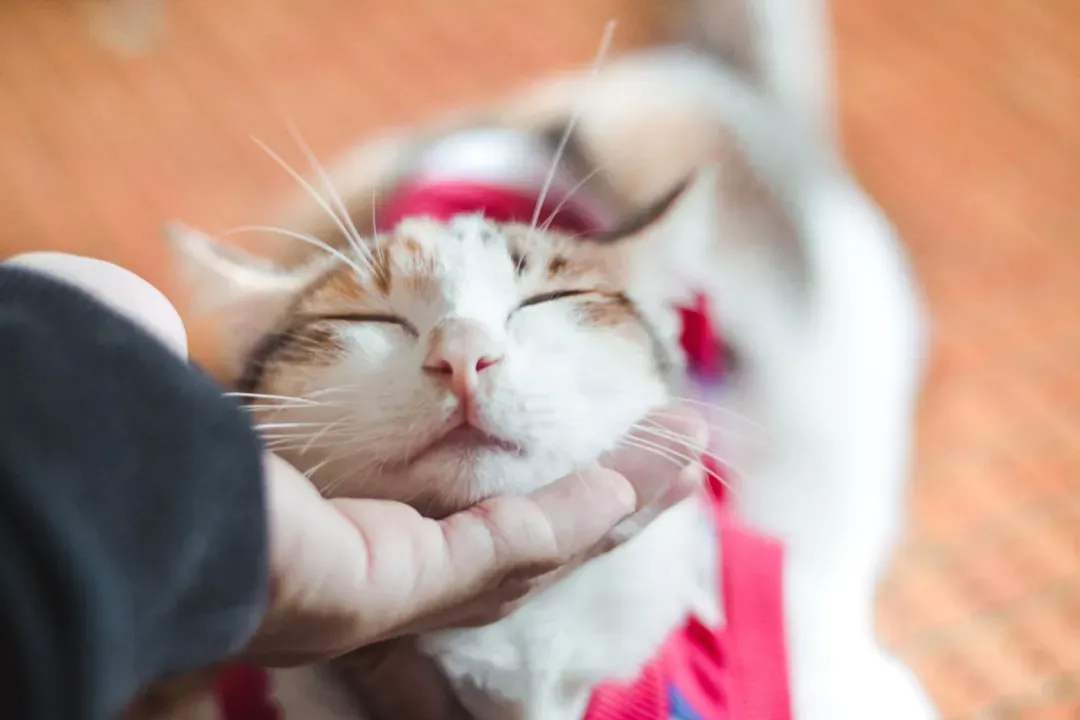
Results showed that 87% of people who owned a cat felt it had a positive impact on their well-being, and 76% said they coped with everyday life much better due to their cat’s presence. These aren’t just feel-good numbers; they represent real people finding real relief from the grip of anxiety through the presence of their feline companions.
The wisdom cats possess isn’t something we taught them. It’s woven into their very nature, developed over thousands of years of coexistence with humans. From their healing purr frequencies to their nonjudgmental companionship, from their mindful presence to their ability to sense our emotional states, cats offer us a form of therapy that money simply can’t buy. Cats help our mental health the most by being their authentic selves. Their ability to reduce stress, provide companionship, heal with purrs, and do all the good they can as therapy animals makes them outstanding creatures in the field of mental health. They have all the qualities that a person needs to feel appreciated and loved.
So the next time your cat settles onto your lap during a particularly anxious moment, remember: this isn’t random. This is thousands of years of evolutionary wisdom at work, offering you exactly what you need. What’s your cat teaching you about calm in this chaotic world?