There’s something deeply unsettling about watching your cat stare at an empty corner of the room, completely fixated, tail twitching, pupils wide open. Nothing is there. At least, nothing you can see. Yet your cat is absolutely certain. That quiet confidence – that unshakeable, inexplicable awareness – is what makes cats one of the most fascinating creatures to ever share a home with us.
Cats have baffled humans for thousands of years. From their role as sacred animals in ancient Egypt to their reputation as witches’ familiars in medieval Europe, they’ve always occupied a strange space between the ordinary and the mystical. Are they really tapping into something beyond our comprehension? Or are they just built differently, in ways science is still trying to catch up to? Let’s dive in.
The Ancient Bond Between Cats and the Supernatural

Long before science had anything to say about it, humans were already convinced that cats were tuned into something the rest of us couldn’t access. In ancient Egypt, cats held perhaps their highest level of esteem, where they were worshipped. The goddess Bastet was often depicted in cat form and sometimes took on the war-like aspect of a lioness. That’s not just reverence. That’s awe.
Cats were considered so important that killing one, according to the Greek historian Herodotus, was forbidden. He also reported that when a household cat died, the entire family mourned and shaved their eyebrows, marking the death much like that of a family member. Think about that for a second. The death of a cat was treated with the same grief as losing a person. Whatever these ancient cultures were seeing in cats, they took it very, very seriously.
How Extraordinary Hearing Gives Cats an Edge You Don’t Have
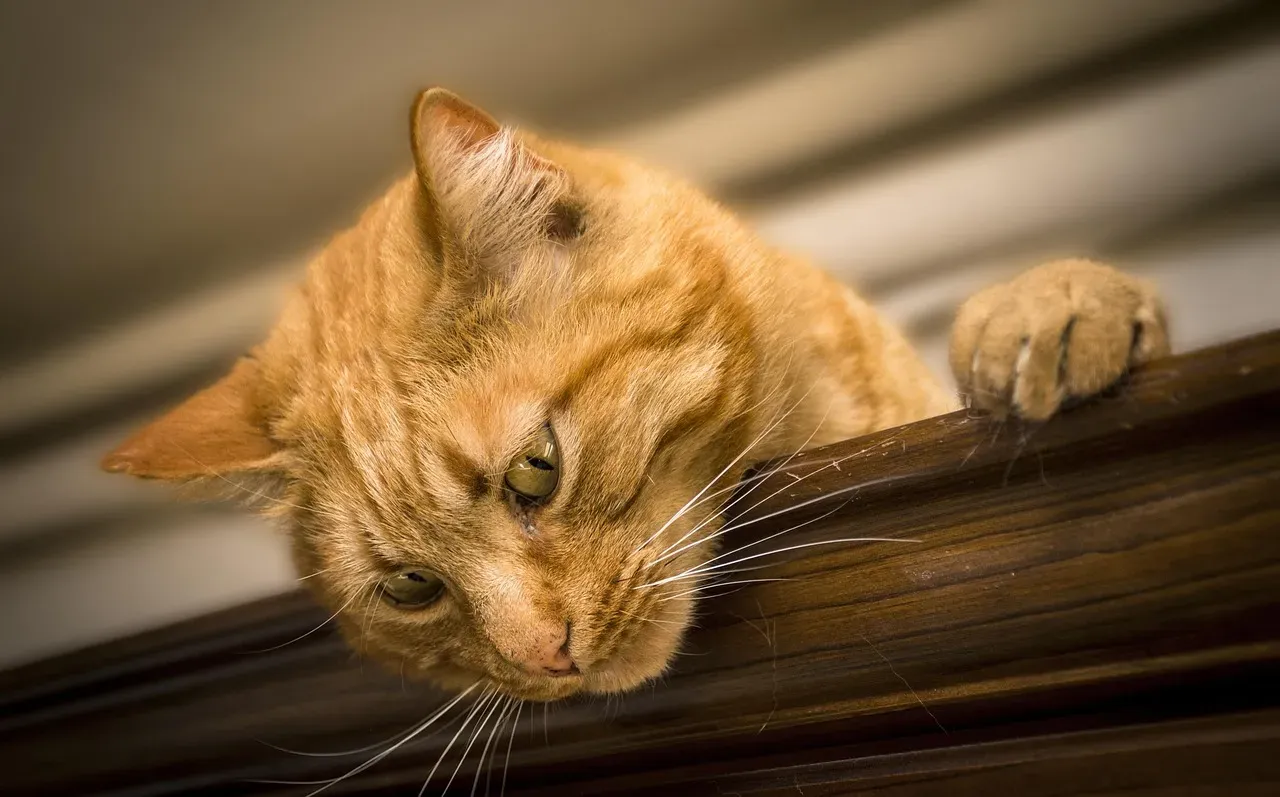
Here’s the thing about your cat looking startled for no reason: there probably is a reason. You just can’t hear it. Cats can hear frequencies 1.6 octaves higher than humans. Plus, they can move their ears independently, which allows them to pick up sounds from different directions. That’s like having a satellite dish on each side of your head, each operating independently. No human could ever compete with that.
Cats can hear frequencies up to 65 kHz, which is far beyond the range of human hearing. To put that in perspective, you can hear up to roughly 20 kHz on a good day. Your cat is operating on an entirely different audio channel. So when your cat perks up in the dead of night, ears pivoting toward the hallway, it likely isn’t reacting to nothing – it’s just reacting to something you’re completely deaf to.
The Secret Power of Whiskers and Paw Pads
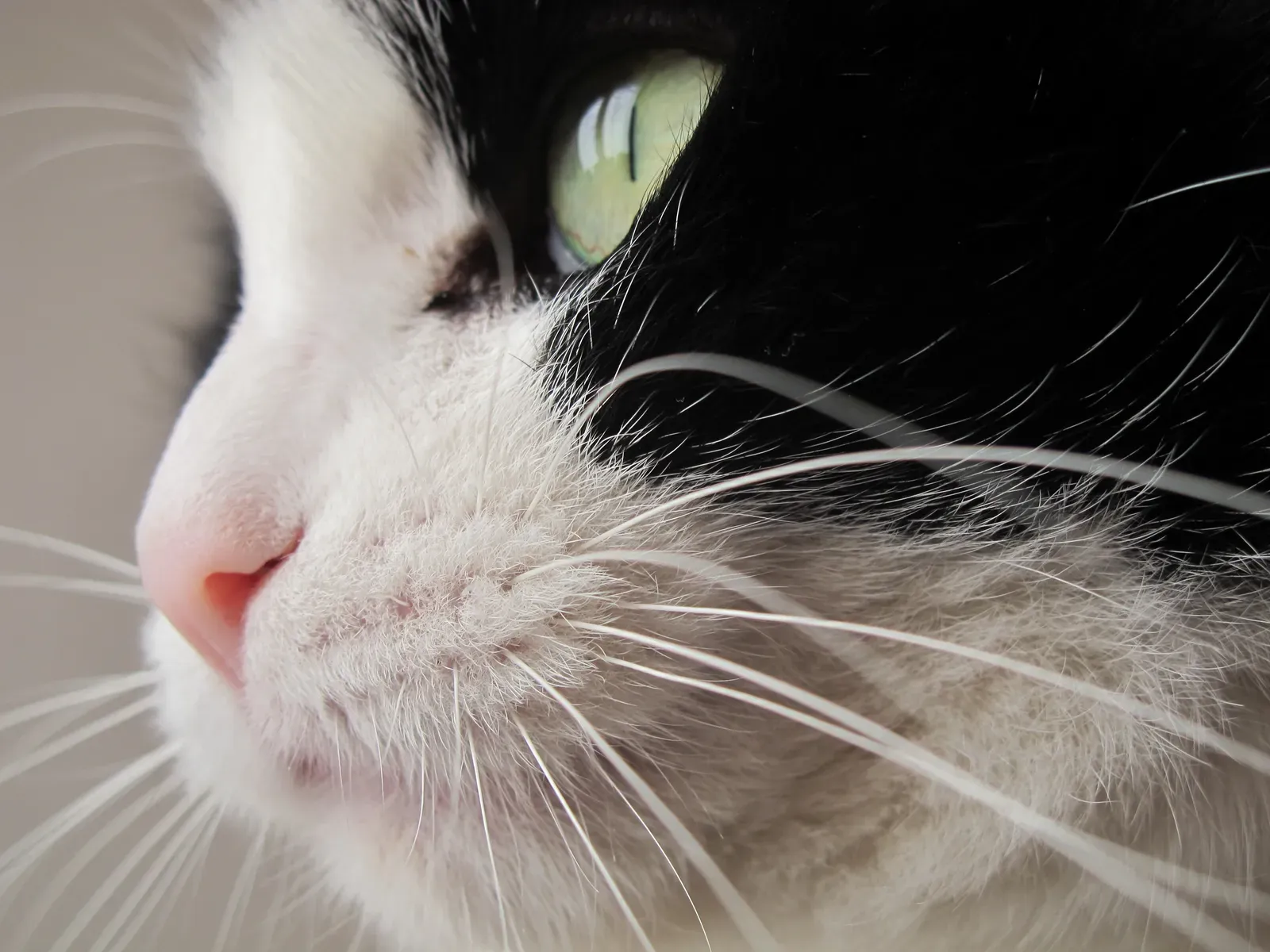
Cat whiskers, or vibrissae, are incredibly sensitive and play a significant role in their intuition. Whiskers are equipped with nerve endings that can detect even the slightest changes in air currents and physical objects around them. Cats use their whiskers to navigate in the dark, determine the size of openings, and sense objects before coming into contact with them. Honestly, if humans had anything like this, we’d call it a superpower.
The delicate skin of feline toe pads is packed with nerve endings, making them extra sensitive to textures, movements, and vibrations, so they may be able to detect micromovements in the earth before humans can. Feline whiskers are attached to sensitive nerves, allowing them to pick up on the tiniest of vibrations. Your cat is essentially walking around with built-in seismic sensors at every step. No wonder they seem to know things before you do.
Can Your Cat Really Sense an Earthquake Coming?
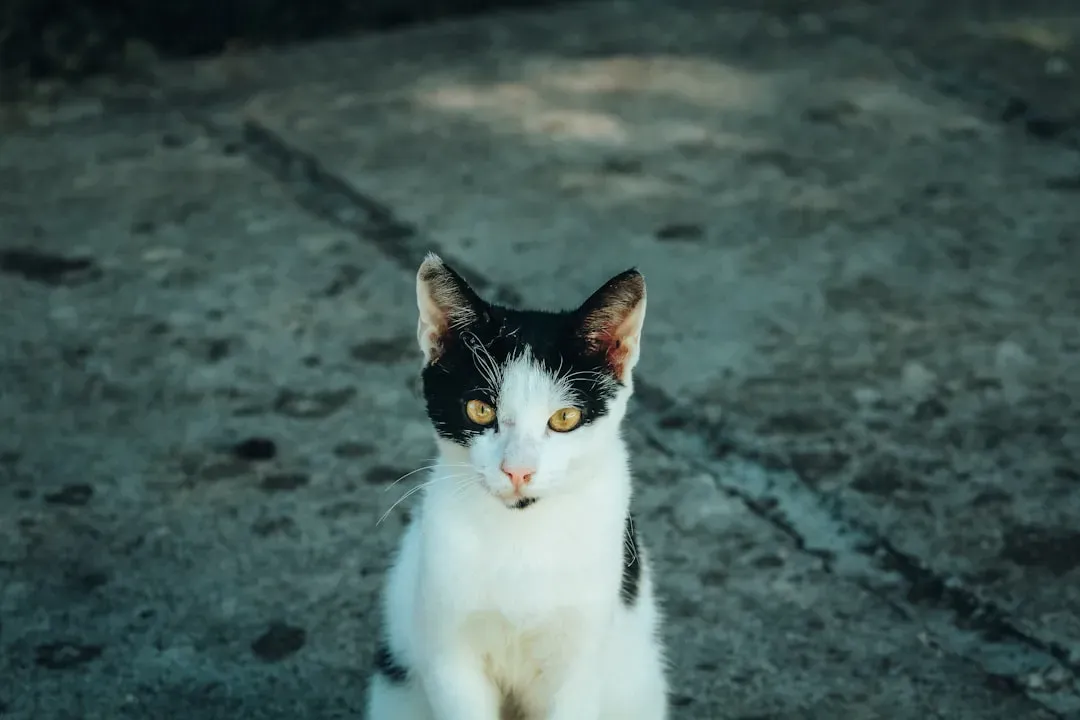
This one tends to split people right down the middle. Skeptics roll their eyes. Cat owners who’ve lived through it, though, will never forget the way their cat started acting before the ground moved. Scientists don’t agree on whether cats can predict earthquakes well in advance, but research suggests they can sense them up to 15 seconds before they occur. That might sound modest, but fifteen seconds of warning is not nothing when the walls start shaking.
One theory assures that cats perceive the small vibrations that occur in the earth before a tremor of great magnitude through the pads on their paws, because it is an extremely sensitive area of their body. There are those who affirm that they recognize this movement not due to their legs, but thanks to their fine ear. Furthermore, cats’ acute hearing capabilities are believed to pick up on the low-frequency noises generated by seismic activities. It’s hard to say for sure which mechanism is the dominant one, but the real story is that your cat may well be carrying several of these detection systems all at once.
The Remarkable Nose: Smelling Illness Before It Appears
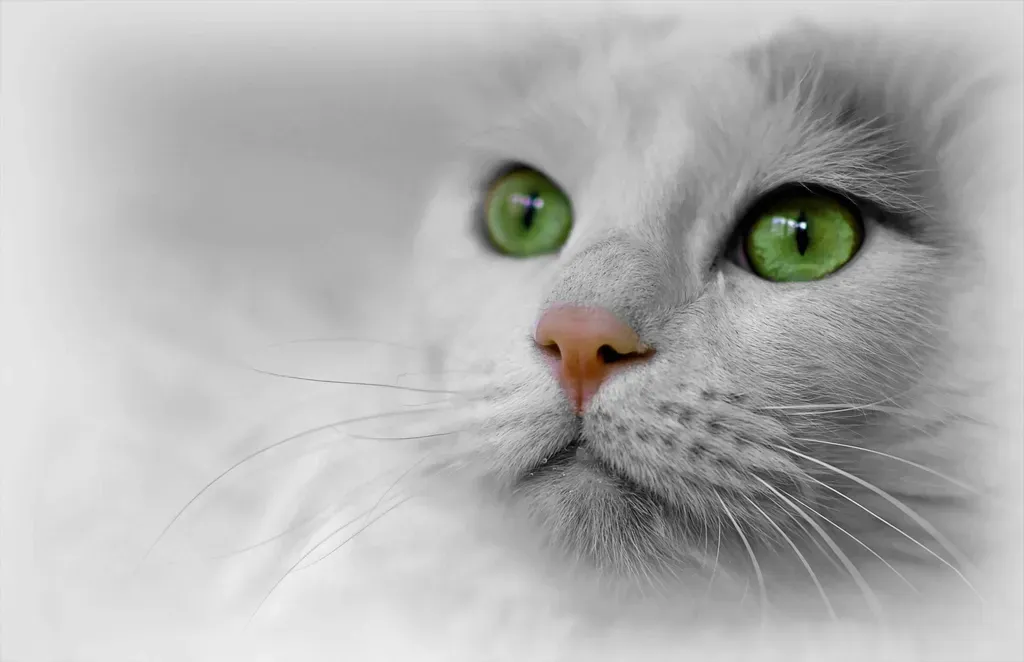
Of all the abilities cats have, their sense of smell might be the most quietly powerful. Cats’ olfactory system is one of the most advanced in the animal kingdom. They have a specialized organ called the vomeronasal organ, or Jacobson’s organ, located on the roof of their mouth. This organ allows them to detect pheromones and other chemical signals that are imperceptible to humans. When a cat curls back its lips and opens its mouth after sniffing something, it’s using this organ to gather more information about its surroundings.
Your body chemistry changes slightly when you come down with an illness or go through changes like pregnancy, producing different-smelling chemical odors. It’s possible that pets can smell these changes, causing them to behave differently. So that moment when your cat suddenly won’t leave your side, even though you “feel fine”? They may have already detected something your doctor hasn’t found yet. This ability is attributed to the feline’s sharp sense of smell, which can detect changes in a person’s body chemistry. Some researchers suggest that cats can sense the biochemical changes occurring in the bodies of sick individuals, allowing them to identify illnesses early on.
Oscar the Cat: A Living Record of Death Prediction
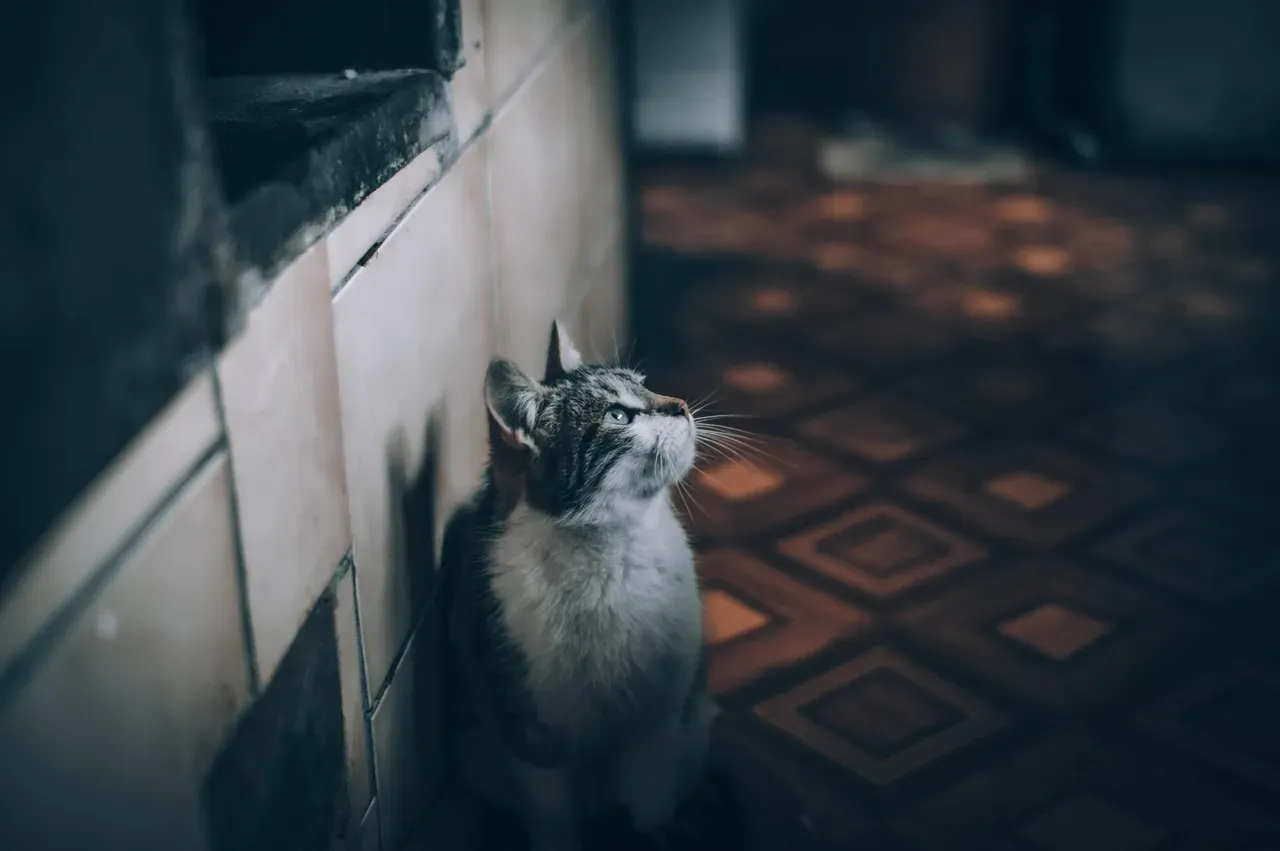
If you want a story that will genuinely give you chills, look no further than Oscar. In July 2007, a fascinating story emerged in the New England Journal of Medicine about a cat that could “predict” the deaths of patients in a nursing home several hours before they died. Oscar, a cat adopted by the staff of the Steere House Nursing and Rehabilitation Center in Providence, Rhode Island, has at least 25 successful predictions, in which patients died hours after the cat sat down by their beds. After the nursing home’s staff caught on to Oscar’s ability, they began alerting families whenever the cat took up his post next to a patient.
How exactly Oscar was able to pull this off is still a mystery. Some think he could pick up on a scent people may give off before dying, while others suspect he may have noticed changes in breathing or movement of the patient. We may never know how Oscar knew whom he had to keep company because their final hour had come, but the fact that he knew is definitely spooky. Honestly, no matter how rational you think you are, that story is hard to dismiss. Twenty-five confirmed predictions is not coincidence.
Reading Your Emotions Better Than Most Humans Can
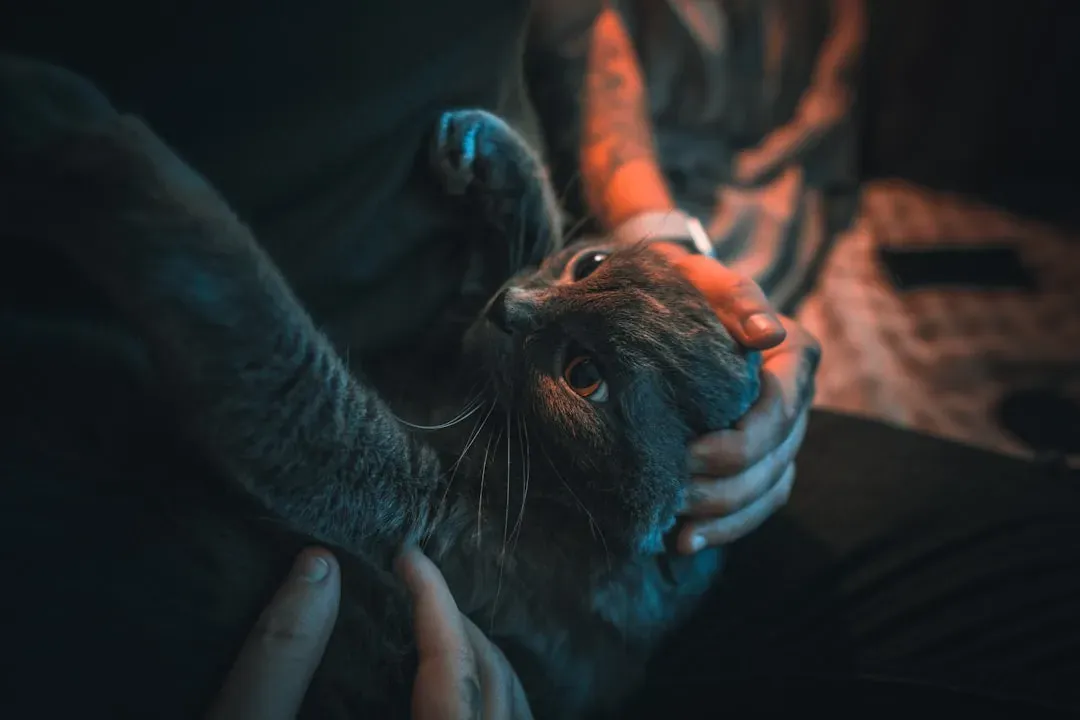
You’ve probably noticed that your cat always shows up when you’re having a rough day. That’s not random. Research has shown that cats can recognize human emotions through facial expressions and vocal tones. A groundbreaking study published in Animal Cognition demonstrated that cats can distinguish between their owners’ happy and angry expressions, suggesting a sophisticated understanding of human emotional states. Let’s be real, some people can’t even do that reliably.
Cats are sensitive to changes in physiological parameters, such as heart rate and body language, which can indicate your emotional state. When you’re happy, your cat often mirrors your emotions, lighting up and becoming more playful. Conversely, if you’re feeling low, they might become more subdued or even clingy. Think of it like having a furry emotional barometer living in your house. One that never lies and never tells you to “just be positive.”
The Evolutionary Roots of Feline Intuition
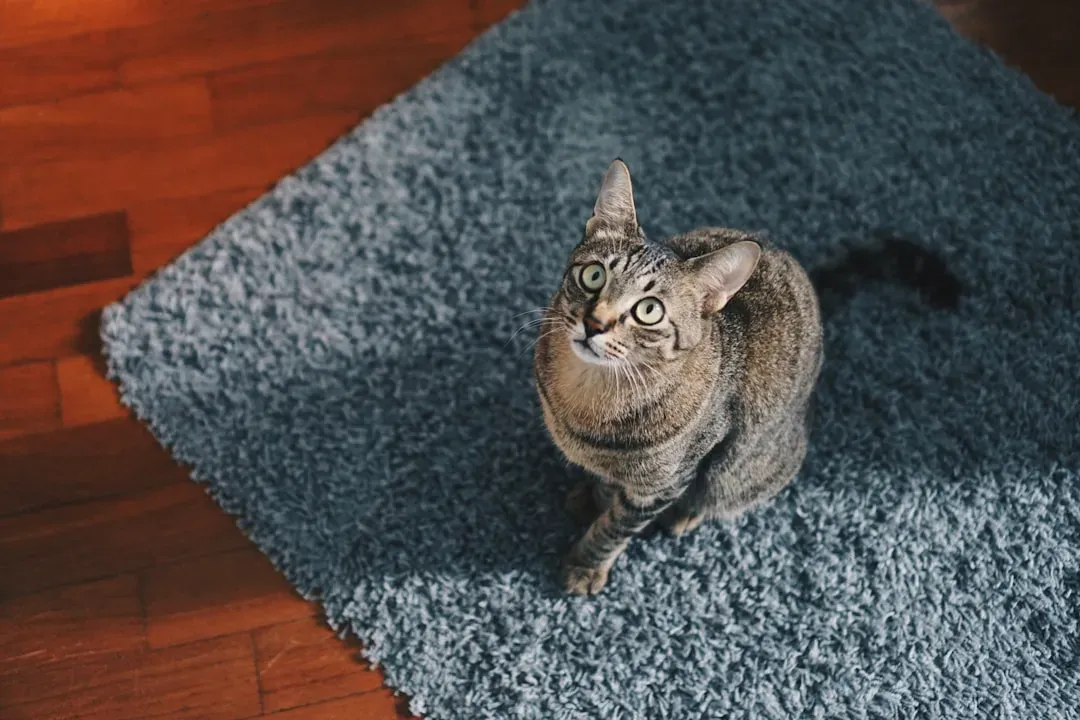
None of this came from nowhere. Your cat’s uncanny awareness is rooted in millions of years of survival pressure. To understand why cats exhibit such remarkable intuitive behaviors, it’s essential to look at their evolutionary history. Cats, both domestic and wild, are natural hunters. Their ancestors relied on keen instincts to track prey, avoid predators, and ensure their survival. Over time, these traits have been passed down to their feline companions, shaping their intuitive abilities.
Those who failed to respond to the earliest, almost imperceptible signs of danger – a faint vibration, a strange smell, or a sudden shift in the wind – simply did not survive. Meanwhile, the cautious and “sensitive” animals had a greater chance of escaping danger and passing on their genes. This is how a universal instinct was shaped. So when your cat seems to “just know” something, you’re witnessing an evolutionary masterpiece. Millions of years of fine-tuning compressed into one small, fluffy creature sitting on your couch.
The Deep Emotional Bond That Amplifies Their Sixth Sense

One often overlooked piece of the puzzle is the relationship between you and your cat. The bond between you and your cat might also explain parts of their intuition, especially when it comes to their ability to pick up on moods and illness. Cats who are close with their owners are more likely to know their routines, habits and body language. This ability to understand how you are feeling and know when things deviate from the norm might appear like amazing intuition or a sixth sense.
Cats’ intuition serves as a survival mechanism, guiding them in detecting potential dangers, avoiding precarious situations, and seeking out sources of comfort and security. Your bond with your cat is strengthened by their sixth sense, as they seem to understand your emotions, offer comfort during times of distress, and even anticipate your needs before you express them. The longer you live with a cat, the more precisely it calibrates itself to you. It’s less like having a pet and more like having a silent, extraordinarily perceptive roommate who watches everything and says nothing.
Conclusion: Trust the Cat You Can’t Fully Explain

After everything we know – the extraordinary hearing, the seismic-sensitive paw pads, the illness-detecting nose, the emotion-reading eyes – it’s tempting to say the mystery is solved. Cats are just biologically superior sensory machines. One logical explanation for the “intuition” pet owners believe their cat has is just how heightened four out of five of a cat’s senses are. Your cat’s senses of smell, hearing, touch and vision are much stronger than your own. Naturally, they’ll be able to pick up on things faster and with more ease than humans can.
Still, something remains unexplained. There is still much to learn when it comes to your cat’s remarkable ability to pick up on things you cannot. Whether these intuitions are a product of heightened senses, strong emotional bonds, a real ability to talk to ghosts, or something else entirely, nobody knows. Maybe that’s the most honest answer science can offer right now. Not everything needs to fit into a neat explanation. Sometimes the most extraordinary things in life – the ones that genuinely move us – are the ones we can’t fully see.
So the next time your cat stares at a blank wall at 3 a.m., don’t rush to dismiss it. Pay attention. They might just be seeing something you’ve forgotten how to notice. What do you think – is your cat tuned into something beyond our reach? Share your experience in the comments.