Cat owners often encounter an unexpected hiss from their feline companions during routine moments like mealtime or litter box visits.
Traces of Feral Ancestry
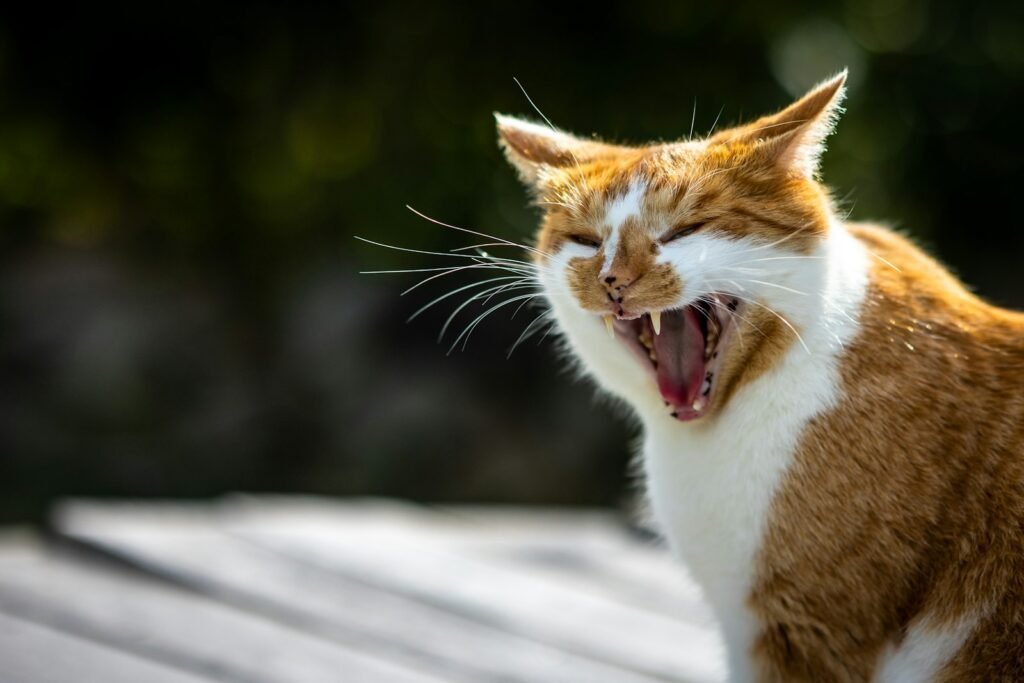
Cats descended from wild ancestors who faced constant competition for limited resources. In the wild, securing food or safe elimination spots meant the difference between survival and starvation. Domestic cats retain this hardwired response, manifesting as defensive hissing when they perceive a threat to valuables.
This behavior underscores how even pampered house cats channel instincts honed over thousands of years. Feral colonies demonstrate similar patterns, with individuals fiercely protecting personal stashes. Owners witness echoes of this heritage in everyday interactions.
Mealtime Becomes a Battleground
Approaching a cat while it eats frequently prompts a sharp hiss, signaling “back off.” This resource guarding peaks around food bowls, where the cat views the owner as a potential rival. Such reactions stem from an innate fear of scarcity, despite consistent feeding schedules.
Multiple cats in a household amplify the issue, as one may stand sentinel over another’s dish. Hissing serves as the first warning, escalating only if ignored. Veterinary observations confirm this as a widespread trait, not a sign of malice.
Litter Box Standoffs and Territorial Claims
Beyond food, litter boxes trigger intense guarding. A cat might block access or hiss at housemates – or even owners – near this private zone. In nature, vulnerable elimination times attracted predators, so modern cats defend these areas vigorously.
This possessiveness extends to high-value spots like sunny windowsills or favorite beds. Owners report cats positioning themselves as bouncers, issuing vocal alerts to deter intruders. Understanding this prevents misinterpretation as unexplained aggression.
Spotting and Decoding the Signals
Key indicators include arched backs, flattened ears, and dilated pupils alongside the hiss. These cues build a full picture of discomfort rather than outright attack intent. Resource guarding rarely involves unprovoked bites; it prioritizes deterrence.
- Hissing intensifies near meals or elimination.
- Body stiffens with piloerection (fur standing up).
- Swatting follows ignored warnings.
- Multi-pet homes see more frequent displays.
- Sudden onset links to household changes.
Strategies for Peaceful Coexistence
Owners can mitigate guarding by providing ample resources, such as multiple bowls and boxes. Feed cats in separate areas to reduce competition. Approach slowly during calm times to rebuild trust, avoiding high-stakes moments.
Consistency proves effective; scattered feeding mimics wild scarcity and worsens issues. Professional behaviorists recommend positive reinforcement over punishment, which heightens fear. Gradual desensitization, like tossing treats near the bowl post-meal, eases tensions over time.
Key Takeaways
- Resource guarding reflects survival instincts, not personal dislike.
- Supply extras: one litter box per cat plus one, spread-out food stations.
- Respect signals to prevent escalation.
Cats’ hissing reveals a glimpse into their untamed past, reminding owners of the wild spirit beneath the purr. Respecting these boundaries fosters harmony. What experiences have you had with a hissing cat? Share in the comments.