You have probably heard the phrase a thousand times. Someone’s cat tumbles off the roof, lands gracefully on all four paws, gives you a look like absolutely nothing happened, and strolls away. People laugh, shake their heads, and someone inevitably says it: “Well, there goes another one of those nine lives.” It is one of those sayings that has been passed around for so long, in so many languages, across so many centuries, that most of us have stopped questioning where it came from.
Here’s the thing though. The idea that cats have nine lives is not just old folklore you can smile at and move on from. It is a genuinely fascinating window into history, mythology, animal biology, and the strange relationship humans have had with these creatures for thousands of years. So before you dismiss it as superstition, wait until you see exactly what is behind it. Let’s dive in.
The Ancient Myth That Started It All

Every great story has an origin, and the nine lives myth is no exception. This fascinating belief traces back to ancient civilizations, where cats were revered, and their mysterious nature led to the creation of numerous legends. Honestly, when you look at how ancient people observed cats, you can totally understand why they thought something supernatural was going on.
Cats were revered by ancient Egyptians, who believed they had divine energy. According to their culture, the sun god Atum-Ra gave birth to the other eight gods and also took the form of a cat. The nine lives connection may have come from this symbolism – Ra plus eight gods equals nine. That is not just poetry. That is a number with cosmic weight attached to it, linked directly to feline imagery.
Why the Number Nine Specifically?

In various cultures, the number nine is often seen as special, representing total perfection or deep magical meaning. This is shown in stories like the Nine Muses in Greek mythology and the Nine Worlds in Norse tales. It is worth pausing on this for a moment, because the number nine shows up with striking regularity across completely unconnected traditions worldwide.
In China, both cats and the number nine have positive significance, with cats once being worshipped and the number nine representing longevity. Interestingly, the specific number of lives attributed to cats varies globally. In some Spanish-speaking regions and cultures, cats are said to have seven lives, which also carries mystical significance and is often associated with luck and the divine. So it is less about the number nine being objectively correct and more about each culture reaching for its most powerful, resonant number to describe these uncanny animals.
Shakespeare, Proverbs, and Pop Culture
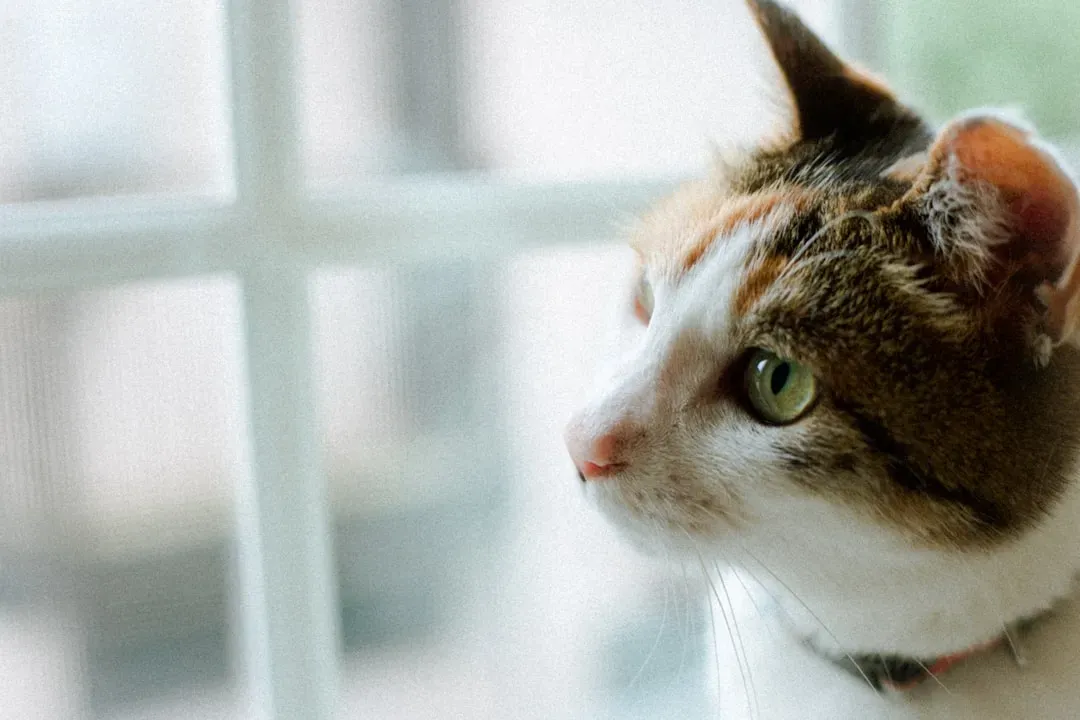
As with most oral storytelling, there is no evidence of when or where this famous English quotation was first documented. However, William Shakespeare knew about the saying because he referenced it in his play Romeo and Juliet, written in the late 16th century. Because of this, the myth predates the late 1500s and possibly has ancient origins. Think about that. The saying was already old when Shakespeare was using it.
Most sources cite an old English proverb that states: “A cat has nine lives. For three he plays, for three he strays, and for the last three he stays.” There is no physical evidence of where the proverb originated or how often it was said; it was likely passed down orally. It is also believed the idea behind the proverb was probably pointing out the unique personalities that cats often possess, and was not meant to be a factual statement about their lifespans. A small but important distinction that gets lost over centuries of storytelling.
The Righting Reflex: Nature’s Most Elegant Safety Mechanism

Here is where things get truly jaw-dropping. The cat righting reflex is a cat’s innate ability to orient itself as it falls in order to land on its feet. The righting reflex begins to appear at three to four weeks of age and is perfected at six to nine weeks. Cats are able to do this because they have an unusually flexible backbone and no functional clavicle. Imagine being born with a built-in physics engine designed to prevent catastrophic landings.
When a cat slips or misjudges a jump, fluid-filled structures in the inner ear detect that the body is no longer upright and send rapid signals to the brain about which way “down” is. This balance hardware, called the vestibular apparatus, includes semicircular canals and tiny dense structures that sense acceleration, helping the cat realize it is falling even before your own brain reacts. It is so fast, so precise, and so automatic that it happens before even you would register the cat had started to fall. That is not luck. That is millions of years of evolutionary engineering.
Terminal Velocity and the Physics of Falling Cats
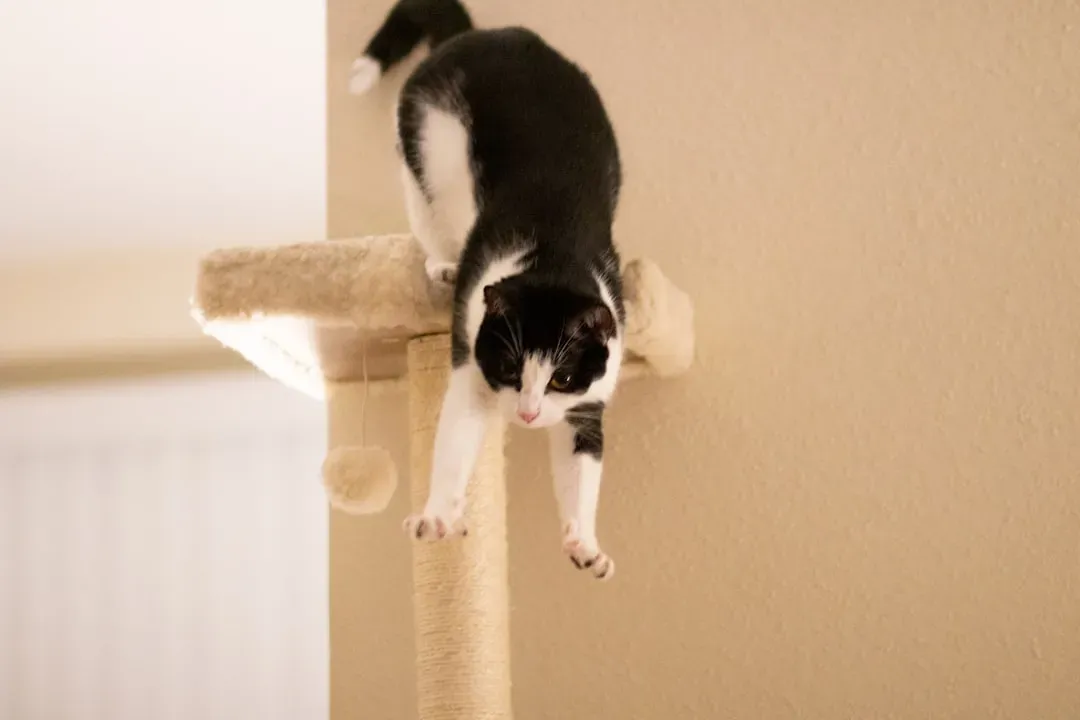
You might think that the higher a cat falls, the more dangerous it gets. The reality? It is more complicated than that, and honestly a little mind-bending. To understand how cats survive high falls, you need to understand a concept in physics known as terminal velocity – the maximum speed an object reaches when falling freely through the air. For humans, terminal velocity is about 120 mph, but for cats it is only about 60 mph. Why so much slower? It comes down to their smaller size and lighter weight, along with the way they position their bodies during a fall.
The study’s authors speculated that, after falling five stories, the cats reached terminal velocity, at which point they relaxed and spread their bodies out to increase drag. Their small size, light bones, and thick fur all help to decrease their terminal velocity. This means they do not fall as fast as heavier animals. Also, once they have twisted to land on their feet, they can spread out their body like a parachute. This increases air resistance and slows down how fast they are falling even more. A living, breathing, purring parachute. I think that is genuinely one of the most remarkable things about these animals.
Superhuman Senses That Keep Cats Out of Danger
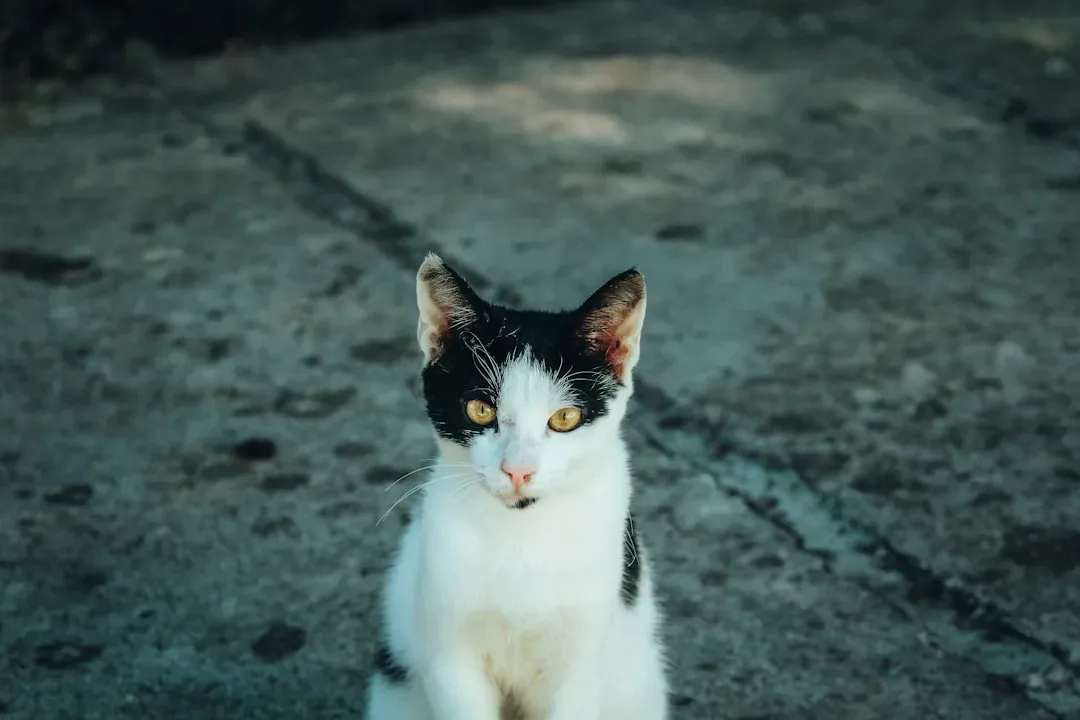
The righting reflex gets most of the spotlight, but let’s be real: cats avoid countless dangerous situations in the first place because of senses that are genuinely extraordinary. Humans and cats have a similar range of hearing on the low end of the scale, but cats can hear much higher-pitched sounds, up to 64 kHz, which is 1.6 octaves above the range of a human, and 1 octave above the range of a dog. That is not a small upgrade. That is a completely different world of sound that you have zero access to.
At the heart of a cat’s night vision lies a structure called the tapetum lucidum – a layer of cells located behind the retina. This iridescent layer acts like a mirror, reflecting light that passes through the retina back into the eye. This process enhances the sensitivity of the retina to low levels of light, effectively amplifying the available light and improving the cat’s ability to see in dimly lit environments. A domestic cat’s sense of smell is nine to sixteen times as strong as a human’s. Combine all of this together, and you have a creature that perceives danger before it even registers on your radar.
The Spine, Flexibility, and the Body Built for Survival
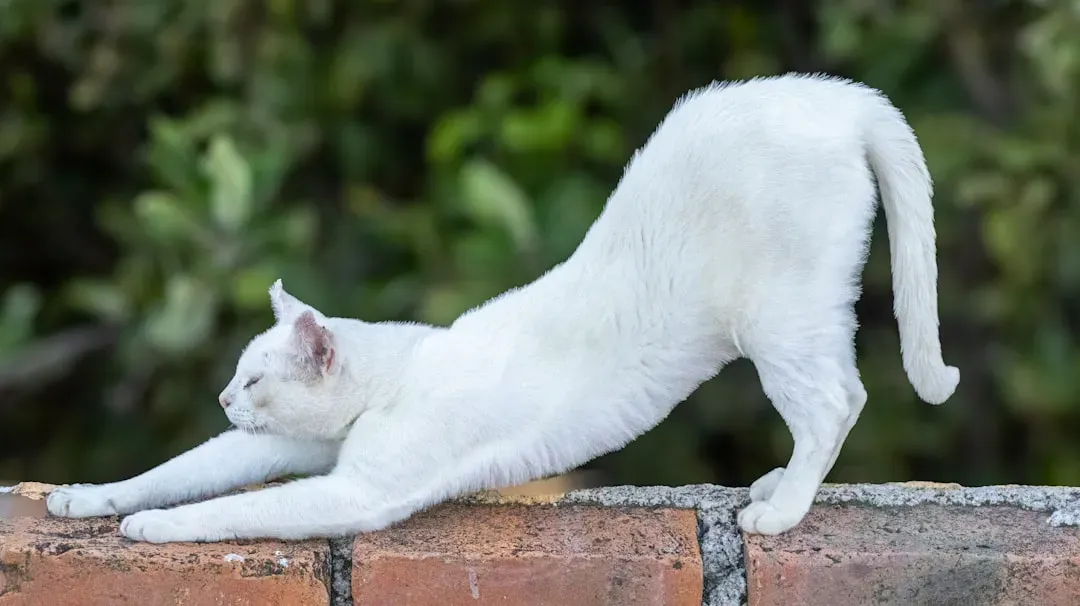
If you have ever seen a cat squeeze themselves into a space that looks far too small for them, you have seen their flexibility in action. This ability is thanks to their elastic spines and unique clavicles that are attached to muscle instead of bone. This lets them fit through openings that are barely wider than their heads and twist through impossibly narrow spaces. Think of it like a skeleton that plays by slightly different rules than yours, one designed for escape rather than bulk.
As any cat parent can tell you, all you have to do is observe a cat’s ability to leap, twist and land on their feet to see why this myth is a lasting legend. Cats have almost a supernatural ability to move from a low, crouching position to a high, long leap in a matter of seconds. This is not due to magical powers: it is their biological make-up. Their impressive jumping skills are due to the muscle mass and the length of their hind legs. Your cat’s back legs are so strong that they can easily leap six times their height. Six times. For comparison, an elite human athlete might manage about one and a half times their height. You simply do not appreciate how extraordinary your housecat is until you see that number.
Longevity: How Long Do These Resilient Creatures Actually Live?
If cats lived nine full lifetimes, the math would be extraordinary. They do not, but the single life they do have can stretch surprisingly long. On average, domesticated cats live between thirteen to seventeen years. Maximum lifespan has been estimated at values ranging from twenty-two to thirty years, although there have been claims of cats living longer than thirty years. That is a remarkable run for a small mammal.
According to the 2010 edition of the Guinness World Records, the oldest cat ever recorded was Creme Puff, who died in 2005, aged thirty-eight years and three days. Thirty-eight years. That is nearly a full human generation. Scientific evidence shows that neutered cats generally have a longer lifespan than those that are not. This is because neutering can prevent certain reproductive diseases. It also lessens a cat’s desire to roam, which can keep them safer from outdoor dangers. So while the myth says nine lives, proper care can at least make the one life they have stretch as far as possible.
What the Science Really Tells You About the Nine Lives Myth

So does science actually support the myth, even indirectly? It is hard to say for sure, but the evidence is striking. One 1987 study from the Journal of the American Veterinary Medical Association reported that cats falling from five to thirty-two stories had a very high survival rate when treated. That statistic does not prove magic, but it is enough to keep the myth alive. Still, survival is never guaranteed and context matters enormously.
While the idea of cats having nine lives may seem like an old wives’ tale, there is actually some science to back it up. Cats have a unique set of physical attributes and behaviors that make them incredibly resilient and adept at avoiding danger. They are small and agile, so they can often escape from dangerous situations with ease. Their flexible bodies enable them to squeeze into tight spaces to hide from predators or fit through narrow openings in a pinch. Their survival instincts are remarkable, but the truth behind the nine lives myth is a mix of science and instinct, not magic. That feels like the most honest summary you can get.
Conclusion
The nine lives myth is one of those rare stories where the legend, the history, and the science all converge in genuinely fascinating ways. You now know that the phrase stretches back to ancient Egypt, through English proverbs, all the way into Shakespeare. You know that the righting reflex is a real, measurable biological superpower. You know that cats perceive a world of sound, scent, and shadow that is simply invisible to you. And you know that with the right care, a single feline life can stretch across nearly four human decades.
Cats do not actually have nine lives. But their ability to defy gravity, escape danger, and captivate our imagination makes them truly remarkable. From ancient mythology to modern science, they have remained symbols of resilience, mystery, and survival. Maybe the nine lives idea was never literally true. Maybe it was always just humanity’s poetic way of saying: this creature is extraordinary, and we cannot quite explain it. Honestly? That feels right. What would you have guessed?