You call your cat’s name from across the room, and they don’t move a whisker. You start to wonder if anyone is home upstairs. It’s a story practically every cat owner knows by heart. You’ve probably written it off as pure feline indifference, that theatrical act of selective hearing they seem to have perfected over thousands of years.
Here’s the thing though: that blank stare might not mean what you think it does. Recent science suggests your cat is almost certainly listening, processing, and yes, understanding far more of your words than their stone-cold face ever lets on. So let’s dive in, because what researchers have uncovered about cats and human language is genuinely surprising.
The Groundbreaking Japanese Study That Changed Everything
Imagine testing a cat the same way scientists test a human infant’s grasp of language. That’s exactly what happened. A team of animal scientists at Azabu University in Japan provided compelling evidence that house cats can associate spoken words with visual images without any form of reward or training, in a study involving 31 adult cats. The experiment used animated images paired with nonsensical made-up words to eliminate any pre-existing associations.
After a brief break, the animations were replayed with the words mismatched with the images, and the cats’ reactions were closely monitored. The results were intriguing: cats exhibited a noticeable increase in attention when the words did not match the images, suggesting they had formed associations between the original words and the corresponding visuals. Some cats, honestly, looked genuinely confused, which is a wild thing to witness in a species famous for never looking confused about anything.
Cats Learn Words Faster Than Human Babies
This is the part that sounds almost too good to be true, so I’ll let the science speak for itself. Cats learn to associate images with words even faster than babies do, according to a study published in Scientific Reports. Think about that for a moment. Your cat, the one napping on your keyboard right now, may have sharper early word-learning reflexes than a human child.
The authors noted that “it is noteworthy that cats made the picture-word association after only brief exposure,” with most cats habituating to the stimulus pairing after four trials, meaning they received only nine-second exposures in two trials for each word-picture pair. By comparison, trials involving human infants used at least four 20-second trials for a word-picture pair. To be fair, there are meaningful methodological differences between the baby and cat experiments, so it’s not a direct head-to-head comparison. Still, the implication is striking.
How Many Words Can Your Cat Actually Recognize?
You’ve probably wondered about this number before. It is thought that cats understand around 20 to 40 human words, and some might recognize up to 50. However, it’s perhaps more appropriate to say that cats are able to associate and distinguish words rather than understand their meaning. Think of it less like a dictionary and more like a personal highlight reel of sounds that actually mean something to them.
Unlike with dogs, there’s no conclusive research to indicate the maximum number of words a cat could learn to recognize. Some experts note they’ve had cats who knew between 10 and 15 cue words, and ultimately, the number of words you can teach your cat depends on how many cues you wish to use in daily life. In other words, your cat’s vocabulary is, in a very real sense, shaped by yours. The more consistently you talk to them with specific words, the more they absorb.
Your Cat Knows Its Own Name – But Chooses When to React
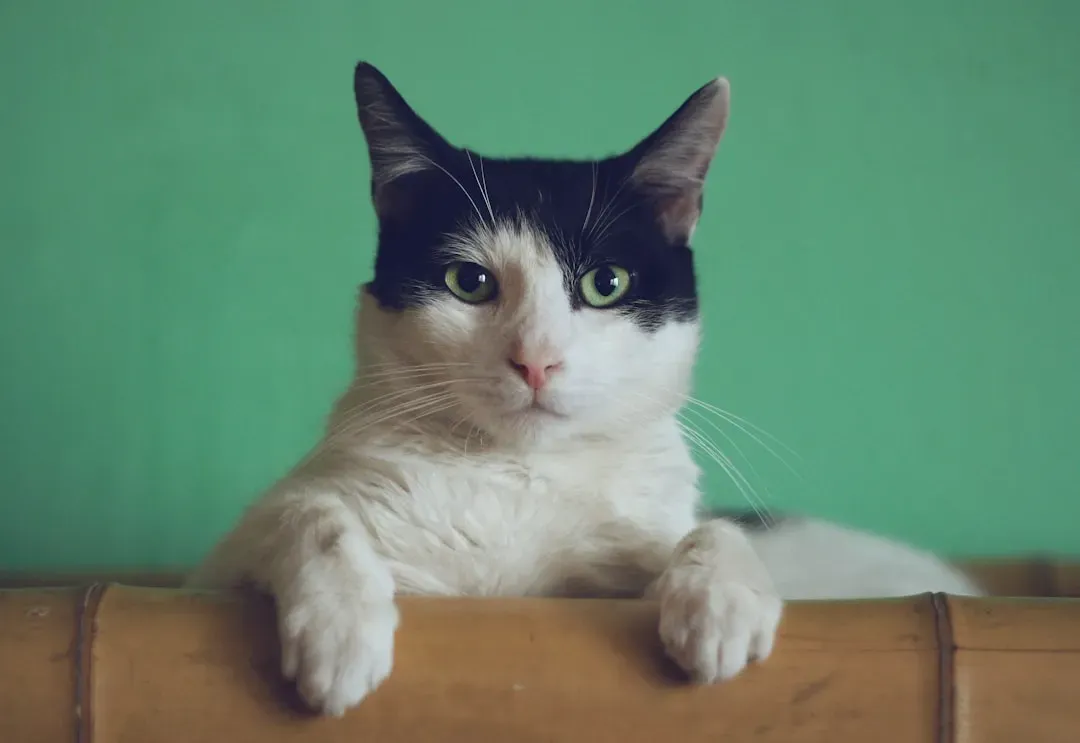
One of the earliest and most solid discoveries in this field is both reassuring and slightly humbling. In 2019, a team in Tokyo showed that cats “know” their names, responding to them by moving their heads and ears in a particular way. You were right this whole time. They do hear you. At the sound of their own names, cats respond with orienting behavior, specifically head and ear movements, regardless of whether their name was called by their owner or a stranger.
Now, the less flattering part. Less than 10 percent of cats studied actually moved toward the sound, despite responding to it by turning their head and moving their ears. So your cat hears you, processes the word, acknowledges the sound, and then simply decides not to come. As researchers noted, cats, unlike dogs, have not been domesticated to obey humans’ orders; rather, they seem to take the initiative in human-cat interaction. Somehow that makes them more fascinating, doesn’t it?
The Role of Association and Repetition in Feline Word Learning
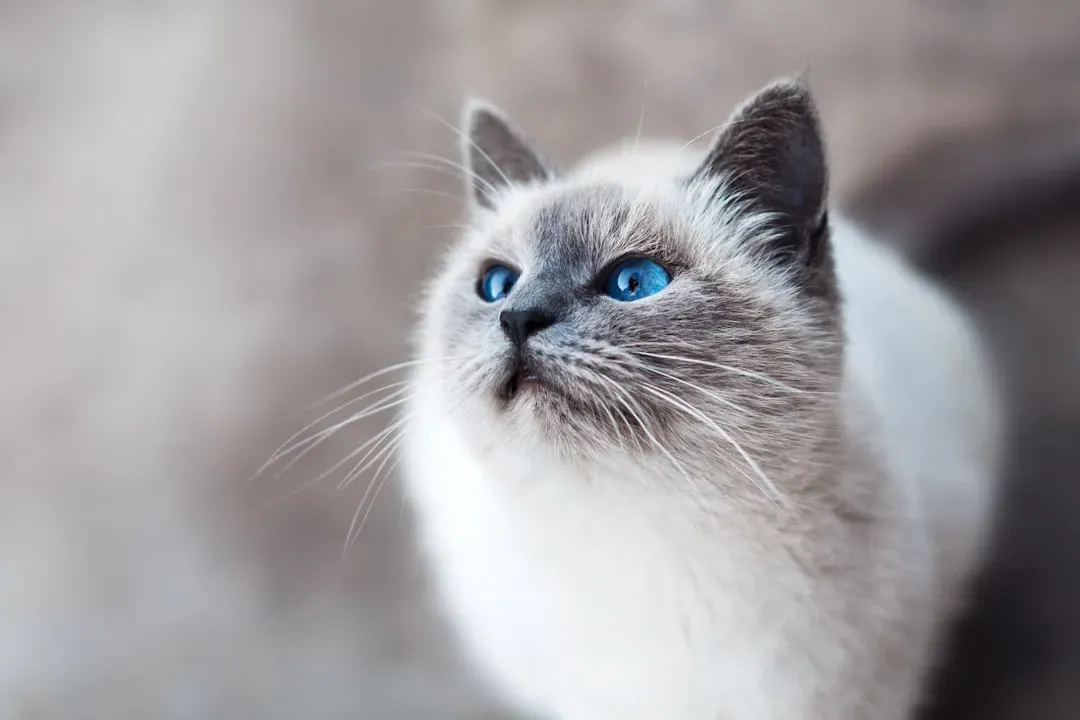
Let’s be real: cats aren’t parsing your sentences like a linguistics professor. The mechanism behind their word recognition is something called associative learning. Cats can recognize and respond to certain words, especially their name and words linked to meaningful experiences, but they don’t understand human language the way people do. Instead, cats learn words through sound associations and repetition. If you say “treat” every single time you shake the bag, “treat” becomes a powerful word in your cat’s world.
Cats learn to understand words through something called associative concept training, and by using positive reinforcement such as treats, you can teach your cat to associate the sound of certain words with a specific activity. It’s not that different from how a young child first learns that the word “cookie” means something delicious is incoming. The emotional and experiential anchor is everything. Because cats learn words by associating a sound with an experience rather than by definition, there are really no rules about which words cats can and can’t learn, and as long as you’re consistent with your training, you can teach your cat a word for almost any activity.
Your Cat Recognizes Your Voice Specifically
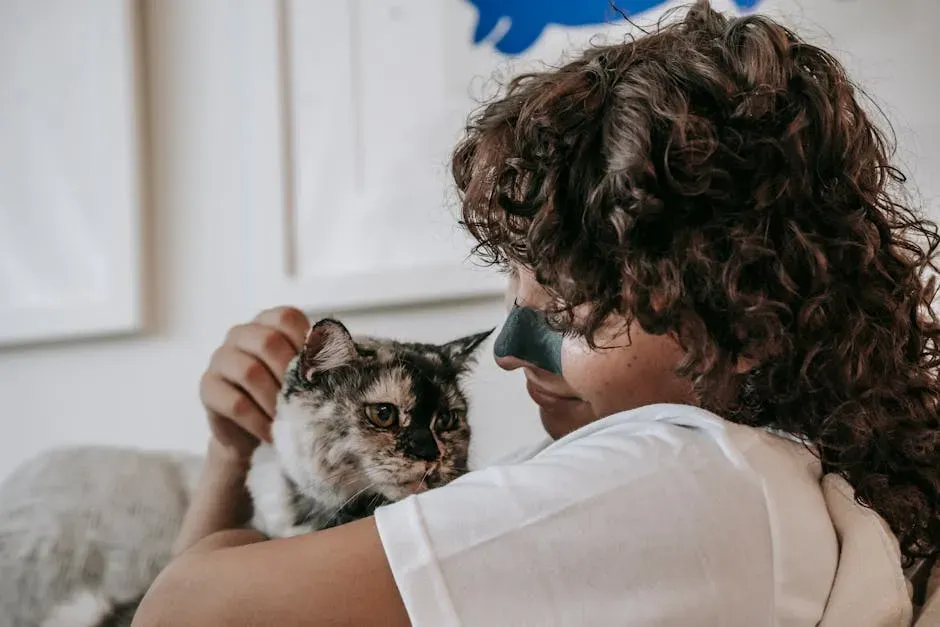
This one might genuinely make you feel something warm inside. It’s not just words your cat picks up on. It’s your words. Filling a long-standing gap in feline research, a small study shows that cats can distinguish their owners’ voices from those of strangers. Your voice, specifically, carries a kind of unique weight in your cat’s world that no stranger’s voice can replicate.
Cats “significantly increased their behavior,” meaning they started paying more attention, when they heard their owner speaking in the cat-directed tone, while the cats did not change their behavior when a stranger’s voice was played in either tone. This means your cat isn’t just reacting to generic human speech. As researcher Charlotte de Mouzon notes, “there is really a special communication that develops between every owner and their cat.” You two have built a private language together, and your cat is fluent in your particular version of it.
Tone, Emotion, and What Your Cat Really Hears When You Speak
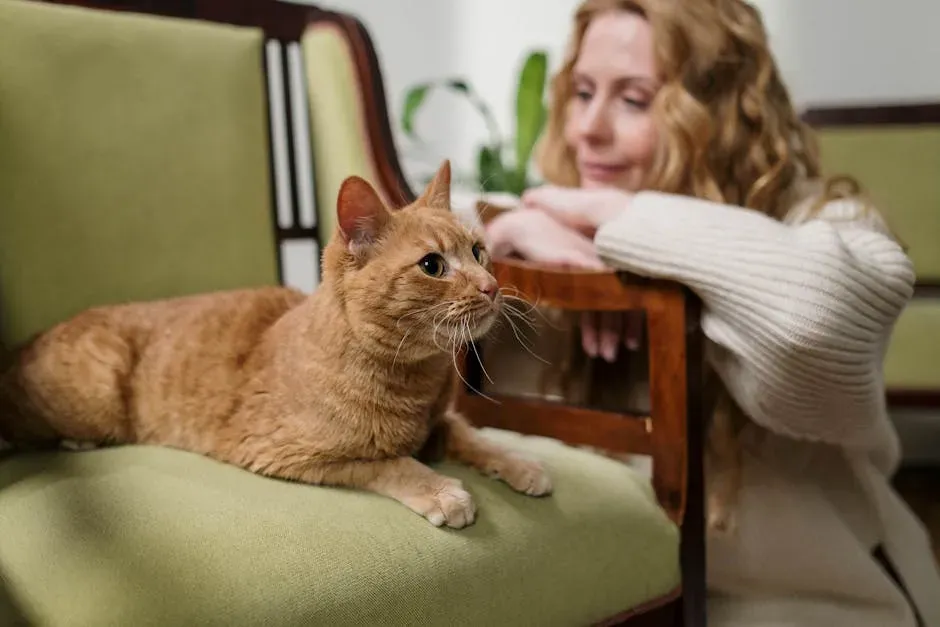
Words are only part of the story. If you’ve ever scolded your cat in a singsong voice and wondered why they didn’t seem bothered, there’s a scientific explanation for that. Cats are masters of non-verbal cues, and their real understanding comes from tone of voice, body posture, and context rather than just words. Whether you’re happy, angry, or sad, your emotional cues influence how your cat reacts far more than what you’re literally saying.
High-pitched, cheerful tones often signal positivity and friendliness, and cats may associate this tone with playtime, treats, or affection. Low-pitched or harsh tones can indicate anger or displeasure, and cats might perceive this as a warning or a sign to keep their distance. Calm, soothing tones are comforting and can help reduce anxiety in your cat, especially during stressful situations like vet visits. In short, your cat is essentially reading your emotional state through the music of your voice, not just the lyrics.
Cats Can Even Know the Names of Other Household Cats
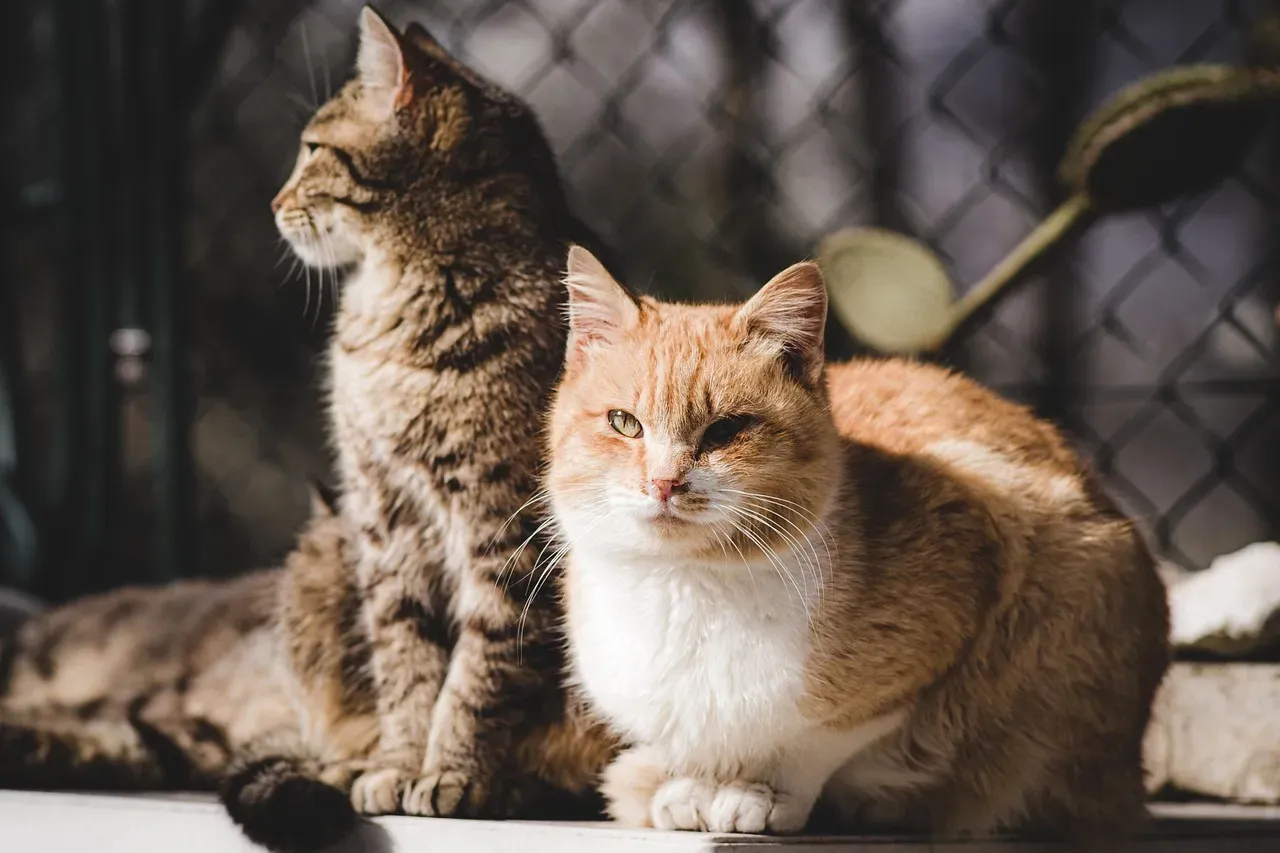
If you thought your cat’s language comprehension stopped at their own name, prepare to be surprised. In 2022, researchers demonstrated that cats can “match” photos of their human and feline family members to their respective names. That means your cat, sitting quietly in the corner, might actually know who “Luna” is when you call her, even when Luna herself isn’t in the room.
Cats can recognize their own name and often the names of other household pets. I think this is one of the most underappreciated findings in all of cat cognition research. It suggests that cats are not just passively hearing sounds but actively building a mental map of their social world using human language as a guide. Researcher Saho Takagi of Azabu University was quoted saying she “was very surprised, because that meant cats were able to eavesdrop on human conversations and understand words without any special reward-based training.” Eavesdropping. Let that word sink in.
Thousands of Years of Evolution Built This Ability Into Your Cat
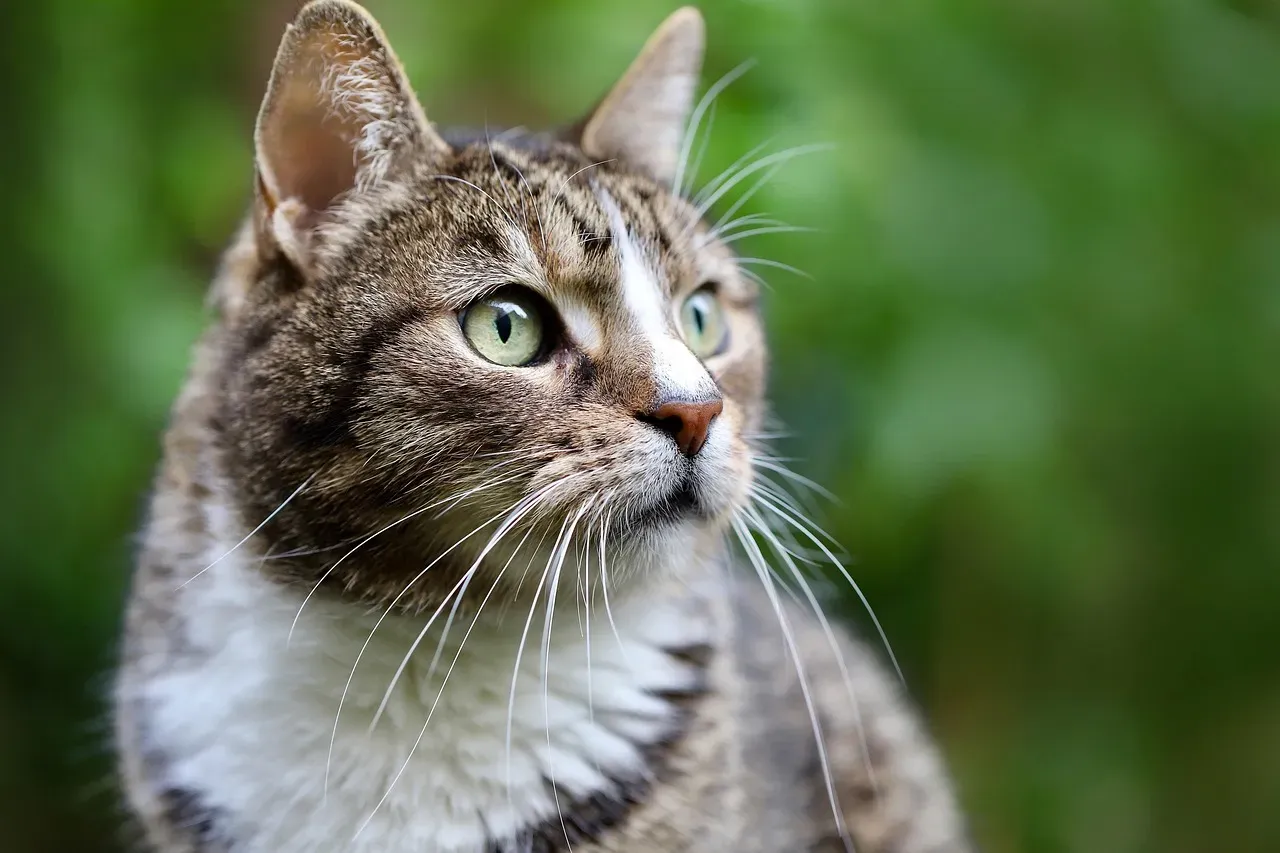
None of this happened overnight. Your cat’s ability to tune into your words is the product of a remarkably long shared history. Cats have coexisted with humans for approximately 10,000 years, a period during which they have adapted to our presence and communication styles. Evolutionary psychologists note that cats’ ability to learn from human interactions makes sense given their long-standing relationship with us, suggesting that cats have become adept at interpreting human language cues, enhancing their survival and social integration.
Researchers have uncovered at least 13 genes that changed as cats morphed from feral to friendly, and some of these seem to play a role in cognition and behavior, including fear responses and the ability to learn new behaviors. So the very wiring of your cat’s brain was shaped, over millennia, to make coexistence with you not just possible but natural. While most cat species are solitary, domesticated cats can live in social groups, engage in complex social encounters, and form strong attachments to humans. Their adaptability to us runs all the way down to the genetic level.
Conclusion: Start Talking to Your Cat More

The picture that emerges from all of this research is both humbling and exciting. Your cat is not the detached, indifferent creature popular culture has long painted them to be. Without any particular training, cats appear to pick up basic human language skills just by listening to us talk. They’re quietly building a working understanding of your world, one repeated word at a time.
The practical takeaway is genuinely simple. Talk to your cat during petting sessions, while you’re folding the laundry, or at bedtime. Regularly interacting with your cat using positive vocalization and gestures, such as smiling and speaking in an upbeat tone of voice, will reinforce the bond between the two of you, and it also provides insight into how your cat uses their own language, both verbal and nonverbal, to converse with you. Your cat is listening more than you know. The real question is: how much have you been saying?
What do you think? Have you noticed your cat responding to specific words in ways you never expected? Share your experience in the comments.