You call your cat’s name from across the room. Nothing. You say it again. Still nothing. Your cat glances up briefly, holds eye contact for exactly one second, then looks away with the quiet authority of a creature who has already decided you are not worth the effort. Sound familiar? Here’s the thing, though. That reaction is not indifference. That is understanding.
Science has been quietly dismantling the age-old idea that cats are clueless about our words, our moods, and our conversations. Honestly, the evidence coming out of research labs is a little shocking. Your cat may be running a more sophisticated mental file on your daily vocabulary than you ever imagined. Let’s dive in.
The Science That Blew Everyone’s Mind
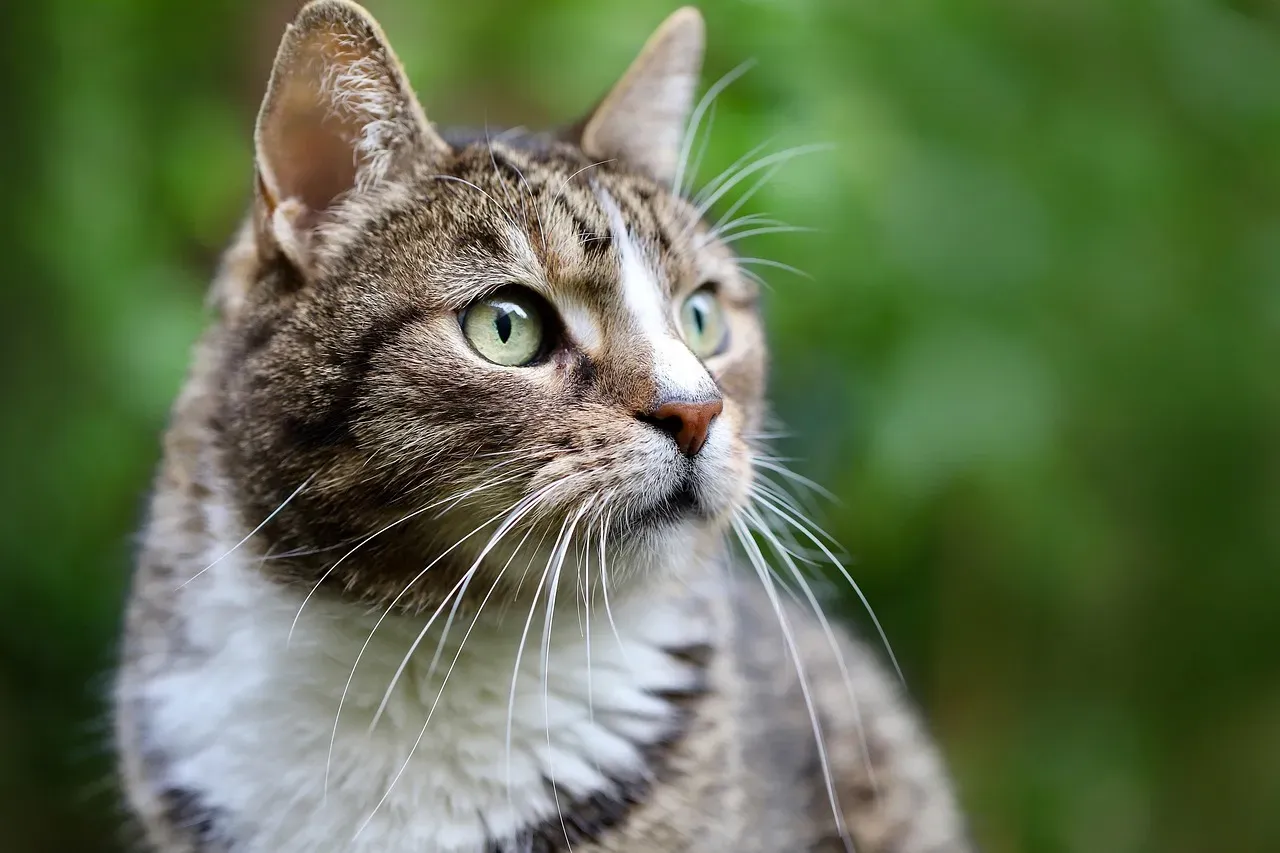
Common house cats possess the ability to associate human words with images without any prompting or reward, according to research conducted by animal scientists at Azabu University in Japan. The discovery, published in the journal Scientific Reports, sheds new light on feline cognitive abilities and their potential for understanding human language.
The results were striking. Cats displayed clear signs of interest and confusion when faced with mismatched word-image pairs. They spent more time observing these incongruous associations, and their pupils even dilated, indicating surprise or heightened attention. Think about what that means for a second. When the words and the images stopped matching up, the cats noticed. That is not passive hearing. That is active processing.
Your Cat Already Knows Its Name, It Just Chooses When to React
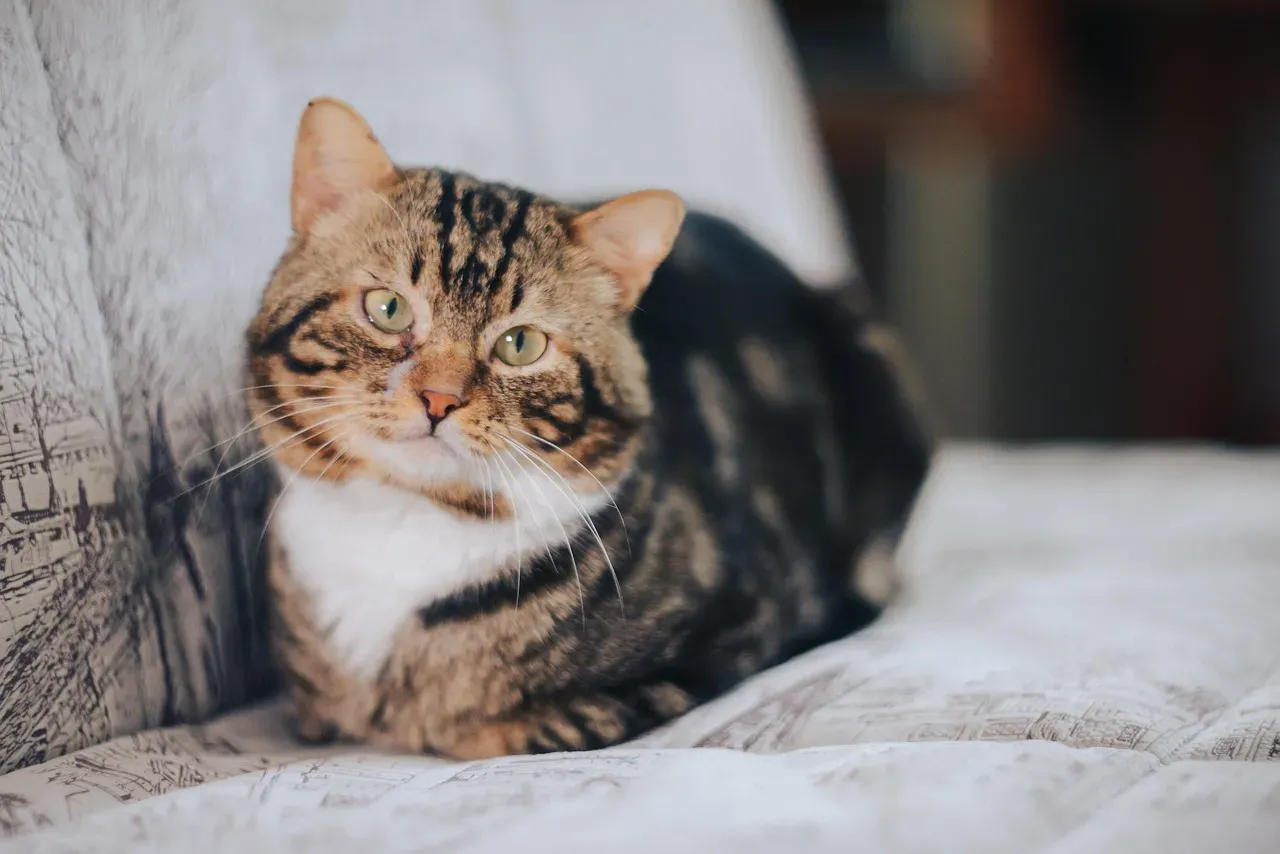
Cats are notorious for their indifference to humans. Almost any owner will testify to how readily these animals ignore us when we call them. A study, however, indicates domestic cats do recognize their own names, even if they walk away when they hear them.
The cats had more pronounced responses to their own names, including meowing or moving their ears, heads, or tails, compared to similar words or the names of other cats. So when you call “Luna” and she flicks one ear and goes right back to sleep? She heard you. She filed it under “optional.” Less than roughly one in ten cats studied actually moved toward the sound, despite responding to it by turning their head and moving their ears. In other words, the comprehension is there. The cooperation is entirely up to them.
Cats Can Even Learn Words Faster Than Human Babies

Surprisingly, the vast majority of the cats in the study had learned each word-image association after only two nine-second lessons. By contrast, most fourteen-month-old human babies need four fifteen-second lessons, including hearing each word seven times per lesson. Let that comparison sink in for a moment.
Critically, cats appear to be learning these word associations without any training or clear promise of reward for doing so, in the same way babies learn languages. It is hard to say for sure whether cats are “language learners” in the full sense, but it does seem like cats are really able to learn associations between sounds and external stimuli quickly. What is more, the cats in the study made these associations without any kind of reward incentive. That suggests the cats were independently motivated to associate novel images with sounds.
They Eavesdrop on Your Conversations
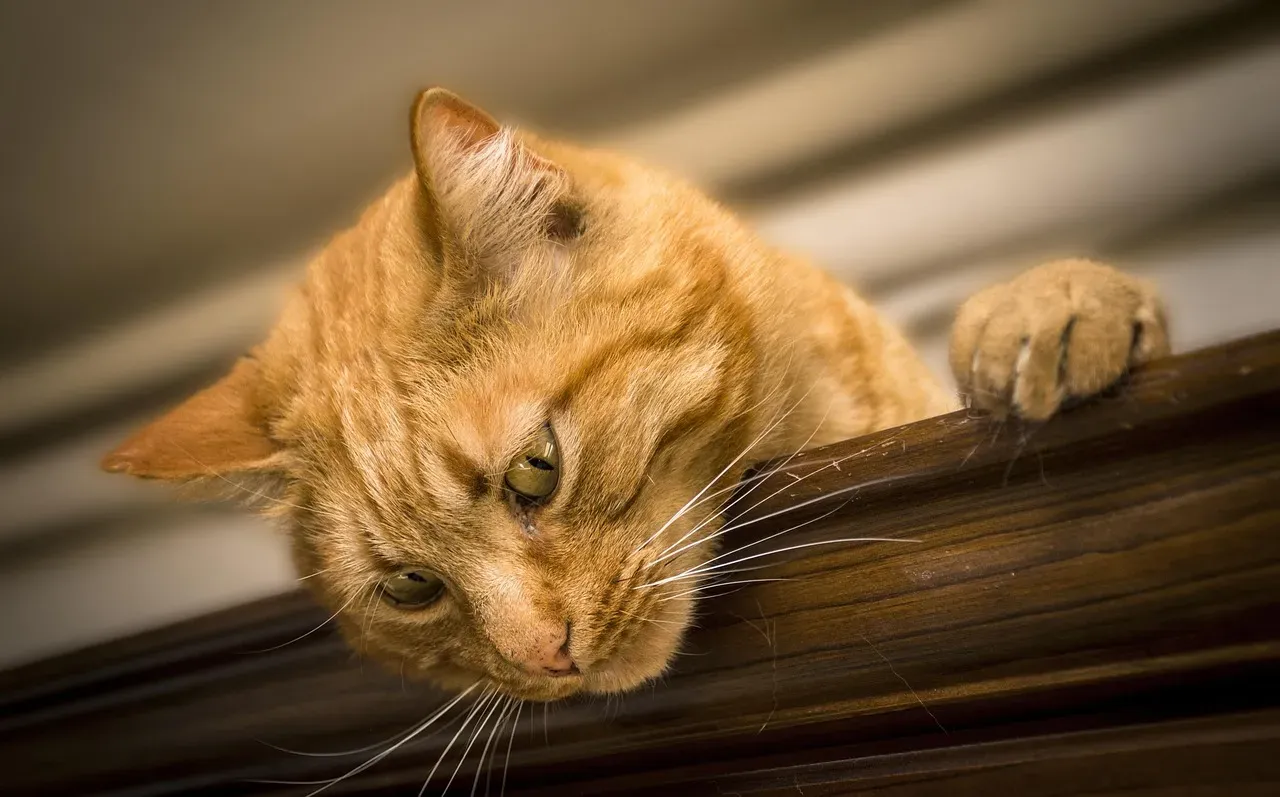
In 2019, a team in Tokyo showed that cats respond to their names by moving their heads and ears in a particular way. In 2022, some of the same researchers demonstrated that the animals can match photos of their human and feline family members to their respective names.
One researcher was surprised, noting that this meant cats were able to eavesdrop on human conversations and understand words without any special reward-based training. This led her to wonder whether cats are hard-wired to learn human language. That is a genuinely wild idea, isn’t it? Your cat, perched quietly on the sofa while you chat with a friend, might actually be processing which name belongs to which face. Research found that the bigger a family a cat lives with, the more the cat attended in the incongruent name-face condition. Cats living with more people have more opportunities to hear names being used, and living with a family for a longer time increases this experience. In other words, the frequency and number of exposures to the stimuli may make the name-face association more likely.
It Is Not Just Words, It Is Your Tone Too
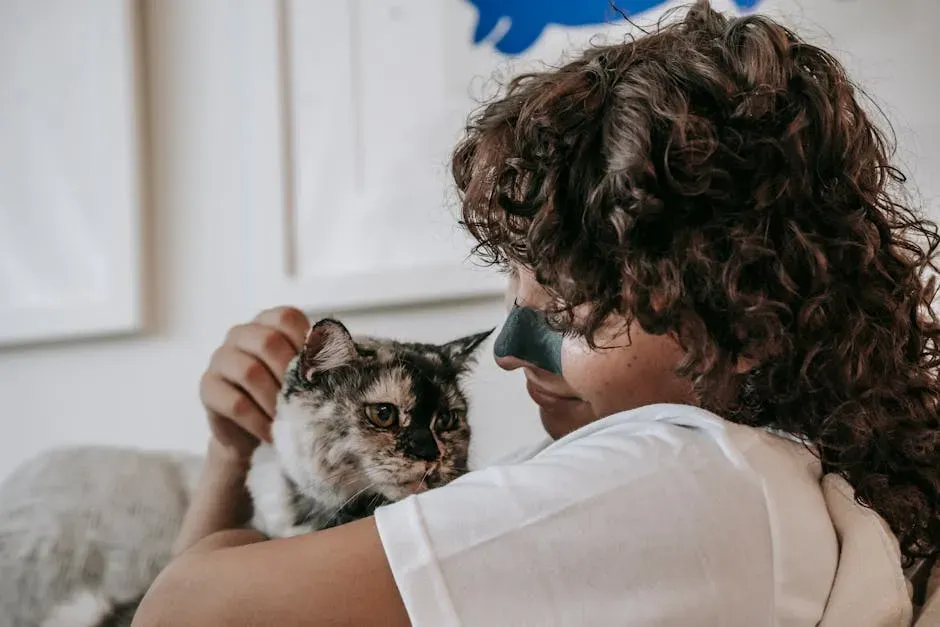
Yes, cats can interpret human emotions by listening to vocal tones. They notice differences in pitch, volume, and rhythm, responding to happy or calm voices by approaching and retreating from angry or harsh tones. This is actually closer to how a very young child perceives speech than most people realize.
A gentle, soothing tone can reassure your cat, while a harsh or loud voice may cause them to retreat or hide. It is almost as though they are more interested in how you say something than in what you actually say. This sensitivity is why many cats seem to know when they are being praised or scolded, even if the actual words are unfamiliar. Let’s be real, your cat probably figured out your “serious voice” long before you realized you even had one.
How Cats Sense Your Emotions Beyond Words
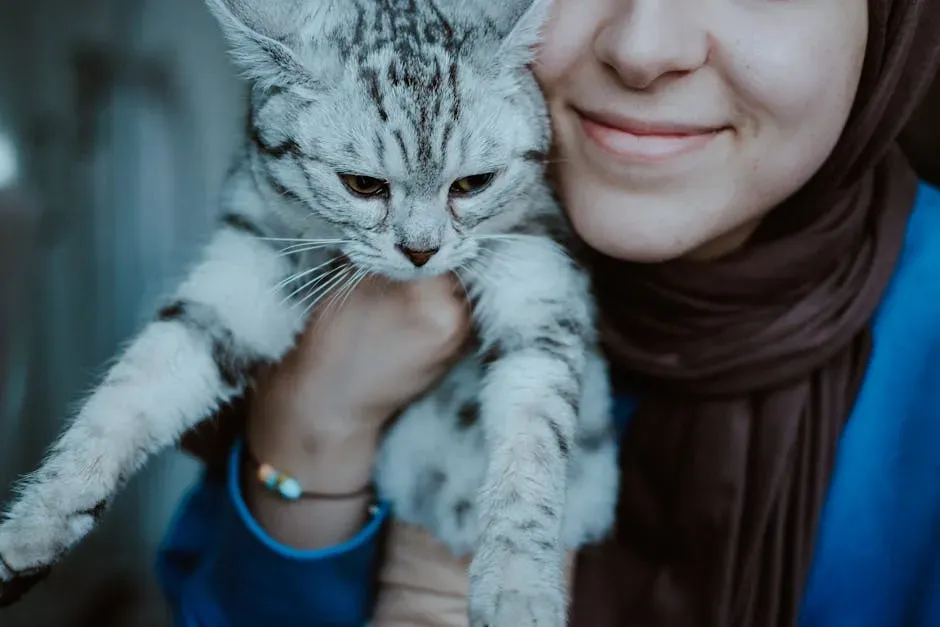
Research demonstrates that cats integrate visual and auditory signals to recognize human and feline emotions, and they appear to modulate their behavior according to the valence of the emotion perceived. They are doing something remarkably sophisticated, cross-referencing what they see with what they hear.
A recent study shows cats can detect human emotions through scent, especially fear, suggesting our cat friends might understand us more than we realize. Cats discriminate their owner’s emotional reaction toward an unfamiliar object and adjust their behavior accordingly, expressing more positive behaviors and spending a longer time in contact with their owner when they appear happy, whereas they display less positive behaviors in response to the owner’s angry expression. It is a level of social attentiveness that honestly rivals what we expect from some people.
The Domestication Factor: Why Cats Developed These Skills at All
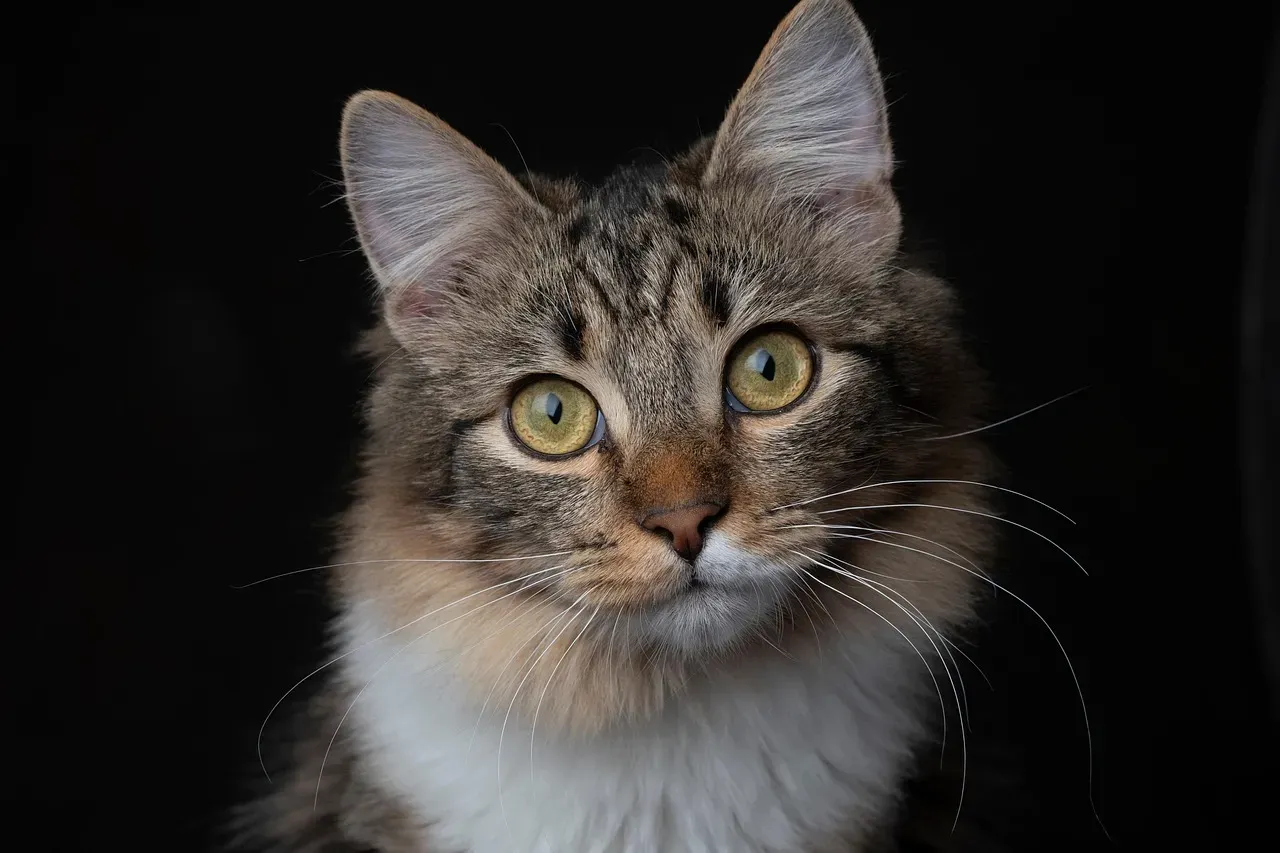
Evolutionary psychologist Brittany Florkiewicz notes that cats’ ability to learn from human interactions makes sense given their long-standing relationship with us. This evolutionary perspective suggests that cats have become adept at interpreting human language cues, enhancing their survival and social integration.
Cats pretty much domesticated themselves when wildcats followed mice and rats into agricultural settlements. Domestic dogs, meanwhile, have a roughly twenty-thousand-year head start over cats. Considering how much less time cats have had to develop these social skills compared to dogs, their linguistic sensitivity is even more impressive. Domestic cats are still evolving, thanks to us. Until a decade or two ago, most pet cats spent most of their time outside, coming indoors only at night or in bad weather. With more and more cats spending their lives inside, in closer contact with humans, a cat’s ability to read and respond to our cues may become even stronger.
Why Cats Don’t Always Show You What They Know
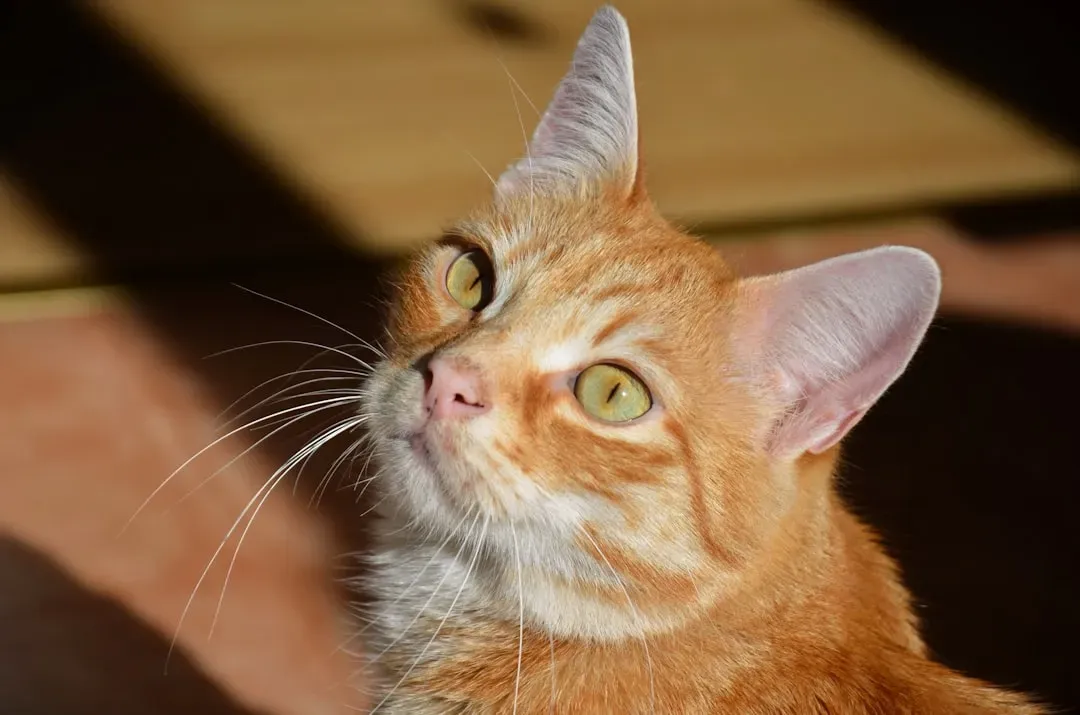
According to animal behavior expert John Bradshaw, cats are just as good as dogs at learning. They are just not as keen to show their owners what they have learned. This is perhaps the most delightfully frustrating finding in all of cat science.
One scientist found that cats are just as capable as dogs at learning. However, cats are less keen to demonstrate what they have learned to their owners. Any cat owner will know that our feline family members are highly independent. They simply have not been domesticated to respond to our human orders. Imagine knowing the answer to every question in class but deciding to never raise your hand. That is your cat, every single day.
How to Communicate Better with Your Cat Using This Knowledge
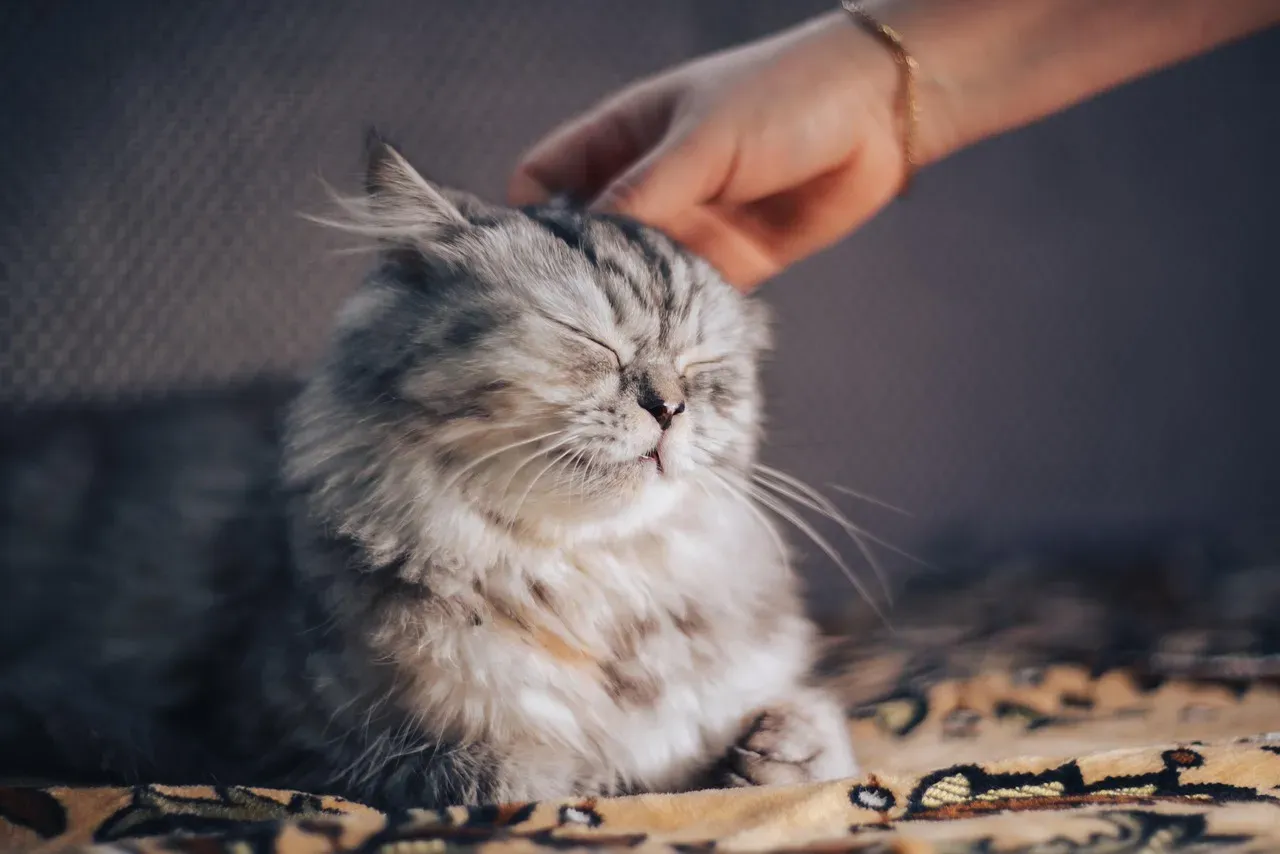
The researchers noted that cats responded best to words spoken by their caregivers in an exaggerated tone, similar to how we often speak to infants. Using a playful, exaggerated tone can capture a cat’s attention and aid in their learning. Consistent use of words in similar contexts reinforces their associations, making it easier for cats to understand and respond.
Because cats learn words by associating a sound with an experience rather than by definition, there are really no strict rules about which words cats can and cannot learn. As long as you are consistent with your training, you can teach your cat a word for almost any activity. Think of it like building a shared private language. A study by the University of Georgia revealed that cats develop a private language with their owners, and meows play a big role. When you respond to your kitten’s cries, you reinforce their use of vocals to communicate. The more you talk to them, the richer that shared vocabulary becomes.
What the Future of Cat Language Research Might Reveal
Researcher Takagi remains interested in exploring how much of human language cats understand, and experiments to test whether they can distinguish between Japanese and English are on the horizon. That is an astonishing next step.
Conducting long-term studies on how cats develop their language skills over time could yield valuable information about their learning processes. The implications of this research extend beyond just cats. Understanding animal cognition can inform training methods for various pets, leading to more effective communication and stronger relationships. I think we are only just beginning to understand the quiet intelligence sitting on our sofas, staring at us with those half-lidded, knowing eyes.
Conclusion: Your Cat Has Been Listening All Along
Here’s the final picture, and it is a bit humbling. Your cat hears your words. It recognizes your name, the names of the other people and animals in your household, and the emotional meaning behind your voice. It reads your body language, detects shifts in your scent, and adjusts its behavior accordingly. It just decides, on its own timetable, whether any of this is worth acting on.
The old image of the cat as a beautiful, oblivious creature drifting through your home on its own agenda was never quite accurate. The science now tells a different, far more fascinating story. Your cat is a quiet observer, a subtle linguist, and possibly the most underestimated intelligence in your household. So the next time you speak to your cat and get that slow, deliberate blink in return, maybe that is not dismissal. Maybe that is acknowledgment. What do you think? Have you ever caught your cat understanding something you said before you realized it yourself? Drop your thoughts in the comments.