You’ve probably heard it a thousand times. Cats are aloof, independent creatures who couldn’t care less about their humans. They’re nothing like dogs, right? They only stick around because you feed them, and the moment a better meal ticket comes along, they’ll bolt.
Here’s the thing, though. That entire narrative might be one of the biggest misunderstandings in the pet world. Recent scientific research has been quietly dismantling these myths, revealing a completely different picture of our feline companions. What if everything you believed about cat loyalty was based on outdated assumptions and stereotypes rather than actual evidence? Let’s dig into what science really tells us about the emotional lives of cats and their bonds with us.
The Attachment Test That Changed Everything
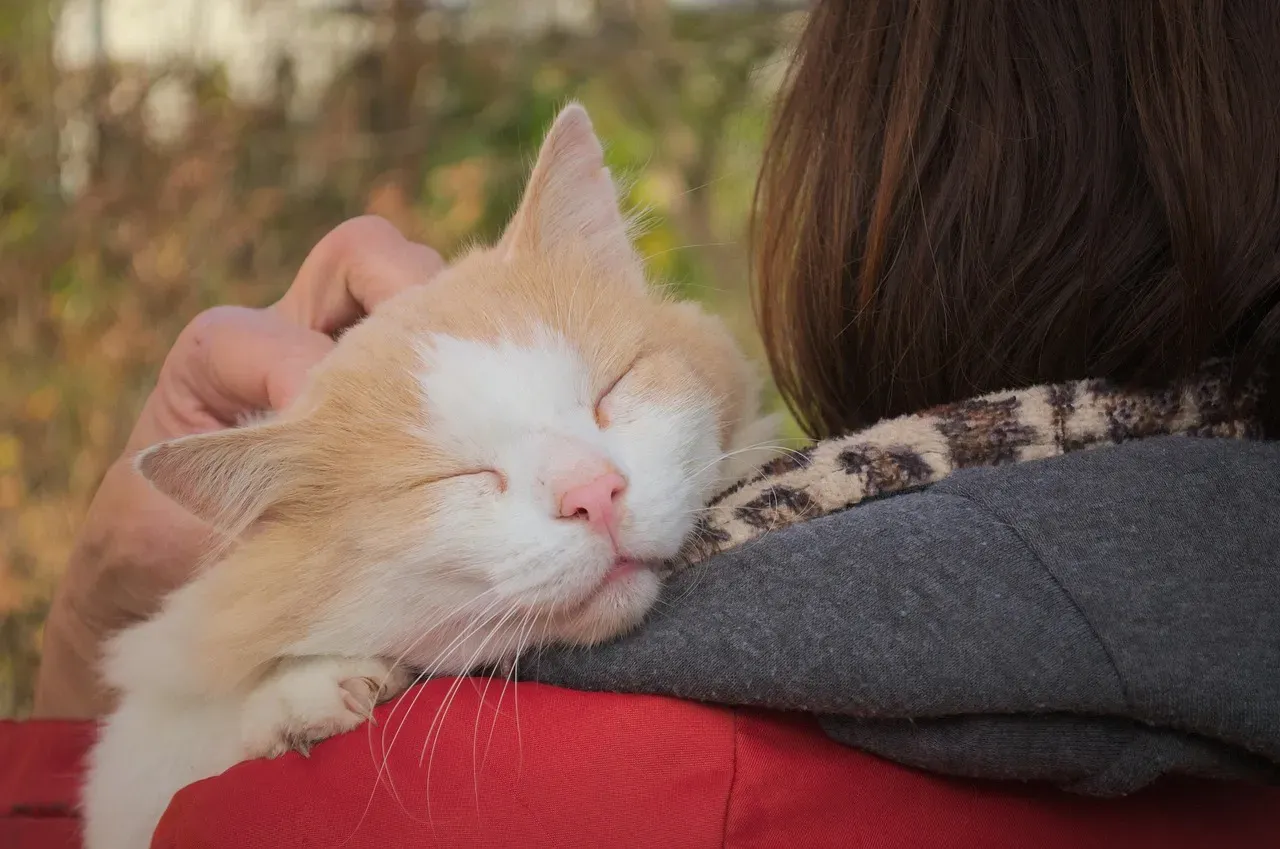
Researchers at Oregon State University used something called the Secure Base Test to evaluate how cats bond with their owners. The test involved spending two minutes together in an unfamiliar room, then two minutes alone, followed by a two minute reunion. The results were honestly stunning.
Roughly two thirds of both kittens and adult cats were classified as securely attached to their owners. That’s the same proportion seen in human infants with their caregivers. Cats bond in a way that’s surprisingly similar to infants. When their person returned after the brief absence, most cats sought them out for comfort and then felt confident enough to explore their surroundings. They weren’t using humans merely as food dispensers. They were using them as emotional anchors.
Your Cat Knows Your Voice Better Than You Think
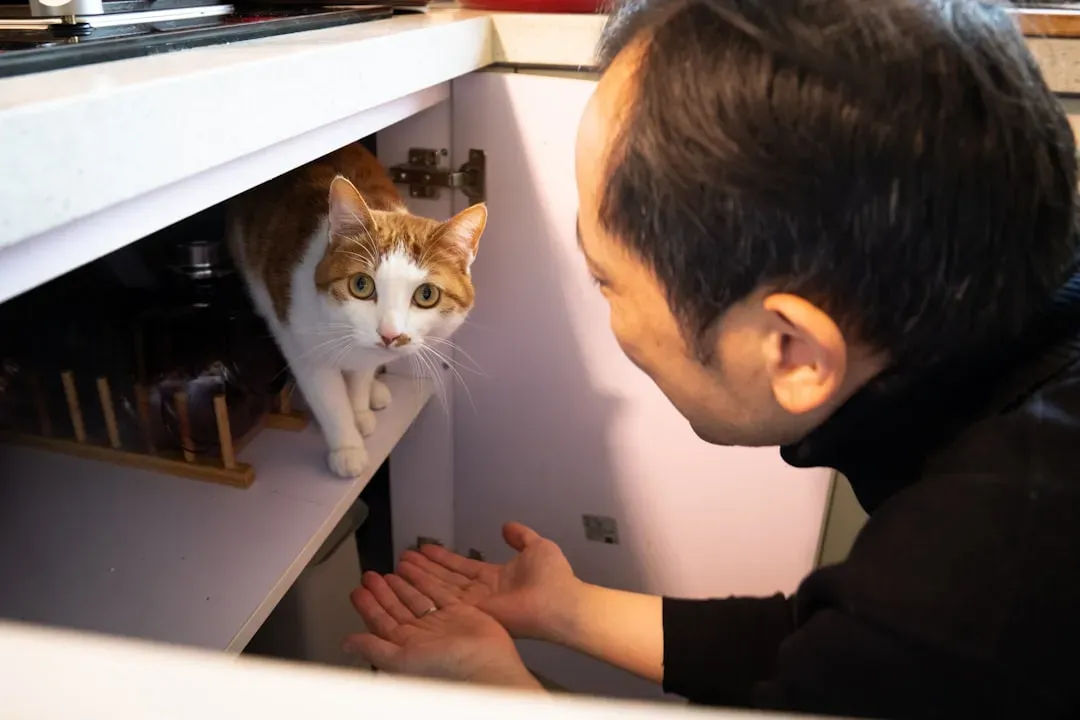
Let’s be real, you might think your cat ignores you when you call their name. They might give you that signature blank stare, and you assume they just don’t care. Wrong again.
Cats have been shown to recognize when a human says their name. Research shows that cats are particularly adept at recognizing their owner’s voice. They’re not deaf to your efforts. Just because your cat may not jump to immediate attention when you call his name doesn’t mean he’s aloof, he’s focused. That predatory instinct is always running in the background. Your cat might be tuned into a bird outside or tracking a tiny insect you didn’t even notice.
Cats spend more time with humans who pay attention to them, such as by clicking at them and calling their name. Similar behavior in dogs has been used to argue that canines are tuned in to our attentional state. Cats are doing the same thing. They’re watching, listening, and deciding when and how to engage.
Cats Actually Prefer You Over Food
This one might blow your mind. We’ve all joked that cats only love us because we feed them. Turns out, that’s not exactly accurate either.
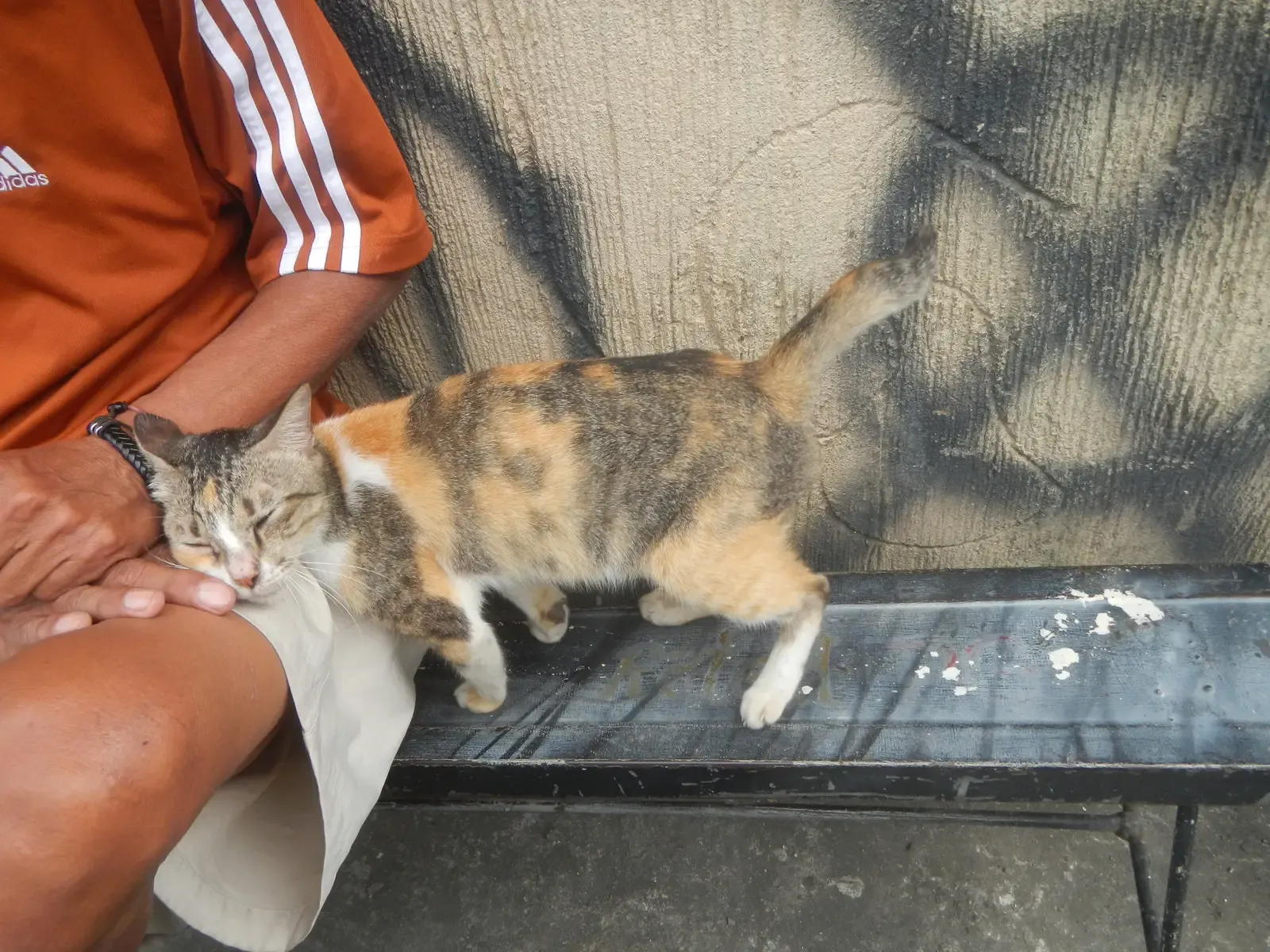
A study looked at what cats prefer to interact with, their options were human interaction, food, toys or scent. Most cats chose interaction with humans. Food came in second place. Half of cats chose to spend time engaged with their human owners preferentially compared with available food, toys and scent items. Think about that for a second. Your cat, that little carnivore who seems obsessed with dinner time, would rather hang out with you than eat. If that’s not loyalty, I honestly don’t know what is.
They Read Your Emotions More Than You Realize
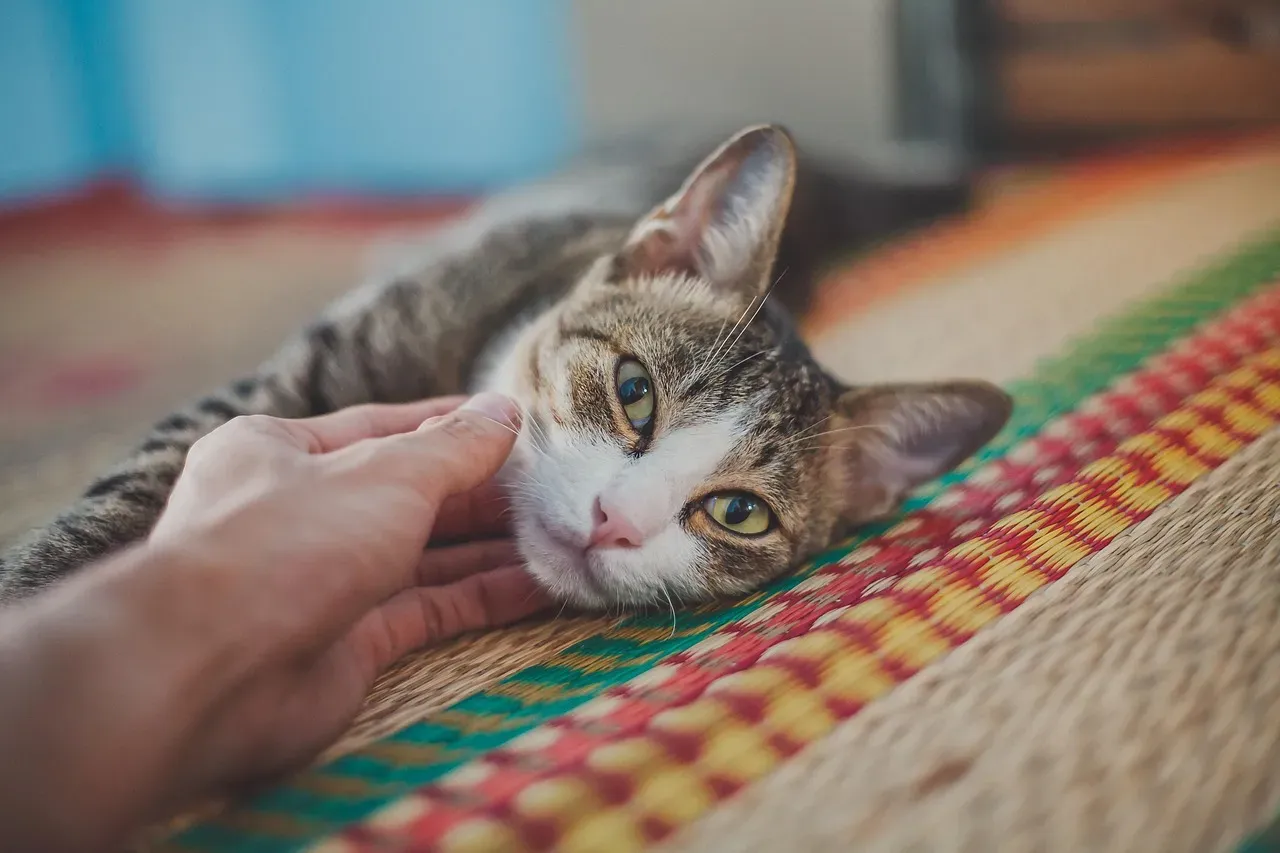
You come home after a rough day, and your cat seems to sense it. Maybe they curl up next to you or give you a little head bump. You might think you’re imagining things, but science backs up your intuition.
Cats are able to cross modally match pictures of emotional faces with their related vocalizations, particularly for emotions of high intensity. Cats have a general mental representation of the emotions of their social partners, both conspecifics and humans. Cats can recognize happy and angry faces and adjust their behavior accordingly, like choosing to cuddle when you’re down or avoiding eye contact when you’re mad. When owners smiled, cats were more likely to exhibit affectionate behaviors like purring and rubbing against them. In contrast, they tended to avoid their owners when they frowned.
Your cat isn’t just randomly deciding to be affectionate. They’re responding to your emotional state. That’s empathy, even if it looks different from how a dog might express it.
The Independence Myth Needs to Die
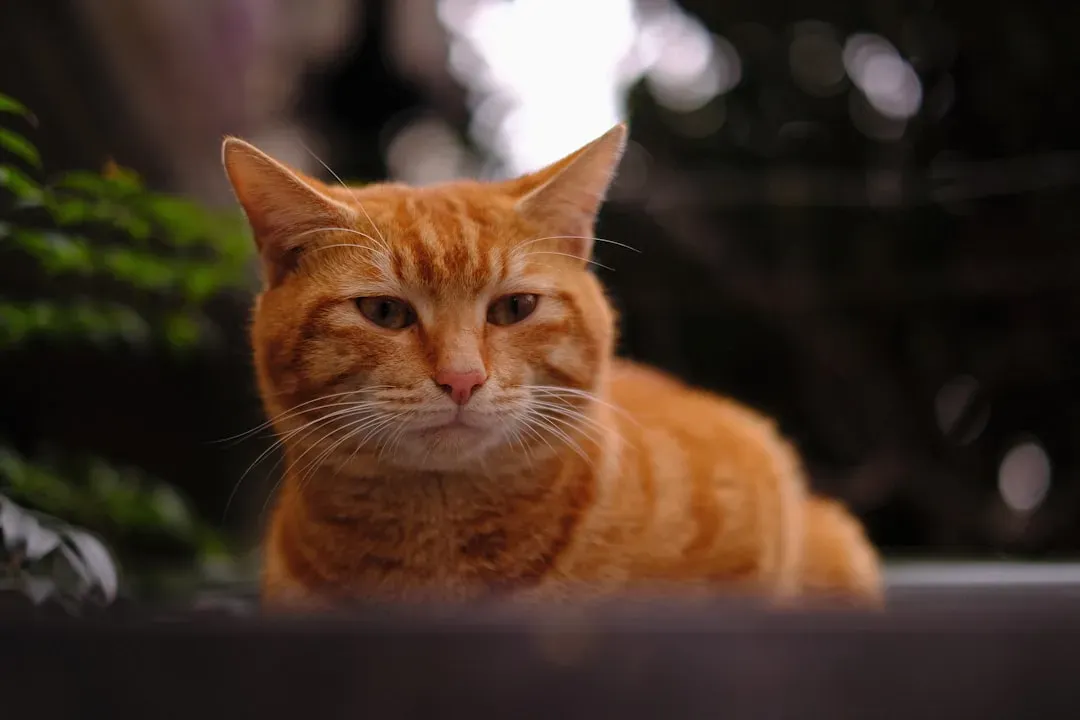
Here’s where things get interesting. Yes, cats can be more independent than dogs in some ways. They don’t need you to take them outside to use the bathroom. They groom themselves. They can entertain themselves for hours. None of that means they don’t form deep emotional bonds.
Cats can be very devoted companions even though they cannot show loyalty traditionally like we are used to. Cat relationships are very much based on consensual partnerships, they need to feel like they’re on your level. This isn’t a lack of loyalty. It’s a different social structure. Cats are surprisingly social creatures who need us probably much more than we realize.
The whole independence thing comes from their evolutionary history as solitary hunters. Cats do not rely on their owners for reassurance when in an unfamiliar environment because of the nature of the species as a largely independent and solitary hunter. That doesn’t mean they don’t love you or feel attached to you. It just means they handle stress differently than pack animals like dogs.
What Secure Attachment Actually Looks Like in Cats
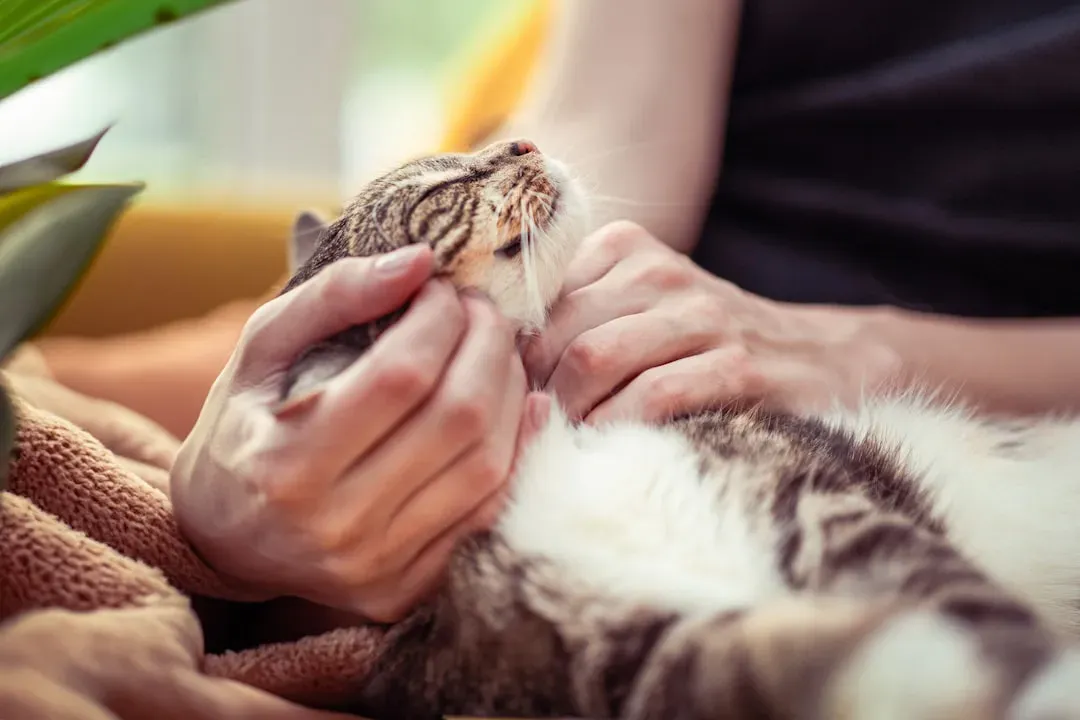
So what does a securely attached cat actually do? It might surprise you how subtle the signs are. This is where people get confused and assume cats don’t care.
Secure attachment is when the cat shows signs of distress when the owner is out of the room but recovers quickly when the owner returns. This cat likes her owner and is confident with her owner around, doesn’t like to be left alone in a strange place, but regains her confidence quickly when the owner returns. Securely attached cats displayed a reduced stress response and curiously explored the room while checking in periodically with their owners for attention.
If your cat follows you from room to room, sits near you while you work, or gives you that slow blink, those are all signs of secure attachment. Purring and head rubbing or bunting you are signs that your kitty enjoys your presence. Many cat owners cherish the slow blink, during which a cat stares at you and slowly squints or closes her eyes, as a sign of affection. Your cat is saying they trust you, they feel safe with you, and they want to be near you.
The Science Says Cats Are Just as Loyal as Dogs
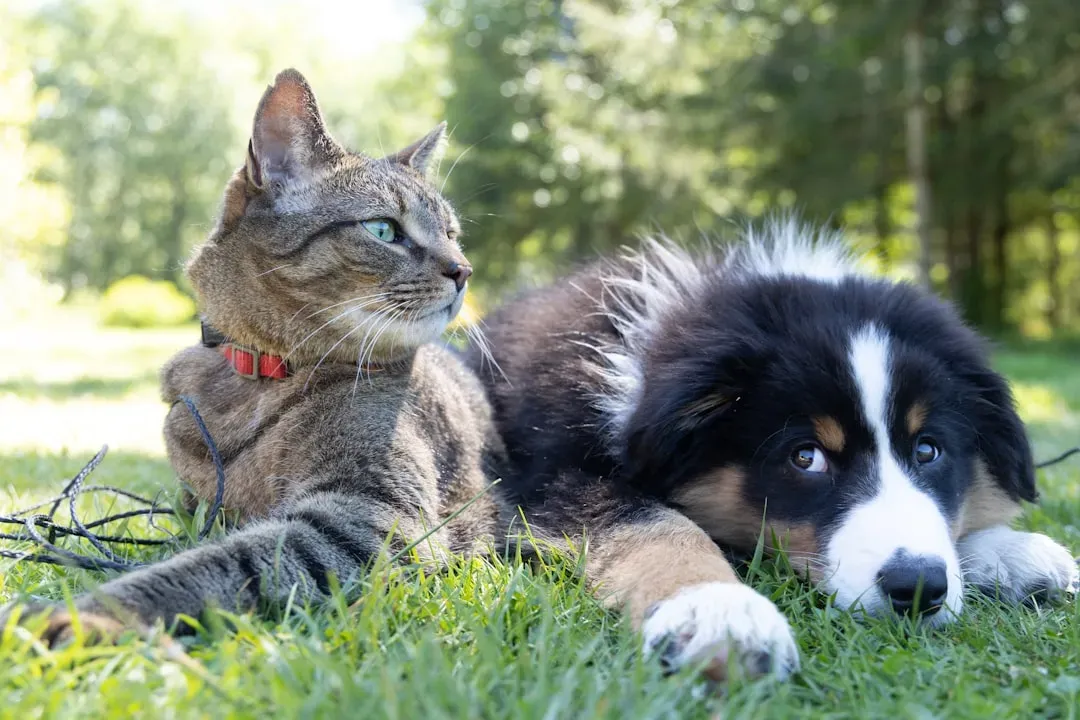
I know this sounds bold, but hear me out. The research is pretty clear on this one. New research from Oregon State University shows that cats are just as loyal and emotionally attached as dogs, and even children.
Like dogs, cats display social flexibility in regard to their attachments with humans. The majority of cats are securely attached to their owner and use them as a source of security in a novel environment. The proportions are nearly identical. Pet cats form attachment bonds to human caretakers, forming secure attachments at roughly the same rate as has been observed in dog human bonds and human infant caregiver bonds.
The difference isn’t in the depth of the bond. It’s in how they express it. Dogs are extroverts who wear their hearts on their sleeves. Cats are more subtle, more reserved. That doesn’t make their feelings any less real or their loyalty any less genuine. We’ve just been measuring them by dog standards this whole time, which honestly isn’t fair to cats.
Why We Got It So Wrong for So Long
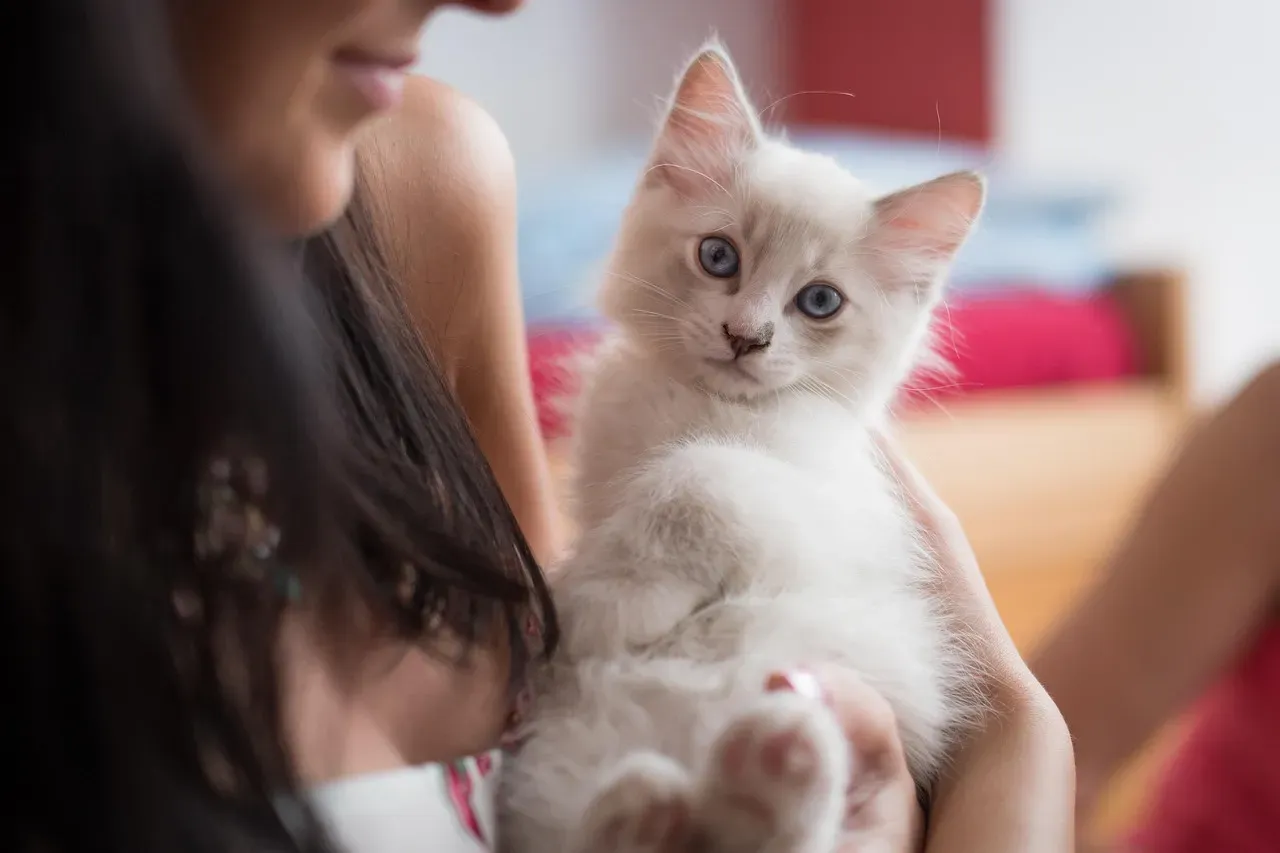
So how did this massive misunderstanding happen? Part of it comes down to comparison. While there has been a great deal of research on dog behavior and cognition in relation to humans, similar research in cats has lagged behind. The number of such studies has been increasing rapidly but they are still far behind those on dogs.
A significant portion of respondents agreed that cats are low maintenance pets, that cats are solitary animals, and that cats get more attached to their territory than to their owner. Cats are in many cases perceived as independent, less socially engaged and emotionally distant animals. Pet owners in Japan viewed cats and dogs as family members but cats were rated lower than dogs in terms of intelligence and ability to read humans affective status. Owners were less likely to believe that cats experienced sadness, friendship, sympathy, compassion or pity compared to dogs.
These beliefs shape how we interact with cats, which then affects how they interact with us. It becomes a self fulfilling prophecy. We expect cats to be aloof, so we don’t engage with them as much, which makes them seem more distant. Meanwhile, science is showing us that when humans are attentive and interactive, cats respond with affection and engagement.
What This Means for You and Your Cat
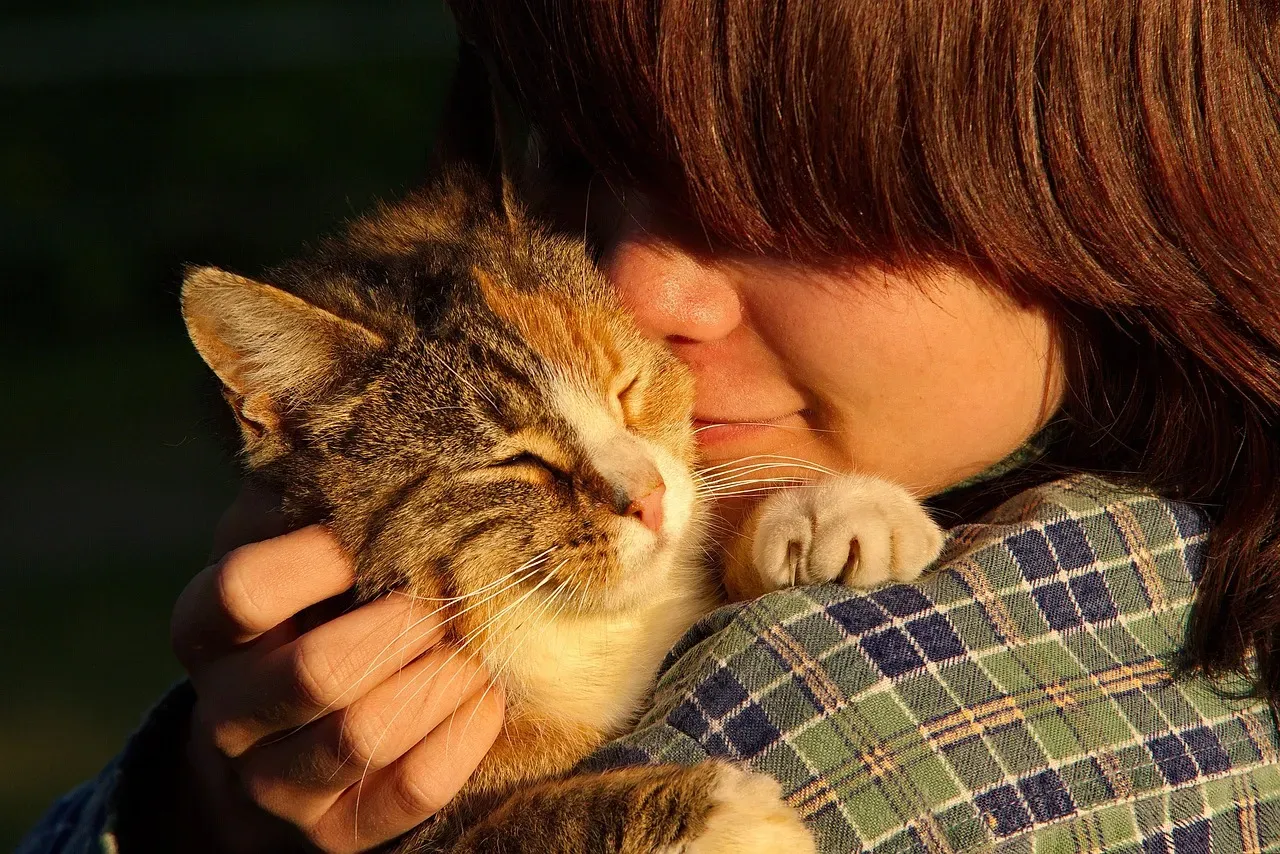
Understanding the truth about cat loyalty changes everything about how you might approach your relationship with your feline friend. A cat may be distant by nature but this is often not preordained. An inability to find comfort and security in their person may be an outcome of life experiences as well as that particular cat’s predisposition. Both nature and nurture matter.
The bond takes time to develop. Be the source of all good resources. Instead of leaving food out, serve your cat meals and call her when it’s time. Set aside a little time at least once a day to play with, pet or groom her if she enjoys those activities. Cats spent less than twenty percent of testing time interacting with an inattentive human, but on average spent over sixty percent of trial time seeking the proximity of the same human when the human was attentive.
Your cat wants your attention. They want to bond with you. They’re not little robots who only care about food and shelter. They’re complex emotional beings capable of forming deep, lasting attachments. Honestly, once you understand this, those little moments, the head bumps, the purring, the slow blinks, they all mean so much more.
The Bottom Line on Cat Loyalty
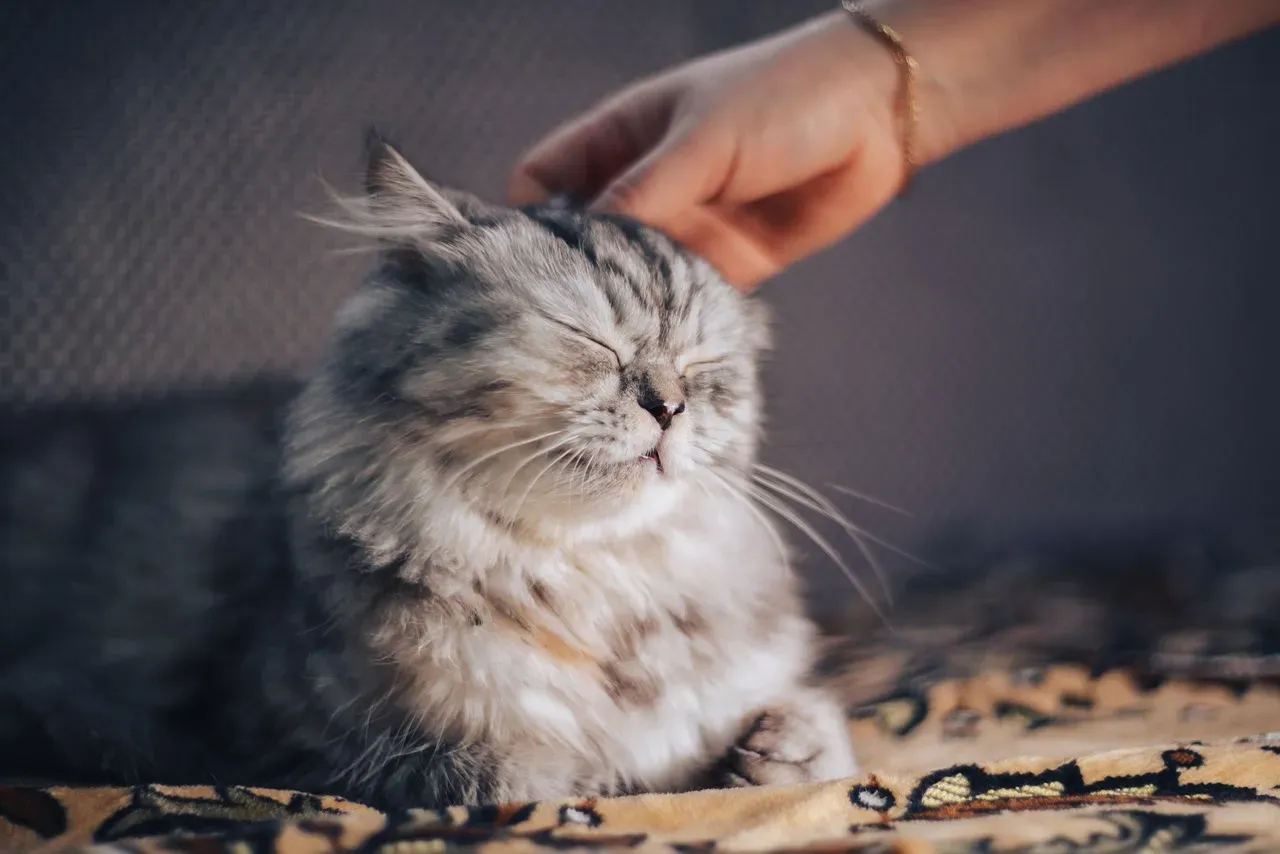
Studies find that cats can be deeply devoted to their owners. The science is in, and it’s undeniable. Cats form secure attachment bonds with their humans at the same rate as dogs and human children. They recognize our voices, read our emotions, and prefer our company over food. They’re not aloof or disloyal. They’re just cats, expressing love and attachment in their own unique way.
Maybe it’s time we stopped comparing cats to dogs and started appreciating them for what they are. The stereotypes have done them a disservice for far too long. Your cat loves you. They’re loyal to you. They just show it differently. Once you learn to read their language, you’ll see the depth of feeling that’s been there all along. Pretty remarkable when you think about it, isn’t it?