You’ve probably heard it a thousand times. Cats are aloof. They only care about food. Dogs are loyal, cats are selfish. That narrative has been repeated so often that it’s become part of our cultural DNA, woven into jokes, memes, and casual conversations about pet ownership. We’ve somehow collectively decided that felines are emotional freelancers who tolerate us at best, and that genuine attachment is reserved for their canine counterparts.
Here’s the thing, though: what if almost everything you believed about cat loyalty was wrong? What if decades of misunderstanding have blinded us to a bond that’s been hiding in plain sight all along? Groundbreaking research from the past few years has shattered long-held assumptions about how cats relate to their humans. The findings are startling, and honestly, they might just change the way you see that furry creature curled up on your couch. Let’s dive in.
The Science That Turned Everything Upside Down
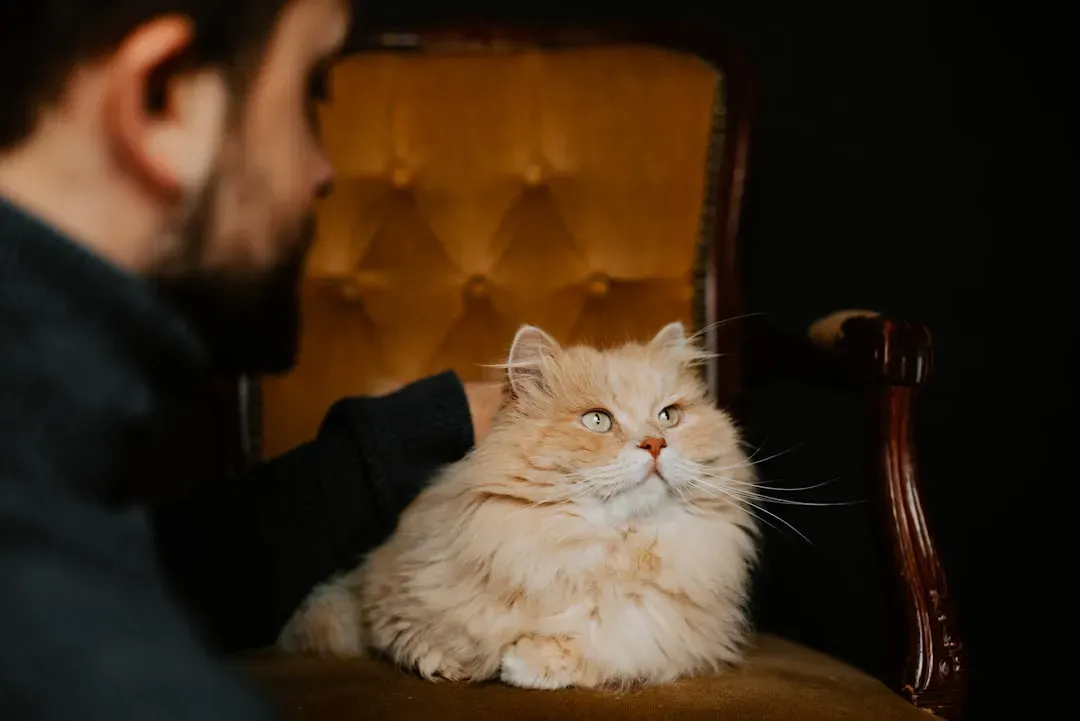
Pet cats form attachments with their human owners that are similar to the bonds formed by children and dogs with their caretakers, according to research from Oregon State University. Let that sink in for a moment. We’re not talking about mild preference or convenience-based associations here.
Researchers put cats through something called a Secure Base Test, the same evaluation used to assess attachment in human infants and dogs. Of the classifiable kittens, roughly sixty-four percent were categorized as securely attached, and this percentage was similar in adult cats with nearly sixty-six percent showing secure attachment. What’s wild is that that’s actually a higher percentage than dogs, who scored around fifty-eight percent in similar studies. Yeah, you read that right. Cats might actually be outperforming dogs in the loyalty department, at least by these metrics. The stereotypes have it backwards.
What Secure Attachment Actually Means for Your Cat
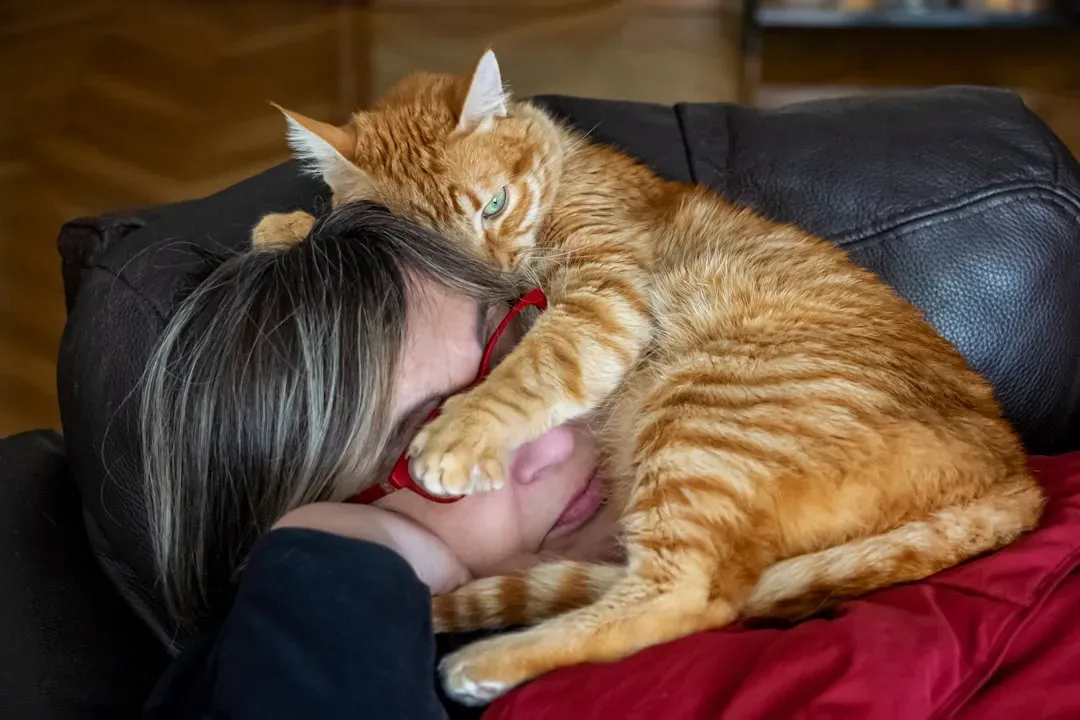
When scientists talk about secure attachment, they’re describing something profound. It’s not just about your cat wanting dinner on time or enjoying a warm lap. Upon the caregiver’s return after a brief absence, cats with secure attachment to the person are less stressed, they balance their attention between the person and their surroundings, and the majority of cats use their owner as a source of security.
Think about what that means. Your cat isn’t just coexisting with you in the same space. They’re emotionally regulating through your presence. When the world feels uncertain or scary, you become their anchor. That’s the same psychological dynamic that defines parent-child relationships and the human-dog bond we celebrate so enthusiastically. Yet somehow, we’ve been conditioned to overlook it in cats. The emotional labor they’re doing to maintain connection with us has been invisible because we weren’t looking for it.
Why We’ve Been Missing the Signs All Along
Let’s be real. Part of the problem is us. It might not be that cats are disloyal; rather, they may be too socially clueless to understand when someone is not being nice to their owners, according to research that tested whether cats could distinguish helpful from unhelpful strangers. Dogs avoided people who refused to help their owners. Cats? They took food from everyone.
But here’s where interpretation matters. It is conceivable that the cats in this study did not understand the meaning or goal of the owners’ behavior, and no studies have investigated if cats can recognize others’ goals or intentions from their actions. In other words, cats might process social dynamics differently than dogs do. That doesn’t mean they lack loyalty or emotional depth. It means they’re wired differently, which shouldn’t surprise anyone who’s spent five minutes observing how fundamentally distinct these species are. We’ve been judging cats by dog standards, and that’s been the fundamental error all along.
The Bond Exists in Ways You Didn’t Recognize
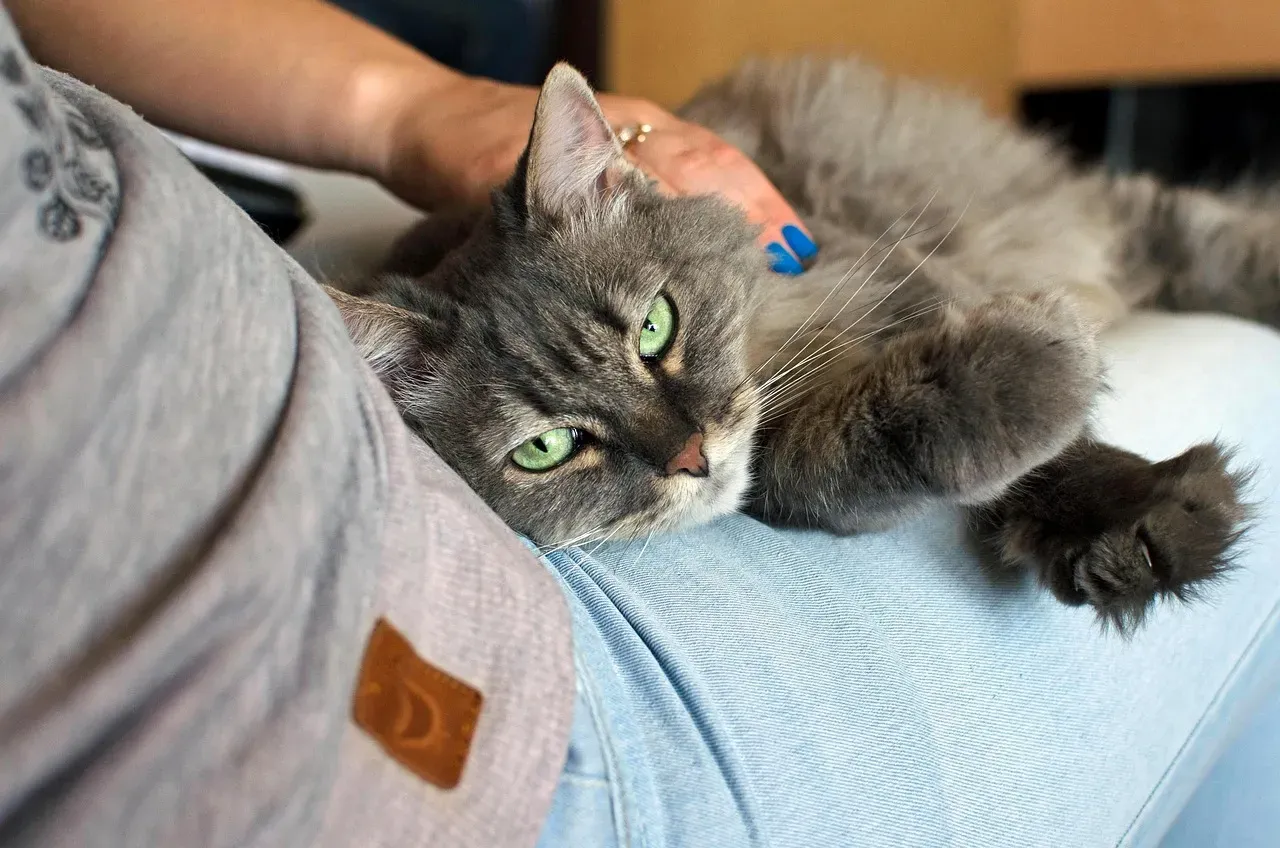
Cats are capable of feeling emotions and bonding with their caretakers, and research showed that cats are deeply devoted to their caregivers. The difference is in expression, not existence. A cat-human relationship is probably more like best friends, as opposed to a parent-child dynamic, and this might be attributed to the fact cats are much more independent than dogs.
Think about your human friendships for a second. Your best friend doesn’t greet you at the door with exuberant enthusiasm every single time you show up. They don’t follow your every command or seek constant validation. Yet you wouldn’t say they lack loyalty, would you? Cats operate on a similar wavelength. Their devotion is quieter, more nuanced, expressed through choices rather than obligations. When your cat chooses to sit near you, follows you from room to room, or seeks you out when stressed, those are deliberate acts of connection. They’re just packaged differently than what we expect.
The Attachment Styles That Mirror Human Psychology
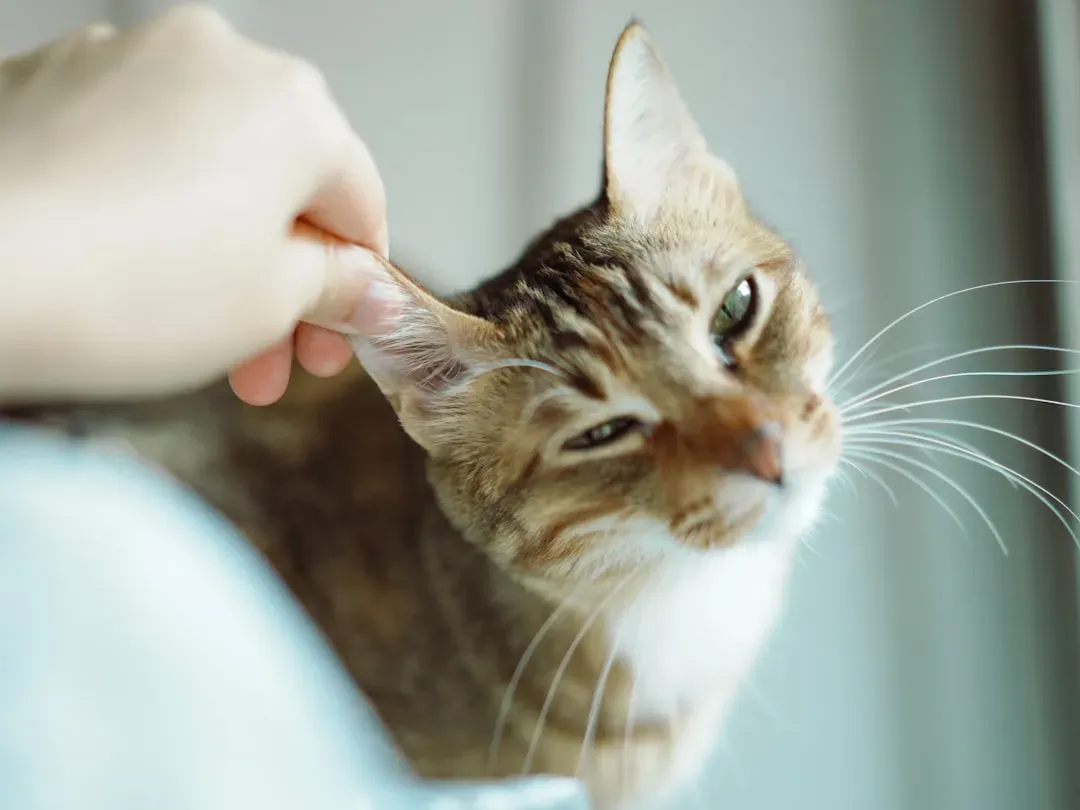
Five distinct forms of cat-owner relationship were identified: open relationship, remote association, casual relationship, co-dependence and friendship. Researchers analyzing nearly four thousand cat owners discovered that feline bonds are far more complex than we imagined. Some cats maintain emotional distance. Others form intensely dependent connections. Many fall somewhere in between.
The co-dependent and friendship relationships were characterized by an emotionally invested owner but differed in the cat’s acceptance of others and need to maintain owner proximity, and as with any complex social relationship, the type of cat-owner bond that develops is the product of the dynamic that exists between both individuals involved. Your cat’s personality, your expectations, the environment you create, all of these factors shape the relationship. It’s not a one-size-fits-all phenomenon. Some cats will never be lap warmers, and that’s okay. Their loyalty manifests in other ways that are just as valid.
When Cats Mourn and Miss Their Humans
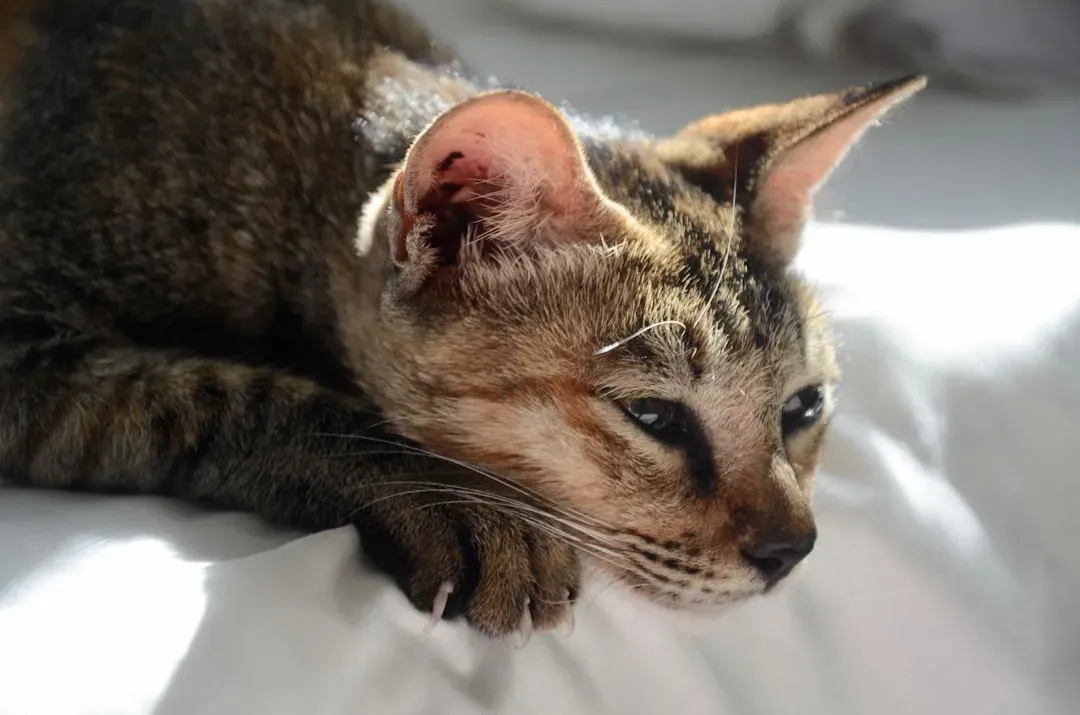
Cats do mourn the loss of their human companions and other animals in the household. Anyone who’s witnessed a cat searching for a deceased owner or companion animal knows this truth viscerally. The grief is real, observable, and heartbreaking.
If your cat seems depressed, she may well be, as humans are not the only ones who mourn loss of a loved one. They might eat less, vocalize more, or withdraw from activities they previously enjoyed. This isn’t anthropomorphism or wishful projection. It’s documented behavior that occurs specifically in response to the loss of bonded individuals. If cats were truly the indifferent opportunists of popular myth, they wouldn’t experience this kind of emotional disruption. Grief requires attachment. Loss requires love.
The Controversy: Not Everyone Agrees
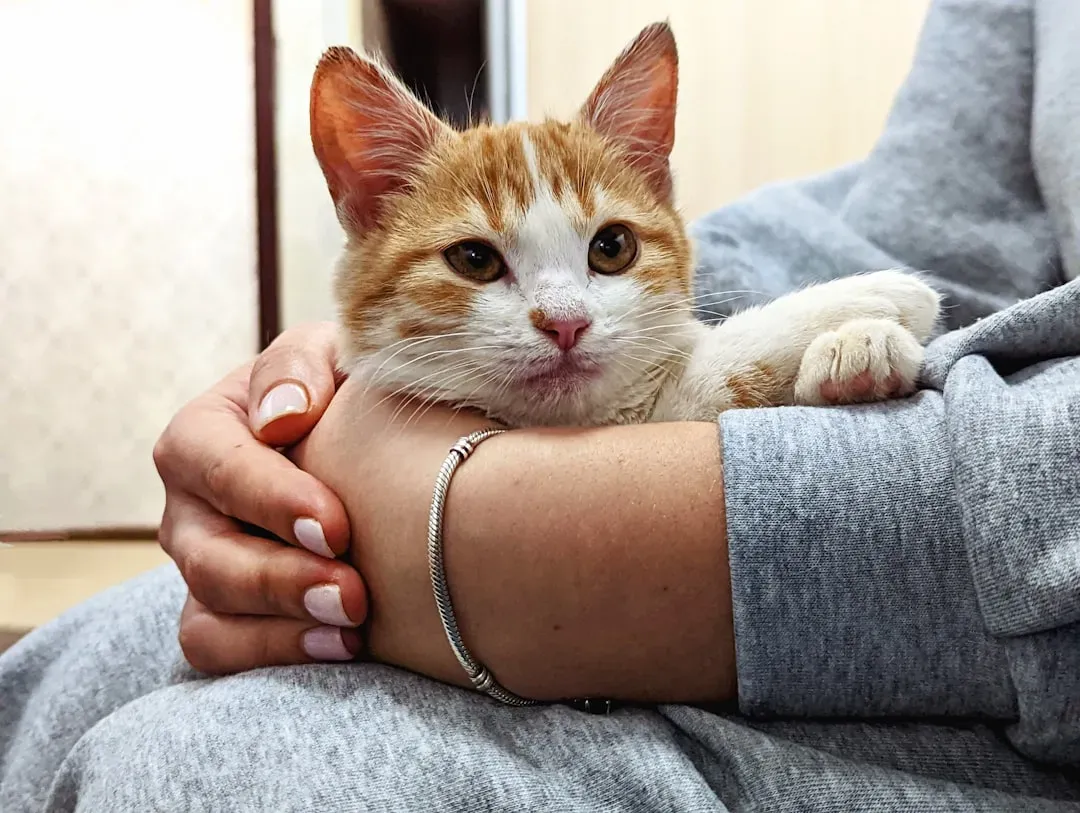
Honestly, I need to mention this because science isn’t monolithic. A recent study using therapy cats found that domestic cats retained their functional independence from humans, and they do not show attachment towards their owners, which is a hallmark of the dependence-based, dog-human relationship. This research, published in early 2026, argues that we’ve been misinterpreting cat behavior through a dog-centric lens.
Cats display symmetrical inter-specific amicability with humans, and attachment would be ecologically unlikely in this species as they preserved their independence from humans, so it is time to change our research perspective on cats. The researchers propose that cat-human bonds are based on mutual benefit and autonomy rather than dependent attachment. It’s a fascinating counterpoint that reminds us scientific understanding evolves. Maybe the truth lies somewhere in the middle, with cats capable of both independence and deep connection simultaneously. That duality might be precisely what makes them so compelling.
How Cats Show Loyalty Differently Than Dogs
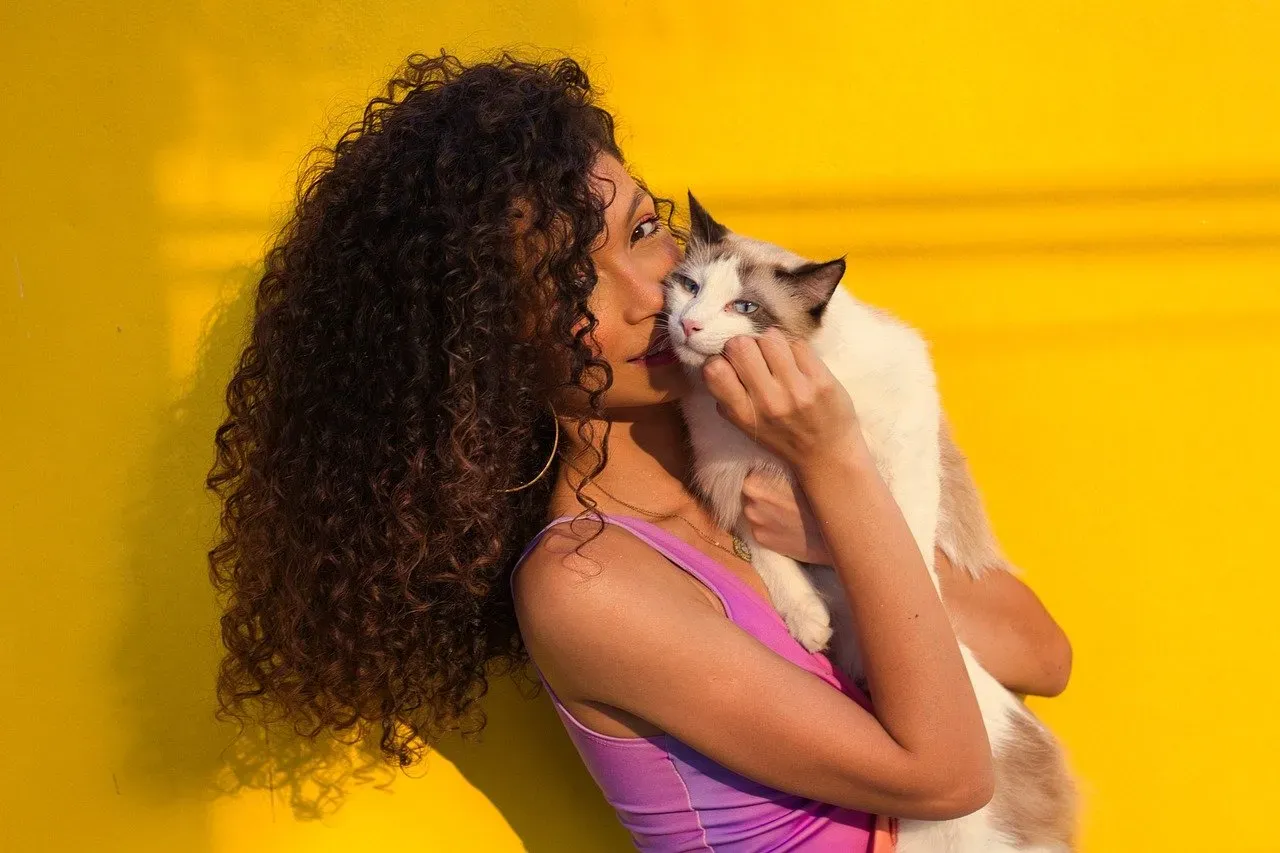
Cats can be truly loyal, but unlike dogs, that loyalty comes out of their desire to be loyal to you, which makes it so much more valuable. You can’t command a cat to love you. You can’t train them into devotion. When a cat bonds with you, it’s because they’ve chosen you, not because pack hierarchy dictates the relationship.
Cats appear to be autonomous, they don’t think you are better than them, they think you and they are completely equal, and because of this, you can’t force them to do anything. Everything they offer comes from genuine preference rather than instinctual submission. Some people find this frustrating. Others find it deeply meaningful. There’s something profound about earning the affection of a creature that owes you nothing and gives freely anyway.
The Subtle Signs You’ve Been Overlooking
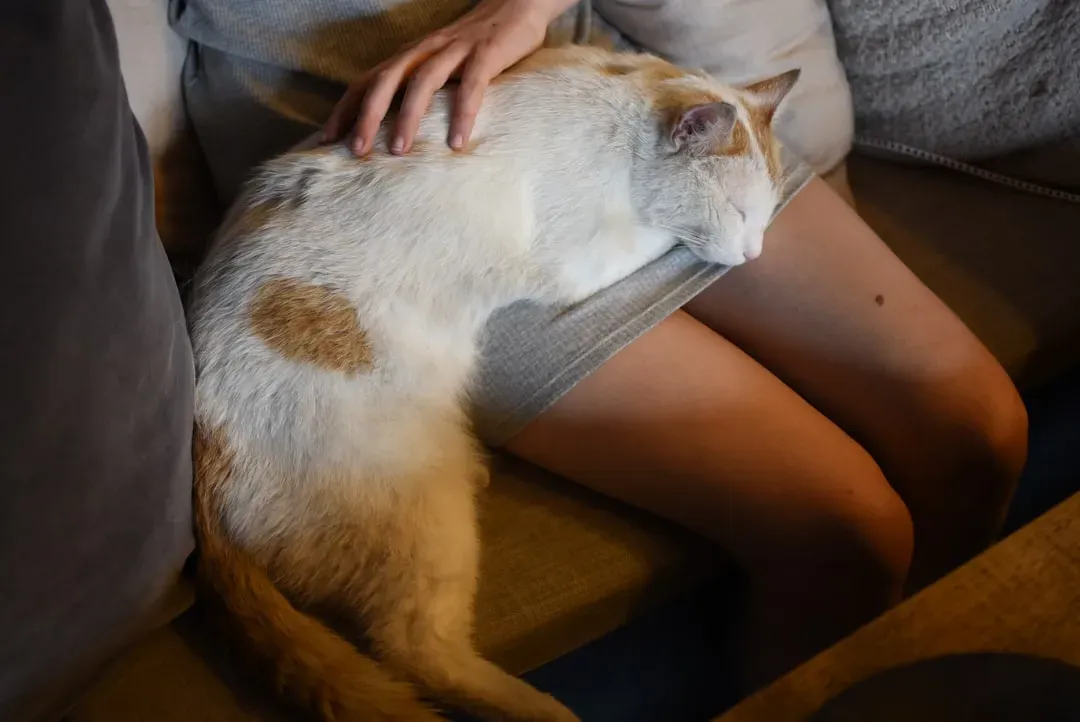
Cats may not be as effusive as dogs in showing affection, but they do form bonds. The slow blink, the head bump, the decision to sleep near you, these aren’t random behaviors. Cats will often make eye contact with lowered eyelids and steady, slow blinks, and this is considered a feline version of a kiss.
When your cat rubs against your arms or legs or presses against your face he or she is leaving their scent on you, this behavior, also called bunting, is a way to let other animals know that you belong to them, and it is a form of affection they show to those they trust the most. Your cat is literally marking you as family. They’re telling the world you’re theirs. That’s loyalty in its purest form, even if it doesn’t look like a dog waiting patiently at the door. The language is different, but the sentiment is identical.
What This Means for How We Treat Our Cats
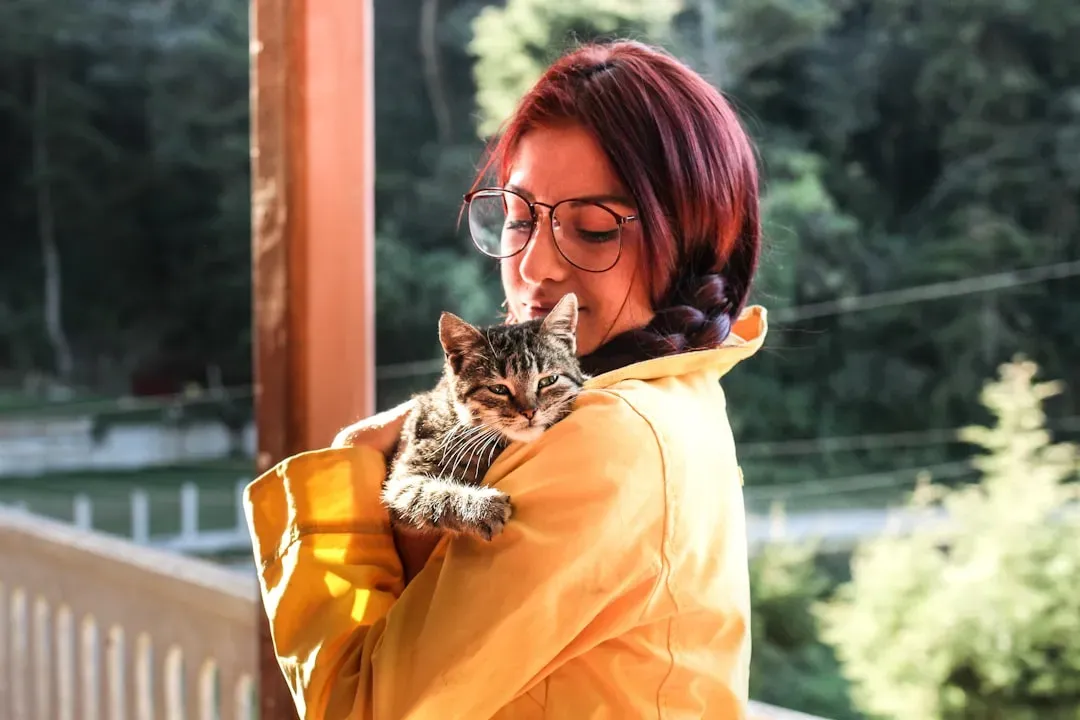
Research has shown cats can form secure attachments to their owners like infants with caregivers, and conversely, a caregiver’s mental health and emotional stress can directly influence a cat’s behavior, stress levels, and overall welfare. The relationship is bidirectional. Your emotional state affects your cat just as their presence affects you.
Common misconceptions that cats need less social interaction, or are more independent, can impact both the amount and quality of social interactions we offer cats, and people who think felines don’t need much attention might be less hands-on with their own companion, which in turn results in a more aloof kitty. It’s a self-fulfilling prophecy. When we assume cats don’t need us, we create cats that seem not to need us. When we engage with them as the emotionally complex beings they are, they respond accordingly. The loyalty was there all along, waiting to be recognized and reciprocated. We just had to adjust our expectations and pay closer attention.
The bond between humans and cats is deeper, more complex, and more emotionally rich than generations of conventional wisdom have led us to believe. Cats form secure attachments at rates comparable to or exceeding dogs. They grieve when we’re gone, they regulate their emotions through our presence, and they make deliberate choices to connect with us. Their loyalty doesn’t look like a dog’s loyalty, and that’s exactly the point. It’s uniquely feline, shaped by independence and autonomy, which makes every moment of connection they offer feel earned rather than automatic. So the next time your cat slowly blinks at you from across the room or chooses to sit just within arm’s reach, remember: that’s not indifference. That’s love, expressed in a language you’re only just beginning to understand. What do you think? Has your cat been showing you loyalty all along that you didn’t recognize?