
Sleek, silent, and heartbreakingly fast, cheetahs are icons of the wild—yet their future hangs by a thread. Imagine a world where the wind-blur of a sprinting cheetah becomes only a memory. Their fate is unraveling before our eyes, and every spotted face tells a story of survival, struggle, and fragile hope.
Spot Patterns Like a Fingerprint

No two cheetahs share the same spot pattern, making each coat a unique fingerprint etched by nature itself. These distinctive markings allow researchers to identify and track individuals with remarkable precision, while also helping cheetahs recognize one another across vast landscapes. Like a personal signature, each pattern tells a story of identity, lineage, and survival in the wild. This natural artistry not only aids in scientific study but also deepens our connection to these extraordinary creatures.
Amber Eyes in the Grass

A cheetah’s golden eyes gleam with a fierce intensity, cutting through the swaying savannah grass like twin beacons of focus and alertness. Each glance holds a story of survival—scanning for both elusive prey and lurking threats. Those eyes reflect a lifetime of vigilance, sharp instincts honed by endless days of chase and caution under the African sun. They are windows into a world where every moment counts, and every sight can mean the difference between life and death.
Built for Speed

Cheetahs are unmatched speedsters of the animal kingdom, capable of reaching dazzling bursts of up to 70 miles per hour. Their sleek, aerodynamic bodies, paired with long, powerful limbs, are perfectly designed for lightning-fast pursuits across open plains. Every muscle and curve works in harmony to minimize drag and maximize acceleration, making their high-speed chase a breathtaking spectacle of natural engineering. This incredible agility allows them to close the gap on even the swiftest prey, embodying the pure essence of speed and grace in the wild.
The Art of the Sneak

Masters of stealth, cheetahs move with quiet precision, melding seamlessly into the golden hues of the grasslands. Their low, calculated stalks reveal a blend of patience and intense focus, waiting for the perfect moment to unleash their explosive speed. This delicate balance of stillness and sudden power makes them unmatched hunters, embodying both subtlety and raw energy in the wild. Every movement is a carefully timed step in a high-stakes game of survival.
Motherhood on the Move

Cheetah mothers are tireless protectors, constantly on the move to keep their vulnerable cubs safe from lurking predators. Each gentle nudge and tender lick reveals a deep bond—a mix of fierce devotion and nurturing care amid the harsh realities of the wild. Their vigilance means countless hours spent scouting new hiding spots, teaching survival skills, and shielding their young from danger. This relentless dedication shapes the future of the next generation, embodying the delicate balance between love and survival in nature’s unforgiving landscape.
Fragile Cubs in a Perilous World

Cheetah cubs arrive in the world cloaked in a silvery mantle that mimics the fierce honey badger, offering a clever disguise against predators. This fluffy coat acts like nature’s camouflage, giving them a fighting chance in a world full of dangers. Yet despite this clever protection, many cubs fall prey to lions, hyenas, and even soaring eagles, highlighting the harsh realities of survival. Their early days are a fragile balance between vulnerability and the hope of growing strong enough to outrun the odds.
Whiskers That Whisper

Cheetah whiskers are delicate yet incredibly sensitive instruments, finely tuned to pick up the slightest changes in their surroundings during low-light hunts at dawn and dusk. These tactile sensors relay silent messages about nearby obstacles, prey movements, and shifts in the breeze, allowing the cheetah to move with stealth and precision. Every subtle twitch and flicker of their whiskers is a vital connection to the world around them, guiding their swift, graceful pursuit through the shadows.
Black Tear Marks

The distinctive black “tear marks” trailing from a cheetah’s eyes to its mouth aren’t just striking—they’re a clever evolutionary tool. These dark stripes help reduce glare from the harsh sun, sharpening the cheetah’s vision during daylight hunts across the open savannah. Like a natural pair of sunglasses, they improve focus and contrast, allowing the cheetah to spot prey from great distances. In the fierce arena of survival, even facial markings can tip the odds.
Solo Stalkers and Social Siblings

While most cheetahs lead solitary lives, male siblings often defy that norm by forming lifelong coalitions. These brotherhoods offer strength in numbers, allowing them to take down larger prey and hold onto prime territory more effectively than a lone cat could. Their cooperation is built on trust and shared survival, a remarkable example of unity in a species known for independence. In the wild, this rare bond becomes their greatest advantage.
Vulnerable Voices

Cheetahs may lack the thunderous roar of lions, but their voices are no less expressive. They chirp to call their cubs, purr in moments of calm, and emit yowls or growls when agitated or alert. These subtle, melodic sounds ripple across the grasslands, allowing them to stay connected without drawing unwanted attention. In a landscape where silence can mean survival, the cheetah’s gentle vocalizations are both intimate and strategic—quiet conversations carried on the wind.
Life on the Open Plains

Cheetahs are built for wide-open spaces—landscapes where they can stretch their legs, scan for prey, and unleash their legendary speed. But as human development, agriculture, and fencing carve up these once-endless savannahs, cheetahs are left cornered in ever-smaller patches of land. With fewer places to hunt and roam, their survival becomes a race against disappearing habitat. What was once a boundless kingdom is now a maze of obstacles.
Hidden Dangers of the Night

As night blankets the savannah, the balance of power shifts. Lions and hyenas, better equipped for nighttime dominance, emerge with boldness, often driving cheetahs away from fresh kills. Lacking the size and strength to defend their prey, cheetahs must retreat, surrendering hard-earned meals and vital calories. Each stolen catch is a costly loss, a cruel toll on an already delicate existence. In the shadows, survival demands not just speed—but constant vigilance.
Grace in Every Leap

Whether streaking across open plains or vaulting over rugged terrain, cheetahs move like living poetry in motion. Every stride is a masterpiece of balance and power, their spine flexing like a bow to launch them farther, faster. Muscles, tendons, and claws work in seamless harmony, creating a blur of speed that seems to defy nature itself. In every leap and bound, they embody the pinnacle of evolutionary design—grace forged through necessity.
Scarcity of Prey

As antelope herds thin and prey becomes scarce, cheetahs face a mounting struggle that often goes unseen. For mothers, each meal becomes a desperate quest—not just for themselves, but for the survival of their cubs. Malnourished adults lose the strength to hunt, and young ones perish before reaching maturity. It’s a silent unraveling, where hunger chips away at a species already fighting for its place. Without action, this quiet crisis could become an irreversible loss.
Encroaching Human Footprints

Across Africa and parts of Asia, expanding roads, farms, and fences slice through cheetah territory like invisible walls. These man-made obstacles trap them in shrinking pockets of land, disrupting ancient migratory paths and cutting them off from potential mates. As they venture closer to human settlements in search of food, conflict becomes inevitable—often with deadly consequences. Fragmented habitats don’t just limit movement; they isolate lifelines, putting the species at even greater risk.
Hope in Conservation Corridors

Wildlife corridors act like bridges across a fractured world, giving cheetahs room to roam, hunt, and find mates beyond fenced or fragmented habitats. By reconnecting these vital landscapes, corridors reduce deadly human-wildlife conflicts and help maintain healthy genetic diversity within populations. They’re more than just patches of land—they’re promises of freedom, survival, and a future where wildness still has space to breathe. For cheetahs, every corridor is a second chance written into the map.
Silent Suffering: The Illegal Pet Trade

Each year, countless cheetah cubs are torn from their dens by wildlife traffickers, destined for the illegal exotic pet trade. Fragile and traumatized, many perish before reaching their buyers—victims of stress, poor conditions, and neglect. Those that survive spend their lives in cages or private collections, stripped of the wild instincts they were born to explore. It’s a heartbreaking loss—not just for the species, but for a world growing quieter with every stolen roar.
Anxiety in the Shadows

Cheetahs exist in a state of constant tension—always alert, always ready to flee. This unrelenting stress takes a toll on their bodies, weakening immune systems and disrupting reproductive cycles. Mothers may abandon litters under pressure, and males struggle to establish safe territories. Over time, this hidden burden chips away at population resilience, creating a downward spiral where fewer cheetahs survive to raise the next generation. In a world closing in, peace is as essential as prey.
Ancient Spirits, Modern Peril

For millennia, cheetahs have raced through the pages of human history—etched into rock walls, revered in ancient empires, and woven into legends. Yet today, their swift decline overshadows that legacy. Fewer than 7,000 remain in the wild, scattered and vulnerable, their future hanging by a thread. What once was a symbol of speed and grace is now a quiet plea for protection. Without urgent action, we risk turning a living legend into a fading memory.
Adaptation Under Pressure

Cheetahs are doing what they’ve always done—adapting, adjusting, surviving. Some now hunt at dawn or dusk to avoid conflict with larger predators or humans. Others venture into unfamiliar terrain in search of prey. But today’s challenges come faster and harder: shrinking habitats, shifting climates, and growing human pressure. Even for an animal built for speed and resilience, there’s only so far they can run before the world outruns them.
Eyes on the Future

Every cheetah saved today is a heartbeat carried into the future. Around the world, conservationists, researchers, and local communities are joining forces—tracking movements, protecting habitats, and educating the next generation. Their efforts are a lifeline, ensuring that these magnificent cats don’t vanish in silence. With every protected cub and every reclaimed stretch of land, we write a new chapter—one where cheetahs still sprint across wild horizons.
Beauty Worth Fighting For
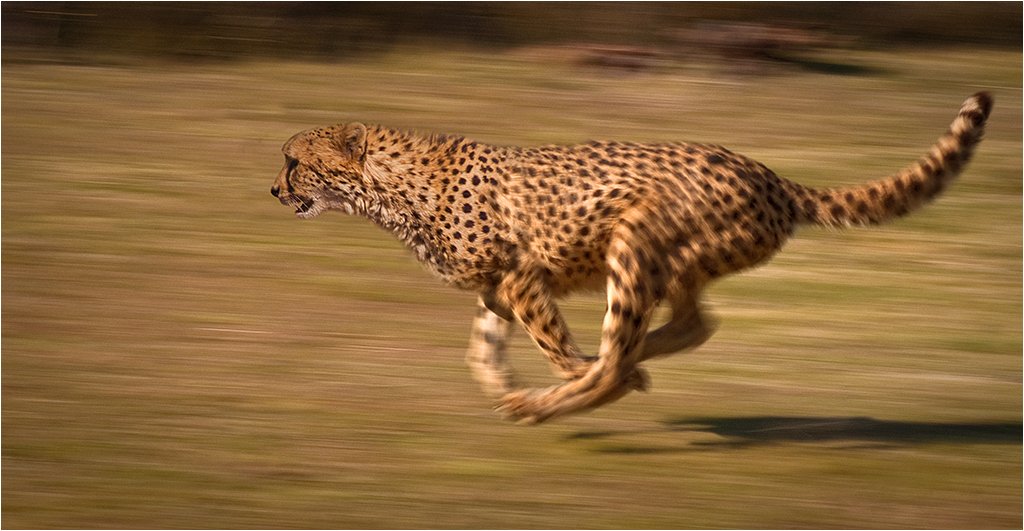
Few sights on Earth rival the spectacle of a cheetah at full stretch, every muscle firing in perfect harmony as it blurs across the savannah. It’s not just speed—it’s grace, precision, and wild elegance distilled into motion. In that fleeting sprint lies a masterpiece millions of years in the making. Yet this living treasure stands on the brink, its future uncertain. To lose it would be to erase one of nature’s most breathtaking creations.
Lessons from the Wild

Cheetahs remind us that even the swiftest creatures can’t outrun the threats we’ve placed in their path. Their survival now hinges not on their speed, but on our willingness to act. It will take compassion, bold conservation, and shared responsibility to ensure they don’t fade into memory. In saving them, we also preserve a piece of the wild beauty that makes our world whole.
Suhail Ahmed is a passionate digital professional and nature enthusiast with over 8 years of experience in content strategy, SEO, web development, and digital operations. Alongside his freelance journey, Suhail actively contributes to nature and wildlife platforms like Feline Fam, where he channels his curiosity for the Feline into engaging, educational storytelling.
With a strong background in managing digital ecosystems — from ecommerce stores and WordPress websites to social media and automation — Suhail merges technical precision with creative insight. His content reflects a rare balance: SEO-friendly yet deeply human, data-informed yet emotionally resonant.
Driven by a love for discovery and storytelling, Suhail believes in using digital platforms to amplify causes that matter — especially those protecting Earth’s biodiversity and inspiring sustainable living. Whether he’s managing online projects or crafting wildlife content, his goal remains the same: to inform, inspire, and leave a positive digital footprint.