Have you ever wondered what your cat would look like if it could crush a crocodile skull with a single bite? You’re basically thinking about a jaguar. These mysterious spotted cats once prowled the southwestern United States like they owned the place, because honestly, they did. From Arizona to Louisiana, jaguars were North America’s ultimate stealth hunters before humans pushed them into retreat.
Today, the idea of jaguars roaming wild through American landscapes might sound far-fetched. Yet recent sightings, conservation breakthroughs in South America, and shifting attitudes about apex predators are making researchers ask a fascinating question: could these magnificent cats reclaim their throne as North America’s apex predator? Let me walk you through what science, history, and a little bit of rewilding ambition tell us about this remarkable possibility.
The Forgotten American Jaguar
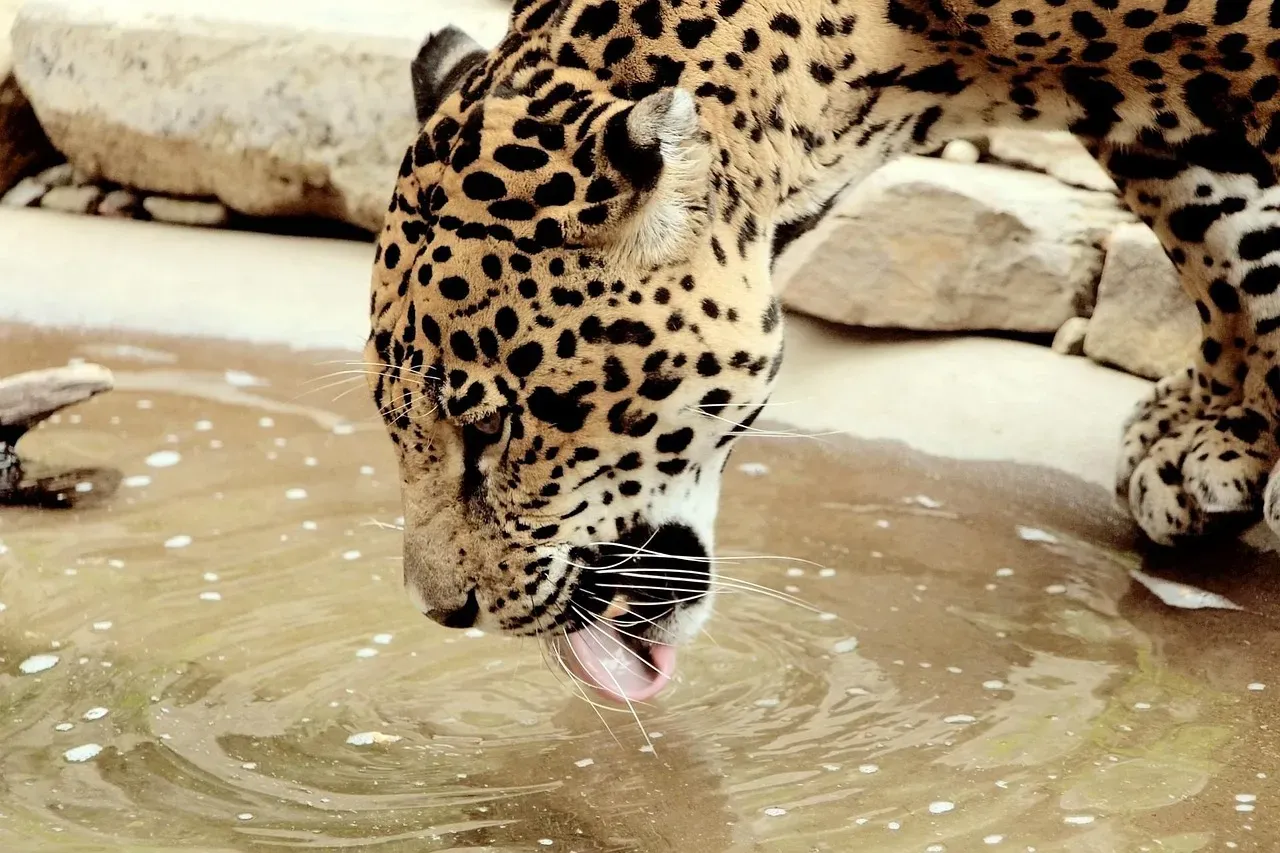
Jaguars once ranged into what is now the southern United States for thousands of years, with historical records showing they roamed from southern California across Arizona, New Mexico, Colorado and Texas into Louisiana. These weren’t just wandering visitors. They lived here, raised cubs here, and dominated the food chain for millennia. The last confirmed jaguar in Texas was shot in 1948, while in Arizona, a female was shot in the White Mountains in 1963.
Here’s the thing that gets me. During the last century jaguars ranged as far north as the Grand Canyon in Arizona and the northern Rio Grande in New Mexico. Imagine hiking the Grand Canyon today and encountering one of these powerful cats instead of just elk and deer. By the late 1960s, the jaguar was thought to have been extirpated in the United States, and over the next 25 years only two males were sighted and killed in the state. Their disappearance happened shockingly fast, driven by government-sponsored hunting campaigns and habitat loss that effectively wiped out an entire ecosystem engineer.
Jaguars Pack Unmatched Hunting Power
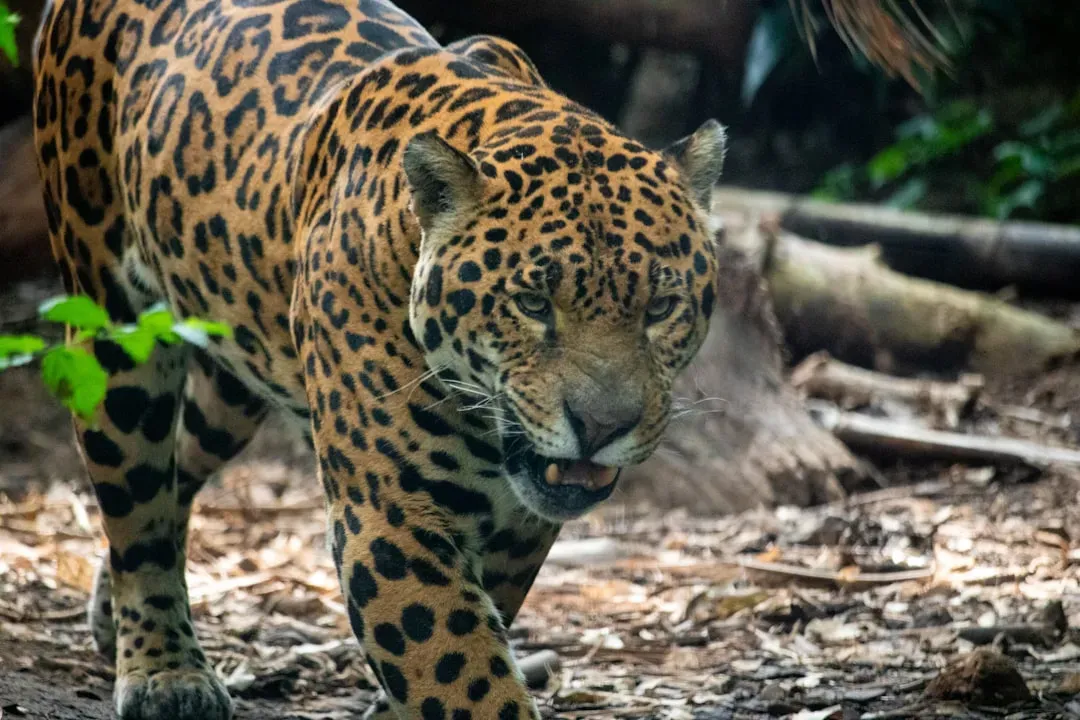
Let’s be real here: jaguars are built differently than other big cats. The jaguar has the strongest bite of all the felines. We’re talking about a bite force of 1,500 PSI, with a 100 kg jaguar exerting 4.939 kilonewton at the canine teeth. That’s enough power to pierce right through a skull.
It employs an unusual killing method: it bites mammalian prey directly through the skull between the ears to deliver a fatal bite to the brain, killing capybara by piercing its canine teeth through the temporal bones. No other big cat hunts quite like this. Lions and tigers go for the throat, but jaguars? They go straight for the brain. The species’ ambushing abilities are considered nearly peerless in the animal kingdom by both indigenous people and field researchers. Their stocky build and massive jaw muscles make them perfectly designed killing machines that can take down prey other predators wouldn’t dare touch.
The Competition They Would Face
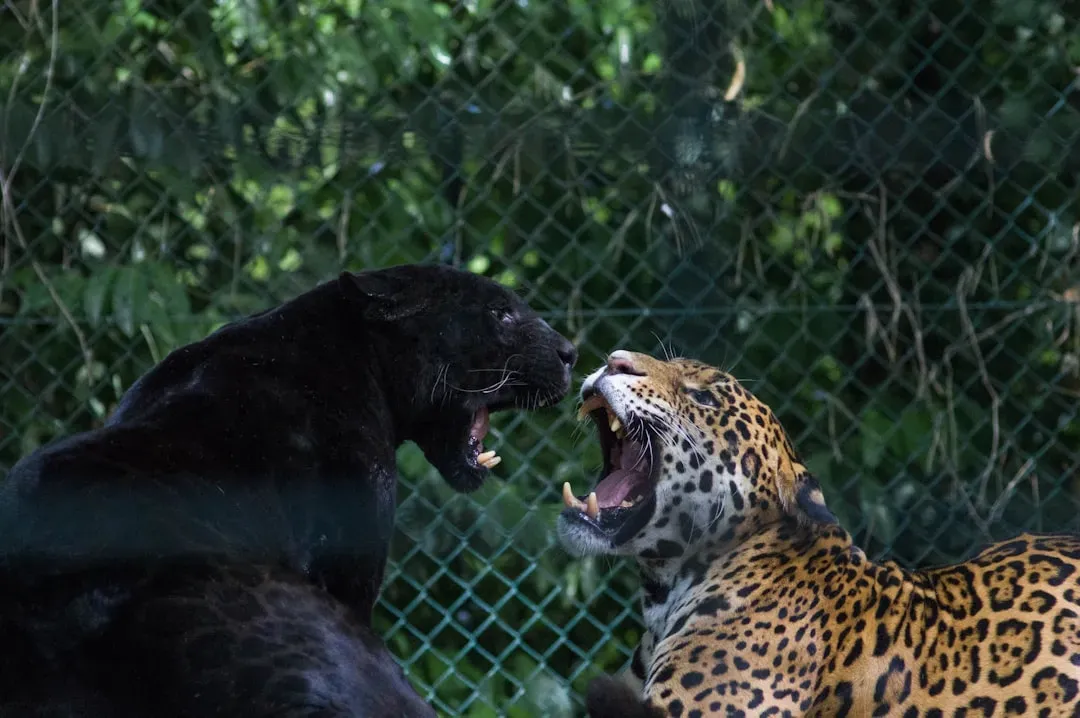
North America today isn’t the same landscape jaguars left behind. Gray wolves are an apex species that occupy a top niche in the natural food chain, and like bears and cougars, they have few competitors and play a prominent role in any ecosystem they inhabit. Grizzly bears, black bears, and mountain lions have carved out territories across the continent.
Brown bears and gray wolves are two of the most widespread apex predators in the Northern Hemisphere. In places where these predators coexist, things get complicated fast. Research shows intense competition dynamics between apex predators. Increasing wolf numbers had strong negative effects on puma fecundity and survival, with puma dynamics more strongly influenced by top-down forces exhibited by a reintroduced apex predator than by human hunting or prey abundance. Would jaguars face similar pressures from established predators, or could they carve out their own niche?
Recent Jaguar Sightings Spark Hope
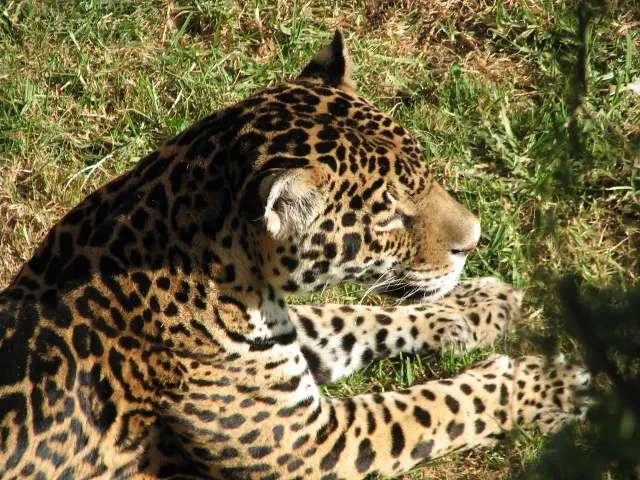
The story gets interesting again starting in the mid-1990s. In 1996, a rancher and hunting guide from Douglas, Arizona came across a jaguar in the Peloncillo Mountains and became a researcher on jaguars, placing trail cameras, which recorded four more jaguars. Eight jaguars were photographed in the southwestern US between 1996 and 2024.
These aren’t breeding populations yet. Jaguars do not currently have a viable wild breeding population in the United States, with all recent jaguar crossings being males who likely dispersed from the northernmost viable jaguar population that inhabits the Sonora Jaguar Conservation Unit in Mexico. Still, the fact that young male jaguars are wandering north from Mexico suggests the source population is healthy enough to send out explorers. Recently, camera traps in Arizona’s San Rafael Valley have captured multiple images of a prowling male jaguar, with sightings encouraging to biologists who hope the big cats will move north from Mexico and reestablish the first breeding population since the animal was extirpated from Arizona in the 1960s.
What Stands Between Jaguars and Recovery
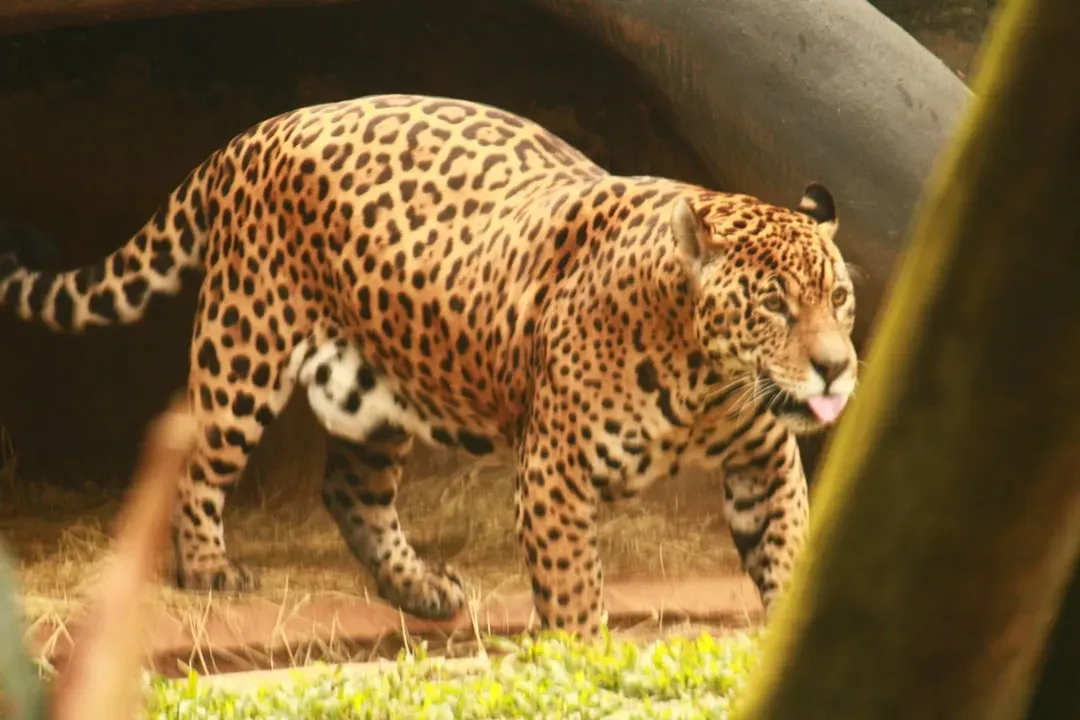
Physical barriers present serious problems. The construction of the border wall is creating a roadblock to the big cat’s return to the U.S. Southwest, with the Department of Homeland Security continuing to build miles of 30-foot barriers. Wildlife corridors that jaguars need to travel between populations are being severed.
The jaguar population has probably declined by 20–25% since the mid-1990s. Threats remain substantial. The jaguar is threatened by loss and fragmentation of habitat, illegal killing in retaliation for livestock depredation and for illegal trade in jaguar body parts, with deforestation being a major threat across its range. Even if jaguars wanted to return naturally, they’re fighting human obstacles at nearly every turn.
Could Habitat Support Returning Jaguars
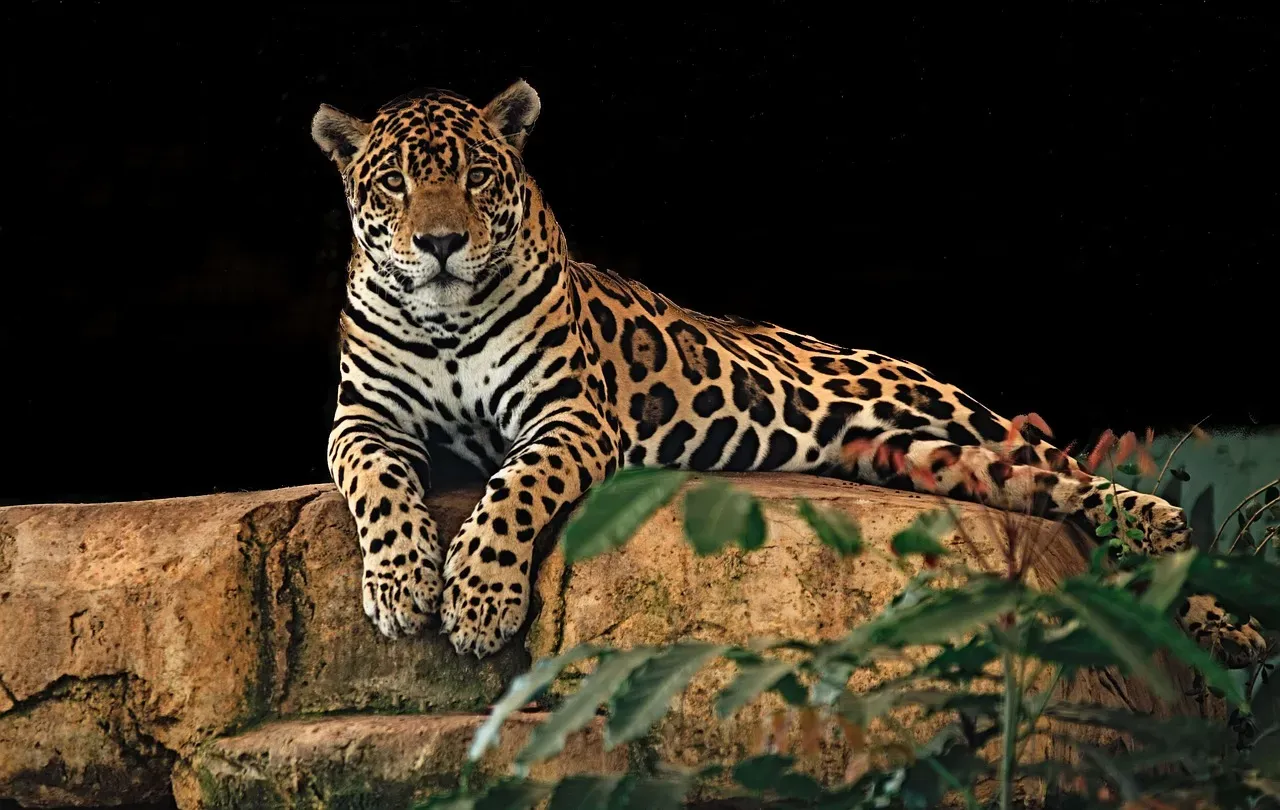
Surprisingly, the answer might be yes. North of Interstate-10, there may be room for an eventual population of 90–150 individuals in a large block of habitat called the Central Arizona/New Mexico Recovery Area, which is the same size as the State of South Carolina. That’s not insignificant habitat.
The 3.3-million-acre Gila National Forest in western New Mexico has a low road density, sizable areas where livestock grazing is not permitted, and plenty of deer and elk to serve as a prey base for a jaguar population, with scientists saying it’s one of the best spots to help bring back jaguars. The land can support them. Prey populations are robust thanks to elk and deer thriving across the Southwest. Water sources exist in riparian corridors that jaguars prefer. The ecological stage is surprisingly well set.
Success Stories From South America
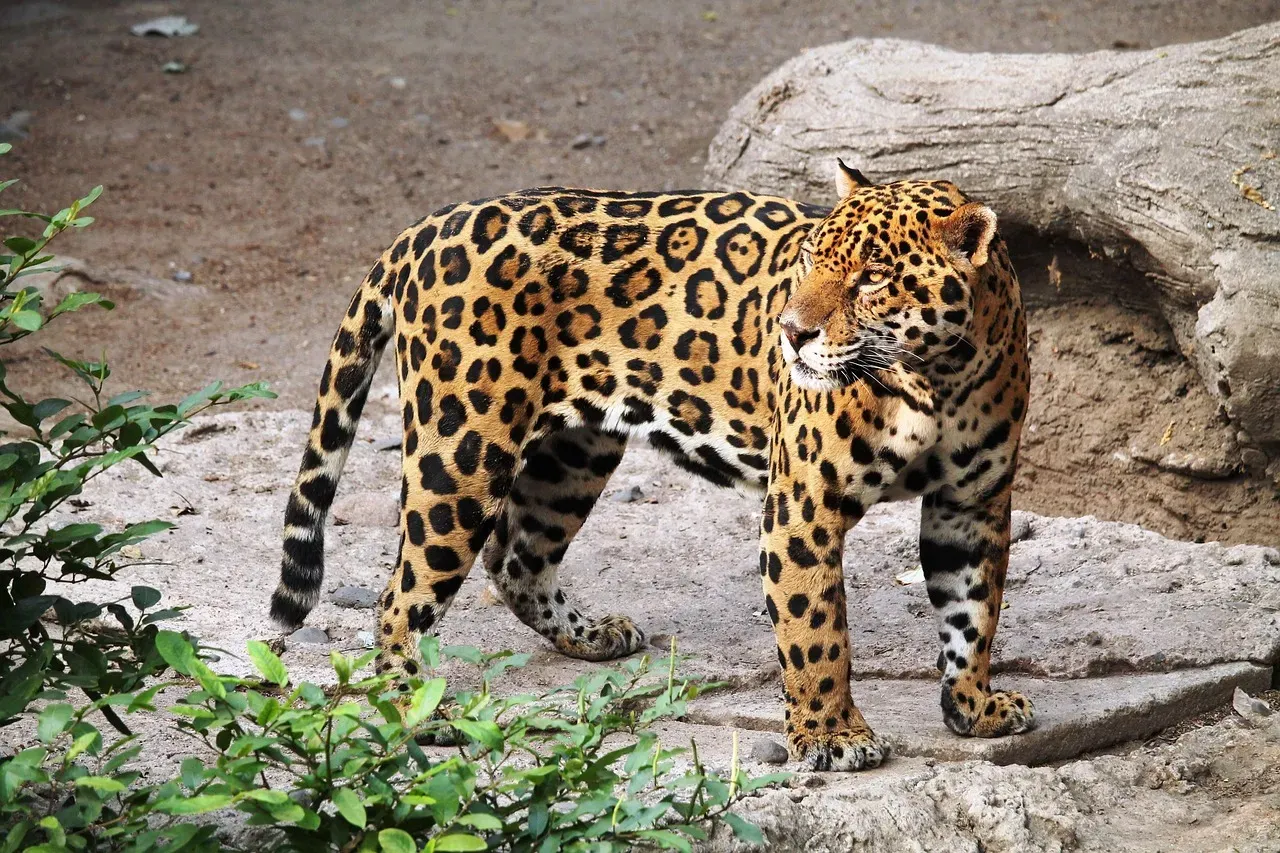
If you want to see what’s actually possible, look at Argentina. Rewilding Argentina recovered a jaguar population from zero to 35 individuals in just four years in Iberá, where jaguars had been absent for 70 years. This wasn’t passive conservation. This was active, science-driven reintroduction that worked.
Sebastián Di Martino believes jaguars would thrive in the region and that reintroducing them would be straightforward, noting “How to breed jaguars, how to transfer jaguars, how to deal with genetics, those kinds of issues, that is the easy part of the work. The most difficult part is to build social and political support for the animals.” The technical challenges aren’t the problem anymore. We know how to do this. The question is whether we have the collective will.
Human Attitudes Remain the Biggest Challenge
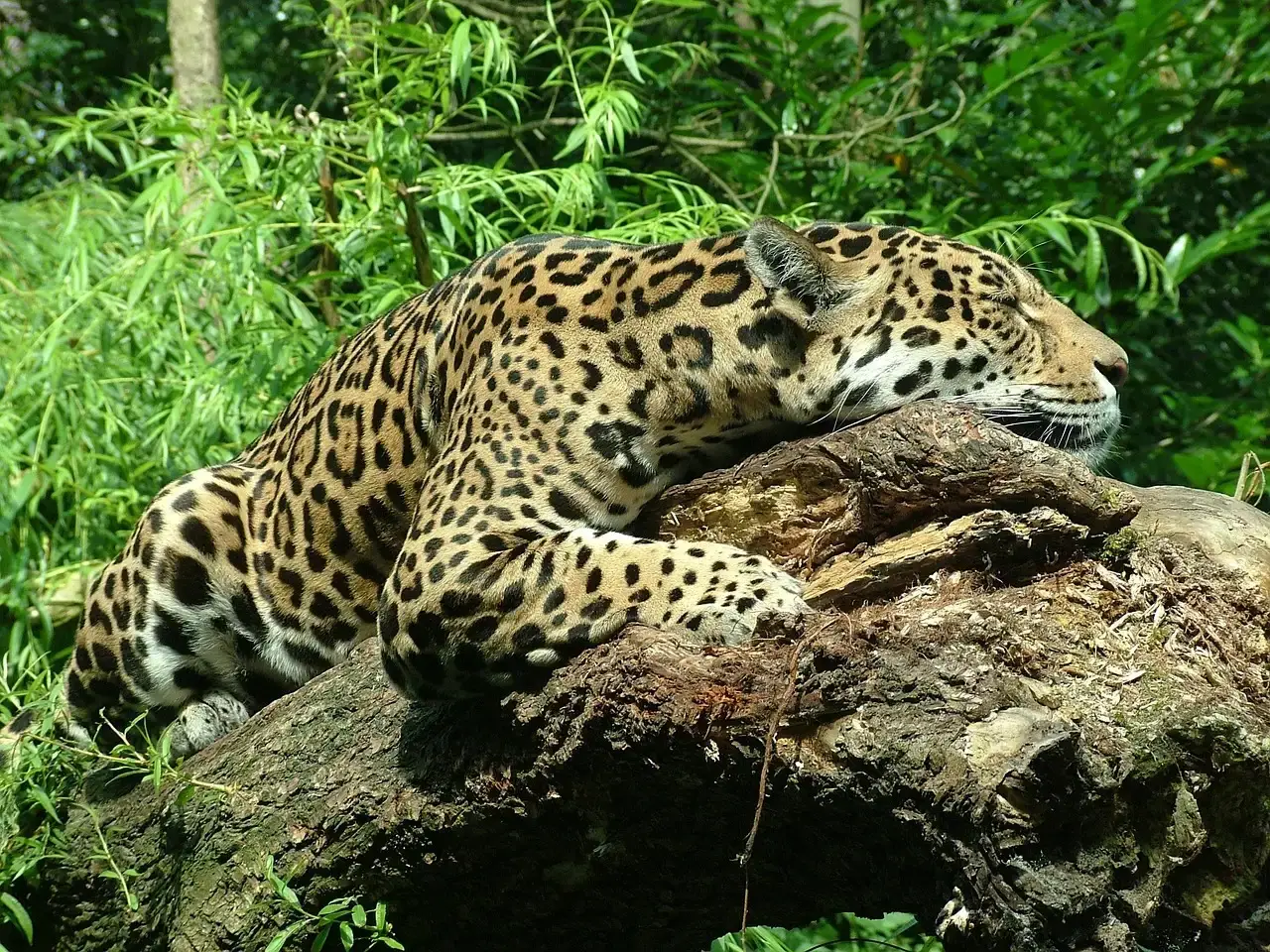
Let’s not sugarcoat this. Jaguars declined in the United States due to direct mortality from hunting by humans to habitat loss, with a hunting campaign sponsored by the federal government in the twentieth century causing jaguar populations to rapidly decline. We intentionally killed them off because ranchers feared livestock losses.
That fear hasn’t entirely disappeared. With wild prey harder to find in fragmented landscapes, jaguars adapted their hunting behavior, and the corridor experienced more frequent jaguar interactions with humans and predation on cattle, leading to ranchers killing more jaguars in retaliation. However, conservation efforts offering landowners local resources like secure pen building, coexistence training and ranger-rancher patrols to keep cattle safe from jaguar or puma predation mean livestock producers are more likely to reach out to conservation groups for predator deterrents and training, rather than killing jaguars they see on their land.
The Reintroduction Debate Heats Up
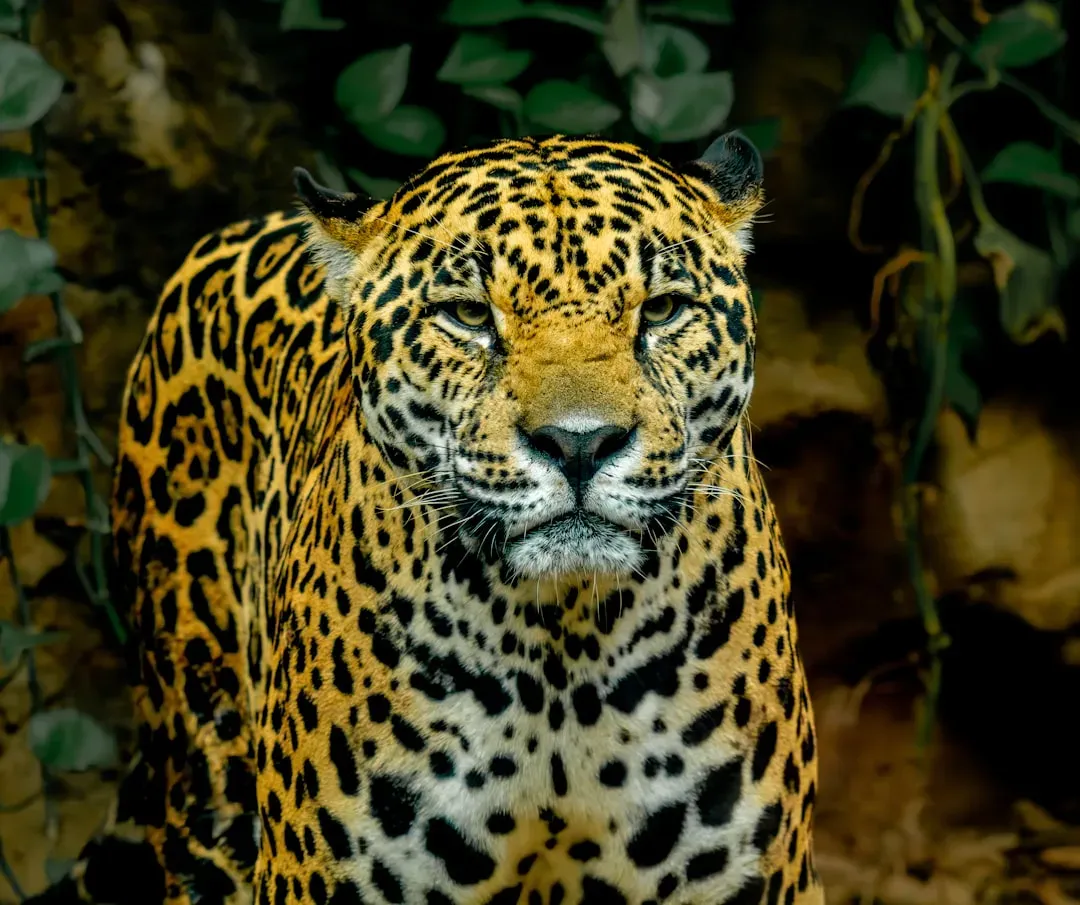
Some scientists think waiting for natural recolonization takes too long. A 2021 study suggested that reintroduction is practical and feasible over a realistic time horizon, with conditions favorable for the reintroduction of up to 150 jaguars in the mountains of central Arizona and New Mexico because human actions no longer pose a threat to the animals and the proposed reintroduction area is vast, covered with suitable vegetation, and well populated with prey.
With tolerance and proper protections, the southwestern United States could ultimately support a jaguar population of at least 100. State and federal agencies remain skeptical, arguing costs would be high and landscapes could support only a handful of animals. Reintroducing jaguars to the United States will help jump-start a viable population if it can connect to those in Mexico and improve genetic diversity. The science supports it. The politics? That’s another story.
What Jaguar Recovery Would Mean for Ecosystems
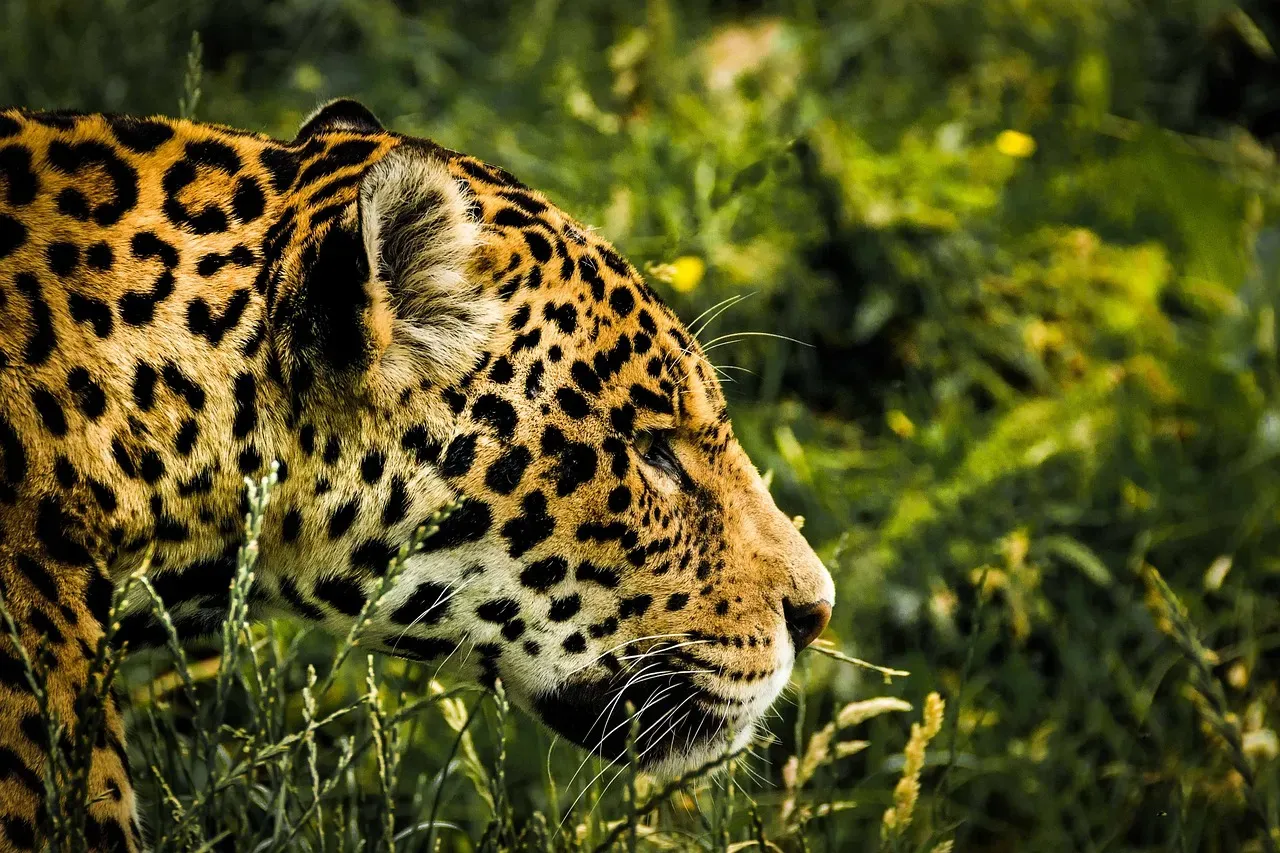
The adult jaguar is an apex predator at the top of the food chain, and as a keystone species, it plays an important role in stabilizing ecosystems and regulating prey populations. Bringing them back wouldn’t just add one more predator to the landscape. It would fundamentally reshape how ecosystems function.
Jaguars are apex predators at the top of their food chain and play an essential role in the ecosystem, keeping populations of animals lower down the food chain like deer and capybaras in check, preventing an overpopulation that would otherwise have devastating impacts on vegetation. The reintroduction of jaguars could lead to important changes in plant communities, with potential benefits for biodiversity and ecosystem processes, as understanding these interactions is crucial for conservation efforts. The ripple effects would extend from predator to prey to plants to soil. That’s what apex predators do.
The Path Forward
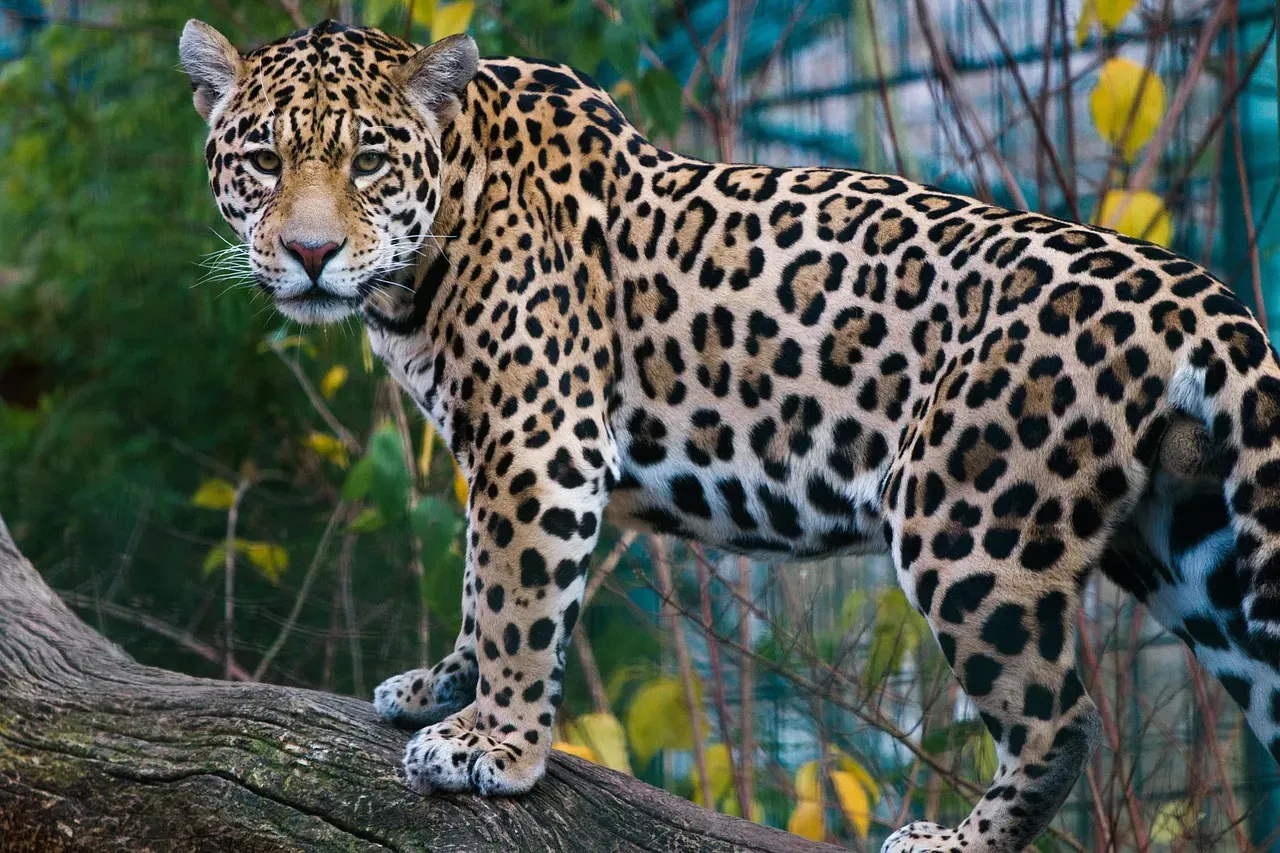
So could jaguars become apex predators in North America again? Honestly, the biological answer is yes. They have the physical tools, the prey base exists, and suitable habitat remains. Natural recolonization is the best path forward for jaguars to re-establish a viable population in the United States, as giving jaguars space, protection, connectivity, habitat and a healthy prey base means they will eventually roam once more in their historical range.
The real barriers aren’t ecological anymore. They’re human constructs like border walls, political resistance, and lingering fears about livestock conflicts. Range states adopted the first jaguar range-wide action plan, which puts in place a coordinated strategy across countries for long-term jaguar conservation. International cooperation is building momentum. Whether that momentum translates into North American jaguar recovery depends entirely on whether we’re ready to share the landscape with an apex predator that was here long before us.
What do you think? Are you ready to live in a world where jaguars prowl American forests again?