
Have you ever caught your cat eyeing you from across the room, only to see them curl up beside you the moment you shift to a comfy position? It’s almost as if your cat is reading your body language, waiting for just the right moment to snuggle up. But what if the way you sit truly does influence your cat’s comfort? Let’s dive into this surprising, often-overlooked aspect of feline behavior that could change the way you and your cat connect.
Understanding Cat Sensitivity to Human Body Language

Cats are incredibly observant creatures. They spend countless hours watching the world around them, and that includes you. Your posture, movements, and even the way you sit on the couch all send subtle signals to your furry friend. Unlike dogs, who often respond to direct commands, cats are experts at picking up on nonverbal cues. When you slump down or sit tensely, your cat may sense your mood and adjust their behavior accordingly. This sensitivity is rooted in their wild ancestors, who relied on reading body language for survival. So, every time you shift positions, your cat is likely making a mental note about how safe, inviting, or intimidating you appear.
The Importance of Personal Space for Cats

Cats value their personal space, just like humans do. The way you sit can either respect or encroach upon this invisible boundary. When you sit with your legs stretched out or drape yourself across the couch, you might block your cat’s favorite path or cozy spot. Conversely, curling up neatly or sitting cross-legged can create inviting nooks for your cat to explore. For a cat, personal space isn’t just physical—it’s emotional too. If they sense you’re relaxed and not about to move suddenly, they’re more likely to approach and settle in nearby.
Seated Postures That Attract Cats

Some sitting positions seem to call cats over like a magnet. Sitting cross-legged on the floor, for example, often invites cats to settle in your lap or curl up against your legs. Many cats love it when you sit with your legs tucked under you, as it creates a warm, stable surface. Even sitting on the edge of a chair, slightly hunched forward, can signal to your cat that you’re open to interaction. These postures make you look less threatening and more approachable, which is downright irresistible to most felines.
The Impact of Sitting Height on Cat Comfort

Believe it or not, the height at which you sit can make a big difference to your cat. Sitting on the floor places you at their level, making you appear less intimidating and more like a fellow companion. In contrast, perching on a tall stool or standing up may make your cat hesitant to approach, as you seem larger and more distant. When you’re on their level, your cat may feel more comfortable initiating contact or simply hanging out nearby. This is why many cats seem to materialize whenever you sit on the carpet or lie down to stretch.
How Your Sitting Position Affects Cat Lap Time

Cats love to nap on their humans, but only under the right conditions. When you sit with a soft blanket draped over your lap and remain relatively still, you create a tempting, warm surface that’s hard for any cat to resist. However, if you’re constantly shifting, crossing and uncrossing your legs, or fidgeting, your cat may think twice about settling down. Your sitting position communicates whether it’s safe and comfy for a lengthy nap—or if it’s better to stay away and watch from afar.
Leg Placement: Open Invitation or Closed Door?

The way you arrange your legs sends a clear message to your cat. Legs spread wide or feet flat on the floor can seem like an open invitation, especially if you pat your thigh or gently tap the cushion. On the other hand, legs crossed tightly or tucked up on the couch can create a barrier, making it harder for your cat to find a spot or climb up. Think of your lap as a landing pad: the more accessible and inviting it looks, the more likely your cat is to accept your unspoken invitation.
Body Tension and Its Influence on Feline Comfort

Cats are masters at detecting tension—not just in other cats, but in people too. If you’re sitting rigidly, clenching your fists, or holding your breath after a stressful day, your cat might sense something’s off. This can make them more cautious, less likely to approach, or even prompt them to hide. Conversely, a relaxed posture, open hands, and gentle breathing can signal to your cat that you’re calm and approachable. It’s almost as if your emotional weather forecast is written all over your body, and your cat is the first to read it.
Proximity to Your Cat’s Favorite Spots

Where you choose to sit can have a huge impact on your cat’s comfort. If you’re near their favorite sunny window, cozy blanket, or scratching post, your cat may be more inclined to join you. Sitting right in the middle of their usual territory, though, could make them hesitant. Cats appreciate having multiple options, so leaving some space for them to move freely or choose their own spot can make all the difference. It’s like sharing a living room with a roommate—sometimes it’s best to give each other a little breathing room.
The Role of Eye Contact While Seated

Eye contact is a powerful form of communication for both humans and cats. When you’re seated, the way you look at your cat can either invite them over or keep them at a distance. Staring directly at your cat while sitting upright might feel intimidating to them, while soft, slow blinks or glancing away can make them feel more secure. Many cat owners have discovered that avoiding intense eye contact encourages their cat to approach and settle in, as if saying, “I’m not a threat—I just want to relax with you.”
Movement Versus Stillness: What Do Cats Prefer?

Cats thrive on predictability and calm. If you’re constantly shifting in your seat, tapping your foot, or standing up and down, your cat might see this as a sign that it’s not safe to settle nearby. On the flip side, sitting still for a period of time signals to your cat that it’s safe to approach, climb onto your lap, or curl up close by. Sometimes, the simple act of remaining still is the best way to invite your cat into your personal space.
Scent Transfer and Familiarity Through Sitting

Every time you sit in a certain spot, you leave behind a little bit of your scent. Cats are highly attuned to smells, and they often gravitate toward areas that carry the comforting scent of their favorite human. When you sit in the same place regularly, your scent becomes embedded in the fabric and cushions, creating a familiar environment that your cat finds reassuring. It’s one of the reasons cats love to nap on your favorite chair or blanket—they want to feel close to you, even when you’re not around.
The Psychological Connection Between Sitting and Bonding

Sitting together is about more than just sharing space—it’s a powerful bonding experience. When you and your cat settle down in the same area, you’re building trust and reinforcing your connection. Cats often choose to sit near their favorite people, mirroring their posture or curling up beside them. This shared downtime strengthens your relationship and can be as meaningful as any play session or treat. It’s a quiet, mutual understanding that speaks volumes in the language of companionship.
Cats and the Sound of Sitting Down

It might sound funny, but some cats actually respond to the sound of you sitting down. The creak of a chair, the rustle of a cushion, or the familiar thunk as you settle into your spot can signal to your cat that it’s time to join you. Over time, cats learn to associate these sounds with relaxation, warmth, and the chance for a cuddle. If your cat comes running every time you flop onto the couch, it’s no coincidence—they’ve connected that sound with happy, cozy moments.
How Sitting Arrangement Affects Multi-Cat Households

If you have more than one cat, your sitting position can influence the social dynamics between them. Sitting in the middle of the room might encourage both cats to approach, while favoring one side could make another cat feel left out. Creating equal access to your lap or leaving space for both cats can help reduce jealousy and promote harmony. Sometimes, even the placement of pillows or blankets can make a difference, giving each cat their own special spot while still being close to you.
Children, Sitting Styles, and Cat Reactions

Children often sit, move, and interact differently than adults, which can affect how cats respond. Kids might sit cross-legged, sprawl out, or flop onto the floor with sudden movements. Some cats find this unpredictable energy exciting, while others may become anxious or avoidant. Teaching children to sit calmly when inviting a cat over can make a world of difference in building trust. With patience, even the most skittish cat can learn to feel comfortable around young family members.
Furniture Choices: Sofas, Chairs, and Cat Comfort

The type of furniture you choose—and how you sit on it—can shape your cat’s experience. Soft, low chairs and plush sofas tend to invite cats to climb up and snuggle. Hard, slick surfaces or tall bar stools are less appealing to most felines. Adding a cozy blanket or pillow where you sit can make your lap more enticing. Over time, your cat will develop their own preferences, sometimes even claiming a specific spot right next to you as their own.
Seasonal Sitting Habits and Cat Behavior
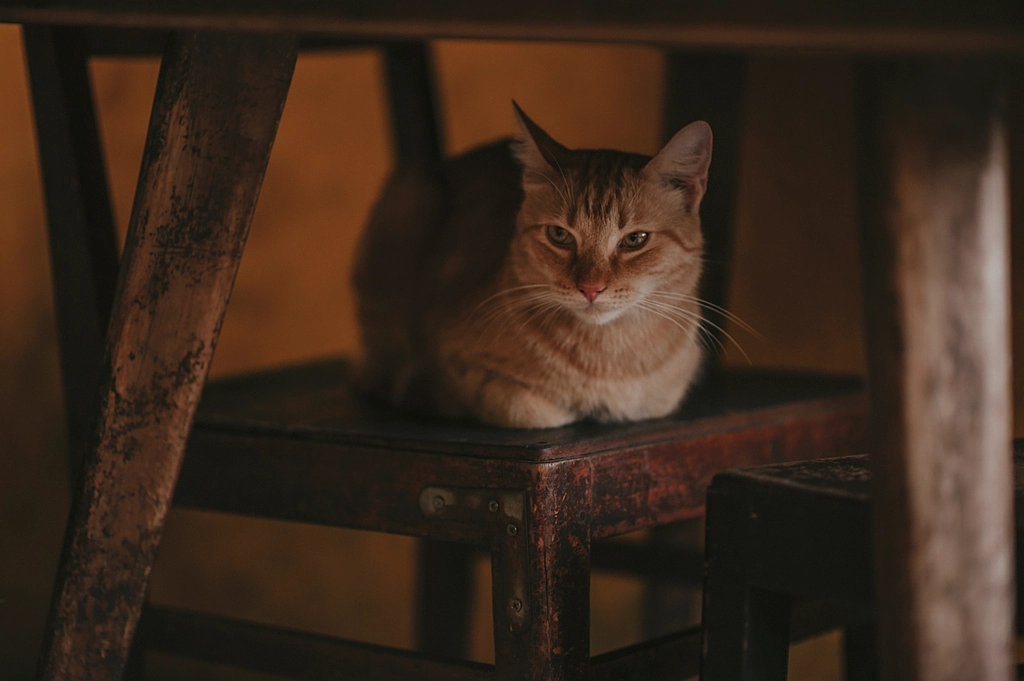
Your sitting habits probably change with the seasons, and so do your cat’s. In the colder months, you might spend more time curled up under a blanket, which is perfect for a cat seeking warmth. Summertime might find you sprawled out or sitting in cooler areas, which can influence where your cat chooses to relax. Cats are experts at adapting to your seasonal rhythms, often seeking out the coziest, warmest, or coolest spots—right alongside you.
Inviting Your Cat: Tips for Cat-Friendly Sitting

If you want your cat to feel more comfortable around you, try adopting some cat-friendly sitting habits. Sit with relaxed, open posture and make space for your cat to approach at their own pace. Pat your lap gently or use a soft voice to invite them over, but never force the interaction. Keep your movements slow and predictable, and consider adding a favorite blanket or toy nearby. Before you know it, your cat may make a habit of joining you, turning every quiet moment into a shared one.
Growing up traveling and experiencing new cultures and wonders, I have had a passion for nature, adventuring, photography, and videography. I am currently working towards a BSc in Biodiversity and Ecology at Stellenbosch University, and I hope to specialise in Marine Sciences one day.
Please send any feedback to Feedback@animalsaroundtheglobe.com