You’ve probably caught your cat doing something so unexpectedly clever that you stopped and thought, “Wait… did that just happen?” Maybe they figured out how to open a cabinet, or they appeared in the kitchen the exact second you opened the fridge. It didn’t feel like coincidence. It felt calculated.
Here’s the thing: cats have long been dismissed as aloof, self-serving creatures who barely acknowledge your existence. Scientists and pet owners alike have underestimated them for decades. The truth, though, is a lot more fascinating and a little unsettling. Your cat might be smarter than you’ve ever given them credit for. Let’s dive in.
The Surprisingly Complex Feline Brain
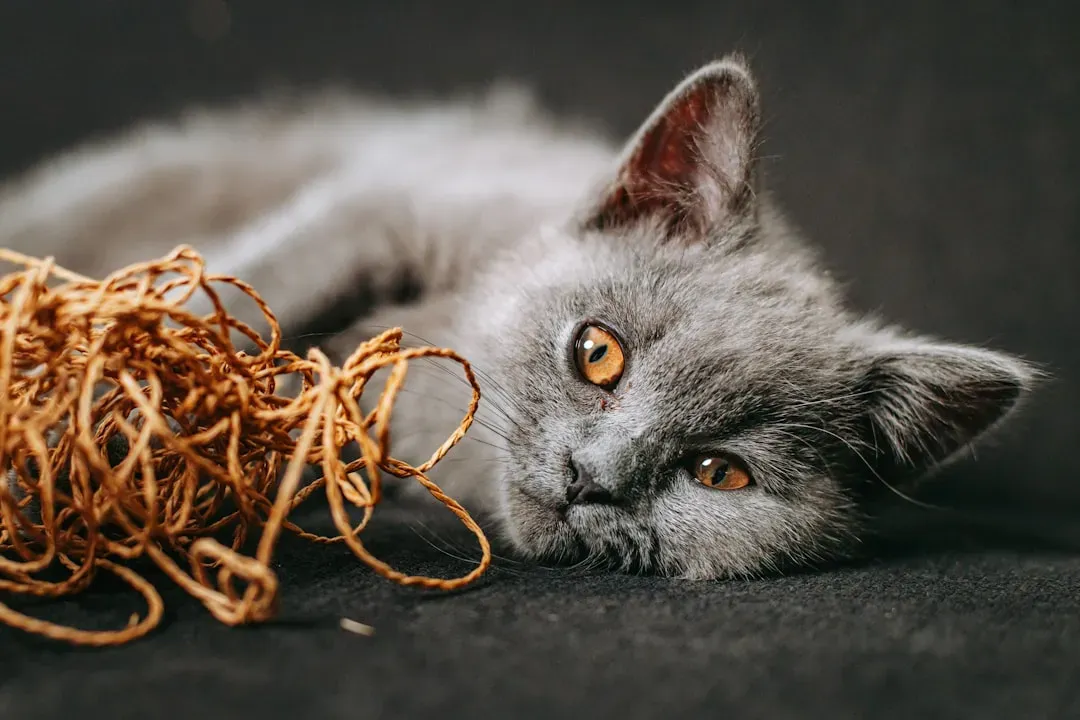
You’d never guess it from the size of a cat’s head, but what’s happening inside is genuinely remarkable. The average feline brain is approximately 5 centimeters long, but despite its small size, it’s structurally complex. It has complex surface folding patterns that increase the relative surface area of the brain, which is thought to improve cognition and overall brain function. Think of it like a crumpled piece of paper that, when laid flat, would cover far more surface area than it appears.
According to researchers at Tufts University School of Veterinary Medicine, the physical structure of the brains of humans and cats is very similar. Humans and cats share similar lobes in their cerebral cortex. The cerebral cortex is where all the good stuff happens: decision-making, planning, memory, and problem-solving. So the next time your cat stares at you judgmentally, just know there’s some serious neural activity behind those eyes.
Your Cat Knows Their Name and More
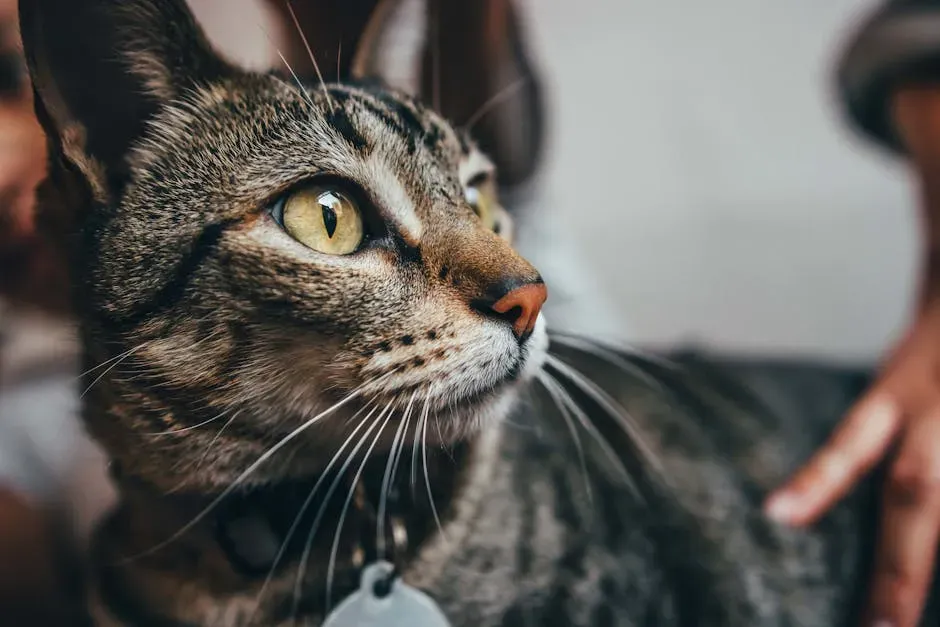
You might have tested this before. You call your cat’s name, they glance up slowly, then look away again as if you said nothing interesting. It can feel like a snub. Studies have shown that cats do recognize their names. Not only that, but they know their friends’ names too. So while they might or might not respond, a smart cat knows when you’re talking about them.
A study suggests that cats can even distinguish between people’s voices and that vocalizations elicit measurable changes in behavior. That means when a stranger talks to your cat versus when you do, something genuinely different is happening in your cat’s brain. Honestly, that’s both impressive and a little intimidating. Your cat is processing social information in real time, even if they pretend not to care.
The Secret Power of Feline Memory
Cats display neuroplasticity, allowing their brains to reorganize based on experiences. They have well-developed memory, retaining information for a decade or longer. These memories are often intertwined with emotions, allowing cats to recall both positive and negative experiences associated with specific places. That explains a lot. If your cat avoids the bathroom because you once gave them a bath in there three years ago, it’s not a grudge. It’s memory.
Their working memory span of about 30 seconds proves sufficient for hunting and problem-solving tasks, while their long-term memory can retain information for years. Cats can learn through both observation and experience. They watch their human companions and other animals to acquire new skills, such as opening doors or manipulating objects. Their procedural memory for learned tasks can last up to a decade or more, especially when associated with positive experiences. So yes, your cat remembers. Everything.
Problem-Solving: When Your Cat Outsmarts the House

High-IQ cats are usually creative, always finding clever solutions to problems. For example, when they want to get into a forbidden room, they might scratch the door, squeeze through a gap, or use furniture as a stepping stone. If you’ve ever tried to “cat-proof” a room only to find your cat sitting smugly inside it, you already know how this plays out.
If your cat can open the bathroom door or turn on the faucet for a drink, that’s probably because they’ve seen you do it. Observational learning is a hallmark of higher cognitive ability, and smart cats are good at it. Research has shown that cats possess a remarkable ability to learn and solve problems. They are naturally curious and have a penchant for exploration. One study presented cats with different puzzles and tasks to solve. Researchers found that cats use logical reasoning to access rewards through trial and error.
Understanding Time and Cause-and-Effect
Your cat showing up at your feet precisely at 6:00 PM for dinner isn’t a guess or a fluke. If your cat waits by the door just before their favorite human comes home or materializes in the kitchen the second the fridge opens, that’s not magic. Studies suggest cats use temporal learning, recognizing patterns in time and associating them with predictable outcomes.
If your cat uses meows and other attention-getting behaviors to get you to feed it at a certain time, this indicates that your cat understands the concepts of time and cause and effect. Let’s be real: a creature that figures out how to manipulate your behavior through sound is not operating on autopilot. That’s strategy. That’s a very small, furry strategist living in your home.
Object Permanence: Your Cat Knows What Disappears Is Still There
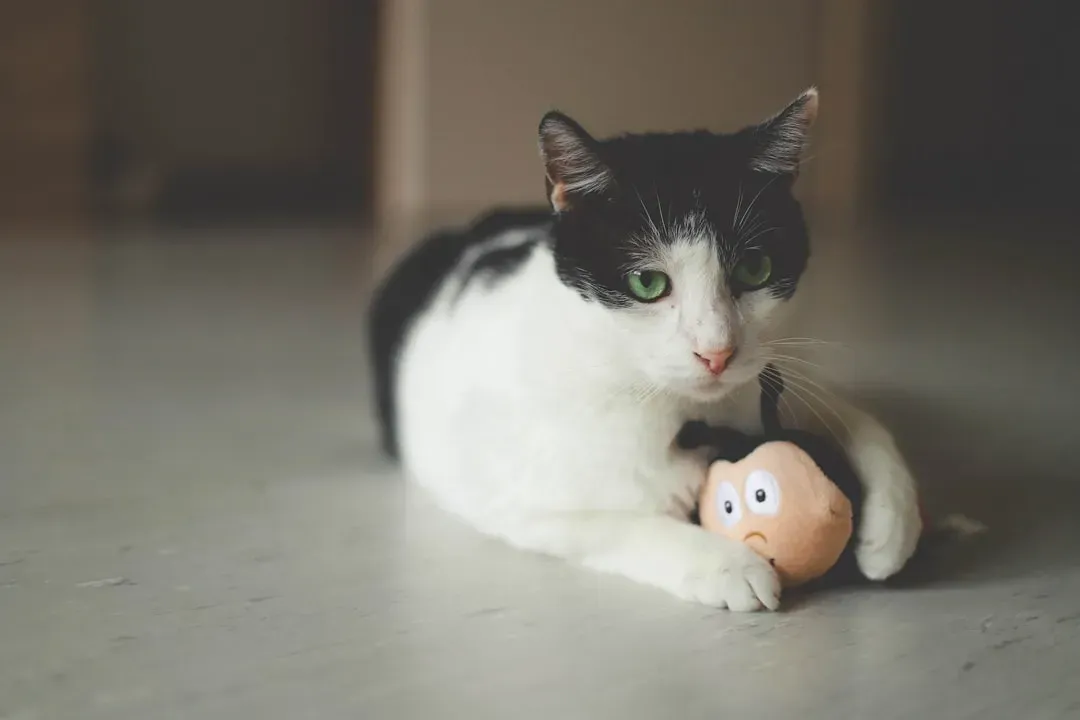
Research highlights that cats have a sense of object permanence. When they see an object that is then hidden, they know it hasn’t disappeared but that it is, for example, under the box. Cats also have working memory and a well-developed long-term memory. Object permanence is the same cognitive milestone that researchers track in human babies, typically emerging at around one to two years of age.
Evidence for the skill in felines comes from several studies showing that cats can easily solve “visible displacement” tests in which they see an object disappear and then search for it where it was last seen. Researchers say that not only do cats easily master this type of test, but that the older they are, the better they become at solving the problems posed. You can test this yourself tonight. Hide a treat under a cup, and watch what happens. You might be surprised.
Social Intelligence and Emotional Awareness
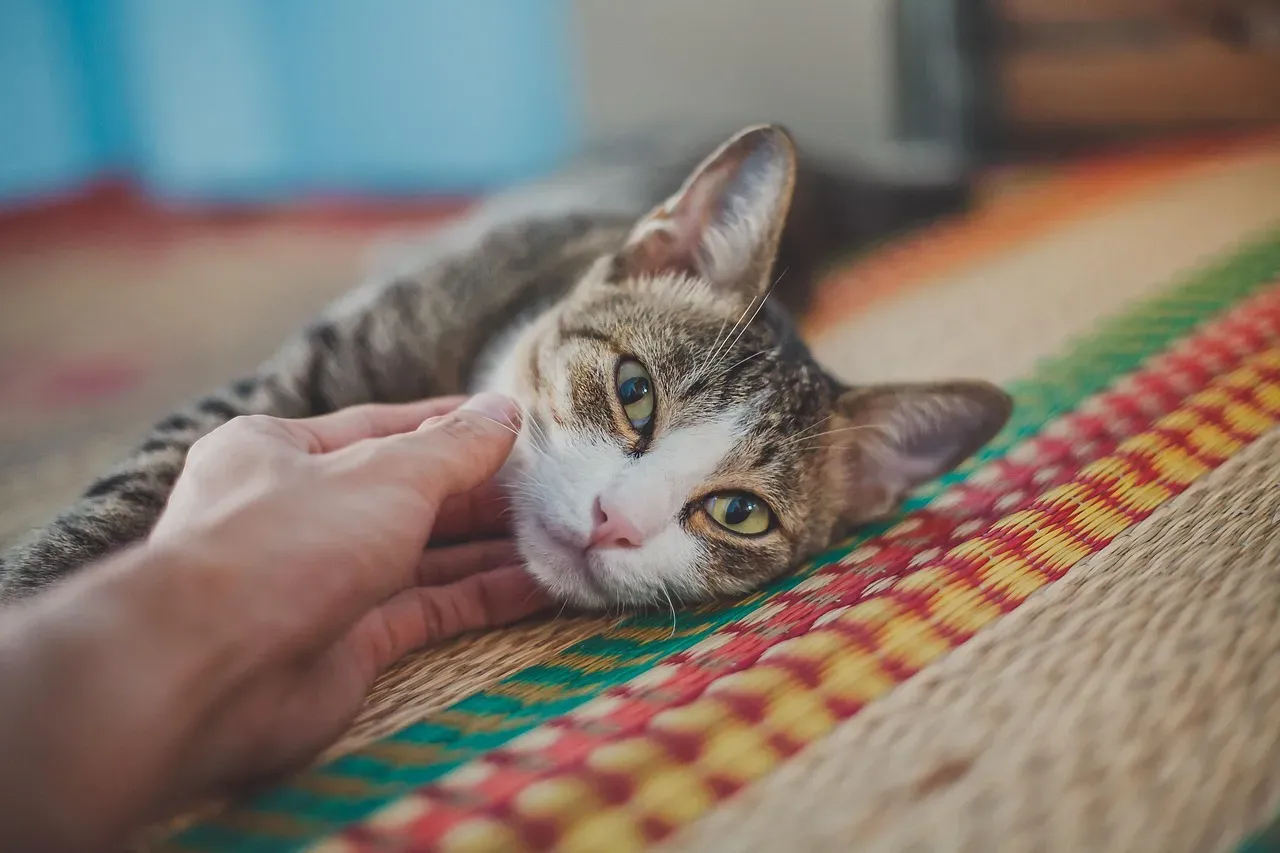
Most people assume cats don’t care about your feelings. They’re wrong. Your cat could be the equivalent of your feline therapist: they might immediately sense when you are having a bad day, purring and rubbing against you to help you feel better fast. That level of emotional attunement isn’t accidental. It reflects genuine social intelligence at work.
Intelligent cats often understand social cues, responding appropriately to your emotions or the actions of other pets. Their ability to communicate through various sounds and physical cues highlights their social intelligence. Contrary to their reputation as aloof creatures, cats possess sophisticated social cognition abilities. They can engage in referential communication, demonstrated through behaviors like gaze alternation between their human caregivers and objects of interest. In other words, your cat can look at you, then look at their empty food bowl, then look back at you. That’s communication. Deliberate, intentional communication.
Learning From Watching You and Others Around Them
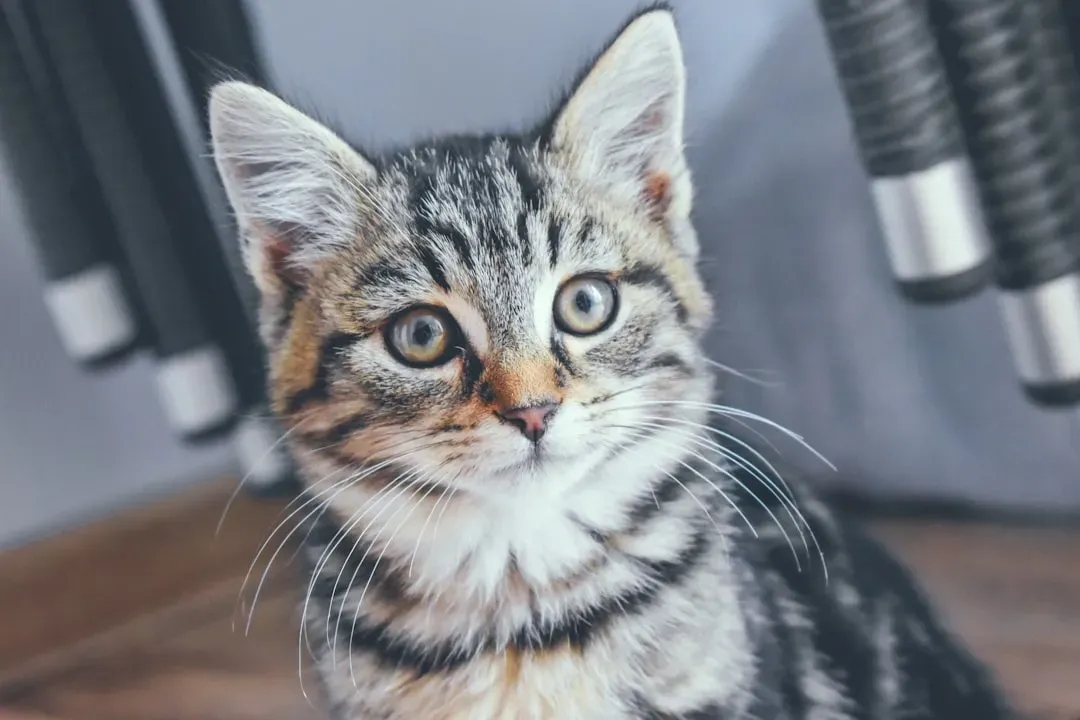
An experiment was done to identify possible observational learning in kittens. Kittens that were able to observe their mothers performing an experimentally organized act were able to perform the same act sooner than kittens that had observed a non-related adult cat, and sooner than those who observed no other cat performing the act. This is a big deal. It means cats don’t just learn by doing. They learn by watching, which is a much more cognitively advanced process.
Kittens learn essential survival skills by observing their mothers, while adult cats refine their abilities through trial and error. Cats that learn routines, manipulate environments, and communicate clearly are using the same mental skills researchers study in labs: memory, problem-solving, and social cognition. It’s hard to say for sure how conscious this process is for them, but the behavior itself is undeniably sophisticated. Your cat watches. Your cat learns. Your cat adapts.
How Breed and Environment Shape Feline Intelligence
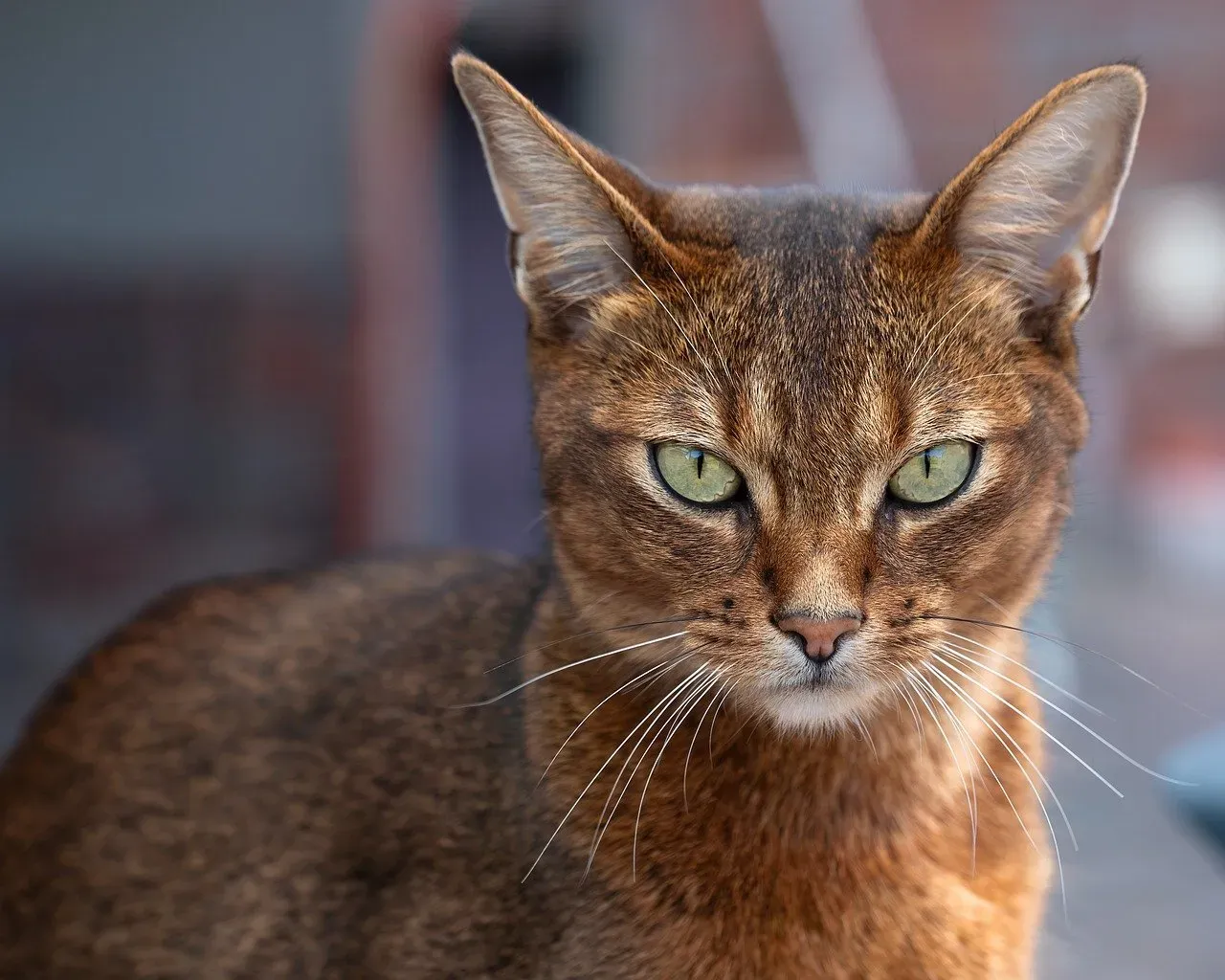
You might wonder whether some cats are simply born smarter. The answer, predictably, is complicated. It’s tempting to believe that feline intelligence is built into a pedigree, but science tells a more complex story. Some breeds do show consistent behavioral tendencies. Abyssinians are known for constant curiosity, Bengals for energetic problem-solving, and Siamese cats for their vocal, social nature. These patterns reflect underlying genetic influences on personality and motivation, which can make certain cats seem more inquisitive or quick to learn.
However, research suggests that while genetics play a role, they don’t define the full picture. A large study from the University of Helsinki examined behavior in more than 5,726 cats across 19 breeds and found that around 40 to 50 percent of variation in behavioral traits is heritable, meaning roughly half is shaped by environment and experience instead. So where your cat grows up, how you interact with them, and how much mental stimulation they get matters enormously. Some cats may excel at cognitive tasks while others struggle, influenced by factors including genetics, early socialization, environmental history, health status, and individual temperament.
Conclusion
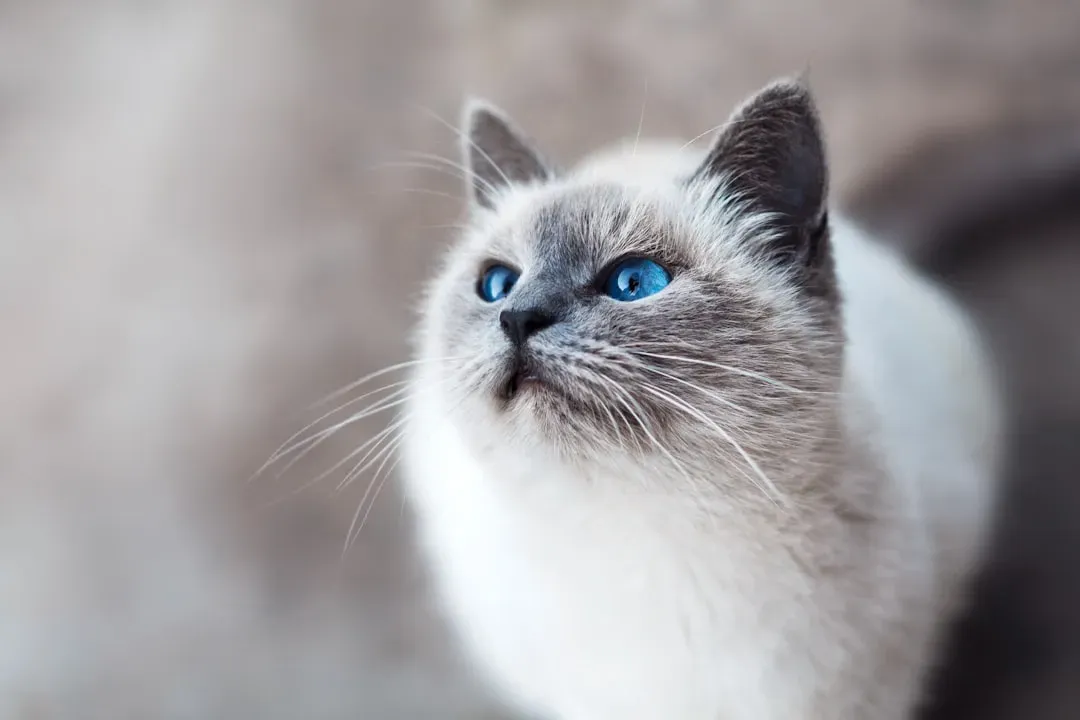
Cats have spent centuries being misread. We’ve called them cold, simple, untrainable, and indifferent. Science is now gently but firmly dismantling all of that. The evidence is clear: your cat remembers, reasons, observes, communicates, and yes, sometimes outsmarts the humans they live with. That’s not just survival instinct. That’s intelligence in action.
According to scientists, it’s not your imagination: cats are far more intelligent than you may realize and far more stubborn. The stubborn part probably surprises no one. Though cat intelligence isn’t as well researched as that of dogs, there are still signs that you may be the proud owner of a kitty Einstein. Now that you know what to look for, you might start seeing those signs everywhere.
Look at your cat right now. They’re probably staring back at you with that slow blink and that perfectly unreadable expression. Maybe they’re just resting. Or maybe they’ve already figured you out completely and are simply deciding what to do with that information. What do you think? Have you spotted signs of genius in your own cat? Tell us in the comments.